
Tuesday, August 4, 2026
Home Blog Page 7

Maldives: Centara celebrates  prestigious accolades

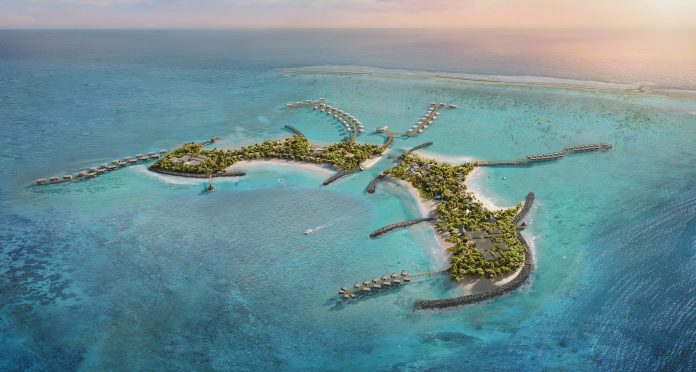
BANGKOK, 22 July 2026: Centara Hotels & Resorts, Thailand’s leading hotel operator, proudly celebrates a remarkable series of international recognitions achieved across its four distinctive island resorts in the Maldives during the first half of 2026, reaffirming its commitment to delivering exceptional hospitality and meaningful guest experiences. Recognised by globally respected travel publications and leading review platforms, each accolade reflects the unique identity of the individual resorts while highlighting the strength and diversity of Centara’s Maldives portfolio.

From refined island retreats and immersive family escapes to world-class marine experiences and romantic adults-only getaways, these recognitions celebrate the experiences that continue to inspire and resonate with travellers from around the world.
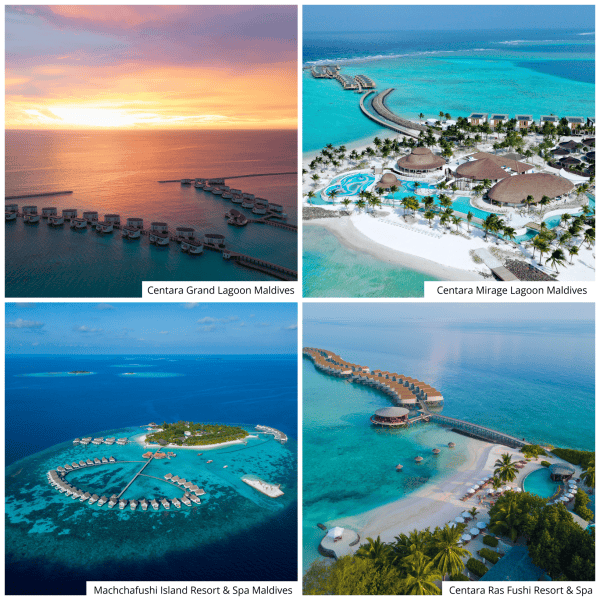
Machchafushi Island Resort & Spa Maldives, The Centara Collection, nestled in the breathtaking South Ari Atoll, has earned three prestigious international accolades during the past quarter, further strengthening its reputation as one of the Maldives’ most distinctive island retreats. The resort was named one of the Best House Reefs in the Maldives at the Travel + Leisure Luxury Awards Asia Pacific 2026, recognising its extraordinary marine environment within the South Ari Marine Protected Area, home to vibrant coral ecosystems and year-round whale shark encounters.

Further enhancing its global recognition, Machchafushi Island Resort & Spa Maldives, The Centara Collection was honoured with the Tripadvisor Travellers’ Choice Best of the Best Award 2026, placing it among the top one per cent of hospitality listings worldwide. This distinguished recognition celebrates properties that consistently deliver exceptional guest experiences and receive outstanding traveller reviews over the past twelve months. The resort also received the Booking.com Traveller Review Award 2026, achieving an impressive guest review score of 9.2, reflecting guests’ continued appreciation for its immersive island experiences, attentive hospitality, and exceptional natural surroundings.

Centara Grand Lagoon Maldives, an elegant island retreat in the heart of North Malé Atoll, has received the Booking.com Traveller Review Award 2026, achieving an outstanding guest review score of 9.1. Having welcomed its first guests recently, this recognition reflects the resort’s commitment to delivering exceptional service, elegant all-villa and residence accommodation, elevated culinary experiences, and thoughtfully curated stays. Redefining barefoot island hospitality in the Maldives, Centara Grand Lagoon Maldives offers a refined approach to contemporary island living, where understated elegance, personalised service, and authentic Maldivian surroundings come together to create memorable guest journeys.

Centara Mirage Lagoon Maldives, nestled in North Malé Atoll, has been recognised among the Best Resorts for Families at the Travel + Leisure Luxury Awards Asia Pacific 2026. Inspired by an underwater world of discovery, the resort has quickly established itself as one of the Maldives’ leading family destinations, offering spacious family-focused villas, one of the country’s most engaging water complexes featuring a lazy river, waterslides, and splash zones, alongside the signature Candy Spa, Kids’ Club, E-Zone, and thoughtfully designed experiences created to bring families together.

Centara Ras Fushi Resort & Spa Maldives, nestled in North Malé Atoll, has once again been recognised with the Tripadvisor Travellers’ Choice Award 2026, celebrating its continued commitment to delivering exceptional experiences for travellers from around the world. Reserved exclusively for adults, the resort is renowned for its tranquil overwater villas, exceptional dining experiences, vibrant house reef, and idyllic location just a short speedboat journey from Velana International Airport. Combining effortless island living with refined experiences, Centara Ras Fushi remains a sought-after escape for couples, honeymooners and friends seeking tranquillity and connection.

Francesco Pompilio, Cluster General Manager of Machchafushi Island Resort & Spa Maldives, The Centara Collection and Centara Ras Fushi Resort & Spa Maldives, shared: “These recognitions are especially meaningful as they celebrate the authentic experiences our guests cherish and the dedication of our colleagues who bring them to life every day. From the remarkable marine environment surrounding Machchafushi Island to the serene adults-only setting of Centara Ras Fushi, each resort offers a distinctive expression of Maldivian hospitality. We are proud to see these unique offerings recognised by our guests and by internationally respected travel organisations.”

Jorge Fernandez, Cluster General Manager of Centara Grand Lagoon Maldives and Centara Mirage Lagoon Maldives, shared: “These recognitions affirm our belief that today’s travellers are seeking experiences with purpose, authenticity, and individuality. Centara Grand Lagoon Maldives was created to redefine refined barefoot hospitality through personalised service, intuitive luxury, and thoughtfully curated experiences. At the same time, Centara Mirage Lagoon Maldives has introduced a new benchmark for family travel by combining imaginative recreation with meaningful connections across generations. To see both resorts recognised so early in their journey is a testament to the strength of their distinct positioning and our team’s unwavering commitment to delivering experiences that genuinely resonate with our guests.”

These latest accolades further strengthen Centara Hotels & Resorts Maldives’ position as one of the destination’s most celebrated hospitality portfolios, where every resort offers a unique perspective of the Maldives while sharing a common commitment to exceptional service, authentic experiences, and heartfelt Thai-inspired hospitality.

For more information about Centara Hotels & Resorts and its award-winning properties, visit https://www.centarahotelsresorts.com/

About Centara
Centara Hotels & Resorts is Thailand’s leading hotel operator. Its 92 properties span all major Thai destinations plus the Maldives, Vietnam, Laos, Japan, Nepal, Oman, Qatar and the UAE. Centara’s portfolio comprises six brands – Centara Reserve, The Centara Collection, Centara Grand, Centara, Centara Life and COSI Hotels – ranging from luxury island retreats and upscale family resorts to affordable lifestyle concepts supported by innovative technology.

(Source: Your Stories — Centara Hotels & Resorts)
Boeing Forecast: Remarkable recovery

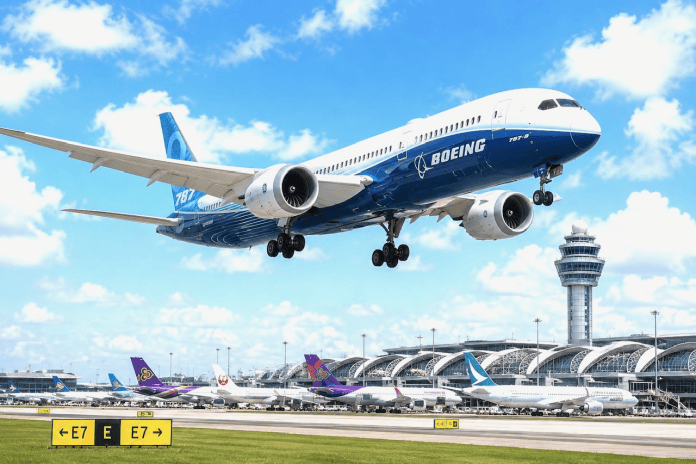
BANGKOK, 22 July 2026: Boeing has issued one of the most ambitious forecasts in aviation history. By 2045, the company expects a USD4.9 trillion global aviation services market, more than 43,600 new commercial aircraft entering service and demand for over 2.4 million new aviation professionals.

These are not simply impressive statistics. They represent one of the largest expansions ever projected for the global travel and tourism industry. For a sector that was fighting for survival only a few years ago, the scale of the anticipated recovery is remarkable.

According to Boeing’s latest Commercial Services Market Outlook, global passenger traffic is expected to double over the next two decades, while the world’s commercial fleet will grow by almost 80% to more than 50,000 aircraft. Around half of all new deliveries will replace ageing aircraft, with the remainder supporting future growth.

Yet the real story extends well beyond aircraft production. Every new aircraft requires pilots, cabin crew, engineers, maintenance facilities, spare parts, digital support systems and sophisticated logistics.

Boeing estimates the industry will need 674,000 new pilots, 728,000 maintenance technicians and more than one million cabin crew members by 2045.

Around two-thirds of these positions will simply replace retiring professionals, while the remaining third will support industry expansion. This highlights aviation’s greatest challenge.

The industry is not only growing; it must also replace decades of accumulated expertise while preparing a new generation for increasingly sophisticated aircraft and operating environments.

Technology will certainly help. Artificial intelligence, predictive maintenance, digital aircraft monitoring and immersive training will all become increasingly important. However, no technology can replace sound judgement, professional experience and rigorous training. Aviation has always been, and will remain, a people business. That reality, I believe, is especially important for tourism.

Hotels, resorts and attractions may be the visible face of travel, but aviation remains its essential foundation. Every additional aircraft creates demand far beyond the airline itself, supporting airports, engineering companies, hospitality businesses, convention centres, tour operators and thousands of small enterprises throughout the tourism economy.

For Southeast Asia, the opportunities are substantial. Boeing forecasts the region will require approximately 258,000 additional aviation professionals over the next twenty years, reflecting its position among the world’s fastest-growing aviation markets.

Thailand is well placed to benefit. Its strategic location, mature tourism industry and established aviation infrastructure provide strong foundations for future growth. However, success cannot be taken for granted. Airports require continued investment, engineering capabilities must expand, training institutions need greater capacity and regulatory systems must continue evolving alongside rapidly changing technology. Aircraft can be ordered. Skilled professionals cannot.

Thailand Seaplanes

Against this backdrop, renewed interest in commercial seaplane operations has generated considerable discussion. Siam Seaplane’s plans to introduce scheduled amphibious aircraft services are both imaginative and potentially valuable for Thailand’s premium tourism sector.

What it may look like (image generated by AI).

The concept offers attractive possibilities, particularly for connecting luxury coastal resorts and island destinations while creating distinctive visitor experiences. However, seaplanes should be viewed in perspective.

They represent a specialised niche rather than a transformational change to Thailand’s aviation landscape. Thailand already supports executive helicopters and private jet operations, and seaplanes are likely to occupy a similar premium market.

History also provides a useful reminder. Previous initiatives, including Yellow Bird, demonstrated both the appeal and the commercial challenges of operating seaplanes in Thailand. Beyond acquiring aircraft, operators require specialised water aerodromes, environmental approvals, marine traffic coordination, maintenance facilities, trained crews, insurance support and a clear regulatory framework.

Perhaps most importantly, sufficient passenger demand must exist to justify the significant investment.

The Maldives has demonstrated how successful seaplane tourism can become under the right geographic conditions. Thailand, however, already benefits from an extensive network of airports, highways and ferry services, reducing the number of routes where seaplanes offer a clear commercial advantage.

None of this diminishes the value of innovation. Premium tourism continues to evolve, and niche aviation services may well find profitable opportunities. The challenge will be matching ambition with commercial reality.

Aviation’s future

Ultimately, Boeing’s extraordinary forecast is about far more than aircraft. It is about people. It is about skills. And importantly, it is about the infrastructure that keeps global tourism moving.

Whether through major international airlines or innovative niche operators, the future of aviation will depend not simply on technological advances but on sustained investment in training, maintenance, safety and smart regulation.

For Thailand, the opportunity is considerable. If the country continues investing in its aviation workforce while encouraging carefully planned innovation, it can strengthen its position as one of Asia’s leading aviation and tourism hubs.

The skies ahead certainly look busy. Ensuring there are enough skilled people to keep those aircraft flying safely may prove the industry’s greatest achievement.

About the author
Andrew J Wood is a Bangkok-based media executive, travel writer and former hotel executive specialising in Asian tourism. A former Director of Skål International and Past President of Skål Asia, he has lived in Thailand since 1991 and has spent more than four decades working across the region’s hospitality and aviation industries.

PAL orders more Dreamliners

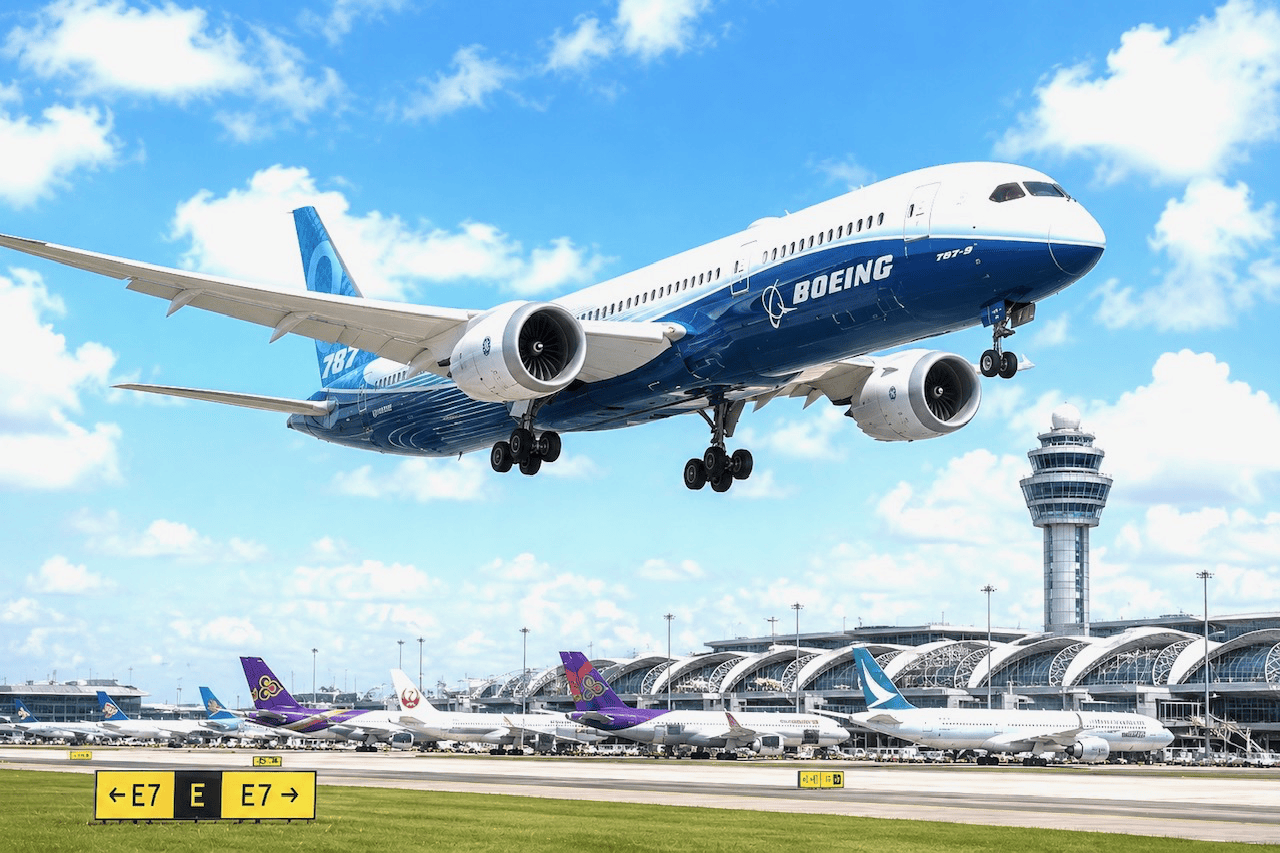
FARNBOROUGH, UK, 22 July 2026: Boeing and Philippine Airlines have agreed on an order for up to 20 787 Dreamliner jets that, once finalised, will deliver 15 787-10 aircraft, with an opportunity to purchase five more.

“This investment manifests our confidence in the future of Philippine Airlines and the continued growth of air travel.

The Philippine flag carrier will grow its regional network with the 787-10, placing its largest-ever widebody order.

The Boeing 787-10 will strengthen our medium and long-haul fleet, allowing us to provide an even better travel experience for our customers while improving operational efficiency and supporting our long-term sustainability goals,” said PAL Holdings Inc President and Chief Operating Officer Lucio C Tan III.

 “As Asia’s first and longest-serving airline, we proudly celebrated our 85th anniversary earlier this year. An equally meaningful milestone that we celebrate this year is 80 years of partnership between Philippine Airlines and Boeing.” 

The 787-10 will complement PAL’s fleet of 10 777 jets by expanding operational flexibility across the airline’s medium- and long-haul route network. 

“Philippine Airlines’ selection of the 787 Dreamliner marks an important step forward in our partnership, one that spans 80 years,” said Boeing Commercial Airplanes President and CEO Stephanie Pope.

As the largest variant of the 787 family, the 787-10 can fly 300-375 passengers up to 13,890 km (7,500 nautical miles), enabling PAL to meet rising travel demand. 

(Source: Boeing)

JLL declares strong H1 2026 performance

SINGAPORE, 22 July 2026: The Asia Pacific hotel investment market produced its strongest first-half performance in seven years against a backdrop of global headwinds, economic volatility and cautious buyer sentiment. 

According to data and analysis by JLL, the hotel market demonstrated strong resilience in the first half of 2026, with transaction volumes reaching USD6.8 billion, representing a 54% increase from H1 2025.

JLL Hotels & Hospitality Group Head of Investment Sales, Asia, Julien Nauori.

“Hotel investment sentiments continue to defy expectations and demonstrate the draw of Asia Pacific hospitality assets. Solid market fundamentals combined with robust deal activity across the region have worked in tandem with investors that are increasingly demanding greater certainty and more thorough due diligence before deploying capital,” said JLL Hotels & Hospitality Group, Asia Pacific CEO Nihat Ercan.

JLL Hotels & Hospitality Group, Asia Pacific CEO Nihat Ercan.

According to JLL, regional performance is diverse, with three markets primarily driving the surge in investment activity during H1 2026.

Japan led the region with USD1.9 billion in transactions, representing 75% year-over-year growth. Activity featured three significant portfolio transactions: AB Capital’s acquisition of the JPN Kanagawa Hotel Portfolio, Tosei’s purchase of the JPN Pelican Hotel Portfolio, and KKR & PAG’s buyout of Sapporo Real Estate.

Mainland China recorded USD1.5 billion in volume, marking an impressive 224% year-over-year increase. Secondary market activity dominated Q2, with auction sales expanding the transaction pool by introducing distressed and undervalued properties. The disposal of nine assets by R&F Group exemplified this trend.

Australia achieved $901 million in transactions, surging 38% year-over-year. Growth in Australian investment was fueled by private investors, family offices, and owner-operators competing for mid-market metropolitan and regional assets. In contrast, private equity and funds focused on CBD and trophy properties.

In parallel, developers emerged as the most active buyer group in the first half of 2026, representing 22% of total volume, followed by fund managers at 19% and high-net-worth individuals and family offices contributing 5%. Domestic capital remained the dominant force in regional hotel acquisitions. However, cross-border investors were particularly active in Japan, Australia & New Zealand, and Korea, with fund managers leading cross-border activity.

JLL also observed a distinctive capital markets trend over the time period, with investors targeting underperforming hotels for repositioning into living assets. Hong Kong led this movement, with four hotels transacting for a total of USD340 million in H1 2026, primarily earmarked for student housing or co-living properties. Singapore’s market reflected this trend through Coliwoo’s USD79 million acquisition of the Park Avenue Changi hotel for co-living conversion.

This emerging pattern underscores a broader capital markets shift, with hotels increasingly viewed as opportunistic and value-add entry points into the region’s living sector. However, these conversions remain asset-specific, targeting ageing and underperforming properties rather than reflecting any weakness in the region’s underlying hotel fundamentals, which remain robust.

“The combination of robust trading performance, strong capital deployment across diverse investor types, and emerging opportunities in hotel repositioning positions the Asia Pacific hotel investment market for continued growth throughout the remainder of 2026. With stronger-than-expected momentum registered in H1 2026, Asia Pacific is on track to achieve overall annual hotel investment volume growth of 15-20% from 2025 levels,” said JLL Hotels & Hospitality Group Head of Investment Sales, Asia, Julien Nauori. 

Hotel trading performance between January and May 2026 validated investor confidence, with RevPAR in USD jumping more than 6% on average across APAC despite geopolitical tensions in the Middle East. Growth proved strongest in Australia & Oceania and Southeast Asia, driven by significant ADR increases.

Vietnam led country-specific performance with double-digit RevPAR growth, followed by South Korea, New Zealand, and India. These results demonstrated the sector’s fundamental strength and resilience in navigating external challenges.

In terms of international tourist arrivals, Asia and the Pacific recorded 3% year-over-year growth in Q1 2026, with Oceania advancing 9% and North-East Asia gaining 5%. While overall arrivals remained 11% below pre-pandemic levels (89% of Q1 2019), resilient tourist arrivals and steady RevPAR growth continued supporting the investment case for hotel assets across the region.

JLL’s estimated 15-20% full-year growth outlook reflects continued buyer interest supported by solid hotel fundamentals, despite a more measured approach to deal execution as investors maintain heightened due diligence standards in response to global economic uncertainties.

(Source: JLL)

Cebu Pacific wet leases aircraft to Vietnam Airlines

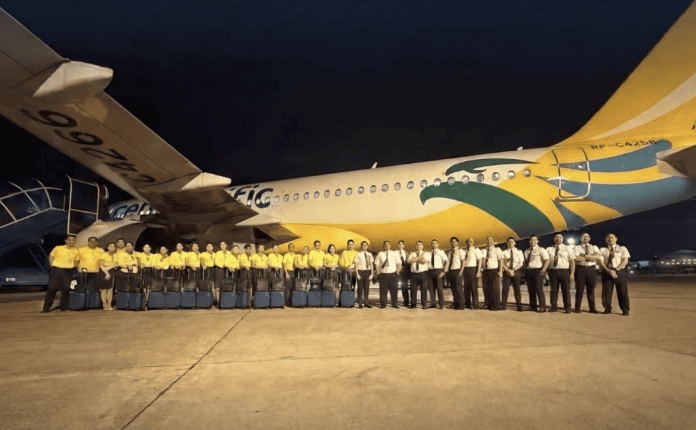
MANILA, Philippines, 22 July 2026: Cebu Pacific is supplying wet lease services to Vietnam Airlines, deploying one of our Airbus A320neo aircraft to support the Vietnamese carrier’s domestic operations over the coming months.

Based in Ho Chi Minh City, the aircraft will be operated by Cebu Pacific’s own pilots and cabin crew, serving domestic routes between Ho Chi Minh City and Cam Ranh, Phu Quoc, Vinh, and Da Nang.

Photo credit: Cebu Pacific.

Meanwhile, Cebu Pacific will become Southeast Asia’s first low-cost airline to introduce Starlink Wi-Fi service during flights.

The airline confirmed last week that it will roll out Starlink on domestic flights starting in  2027.

The collaboration marks a milestone for Philippine aviation and positions Cebu Pacific as the first low-cost airline in Southeast Asia to bring Starlink onboard.

Cebu Pacific and fellow Indigo Partners portfolio airlines Frontier (US), Wizz Air (Europe), Volaris (Mexico), and JetSmart (South America) expect to install Starlink on over 1,000 aircraft. The deployment represents one of the largest global commitments to next-generation inflight connectivity, with airlines bringing low fares and access to reliable Wi-Fi provided through a new system managed directly by Starlink.

“Introducing Starlink marks another important step in delivering a better travel experience,” said Cebu Pacific President and Chief Commercial Officer Xander Lao.

(Source: Cebu Pacific)

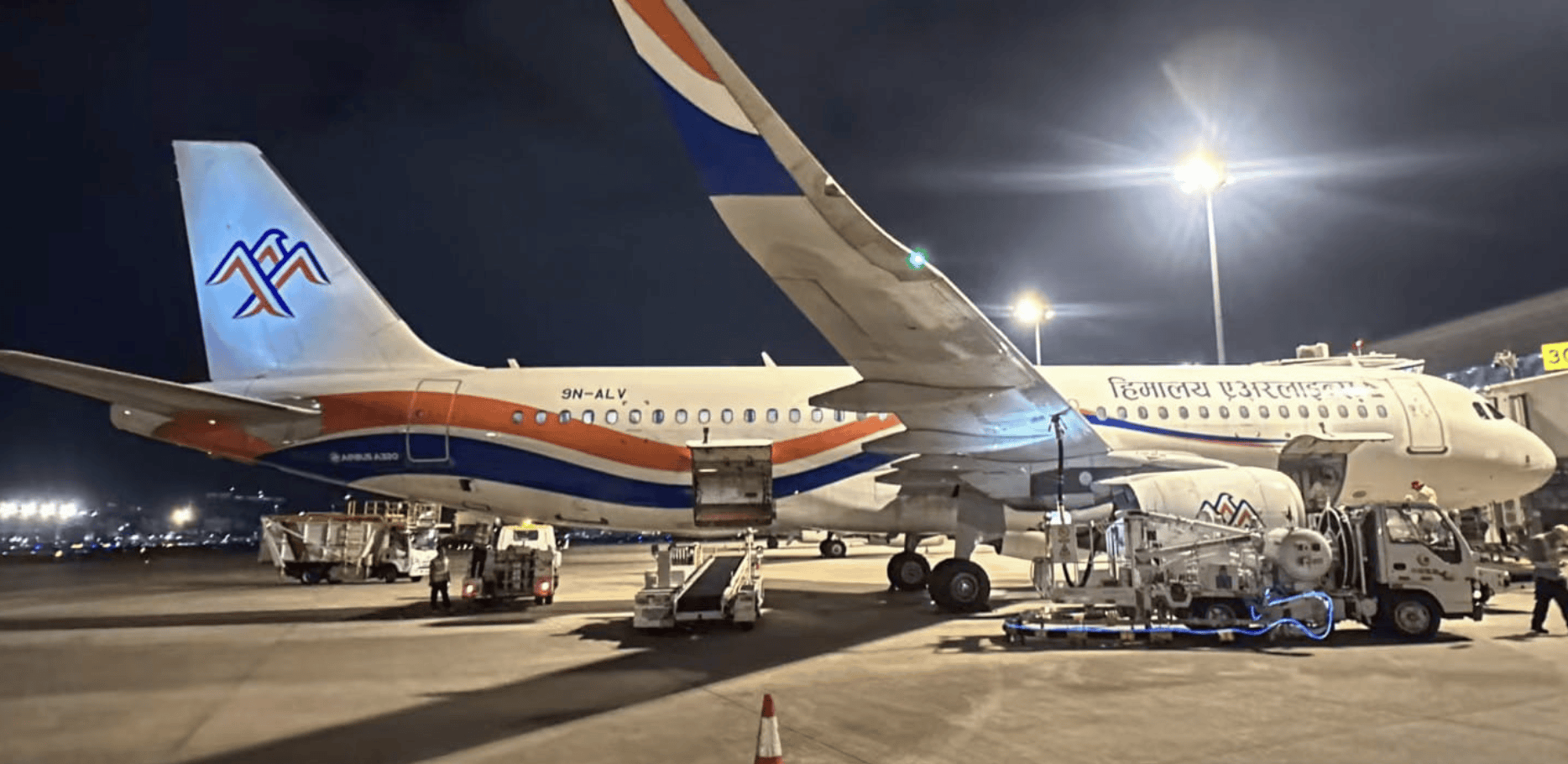
Himalaya Airlines adds Shenzhen flights

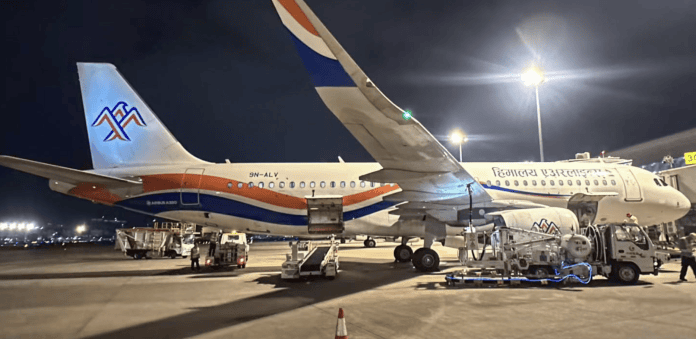
KATHMANDU, 22 July 2026: Himalaya Airlines, home-based in Kathmandu, Nepal, has launched flights between Tribhuvan International Airport (KTM), Kathmandu, and Shenzhen Bao’an International Airport (SZX), Shenzhen.

Himalaya Airlines is the first commercial carrier to operate a direct scheduled flight on the Kathmandu–Shenzhen–Kathmandu route, creating a new air corridor between Nepal and one of China’s most dynamic economic and technological centres.

Himalaya Airlines established the first-ever service from Kathmandu to Shenzhen on 5 June.

Himalaya made the historic takeoff for Shenzhen with flight number (H9 985) at 0959 (Nepali local time) with 98 passengers onboard, which landed in Shenzhen at 0417 (Chinese local time) on 5 June.

Shenzhen, widely regarded as China’s Silicon Valley and officially recognised as the country’s first special economic zone, is a global hub for technology, manufacturing, finance, and innovation. It is home to leading technology corporations and a rapidly growing base of outbound travellers and business professionals. The establishment of a direct air connection between Kathmandu and Shenzhen represents a significant step forward in Nepal–China bilateral relations and people-to-people connectivity.

Himalaya Airlines operates twice-weekly frequencies on the Kathmandu–Shenzhen–Kathmandu sector, departing from the Nepalese capital on Tuesday and Thursday, with the return flights from Shenzhen operating every Wednesday and Friday.

Flight schedule

H9885 departs Kathmandu at 2150 (KTM) and arrives in Shenzhen (SZX) at 0430.
H9886 departs Shenzhen (SZX) at 0555 and arrives in Kathmandu (KTM) at 0835.

Using an A320 with 180 seats, the flight time is four hours and 25 minutes.

(Source: Himalaya Airlines)

Wuxi joins HK Express route map

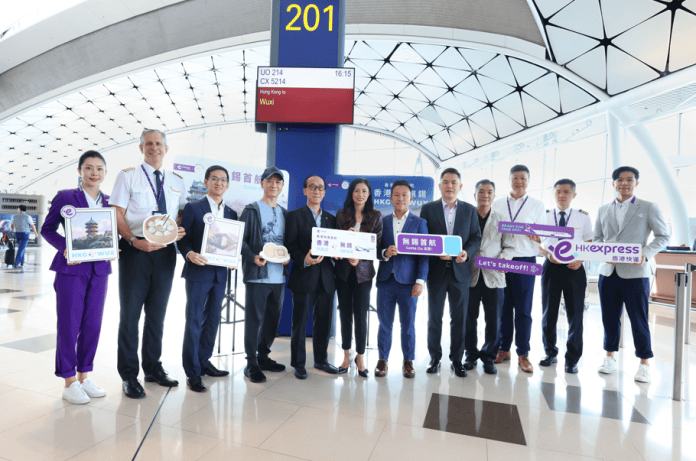
HONG KONG, 22 July 2026: HK Express Airways launched daily flights between Hong Kong and Wuxi in Jiangsu Province, mainland China, on 17 July. 

The two-hour 30-minute flight to Wuxi Shuofang Airport (WUX) marks the airline’s sixth destination in the Chinese Mainland, further strengthening the route network across the Yangtze River Delta between Hong Kong and the region’s core city clusters.

HK Express CEO Jeanette Mao (centre), Travel Industry Council of Hong Kong Chairman Tommy Tam (fifth from left), Culture, Sports and Tourism Bureau, Assistant Commissioner for Tourism Winsor Leung(sixth from right), Travel Industry Authority Regulatory Affairs Director Kevin Cheung (forth from left) and Airport Authority Hong Kong Route Development General Manager Ricky Chong (fifth from right) celebrated the new route launch with the other HK Express management and cabin crew.

“Flights from Hong Kong to Wuxi depart in the afternoon with the return flight from Wuxi departing at night, offering travellers the convenience of connecting through Hong Kong to other destinations,” said HK Express CEO Jeanette Mao. “Through our codeshare partnership with Cathay Pacific, we are enabling passengers from Wuxi and southern Jiangsu province to connect seamlessly via Hong Kong to a wide range of destinations across Asia and around the world. Playing an important role in the Cathay Group’s dual-brand strategy, HK Express will continue to leverage Hong Kong’s strength as an international aviation hub, further enhancing connectivity between the Chinese Mainland.” 

Flight schedule

UO214 departs Hong Kong (HKG) at 1615 and arrives in Wuxi (WUX) at 1845. Daily.
UO215 departs WUXI (WUX) at 1945 and arrives in Hong Kong (HKG) at 22.20. Daily.

An A320 with 180 seats serves the route.

(Source: HK Express)

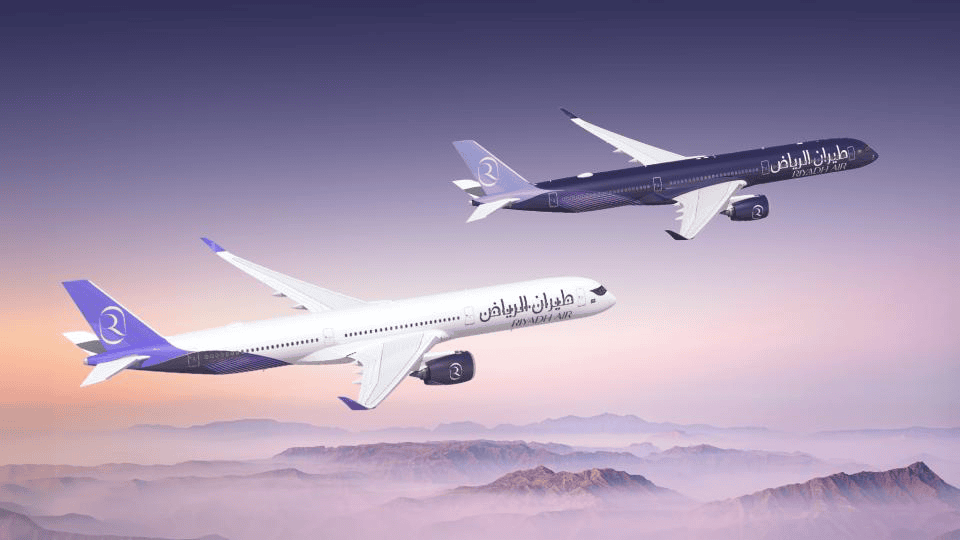
Riyadh Air firms up A350-1000 orders

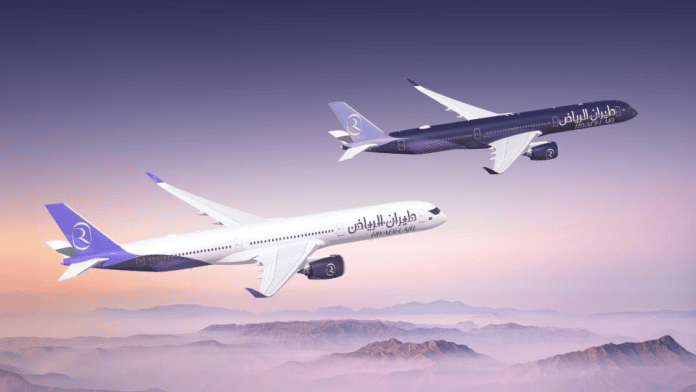
FARNBOROUGH, UK, 22 July 2026: Riyadh Air, a new international airline based in Saudi Arabia, has firmed up an order for six additional Airbus A350-1000 aircraft, increasing its total firm commitment for the type to 31 aircraft.

The agreement forms part of the airline’s original commitment for up to 50 A350-1000s announced in 2025. Riyadh Air will become the first airline in Saudi Arabia to operate the A350-1000 and will use the aircraft to support its international growth ambitions and the Kingdom’s Vision 2030 objectives.

Photo credit: Riyadh Air Airbus 2026.

“The firm-up of these additional aircraft reflects Riyadh Air’s continued confidence in its growth trajectory and in the future of Saudi Arabia’s aviation sector,” said  Riyadh Air Chief Financial Officer Adam Boukadida. “Increasing our A350-1000 commitment to 31 aircraft strengthens the foundation of our future network and supports our ambition to serve more than 100 global destinations by 2030 while delivering a premium guest experience.”

 “We are proud to deepen our partnership with Riyadh Air as it continues to build a pioneering carrier for the Kingdom,” said Airbus EVP Sales of the Commercial Aircraft business Benoît de Saint-Exupéry. “This additional A350-1000 commitment reflects the airline’s confidence in the aircraft’s exceptional efficiency, range and passenger appeal. As Riyadh Air advances its ambitious growth plans, the A350-1000 will play an important role in supporting Saudi Arabia’s Vision 2030 objectives and helping position the Kingdom as a leading international aviation hub.”

The A350 is designed to fly up to 9,700 nautical miles /18,000 kilometres non-stop, setting new standards for intercontinental travel. 

The aircraft includes state-of-the-art technologies and aerodynamics delivering efficiency and comfort. Its latest-generation Rolls-Royce engines and use of lightweight materials bring a 25% advantage in fuel burn, operating costs and carbon dioxide (CO₂) emissions, compared to previous-generation competitor aircraft.

At the end of June 2026, the A350 Family had won 1,595 firm orders from 68 customers worldwide, making it one of the most successful widebody aircraft ever.

(Source: Airbus)

TG to revisit Da Nang this December

BANGKOK, 22 July 2026: Thai Airways International plans to resume service to Da Nang, Vietnam, effective 1 December, establishing a twice-daily service after a 23-year pause.

Bangkok Airways previously served Da Nang until 30 March 2024, and THAI Smile, a low-cost airline subsidiary of Thai Airways International, also served the route until it ceased operations in 2023.

Photo credit: THAI. Flight schedules are unfolding for the 1 December BKK-DAD route.

For THAI, scheduling twice-daily services on the route will be challenging. It will compete head-on with Thai Vietjet, which offers three daily flights (189-seat B737). Vietnam Airlines fields daily flights (184-seat A321)  and even Emirates manages to offer four weekly services on the Bangkok-Da Nang route using a B77-300ER with 354 seats.

The average round-trip fare on the route is USD150.

TG flight schedule

TG558 departs Bangkok (BKK) at 0800 and arrives in  Da Nang (DAD) at 0945.
TG594 departs Bangkok (BKK) at 1520 and arrives in Da Nang (DAD) at 1725.

TG559 departs Da Nang (DAD) at 1045 and arrives in Bangkok (BKK) at 1240. 
TG595 departs Da Nang (DAD) at 1805 and arrives in Bangkok (BKK) at 2000.

Flight time is one hour and 40 minutes on an A320 with 156 seats configured with business and economy cabins.

(Source: Online airline schedules)

STB and Traveloka expand promotions

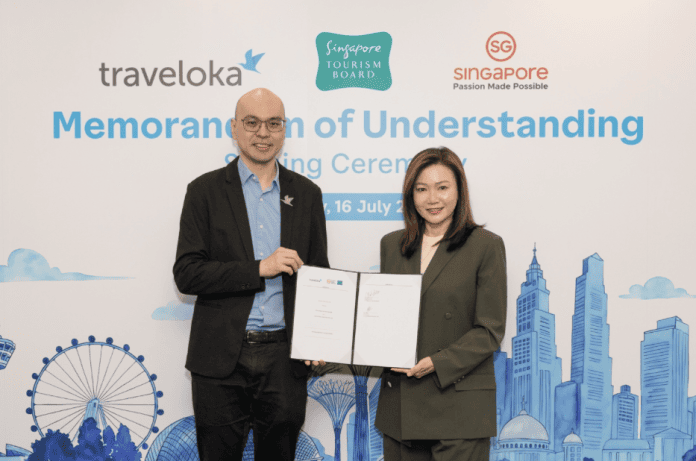
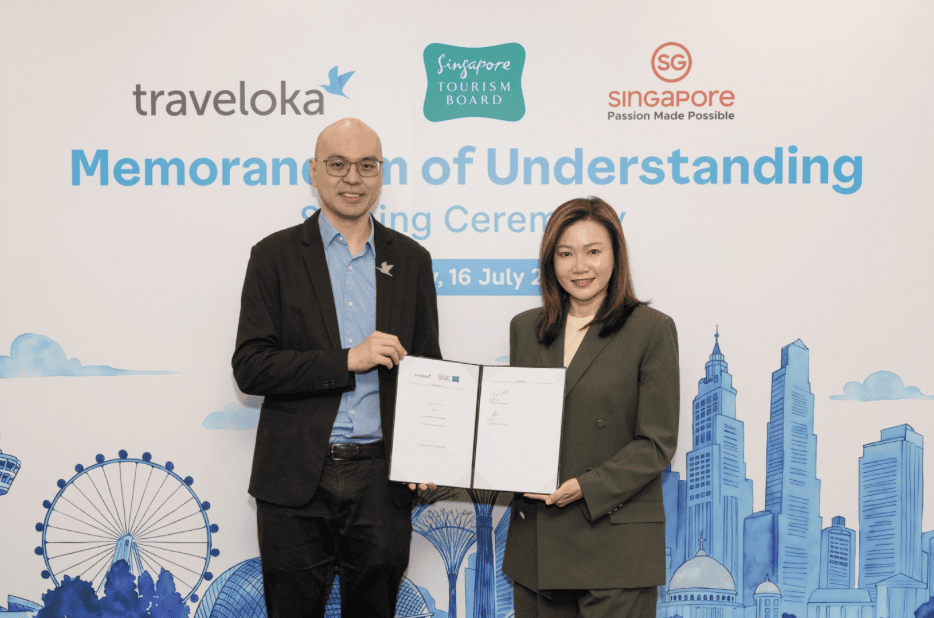
SINGAPORE, 20 July 2026: To drive the next phase of tourism growth, the Singapore Tourism Board (STB) and Traveloka have signed a Memorandum of Understanding to promote Singapore as a preferred destination for travellers across five key source markets: Indonesia, Malaysia, Thailand, Vietnam and Australia.

The agreement extends a longstanding partnership through agreements signed in April 2019, May 2022 and January 2024. For the first time, it has expanded to include Australia — a key source market for both organisations – as well as events marketing to leverage Singapore’s position as a leading hub for live entertainment. 

Photo credit: Traveloka: Melissa Ow, Chief Executive, Singapore Tourism Board, and Albert Zhang, Co-founder, Traveloka, sign a Memorandum of Understanding.

Under the partnership, STB and Traveloka will collaborate across four areas: co-branded tactical campaigns spotlighting Singapore on Traveloka’s platform; destination storytelling that helps travellers discover what to see and do; travel tied to Singapore’s vibrant events calendar; and the exchange of aggregated, privacy-safe travel insights that help STB sharpen how Singapore is marketed in each source market. Traveloka’s role is to put its regional reach and consumer insights to work in support of Singapore’s destination ambitions.

Aligned with STB’s broader ‘We Don’t Wait For Fun’ campaign, the co-branded campaigns will target two priority traveller segments – visitors in the early stages of their careers and families with kids – encouraging them to seize the moment for a Singapore getaway.

“This renewal reflects the importance of Southeast Asia and Australia, as well as the strength of our longstanding partnership with Traveloka,” said Singapore Tourism Board Chief Executive Melissa Ow. “Traveloka’s reach, combined with its deep understanding of how travellers in this region discover and book, makes it a strategic partner in our efforts to grow high-yield visitation and ensure Singapore remains a destination worth returning to, time and again.”

Traveloka Co-founder Albert Zhang said: “Singapore is one of the most-loved destinations among our travellers, and demand across our markets continues to grow. Our role is to be a trusted enabler, bringing the audience, the insight and the all-in-one booking experience that help STB tell Singapore’s story to the right travellers. After more than half a decade working together, this renewal is a sign of the trust we’ve built.”

The collaboration also looks ahead to newer ways of working. Both parties will develop seasonal promotions aligned with Singapore’s events calendar and explore how data-driven insights and emerging AI tools can support destination storytelling and content discovery, within agreed data governance and privacy safeguards. As a data-driven platform, Traveloka sees this as part of how modern destination marketing will be done across the region.

(Source: STB)