


BANGKOK, 27 April 2026: The travel industry has always evolved alongside technology, but in 2026, the shift feels more profound than ever.
This is no longer about faster searches or better booking engines. It is about a complete transformation of the traveller journey, where artificial intelligence, biometrics and mobile integration are removing friction at every stage, from inspiration to arrival.
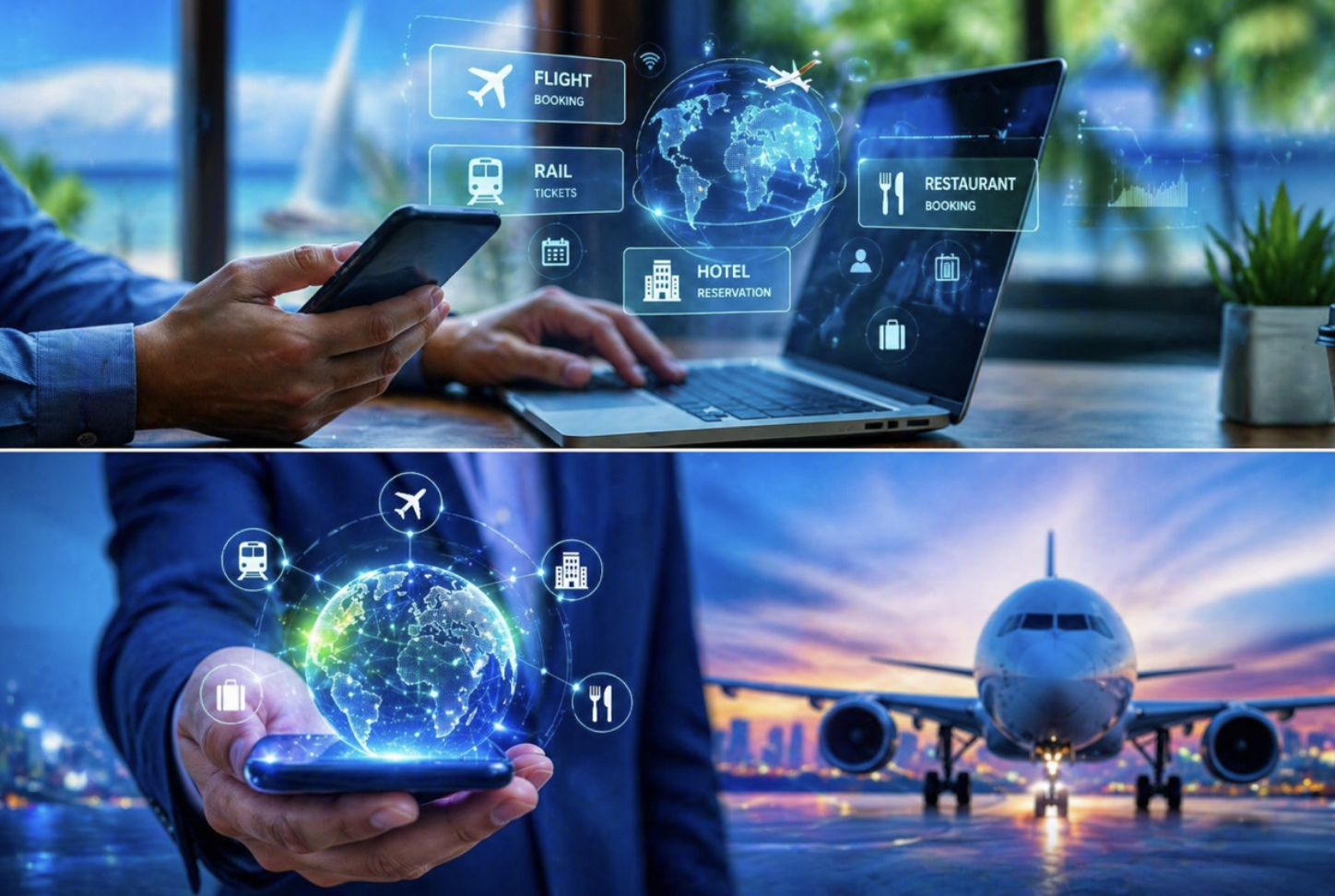
Today’s traveller begins not with a travel agent, but with a screen. Within seconds, destinations, hotels and flights are compared, reviewed and priced in real time. What once required hours of research is now distilled into a few intuitive clicks. The modern traveller is informed, empowered and increasingly spontaneous, guided by platforms that combine data, imagery and peer feedback into a seamless decision-making process.
Artificial intelligence is driving much of this change. Travellers can now generate complete itineraries tailored to their preferences, whether a multi-city European journey or a regional escape across Southeast Asia. Flights, hotels and experiences are bundled together with remarkable speed and accuracy, reducing complexity and opening up new possibilities for both leisure and business travel.
Pricing has evolved just as rapidly. Airlines and hotels now use sophisticated systems to adjust rates dynamically, responding to demand, seasonality and even external factors such as weather or major events. For travellers, this means opportunities to secure better value. For the industry, it ensures greater efficiency and improved yield management.
Connectivity, once a persistent challenge, has been quietly solved. The rise of eSIM technology allows travellers to stay connected across multiple countries without changing SIM cards or incurring excessive roaming charges. It is a simple innovation, yet one that has significantly enhanced the ease of international travel, particularly for those making multiple stops on a single trip.
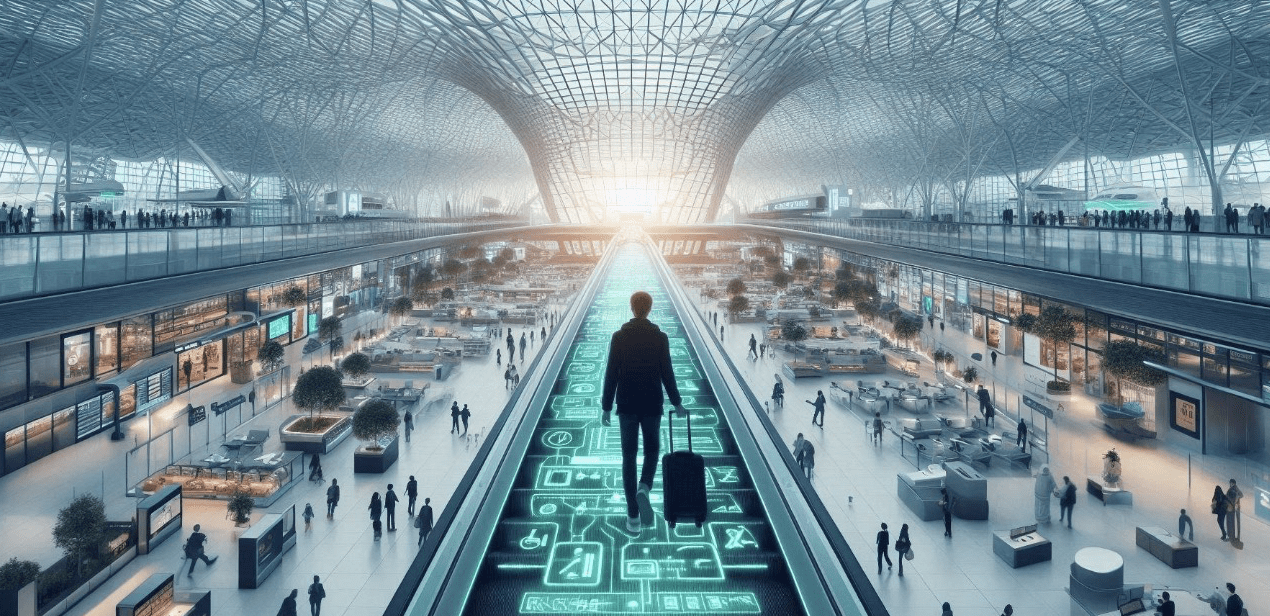
Nowhere is the impact of technology more visible than at the airport. Biometric systems are replacing traditional processes, allowing passengers to move through check-in, security and boarding with minimal interruption. Facial recognition and digital identity systems are reducing queues and improving flow, creating a more relaxed and efficient airport experience.
Airlines have embraced mobile integration, placing the entire journey in the traveller’s hands. Boarding passes, real-time updates and baggage tracking are all managed through apps, ensuring that passengers are informed at every stage. The uncertainty that once defined air travel is gradually being replaced by clarity and control.
Hotels and restaurants are undergoing a similar transformation. Digital check-in, mobile room access and app-based concierge services are becoming standard, particularly in major cities and resort destinations. Guests can arrive, settle in and request services without waiting in line, while restaurants increasingly offer digital menus and contactless payment options that streamline the dining experience.
Loyalty programmes have also moved fully into the digital space. Points, upgrades and rewards are now integrated across platforms, allowing travellers to navigate between airlines, hotels and other services with ease. The traditional reliance on physical cards and printed confirmations is rapidly fading.
Even travel gear has adapted. Smart luggage equipped with tracking technology, charging capabilities and weight sensors is becoming more common, offering reassurance and convenience for frequent travellers. While the occasional lost bag remains a reality, the ability to monitor its location in real time has significantly improved recovery and reduced anxiety.

Sustainability is another area where technology is making a meaningful impact. Airlines are optimising routes to reduce fuel consumption, while hotels are using smart systems to manage energy and water more efficiently. Travellers themselves are becoming more aware of their environmental footprint, with technology providing greater transparency and enabling more responsible choices.
Looking ahead, the direction is unmistakable. The future of travel technology is not about adding layers of complexity, but about removing them. Each innovation is designed to simplify the journey, allowing travellers to focus less on logistics and more on the experience itself.
As global travel continues to grow, the role of technology will only become more central. The companies that embrace these changes will lead the industry forward, while travellers who adapt will enjoy a smoother, more connected and more rewarding way to explore the world.

About the author
Andrew J. Wood is a Bangkok-based travel writer and well-respected tourism expert. A former hotelier, he has lived in Thailand since 1991. A past President of Skål Asia and long-time tourism industry leader, he writes widely on hospitality, travel and tourism trends across Asia.