

BANGKOK, 24 April 2026: Rising jet fuel costs are reshaping airline strategies worldwide, forcing some carriers to cut capacity while others focus on efficiency and optimisation.
The Lufthansa Group has announced a sweeping reduction in its European flight schedule, confirming that up to 20,000 short-haul flights will be cancelled by October as soaring jet fuel costs force a strategic rethink across its network.
The decision highlights a growing divide in global aviation strategy, where some carriers are cutting capacity to protect margins, while others are tightening operations to extract greater efficiency from existing fleets.
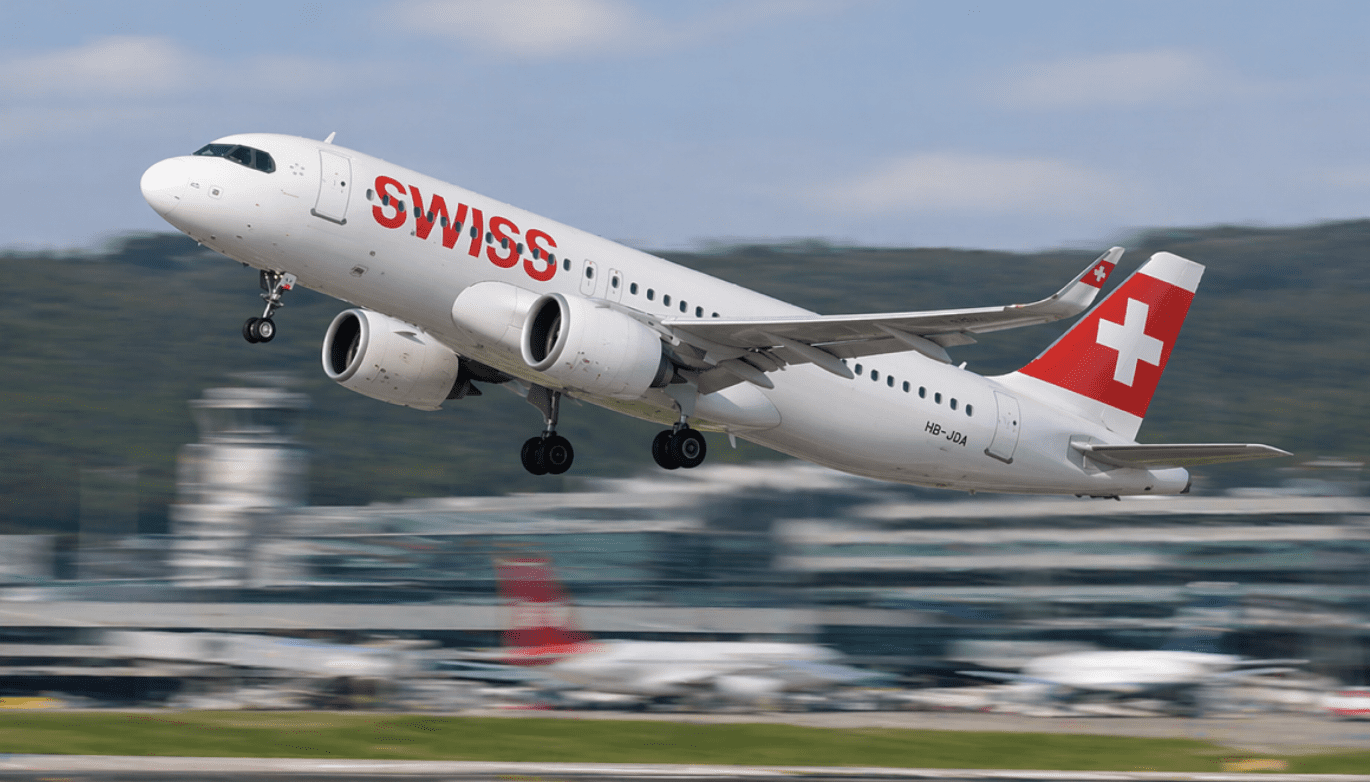
For Lufthansa, the trigger is clear. Jet fuel prices have surged amid continued instability in the Middle East, placing intense pressure on operating costs.
The reductions are concentrated on underperforming short-haul routes, particularly from Frankfurt and Munich. Since 20 April, around 120 flights per day have been removed from schedules, with further adjustments expected through the summer season. Regional routes across Europe, including services to Poland and Norway, are among the most affected.
To maintain connectivity, the Lufthansa Group is strengthening its hub strategy. Traffic is being consolidated through major European gateways, including Zurich, Vienna, Brussels, Rome, Frankfurt and Munich. This approach allows the airline to preserve access to its global network while reducing duplication and improving load factors.
Additional cost-saving measures are already in motion. The group has confirmed the closure of its regional subsidiary, CityLine, and the cancellation of selected long-haul services by its leisure carrier, Edelweiss Air, including routes to Denver and Seattle. The overall direction is clear—fewer flights, fuller aircraft, and tighter operational control.
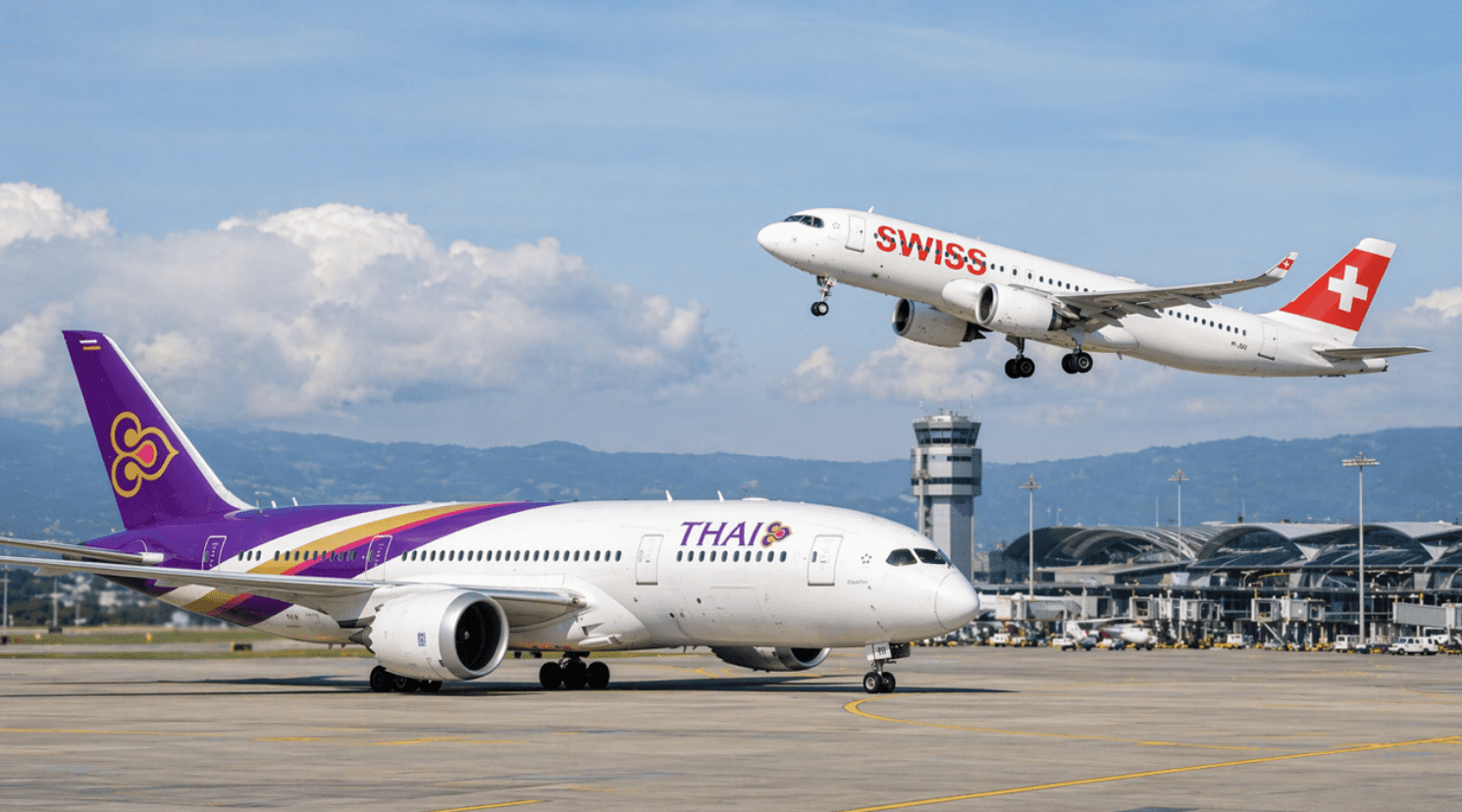
While Lufthansa retrenches, a contrasting strategy is emerging in Asia. Thai Airways is pursuing a disciplined growth-and-optimisation model aimed at maximising revenue per seat rather than cutting capacity outright. The airline is actively consolidating its network, refining schedules, and targeting an average load factor of 82% in 2025.
Central to this approach is fleet flexibility. Thai Airways is aligning aircraft types with specific route demand, ensuring that capacity more precisely matches passenger volumes. The introduction of newer, more fuel-efficient aircraft, such as the Boeing 787-9 and the Airbus A321neo, is also improving cost performance while supporting sustainability goals.
Route optimisation plays a critical role. The airline is focusing on high-demand corridors and strategic connections, allowing it to increase passenger throughput without significantly expanding infrastructure. The reopening of routes such as Samui to Kuala Lumpur reflects a targeted effort to capture regional and connecting traffic flows.
Operational efficiency is further enhanced through improved utilisation rates. Aircraft are being deployed more intensively across profitable routes, increasing daily productivity while maintaining service levels. Early indicators suggest strong performance, with some routes achieving cabin factors of 80 to 90% and overall averages of approximately 82.5%.
Cargo operations are also being refined. Thai Airways is improving yield through better load management and specialised container usage, while also considering freighter conversions to maximise belly capacity. Although freight load factors have softened slightly in early 2025, the airline is positioning cargo as a complementary revenue stream rather than a primary driver.
These measures are delivering tangible results. The airline has reported a significant improvement in financial performance, including a sharp increase in profitability during the first quarter of 2025. Its fleet is projected to expand to more than 100 aircraft by 2026, supporting a gradual but controlled growth trajectory.
The contrast between Lufthansa and Thai Airways illustrates a broader shift in the aviation landscape.
In Europe, where markets are mature and competition is intense, rising jet fuel costs are prompting consolidation. Airlines are reducing frequencies, cutting marginal routes, and funnelling traffic through major hubs to maintain efficiency.
In Asia, where demand growth remains strong, airlines are focusing on optimisation rather than contraction. By refining networks, improving fleet utilisation, and targeting high-demand routes, carriers can sustain expansion while managing costs.
For travellers, the implications are mixed. In Europe, reduced flight frequencies may mean fewer direct options and longer journey times. In Asia, improved load factors could lead to busier flights but more stable route availability.
At a global level, the message is clear. Jet fuel remains the single most critical cost driver in aviation, and its volatility is reshaping how airlines plan, operate and compete.
The Lufthansa cuts represent a defensive response to external pressure. Thai Airways, by contrast, demonstrates how disciplined optimisation can deliver growth even in a challenging environment.
As geopolitical uncertainty continues to influence energy markets, airlines worldwide are likely to follow one of two paths. Cut capacity to protect margins, or refine operations to maximise efficiency.
Either way, the era of easy expansion is over. The future of aviation will be defined not by how much airlines fly, but by how intelligently they do it.
About the Author
Andrew J Wood is a Bangkok-based travel writer and respected authority on travel and tourism, who has lived in Thailand since 1991. A past President of Skål Asia and long-standing industry leader, he writes widely on hospitality, travel and tourism trends across Asia.