

Wednesday, April 1, 2026
Home Blog Page 17

Smiling Albino celebrates 25 years

BANGKOK, 5 March 2026: Smiling Albino, a destination management company specialising in Southeast Asia, celebrated its 25th anniversary with a ‘Roaring Twenties’ themed evening at Bangkok’s historic Hua Lamphong Railway Station.

From the very moment guests arrived, it was clear this would be no ordinary corporate anniversary. A red carpet rolled out across the forecourt, flanked by a billboard backdrop and a lively troupe of paparazzi, some armed with genuine cameras, others clearly more flash than lens, all enthusiastically calling for poses and coaxing smiles. The theatrical welcome instantly set the tone, playful, glamorous and unapologetically fun.

Smiling Albino marks 25 Years with a celebration at the iconic Hua Lamphong railway station in Bangkok.

Inside, the main hall of the station had been cleverly enclosed to create a fully private event space, transforming one of Bangkok’s most recognisable landmarks into a glittering celebration hall. The invitation encouraged formal wear with a 1920s twist, “if you dare”, and many guests rose enthusiastically to the challenge. Feathered headpieces, sharp pinstripes, vintage gowns, and more than a few daring accessories brought the theme to life gloriously.

Drinks circulated generously throughout the evening. Sparkling wines, crisp whites and reds flowed freely, while beer lovers were pleasantly surprised to find Guinness among the offerings, a rare and welcome sight at an event of this kind. The bar was also busy with classic cocktails, and those 1920s-approved martinis, particularly the delightfully dirty variety, made the rounds with playful swagger, adding just the right speakeasy flourish to the night.

The reception area buzzed with conversation as guests mingled, reconnected and networked. The company’s name, inspired by the revered white elephants of Southeast Asia, long symbols of rarity, protection and royal significance, felt especially fitting in such a grand and historic setting.

As the evening progressed, guests were invited into the main ticketing hall, where a stage, cocktail tables and an array of delicious snacks awaited. Entertainment unfolded in a series of delightful surprises. Roaming magicians, performers and photographers kept energy levels high, while the fancy dress worn by so many guests added to the sense of joyful spectacle.

Entertainment began with a short skit by the founders.

Dan and Scott re-enacting the moment they decided to move to Thailand to start Smiling Albino, sealed, of course, with a shot of Jägermeister. It was followed by a humorous, self-deprecating piece gently lampooning the perils of founder ego. A rousing, acrobatic performance by Phuket-based Junkyard Theatre electrified the room, while celebrated Thai musician Tontrakul brought his dynamic fusion of Isaan tradition and modern sound to vivid life.

The evening culminated on a glowing LED dance floor, where guests danced late into the night to DJ Justin Mills, joined by Joe Cummings on guitar and Thai flautist Kanta.

Between 200 and 300 guests attended the milestone celebration, reflecting the company’s deep roots across the travel and hospitality sector. The guest list included long-standing travel agent partners, corporate and leisure clients, suppliers, members of the media and Smiling Albino’s own team, many of whom have been part of the company’s journey for years.

Over the years, Smiling Albino has expanded its ground teams into Vietnam, Cambodia and Laos, and many of its partners, guides and hoteliers travelled to Bangkok for the occasion, including past Smiling Albino guests who made the journey all the way from Canada.

Founded in 2000 by Dan Fraser and Scott Coates, Smiling Albino has built a reputation for designing distinctive, high-end travel experiences across Thailand and the wider region. Over a quarter of a century, the company has evolved alongside changing traveller expectations, consistently placing creativity, cultural sensitivity and operational excellence at the centre of its work.

The choice of Hua Lamphong as the venue was both symbolic and striking. Once the heart of Thailand’s rail network, the grand station provided a dramatic backdrop for an evening that blended nostalgia with celebration. Guests arrived in period attire inspired by the 1920s, setting the tone for a night that honoured the past while looking confidently towards the future.

The theatrical welcome instantly set the tone, playful, glamorous and unapologetically fun.

Signature martinis were served as guests mingled beneath the station’s iconic arched roof, creating an ambience that felt both theatrical and intimate despite the space’s scale.

Speeches from the founders reflected on Smiling Albino’s early days as a small, entrepreneurial operation and its growth into a trusted partner for international brands, incentive houses and discerning travellers. Fraser and Coates paid tribute to the company’s staff, partners and clients, acknowledging that long-term relationships have been the cornerstone of Smiling Albino’s success.

They also spoke about the importance of adaptability in an industry shaped by global events, shifting traveller values and rapid technological change. From economic cycles to the pandemic’s disruption, award-winning Smiling Albino’s ability to remain resilient and relevant has been driven by experience, flexibility, and an unwavering focus on quality.

For many attendees, the evening was as much a reunion as it was a celebration. Conversations flowed easily between industry peers who have worked together across decades, reinforcing the sense that Smiling Albino occupies a unique place within Thailand’s travel community.

As the night drew on, music and laughter filled the station, underscoring the celebratory mood. The event was not simply a look back at past achievements, but a statement of intent for the years ahead. With a strong team, loyal partners and a clear vision, Smiling Albino enters its next chapter with confidence.

After 25 years, the company remains true to its founding ethos, delivering meaningful, well-crafted experiences that connect people with place, culture and each other. The anniversary celebration at Hua Lamphong was a fitting tribute to that journey, elegant, memorable and unmistakably Smiling Albino.

About the author
Andrew J Wood is a respected travel and hospitality writer and commentator based in Thailand. With decades of experience in tourism, aviation and hotel operations across Asia and the Middle East, he is widely published and known for his informed, independent perspective on regional travel and hospitality trends.

AirAsia flies to Wuhan

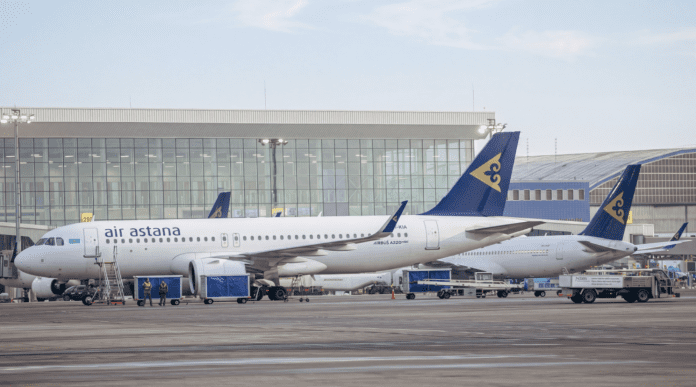
KUALA LUMPUR, 5 March 2026: AirAsia Malaysia (AK) is reinforcing its position as the leading low-cost carrier, connecting Malaysia and China with the resumption of its Kuala Lumpur-Wuhan service.

As travel demand between Malaysia and China continues to rebound, AirAsia is rebuilding its China network by reactivating key routes to meet growing passenger demand while strengthening Kuala Lumpur’s role as a strategic regional hub. 

Photo credit: AirAsia.

Reinstating the Wuhan route reflects confidence in the Chinese market. It underscores AirAsia’s long-term commitment to maintaining the highest market share of almost 30 per cent among Malaysian low-cost carriers operating to China.

Starting from 22 May 2026, AirAsia will operate four weekly flights between Kuala Lumpur and Wuhan, reconnecting Malaysia directly to one of central China’s most important economic and education centres. The route is expected to stimulate leisure, business and education-driven travel, while enhancing connectivity beyond Kuala Lumpur to Asean, Australia and other key destinations across the AirAsia network spanning more than 150 cities.

AirAsia Malaysia General Manager Dato’ Captain Fareh Mazputra said: “China has always been a cornerstone market for AirAsia, and today we are proud to reaffirm our leadership position with the resumption of the Kuala Lumpur-Wuhan route. When we first launched this route in 2017, it recorded strong two-way demand, with an average passenger load factor of more than 80%, reflecting its solid market potential.”

To celebrate the resumption, AirAsia will offer promotional all-in one-way fares from MYR399* for flights from Kuala Lumpur to Wuhan. In comparison, flights from Wuhan to Kuala Lumpur are available from CNY608* all-in one way. Bookings are open until 15 March 2026, for travel between 22 May 2026 and 24 October 2026. Promotional fares are exclusively available via the AirAsia MOVE app and the airline’s website. 

Wuhan is one of Central China’s most important economic, transportation and education hubs. As a major commercial centre with a rapidly growing consumer market, the city plays a key role in regional trade and innovation, while also serving as a gateway to surrounding provinces. With its dynamic business environment, rich cultural heritage and expanding tourism appeal, Wuhan continues to attract increasing demand for both leisure and business travel.

Flight Schedule between Kuala Lumpur (KUL) and Wuhan (WUH)

*All-in fares are quoted for one-way travel only, including passenger service charge, regulatory service charges, fuel surcharges, and other applicable fees. Terms and conditions apply.

(Source: AirAsia)

Thomas Cook expands Nature Trails brand

MUMBAI, 5 March 2026: Indian travellers are increasingly choosing slow, experience-led holidays and destinations that offer a deeper connection to nature and history. 

In line with this evolving trend, Nature Trails — the experiential hospitality brand by Thomas Cook (India) Limited — expands its portfolio, adding to its existing five resorts (Durshet, Sajan and Kundalika in Maharashtra, Rock Valley in Goa and Rishikesh in Uttarakhand) with the addition of its sixth resort, Nature Trails Ashoka in Hampi, Karnataka.

Photo credit: Thomas Cook India — Nature Trails Ashoka Resort in Hampi, Karnataka.

Situated in ancient boulder-strewn hills that define Hampi’s dramatic landscape, Nature Trails by Thomas Cook – Ashoka Resort offers travellers a soulful retreat where timeless heritage meets untamed nature. 

Set on the edge of Hampi’s iconic rock hills, the resort enjoys sweeping views of landscapes shaped over millions of years—landscapes that once witnessed the grandeur of the Vijayanagara Empire. Designed around the philosophy of slow and immersive travel, the resort offers a peaceful escape while remaining within comfortable reach of Hampi’s celebrated heritage sites.

The resort features accommodation options catering to diverse traveller needs, including superior rooms, classic rooms, eco-friendly Bamboo Cottage Rooms, and a dormitory designed for groups. Open spaces, landscaped gardens and eco-inspired layouts encourage guests to slow down, reconnect and experience the destination in its most authentic form. A key highlight is the resort’s signature hillside swimming pool—one of the longest in the region—overlooking hills and greenery, ideal for relaxed, scenic moments.

Dining experiences include Archana, an open-air, eco-friendly multi-cuisine restaurant serving Indian, Chinese and Goan specialities, and Grills by the Pool, a relaxed poolside setting offering barbecue favourites and beverages.

Guests are encouraged to explore the many layers of Hampi through curated experiences, including visits to the UNESCO World Heritage monuments, Anjanadri Hill, ancient temples and forts, sacred water bodies, nearby villages and spice plantations, as well as nature walks and monsoon trails.

Nature Trails by Thomas Cook – Ashoka Resort, Hampi enjoys convenient access to key locations, including Gangavathi (3 km), Anjanadri Hill (10–11 km) and Hampi (22 km). The resort is accessible via Hubli Airport (170 km) and Kempegowda International Airport, Bengaluru (340 km)s.

Thomas Cook (India) Limited Managing Director and Chief Executive Officer, Mahesh Iyer said: “India’s domestic travel continues showcase a growing interest in culturally rich destinations that offer meaningful engagement with heritage, nature and local traditions. With the addition of Nature Trails Ashoka Resort, Hampi, we are deepening our focus on experience-led stays that encourage slower, more immersive travel.

“Hampi’s powerful blend of history, mythology and distinctive landscapes makes it an ideal destination for curating authentic, locally rooted experiences. The resort reflects the Nature Trails philosophy of thoughtful hospitality — where design, setting and experiences come together to create stays that are both enriching and restorative for today’s domestic traveller. Following our acquisition of Nature Trails last year, we have moved swiftly on an aggressive expansion agenda to tap the growing domestic tourism opportunity. This Hampi launch follows our recent opening in Rishikesh, with several more additions planned for the Nature Trails portfolio in the near term.”

Photo credit: Thomas Cook India.

(Source: Thomas Cook India)

JLL advises on two Vietnam hotel transactions

HO CHI MINH CITY, 5 March 2026: JLL Hotels & Hospitality Group, a professional services firm specialising in real estate and investment management, announced this week its advisory role in two significant hotel transactions in Vietnam, contributing to what is projected to be a record-breaking year for the country’s hospitality investment market. 

Both the PARKROYAL Saigon and Hotel Perle D’Orient Cat Ba transactions were advised by JLL Hotels & Hospitality Group.

JLL Hotels & Hospitality Group Senior Vice President, Investment Sales, Asia Karan Khanijou.

PARKROYAL Saigon, with 186 keys, was sold by Singapore-based UOL Group Limited to a domestic investor. Domestic investors sold Hotel Perle D’Orient Cat Ba to a consortium of international investors. The combined transaction volume of both deals reached USD53.7 million. 

The transactions are part of a broader surge in hotel investment activity in Vietnam, with JLL forecasting the market to reach USD200 million in transaction volume by 2026. This milestone positions Vietnam as an increasingly prominent destination on the Southeast Asian hospitality investment landscape.

JLL Vietnam Country Head, Trang Le.

“Vietnam is front-and-centre within the global hospitality investment conversation, and these landmark transactions underscore Vietnam’s emergence as a major player in the regional hospitality investment market. Well-capitalised Vietnamese investors, including hospitality specialists and diversifying corporations, are driving transactions across urban and resort properties. In contrast, foreign investors selectively target premium institutional-grade assets, as highlighted by these recent transactions,” said JLL Hotels & Hospitality Group Senior Vice President, Investment Sales, Asia Karan Khanijou. “Our revised forecast of USD200 million for 2026 reflects the growing confidence international and regional investors have in Vietnam’s hotel sector fundamentals and long-term growth trajectory.”

JLL Hotels & Hospitality Group provided transaction advisory services for both Vietnam deals, leveraging local market expertise and extensive regional networks to connect international capital with premium hospitality assets. 

“Vietnam’s entry into the USD200 million transaction threshold marks a significant inflexion point for the market,” added  JLL Vietnam Country Head, Trang Le. “While still developing compared to more established markets like Thailand and Singapore, Vietnam offers compelling fundamentals, including robust economic growth, expanding tourism infrastructure, and attractive entry valuations for quality assets.”

Vietnam’s hospitality investment market benefits from the country’s strategic location, rapidly growing middle class, and government initiatives promoting tourism development. The market’s progression toward USD200 million in annual transaction volume signals its transition from an emerging opportunity to an established component of regional hospitality investment strategies.

(Source: JLL’s Hotels & Hospitality Group)

IATA: January passenger demand up 3.8%

SINGAPORE, 2 March 2026: Global passenger demand in January 2026, measured in revenue passenger kilometres (RPK), was up 3.8% compared to January 2025, according to the International Air Transport Association’s data for January 2026 

Total capacity, measured in available seat kilometres (ASK), increased 3.5% year-on-year. The load factor was 82% (+0.2 ppt compared to January 2025), a record high for January.

International demand rose 5.9% compared to January 2025. Capacity was up 5.8% year-on-year, and the load factor was 82.5% (+0.1 ppt compared to January 2025).

Domestic demand increased 0.1% compared to January 2025. Capacity was down -0.4% year-on-year. The load factor was 81.2% (+0.4 ppt compared to January 2025).

January demand was skewed by a shift in the Lunar New Year from January in 2025 to February in 2026. Lunar New Year typically drives a spike in demand, as families reconnect to celebrate the holiday. The year-on-year comparison makes January 2026 demand appear slightly weaker.

“The timing of the Lunar New Year partly explains the slightly slower 3.8% expansion in January, but the fundamentals are in place for demand to continue strong growth in 2026, said IATA’s Director General Willie Walsh.

“Schedule data indicate a 5.2% increase in global seat capacity by March, the fastest expansion since April 2024. Events over the weekend (28 February) have, however, introduced some uncertainty into the evolution of traffic and fuel costs. We all hope for an early, peaceful resolution to the current hostilities. In the meantime, it is critical that states respect their obligation to keep civilians, and civil aviation, free from harm”.

“Average fares are expected to fall in real terms over the course of 2026, continuing a long-established trend of ever more affordable air travel. This is despite persistent cost pressures from rising infrastructure charges, onerous regulatory burdens, and the mounting cost of the energy transition. In the face of these costs and regulatory pressures, it is notable that 2025 saw the slowest rate of new airline start-ups since 1999. Governments that value competition should consider this a canary in the coal mine. To protect and enhance the consumer benefits of connectivity, these cost and regulatory issues must be addressed,” Walsh concluded.

Regional Breakdown – International Passenger Markets 

International RPK growth reached 5.9% in January year-on-year. All regions expanded, but year-on-year growth decelerated, particularly in the Asia Pacific, reflecting the Lunar New Year falling in February. The international load factor, at 82.5%, was a record high for the month.

Asia-Pacific airlines achieved a 4.4% year-on-year increase in demand. Capacity increased 5.2% year-on-year, and the load factor was 85.9% (-0.7 ppt compared to January 2025).

European carriers had a 6.3% year-on-year increase in demand. Capacity increased 5.7% year-on-year, and the load factor was 79.4% (+0.5 ppt compared to January 2025).

North American carriers saw a 3.4% year-on-year increase in demand. Capacity increased 2.6% year-on-year, and the load factor was 82.3% (+0.6 ppt compared to January 2025).

Middle Eastern carriers saw a 7.2% year-on-year increase in demand. Capacity increased 7.8% year-on-year, and the load factor was 83.2% (-0.4 ppt compared to January 2025).

Latin American airlines saw a 11.4% year-on-year increase in demand. Capacity climbed 8.9% year-on-year. The load factor was 86.5% (+2.0 ppt compared to January 2025).

African airlines saw an 11.7% year-on-year increase in demand. Capacity was up 10.1% year-on-year. The load factor was 77.4% (+1.1 ppt compared to January 2025).

(Source: IATA)

MATTA statement on flight disruptions

KUALA LUMPUR, 3 March 2026: The Malaysian Association of Tour and Travel Agents (MATTA), through its Vice President for Air Transportation, Fazil Khan, issued a statement on the ongoing disruptions to international flight operations arising from heightened geopolitical tensions in the Middle East.

“Heightened security concerns in the region have led airlines to implement flight suspensions, service rerouting, and schedule adjustments as precautionary measures to ensure passenger and crew safety.

“Several major aviation hubs and airspaces in the Middle East, including those in the Gulf and neighbouring regions, are currently operating under enhanced security measures. These developments have led to delays, cancellations, and temporary airspace restrictions affecting flights transiting through or operating to and from the region. The situation remains fluid and may change at short notice depending on security assessments by regional authorities and airlines.”

MATTA, in its press statement, advises travellers to closely monitor official updates issued by airlines, civil aviation authorities, and relevant government travel advisories.

MATTA clarified that the current disruptions are beyond the control of travel agents. Operational decisions relating to flight suspensions, rerouting, delays, cancellations, or schedule adjustments are made solely by airlines and aviation authorities based on security and safety considerations.

“Any changes to travel arrangements, including re-accommodation, refunds, or itinerary amendments, are strictly subject to the terms and conditions of the respective airlines and service providers.”

The association added that its “members will, as always, extend their fullest cooperation and professionalism in assisting clients to explore alternative arrangements where possible. However, such alternatives remain subject to the pre-determined commercial policies and operational decisions of airlines and hotel partners on the ground.”

(Source: Marketing, Brands and Communication, MATTA).

Thailand’s CAAT advisory on flight disruptions

Meanwhile, in neighbouring Thailand, the Civil Aviation Authority of Thailand (CAAT) issued an urgent advisory following the outbreak of hostilities in the Middle East on 28 February.

Several countries in the Middle East have closed or restricted their airspace to ensure the safety of civil aviation.

Israel has suspended all civil flight operations, while Iran has closed its national airspace. The United Arab Emirates, Qatar, and Kuwait have also implemented partial airspace closures. These measures are expected to affect major international routes between Europe, Asia, and the Asia-Pacific region.

Airlines are rerouting flights to avoid high-risk areas, which may result in delays or cancellations. Passengers travelling to Europe, the Middle East, or with regional connections are advised to check airline updates and confirm their flight status before departure.

CAAT reminds passengers departing from Thailand that Thai regulations protect in cases of delays or cancellations, though transit countries may not offer the same coverage. 

Suvarnabhumi Airport has mobilised personnel to assist passengers affected by flight disruptions resulting from tensions between Israel and Iran. 

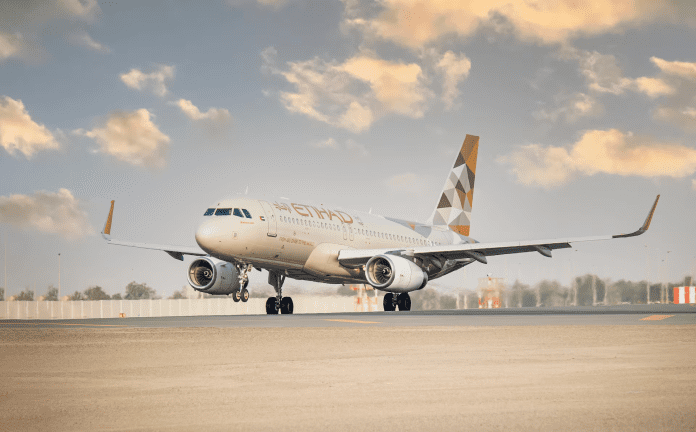
On the night of 28 February 2026, airport authorities deployed staff to provide information and assistance for affected travellers. Eight airlines were affected, namely: EL AL Israel Airlines, Air Arabia, Emirates, Qatar Airways, Etihad Airways, Gulf Air, Arkia Israel Inland Airlines, and Kuwait Airways.

A total of 16 flights were initially cancelled, including 14 departures and two arrivals. As of 1 March 2026, World2Fly announced an additional cancellation, bringing the total number of affected flights to 32, comprising 16 departures and 16 arrivals.

Passengers planning to travel to the Middle East or nearby regions are advised to check their flight status regularly via airline websites, mobile applications, airport counters, or direct airline contact.

(Source: PRD Thailand)

Central Pattana partners with Ascott

BANGKOK, 3 March 2026: Central Pattana Plc, a real estate developer and operator of shopping centres, residential projects, hotels, and office buildings nationwide, has partnered with The Ascott Limited (Ascott), a leading global hospitality company and wholly owned subsidiary of CapitaLand Investment (CLI), to announce the development of Oakwood Central Hat Yai. 

This marks the debut of the Oakwood brand in Hat Yai, reflecting strong hospitality demand in one of Southern Thailand’s key economic hubs and reinforcing the city’s elevation of hospitality and serviced-living standards.

Photo credit: Oakwood Central Hat Yai.

Located in the heart of Hat Yai, the hotel will be directly connected to Central Hat Yai, the city’s premier lifestyle landmark. Just a 20-minute commute from Hat Yai International Airport, the property will cater to both leisure and urban living needs. Oakwood Central Hat Yai is scheduled to open in the fourth quarter of 2026.

Bringing the Oakwood brand to Hat Yai

Oakwood Central Hat Yai will feature 182 rooms and suites, from well-appointed deluxe rooms to spacious suites, with select room categories featuring fully equipped kitchens. The property will also offer an all-day dining restaurant, rooftop bar, rooftop swimming pool, banquet and meeting rooms for business events, fitness centre, kids’ club, and self-service laundry facilities.

Central Pattana Plc Head of Hotel Business Phoom Chirathivat said: “Hat Yai is a city with strong year-round demand from both business and leisure travellers. Introducing the Oakwood brand — leveraging a versatile flex-hybrid model to meet diverse travel needs — into a project that is directly connected to Central Hat Yai shopping centre enables us to create a fully integrated experience in one destination, seamlessly combining stay, work, meetings, and lifestyle. This collaboration with Ascott will set a new benchmark for hospitality in Hat Yai and support the city’s long-term, quality-driven growth.”

The launch of Oakwood Central Hat Yai will mark the arrival of the city’s first internationally branded hotel. At the same time, it also stands as a significant milestone in Central Pattana’s mixed-use development strategy — creating sustainable value for the city, its people, and the broader economy. The property will unveil a new elevated lifestyle experience in the heart of Hat Yai when it opens in Q4 2026.

Oakwood Central Hat Yai is located at Kanjanavanich Road, Hat Yai Subdistrict, Hat Yai District, Songkhla 90110. 

For more information about Oakwood Central Hat Yai, visit Oakwood Central Hat Yai

(Source: Your Stories — Central Pattana)

Global tensions and the tourism economy

BANGKOK, 3 March 2026: The rapid escalation of conflict in the Gulf region is once again reminding the world how closely geopolitics, markets, and tourism are intertwined. As military action involving the United States and Israel against Iran reverberates across the Middle East, reports of retaliatory strikes and heightened security alerts have created understandable concern well beyond the immediate region.

While the human and humanitarian implications must always come first, there are also clear economic consequences that merit careful examination, particularly for travel, tourism, and investor confidence across Asia and Thailand.

Distant conflict, measured market reaction, and resilient travel demand.

Tourism is among the most sentiment-driven sectors of the global economy. It reacts quickly to headlines, uncertainty, and perceived risk, often before any measurable impact on infrastructure or safety occurs. Even when destinations are geographically distant from conflict zones, traveller psychology can shift abruptly, especially among long-haul markets.

This is not the first time the world has faced a Gulf conflict involving the US, and it is certainly not the first such episode witnessed from Thailand. I have lived through multiple periods of regional and global tension while based here, including the first Gulf War in the early 1990s. At that time, there was widespread concern that long-haul travel would collapse and that Thailand’s tourism industry would suffer lasting damage. In reality, the impact proved far more limited and short-lived than feared. While there was an initial pause in bookings and heightened anxiety driven by headlines, Thailand was quickly seen as distant, stable, and safe. Tourism demand returned faster than expected, regional travel remained resilient, and the country ultimately emerged with its reputation intact. The lesson from that period is clear: global conflicts can unsettle sentiment, but when Thailand is not directly involved, the net effect has historically been temporary rather than structural.

In the short term, the most likely tourism impact is hesitation rather than cancellation. Travellers may delay booking decisions, shorten planning horizons, or favour destinations perceived as stable and predictable. Asia, and Thailand in particular, have historically benefited from being viewed as safe, neutral, and far removed from Middle Eastern conflict. That perception remains broadly intact, but global instability can still dampen overall travel confidence.

A massive naval armada underscores the scale of the crisis.

Air travel is one of the first sectors to feel pressure. Rising oil prices, airspace disruptions, and increased insurance and security costs place upward pressure on fares. For price-sensitive markets, even modest fare increases can influence destination choice. Southeast Asia could see some marginal softening in demand from Europe and North America if flight costs rise or routing becomes more complex.

That said, Thailand’s tourism fundamentals remain comparatively strong. The country benefits from a diversified set of source markets, strong intra-Asia travel, and a reputation for value, hospitality, and resilience. Historically, Thailand has shown an ability to recover quickly from external shocks, particularly when those shocks are not directly regional in nature.

Within Asia, short-haul travel is likely to remain robust. Regional travellers tend to be more pragmatic and less reactive to distant geopolitical events, particularly when there is no direct threat to their travel routes or destinations. This may help cushion any softness from long-haul markets.

Turning to financial markets, periods of geopolitical escalation typically trigger short-term volatility rather than immediate structural decline. Equity markets often react swiftly to uncertainty, with initial sell-offs followed by partial recoveries as investors reassess fundamentals.

The technology-heavy Nasdaq is usually the most sensitive to risk-off sentiment. In times of global tension, investors tend to rotate away from higher-growth, higher-valuation stocks toward more defensive assets. This can lead to sharper short-term declines, even if the underlying companies are not directly exposed to the conflict.

The Dow Jones Industrial Average, with its greater weighting toward established industrial and consumer companies, often proves more resilient. Defensive sectors, including healthcare, consumer staples, and energy, can provide relative stability during turbulent periods.

The S&P 500 typically sits between the two, reflecting the broader US economy. While headline risk can drive short-term swings, longer-term performance usually depends on interest rates, inflation expectations, and corporate earnings rather than geopolitics alone.

For Asia-Pacific markets, reactions are often less intense. Energy-importing economies may feel pressure from rising fuel costs, while exporters of commodities or energy-related services may benefit. Investor focus tends to shift toward currencies, supply chains, and central bank responses rather than equities alone.

For Thailand, the primary economic exposure is indirect. Higher energy prices can influence inflation and operating costs, including transport and hospitality. However, domestic demand, regional tourism, and government stimulus measures play a far larger role in shaping near-term economic outcomes.

In times like these, perspective is essential. Markets dislike uncertainty, but they also adapt quickly once information becomes clearer. Tourism demand pauses, recalibrates, and often returns faster than expected when destinations remain safe and accessible.

For tourism leaders, investors, and policymakers, the priority should be calm communication, fact-based reassurance, and operational readiness rather than reactive decision-making. History shows that resilience, not panic, is the defining factor in navigating periods of global tension.

While the situation in the Gulf remains fluid, Asia and Thailand are not on the front line of this conflict. With prudent management, clear messaging, and continued focus on traveller confidence, the region’s tourism and economic outlook remains fundamentally intact.

About the Author
Andrew J Wood is a respected travel and hospitality professional with more than four decades of international experience across Asia, Europe, and the Middle East. Based in Thailand, he is a regular industry commentator on tourism trends, hotel performance, and regional economic dynamics. Andrew has worked extensively with international hotel groups, tourism organisations, and media, and is widely recognised for his balanced, on-the-ground insight into Asia’s travel and hospitality sector.

China Eastern adds three new destinations

SINGAPORE, 3 March 2026: China Eastern Airlines has confirmed a major expansion during its summer 2026 timetable by introducing three international routes connecting China to Central Asia, Europe, and Australia.

Photo credit: China Eastern Airlines.

Shanghai (PVG) to Tashkent (TAS), Uzbekistan

This route is an expansion into Central Asia that supports China’s “Belt and Road” initiative.

Start Date: 30 March 2026.

Frequency: Four weekly flights (Mondays, Tuesdays, Thursdays, and Saturdays).

Aircraft: A330-200.

Details: Flights depart Shanghai Pudong at 1340 and return from Tashkent on the same day. This follows the airline’s launch of service to Xi’an–Tashkent in 2025. 

Flight schedule

MU6037 departs Shanghai (PVG) at 1340 and arrives in Tashkent (TAS) at 1840.
MU6038 departs Tashkent (TAS) at 2020 and arrives in Shanghai (PVG) at 0615 plus a day.

Xi’an (XIY) to Vienna (VIE), Austria

China Eastern is positioning Xi’an as a major international hub with this new link to Europe.

Start Date: 20 April 2026.

Frequency: three weekly (Mondays, Thursdays, and Saturdays).

Aircraft: A330-200.

Significance: This is a direct service aimed at capturing the growing demand for travel between Western China and Central Europe.

Flight schedule

MU5063 departs Xi’an (XIY) at 0130 and arrives in Vienna (VIE) at 0610.
MU5064 departs Vienna (VIE) at 1330 and arrives in Xi’an (XIY) at 0550 plus a day.

Shanghai (PVG) to Adelaide (ADL), Australia

This is a seasonal service marking the return of a direct link to South Australia.

Operations timeline: 20 June 2026 to 2 August 2026.

Frequency: Three weekly.

Outbound: Mondays, Thursdays, and Saturdays.

Return: Tuesdays, Fridays, and Sundays.

Aircraft: A350-900.

Details: This route targets the peak winter travel season in Australia and summer holidays in China.

Flight schedule

MU781 departs Shanghai (PVG) at 1940 and arrives in Adelaide (ADL) at 0730, plus a day. (Mon, Thu, Sat)
MU782 departs Adelaide (ADL) at 0930 and arrives in  Shanghai (PVG) at 1830. (Tue, Fri, Sun).

China Eastern: More network adjustments

Sydney rejig: Starting 29 March 2026, the airline is switching its Wuhan (WUH)–Sydney (SYD) routing to a Beijing Daxing (PKX)-(WUH)–Sydney (SYD) service.  

Manila terminal shift: Also effective 29 March  2026, the airline will move its operations at Manila’s Ninoy Aquino International Airport from Terminal 1 to Terminal 3.

India resumption: The airline recently upgraded its Shanghai–New Delhi service to a daily direct service.

Takeaways 

Tashkent Expansion: By adding Shanghai to its existing Xi’an–Tashkent service, China Eastern will become a major player for travel to Uzbekistan.

Vienna Connectivity: The 0130 departure from Xi’an gets travellers to Europe early in the morning, ready for a full first day of sightseeing or business meetings.

Adelaide Return: This is good news for South Australia’s hospitality and tour content suppliers, as it’s the first direct link to mainland China since 2020.

(Source: China Eastern Airlines with additional reporting)

Amadeus adds SkyLink to its portfolio

SINGAPORE, 3 March 2026: Amadeus has acquired  SkyLink, a New York-based technology company that has built a proprietary AI architecture designed to integrate seamlessly into chat platforms.

This enables travellers to book and service flights and hotels conversationally in a matter of seconds. At the same time, businesses can benefit from meaningful cost savings and productivity gains as their employees unlock time for higher-value work. 

Photo credit: Amadeus. Amadeus President and CEO Luis Maroto.

With adoption accelerating and tens of thousands of bookings already completed, SkyLink is demonstrating how cleverly designed AI can raise the standard for speed, simplicity, and user satisfaction.

Amadeus is progressively enabling its products with AI-powered conversational layers that help customers’ employees more easily access insights and make fuller use of existing capabilities. 

Operating across more than 190 markets and processing billions of search requests and millions of travel transactions daily, Amadeus’ scale enables AI to be applied reliably and at volume, supporting more relevant and efficient traveller interactions.

One immediate, tangible benefit is SkyLink’s complementary technology that supports the evolving needs of the Travel Management Company (TMC) sector. This will enhance and extend Amadeus’ solution capabilities for corporate travel, particularly by expanding its strong customer base in North America.

“Combining our AI-native technology with Amadeus’ scale and industry reach will allow us to deploy our technology faster and bring powerful new capabilities that benefit travellers and companies across the travel industry. It’s a pivotal time to deliver concrete AI solutions and, now with Amadeus, we can accelerate the next phase of travel innovation,” said  SkyLink.CEO & Co-Founder, Atyab Bhatti.

Amadeus President and CEO Luis Maroto added: “Amadeus is the embedded and neutral execution layer for travel; built on three pillars: our global scale, the power of our integrated and deeply connected business logic, and our status as a trusted system of record in the industry since 1987. These pillars enable us to apply AI-driven capabilities consistently across airlines, airports, hotels, travel sellers and the wider travel ecosystem.”

(Source: Amadeus)