SINGAPORE, 27 April 2026: Royal Caribbean’s Legend of the Seas has reached a major construction milestone, officially beginning sea trials* in Turku, Finland, ahead of its July 2026 debut.
The third ship in the Icon Class sails the open ocean for the first time, marking one of the final phases of construction before welcoming its first vacationers.
Photo credit: Royal Caribbean — Legend of the Seas.
Over the next 10 days, more than 2,000 engineers and specialists will put Legend through a comprehensive series of technical tests to evaluate its systems, from testing how the ship moves in the open water to pushing its engine performance to the limits and more. Legend will cover approximately 2,400 nautical miles before returning to the Meyer Turku shipyard for its final stages of construction.
After its inaugural European summer season, the new ship will head to Fort Lauderdale, Florida, and take vacationers on six-night Western Caribbean getaways and eight-night Southern Caribbean adventures, including visits to the vacation brand’s top-rated destination at Perfect Day at CocoCay in The Bahamas.
SINGAPORE, 27 April 2026: Princess Cruises celebrated a major milestone last week as its newest ship, Star Princess, completed its first-ever transit of the Panama Canal.
As Star Princess made her way through one of the world’s greatest engineering marvels, guests onboard experienced a front-row seat to the intricate lock system and breathtaking scenery that define this legendary crossing.
Photo credit: Princess Cruises. Star Princess celebrates milestone passage through Panama Canal.
The transit marks a significant moment in the ship’s inaugural season and underscores Princess Cruises’ longstanding connection to canal voyages.
“A Panama Canal transit is a true ‘must-do’ journey for travellers around the world, and it’s especially meaningful when one of our newest ships makes this iconic passage for the very first time,” said Star Princess Captain Gennaro Arma. “We’re honoured to make this historic crossing in partnership with the Panama Canal Authority, whose expertise and stewardship have shaped one of the world’s great maritime landmarks.”
Guests sailing aboard Star Princess enjoyed special programming throughout the day, including commentary from destination experts, enrichment presentations on the history and significance of the canal, and scenic viewing opportunities from the ship’s open decks and observation spaces.
Princess Cruises pioneered regularly scheduled Panama Canal cruising in 1967, becoming the first cruise line to transit the waterway, and is the leading cruise line in this destination. The upcoming 2026-2027 season features six Princess ships, sailing on 31 departures on nine itineraries from Fort Lauderdale, Los Angeles, San Diego, San Francisco and Vancouver.
Highlights of the season include 13 transits through the historic locks and 26 transits through the new lock.
The 177,800-ton Star Princess is the newest Sphere Class addition to the fleet, carrying 4,300 guests.
SINGAPORE, 27 April, 2026: Oceania Cruises unveiled Oceania Aurelia last week, billed as the “ultimate explorer” purposefully designed for extended global discoveries.
Due to commence commercial sailings in late 2027, she will focus on long journeys, including the line’s 2028 and 2029 Around the World voyages as well as a series of Grand Voyages.
Photo credit: Oceania Cruises.
The completely reimagined ship, currently sailing as Oceania Nautica, represents a new standard, welcoming fewer than 500 guests, served by 400 officers and crew. Oceania Aurelia will feature luxurious suites with dedicated butler service, defining the onboard experience, with 179 of the ship’s 238 accommodations designed as spacious suites. Most exceed 300 square feet, with some suites spanning up to 1,000 square feet, and many offer living and dining spaces.
“Oceania Aurelia is our ultimate world explorer,” said Oceania Cruises Chief Luxury Officer Jason Montague. “She is designed specifically for guests who desire greater space, more suites and a deeper level of personalised care, particularly for extended journeys. Oceania Aurelia will be a smaller, more club-like ship that truly feels like a home at sea, providing travellers a deeper connection to the ports they visit.”
HONG KONG, 27 April 2026: Hong Kong International Airport (HKIA) released its air traffic statistics for March 2026 last week, confirming the airport handled 5.74 million passengers and 34,100 flight movements, representing year-on-year increases of 19.6% and 2.7% respectively.
In addition, Hong Kong secures four places in the global top 10 busiest international airline routes announced in April 2026, led by the Hong Kong-Taipei route, which ranks first.
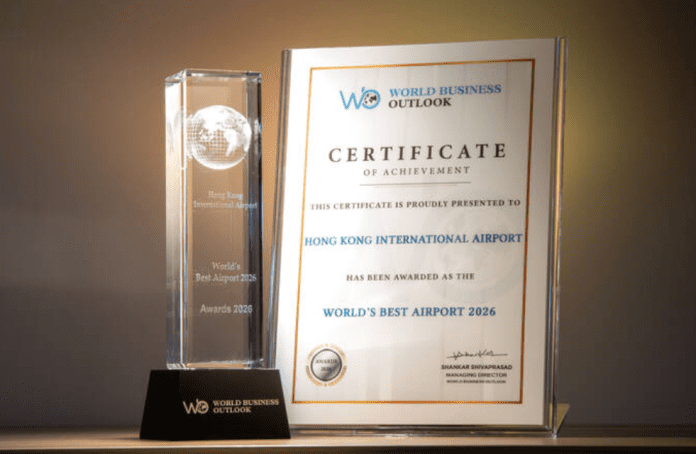
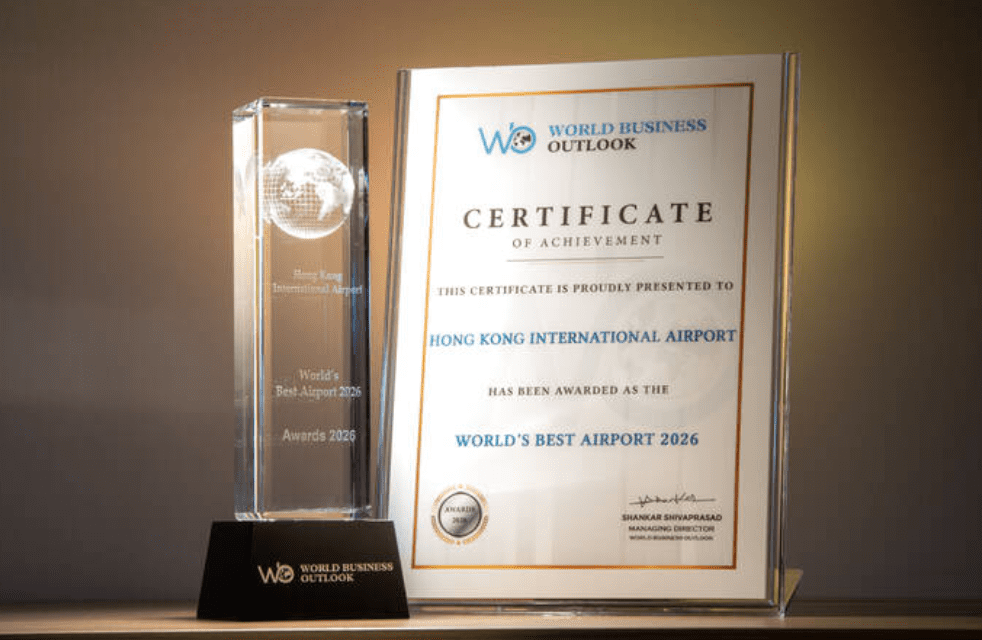
HKIA won the prestigious title “World’s Best Airport 2026” in the World Business Outlook Awards 2026 for world-class efficiency, exceptional service and outstanding facilities.
A double-digit increase in transfer/transit passengers and visitors mainly drove passenger growth. The recent tension in the Middle East led to notable growth in traffic to and from Europe. Meanwhile, traffic to and from Southeast Asia and the Chinese Mainland continued to build momentum.
Cargo volume decreased by 4.4% to 430,000 tonnes compared with March 2025. The decline was primarily driven by a 14.9% year‑on‑year drop in exports, largely due to a steep 62.1% reduction in exports to the Middle East following regional tensions. On the other hand, imports and transhipment posted year‑on‑year increases of 6.5% and 19.5% respectively, partially offsetting the downturn in exports. By region, cargo traffic to/from Europe saw some growth, partially tempering the drop in cargo traffic to/from the Middle East and North America.
Over the first quarter of the year, passenger traffic at HKIA exceeded 16.67 million, while flight movements reached 100,645, representing year-on-year growth of 14.3% and 4.9%, respectively. Cargo volume rose by 3.3% year on year to 1.21 million tonnes.
On a 12-month rolling basis, passenger volume experienced a double-digit increase of 14.8% to 63.05 million, while flight movements rose by 7.1% to 399,450. Cargo throughput grew by 2.7% to 5.10 million tonnes.
Meanwhile, OAG, a provider of flight data and analysis services, revealed the global top 10 busiest international passenger flight routes in April 2026, among which four connect with HKIA. The Hong Kong-Taipei route is again ranked as the busiest, while the Hong Kong-Bangkok, Hong Kong-Manila, and Hong Kong-Seoul/ICN routes rank 6th, 7th, and 9th, respectively.
In other news, HKIA was awarded the prestigious title of “World’s Best Airport 2026” in the World Business Outlook Awards 2026 for its world-class efficiency, exceptional service and outstanding facilities.
Airport Authority Hong Kong (AAHK), CEO Vivian Cheung said: “We are delighted that four Hong Kong routes rank among the world’s 10 busiest international passenger flight routes and that Hong Kong has been named the World’s Best Airport 2026. These highlight global recognitions of the airport community’s collective efforts and HKIA’s strength as a leading aviation hub. Looking ahead, we will leverage the Three-runway System to expand HKIA’s aviation network, upgrade airport services, and strengthen Hong Kong’s position as the hub in Asia.”
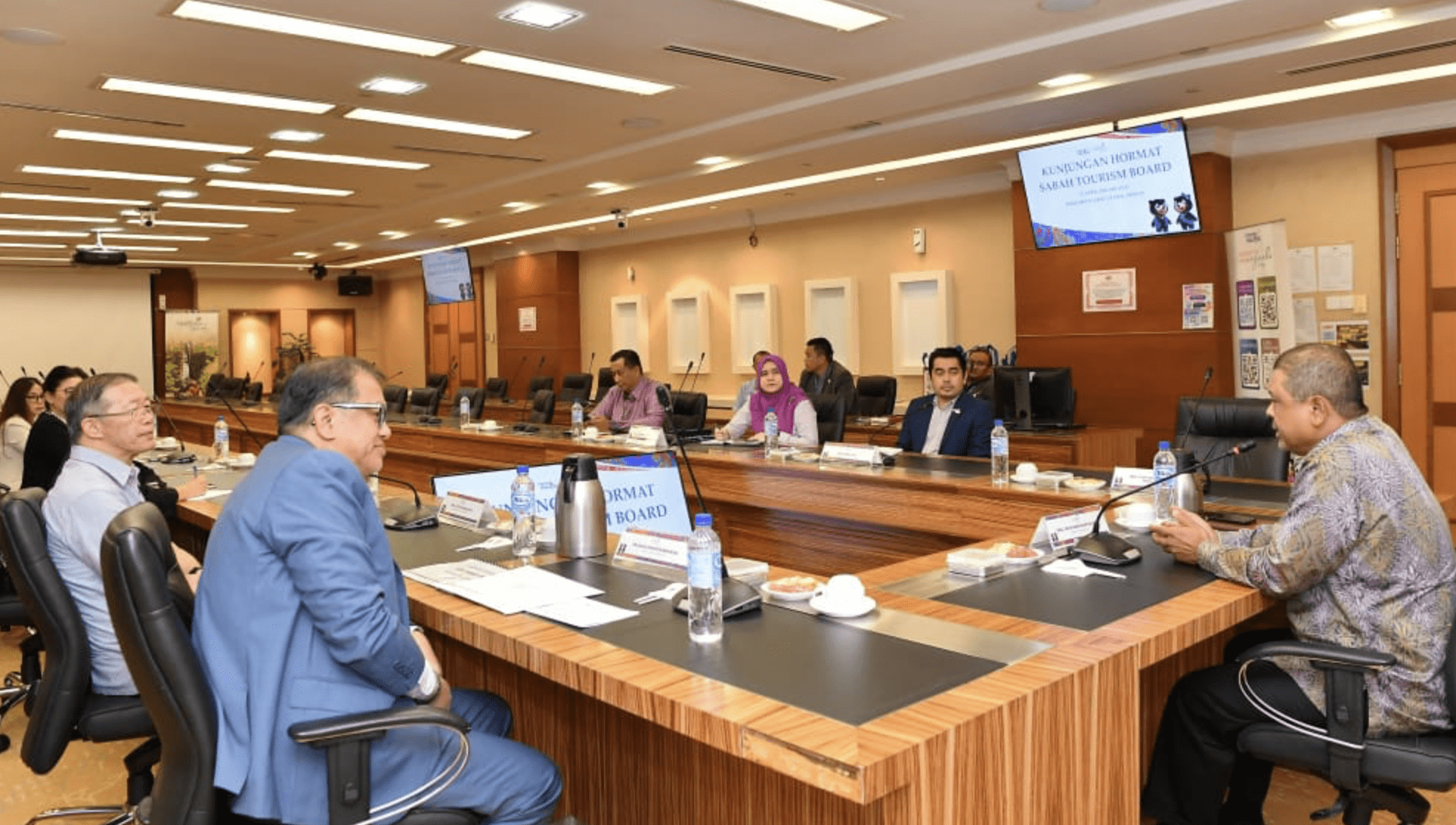
KOTA KINABALU: Sabah Tourism Board hosted a feedback session with the state’s tourism players on Friday to address operational challenges arising from fuel supply constraints and the need for temporary subsidies.
STB Chairman, Datuk Joniston Bangkuai, who is also Assistant Minister to the Chief Minister, led the session to gather feedback and proposals to present to the Ministry of Tourism, Culture and Environment, and subsequently the Ministry of Domestic Trade and Cost of Living.
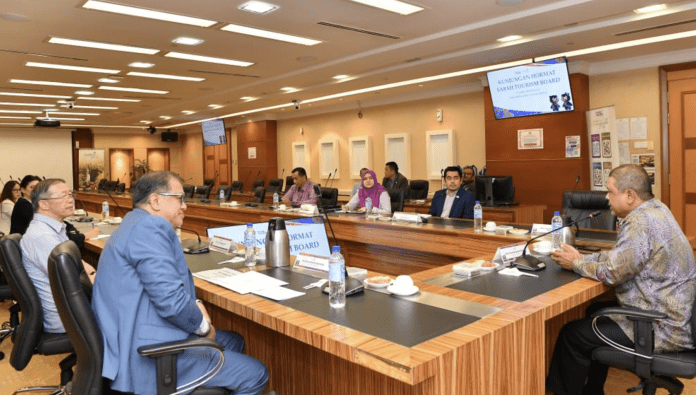
Assistant Minister to the Sabah Chief Minister and STB chairman Datuk Joniston Bangkuai (centre front) chaired an engagement session with Sabah tourism players — STB deputy chairman Datuk KL Tan (front right), Chief Strategic Officer Humphrey Ginibun (left), and Head of Stakeholder and Industry Relations Halimah Hassan (2nd left).
The session focused on the fuel crisis and its impact on tourism operators running island resorts, boat transfer services, and inland eco-tourism operations.
Operators reliant on diesel for generators and daily boat transfers said repeated applications for fuel subsidies have been unsuccessful despite multiple submissions.
Several operators said they are currently absorbing higher fuel costs to honour existing bookings made before recent price increases, limiting their ability to adjust package pricing.
BANGKOK, 27 April 2026: The travel industry has always evolved alongside technology, but in 2026, the shift feels more profound than ever.
This is no longer about faster searches or better booking engines. It is about a complete transformation of the traveller journey, where artificial intelligence, biometrics and mobile integration are removing friction at every stage, from inspiration to arrival.
Artificial intelligence, biometrics and mobile integration are removing friction at every stage, from inspiration to arrival.
Today’s traveller begins not with a travel agent, but with a screen. Within seconds, destinations, hotels and flights are compared, reviewed and priced in real time. What once required hours of research is now distilled into a few intuitive clicks. The modern traveller is informed, empowered and increasingly spontaneous, guided by platforms that combine data, imagery and peer feedback into a seamless decision-making process.
Artificial intelligence is driving much of this change. Travellers can now generate complete itineraries tailored to their preferences, whether a multi-city European journey or a regional escape across Southeast Asia. Flights, hotels and experiences are bundled together with remarkable speed and accuracy, reducing complexity and opening up new possibilities for both leisure and business travel.
Pricing has evolved just as rapidly. Airlines and hotels now use sophisticated systems to adjust rates dynamically, responding to demand, seasonality and even external factors such as weather or major events. For travellers, this means opportunities to secure better value. For the industry, it ensures greater efficiency and improved yield management.
Connectivity, once a persistent challenge, has been quietly solved. The rise of eSIM technology allows travellers to stay connected across multiple countries without changing SIM cards or incurring excessive roaming charges. It is a simple innovation, yet one that has significantly enhanced the ease of international travel, particularly for those making multiple stops on a single trip.
Digital identity systems are reducing queues and improving flow.
Nowhere is the impact of technology more visible than at the airport. Biometric systems are replacing traditional processes, allowing passengers to move through check-in, security and boarding with minimal interruption. Facial recognition and digital identity systems are reducing queues and improving flow, creating a more relaxed and efficient airport experience.
Airlines have embraced mobile integration, placing the entire journey in the traveller’s hands. Boarding passes, real-time updates and baggage tracking are all managed through apps, ensuring that passengers are informed at every stage. The uncertainty that once defined air travel is gradually being replaced by clarity and control.
Hotels and restaurants are undergoing a similar transformation. Digital check-in, mobile room access and app-based concierge services are becoming standard, particularly in major cities and resort destinations. Guests can arrive, settle in and request services without waiting in line, while restaurants increasingly offer digital menus and contactless payment options that streamline the dining experience.
Loyalty programmes have also moved fully into the digital space. Points, upgrades and rewards are now integrated across platforms, allowing travellers to navigate between airlines, hotels and other services with ease. The traditional reliance on physical cards and printed confirmations is rapidly fading.
Even travel gear has adapted. Smart luggage equipped with tracking technology, charging capabilities and weight sensors is becoming more common, offering reassurance and convenience for frequent travellers. While the occasional lost bag remains a reality, the ability to monitor its location in real time has significantly improved recovery and reduced anxiety.
Loyalty programmes have also moved fully into the digital space, with points, upgrades and rewards now integrated.
Sustainability is another area where technology is making a meaningful impact. Airlines are optimising routes to reduce fuel consumption, while hotels are using smart systems to manage energy and water more efficiently. Travellers themselves are becoming more aware of their environmental footprint, with technology providing greater transparency and enabling more responsible choices.
Looking ahead, the direction is unmistakable. The future of travel technology is not about adding layers of complexity, but about removing them. Each innovation is designed to simplify the journey, allowing travellers to focus less on logistics and more on the experience itself.
As global travel continues to grow, the role of technology will only become more central. The companies that embrace these changes will lead the industry forward, while travellers who adapt will enjoy a smoother, more connected and more rewarding way to explore the world.
About the author Andrew J. Wood is a Bangkok-based travel writer and well-respected tourism expert. A former hotelier, he has lived in Thailand since 1991. A past President of Skål Asia and long-time tourism industry leader, he writes widely on hospitality, travel and tourism trends across Asia.
BANGKOK, 24 April 2026: Dusit Hotels and Resorts invites travellers to extend their stays for less with the launch of ‘A Night on Us’, a limited-time offer featuring complimentary nights on eligible stays of two to eight nights.
Available for just six days, from 22 to 27 April 2026, exclusively on dusit.com, with early access for Dusit Gold members from 22 to 24 April, the offer provides exceptional value across a curated collection of participating Dusit properties in Guam, Malaysia, the Maldives, the Philippines, Singapore, and Thailand.
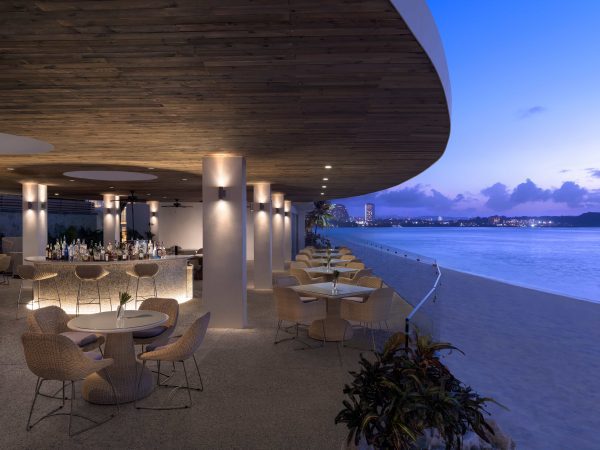
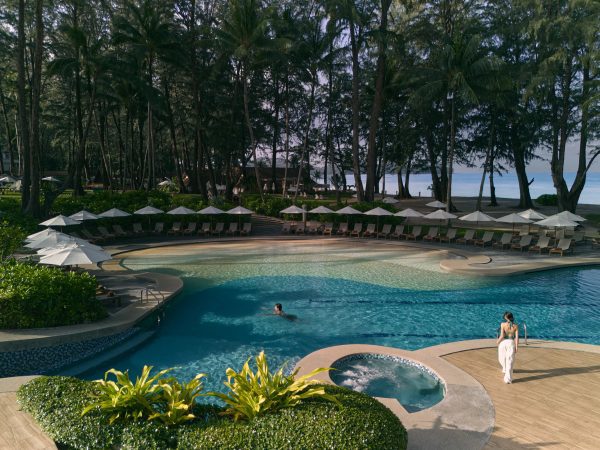
From island escapes such as Dusit Thani Maldives, dusitD2 Feydhoo Maldives, Dusit Thani Laguna Phuket, and Dusit Thani Lubi Plantation Resort in the Philippines, to beachfront retreats including Dusit Thani Hua Hin, Dusit Thani Pattaya, and Dusit Thani Guam Resort, as well as city stays like Dusit Princess Melaka, Dusit Thani Laguna Singapore, ASAI Bangkok Chinatown, Dusit Princess Chiang Mai, and Dusit Thani Manila and dusitD2 Davao in the Philippines, and mountain escapes such as dusitD2 Khao Yai in Thailand, guests can enjoy up to four complimentary nights when booking stays of up to eight nights, for stays from 22 April to 20 December 2026.*
How ‘A Night on Us’ works
· Pay for 1 night, stay for 2
· Pay for 2, stay for 4
· Pay for 3, stay for 6
· Pay for 4, stay for 8
By booking directly, guests not only maximise value but also gain access to Dusit’s full suite of personalised services and exclusive offers.
Dusit Gold membership is complimentary and can be activated at dusit.com/signup, unlocking benefits including preferential room rates and dining offers.
KUCHING, SARAWAK, 24 APRIL 2026: Sarawak has won hosting rights for the 11th Asia Pacific Regional Conference 2028 (APRC 2028) of the International Union Against Tuberculosis and Lung Disease, marking a significant milestone in the destination’s continued rise as the legacy capital of business events in Malaysia and Borneo.
Scheduled for 23 to 26 March 2028 in Kuching, in conjunction with World Tuberculosis Day, the conference is expected to attract over 1,000 delegates from across the Asia Pacific (APAC) region, generating an estimated total economic impact of MYR8.2 million. It will be the first time APRC is hosted in Borneo and the second time in Malaysia since Kuala Lumpur in 2007.
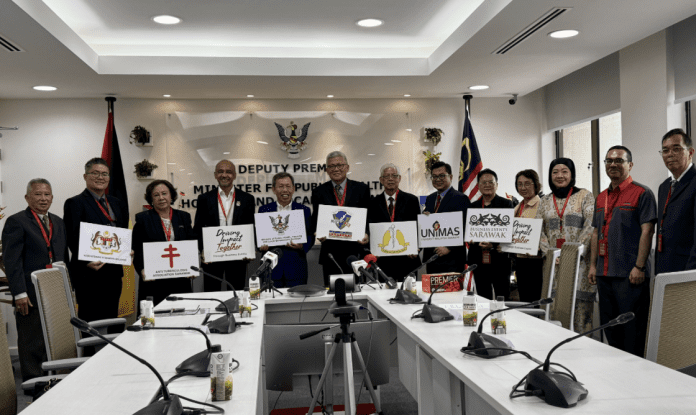
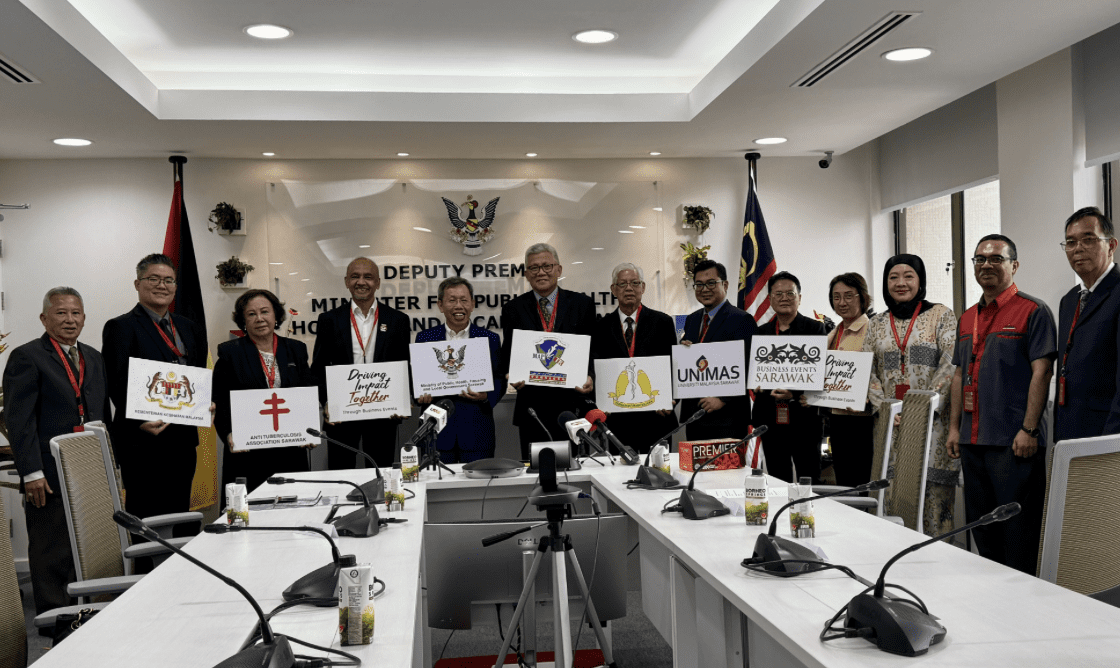
Press Conference Announcement for the 11th Asia Pacific Regional Conference 2028 (APRC 2028) of the International Union Against Tuberculosis and Lung Disease.
Tuberculosis remains one of the world’s most urgent public health challenges, driven by the rise of drug-resistant strains, delayed diagnoses, treatment adherence gaps, persistent stigma, and unequal access to healthcare. Across the Asia-Pacific, the diversity of healthcare systems further complicates coordinated control efforts.
In Sarawak, efforts to strengthen early detection and access to care are already underway, including the adoption of portable handheld X-ray technology by the Bintulu Divisional Health Office to enhance tuberculosis screening, particularly in reaching underserved and remote communities. However, scaling these efforts across the region requires stronger collaboration, innovation, and knowledge exchange.
APRC 2028 will respond to this need by bringing together global and regional leaders to accelerate practical solutions in prevention, diagnosis, and treatment, while strengthening partnerships across borders and sectors.
“APRC 2028 directly supports Sarawak’s Post COVID-19 Development Strategy 2030, where healthcare is not only about treatment, but about equity and inclusion. The Sarawak government’s support towards APRC 2028 is our commitment to ensuring that Sarawak’s healthcare system is inclusive, accessible, and leaves no one behind,” said
Deputy Premier and Minister of Public Health, Housing, and Local Government, Sarawak, Datuk Amar Prof Dr Sim Kui Hian.
Deputy Premier and Minister of Public Health, Housing, and Local Government, Sarawak, Datuk Amar Prof Dr Sim Kui Hian.
“Better prevention and control of tuberculosis and other lung diseases require strong collaboration between government, academia and communities to improve access, strengthen awareness, and build trust. This is critical in addressing stigma, ensuring people feel safe and supported to seek early diagnosis and treatment.”
“We want to bridge science, policy, and practice for a tuberculosis-free future and better lung health for all, hence the APRC 2028 will feature a large-scale programme with workshops, plenaries, symposiums, and community outreach sessions to include all segments of society. We believe that everyone – government, associations, industry, academia and local communities – can be advocates for a tuberculosis-free future,” said the Organising Chairman of APRC 2028 and member of the Malaysian Association for the Prevention of Tuberculosis (MAPTB), Prof Dato Dr Abdul Razak bin Abdul Muttalif.
“Winning APRC 2028 reflects Sarawak’s growing reputation as the legacy capital of business events in Malaysia and Borneo,” said Business Events Sarawak (BESarawak) Acting Chief Executive Officer Jason Tan Chin Foo. “With strong government backing under the Post COVID-19 Development Strategy 2030 and BESarawak’s legacy framework, we are committed to ensuring that APRC 2028 delivers meaningful legacy outcomes. By convening global experts and stakeholders, the conference will catalyse advancing solutions to critical health challenges, particularly tuberculosis, while contributing to long-term development goals aligned with national priorities and the United Nations Sustainable Development Goals.”
APRC 2028 is organised by the Malaysian Association for the Prevention of Tuberculosis (MAPTB) in collaboration with the Sarawak State Health Department, Malaysian Thoracic Association, the Anti-Tuberculosis Association of Sarawak (ATAS), and Universiti Malaysia Sarawak (UNIMAS). APRC 2028 is supported by the Ministry of Public Health, Housing and Local Government, Sarawak and Business Events Sarawak (BESarawak).
PUTRAJAYA, 24 April 2026: The Sabah Tourism Board and Tourism Malaysia engaged in discussions on the need to align tourism promotion strategies following the extension of the Visit Malaysia campaign to end-2027.
The Sabah Tourism Board (STB) was led by Chairman Datuk Joniston Bangkuai, who is also Assistant Minister to the Chief Minister of Sabah, while Tourism Malaysia was represented by its Chairman Datuk Manoharan Periasamy.
Assistant Minister to the Sabah Chief Minister and Sabah Tourism Board Chairman Datuk Joniston Bangkuai (left) and Tourism Malaysia Chairman Datuk Manoharan Periasamy (right) during a discussion engagement in Putrajaya, earlier this week.
Manoharan briefed the Sabah delegation on Tourism Malaysia’s current focus, citing the geopolitical situation as a key factor behind a stronger emphasis on domestic tourism and on the ASEAN region as a priority market under the revised campaign period.
Joniston said STB would support continued coordination to ensure consistency in promotional direction between federal and state tourism initiatives. He said both parties recognised the importance of regular engagement to support the success of Visit Malaysia Year and Visit Sabah 2027. He added that Sabah would continue to emphasise cultural and nature-based tourism under its Visit Sabah 2027 campaign, with key cultural events such as Kaamatan playing a central role in strengthening destination identity.
Present at the meeting were: Tourism Malaysia Head of Secretariat for Visit Malaysia Year, Mohd Akbal Setia; Tourism Malaysia Corporate Communications Director, Yasmin Faezah Samsudin; STB Deputy Chairman, Datuk KL Tan; Deputy Permanent Secretary to the Ministry of Tourism, Culture, and Environment of Sabah, Mary Malangking; STB Chief Marketing Officer, Josephine Chai; STB Special Officer, Normegawati Baiduri Sapian; STB Head of Research, Angeline Engchuan; and STB Head of Digital and Communications, David Michael.
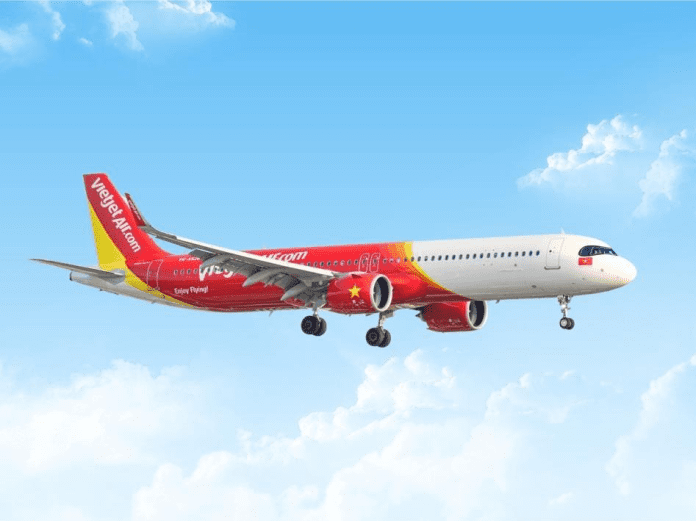
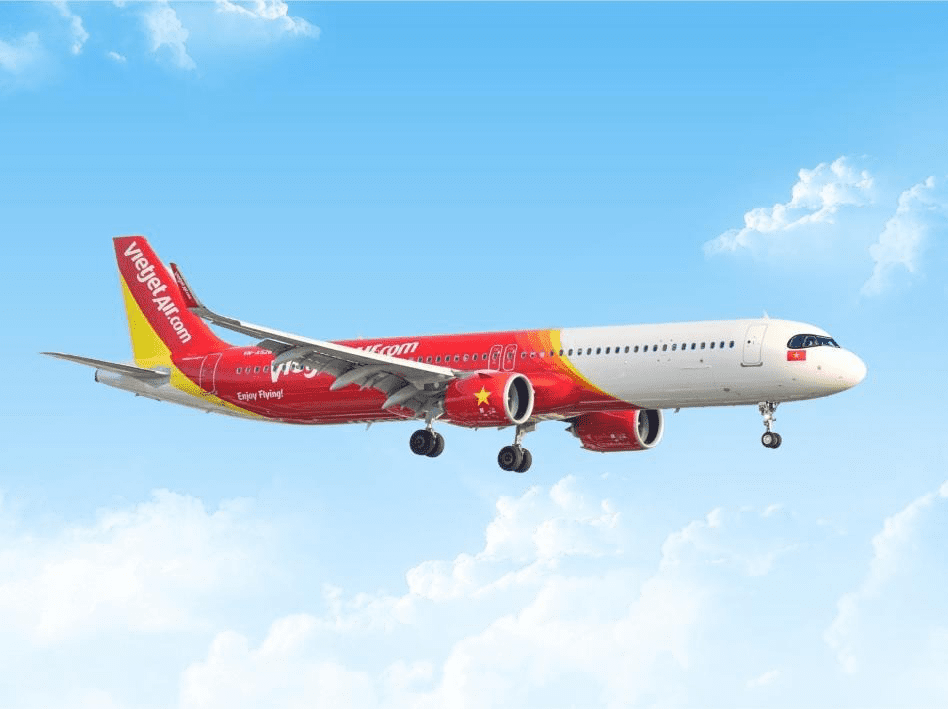
SINGAPORE, 24 April 2026: Vietjet has been recognised as the most emissions-efficient airline for intra-Southeast Asia operations, according to the 2025 Flight Emissions Review by Cirium, a leading global aviation data and analytics provider.
The ranking is based on Cirium’s EmeraldSky methodology, which uses CO₂ per Available Seat Kilometre (CO₂/ASK) as its core metric. This measures the amount of fuel an airline burns relative to its passenger capacity. According to the report, Vietjet recorded 64.5 grams CO₂/ASK, placing first in the Southeast Asia intra-regional ranking, ahead of Singapore Airlines (66.7 grams) and Lion Air (67.1 grams).
Photo credit: Vietjet.
The ranking compares emissions performance on flights operating entirely within Southeast Asia, where the dominance of short- and medium-haul routes can make fuel efficiency more challenging to optimise. Against this backdrop, Vietjet’s ability to deliver the lowest emissions reflects its strong operational efficiency across the entire value chain, from aircraft configuration and network planning to load management.
A key driver of Vietjet’s emissions performance is its new-generation fleet. The airline primarily operates Airbus A320 and A321 aircraft, including the latest “NEO” variants, which offer approximately 15 to 20% fuel savings compared to previous-generation models. With one of the youngest fleets in the region, Vietjet is well-positioned to optimise fuel consumption and CO₂ emissions per flight. In parallel, the airline continues to strengthen technology adoption across its operations, from flight data analytics platforms such as SkyBreathe to fuel-optimisation initiatives like SFCO₂, thereby improving efficiency across its entire network.
Previously, Vietjet was also named among the Top 7 global airlines for sustainability in 2025 by AirlineRatings, in recognition of its efforts to reduce emissions, improve fuel efficiency, and support the green transition. The airline has also received ESG (Environmental, Social, and Governance) recognition in markets such as Taiwan.
The Flight Emissions Review is Cirium’s annual ranking, providing an independent assessment of the world’s 100 largest airlines based on actual operational data. It enables transparent comparisons of emissions performance across airlines by scale and geographic region, serving as a benchmark for the global aviation industry.