

BANGKOK, 30 April 2026: Current geopolitical tensions have impacted perception and confidence, but the fundamental strengths of the Gulf region remain intact, argued Knighthood Global’s chairman and former president and chief executive of Etihad Airways, James Hogan, in his keynote address to summit delegates attending the one-day event in the Thai capital.
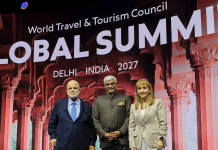
Organised by Travel Daily Media, the one-day TDM Global Summit 2026, convened on 29 April, bringing together 500 senior travel and tourism leaders against the backdrop of ongoing geopolitical uncertainty and the 2026 Gulf War conflict.
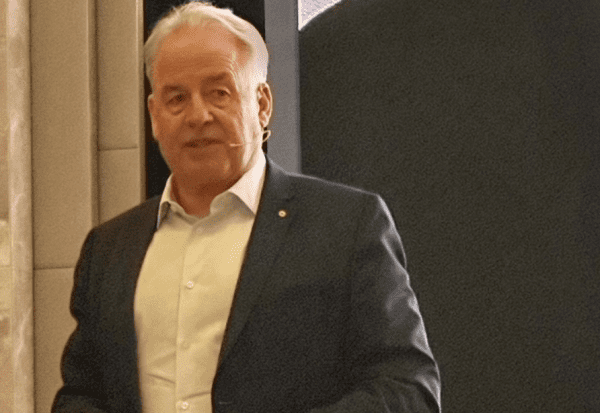
Hogan declared in his keynote presentation during the summit’s opening session: “What has been damaged is not the product, but the perception.”
He highlighted that world-class infrastructure across the Persian Gulf countries continues to serve as a critical foundation for recovery. Major regional hubs collectively handle a significant share of global transit traffic, while leading airlines such as Emirates, Etihad and Qatar Airways act as powerful national brand ambassadors.
Speaking on the theme “Destination Branding in a Time of Crisis: A Recovery Playbook for the Gulf States”, Hogan delivered a compelling analysis drawn from decades of leadership at the highest levels of global aviation.
Hogan’s career spans senior roles with Gulf Air, Etihad Airways and numerous international travel and hospitality organisations. His insights carried particular weight given his role in transforming Etihad into one of the fastest-growing airlines in aviation history.
A key concept outlined in his presentation was the “stay and spend” flywheel, whereby transit passengers are converted into stopover visitors, extended stays and ultimately repeat guests. This model, he argued, will play a vital role in accelerating recovery.
Hogan also stressed the importance of regional cooperation over competition. Drawing parallels with ASEAN, he urged Gulf states to adopt a unified approach, competing nationally but marketing collectively. “No destination benefits from winning market share at the expense of its neighbour during a crisis,” he said.
Another critical takeaway was the role of aviation as the catalyst for recovery. Airlines, Hogan explained, are both the first and last touchpoints of the traveller journey, making them central to restoring confidence. Route resumptions should be viewed not simply as operational decisions, but as strategic marketing signals to the world.
Equally important, he highlighted the human dimension of tourism. “People are the brand,” he said, pointing to frontline staff across airlines, hotels and tourism services as the true ambassadors of destination identity. Authentic service, cultural confidence and personal interaction will be decisive factors in rebuilding traveller trust.
Despite the economic headwinds, including downgraded global and regional growth forecasts and potential employment impacts, Hogan struck an optimistic tone. He concluded that the Gulf’s brand strength, infrastructure and service culture position it well for recovery.
“The question is not whether the Gulf will come back,” he said. “It is how fast.”
About the Author
Andrew J Wood is a Bangkok-based media executive, travel writer and former hotel executive specialising in Asian tourism.