SINGAPORE, 6 May 2026: The Americas was the only world region to show a decrease in hotel pipeline activity at the close of Q1 2026, according to CoStar’s March 2026 pipeline data.
The UK led Europe in total rooms in construction (26,458), closely followed by Germany (23,748).
Asia Pacific
In construction: 492,970 rooms (-7.7%)
Final Planning: 74,487 rooms (+70.2%)
Planning: 415,172 rooms (+6.5%)
Total under contract: 982,629 (+1.6%)
Among countries in the region, China (278,283) led in construction activity, followed by Vietnam (43,858) and India (43,290).
Middle East & Africa
In construction: 107,653 rooms (+4.5%)
Final Planning: 29,290 rooms (+3.8%)
Planning: 94,998 rooms (-2.9%)
Total under contract: 231,941 (+1.3%)
Most of the region’s pipeline activity is focused on the Middle East. Saudi Arabia (51,513) and the United Arab Emirates (16,072) have the most rooms under construction.
Americas
In construction: 193,145 rooms (-2.1%)
Final Planning: 282,246 rooms (-7.9%)
Planning: 402,723 rooms (-5.0%)
Total under contract: 878,114 (-5.3%)
The US (333,467) has the most rooms under construction in the region. After the US, Mexico (15,267), Canada (9,589) and the Dominican Republic (6,190) show the highest number of rooms in construction.
CoStar is a leading provider of online real estate marketplaces, information and analytics in the property markets.
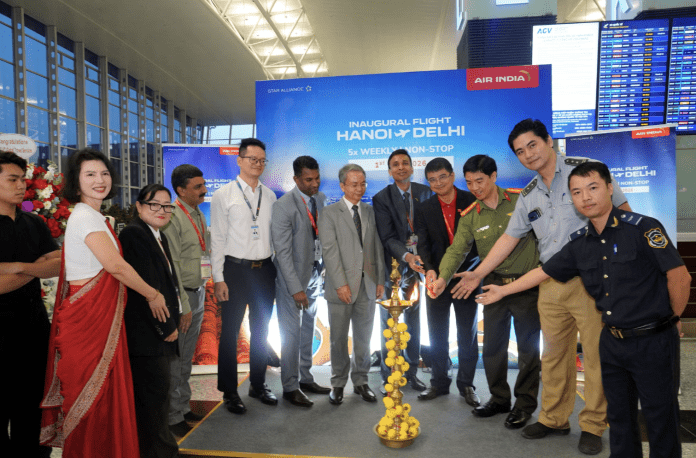
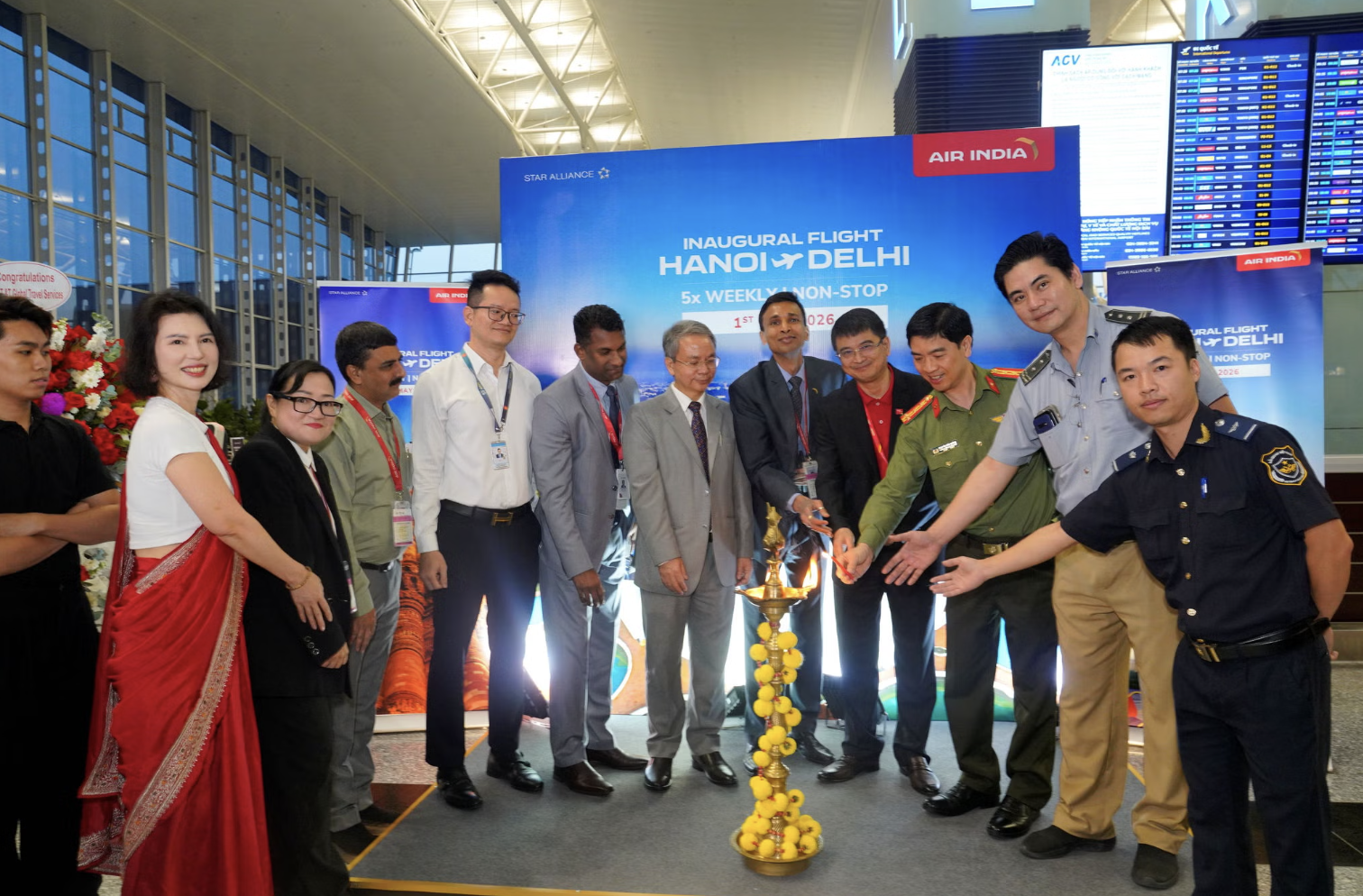
DELHI, 6 May 2026: Air India has launched five weekly direct flights to Hanoi from its hub in Delhi, touching down at the Vietnamese capital city for the first time on 1 May.
Hanoi is Air India’s second gateway destination in Vietnam after Ho Chi Minh City and the airline’s eighth destination in Southeast Asia.
Photo credit: Air IndiaFlight AI2390 was welcomed by dignitaries from the Indian Embassy in Vietnam, airport officials, and Air India staff.
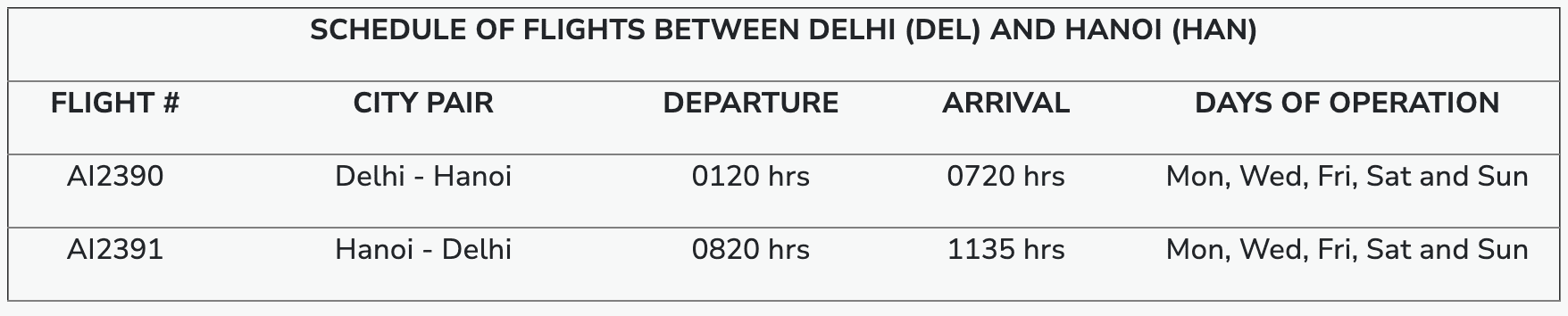
Air India deploys a 165-seat A320neo aircraft on the Delhi-Hanoi route, featuring a three-class cabin configuration comprising business class, premium economy and economy. Flight time is four hours and 10 minutes. Flights depart Delhi on Monday, Wednesday, Friday, Saturday and Sunday.
The new service also connects with flights departing Delhi to cities in the UK and Europe.
Air India, Chief Commercial Officer, Nipun Aggarwal commented: “Vietnam has rapidly evolved into a high-potential market for Indian travellers, supported by strong leisure demand, growing business exchanges and rising interest in multi-city holidays. With Hanoi joining our network alongside Ho Chi Minh City, we are creating more choice, greater convenience and stronger connectivity between the two countries as well as enabling traffic between Europe and Vietnam.”
Bookings are available through travel agents worldwide and on Air India’s website and mobile app.
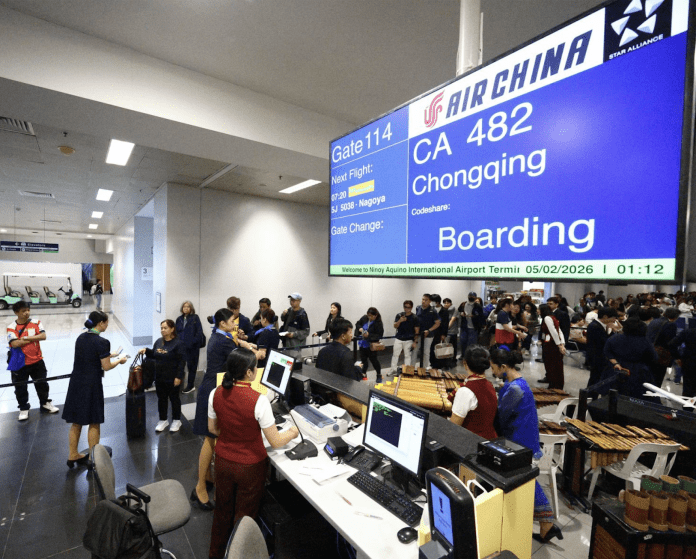
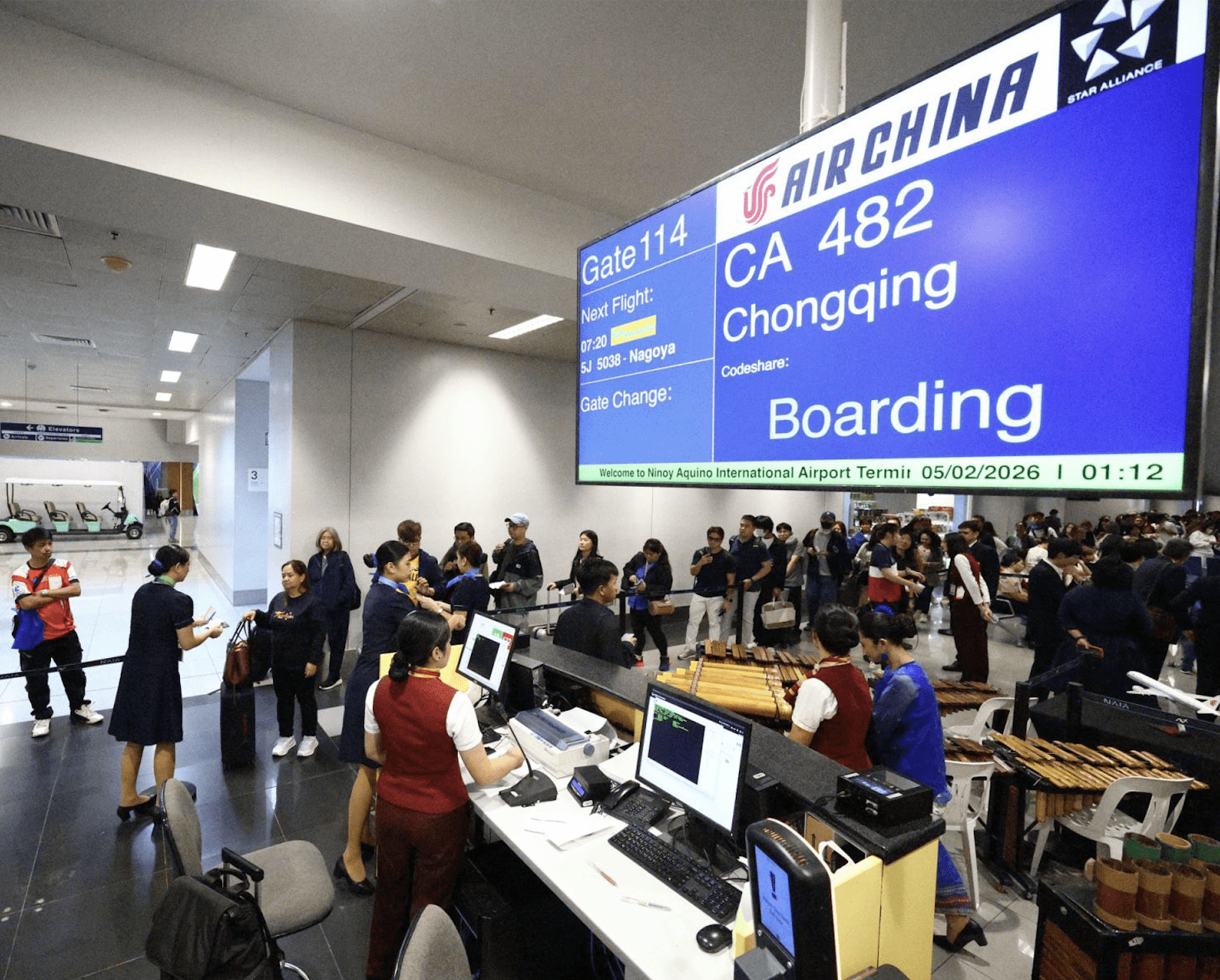
MANILA, 6 May 2026: The Department of Tourism Philippines (DOT) welcomes Air China’s inaugural service from Chongqing to Manila (CKG-MNL) on Saturday, 2 May, marking a crucial step towards recovering the Philippines’ previously robust Chinese tourist arrivals.
This follows the recently restored visa-free policy for Chinese tourists entering the country via Manila and Cebu, DOT reported on its Facebook page. The new Air-China route makes travel more convenient for prospective tourists from one of China’s major metropolitan areas and outbound travel markets.
Photo credit: Department of Tourism Philippines.
The aircraft from Chongqing landed in Manila at 0050, carrying 155 passengers, and was greeted by DOT through its National Capital Region (NCR) Office and Routes Development Unit.
Flights depart Chongqing four times weekly on Monday, Wednesday, Friday and Saturday using Boeing 737-800 aircraft with 167 seats. Flight time is four hours.
Meanwhile, the outbound MNL-CKG flight departed from the Philippines at 0150 local time, carrying 145 passengers.
The return flights depart Manila on Tuesday, Thursday, Saturday and Sunday.
Air China already flies direct routes between Chengdu and Beijing and Manila. As of the first quarter of 2026, the airline had operated 131 direct flights to the Philippines, with approximately 34,000 seat capacity.
China is one of the Philippines’ top tourist markets, with 150,708 visitors recorded in the e-travel system as of 30 April 2026.
Flight schedule
CA481 departs Chongqing (CKG) at 2050 and arrives in Manila (MNL) at 0050. CA482 departs Manila (MNL) at 0150 and arrives in Chongqing (CKG) at 0540.
(Source: Department of Tourism Philippines, plus online timetables)
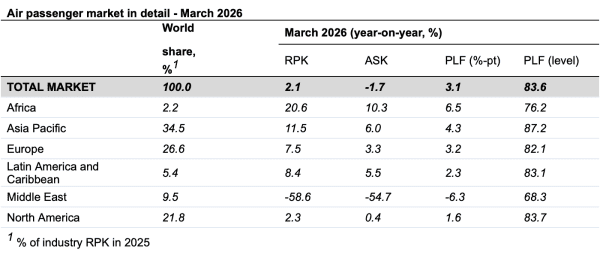
SINGAPORE, 6 May 2026: Travel demand, measured in revenue passenger kilometres (RPK), gained 2.1% in March 2026 compared with March 2025, according to the International Air Transport Association’s latest data.
IATA reported that capacity, measured in available seat kilometres (ASK), decreased 1.7% year-on-year. The load factor was 83.6% (+3.1 ppt compared to March 2025).
International demand fell 0.6% compared to March 2025. Capacity was down -6.2% year-on-year, and the load factor was 84.1% (+4.7 ppt compared to March 2025).
The overall decline in international traffic was driven by a -60.8% drop in the Middle East.
Meanwhile, domestic demand increased 6.5% compared to March 2025. Capacity increased 5.6% year-on-year. The load factor was 83.0% (+0.7 ppt compared to March 2025).
“Demand for air travel continued to grow in March despite disruptions in the Middle East. The nearly 61% decline in international traffic by carriers in the Middle East did, however, restrain global growth to 2.1%. Outside of the Middle East, demand grew by 8%,” said IATA’s Director General Willie Walsh.
“Everybody’s watching what’s happening with jet fuel—both supply and pricing. On the supply side, over the next few months, we could see shortages in parts of the world that rely heavily on Gulf supplies, especially in Asia and Europe. And the extraordinarily high cost of jet fuel is increasingly being reflected in ticket prices. While this has not impacted March traffic or forward bookings to date, it remains to be seen at what point high prices could start to shift passenger behaviour. So far, the summer is shaping up to be a normally busy time for travel. That’s positive news, but airline resilience is being tested and stabilising the supply and price of fuel is crucial. In the meantime, it’s important for regulators to be prepared to grant airlines some flexibility on slots, considering the extraordinary circumstances of airspace capacity restrictions and potential fuel rationing,” said Walsh.
Regional Breakdown – International Passenger Markets
International RPK fell -0.6%, the first decline since March 2021. This fall was due to a major decrease in traffic in the Middle East. In contrast, other international markets grew by 9%, and the passenger load factor rose in all regions except the Middle East.
Asia-Pacific airlines achieved an 11.5% year-on-year increase in demand. Capacity increased 1.5% year-on-year, and the load factor was 91.2% (+8.1 ppt compared to March 2025). Traffic in the region was boosted by the tail end of the Lunar New Year travel period, as well as by international routes (except those to the Middle East), which saw double-digit expansion.
European carriers saw a 7.7% year-on-year increase in demand. Capacity increased 3.2% year-on-year, and the load factor was 81.4% (+3.4 ppt compared to March 2025). Traffic between Europe and Asia surged 29.3% as direct services replaced traffic transiting through the Middle East.
North American carriers saw a 3.7% year-on-year increase in demand. Capacity increased 0.9% year-on-year, and the load factor was 85.5% (+2.3 ppt compared to March 2025). Transatlantic travel grew 3.3%, and the growth rate between Asia and North America more than doubled compared to February.
Middle Eastern carriers saw a 60.8% year-on-year decrease in demand. Capacity decreased 56.9% year-on-year, and the load factor was 67.8% (-6.6 ppt compared to March 2025). These figures are a direct result of the US-Israel-Iran war, which closed much of the airspace in the region.
Latin American airlines achieved a 12.1% year-on-year increase in demand. Capacity climbed 8.4% year-on-year. The load factor was 83.8% (+2.7 ppt compared to March 2025).
African airlines saw a 19.2% year-on-year increase in demand. Capacity was up 4.2% year-on-year. The load factor was 77.7% (+9.8 ppt compared to March 2025).
SYDNEY, 6 May 2026: The tremendous work of travel advisors supporting clients every day, from holidays to business trips, from creating memories to working miracles to navigate disruptions, is front and centre this Global Travel Advisors Day, Wednesday, 6 May.
ATIA showcases the work of accredited travel agents and tour operators across mainstream and social media, and those on ATIA’s Media Roster have been quick to share case studies and their love of their roles.
ATIA is running a full social media activation today and throughout the week, with member callouts on LinkedIn, Facebook, and Instagram. ATIA-accredited members have a kit in their inbox right now to bring the campaign into their shopfront and client communications.
Members can amplify their profile on the day by downloading the ATIA-branded tile suite, printing the in-store poster, and using the client email template, all of which are in the kit distributed this week.
ATIA CEO Dean Long commented: “On Global Travel Advisors Day, we want everyone to help celebrate our members and the tremendous work and commitment they bring in supporting every client. This year, the stories are again extraordinary with clients protected, thousands saved, and disasters turned into highlights. ATIA is running the national campaign so our members can focus on what they do best: taking care of their clients.”
About ATIA (www.atia.travel) The Australian Travel Industry Association (ATIA) is the peak body representing Australia’s AUD69 billion travel industry. ATIA represents the majority of Australian travel agents, corporate agents, tour operators, wholesalers and ITOs.
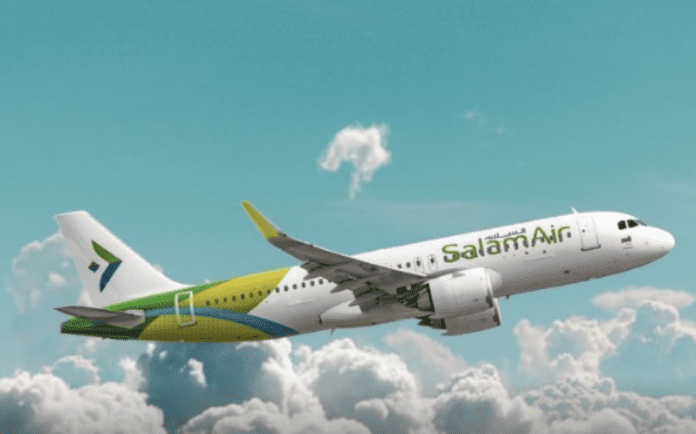
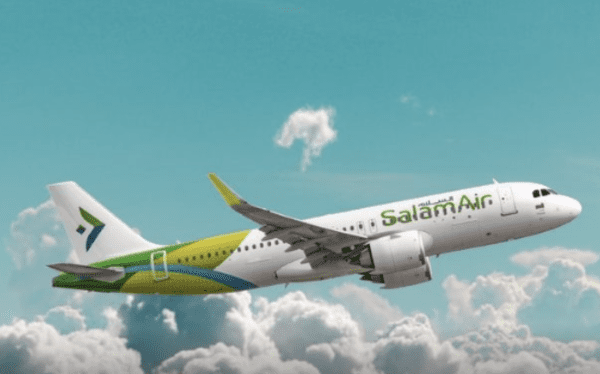
MUSCAT, 6 May 2026: SalamAir, Oman’s low-cost carrier, has opened sales for its newest route to Kigali in Rwanda, from its Muscat home base, a move that will expand the airline’s presence across the African market.
Flights will commence on 21 July 2026, subject to regulatory approvals, with the airline operating two weekly flights between Muscat and Kigali on Tuesday and Thursday.
Photo credit: SalamAir.
One-way Lite fares on the route start from OMR69.99, reinforcing SalamAir’s commitment to low fares and accessible travel.
The addition of Kigali marks another milestone in SalamAir’s strategic expansion, building on its continued growth across Africa and aligning with its vision of connecting underserved and high-potential markets. The route is expected to support increasing commercial exchange between Oman and East Africa, facilitating business travel, trade opportunities, and stronger economic links between the two markets.
Commenting on the announcement, SalamAir Chief Commercial Officer Steven Allen said: “Kigali is a natural addition to our growing African network, offering strong fundamentals across business and leisure travel. Rwanda has seen consistent growth in tourism and business travel in recent years. Kigali itself is a vibrant, modern gateway — known for its culture, markets, and historical landmarks — and it opens the door to some of Africa’s most compelling natural and eco‑tourism attractions. As part of our wider network strategy, we remain focused on linking Oman with high‑growth markets through affordable, reliable, and direct connectivity.”
Flight schedule
OV371 departs Muscat (MCT) at 0900 and arrives in Kigali (KGL) at 1235. (Tuesday and Thursday). OV371 departs Kigali (KGL) at 1420 and arrives in Muscat (MCT) at 2215. ( Tuesday and Thursday).
The airline deploys an A321neo with 217 seats on the route. Flight time is five hours and 55 minutes.
Oman and Rwanda share longstanding diplomatic ties spanning nearly three decades, underpinned by a steadily evolving trade relationship. Kigali, known for its remarkable cleanliness, safety, and progressive urban planning, has positioned itself as one of Africa’s most forward-looking capitals, serving as a hub for high-level conferences, innovation, and investment, supported by its world-class venues such as the Kigali Convention Centre.
BANGKOK, 6 May 2026: Before we go too far down the road of new tourism taxes, it is worth pausing to ask a simple question.
Are we really talking about something new, or are we revisiting an old idea that has already been tried, tested and, in many cases, quietly abandoned?
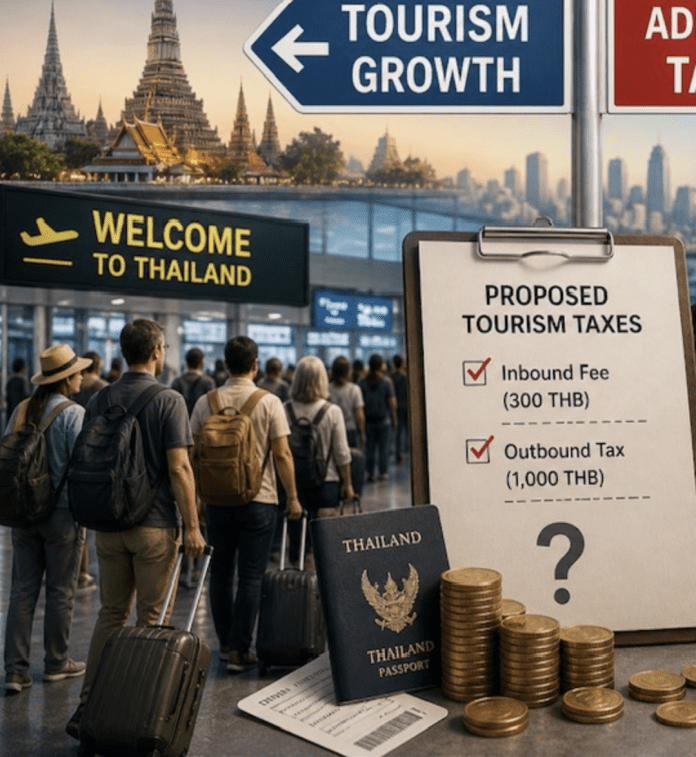
(Representative image) Tourism growth versus taxation: A delicate balancing act.
Having spent more than four decades in travel and tourism, I have seen this cycle more than once. A government identifies tourism as a major revenue generator, proposes a modest fee or levy, and presents it as a painless contribution from travellers. On paper, it always looks straightforward.
In reality, it rarely is.
Thailand today finds itself at that familiar crossroads. A THB300 inbound visitor charge has been discussed for years, but has not been implemented. More recently, the idea of a THB1,000 outbound tax on Thai nationals travelling overseas has surfaced, raising fresh questions across the industry.
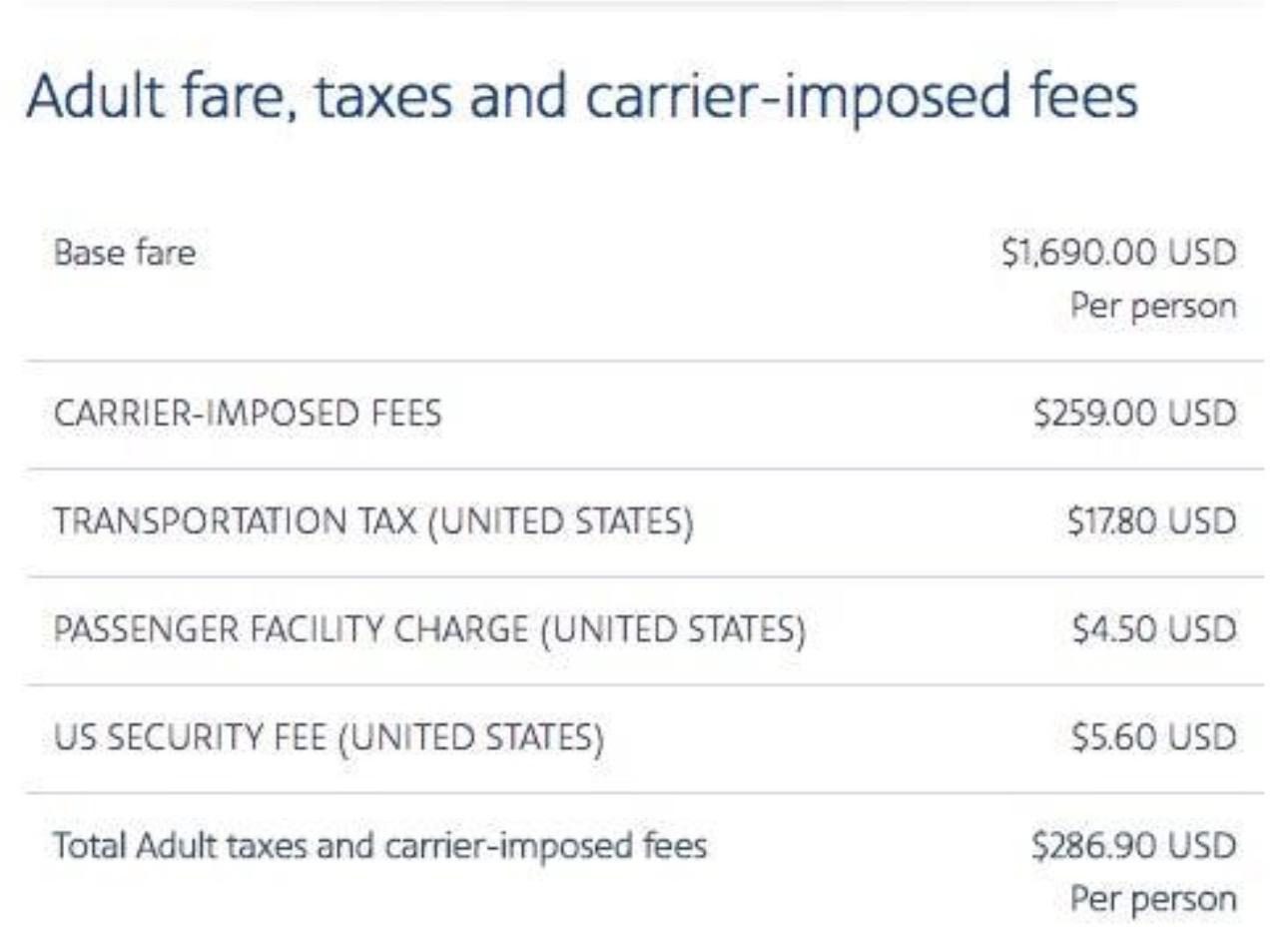
Let us be clear. These are taxes, whatever name is used. Calling them a fee, a levy or a contribution does not change the traveller’s experience. It is an added cost, and travellers notice.
The issue, however, is not simply the tax itself. It is how and when it is introduced.
From experience, the biggest obstacle is not policy, it is logistics. If a charge is built seamlessly into the airline ticket, collection is efficient and largely invisible. That is how most successful systems operate. But if travellers are required to pay separately, queue at counters, or navigate online systems on arrival, the process quickly becomes burdensome.
Multiply even a small delay by millions of passengers, and the scale of the problem becomes obvious. Airports slow down, costs rise, and the visitor experience deteriorates before the journey has properly begun.
This is where many well-intentioned proposals falter.
Timing is equally critical. The global travel industry is operating in an unstable environment. Airfares remain elevated, operating costs are high, and geopolitical uncertainty continues to influence traveller confidence. In such conditions, even a modest additional charge can send an unintended signal.
Tourism is built on confidence and ease. Anything that complicates travel, however slightly, risks pushing demand elsewhere.
There are examples of tourism levies that work. Bali’s visitor charge is simple, clearly communicated and linked to environmental and cultural preservation. Travellers understand what they are paying for, and the system is relatively straightforward. That clarity is essential.
By contrast, China, often cited in broad discussions, does not operate a dedicated tourism tax of this nature. It relies instead on standard visa fees and ticketed charges. This is important because it highlights that not every major destination needs a separate tourism levy.
The lesson is not that tourism should never be taxed. Governments require revenue, and tourism is a powerful economic engine. But this sector is also uniquely sensitive. It responds quickly to changes in cost, convenience and perception.
In my experience, poorly designed or poorly timed measures do not strengthen tourism; they risk undermining it. If Thailand chooses to move forward with any form of tourism tax, it must be done with precision. The purpose must be clear, the method of collection seamless, and the timing carefully judged. Otherwise, we risk repeating a familiar pattern in which a well-intentioned idea struggles in practice and quietly fades away.
Tourism has long been one of Thailand’s greatest strengths. It deserves policies that support its growth, not complicate it.
Taxes and more clutter your typical international fare
About the Author
Andrew J Wood is a Bangkok-based travel writer and well-respected tourism expert. A former hotelier, he has lived in Thailand since 1991. A past President of Skål Asia and long-time tourism industry leader, he writes widely on hospitality, travel and tourism trends across Asia.
Editorial postscript
As of May 2026, several Asia Pacific countries have introduced or adjusted tourism-related taxes to manage infrastructure and overtourism. The following table summarises the primary tourism taxes currently levied or proposed for 2026 across the region. (Sources: Trip.com, Economic Times, Travel Tourister).
Tourism taxes in the Asia Pacific (2026)
Country
Tax Type
Current Rate (Local Currency)
Approx. USD
Key Details
Thailand
Tourism Entry Fee
Proposed THB300 (Air) / THB150 (Land/Sea)
$8.20 / $4.10
To be implemented mid-2026; funds for travel insurance & infrastructure.
Japan
Departure Tax
¥3,000
$19.50
Increased from ¥1,000 effective July 2026. Included in ticket price.
Japan (Kyoto)
Lodging Tax
¥200 to ¥10,000 per night
$1.30 – $65
Tiered based on room price; luxury stays pay the highest rate.
Indonesia (Bali)
Entry Levy
IDR 150,000
$9.40
One-time fee per entry for foreign tourists since 2024.
New Zealand
IVL (Entry Tax)
NZ$100
$60.00
Includes conservation and tourism levy. Australians are generally exempt.
Bhutan
SDF (Sustainable Development Fee)
$100 per adult / per night
$100.00
Reduced from $200 in late 2023; applies to most international visitors.
Malaysia
Tourism Tax
MYR 10 per room / per night
$2.10
Fixed rate for foreign tourists staying in registered hotels.
Vietnam
Departure Tax
~$2 – $25 (Variable)
$2 – $25
Typically embedded in airfare as “Passenger Service Charge.”
KUALA LUMPUR, 6 May 2026: The Malaysian Association of Tour and Travel Agents (MATTA) is calling for a coordinated national approach to accelerate the adoption of electric vehicles (EVs) for use in the tourism sector, stressing that coordinated national action is essential to build a sustainable, competitive, and future-ready tourism industry.
MATTA President, Nigel Wong, said the shift towards electric mobility in tourism must be understood as a systemic transformation that extends beyond transport policy alone, involving energy planning, financial mechanisms, infrastructure development, and tourism governance.
He explained that without strong coordination between ministries and industry stakeholders, efforts to electrify tourism vehicles would remain fragmented and insufficient to achieve a meaningful impact.
“This is not simply about replacing petrol and diesel vehicles. It is about building a practical ecosystem that enables tourism operators to adopt EVs confidently, affordably, and at scale,” Wong explained.
MATTA highlighted international examples where strong, coordinated government action has successfully accelerated the adoption of electric vehicles across transport systems, including tourism mobility.
Examples of EV uptake
In Norway, a comprehensive ecosystem of incentives, supportive policies, and an extensive nationwide charging network has driven widespread EV uptake, extending to rental car fleets that service key tourist routes, including fjords and other scenic travel corridors.
Across the European Union, coordinated climate policies within the broader decarbonisation framework have supported cities like Amsterdam and Paris in transitioning tourism transport services, including hotel shuttles and sightseeing fleets, towards electric mobility, with regulatory measures such as low-emission zones.
In China, strong state-led coordination has enabled rapid electrification, particularly in cities such as Shenzhen, where entire public bus fleets have transitioned to electric power. It demonstrates how large-scale tourism and urban transport systems can be transformed when infrastructure, incentives, and policy direction are aligned.
These international experiences demonstrate the importance of whole-of-government leadership in ensuring successful EV transitions.
“The common thread across these countries is not just investment in electric vehicles, but a coordinated policy and implementation framework that brings together energy, transport, and tourism under a unified direction,” said Wong.
MATTA President Nigel Wong.
He added that Malaysia already has a strong foundation through initiatives such as the Low Carbon Mobility Blueprint 2021–2030, which provides a strategic direction for reducing emissions in the transport sector while supporting economic development.
MATTA emphasised that Malaysia must now strengthen coordination across agencies to ensure the effective rollout of charging infrastructure at key tourism destinations, highways, and urban centres, and to provide targeted incentives to support tourism operators in transitioning their fleets to electric vehicles.
The association also highlighted the importance of integrating renewable energy into the EV ecosystem to ensure that emissions reductions are genuine and not shifted to other sectors.
MATTA also urged government-linked companies and public sector agencies to lead by example in adopting electric vehicles for official and tourism-related transport use, noting that public sector leadership would help build confidence and accelerate private sector adoption.
“Tourism is one of Malaysia’s most important economic sectors. If we want to remain competitive globally, we must align ourselves with international sustainability trends and ensure our mobility systems reflect that direction.”
Wong concluded that a whole-of-government approach is not only necessary but urgent, as it provides the coordination, scale, and policy certainty required to transform tourism mobility in a meaningful and sustainable way.
SINGAPORE, 5 May 2026: Brand USA successfully concluded its inaugural Southeast Asia Sales Mission, which visited Taiwan, Vietnam and the Philippines last week, marking the organisation’s first multi-city engagement of its kind in the region.
The three-country mission brought together 10 US partners. It engaged more than 200 travel trade professionals through B2B meetings, industry briefings and networking sessions, underscoring Southeast Asia’s growing importance as a key inbound market for the US.
Photo credit: Brand USA.
The initiative also reflects broader momentum in the region, driven by expanding air connectivity and rising demand for long-haul and experiential travel, particularly in the lead-up to major global events, including the FIFA World Cup 2026, America250, and the Route 66 Centennial.
Brand USA boosts travel to the US from Southeast Asia with an inaugural multi-city sales mission.
In Taipei, approximately 65 agents participated in the event, followed by 32 in Ho Chi Minh City and 45 in Manila, reflecting strong engagement from key travel trade partners across all three markets.
The sales mission also marked Brand USA’s first-ever engagement in both Ho Chi Minh City and Manila, reflecting a strategic focus on expanding its presence in high-growth Southeast Asian markets while reinforcing long-standing relationships in Taiwan.
Southeast Asia remains a high-potential region for travel to the US, with Taiwan, Vietnam, and the Philippines playing an increasingly important role in driving international visitation.
In 2025, the US welcomed 427,470 visitors from Taiwan, 127,056 from Vietnam, and 315,352 from the Philippines, supported by more than 234 weekly direct flights between Southeast Asia and key US gateways.
Taiwan remains a mature, high-value outbound market with a well-established FIT segment and sustained demand for long-haul travel.
Vietnam is an emerging market with a rapidly growing middle class and increasing interest in experiential travel.
Meanwhile, the Philippines continues to demonstrate consistent outbound volume, driven by VFR, business travel, and rising demand for multi-purpose itineraries that combine leisure and cruise experiences.
During the mission, Brand USA launched its Global Ambassador Programme in Singapore, Taiwan, Vietnam and the Philippines, introduced to equip travel advisors with deeper destination expertise and support long-term visitation to the United States.
Expanding air connectivity
The continued expansion of air connectivity between Southeast Asia and the US is playing a critical role in improving accessibility and supporting travel demand across key gateways.
Recent developments include new routes from Taipei to Phoenix (PHX) by China Airlines and STARLUX Airlines, as well as EVA Air’s upcoming service to Washington, D.C. (IAD), launching 3 July 2026. Philippine Airlines is increasing frequencies between Manila and Los Angeles (LAX).
United Airlines has resumed services connecting Ho Chi Minh City to Los Angeles and San Francisco via Hong Kong. At the same time, Vietnam Airlines remains the only carrier operating non-stop flights to San Francisco, with four weekly services.
“This inaugural Southeast Asia Sales Mission underscores the importance of the region as a key driver of inbound travel to the United States,” said Brand USA Senior Vice President, Global Markets & Chief Trade and Product Development Officer, Malcolm Smith.
“By engaging directly with our travel trade partners across Taiwan, Vietnam and the Philippines, we are strengthening relationships, sharing insights, and creating new opportunities to inspire travel to the USA.”
SINGAPORE, 5 May 2026: Asia Pacific Superyachts won a citation as the LUXlife Winner of the 2026 Travel & Tourism Awards ”Best Super/Luxury Yacht Services & Management Business 2026 – APAC”.
LUXlife magazine celebrates its 10th anniversary by honouring the very best in global travel and tourism, including Asia Pacific Superyachts, named best in the yacht services and management business sector.
Photo credit: Asia Pacific Superyachts.
“Asia Pacific Superyachts owner-agents and their teams are deeply appreciative of winning this reward. Our APS network of offices spread throughout superyacht & luxury yacht destinations in the Asia Pacific area is always ready to go above and beyond to create amazing adventures and memorable experiences”, said APS co-founder & director, Gordon Fernandes. “It is truly an honour to receive this recognition as the highly regarded Travel & Tourism Awards are designed to showcase the very best this industry has to offer, covering the full spectrum of travel experiences to ensure truly unforgettable travel and holidays.”
Recognising the success of the winners on this anniversary occasion, Awards Coordinator Kaven Cooper commented: “It is always a pleasure to recognise businesses committed to elevating the travel experiences of their guests, and this year’s awardees are no different. This hard-earned recognition is a testament to their willingness to go above and beyond.”