

KUALA LUMPUR, 6 May 2026: The Malaysian Association of Tour and Travel Agents (MATTA) is calling for a coordinated national approach to accelerate the adoption of electric vehicles (EVs) for use in the tourism sector, stressing that coordinated national action is essential to build a sustainable, competitive, and future-ready tourism industry.
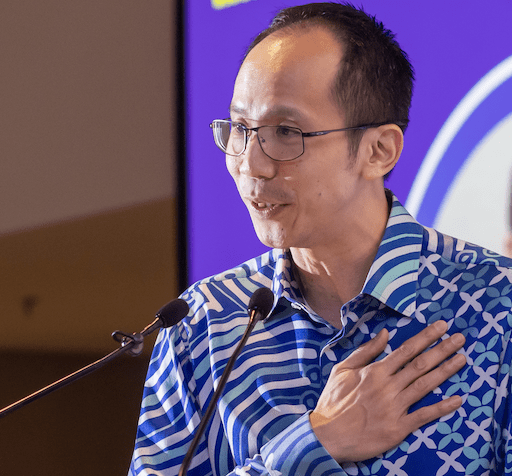
MATTA President, Nigel Wong, said the shift towards electric mobility in tourism must be understood as a systemic transformation that extends beyond transport policy alone, involving energy planning, financial mechanisms, infrastructure development, and tourism governance.
He explained that without strong coordination between ministries and industry stakeholders, efforts to electrify tourism vehicles would remain fragmented and insufficient to achieve a meaningful impact.
“This is not simply about replacing petrol and diesel vehicles. It is about building a practical ecosystem that enables tourism operators to adopt EVs confidently, affordably, and at scale,” Wong explained.
MATTA highlighted international examples where strong, coordinated government action has successfully accelerated the adoption of electric vehicles across transport systems, including tourism mobility.
Examples of EV uptake
In Norway, a comprehensive ecosystem of incentives, supportive policies, and an extensive nationwide charging network has driven widespread EV uptake, extending to rental car fleets that service key tourist routes, including fjords and other scenic travel corridors.
Across the European Union, coordinated climate policies within the broader decarbonisation framework have supported cities like Amsterdam and Paris in transitioning tourism transport services, including hotel shuttles and sightseeing fleets, towards electric mobility, with regulatory measures such as low-emission zones.
In China, strong state-led coordination has enabled rapid electrification, particularly in cities such as Shenzhen, where entire public bus fleets have transitioned to electric power. It demonstrates how large-scale tourism and urban transport systems can be transformed when infrastructure, incentives, and policy direction are aligned.
These international experiences demonstrate the importance of whole-of-government leadership in ensuring successful EV transitions.
“The common thread across these countries is not just investment in electric vehicles, but a coordinated policy and implementation framework that brings together energy, transport, and tourism under a unified direction,” said Wong.
He added that Malaysia already has a strong foundation through initiatives such as the Low Carbon Mobility Blueprint 2021–2030, which provides a strategic direction for reducing emissions in the transport sector while supporting economic development.
MATTA emphasised that Malaysia must now strengthen coordination across agencies to ensure the effective rollout of charging infrastructure at key tourism destinations, highways, and urban centres, and to provide targeted incentives to support tourism operators in transitioning their fleets to electric vehicles.
The association also highlighted the importance of integrating renewable energy into the EV ecosystem to ensure that emissions reductions are genuine and not shifted to other sectors.
MATTA also urged government-linked companies and public sector agencies to lead by example in adopting electric vehicles for official and tourism-related transport use, noting that public sector leadership would help build confidence and accelerate private sector adoption.
“Tourism is one of Malaysia’s most important economic sectors. If we want to remain competitive globally, we must align ourselves with international sustainability trends and ensure our mobility systems reflect that direction.”
Wong concluded that a whole-of-government approach is not only necessary but urgent, as it provides the coordination, scale, and policy certainty required to transform tourism mobility in a meaningful and sustainable way.
(Source: MATTA)