

Wednesday, May 20, 2026
Home Blog Page 9

Agoda’s trending coastal destinations

SINGAPORE, 5 May 2026: Digital travel platform Agoda has identified a group of coastal destinations across Asia gaining traction among travellers in the early summer period. 

Based on domestic accommodation searches for May check-ins, these destinations have recorded an increase compared to the previous year, signalling rising interest in seaside getaways that are easy to plan and fit within shorter travel windows.

What distinguishes these coastal destinations is the range of experiences they offer within a compact footprint. Beyond the coastline, travellers are drawn to food scenes, local markets, cultural landmarks, and nearby natural attractions that can be explored without extensive planning.

These destinations stand out for their balance of experiences, where time by the sea can be easily paired with dining, sightseeing, and downtime, making them well-suited to flexible, unhurried travel.

Da Nang, Vietnam 

According to domestic accommodation search data, Da Nang recorded a 72% rise in interest compared to last year. Its appeal lies in the combination of My Khe Beach’s long, swimmable shoreline with easy access to nearby landmarks such as Marble Mountains and the heritage streets of Hoi An Ancient Town. The city’s growing café and seafood dining scene also adds to its suitability for well-rounded stays.

Nha Trang, Vietnam  

Known for its wide bay and island-dotted coastline, Nha Trang continues to attract travellers seeking a classic seaside escape. Travel interest rose by 36% this year compared to last year for this serene destination. Visitors often pair time on the main beach with boat trips to nearby islands for snorkelling, alongside visits to cultural landmarks such as Po Nagar Cham Towers, creating a balanced mix of leisure and local exploration.

Bali, Indonesia

Bali recorded a 13% increase, reflecting continued domestic demand across the island. Beach areas such as Canggu attract surfers and café-driven lifestyles, while Uluwatu offers dramatic coastal views and temple settings. Inland, Ubud provides a contrast with rice terraces, wellness retreats, and arts-focused experiences.

Goa, India

Long regarded as one of India’s most established beach destinations, Goa continues to attract travellers with its varied coastline, where quieter stretches in the south contrast with the more active beaches in the north. The destination also offers Portuguese-influenced architecture, a strong seafood culture, and markets such as Anjuna Flea Market. Interest in the destination rose by 13% compared to last year, underscoring its continued relevance as a coastal getaway in the country.

Pattaya, Thailand

Easily accessible from Bangkok, Pattaya continues to attract travellers, with interest in domestic accommodation up 11% compared to last year. While the main beachfront remains lively, nearby islands such as Koh Larn offer clearer water and quieter settings for day trips, complemented by a wide range of dining, entertainment, and short-stay accommodation options.

 Agoda Senior Vice President, Supply, Andrew Smith comments: “Coastal destinations continue to resonate among travellers because they offer simplicity and flexibility. Travellers are looking for places where they can switch off quickly, settle into a slower pace, and still have enough variety around them, whether that is food, local culture, or nearby experiences, to shape the trip as they go. At Agoda, we enable travellers to curate such trips seamlessly by bringing a wide range of accommodations, flights and activities on one platform with great value deals.”

(Source: Agoda)

Double-digit dates boost travel bookings

SINGAPORE, 5 May 2026: Traveloka data across five markets reveals that double-digit dates have become a self-organising travel calendar, with organic booking lifts recorded even when no campaign was running. 

From March 2025 to December 2025, Traveloka tracked booking behaviour across Indonesia, Malaysia, Singapore, Thailand, and Vietnam. Traffic rose more than 20%, and transactions climbed nearly 25% on double-digit dates such as 1.1, 2.2, 3.3, 11.11, and 12.12, compared to the surrounding days.

The more telling finding is what happened when no sale was running. Indonesia and Malaysia each recorded organic spikes of close to 10% in traffic and transactions on non-promotional double-digit dates. Singapore saw a more modest but consistent 5% lift. The takeaway is clear: whether or not they are on sale, travellers see these dates as ideal for planning their travel.

This is a testament to the fact that travellers are increasingly attributing value to these dates, stemming from China’s “Singles’ Day”, which has since been popularised by e-commerce giants.

Maximising value

Armed with these insights, Traveloka’s 2026 marketing calendar was shaped to keep up its end of the unspoken appointment, introducing more “smaller” numbered sales (1.1, 2.2) in Q1 2026. Traveloka customers responded in force, with Singapore, Thailand, and Vietnam customer bases showing large growth of up to 70% in overall transaction value. March 2026 also saw Vietnam hit a historical high in transactions during its 3.3 sale.

“Our users have shown that they want to plan their journeys around these numerically‑significant days, and we want to show up when they do. By aligning our marketing calendar with this behaviour, we not only meet consumer expectations but also create tangible value for them,” said Traveloka Head of Marketing, Alex Jung.

Early-year travel interest sees East Asia as the predominant destination for SEA travellers. For Singapore, 2.2 saw a lot of interest in trips to Japan, Taiwan, Mainland China and the broader Southeast‑Asian region – especially for Sakura‑season and Chinese‑New‑Year travel. During 3.3, Singapore’s outbound demand expanded internationally to include South Korea, the US, Australia, and the UK, in addition to the core Mainland China-Japan-Taiwan corridor.

Malaysia’s 2.2 sale saw strong outbound flows to Indonesia, China, Japan and Thailand, alongside its own domestic market, with 3.3 seeing even stronger performances by the domestic market and Indonesia as destinations. 

Thailand’s 2.2 and 3.3 sales are both centred on Japan, with Thailand itself remaining a key source. Similarly, Vietnam’s travel profile consistently highlights Mainland China, Taiwan, Japan, Thailand and Vietnam as principal outbound destinations.

Travel windows

The data from Q1 2026 reflects a broader trend among SEA travellers of prioritising travel to East Asia in the March – June window, but destination preferences shift noticeably towards the end of the year. From October to December, Singapore’s outbound mix widens, with a clear uptick in European bookings alongside its usual Asian traffic. Malaysia also sees a broader spread extending to longer‑haul corridors such as Australia, India, Europe, and the Middle East. Thailand’s share of non‑Southeast‑Asian destinations rose, although domestic travel remains the dominant component.

The 5.5 EPIC Sale is the largest Traveloka sale of the year and a direct response to the behavioural patterns above. Running from 4 to 8 May 2026, the sale offers discounts of up to 80% on flights, accommodations, and attractions across the region.

About Traveloka 
Founded in 2012, Traveloka is Southeast Asia’s all-in-one travel tech platform with operations in Australia, Indonesia, Japan, Malaysia, the Philippines, Singapore, South Korea, Thailand, and Vietnam.

(Source: Traveloka)

Ponant Explorations introduces shipboard credit

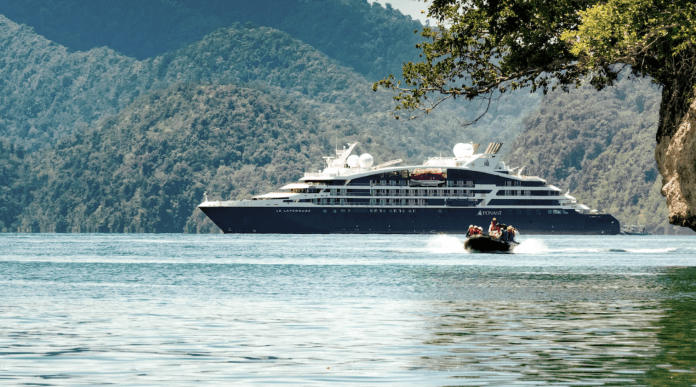
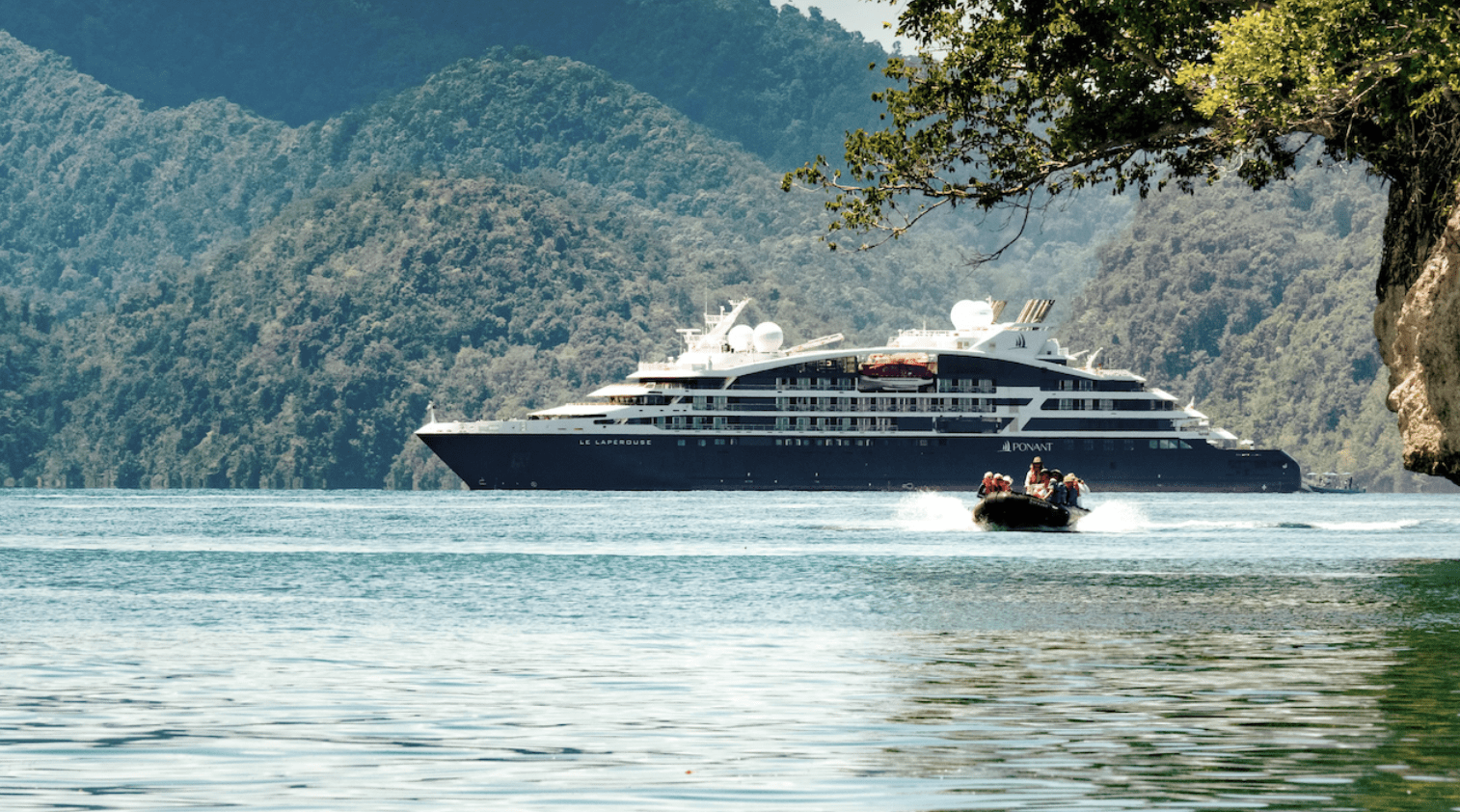
SINGAPORE, 5 May 2026: In alliance with Smithsonian Journeys, Ponant Explorations is offering a EUR500 shipboard credit per person across all 2026 and 2027 Smithsonian departures. 

The initiative enhances Ponant Explorations’ immersive exploration programme developed with Smithsonian Journeys, offering guests culturally rich, expert-led voyages across global destinations.

Photo credit: Ponant Explorations.

Available on a selection of eligible voyages, including several sailings with free solo supplement, this offer is valid for new bookings made by 30 June 2026. It can be combined with a range of additional incentives, including the Ponant Bonus, free solo supplement, back-to-back savings, referral benefits, Ponant Yacht Club privileges, and contracted consortia shipboard credit, but excludes event and group offers. 

(Source: Ponant Explorations)

WTTC presents global team

SINGAPORE, 5 May 2026: The World Travel & Tourism Council (WTTC) announced a new chapter for its global leadership and team on 30 April, bringing together executives and former leaders, industry experts, and Ministers from across the Travel & Tourism industry to reflect the diversity and international nature of the private and public sector.

The leadership team demonstrates WTTC’s evolution to meet the current and future needs of the global private sector, with a broader mix of nationalities and expertise across different sectors. 

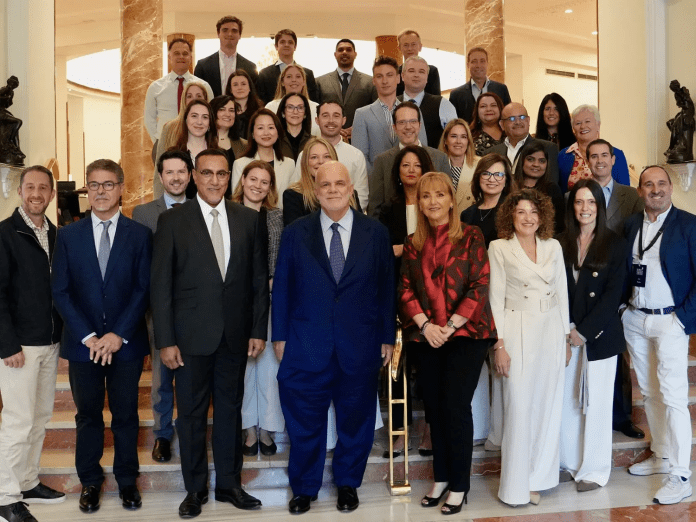
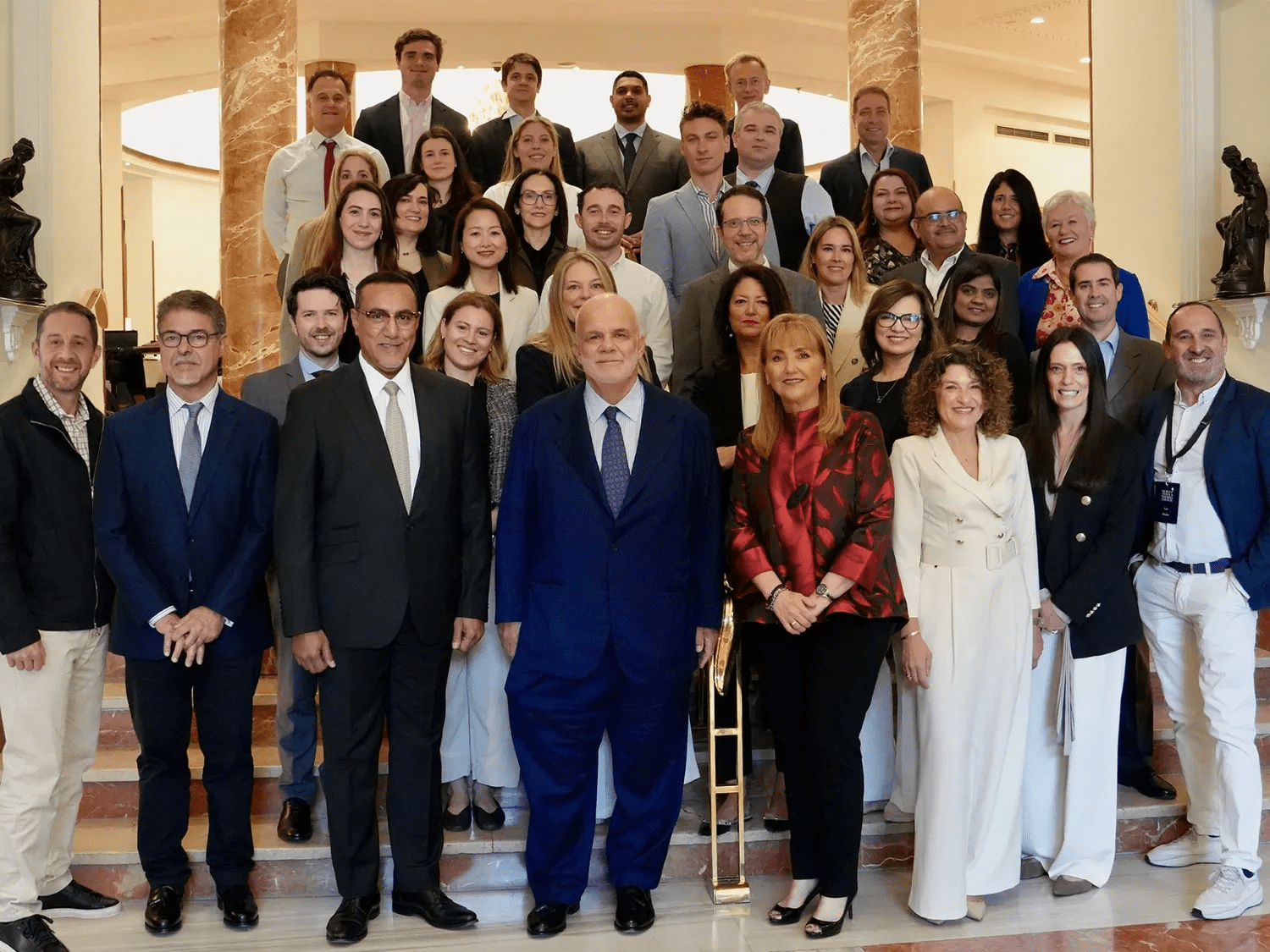
Photo credit: WTTC. WTTC global team line-up in Madrid HQ.

WTTC’s expanding team features 21 nationalities across five continents, including British, Spanish, Mexican, Saudi Arabian, Indian, Chinese and Kenyan.

WTTC’s new leadership structure combines deep expertise across key strategic priorities:

Esteban Velásquez Wilhelm, Executive Vice President, Business Development and Members, leads global commercial strategy, member engagement, and strategic partnerships.

With more than 25 years of experience across the global travel, hospitality, and travel technology sectors, as the former CEO of Karisma Hotels and Price Travel, Esteban brings a strong track record of driving growth and long-term value creation. 

Hon Najib Balala, Executive Vice President, Advocacy, Government Affairs and Research, leads WTTC’s global advocacy agenda, government engagement, and policy research.

A globally recognised public-sector leader and former Tourism Minister of Kenya for more than 12 years, Najib brings extensive experience in shaping national and international tourism policy and strengthening enabling environments for Travel & Tourism growth. 

Maribel Rodríguez Gamero, Executive Vice President, Destinations, works closely with destination leaders worldwide to support their growth and increase their representation in WTTC.

With over 25 years of international experience spanning aviation, hospitality,  global events and destination development, Maribel brings deep expertise in shaping destination strategy and strengthening global tourism ecosystems. 

Sarah Jukes, Vice President, Strategic Communications and Content, oversees messaging and content development to amplify the voice of Travel & Tourism and position WTTC’s advocacy efforts.

She rejoins WTTC from Burson, London and brings significant experience in strategic communications, international affairs and thought leadership across three continents, supporting engagement with governments, global institutions, and key stakeholders.

Julio Solvas, Chief Financial Officer, oversees WTTC’s global financial strategy, governance, planning and reporting. With more than three decades of experience in multinational and travel-related organisations, Julio brings expertise in financial management, multi-country operations and supporting organisational growth.

Other team appointments
Caroline Moultrie, Strategic Lead, Together in Travel

Christopher Imbsen, Vice President of Policy 

Lola Uña Cárdenas, Vice President of Government Affairs

Natalie Duggal, Finance Director

Nejc Jus, Research Director

Esmeralda Rios, Chief of Staff 

Pablo Dopacio, Human Resources Manager

Marcela Lizarraga, Strategic Partnership Director

Mansor Waleed Al Abdullah, Regional Director Middle East

Adolfo Reyes, Europe Membership & Engagement Director

Juan Antonio Arellano, Regional Director LATAM

Roberto Palais, Regional Director Europe & Africa Destinations

Sarah Wang, Regional Director, Greater China

Daniela Wagner, Commercial Director

WTTC’s operations are based in Madrid, with regional directors located across Latin America & the Caribbean, North Asia, Southeast Asia, the Middle East, Africa, North America, and Europe.

This expanded regional presence strengthens the organisation’s relevance and engagement with both Members and destinations.

It also enhances WTTC’s ability to understand local market dynamics, deepen relationships with key stakeholders, and deliver more impactful advocacy and research across the global Travel & Tourism sector.

WTTC President & CEO, Gloria Guevara commented: “We have built a leadership team that reflects the current and future needs and global nature of Travel & Tourism, with a broader mix of nationalities, expertise and perspectives than ever before.

This diversity strengthens our ability to support our members, work with governments and deliver the insights and advocacy needed to drive sustainable growth across the sector.”

WTTC Chairman Manfredi Lefebvre noted: “I’m proud of the WTTC global team that brings together exceptional experience from across the world, positioning WTTC to play an even more influential role in shaping the future of Travel & Tourism.”

(Source: WTTC).

ITA Airways adds Rome-Houston service

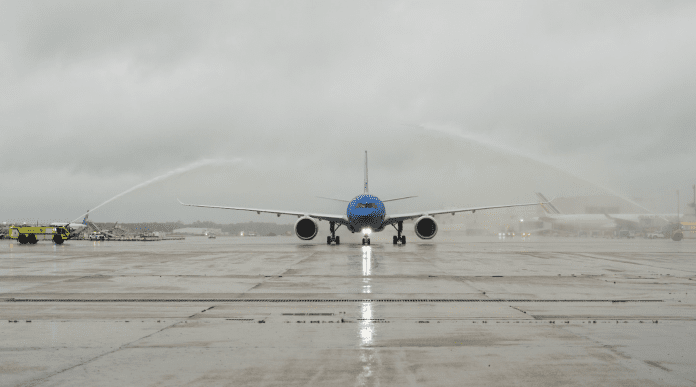
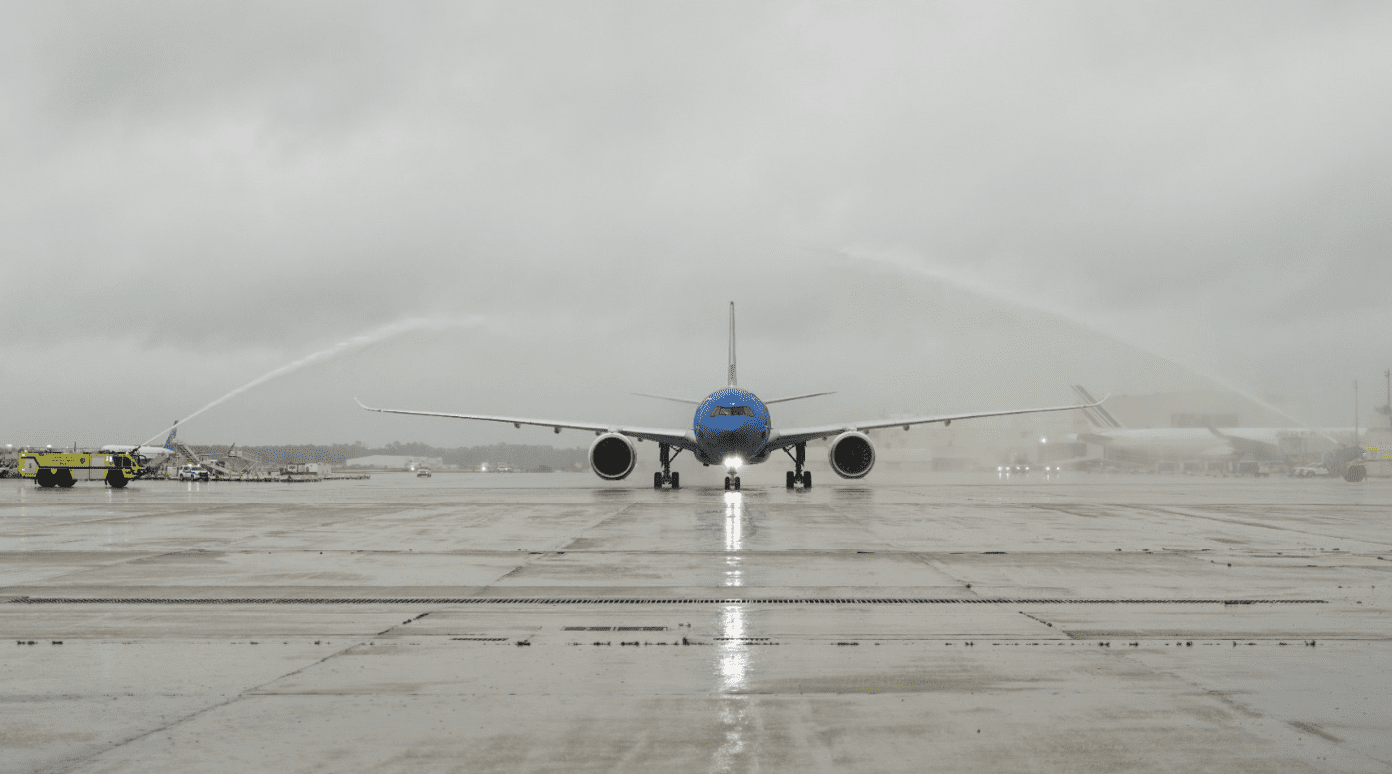
SINGAPORE, 5 May 2026: ITA Airways, Italy’s flag carrier, launched the first-ever direct flight between Rome Fiumicino (FCO) and Houston George Bush Intercontinental Airport (IAH) over the weekend, opening up Italy to travellers from Houston and the surrounding region. 

The new service expands the airline’s North American network to nine destinations, strengthening ITA Airways’ position in the US — its most important market outside Italy. Houston, the fourth-largest city in the US and a global energy hub, has historically lacked nonstop service to Rome. The new route is expected to support growing business, tourism, and family travel between the two markets.

Photo credit: ITA’s inaugural flight arrives in Houston.

Launch events were held in both Rome and Houston with government officials, airport leaders, and company executives, underscoring the route’s economic and cultural significance.

“Houston is a key addition for our airline, representing a further growth in our long-haul network, on which we intend to build our future development. It’s a vibrant city that combines its role as a global energy capital with a growing arts and cultural scene. The new service opens up more of Italy to Houstonians and the wider Gulf Coast region, providing a direct gateway to Rome, and onward connections across Italy and Europe,” said ITA Airways CEO and General Manager Joerg Eberhart. “We are proud of our service, where travellers can begin to experience Italy from the moment they depart Houston.”

Houston, and more broadly Texas, represents a market of primary strategic importance, underpinned by a highly developed industrial base and strong potential for business travel between Italy and the United States. Houston stands out as a global hub for the energy and aerospace industries, with a particular focus on key sectors such as aerospace, defence, and government. The region is also distinguished by the presence of major corporate groups, which contribute to steady, well-established demand.

ITA next-generation Airbus A330-900 flies the direct Rome-Houston service. Houston joins ITA Airways’ North American network alongside New York, Boston, Miami, Los Angeles, San Francisco, Washington DC, Chicago, and Toronto. The new connection will initially operate three weekly frequencies, increasing to five from 1 June, 2026. It will offer convenient connections to numerous Italian destinations through the airline’s extensive domestic network from Rome Fiumicino and Milan Linate, reinforcing ITA Airways’ role as a bridge between North America, Italy, and Europe. 

(Source: ITA)

Amadeus strengthens biometric solutions

SINGAPORE, 5 May 2026: Following a competitive bid process, Amadeus announced last week its intention to acquire IDEMIA Public Security (IPS), a leading biometrics and identity services provider headquartered in France.

IPS has a global footprint and a diversified customer base across the public and private sectors, and the EUR1.2 billion acquisition, upon closing, will further strengthen Amadeus’ biometric and identity capabilities by leveraging IPS’ market-leading technology, end-to-end platform, and strong global blue-chip client base. It will follow Amadeus’ 2024 acquisition of Vision-Box.

Photo credit: Amadeus.

With trusted digital identity becoming a foundational layer across the end-to-end travel journey, and as biometric adoption quickly accelerates across the travel industry, this acquisition will accelerate Amadeus’ growth in airports and border verticals, enhancing its position in this space, underlining the company’s deliberate strategy to bring biometric identity capabilities into its core travel platform.

By integrating biometric capabilities with airline, airport, border, and hotel systems, Amadeus can support the next phase of automation, delivering more seamless, automated, and AI-enabled travel journeys while ensuring a secure identity layer is in place across the entire journey. A combined Amadeus-IPS offering will also drive further digitalisation of core travel processes, delivering faster, more secure interconnectivity among a range of stakeholders. 

Biometrics enable instant identity verification, leading to faster processing, stronger security, and more efficient operations.

At the same time, this acquisition will increase Amadeus’ ability to connect touchpoints across the traveller journey, aligning it with its ambition to be an orchestrator of the travel ecosystem and enabling it to support a more integrated passenger journey from booking through airport processing and boarding.

“This demonstrates further our long‑term commitment to biometrics as part of our broader platform strategy. Alongside AI, biometrics is one of the most transformative technologies for delivering fast, convenient, and secure end‑to‑end traveller journeys. This will enable us to deliver our services across more traveller touch points, in turn reducing friction and improving the traveller experience, while supporting our ambition to expand biometric capabilities further, extending traveller ID throughout the journey,” said Amadeus President and CEO, Luis Maroto. “In a fast‑evolving AI world, the bridging of physical and digital identity will be critical for seamless travel. By combining Amadeus and IPS capabilities, we will be able to create more joined‑up travel journeys in the future, better connecting the travel ecosystem and linking the traveller to the different steps of the journey.”

The intended acquisition is subject to customary closing conditions, including regulatory approvals, with closing expected mid-2027.

There is an agreed earn‑out structure that supports long‑term value alignment between the parties, which could result in total consideration of EUR1.35 billion.

BNP Paribas is acting as the exclusive financial advisor to Amadeus

(Source: Amadeus)

Summit calls for unity in times of crisis

BANGKOK, 30 April 2026: Current geopolitical tensions have impacted perception and confidence, but the fundamental strengths of the Gulf region remain intact, argued Knighthood Global’s chairman and former president and chief executive of Etihad Airways, James Hogan, in his keynote address to summit delegates attending the one-day event in the Thai capital. 

Organised by Travel Daily Media, the one-day TDM Global Summit 2026, convened on 29 April, bringing together 500 senior travel and tourism leaders against the backdrop of ongoing geopolitical uncertainty and the 2026 Gulf War conflict.

TDM Global Summit 2026 Keynote speaker James Hogan addresses delegates in a packed-out session at the conference.

Hogan declared in his keynote presentation during the summit’s opening session: “What has been damaged is not the product, but the perception.”

He highlighted that world-class infrastructure across the Persian Gulf countries continues to serve as a critical foundation for recovery. Major regional hubs collectively handle a significant share of global transit traffic, while leading airlines such as Emirates, Etihad and Qatar Airways act as powerful national brand ambassadors.

Speaking on the theme “Destination Branding in a Time of Crisis: A Recovery Playbook for the Gulf States”, Hogan delivered a compelling analysis drawn from decades of leadership at the highest levels of global aviation.

Hogan’s career spans senior roles with Gulf Air, Etihad Airways and numerous international travel and hospitality organisations. His insights carried particular weight given his role in transforming Etihad into one of the fastest-growing airlines in aviation history.

A key concept outlined in his presentation was the “stay and spend” flywheel, whereby transit passengers are converted into stopover visitors, extended stays and ultimately repeat guests. This model, he argued, will play a vital role in accelerating recovery.

Hogan also stressed the importance of regional cooperation over competition. Drawing parallels with ASEAN, he urged Gulf states to adopt a unified approach, competing nationally but marketing collectively. “No destination benefits from winning market share at the expense of its neighbour during a crisis,” he said.

Another critical takeaway was the role of aviation as the catalyst for recovery. Airlines, Hogan explained, are both the first and last touchpoints of the traveller journey, making them central to restoring confidence. Route resumptions should be viewed not simply as operational decisions, but as strategic marketing signals to the world.

Equally important, he highlighted the human dimension of tourism. “People are the brand,” he said, pointing to frontline staff across airlines, hotels and tourism services as the true ambassadors of destination identity. Authentic service, cultural confidence and personal interaction will be decisive factors in rebuilding traveller trust.

Despite the economic headwinds, including downgraded global and regional growth forecasts and potential employment impacts, Hogan struck an optimistic tone. He concluded that the Gulf’s brand strength, infrastructure and service culture position it well for recovery.

“The question is not whether the Gulf will come back,” he said. “It is how fast.”

About the Author
Andrew J Wood is a Bangkok-based media executive, travel writer and former hotel executive specialising in Asian tourism.

AAPA reports March 2026 traffic results

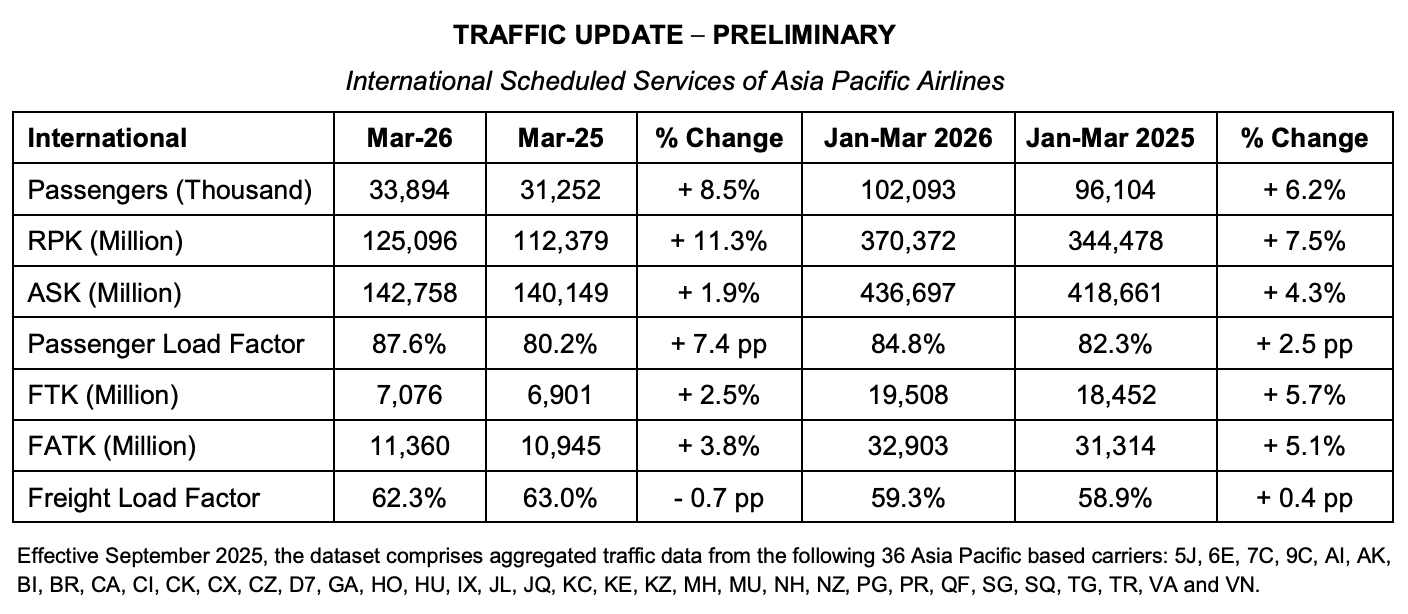
KUALA LUMPUR, 30 April 2026: Preliminary March 2026 traffic figures released on Tuesday by the Association of Asia Pacific Airlines (AAPA) showed robust growth in international passenger traffic, reflecting healthy travel demand. 

Asian carriers also benefited from an upsurge in demand on Asia-Europe routes, as travellers shifted to alternative routings following airspace closures and operational disruptions at Middle East hubs.

For the month, a combined total of 33.9 million passengers flew on the region’s carriers, representing an 8.5% year-on-year increase. Demand, as measured in revenue passenger kilometres (RPK), rose by a solid 11.3%, reflecting strength on longer-haul routes. This increase in demand significantly outpaced the 1.9% year-on-year expansion in available seat capacity. As a result, the average international passenger load factor rose markedly, by 7.4 percentage points to a record high of 87.6% in March.

Supply chains were also disrupted by the war, leading to flight cancellations and the rerouting of Asia-Europe cargo flows away from key Middle East hubs. Against this backdrop, international air cargo demand, as measured in freight tonne kilometres (FTK), rose by 2.5% year-on-year in March, supported by an increased demand for timely shipments. Offered freight capacity rose by 3.8%, resulting in a 0.7 percentage point decline in the average international freight load factor to 62.3%.

Commenting on the results, AAPA Director General Wong Hong said: “The aviation industry faced multiple challenges in March, as military conflict in the Middle East led to flight cancellations and a sharp increase in jet fuel prices. Asia-Pacific airlines responded swiftly by making network adjustments, including adding flights on key Asia-Europe routes and trimming unprofitable routes amid higher fuel and operating costs. This supported both passenger and cargo demand during the month, bringing first-quarter growth to 6.2%, with 102 million international passengers carried, and a 5.7% increase in air cargo demand.”

Wong Hong added: “However, the impact of the Middle East conflict has begun to weigh on what had been an encouraging start to the year. Already grappling with high operating costs due to persistent supply chain issues, airlines are now facing additional strain, with jet fuel prices up by 80% year-on-year to an average of USD156 per barrel in March, compared to US$87 per barrel a year earlier. Fuel remains the single largest cost item for Asia Pacific carriers, accounting for around 30% of total operating expenses.”

Looking ahead, he concluded: “The duration of the Middle East conflict is going to add uncertainty to the global economic outlook and air travel demand. Against this backdrop, Asia-Pacific airlines continue to exercise vigilance over cost controls while maintaining international connectivity. The region’s airlines remain committed to the highest safety standards, and to working closely with governments and industry stakeholders to ensure safe, efficient and sustainable operations.”

(Source: AAPA)

Emirates’ iconic A380 returns to Dubai

DUBAI, 30 April 2026: Emirates’ flagship A380, long celebrated as one of aviation’s most iconic aircraft, is set to reach new heights as the first installation of next-generation Starlink Wi-Fi onboard has just been completed.

The Emirates A380 was one of the first commercial aircraft in the world to offer internet to its customers, with first-generation systems offering a total aircraft bandwidth of less than 1 Mbps. Emirates’ installation of three Starlink antennas on each A380 will improve the Wi-Fi available onboard a thousand-fold, offering a ‘better than at home’ connectivity experience for customers while flying at 40,000 feet.

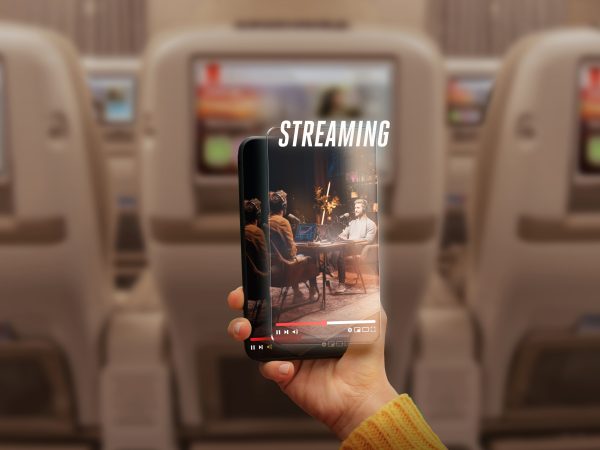
The first Emirates A380 aircraft equipped with Starlink returned to Dubai this week, after installation and certification were completed in Newquay, UK. With more A380s scheduled for accelerated installation throughout 2026, Emirates customers will soon enjoy a transformative leap in onboard connectivity, enabling them to stream, game, browse, and work throughout their journey on personal devices. The service will be complimentary for all customers across all cabins, with easy sign-up and access. Future enhancements will include Live TV streaming over Starlink, initially on personal devices and later integrated into seatback screens.

From its celebrated Onboard Lounge to its signature First Class Shower Spa, the Emirates A380 has consistently redefined long-haul travel, beloved by customers from all corners of the globe. With the addition of Starlink’s seamless connectivity across all cabin classes, the Emirates A380 experience evolves once more, delivering a fully connected journey in the sky.

A technical first for the world’s largest passenger aircraft

As the world’s largest passenger aircraft, the A380 presents unique engineering challenges and opportunities. This industry-first Starlink configuration is designed to meet the demands of the A380’s ‘double-decker’ layout and high passenger capacity. It is capable of delivering more than 2 Gbps of total aircraft bandwidth across the cabin.

Compared with the Emirates Boeing 777, the Emirates A380 features additional wireless access points and a third antenna to deliver an enhanced connectivity experience for its higher passenger capacity. Optimised inter‑deck integration supports a seamless Wi‑Fi experience, with customers able to enjoy high speeds depending on usage and device capability.

Accelerated rollout across an industry-leading fleet

Starlink installations will soon begin at Emirates Engineering facilities in Dubai to accelerate deployment across the fleet. Emirates is committed to delivering the best possible connectivity across its entire fleet at the earliest opportunity, with 25 Boeing 777-300ER aircraft already equipped with Starlink and the first A380 now in service.

So far, more than 650,000 Emirates customers have already flown on Starlink‑equipped flights, experiencing the benefits of next‑generation onboard connectivity firsthand.

Emirates continuous investment in elevating customer experience

The introduction of Starlink on the A380 builds on Emirates’ ongoing investment into redefining the customer journey, including one of the most ambitious retrofit programmes in aviation history. To date, 93 Emirates aircraft have been fully refurbished, featuring the installation of the widely acclaimed Premium Economy cabins, an enhanced Business Class, refreshed First Class suites, upgraded interiors and finishes in Economy Class and throughout all aspects of the cabin, and expanded and upgraded inflight systems that can offer more than 6,500 channels of entertainment.

To complement the significant upgrades across all hardware, Emirates continues to invest in its training programmes and facilities, which are instrumental to the customer experience. In mid-2025, Emirates opened a USD8 million facility — ‘Centre of Hospitality Excellence’ to train its 25,000 cabin crew in the art of hospitality onboard – bringing together both the tangible and intangible elements of an outstanding travel experience.

For more information on the airline or to make a booking, visit: www.emirates.com.

BWH Hotels brings BW Premier Collection to Da Lat

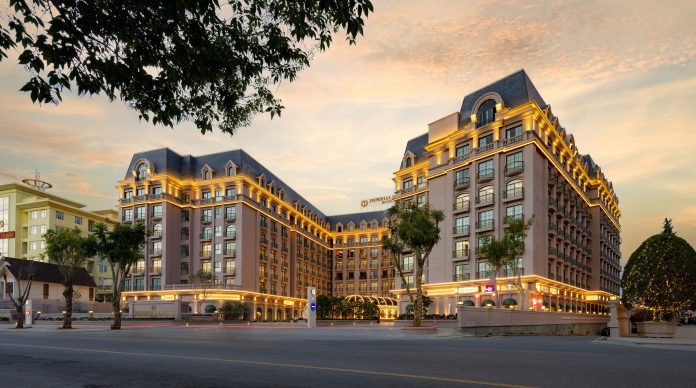
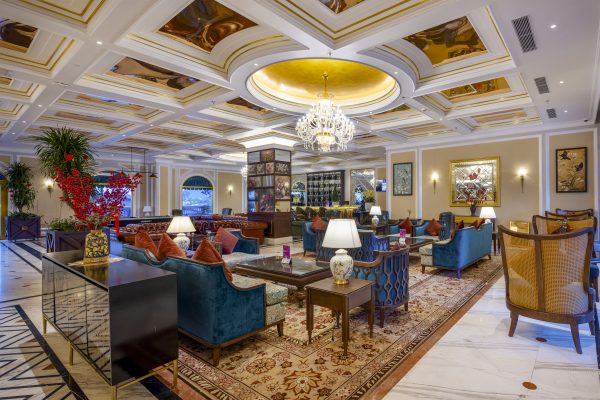
BANGKOK, 30 April 2026: BWH Hotels, a leading global hospitality enterprise comprising WorldHotels, Best Western Hotels & Resorts and SureStayHotels, has continued to elevate Vietnam’s hospitality landscape with the opening ofImperial Dalat Hotel, BW Premier Collection, an elegant new hotel that will cater to leisure seekers, business travellers, and meeting planners in Da Lat, the famed “City of a Thousand Flowers”.

Located in the heart of this scenic city and surrounded by rolling hills, blooming gardens and the fresh air of Vietnam’s Central Highlands, Imperial Dalat Hotel, BW Premier Collection, offers convenient access to major landmarks and attractions such as Da Lat Market, Xuan Huong Lake, and Con Ga Church. Seamlessly blending modern international hospitality with authentic Indochine elements, this upscale hotel is poised to become one of the city’s most prestigious destinations for staying, meeting and dining.

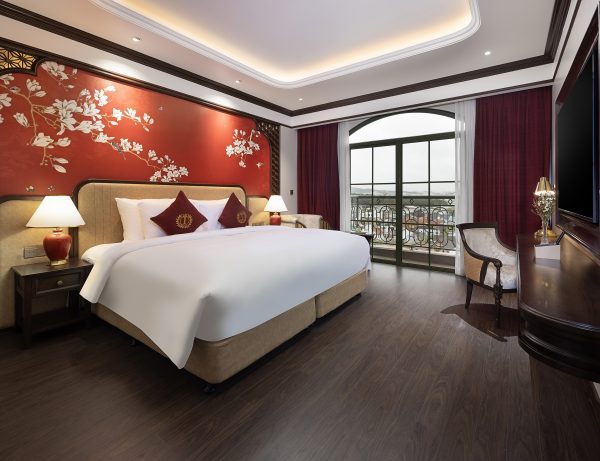
The hotel features 402 contemporary rooms and suites, including family-friendly connecting options, each equipped with state-of-the-art amenities, local design accents and views of the city or surrounding highlands. 

Guests can enjoy a year-round heated swimming pool, a fully equipped fitness centre, and rejuvenating spa treatments, while younger travellers are entertained at the kids’ club. Dining options span an all-day restaurant serving fresh Vietnamese specialities and Western favourites, a speciality Japanese restaurant, a stylish lobby lounge, a beer garden, and a cigar lounge. For meetings and events, two meeting rooms and a grand ballroom, capable of seating up to 1,200 guests, provide an inspiring backdrop for corporate conferences, gala dinners, and unforgettable weddings.

Imperial Dalat Hotel, BW Premier Collection is situated alongside Best Western Premier Imperial Dalat, which opened in late 2025, further strengthening BWH Hotels’ presence in the city.

All stays are underpinned by the distinctive standards of BW Premier Collection, BWH Hotels’ exclusive portfolio of properties designed to reflect the unique character of their destinations. Guests can also benefit from Best Western Rewards®. This award-winning loyalty programme is free to join, offering exclusive benefits and points that never expire and can be redeemed for rewards including free room nights, airline miles, and gift cards.

“Vietnam is one of the world’s most dynamic tourism and hospitality markets, and we are delighted to continue our rapid nationwide expansion with the launch of another exceptional hotel in Da Lat,” said  BWH Hotels Vice President-APAC Olivier Berrivin. “As growing numbers of international travellers and affluent domestic guests are drawn to the ‘City of a Thousand Flowers,’ we are proud to offer a choice of stylish upscale hotels that combine local charm and warmth with the unparalleled service standards of BWH Hotels.”

Imperial Dalat Hotel, BW Premier Collection, is the second BW Premier Collection property in Vietnam and across Southeast Asia. With this addition, BWH Hotels now operates seven hotels and resorts throughout Vietnam, including destinations such as Ho Chi Minh City, Phu Quoc, Nha Trang, and Da Lat, with many more developments in the pipeline.

To book a stay with BWH Hotels in Asia, visit bestwesternasia.com

(Source: Your Stories — BWH Hotels)