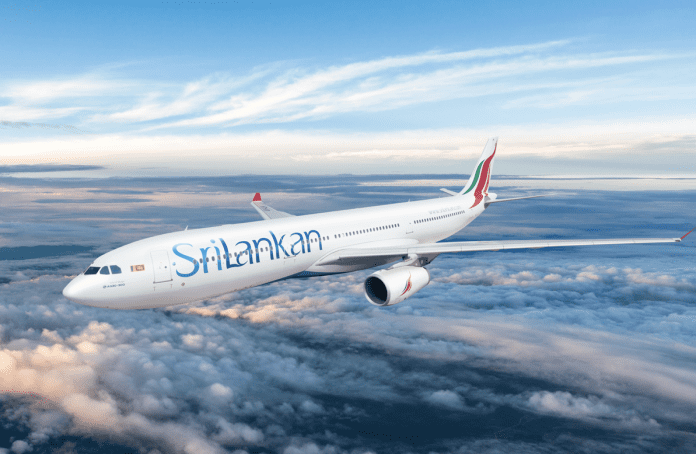
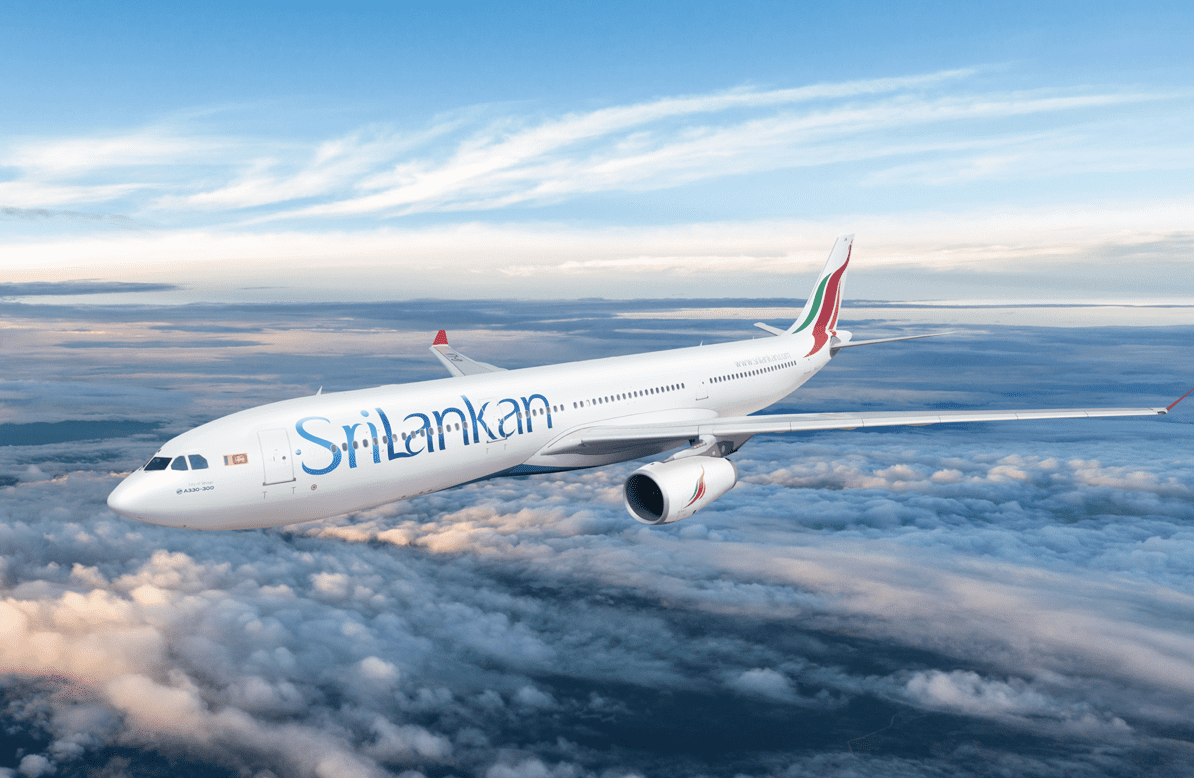
SINGAPORE, 16 March 2026: SriLankan Airlines will increase flights between Colombo and Melbourne from daily to 10 weekly, effective from 2 August 2026.
The addition of three more scheduled flights is in response to growing demand and evolving market dynamics. The newly added flights will operate every Tuesday, Thursday and Sunday, departing Colombo as UL608 at 1410 and arriving in Melbourne at 0430 the following day.
Photo credit: SriLankan Airlines.
The return service, UL609, will depart Melbourne every Wednesday, Friday and Monday at 0600, arriving in Colombo at 1215 on the same day, offering convenient onward connections across the airline’s network.
In addition to the three additional frequencies, the airline will continue operating its daily service, UL604, departing Colombo at 0020 and arriving in Melbourne at 1440. The return service UL605 departs Melbourne at 1610 and arrives in Colombo at 2225.
The increase to 10 flights weekly will benefit the Sri Lankan diaspora living in Australia by providing greater flexibility to visit friends and relatives back home, as well as Sri Lankan students attending schools and universities in Victoria, Australia.
The increased frequencies will further strengthen Colombo’s role as a regional hub, enabling Indian travellers to seamlessly connect via Sri Lanka to Melbourne, with convenient schedules and efficient onward connections.
SINGAPORE, 16 March 2026: The World Travel & Tourism Council (WTTC) estimates that the escalating conflict in Iran is already impacting the Travel & Tourism sector across the Middle East by at least USD600 million per day in international visitor spending, as disruptions to air travel, traveller confidence and regional connectivity affect demand.
The Middle East plays a vital role in global travel, accounting for 5% of international arrivals and 14% of international transit traffic. Any disruption affects demand worldwide, which in turn impacts airports and flights, hotels, car hire companies, and cruise lines.
The major regional aviation hubs — Dubai, Abu Dhabi, Doha and Bahrain — which together normally process around 526,000 passengers per day, have experienced closures and operational disruption as the conflict escalates, significantly affecting regional and global connectivity.
WTTC’s analysis is based on its 2026 pre-conflict forecast for the Middle East, which projected USD207 billion in international visitor spending across the region this year. Any disruption to travel flows, therefore, quickly translates into substantial economic impact across the tourism ecosystem.
Despite the current challenges, WTTC emphasises that Travel & Tourism is one of the world’s most resilient economic sectors.
WTTC research on previous crises shows that tourism demand can recover in as little as two months following security-related incidents when governments and industry act quickly to restore traveller confidence.
World Travel & Tourism Council, President & CEO Gloria Guevara said: “Travel & Tourism is the most resilient of sectors. The impact of international visitor spending across the Middle East is significant, averaging around USD600 million per day. Still, history shows that the sector can recover quickly, especially when governments support travellers with hotel subsidies or repatriation assistance. Our analysis of previous crises demonstrates that security-related incidents often see the fastest tourism recovery times, in some cases as quickly as two months, when governments and industry work together to restore traveller confidence. WTTC commends governments that have worked tirelessly in recent days to support recovery efforts.
“Clear communication, strong coordination between the public and private sectors, and measures that reinforce safety and stability are critical to rebuilding trust with travellers and supporting the sector’s recovery.”
WTTC, which represents the private sector, is continuing to monitor developments on behalf of its members and remains in close contact with governments and industry leaders to support the safety of travellers and the resilience of the global Travel & Tourism sector.
About WTTC The World Travel & Tourism Council is the global private-sector voice of the Travel & Tourism industry. Its members include chief executives of the world’s leading Travel & Tourism companies, spanning airlines, hotels, cruise lines, tour operators and technology firms. WTTC champions the economic and social contribution of Travel & Tourism to GDP, employment, exports and wider societal benefits, helping shape policies, raise awareness, and foster public-private collaboration.
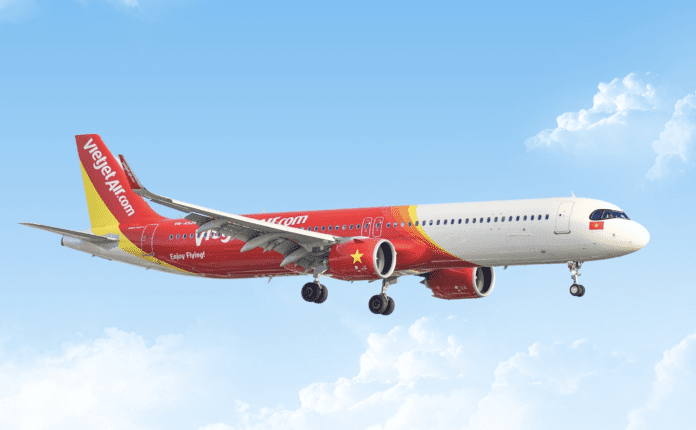
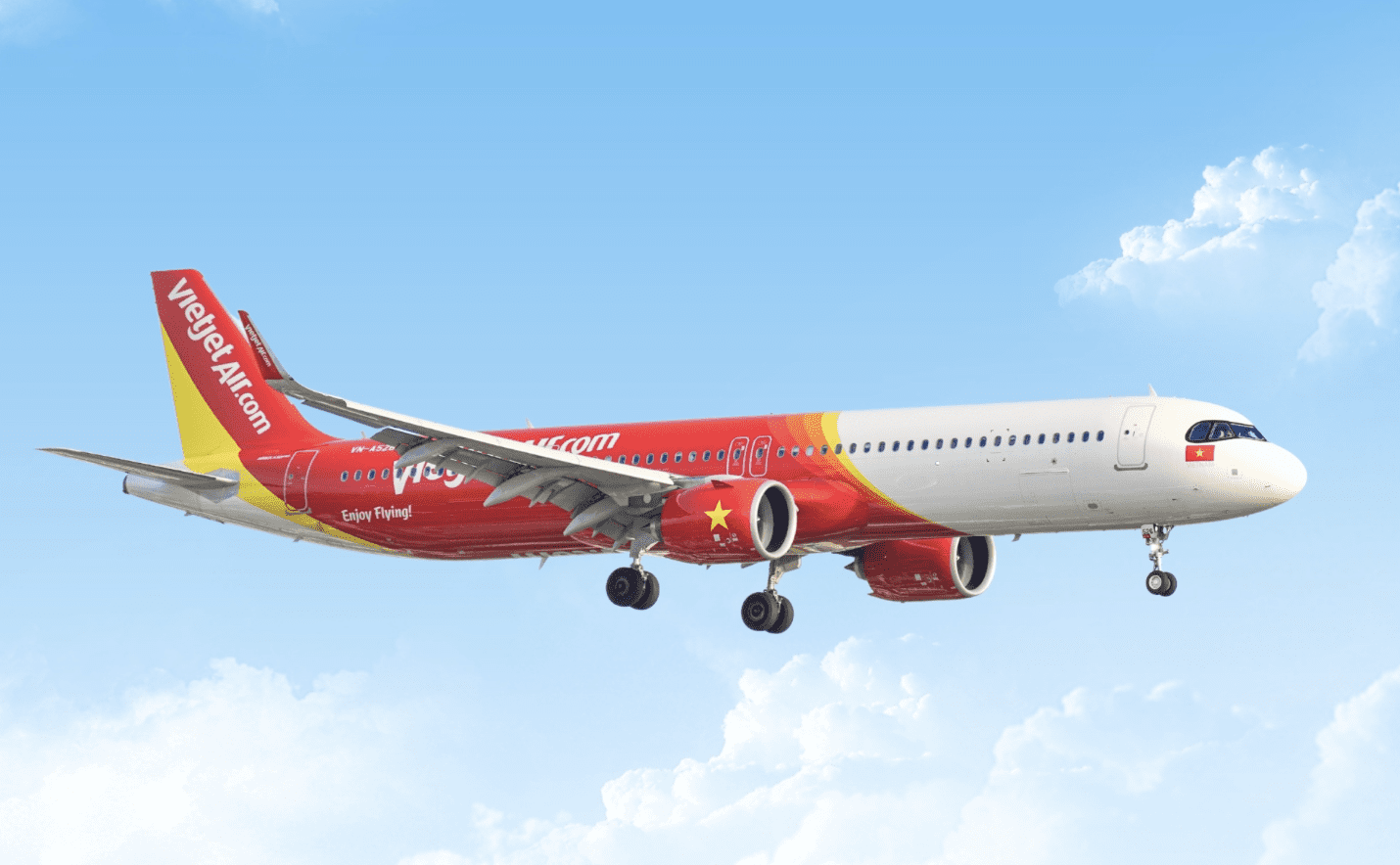
SINGAPORE, 16 March 2026: Vietjet will launch a new direct service between Nha Trang and Singapore from 1 June 2026, further expanding air connectivity between Singapore and Vietnam’s popular coastal destinations.
The service marks Vietjet’s fifth direct route between the two countries, joining its existing connections to Ho Chi Minh City, Hanoi, Da Nang and Phu Quoc.
Photo credit: Vietjet.
Travellers from Singapore will soon have direct access to Nha Trang, a beachside city along Vietnam’s south-central coast known for its long coastline, island-hopping experiences, and growing resort scene.
The route will operate four times weekly on Mondays, Wednesdays, Fridays, and Sundays, providing a new direct link between Singapore and one of Vietnam’s most established coastal destinations. Flight time is two hours and 15 minutes.
Flight schedule
VJ912 from Singapore (SIN) to Nha Trang (CXR): Departure at 1515, and arrival at 1635. VJ917 from Nha Trang (CXR) to Singapore (SIN): Departure at 1025, and arrival at 1340.
To mark the launch, Vietjet is offering promotional fares across its direct flight network between Vietnam and Singapore, including the newly introduced Nha Trang route, with Eco-class tickets from SGD86 one-way (all-inclusive of taxes and fees), including 20kg of complimentary checked baggage, while SkyBoss fares are available at an instant 20% (*).
The promotion runs from 16 March until 20 March 2026 (GMT +8) via the Vietjet website and mobile app, for travel between 1 April 2026 and 31 March 2027 (**).
(*) Terms and conditions. (**) Travel periods may vary by route, blackout dates apply, and public holidays are excluded.
BANGKOK, March 16 2026: For decades, Dubai has projected an image of certainty in an uncertain region, a gleaming oasis of luxury, efficiency and opportunity in the heart of the Middle East. Towering hotels, record-breaking attractions and one of the world’s busiest aviation hubs have transformed a once modest trading port into a global tourism powerhouse.
Yet the latest surge in tensions across the Gulf has highlighted a simple reality: tourism in the Middle East ultimately depends on stability. When conflict looms, confidence can disappear quickly.
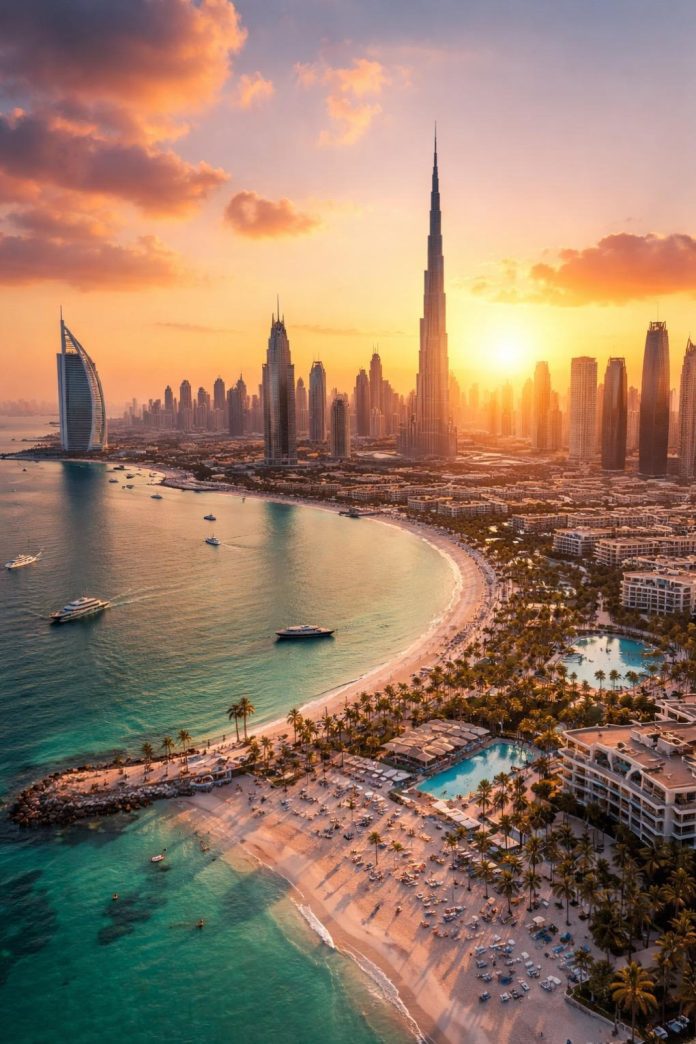
Dubai’s spectacular skyline and resort coastline have made the city a magnet for global travellers.
A recent European headline captured the mood bluntly:
“The dream world of Dubai bursts during the war: suddenly, the tourist is just an unwashed person without a hotel room.”
Dramatic perhaps, but it reflects an underlying truth. When flights are disrupted, or security fears grow, even the most sophisticated tourism systems can stall overnight.
Dubai’s rise is one of the most remarkable economic transformations of modern times. With relatively modest oil reserves, the emirate reinvented itself through aviation, tourism, finance and global trade. Massive investment in infrastructure positioned the city as a crossroads between Europe, Asia and Africa.
The result has been extraordinary growth. Millions of travellers pass through Dubai each year, drawn by its luxury hotels, beaches, shopping festivals and reputation for safety and efficiency. Few destinations have built such a powerful global brand in such a short time.
But tourism is ultimately a confidence industry. Travellers will cross continents to visit places they perceive as safe, accessible and stable. The moment that perception shifts, demand can change almost overnight.
Across the wider Middle East, this cycle is familiar. Destinations from Egypt to Jordan and the Gulf states have experienced tourism booms during calm periods only to see visitor numbers soften when regional tensions dominate headlines. Even conflicts far from major resorts can influence traveller behaviour.
Dubai is particularly sensitive to these shifts because its economy is so closely linked to international mobility. Aviation connectivity, expatriate investment and global tourism are central pillars of the emirate’s success. Any disruption to airspace, shipping routes or regional security can quickly ripple through the hospitality sector.
Geography also plays a role. The United Arab Emirates sits close to the Strait of Hormuz, one of the world’s most strategically important waterways. When tensions escalate between regional powers and the West, the Gulf inevitably comes under intense global scrutiny.
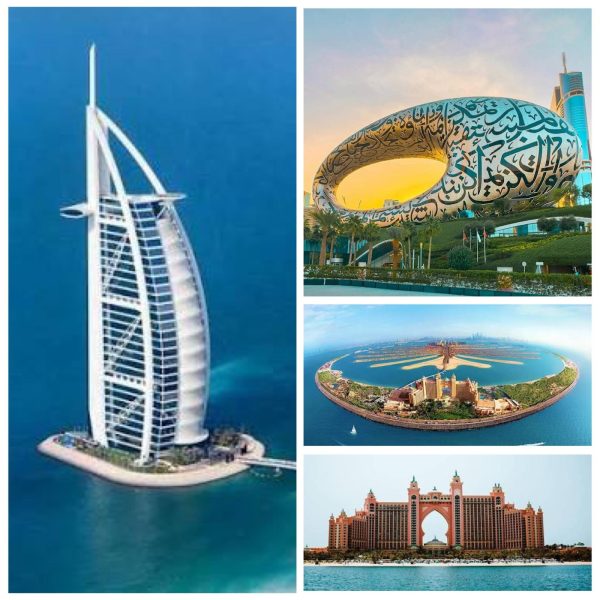
Dubai’s impressive, unique architecture.
None of this diminishes Dubai’s extraordinary achievements. Few cities have reinvented themselves so boldly or successfully. From a modest Gulf trading port, it has evolved into one of the world’s most recognisable tourism destinations.
Yet the current climate offers a reminder that Dubai’s prosperity remains closely tied to regional calm. The very strengths that built the city, connectivity, openness and international appeal, also make it sensitive to shifts in confidence.
The so-called “Dubai bubble” is therefore less a criticism than a reality check. When stability prevails, Dubai thrives brilliantly. When tensions rise, the fragility of tourism in a volatile region becomes impossible to ignore.
About the Author Andrew J Wood is a Bangkok-based travel writer and former hotelier who has lived in Thailand since 1991. With more than four decades in the international hospitality industry, he has held senior leadership roles with several leading hotel groups. A past President of Skål Asia, former National President of Skål Thailand, and a two-time Skål International Bangkok President, he writes widely on tourism and hospitality trends across Asia and is widely published.
BANGKOK, 13 March 2026: Preferred Hotels & Resorts has welcomed the addition of Dusit Thani Bangkok to its prestigious Legend Collection, welcoming the celebrated Thai hotel to a global portfolio of exceptional properties.
Located at the edge of the Thai capital’s Lumpini Park, Dusit Thani Bangkok has long been synonymous with the warmth of Thai hospitality, cultural refinement, and understated luxury.
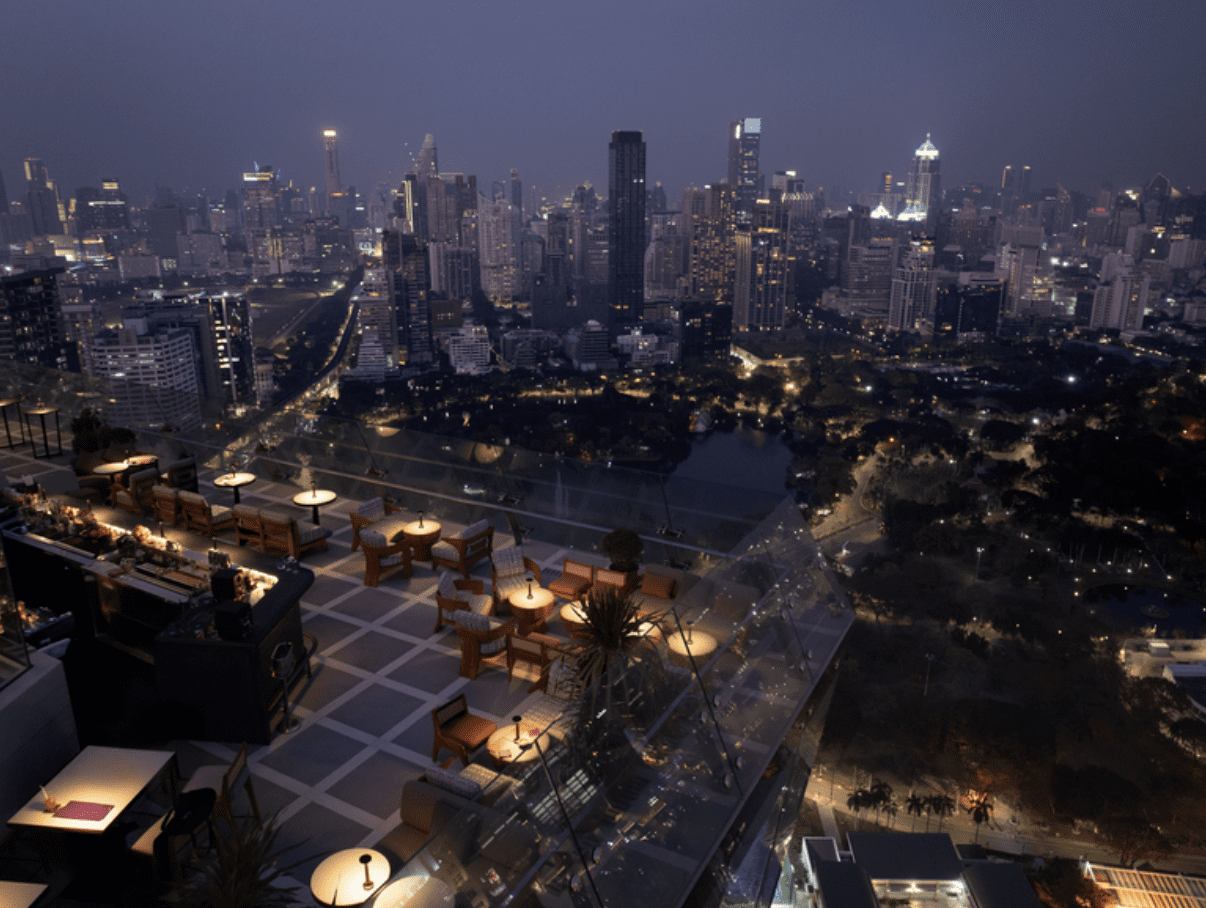
Dusit Thani Bangkok’s skyline from its rooftop bar and legendary golden spire.
It made its highly anticipated return in late 2024 after a remarkable transformation as part of the new Dusit Central Park project in the heart of the city. Reimagined for a new generation of global travellers, the hotel seamlessly blends contemporary architecture with the signature Thai-inspired gracious hospitality that has defined the Dusit brand for more than seven decades.
Rising above the city in a striking modern tower, Dusit Thani Bangkok offers 257 elegantly appointed rooms and suites, each designed to maximise natural light and panoramic views across Lumpini Park and the Bangkok skyline. Interiors by internationally acclaimed designer André Fu are refined yet warm, reflecting Thai craftsmanship through subtle detailing and bespoke Thai-inspired furnishings.
The hotel’s culinary offerings celebrate both heritage and innovation, featuring six destination restaurants and bars that showcase elevated Thai cuisine alongside international dining concepts, including one Michelin-starred Italian restaurant and a tropical rooftop bar situated alongside the hotel’s iconic golden spire. Additional amenities include Devarana Wellness, an urban wellness sanctuary with result-driven spa treatments, fitness, and pool facilities, as well as sophisticated venues for meetings, celebrations, and cultural gatherings, positioning the hotel as a social and lifestyle anchor within the city.
“We are delighted to welcome Dusit Thani Bangkok to our Legend Collection, an exceptional portfolio of landmark properties that are deeply rooted in their destination and celebrated for their enduring legacy,” said Preferred Hotels & Resorts Area Managing Director, Southeast Asia Christine Tan.
“Dusit Thani Bangkok embodies the very spirit of what the Legend Collection stands for – timeless prestige, global sophistication, cultural refinement, and an unwavering commitment to intuitive, world-class hospitality. Its addition further enriches our Legend Collection in Asia Pacific and underscores our dedication to curating the ultimate luxury experiences that resonate with today’s discerning global traveller.”
Dusit Thani Bangkok and Dusit Residences Managing Director Marc Handl commented: “Dusit Thani Bangkok is honoured to join the prestigious Legend Collection of Preferred Hotels & Resorts and to be part of such a distinguished global portfolio. Guests of Preferred Hotels & Resorts are discerning travellers who seek meaningful and memorable experiences, and this philosophy closely aligns with ours.
‘Our newly built hotel reinterprets Thai heritage and culture through a contemporary lens while delivering our gracious hospitality with genuine care. Together with Preferred Hotels & Resorts, we look forward to welcoming travellers from around the world and curating memorable moments for every guest visiting Bangkok.”
Dusit Thani-Bangkok: Deluxe corner twin lounge.
For more information about Dusit Thani Bangkok and Preferred Hotels & Resorts, visit www.preferredhotels.com.
DELHI, 13 March 2026: Air India has announced additions to its domestic route network, effective Northern Winter Schedule 2026, strengthening connectivity to some of India’s iconic heritage and spiritual destinations.
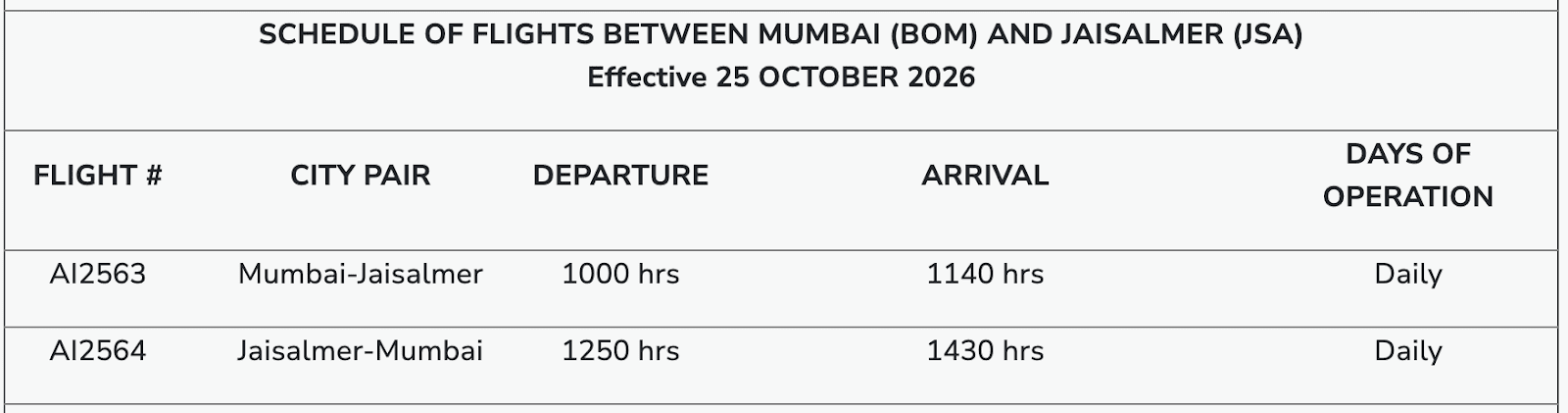
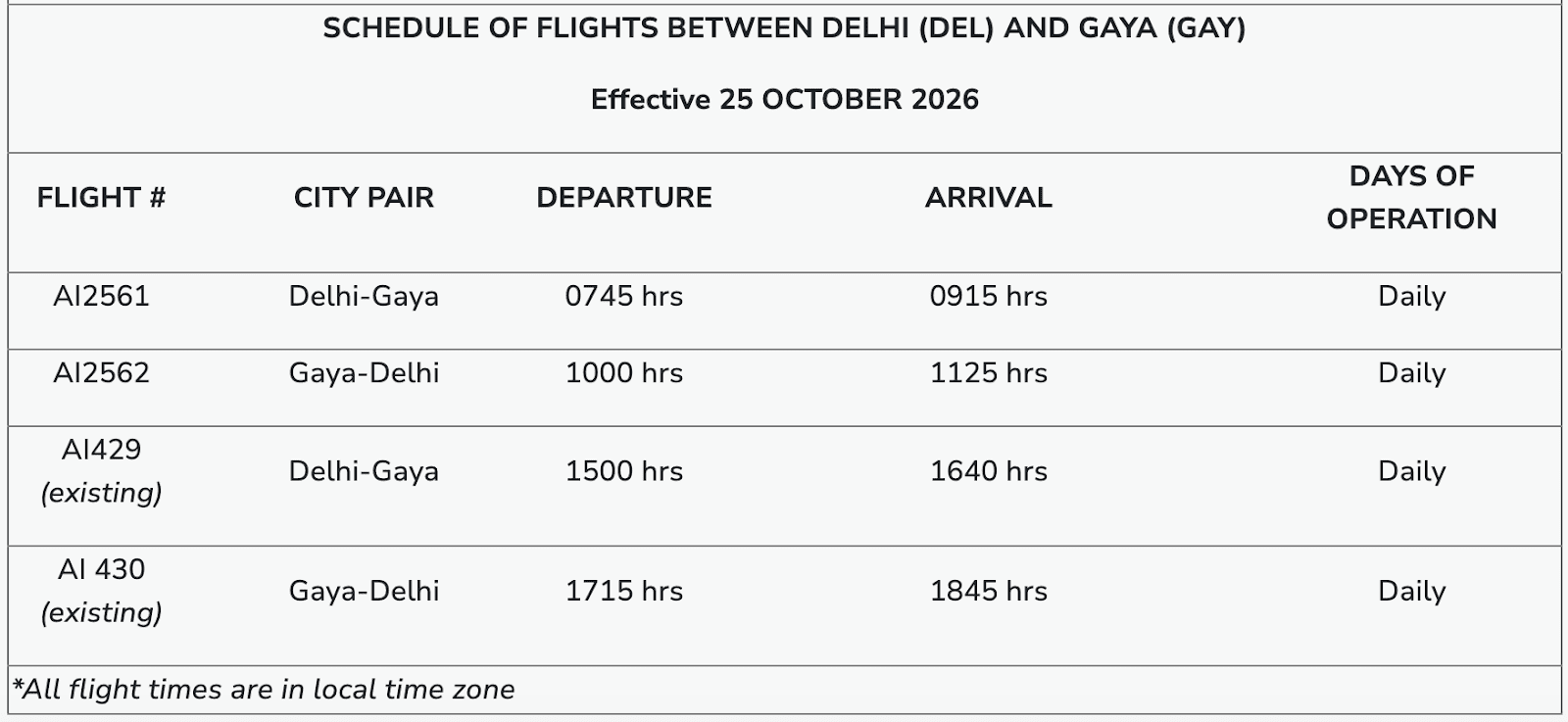
Starting 25 October 2026, Air India will operate daily flights to Khajuraho, linking the city to Delhi and Varanasi. The airline will also operate direct daily flights between Mumbai and Jaisalmer, complementing its existing Delhi-Jaisalmer winter services and increasing frequency to Gaya from Delhi.
Photo credit: Air India. Khajuraho.
Khajuraho flights for tri-city tours
Air India’s new services are designed to boost connectivity and convenience for tourists exploring Khajuraho, renowned for its UNESCO World Heritage-listed temples, and Varanasi, the spiritual heart of India, in a single seamless trip. The new flights will operate daily on a triangular circuit with an alternating routing pattern, as follows, providing flexible options for travellers to prioritise their preferred order of visits to both destinations, while ensuring seamless connections via Delhi to destinations across Europe, Southeast Asia and the Far East.
Delhi-Khajuraho-Varanasi has emerged as a sought-after tourist circuit for discerning travellers seeking deeper immersion in India’s spiritual and artistic legacy, combining Varanasi’s ancient ghats and storied bylanes with Khajuraho’s medieval temple structures.
Connecting Mumbai with Jaisalmer and boosting connectivity to Gaya
Air India’s new seasonal service between Mumbai and Jaisalmer, starting 25 October 2026, expands access to the popular destination in Rajasthan. This new route complements Air India’s existing daily Delhi-Jaisalmer flights and provides guests from western India direct connectivity to Jaisalmer during the peak winter tourism season.
Air India will add daily frequency between Delhi and Gaya this winter, offering both morning and afternoon departures in each direction, thus improving access and adding flexibility for travellers.
Connecting East-West via India
The new flights are timed to enable seamless onward connections for guests travelling from destinations across Europe (including the UK), Southeast Asia, and the Far East into Khajuraho, Varanasi, or Gaya. This will help to position these timeless Indian destinations more strongly on international itineraries.
The flights conveniently connect to and from destinations including but not limited to London (Heathrow), Birmingham, Amsterdam, Copenhagen, Frankfurt, Milan, Paris, Vienna, Zurich, Kuala Lumpur, Singapore, Bali (Denpasar), Seoul (Incheon), Hong Kong, and Tokyo (Haneda).
Bookings open
The new flights are available for booking through all channels, including Air India’s official website, mobile app, and travel agents.
SINGAPORE, 13 March 2026: Explora Journeys, the luxury ocean travel brand of the MSC Group, celebrated a triple milestone in the construction schedule for three of its next-generation ships earlier this week.
Held at Fincantieri’s Sestri Ponente shipyard in Genoa, Italy, senior executives of MSC Cruise Division and Fincantieri’s Merchant Ships Division marked three pivotal stages in the construction of the brand’s next-generation fleet: the Technical Launch (Float Out) of EXPLORA IV, the Coin Ceremony* for EXPLORA V, and the Steel Cutting of EXPLORA VI.
Photo credit: MSC.
This marks the third triple ceremony for Explora Journeys in just 18 months, reflecting the pace at which the brand’s six-ship fleet is taking shape. With two ships already sailing and EXPLORA III on track for delivery and launch in July 2026, four vessels are currently under construction at Fincantieri’s Genoa shipyard.
This triple event underscores Explora Journeys’ commitment to have six ultra-elegant ships on the water by 2028. For the first time, the entire Explora Journeys fleet now exists across different stages of development, reflecting the brand’s ability to deliver an ambitious vision at pace.
“For the first time, all six ships in our fleet are either in service or under construction — a defining moment as we bring the ‘Ocean State of Mind’ to life on an even greater scale,” said Explora Journeys President Anna Nash.
The EUR3.5 billion investment in Explora Journeys’ six-ship fleet represents a cornerstone of MSC Group’s broader commitment to the Italian maritime sector. When combined with the four MSC Cruises ships previously built by Fincantieri, the Group’s total investment in the shipyard reaches approximately EUR7 billion.
The momentum now turns to EXPLORA III, set to be delivered ahead of schedule this July. Following her delivery, she will embark on a Mediterranean Prelude Journey ahead of her Naming Ceremony on 1 August at MSC’s new cruise terminal in Barcelona.
EXPLORA IV and V are scheduled to enter service in 2027, and EXPLORA VI will follow in 2028.
*A maritime coin ceremony is a longstanding shipbuilding tradition where coins are placed under the keel or mast of a new vessel to bring luck, protection, and safe passage to the ship and its crew. It marks a major construction milestone, often occurring during the keel laying or when the mast is stepped.
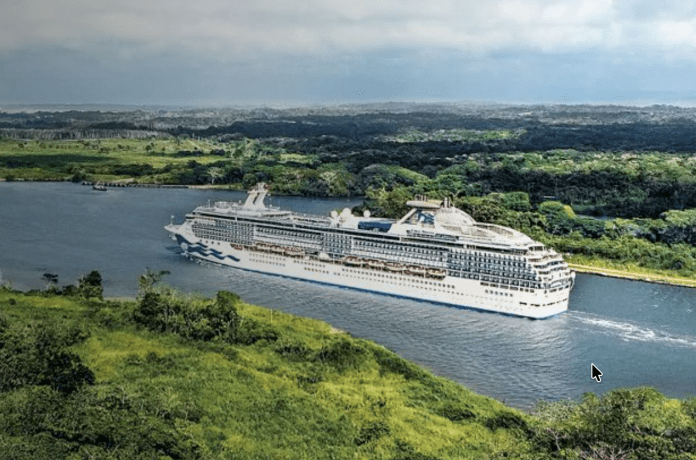
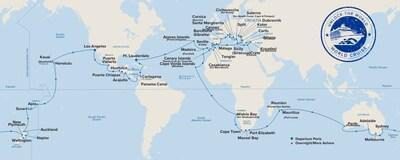
SINGAPORE, 13 March 2026: Princess Cruises opens bookings for its 2028 World Cruise onboard Coral Princess, a 115-day, globe-spanning journey to 49 destinations across 24 countries, five continents and highlighting 39 UNESCO World Heritage Sites
Departing 3 January 2028, the 115-day round-trip from Fort Lauderdale or Los Angeles also includes Flexible World Cruise segment options ranging from 20 to 100 days, allowing travellers to tailor the journey to their schedules.
Photo credit: Princess Cruises. Coral Princess.
The 2,000 passenger-capacity Coral Princess will cross the Equator and International Date Line on this grand exploration covering 36,000 nautical miles. The itinerary transits the legendary Panama Canal before exploring the natural beauty and cultures of Hawaii and the South Pacific, including Samoa and Fiji. The voyage continues to Australia and New Zealand, showcasing iconic cities such as Sydney, Melbourne and Auckland.
Coral Princess then ventures across the Indian Ocean to island gems, including Mauritius and Réunion Island, before arriving in South Africa for an overnight stay in Cape Town and a special maiden call to Mossel Bay, a charming coastal town known for its stunning beaches and rich history. Mossel Bay is home to a UNESCO World Heritage Site featuring coastal caves that hold some of the earliest evidence of modern human behaviour, dating back more than 160,000 years.
Sailing north along Africa’s western coast, the journey continues into the Mediterranean with visits to Barcelona, Sicily, and the Adriatic Sea, including Dubrovnik, as well as Casablanca, before crossing the Atlantic Ocean back to North America.
MUNICH, 13 March 2026: With the new inclusive security checkpoint area in Terminal 2 fully operational, the airport is reaching an important milestone in barrier-free, seamless travel.
The first inclusive security checkpoint of its kind in Germany is now open at Munich Airport for passengers with special needs and families with small children.
Photo credit: Munich Airport.
The area creates an environment that meets as many needs as possible. The new control point is fully barrier-free and designed to improve support for passengers with reduced mobility.
The focus is on people, not technology. Instead of an electronic boarding pass reader, an employee personally welcomes travellers and adapts the boarding process to their pace. The Sunflower Initiative, which Munich Airport has been a member of since 2025, was also taken into account in the planning.
The initiative promotes greater understanding, guidance and support to passengers with non-visible disabilities. Families also benefit from the new checkpoint. A bright, friendly design and short children’s films help keep kids relaxed while their parents organise their luggage.
More space and a larger baggage inspection system also ease the control of wheelchairs, walkers, walking aids, and strollers. The new control area will increase the capacity of the central security in Terminal 2 by 400 passengers per hour. All security checks at Munich Airport are the responsibility of the South Bavarian Aviation Authority.
MUMBAI, 13 March 2026: Thomas Cook (India) Limited and its group company SOTC Travel have announced a partnership with Booking.com to deliver comprehensive and enhanced accommodation solutions for Indian corporates.
The partnership presents an uncomplicated focus: Consumer-level breadth with corporate-level controls, transparent pricing and India-specific servicing.
Booking.com’s accommodation content is live on Thomas Cook India and SOTC’s corporate booking tool, giving business clients immediate access to a vast network of over 31 million reported listings across 220+ countries and territories, including India.
This collaboration offers an unequalled selection ranging from world-class hotels and resorts to homes and apartments, all supported by seamless integration into enterprise travel approval systems, enterprise-specific rates, loyalty benefits, and easy, real-time, on-the-go access through digital applications.
The programme addresses the top requests of India’s business travel and procurement heads: wider choice while staying within company travel policies, invoice integrity with GST compliance, safer stays for diverse traveller profiles, and service support that goes beyond standard online booking platforms.
Booking tour standouts
Price transparency at scale: Property-issued invoices that provide a clear audit trail for finance teams, eliminating hidden markups
Segment-wise curation: Tailored content sets for SMEs, mid-market, and large enterprises, tuned for Indian metros, fast-growing tier 2 and 3 cities, and international destinations. Practical reach across 2,500+ Indian cities and towns, complemented by Booking.com’s global selection across 220 countries and territories and a growing set of long-stay options curated for enterprise use
Business-friendly stays: Providing access to properties with verified traveller reviews and essential business amenities to enhance traveller productivity.
Enterprise support and escalation: A co-developed servicing model for booking changes, clarifications, and coordination, offering a level of support beyond standard online travel agency processes
Integrated policy control: Policy budgets, approvals, credit-limit management, and real-time updates for a seamless desktop and mobile experience
Thomas Cook (India) and SOTC Travel, President & Group Head, Global Business Travel Indiver Rastogi commented: “Business travel programmes today are evolving toward greater choice, flexibility and transparency.
“Through our partnership with Booking.com, we are redefining accommodation access — expanding global choice while enhancing the compliance and servicing framework that enterprises require. By combining Booking.com’s breadth of inventory with Thomas Cook and SOTC’s managed corporate booking environment, along with future integration into our TravelOne platform, we are delivering policy control, price transparency and the level of service support that businesses demand.”