

MANILA, Philippines, 27 May 2026: The Philippines continues to strengthen its position as a rising Muslim-friendly destination in Asia, welcoming travellers from the Middle East and the wider Muslim world through a growing ecosystem of halal- and Muslim-friendly tourism experiences.
This momentum is further complemented by the country’s strong tourism and cultural ties with neighbouring Muslim-majority countries, such as Brunei, Indonesia, and Malaysia, within the Brunei Darussalam–Indonesia–Malaysia–Philippines East ASEAN Growth Area (BIMP-EAGA).
Recently recognised by Mastercard-CrescentRating as a rising Muslim-friendly destination and ranked 8th among non-OIC destinations in the 2025 Global Muslim Travel Index (GMTI), the Philippines continues to gain international recognition for its efforts in advancing halal- and Muslim-friendly tourism.
Across the archipelago, travellers can now experience a growing range of accommodations, halal-certified dining establishments, cultural attractions, and tourism services designed to support the faith-based needs of Muslim travellers while offering authentic cultural and heritage experiences.
Beyond tourism infrastructure, the Philippines is also investing in workforce development, destination preparedness, and cultural awareness initiatives to strengthen the delivery of halal and Muslim-friendly tourism services nationwide.
The Department of Tourism (DOT) continues to support this growth by implementing its Muslim-Friendly Accommodation Establishment (MFAE) Recognition Program across hotels and tourism establishments, while also encouraging halal certification among restaurants, accommodations, and tourism service providers nationwide.
Growing Halal travel experiences
Muslim-friendly tourism infrastructure continues to expand across the Philippines, supported by the DOT’s nationwide halal tourism development initiatives. To date, the DOT has officially recognised 67 Muslim-Friendly Accommodation Establishments (MFAEs) across the country, reflecting the Philippines’ continuing commitment to strengthening its halal and Muslim-friendly tourism ecosystem. Leading this effort is Megaworld Hotels & Resorts, the first hotel chain in the Philippines to achieve 100% MFAE recognition across all of its properties, further reinforcing the country’s growing portfolio of Muslim-friendly accommodations.
Through various training and capacity-building initiatives conducted by the DOT, an estimated 3,000 tourism frontliners and stakeholders nationwide have received specialised training on the fundamentals of halal, understanding Muslim travellers and guests, and the importance of culturally sensitive and respectful service.
Boracay continues to strengthen its position as a Muslim-friendly island destination through initiatives such as Marhaba Boracay, which features an 800-sqm beach cove dedicated to Muslim families. Boracay, Cebu, Cagayan de Oro, Davao City, and Metro Manila continue to feature a growing number of halal-certified dining establishments, prayer facilities, and tourism services designed to support the needs and comfort of Muslim travellers.
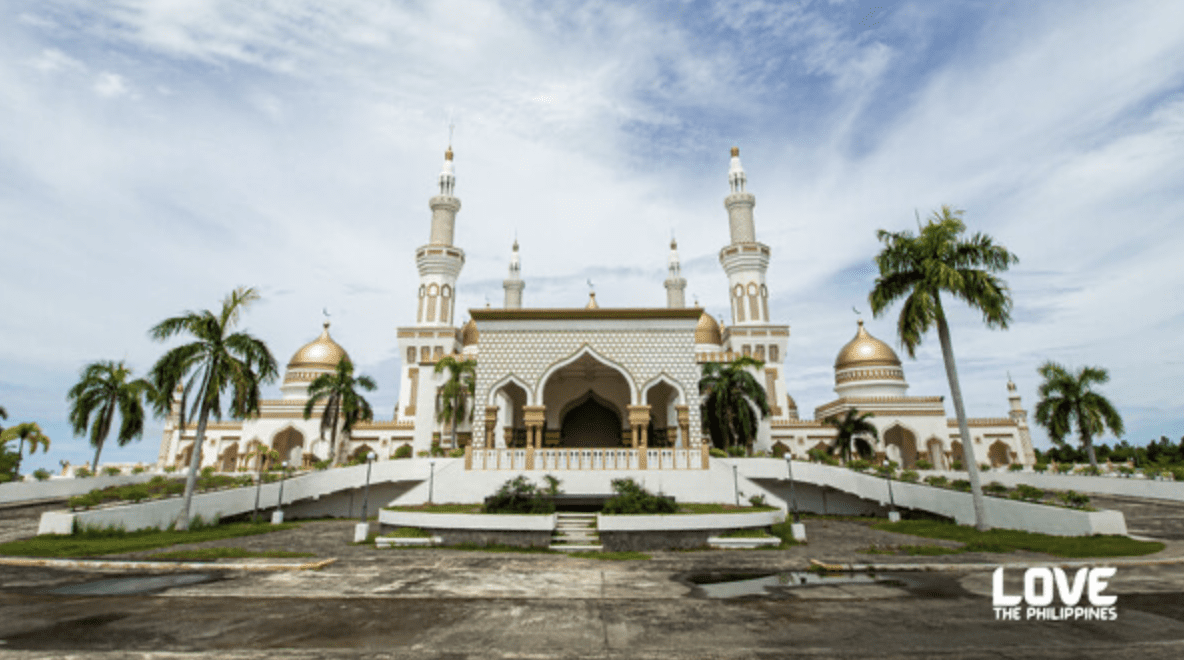
Beyond accommodations and dining, the Philippines offers Muslim travellers opportunities to experience the country’s rich cultural diversity through heritage tours, island and nature experiences, vibrant local communities, and visits to Islamic heritage sites across Mindanao. From pristine beaches and tropical islands to dynamic urban centres and cultural destinations, the country continues to position itself as a welcoming destination where Muslim travellers can enjoy meaningful journeys grounded in hospitality, inclusivity, and cultural understanding.
Engagement with Muslim travel markets
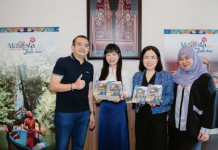
The Department of Tourism continues to strengthen its engagement with key Muslim travel markets, including the Middle East and neighbouring Muslim-majority countries such as Brunei, Indonesia, and Malaysia. Through international promotions, tourism collaborations, targeted destination campaigns, and the Muslim-Friendly Travelogue of the Philippines, the country continues to highlight its expanding tourism offerings, accessibility, and commitment to inclusive travel experiences. The three-volume travelogue series showcases the Philippines through curated features on halal and local cuisine, diverse tourism destinations, and the country’s growing Muslim-friendly tourism initiatives and experiences.
Direct connectivity from key international gateways to destinations such as Manila, Cebu, and Clark allows access to the country’s tourism destinations. In contrast, domestic connectivity supports multi-destination travel across the archipelago.
(Source: Philippines Department of Tourism)