SHANGHAI, 17 February 2026: With the implementation of 144-hour visa-free transit across multiple cities in China, international visitors now enjoy significantly greater convenience, and it is driving interest in medical tourism in Shanghai.
Recently, an intriguing trend has emerged. Foreign nationals arriving in Shanghai for business or tourism are now incorporating “health management” or “convenient medical access” into their packed itineraries, blurring the lines between “leisure travel to China” and “medical travel in China”.
Photo credit: Parkway Shanghai Hospital.
Parkway MediCentre Xintiandi, located in the heart of downtown Shanghai, and Parkway Shanghai Hospital, situated near the Hongqiao transportation hub, are increasingly favoured by international patients for their high-quality, internationally aligned healthcare services, strategic locations, and seamless communication.
Having been rooted in Shanghai for over two decades, Parkway has witnessed and contributed to the “golden era” of the city’s — and the nation’s — opening-up. To date, Parkway has served nearly 500,000 patients in 77 countries and regions. It has been designated an official medical examination provider by several embassies, including those of the UK, Canada, and New Zealand.
As one of the first international high-quality healthcare providers to enter China, Parkway continues to optimise its service network in Shanghai. Through a three-tiered service system—integrating a comprehensive hospital, medical centres, and community clinics across Huangpu, Changning, Minhang, and Pudong—Parkway ensures citywide coverage and efficient linkage to the Yangtze River Delta healthcare ecosystem, continuously enhancing the accessibility and coordination of regional medical services.
As a comprehensive medical institution, Parkway Shanghai Hospital derives its core strength from a highly experienced medical team, complemented by its proximity to Hongqiao International Airport. The hospital offers multidisciplinary outpatient services staffed by full-time seasoned physicians. Also, it leverages an extensive network of high-quality medical resources, including collaborations with nearly 300 clinically experienced experts from Shanghai’s Class A Tertiary hospitals.
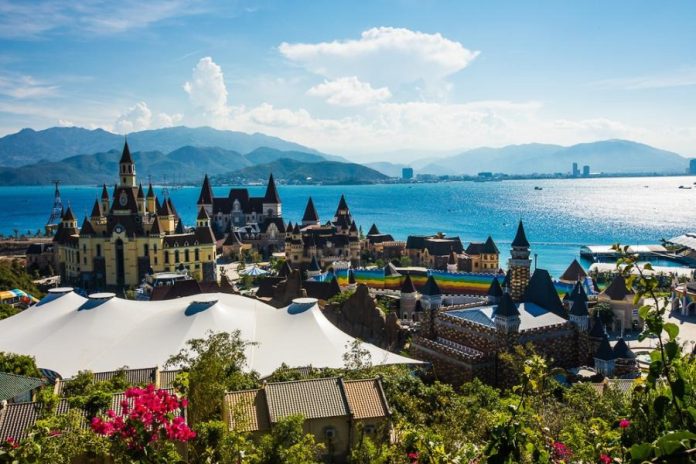
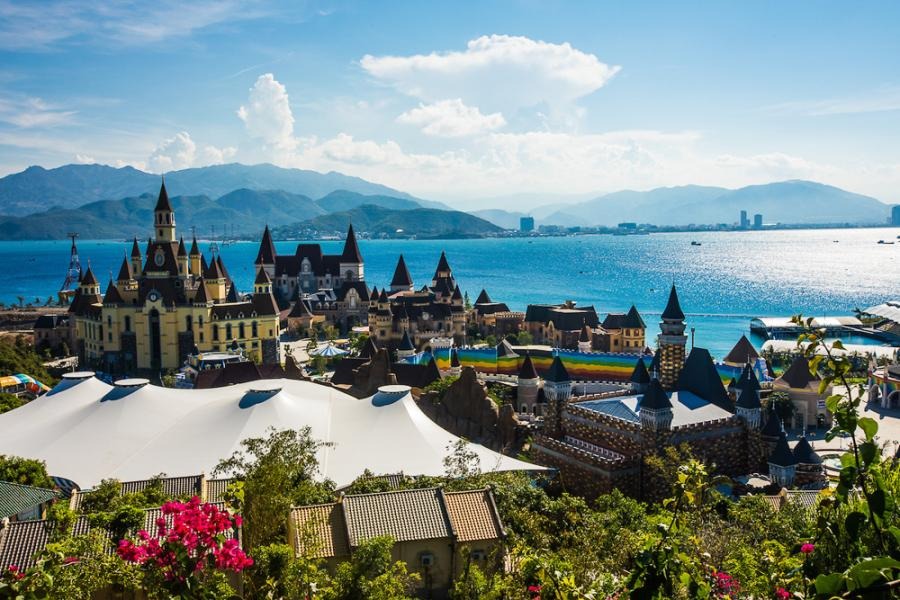
MOSCOW, 17 February 2026: Starting on 7 March, Aeroflot will increase flights from Moscow to Nha Trang, Vietnam, from seven to nine per week.
Two flights per day from Moscow (VKO) will operate on Wednesdays and Saturdays, with return flights from Nha Trang on Thursdays and Sundays. On other days of the week, a single daily flight will serve the route.
Photo credit: VNAT. Nha Trang.
A 316-seat Airbus A350 aircraft in a three-class layout — Economy, Comfort, and Business — will serve the route. Flight time is 10 hours and 45 minutes.
Under the current schedule, Aeroflot operates flights to Nha Trang from Moscow, Yekaterinburg, Irkutsk, Novosibirsk, and Vladivostok. The airline opened direct flights to the popular Vietnamese resort for the first time in its history in March 2025.
The high season in Nha Trang lasts from February to August.
Sales are through Aeroflot’s website only, as most Western booking channels block the airline and flag searches with a warning: “destination restricted.”
In 2025, Aeroflot carried 29.5 million passengers (55.3 million if other Aeroflot Group airlines are included).
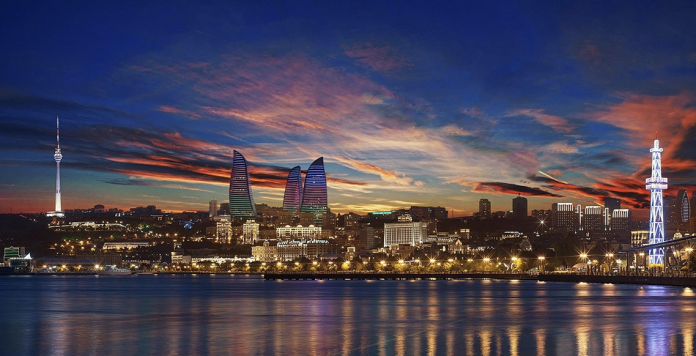
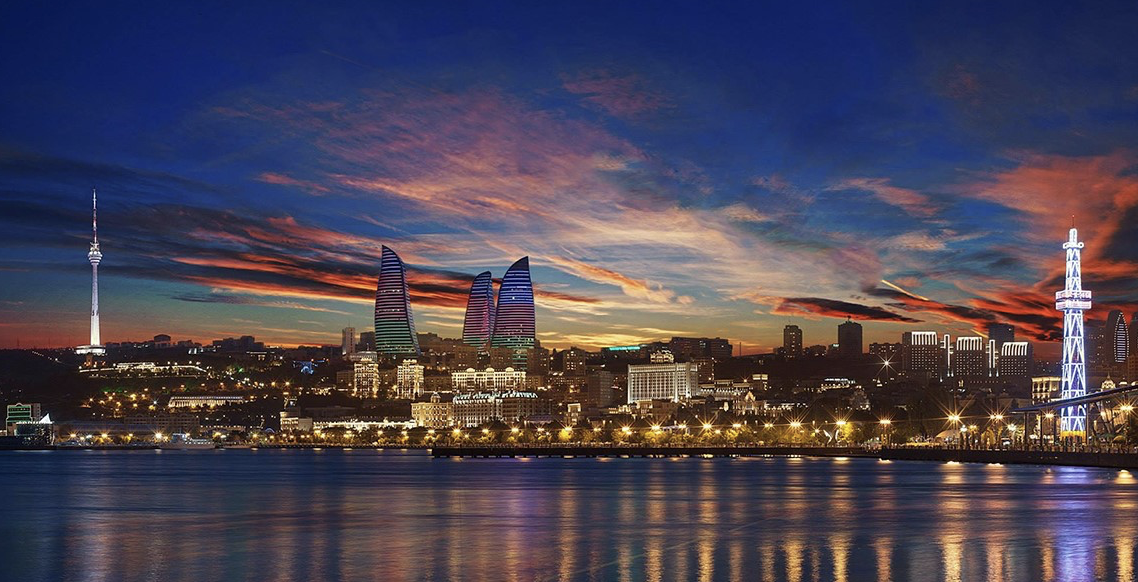
SINGAPORE, 17 February 2026: Astana will resume direct flights from Almaty to Baku this March, increasing the number of flights to Azerbaijan’s capital to four weekly by May 2026.
From 15 March 2026, flights on the Almaty-Baku-Almaty route will operate twice weekly, on Thursdays and Sundays.
Photo credit: Air Astana.
From April, the frequency will increase to three weekly, and from May to four weekly: on Mondays, Thursdays, Fridays and Sundays. The new schedule offers daytime departures and arrivals, making travel planning more convenient.
The airline is also increasing flights on the Atyrau-Baku-Atyrau route to three weekly flights from 18 March. Initially, flights will operate on Mondays, Wednesdays, and Saturdays, and from April on Tuesdays, Thursdays, and Saturdays.
The flight time is three hours and 35 minutes from Almaty and one hour and 25 minutes from Atyrau. The cost of economy-class round-trip tickets, including fees/taxes, starts at USD 320 for flights from Almaty and USD 198 for flights from Atyrau. Tickets are now available for booking on the official website, via the Air Astana mobile app, and through accredited travel agencies.
BANGKOK, 13 February 2026: By 2023, Thai Airways International (THAI) had achieved something few legacy flag carriers manage after bankruptcy: a credible, sustained return to profitability underpinned by structural reform rather than short-term demand spikes.*
Following court-supervised rehabilitation beginning in 2021, the airline emerged leaner, more focused and operationally coherent, benefiting from Thailand’s tourism recovery while avoiding many of the excesses that previously undermined its balance sheet.
Photo credit: THAI
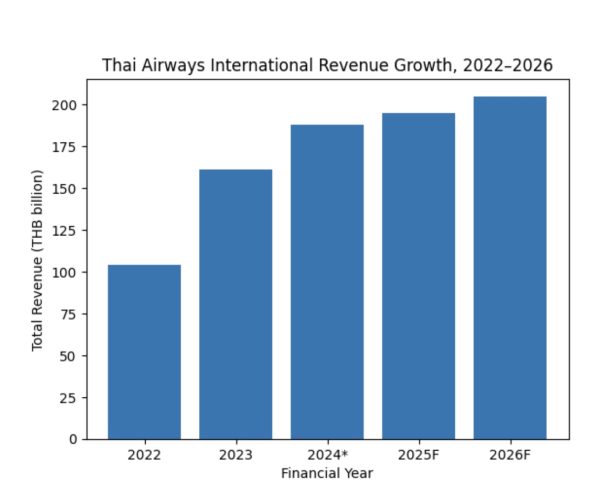
Between 2022 and 2024, Thai Airways transformed its financial trajectory. Revenue rose sharply from approximately THB 104 billion in 2022 to around THB 161 billion in 2023, before reaching an estimated THB 188 billion in 2024, a figure adjusted to exclude one-off rehabilitation accounting items. Analyst consensus forecasts point to continued, if more moderate, growth to roughly THB 195 billion in 2025 and THB 205 billion in 2026, reflecting capacity discipline and yield management rather than aggressive expansion.
Figure 1: Thai Airways International revenue growth, 2022–2026. 2024 adjusted for one-off rehabilitation accounting items; 2025–2026 based on analyst consensus forecasts.
This rebound was enabled by decisive financial restructuring. At the start of rehabilitation, THAI faced debt exceeding US$11 billion, accumulated over years of weak governance, political interference and inefficient fleet planning. Debt haircuts, equity conversions and creditor negotiations dramatically reduced financial pressure, while tighter capital controls curtailed loss-making behaviour. Unlike earlier turnaround attempts, this process was externally enforced, limiting the scope for reversal.
Operational reform proved equally critical. Thai Airways exited marginal routes, particularly in secondary European and South Asian markets, and redeployed capacity to high-yield sectors including Japan, Australia and core European gateways. The integration of Thai Smile into the mainline operation simplified branding, eliminated duplication and improved aircraft utilisation across short- and medium-haul services.
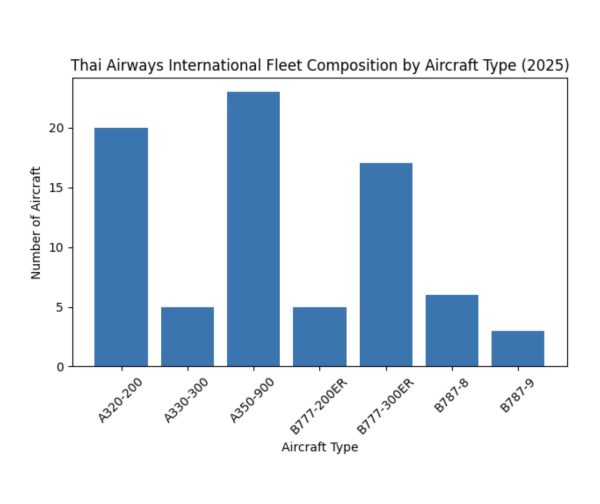
Fleet restructuring has been central to the airline’s improved cost base. By 2025, THAI presented a streamlined wide-body-centric fleet dominated by Airbus A350-900s and Boeing 777-300ERs for long-haul services, complemented by Boeing 787s for thinner intercontinental routes and Airbus A320s on regional sectors. Importantly, the airline has retired older, maintenance-intensive aircraft types, significantly reducing engineering complexity and spare-parts inventories.
Fleet streamlined to six aircraft types
• Airbus A320-200 — 20
• Airbus A330-300 — 5
• Airbus A350-900 — 23
• Boeing 777-200ER — 5
• Boeing 777-300ER — 17
• Boeing 787-8 — 6
• Boeing 787-9 — 3
Figure 2: Thai Airways International fleet composition by aircraft type, 2025. Figures reflect active in-service aircraft following post-rehabilitation fleet rationalisation.
The average fleet age has fallen to the low-teens, a notable improvement from pre-rehabilitation levels. Newer aircraft not only reduce fuel burn and maintenance costs but also support a more consistent onboard product. Cabin refurbishment, harmonised seating and refreshed soft product standards have helped reposition Thai Airways as a competitive full-service carrier rather than a legacy brand trading on nostalgia.
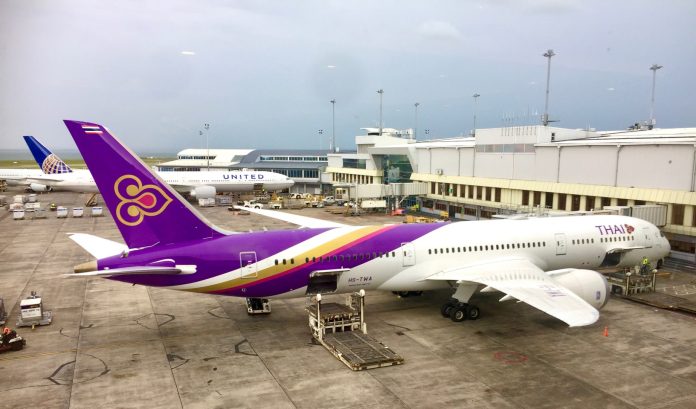
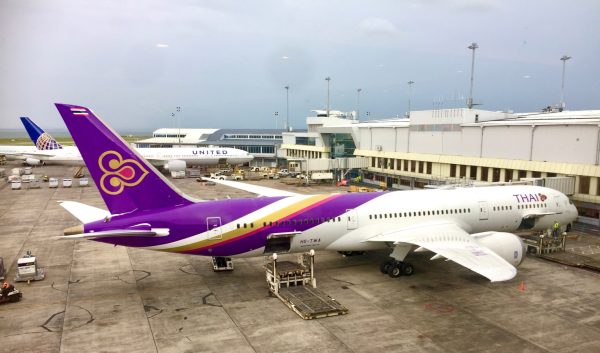
Photo: Auckland, NZ, March 2018/credit ajw/
Aircraft Overview: HS-TWA
Registration: HS-TWA
Aircraft Type: Boeing 787-9 Dreamliner (a long-haul wide-body airliner)
Operator: Thai Airways International
Nickname/Name:Phatthana Nikhom
Manufacturer Serial Number (MSN): 38777 / Line #602
First flight: 1 September, 2017
Delivered to Thai Airways: 14-15 September, 2017
Human capital reform has been more sensitive but no less important. Staff numbers were reduced substantially during the rehabilitation period, while new training regimes were introduced for cabin crew and frontline staff. The airline has also addressed age-profile imbalances and refreshed uniforms and grooming standards, aligning presentation with contemporary Asian and Middle Eastern competitors without abandoning Thai cultural identity.
From a service perspective, in-flight catering remains an area of debate. While Thai Airways continues to emphasise Thai flavours and hospitality, some critics argue that consistency still lags behind that of top-tier Asian rivals. Aviation and travel reviewers have offered mixed assessments, praising presentation and cultural authenticity while noting variability across routes and cabins. Management has acknowledged the issue and signalled further supplier rationalisation and menu standardisation.
Pricing dynamics also reflect the airline’s new discipline. Business-class fares, particularly on Europe–Bangkok routes, have risen materially since 2022, driven by constrained capacity, strong premium demand and limited competition. While this has raised concerns among some corporate travellers, yields have improved markedly, supporting profitability. Looking ahead, analysts expect premium fares to remain firm through 2026, especially as wide-body capacity across Asia remains structurally tight.
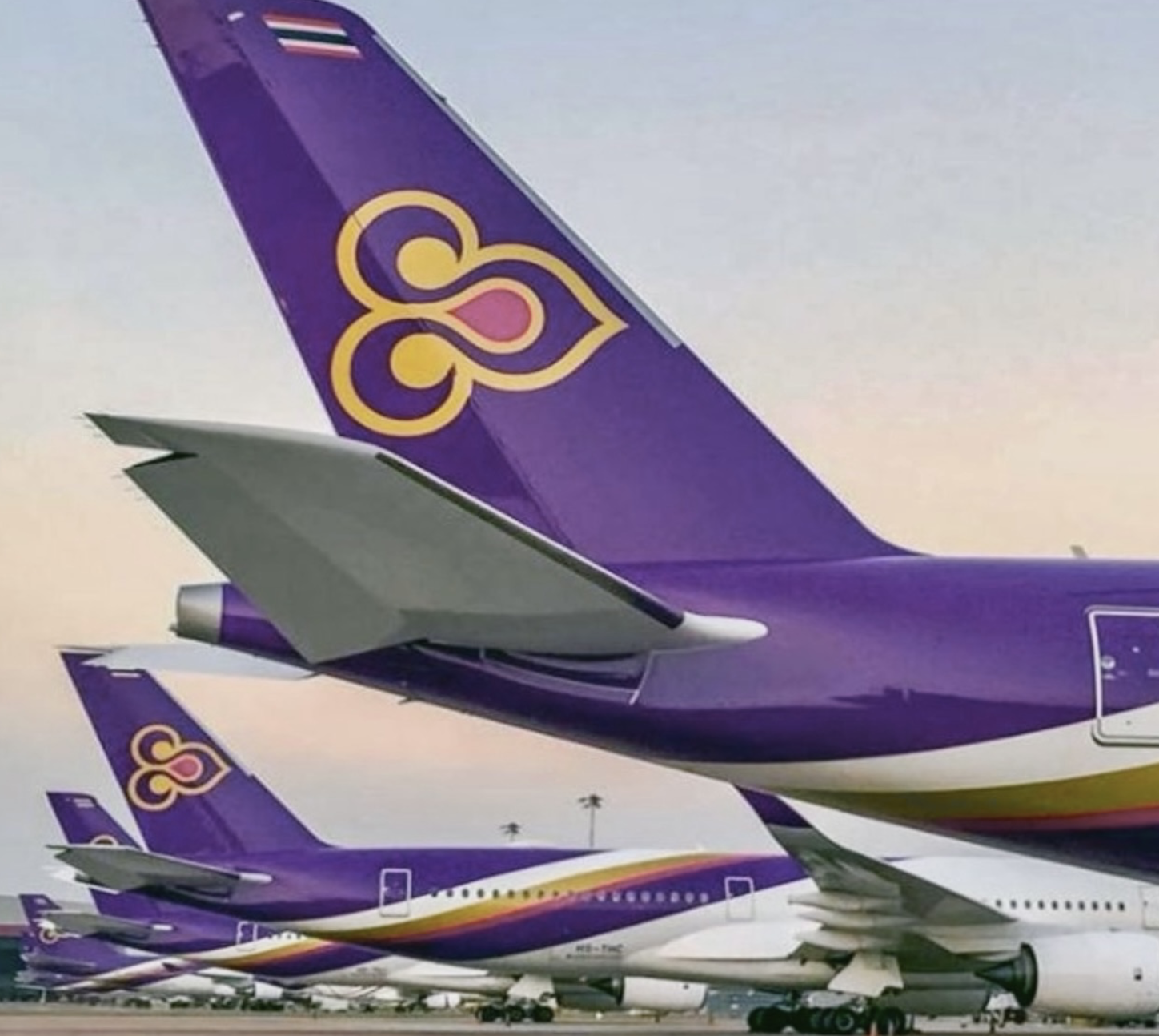
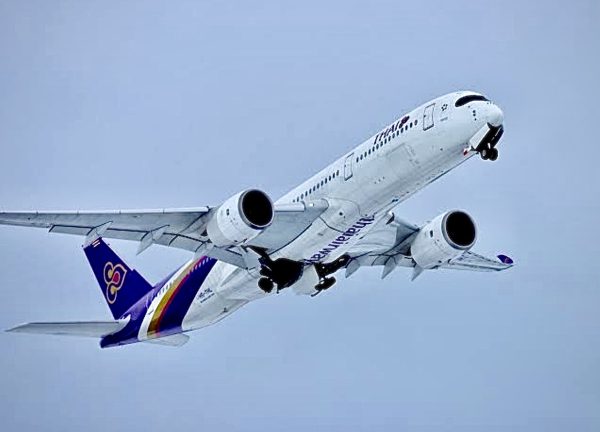
Up, Up and Away! (Thai Airways International Airbus A350).
Competition, Thai Airways now operates in a transformed regional landscape. Singapore Airlines remains the benchmark for premium service, while Middle Eastern carriers dominate ultra-long-haul connectivity. Regionally, EVA Air, ANA and JAL exert pressure on North Asian routes, while low-cost carriers constrain pricing on short-haul sectors. THAI’s response has been to focus on network relevance rather than scale, leveraging Bangkok’s hub position and alliance connectivity.
Airport infrastructure has also played a role. Airports of Thailand (AOT) has benefited directly from the national carrier’s recovery through higher passenger volumes and improved slot utilisation at Suvarnabhumi. At the same time, congestion and capacity constraints underscore the need for continued airport investment to sustain aviation-led growth in Thailand.
A brief SWOT assessment illustrates Thai Airways’ current position. Strengths include a revitalised balance sheet, modernised fleet and strong home-market demand. Weaknesses persist in brand consistency and premium service delivery. Opportunities lie in sustained tourism growth, premium leisure travel and strategic partnerships. Threats include fuel volatility, geopolitical shocks and intensifying regional competition.
By 2026, Thai Airways will no longer be a turnaround story but a cautiously credible airline. The challenge ahead is not survival, but execution: maintaining cost discipline, investing selectively in product quality and resisting the temptation to expand for prestige rather than profit. For Thailand, the re-emergence of a financially viable flag carrier represents both an economic asset and a symbolic restoration of confidence in national aviation.
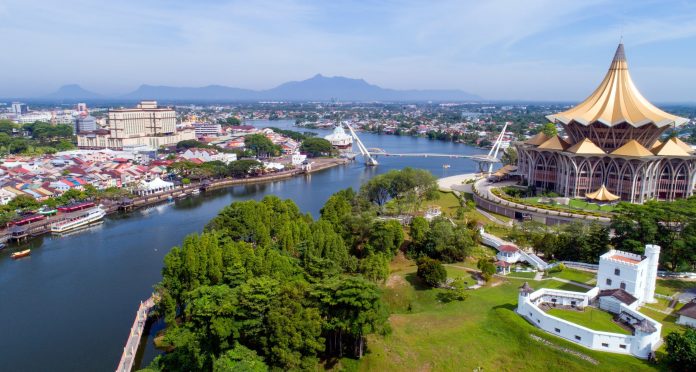
KUCHING, 16 February 2026: As the world faces increasingly complex and interconnected crises, the World Society of Disaster Nursing is convening healthcare professionals and emergency disaster managers to advance more sustainable, human-centred approaches to disaster preparedness and response at the 9th International Research Conference of the World Society of Disaster Nursing (WSDN 2026).
Taking place from 17 to 19 September 2026 in Kuching at the Borneo Convention Centre Kuching (BCCK), WSDN 2026 will welcome over 500 delegates from around the world. Under the theme “Accelerate Networking: A Catalyst to Go Over the Horizon”, the conference will serve as a platform for meaningful exchange on emerging technologies, innovative solutions, and practical strategies that enhance disaster preparedness, response, and recovery across diverse healthcare systems.
WSDN 2026 has attracted over 500 registered delegates from around the world to convene in Kuching this September.
Beyond knowledge sharing, the WSDN 2026 is expected to deliver strong economic value to Sarawak, generating an estimated RM4.1 million in Total Economic Impact and supporting over 300 jobs, benefiting the local tourism, hospitality, and services sectors.
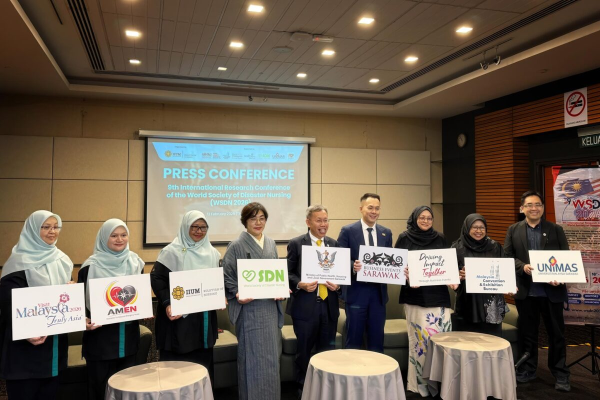
“From natural disasters to public health emergencies, Sarawak understands the importance of preparedness and resilience. WSDN 2026 aligns closely with Sarawak’s Post-COVID-19 Development Strategy (PCDS) 2030 by strengthening resilient, inclusive, and future-ready public health systems. While disaster response differs across regions, this conference allows us to build a common understanding of more sustainable ways to protect lives and support communities during disasters,” stated The Honourable Datuk Amar Professor Dr Sim Kui Hian, Deputy Premier of Sarawak and Minister for Public Health, Housing and Local Government, Sarawak, who chaired today’s press conference.
“Beyond advancing the global medical and disaster nursing agenda, WSDN 2026 provides a platform to examine how local communities can play an active role in disaster preparedness and response. This emphasis on shared outcomes, capacity building, and long-term value reflects Sarawak’s commitment to collaborative, impact-focused business events that deliver meaningful benefits for people and communities,” said Jason Tan Chin Foo, Acting Chief Executive Officer of Business Events Sarawak (BESarawak).
“This year, WSDN 2026 will integrate technology more deeply into its programme through the use of Augmented Reality in Tabletop Exercises (AR-TTX), a more realistic learning approach that simulates real-life disaster situations. AR-TTX allows participants to strengthen responses and facilitate better decision-making in real emergencies,” said Dr Nurul’Ain Ahayalimudin, Conference Chair of WSDN 2026. “We believe technology plays a critical role in strengthening how we prepare for and respond to emergencies, hence innovation and technology in disaster nursing and emergency response are one of the key focus areas of WSDN 2026.”
The conference will feature globally recognised experts in disaster nursing and emergency response, including Prof. Dr Aileen M. Marty from the University of Miami (USA), Prof. Dr Jamie Ranse from Griffith University (Australia), and Prof. Dr Sonoe Mashino from the University of Hyogo (Japan), alongside leading regional practitioners and researchers shaping the future of disaster healthcare worldwide.
The WSDN 2026 Conference is organised by the Kulliyyah of Nursing, International Islamic University Malaysia (IIUM) and supported by the World Society of Disaster Nursing (WSDN), Business Events Sarawak (BESarawak), Malaysia Convention and Exhibition Bureau (MyCEB), Universiti Malaysia Sarawak (UNIMAS), and the Association for Malaysian Emergency Nurses (AMEN).
Emergency responders, disaster managers, healthcare professionals, researchers, and policymakers are encouraged to participate in WSDN 2026 and help strengthen disaster preparedness and response.
For more information on conference highlights, registration, and participation opportunities, visit www.wsdn2026.com.
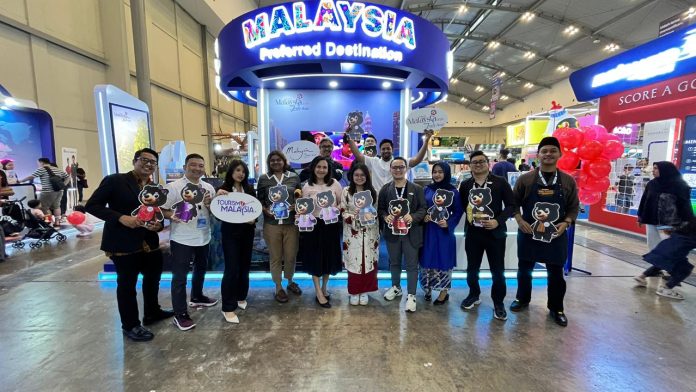
JAKARTA, 16 February 2026: Sarawak Tourism Board participated in the ASTINDO Travel Fair, one of Indonesia’s largest consumer travel fairs, held last week at the Indonesia Convention Exhibition, BSD City, Tangerang, followed by post-fair B2B travel sessions in Jakarta.
STB’s engagement at the travel fair and the follow-up trade sessions underscored its ongoing commitment to sustaining market visibility and strengthening trade distribution in Indonesia, in line with STB’s EDGE Strategy and Post COVID-19 Development Strategy (PCDS) 2030, while supporting Malaysia’s national target of 43 million visitor arrivals under VM2026.
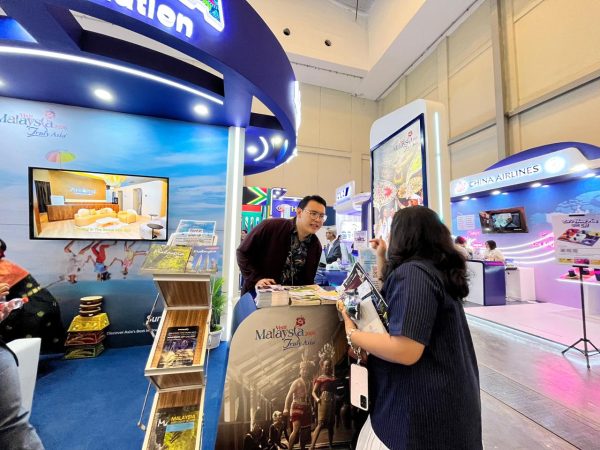
Delegates from the Sarawak Tourism Board conduct post-fair B2B trade engagements with Jakarta-based travel agents on 9-10 February 2026.
“Indonesia remains a priority short-haul market for Sarawak, and ASTINDO Travel Fair provided a valuable platform for us to engage consumers while strengthening trade confidence through targeted follow-up engagements,” said Sarawak Tourism Board.
Chief Executive Officer Dr Sharzede Datu Haji Salleh Askor. “By linking consumer interest with trade-ready products and long-term partnerships, we are positioning Sarawak to deliver sustained visitation in support of VisitMalaysia Year 2026.”
Throughout the four-day fair, STB engaged with Indonesian travellers at Tourism Malaysia’s pavilion, showcasing Sarawak’s diverse tourism offerings across its Culture, Adventure, Nature, Food, and Festivals (CANFF) pillars.
The engagement highlighted Sarawak as an immersive, experience-rich destination in Malaysia, appealing to Indonesian travellers seeking a short-haul escape.
Building on the momentum generated at the consumer-facing fair, STB conducted post-fair B2B trade engagements with selected Jakarta-based travel agents. These engagements focused on strengthening destination familiarity and reinforcing long-term collaboration, particularly among agents who had previously visited Sarawak on familiarisation programmes.
https://youtu.be/o6KqUt4NGjg?si=o-SZXJa8nmaGmoD8For more information on Sarawak, visit: Sarawak Tourism Board.
BANGKOK, 16 February 2026: Anantara Peace Haven Tangalle Resort, Sri Lanka, announces the appointment of Frederik Van den Borre as General Manager.
He will oversee the resort’s strategy and day-to-day operations, focusing on enhancing the guest experience, strengthening commercial performance, maintaining brand standards, and supporting team development across the property.
Photo credit: Anantara. Frederik Van den Borre.
After joining Minor Hotels in 2022 as Executive Assistant Manager at Anantara Mui Ne Resort, Frederik later served as Acting General Manager and led the property through a full refurbishment. He then assumed the role of General Manager at Avani Hai Phong Harbour View Hotel in mid-2022, before returning to Anantara Mui Ne Resort in August 2024 as General Manager.
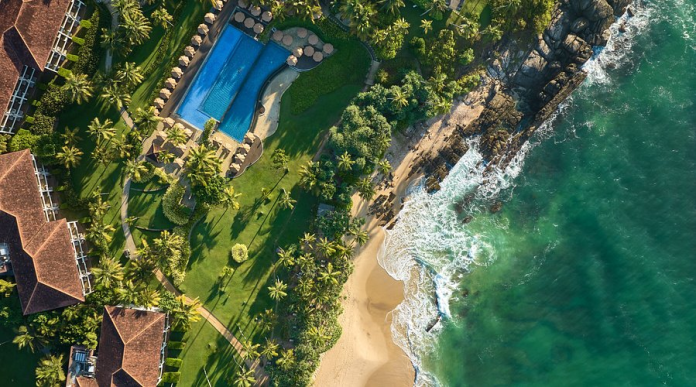
Located on the rocky shores of southern Sri Lanka, 190 km from the capital Colombo, Anantara Peace Haven Tangalle Resort is a beachfront property.
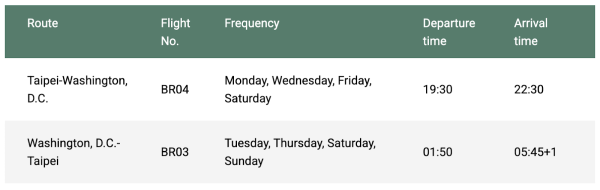
SINGAPORE, 16 February 2026: EVA Air will launch a new route from Taipei to Washington DC on 26 June, scheduling four weekly flights between the two capital cities.
With this new route, EVA Air’s North American network will expand to 10 gateway cities in the US, offering 98 weekly flights from the Taiwanese capital. Ticket sales are now open at the airline’s website.
Photo credit: Visit the USA.
The Taipei–Washington DC route will be operated by Boeing 787-9 aircraft featuring a three-class configuration: Royal Laurel Class, economy class, and the refreshed premium economy class.
Flight schedule
Washington, DC, is the seventh-largest metropolitan area in the US and is located within the broader National Capital Region, one of the country’s three largest population centres. As the nation’s capital, the city is a hub of economic activity, serving as headquarters for numerous multinational corporations, non-governmental organisations, and international institutions, reflecting strong potential demand for premium air travel.
Following the launch of the Washington DC route, passengers can connect through EVA Air’s 10 nonstop North American gateways> The other nine cities comprise Los Angeles, San Francisco, Seattle, New York, Houston, Dallas-Fort Worth, Chicago, Vancouver, and Toronto.
EVA Air has launched a new group tour service, “Nine-Day Eastern US. Highlights,” in collaboration with leading travel agencies, leveraging its exclusive Washington DC. route alongside its New York service.
SINGAPORE, 16 February 2026: Boosted by the Australian Open, Melbourne’s hotel industry posted its highest January average daily rate (ADR) and revenue per available room (RevPAR) on record, according to preliminary data from CoStar, a leading provider of online real estate marketplaces and analytics in the property markets.
Each of the market’s key performance indicators peaked on Saturday, 24 January: occupancy (93.2%), ADR (AUD380.74) and RevPAR (AUD354.94). Each metric easily surpassed last year’s tournament peak on Saturday, 18 January.
The market’s ADR remained above AUD200 throughout the tournament, except for the first three nights (12 to 14 January).
“The most pleasing performance factor was demand,” said STR regional director Matthew Burke. “The metric was up 4.9% for the month, more than doubling the year-over-year growth in new supply.”
For more information about the company, its products, and services, please visit www.costargroup.com.
SINGAPORE, 15 February 2026: Air Astana will boost services to Guangzhou in southern China, with the launch of new twice-weekly flights from Astana, Kazakhstan’s capital, on 2nd June 2026.
The airline has operated four flights per week from Almaty to Guangzhou since March 2025. Air Astana also operates scheduled flights to China’s capital, Beijing, and to Urumqi in western China. It will launch a new service between Almaty and Shanghai at the end of March 2026.
Photo credit: Air Astana.
Flights from Astana to Guangzhou are scheduled to operate on Tuesdays and Thursdays, with departures at 1845 and arrivals at 0430 next day.
The return flight will operate on Wednesdays and Fridays, departing from Guangzhou at 0545 and arriving in Astana at 1010. All times local. The airline will deploy its latest-generation 166-seat A321LR aircraft, configured with 16 lie-flat business-class seats and 150 economy seats. Flight time is six hours and 45 minutes from Astana to Guangzhou.
The cost of a round-trip ticket from Astana to Guangzhou, including fees/taxes, starts from USD508 in economy class and USD1,688 in business class.
The launch of the new route strengthens business, tourism, and cultural ties between Kazakhstan and China and expands opportunities for travel and transit through Air Astana hubs in Astana and Almaty.