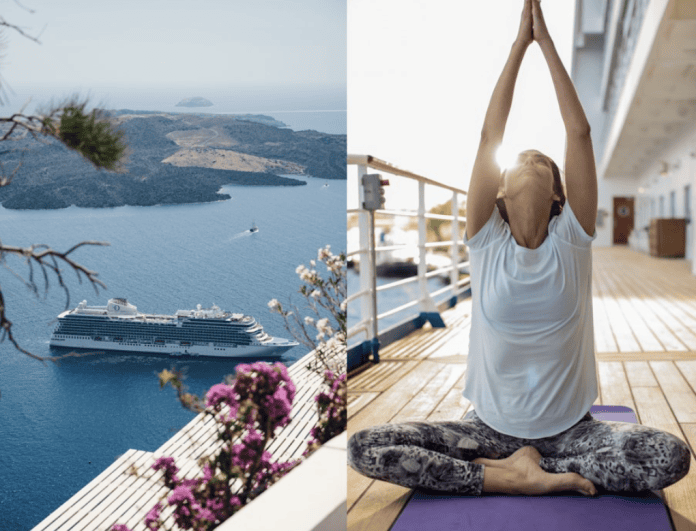
SINGAPORE, 30 July 2026: From practising Tai Chi in Bangkok to dance therapy in Colombo, Oceania Cruises invites travellers to embark on new experiences through its Wellness Discovery Tours on its Asia sailings.
Responding to the growing interest in wellness experiences, Oceania Cruises offers more than 50 Wellness Discovery Tours in destinations throughout Asia, Europe and South America, as luxury travellers increasingly seek journeys that allow them to learn new skills and explore the world differently.
Photo credit: Oceania Cruises.
Shoreside encounters are complemented by a wealth of enriching experiences on board Oceania Cruises’ intimate, luxurious ships. With culinary lectures, hands-on cooking classes, food-and-beverage pairing experiences, creative workshops in the Artist Loft, insightful guest speakers, and performances by local musicians, guests can enjoy a diverse programme designed to enhance their journey.
Asia’s wellness experiences
Ultimate Traditional Dance Therapy – Colombo, Sri Lanka.
Saigonese Organic Food Tasting – Ho Chi Minh City, Vietnam.
Tai Chi at Viharn Sien Park – Bangkok, Thailand.
Traditional Chinese Medicine Experience – Hong Kong, China.
Tai Chi & Vegetarian Lunch at a Monastery – Hanoi, Vietnam.
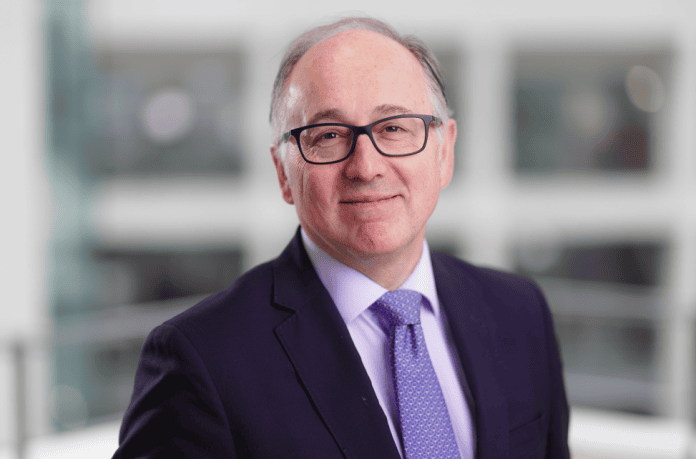
SINGAPORE, 30 July 2026: International Airlines Group (IAG) CEO Luis Gallego will assume the role of Chairman of the oneworld Governing Board, as voted on by member CEOs.
The appointment becomes effective on 1 September 2026, enabling a smooth transition from current oneworld Chairman Robert Isom (also CEO of American Airlines), whose three-year term as Chairman ends this year.
Photo credit: Oneworld. Luis Gallego.
“It is an honour to take on the role of Chair of oneworld’s Board of Governors,” said Gallego. “The alliance is making important progress in key areas including loyalty, innovation and sustainability and I look forward to working with Ole, the oneworld management team and the Board to build on that momentum and continue delivering value for members and customers.”
“On behalf of oneworld, we thank Robert for his thoughtful leadership and passionate belief in the many ways the alliance contributes meaningful and consistent value to its members,” said oneworld Alliance Chief Executive Officer Ole Orver.
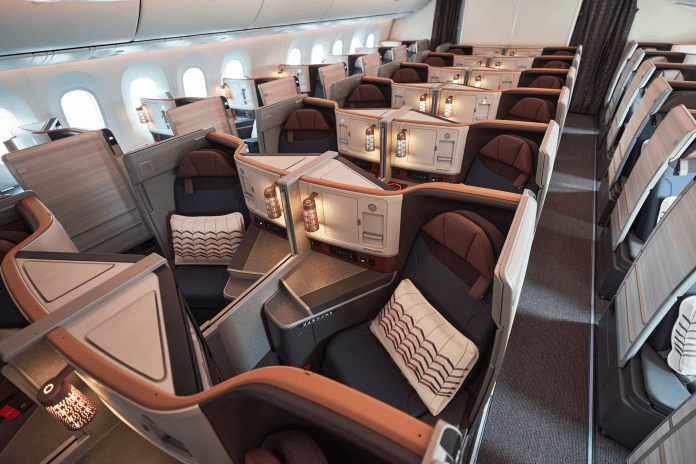
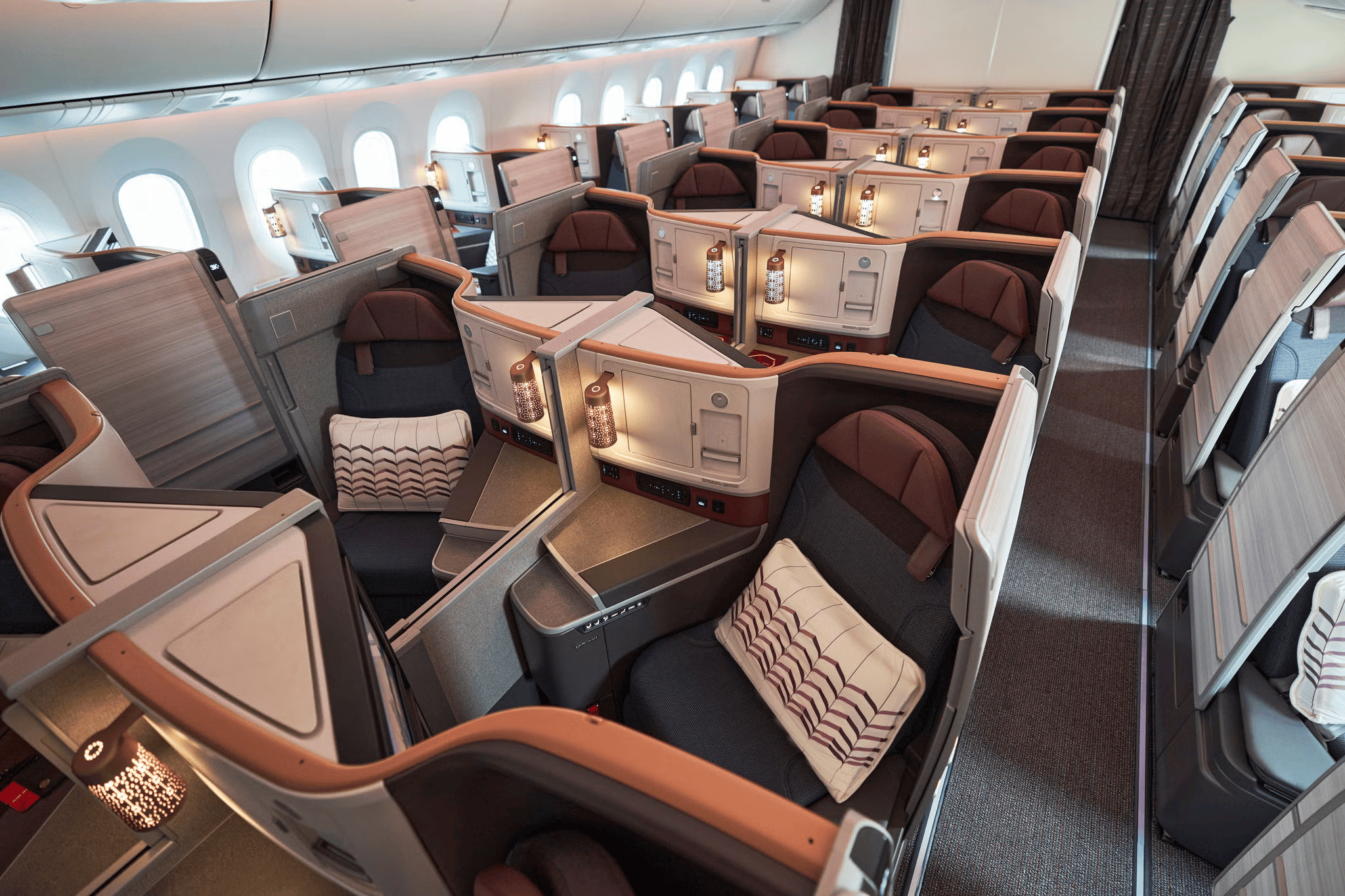
NEW DELHI, 30 July 2026: Air India will upgrade its Delhi-Toronto service, deploying its brand-new Boeing 787-9 aircraft on the route from 1 August 2026, enabling the airline to remove a fuel stop at Vienna and operate the service non-stop.
The removal of the fuel stop will reduce the current flying time from Delhi to Toronto by nearly three hours, from about 20 hours (including the fuel stop) to 17 hours. The return Toronto-Delhi service will continue to operate non-stop, with a flying time of up to 16 hours.
Photo credit: Air India. Dreamliner 787-9 delivers brand-new premium cabin interiors.
From 1 August, Air India will operate daily flights between Delhi and Toronto, up from the current five weekly flights. The airline had temporarily reduced frequency on the route between June and July 2026 due to unprecedented fuel price increases and broader geopolitical developments that affected flight operating conditions.
Air India Chief Executive Officer & Managing Director Campbell Wilson said: “Canada is home to one of the world’s largest Indian diaspora communities, and Toronto has long been one of Air India’s most important international gateways. The introduction of our new Boeing 787-9 on the Delhi-Toronto route marks another important milestone, bringing a significantly enhanced travel experience to customers between India and Canada.”
Air India’s Boeing 787-9 aircraft feature a three-class cabin configuration, offering customers the choice of business, premium economy, and economy.
The new aircraft feature 30 private suites in business class, 28 premium economy seats, and 238 economy seats.
Air India flights between Delhi and Toronto on the new aircraft are available for booking across channels, including Air India’s website and mobile app, customer contact centre, and through travel agents worldwide.
Schedule of flights between Delhi and Toronto (effective 1 August 2026):
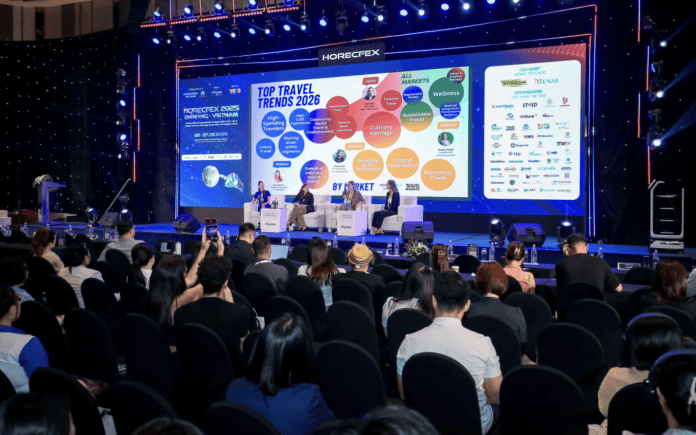
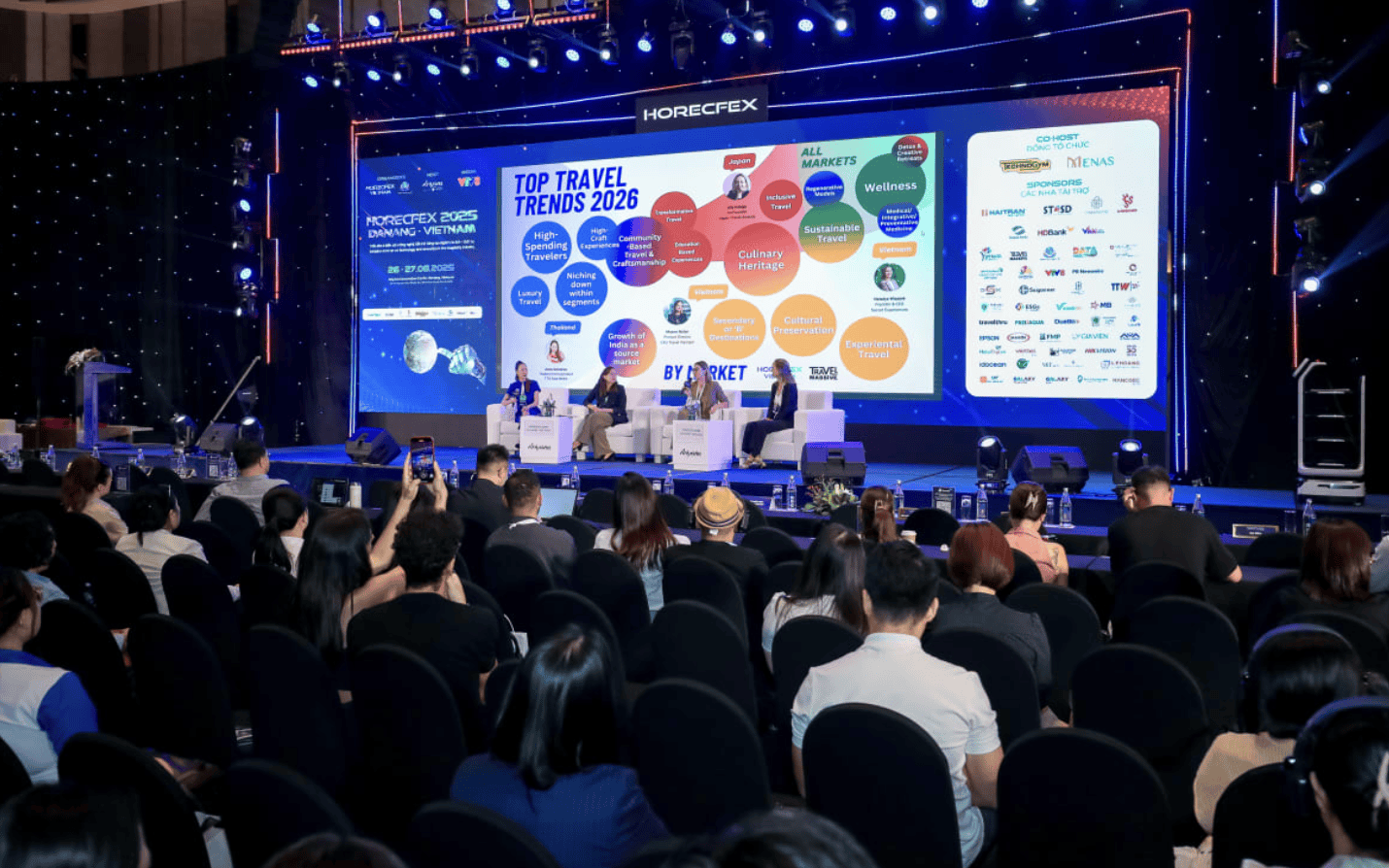
DA NANG, 30 July 2026: Travel Massive, a global travel networking community, has announced the full speaker lineup for its second annual Asia conference to be hosted in Da Nang, Vietnam, 21-22 August.
The two-day event will connect tourism operators and entrepreneurs, creators and key opinion leaders, and industry experts and media. Spaces to attend can be booked at this registration link.
Photo credit: Travel Massive Asia Conference.
Day one will be hosted at Furama Resort as part of the final day of the HorecFex convention, where Sean Mulhern, co-founder of One Life Adventures, will take the stage to discuss his founder journey and learnings. Panel discussions will cover topics such as SEO and AI Search Visibility for Travel Brands, The Creator Economy in Southeast Asia, and Top Travel Trends for 2027.
Attendees will also observe the Travel Startup Pitch Competition, where five entrepreneurial businesses operating in Southeast Asia’s tourism sector pitch their companies to a panel of judges as they compete for the top spot.
Travel Massive founder Ian Cummings says he’s looking forward to bringing the networking community’s Asia conference back to Da Nang, this time with the extended programme of facilitated masterclasses on day two.
“This is our second year partnering with HorecFex to offer our thought leadership sessions to their guests as well as to our own community members. The focus remains on connecting travel leaders operating in Southeast Asia, and this year we’re adding a programme of interactive masterclasses to nurture more innovation and collaboration,” says Cumming.
The new masterclass sessions will take place on day two at the five-star Namia River Retreat in Hoi An. Experts from Travel Massive’s network will lead the classes and share their expertise in small-group tourism and creator spaces. Topics for discussion include: How to Build a Tour Company People Can’t Stop Talking About, How to Become the Source Everyone Cites, and How to Monetise Your Social Media Audience.
Travel Massive Asia Conference 2026 speaker lineup
Brian Letwin – co-founder, CEO, Saigoneer and Urbanist Travel.
Ivy Nhi Chau – founder, Ivy+Partners.
Garth Adams – founder, I Want That Flight, and I Know The Pilot.
Keith Van – community and partnerships, Seats Aero.
SINGAPORE, 30 July 2026: WorldHotels, a global brand of independent luxury and lifestyle hotels within BWH Hotels, continues to grow its footprint with more than 40 hotels currently in development, building on the momentum of adding approximately 100 hotels in 2025.
As demand for premium travel continues to rise, with the market projected to grow from an estimated USD1.6 trillion in 2025 to USD3 trillion by 2033, WorldHotels is strengthening its network through branded residences, immersive outdoor hospitality, wellness retreats and distinctive independent hotels in sought-after destinations worldwide.
Photo credit: WorldHotels. Essensia Sky and Parkway Saigon, WorldHotels Residences
“Every addition to the WorldHotels portfolio represents more than growth; it represents a shared commitment to excellence,” said Ron Pohl, President of WorldHotels. “Independent hotel owners are increasingly seeking partners to help them compete without compromising the character and authenticity that sets their properties apart.
Spotlight: WorldHotels’ developments in Asia
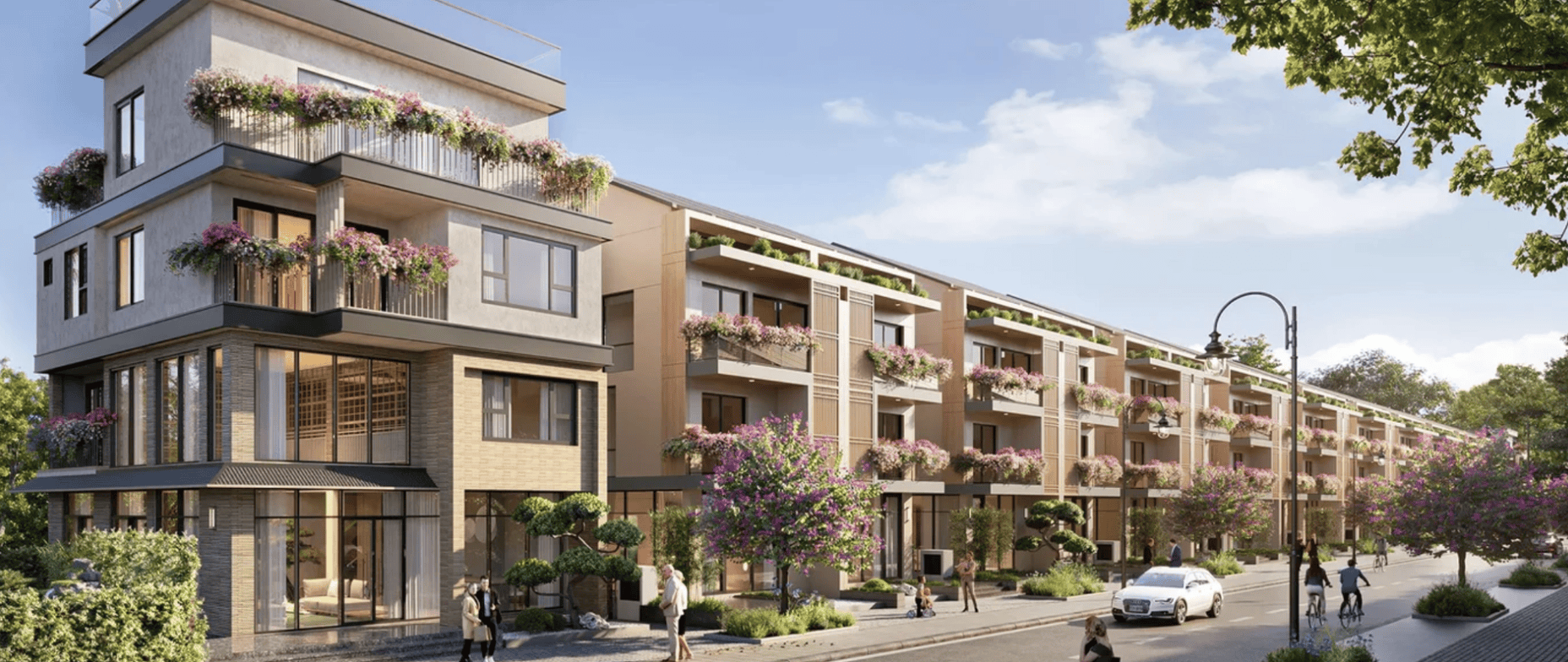
Essensia Sky and Parkway Saigon, Ho Chi Minh City, Vietnam: This project marks WorldHotels’ inaugural entry into high-end residential living, featuring 74 villas and 424 apartment units set to open in September. It’s a testament to the brand’s commitment to delivering elevated living experiences in bustling urban areas.
WorldHotels Long Beach Resort, Phu Quoc, Vietnam: This beachfront resort offers a luxurious island experience amid the stunning landscape of Phu Quoc. It reflects the brand’s focus on combining leisure with natural beauty.
Ecoland Hotel, WorldHotels Elite, Jeju Island, South Korea: Marking WorldHotels’ debut in South Korea, this contemporary luxury retreat emphasises nature-inspired design and premium amenities. It’s aimed at travellers seeking relaxation and immersion in their surroundings.
Resort Country Club, WorldHotels Distinctive, near Manesar, India: Positioned just outside New Delhi, this resort blends upscale leisure with recreational activities, including championship golf, introducing WorldHotels to India’s burgeoning premium hospitality market.
To support its expanding luxury portfolio, BWH Hotels continues to strengthen commercial resources for WorldHotels properties through its dedicated Upscale & Luxury Worldwide Sales division, connecting independent hotels with high-value corporate and leisure travel opportunities.
For more information about WorldHotels, visit WorldHotels’ development website.
About WorldHotels WorldHotels is a privately held hotel soft brand within the BWH Hotels global enterprise. Founded by independent hoteliers dedicated to the art of hospitality, WorldHotels offers one of the finest portfolios of independent hotels and resorts worldwide, expertly curated to inspire unique, life-enriching experiences that connect people and places. WorldHotels comprises five unique collections, each with its own personality and style to appeal to the needs of today’s traveller, from elevated oceanfront resorts and upscale city hotels to wellness retreats and glamping accommodations. The collections include: WorldHotels Luxury, WorldHotels Elite, WorldHotels Crafted, WorldHotels Distinctive and WorldHotels Backdrop. For more information, visit WorldHotels.com.
About BWH Hotels BWH Hotels is a leading global hospitality enterprise comprising three hotel companies — WorldHotels, Best Western Hotels & Resorts, and SureStay Hotels. The global enterprise boasts approximately 4,300 hotels in over 100 countries and territories, with 18 brands across every chain-scale segment, from luxury to economy. BWH Hotels suits the needs of developers and guests in every market.
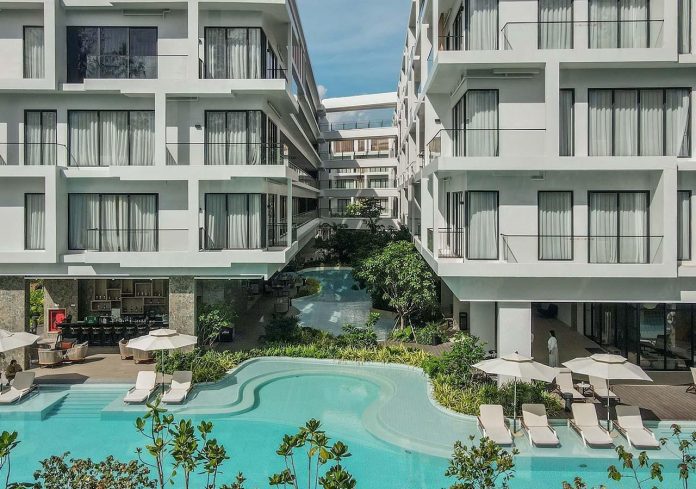
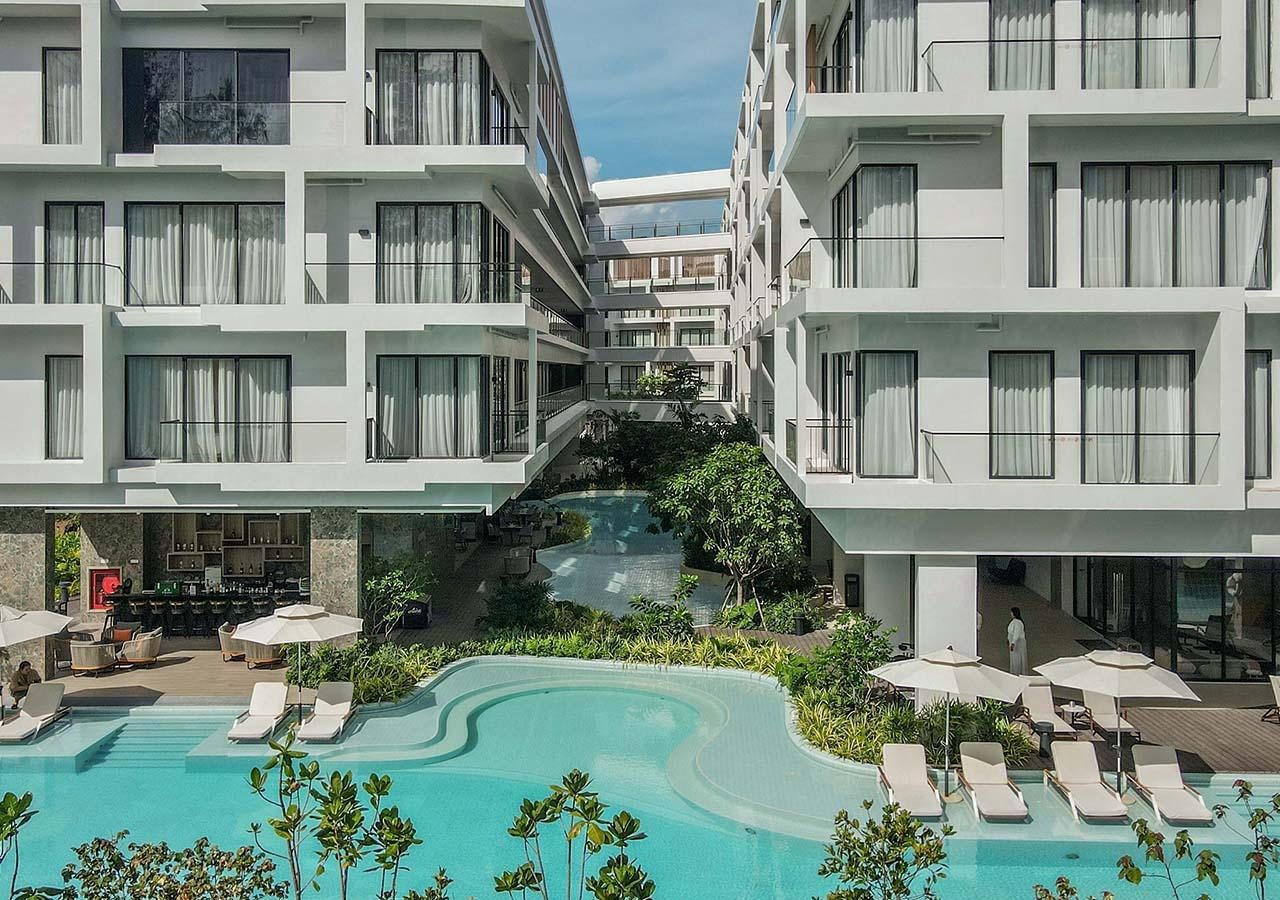
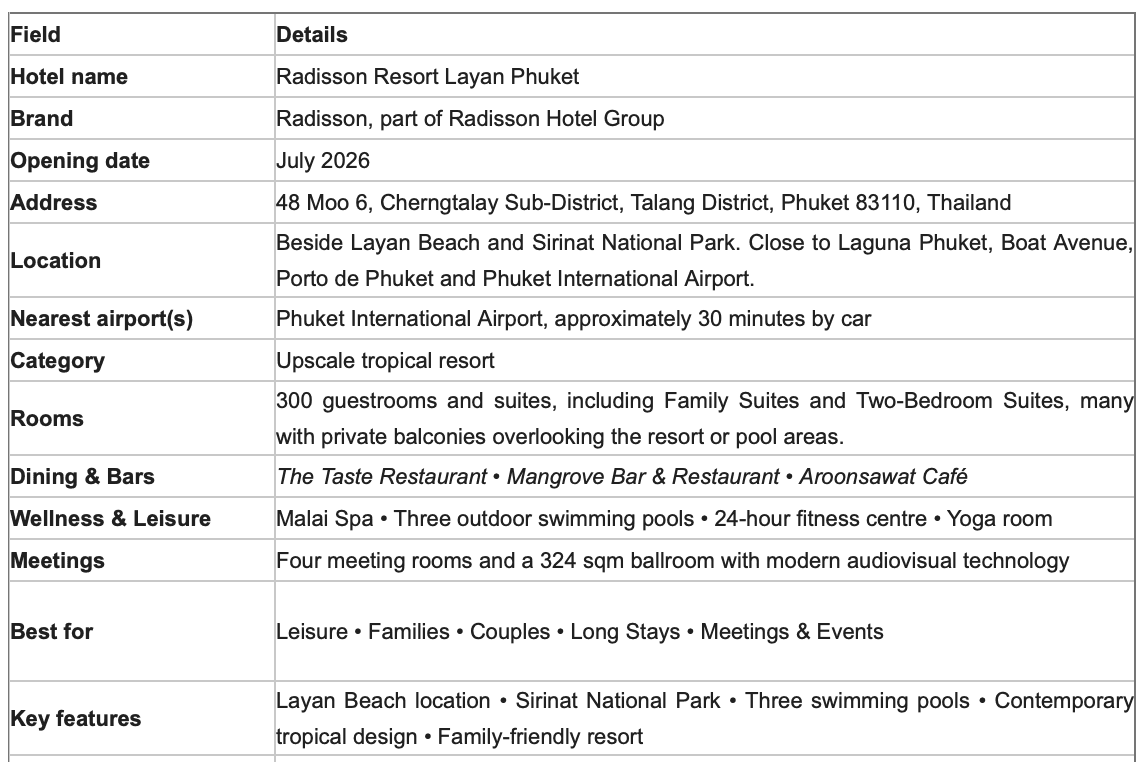
BANGKOK, 27 July 2026: Radisson Resort Layan Phuket welcomes guests to experience Phuket’s Layan Beach and the protected landscapes of Sirinat National Park.
The 300-room resort opened this month adjacent to Layan Beach and offers access to many of the destination’s attractions, such as Laguna Phuket, Boat Avenue, Porto de Phuket, championship golf courses, and stylish beach clubs, all within a 15-minute drive. Phuket International Airport is approximately a 30-minute drive away.
Photo credit: Radisson Hotel Group.
Designed around wellbeing and relaxation, the resort offers a range of facilities for guests seeking restorative experiences.
The Malai Spa provides a peaceful space inspired by traditional Thai wellness, offering signature massages and aromatherapy treatments. Guests can also maintain their fitness routines in the fully equipped 24-hour fitness centre, complete with dedicated yoga facilities and modern cardio and strength-training equipment.
Visitors can uncover Phuket’s rich cultural heritage in Old Phuket Town, visit the historic Wat Phra Thong temple, experience authentic local life in Bang Rong Community or discover hidden coastal gems including Banana Beach and Leam Son Beach.
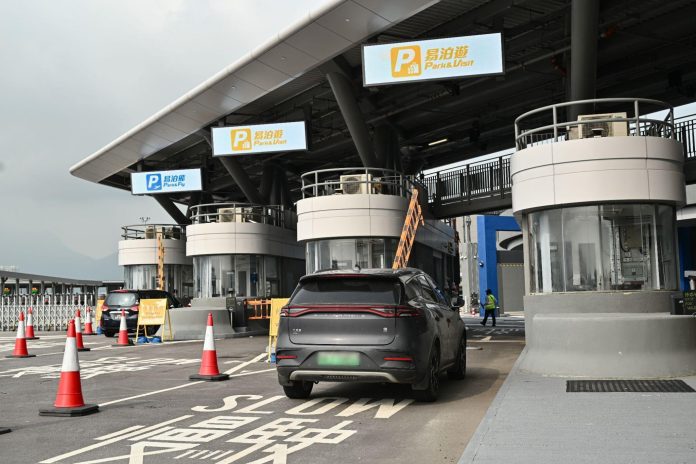
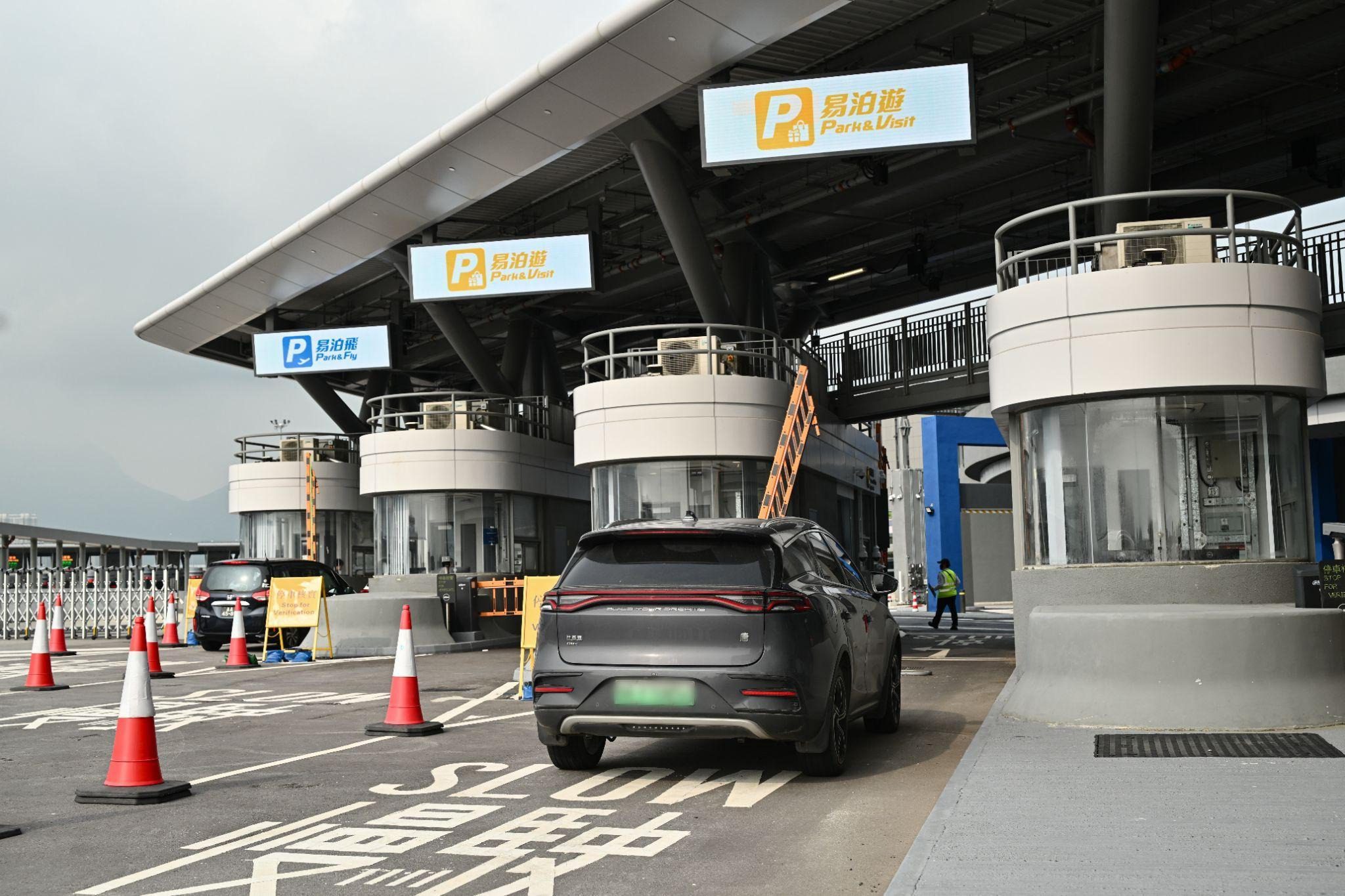
HONG KONG, 27 July 2026: Hong Kong International Airport (HKIA) has launched “Park & Visit”, a new service that enables eligible Greater Bay Area (GBA) visitors to drive to Hong Kong via the Hong Kong-Zhuhai-Macao Bridge (HZMB) and park the vehicles conveniently before visiting Hong Kong at the Hong Kong Port.
The launch of “Park & Visit” follows the expansion of the Southbound Travel Scheme to all nine Mainland GBA cities. The newly added Mainland cities are Shenzhen, Dongguan, Huizhou, Foshan and Zhaoqing, joining Guangzhou, Zhongshan, Zhuhai and Jiangmen.
Photo credit: HKIA. Park and visit Hong Kong
Applications for “Park & Visit” opened on 16 July for eligible vehicles from the nine Mainland GBA cities and Macao. Successful applicants may drive via the HZMB to the automated car park operated by Airport Authority Hong Kong (AAHK) in the restricted area on the Hong Kong Port Island.
The visitors may then leave their vehicles with the automated parking system, take a shuttle to the Passenger Clearance Building of the Hong Kong Port to complete immigration procedures, and continue their journeys across Hong Kong by public transport. On their return, visitors will retrieve their vehicles after completing departure clearance at the Hong Kong Port and drive back via the HZMB.
A welcome event was led by Mable Chan, Secretary for Transport and Logistics; Winnie Tse, Commissioner of Transport; and Steven Yiu, Executive Director, Airport Operations of AAHK, who greeted the first “Park & Visit” users from Guangzhou on 16 July.
Chan said: “We thank AAHK for its continued support for ‘Southbound Travel for Guangdong Vehicles’. The launch of ‘Park & Fly’ at the end of last year marked the first step in this initiative, connecting two world-class infrastructure projects — the Hong Kong-Zhuhai-Macao Bridge and Hong Kong International Airport. Today’s launch of ‘Park & Visit’ marks another milestone. Eligible private car owners from Guangdong and Macao, who have booked and confirmed a parking space, can park their vehicles at the fully automated car park at the Hong Kong Port and enjoy an impromptu trip to Hong Kong. Today is also the first day of the expanded arrangements for visitors from more cities to drive into Hong Kong’s urban area, with the daily quota for pre-booked trips doubled to 200 vehicles. I encourage visitors to make use of the park-and-ride arrangement when travelling into the urban areas and explore the charms of Hong Kong’s districts through our world-class public transport system.”
Yiu said, “‘Park & Visit’ provides a convenient option for visitors to leave their vehicles at our fully automated car park at the Hong Kong Port and then visit different attractions on Lantau Island by public transport. We are working with business partners on Lantau and other supporting organisations to offer discounts and other privileges, with a view to attracting more visitors to Hong Kong and injecting added momentum into tourism.”
Meanwhile, HKIA’s “Park & Fly” service, launched in November last year, has also been extended to cover the entire GBA. Eligible passengers from the nine Mainland GBA cities can now drive via the HZMB to the automated car park and fly from HKIA to global destinations without having to go via Hong Kong immigration procedures. Applying advanced technology to ensure efficiency and security, the automated car park developed and operated by AAHK for “Park & Fly” and “Park & Visit” is Hong Kong’s first fully automated parking service.
SINGAPORE, 27 July 2026: Research from digital travel platform Agoda has found that Gen Z travellers across Asia are making travel a more regular, experience-led part of their lives, creating new business opportunities for banks, airlines and loyalty platforms.
Insights derived from a survey of Asian travellers conducted as part of Agoda’s 2026 Travel Outlook report show that Gen Z say their travel is primarily driven by experiences, with cultural exploration (32%), outdoor activities (30%) and culinary discoveries (28%) among the top motivations.
Partners can respond by curating destination-specific experiences, offering exclusive member benefits such as attraction or activity discounts, dining privileges, and bundled travel packages that reflect how younger travellers plan their trips. Delivering these experiences within the loyalty platform helps transform rewards from transactional benefits into meaningful travel experiences.
Nearly three in four Gen Z travellers (73%) plan to take between one and six trips a year, and 86% opt for stays of one to seven days. These shorter, more frequent trip preferences create multiple engagement opportunities for loyalty partners throughout the year. As travel becomes more frequent, banks, airlines and financial service providers have an opportunity to extend the value of their existing loyalty programmes by bringing earn and redeem into the booking flow. They can also surface personalised travel offers based on destination preferences or booking history while integrating flights and activities directly into their apps or digital platforms.
Beyond convenience and experiences, sustainable travel is also becoming an increasingly important consideration for younger travellers. Agoda’s 2026 Sustainable Travel Survey found that 23% of Gen Z travellers say they choose to travel during off-peak periods to reduce their environmental impact, while 38% actively seek accommodations with recognised sustainability certifications.
For airlines, this presents an opportunity to stimulate demand during off-peak travel periods through exclusive member fares and targeted loyalty campaigns.
Banks can curate sustainable travel collections within their rewards marketplaces, allowing cardholders to redeem points for certified accommodations and responsible travel experiences.
Loyalty programmes can make sustainability a more visible part of the member journey by highlighting certified properties, offering bonus rewards for eligible bookings or enabling members to filter for sustainable stays. By embedding these options directly into their travel platforms, partners can better align their loyalty propositions with Gen Z’s evolving values while encouraging more responsible travel choices.
“Gen Z is changing what travel loyalty needs to feel like,” said Rocket Travel by Agoda Chief Commercial Officer Damien Pfirsch. “They plan around experiences and expect a straightforward path from discovery to booking. The opportunity here is to make travel feel native within the platform’s existing experience, so members can see value clearly, book with confidence and use rewards across the trip. Programs must also be thoughtful about surfacing offers that align with their growing budget and sustainability values. When travel feels like a natural extension of the loyalty experience, partners can increase engagement and build stronger long-term customer relationships.”
Through white-label travel infrastructure, partners can integrate Agoda’s global inventory of accommodations, flights and activities into their loyalty programmes, allowing members to search, book, earn and redeem rewards without leaving the partner’s platform.
Agoda’s strategic partnerships arm, Rocket Travel by Agoda, has supported partner-branded travel experiences for loyalty programmes, including Southwest Airlines’ Rapid Rewards and China Airlines’ new StayMiles platform.
SINGAPORE, 27 July 2026: The International Air Transport Association (IATA) has confirmed the appointment of Saadia Zahidi to the position of Director General effective from 1 November 2026.
Zahidi will be IATA’s ninth Director General and the first woman appointed to hold the position. She joins IATA from the World Economic Forum (WEF) where she is a Managing Director and Member of the Managing Board.
Photo credit: IATA. Saadia Zahidi.
Willie Walsh, IATA’s current Director General, will conclude his duties on 31 July 2026. The IATA Board of Directors has appointed Sandrine Le Borgne, IATA’s Chief Financial Officer and Senior Vice President for Corporate Services, as Interim Director General for the intervening period.
In a press statement released last week, the IATA Board said Zahidi’s outstanding experience at the World Economic Forum “will enhance and strengthen IATA as the voice of the world’s airlines.”
Global air transport is a trillion-dollar industry that has and continues to change the world for the better. Her appointment comes at a moment of significant change in the international environment. Technology and geopolitics, among others, will reshape the industry in the future, and she brings the right skills to effectively articulate what the industry needs to continue connecting people and economies safely, efficiently and sustainably.
“I am honoured to help advance IATA’s mission to represent, lead and serve the airline industry at this pivotal moment. Aviation is critical infrastructure for economic growth, trade, tourism, jobs, investment and opportunity. In a rapidly changing world, IATA’s role in bringing the industry together to collaborate through trusted standards, essential services and advocacy has never been more important.
I look forward to working closely with our member airlines, governments and the ecosystem of partners to build on IATA’s remarkable foundation, ensuring aviation continues to connect the world while embracing innovation, strengthening resilience and advancing sustainable growth. Together, we can expand the benefits of connectivity to more people and economies around the world. My top priority will be working with the IATA team and with the industry to build aviation’s future together,” said Zahidi.
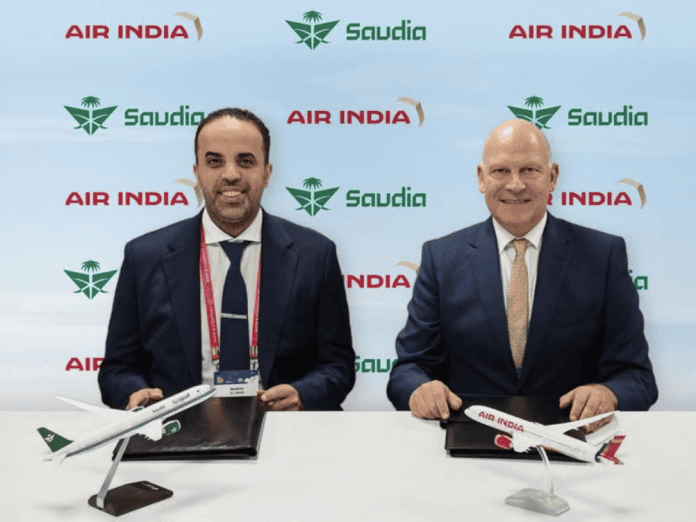
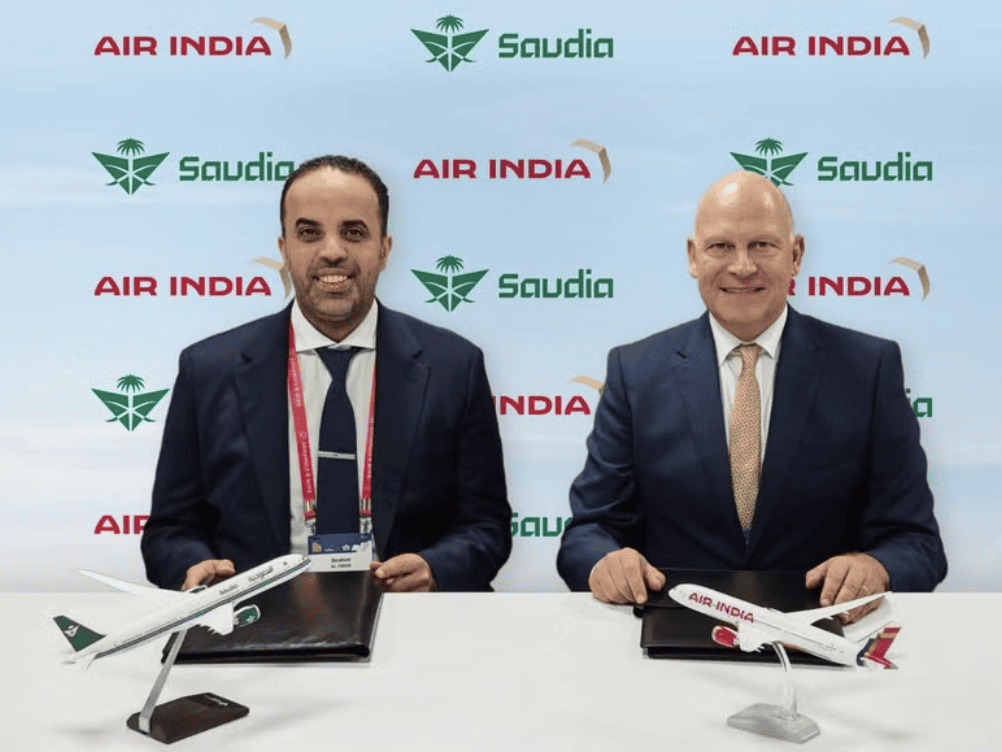
NEW DELHI, 27 July 2026: Air India and Saudia have signed a Memorandum of Understanding (MoU) to expand strategic cooperation between the two airlines. Building on their existing codeshare agreement, the MoU aims to strengthen connectivity between Saudi Arabia and India while supporting the continued growth of travel between the two countries.
The agreement was signed by HE Engr Ibrahim Al-Omar, Director General of Saudia Group, and Campbell Wilson, Chief Executive Officer and Managing Director of Air India.
Photo credit: Air India.
The MoU sets out a phased approach to developing the partnership. Areas of cooperation include expanding the existing codeshare agreement, improving connectivity across both airlines’ networks, exploring terminal co-location and exploring further operational and commercial opportunities, including cooperation between their loyalty programmes.
The two parties will also assess opportunities to extend the partnership in the future to other airlines within their respective groups, including flyadeal and Air India Express.
Air India Chief Executive Officer and Managing Director Campbell Wilson said: “The relationship between India and Saudi Arabia continues to strengthen across multiple dimensions, creating significant opportunities for aviation to play an even greater role in connecting people, businesses, and the economies of the two nations. As carriers serving rapidly growing markets, Air India and Saudia are well positioned to deepen this relationship through closer collaboration. Together with Saudia, we look forward to exploring a range of new opportunities that will deliver greater value to our respective customers while supporting our long-term growth objectives.”
The Memorandum of Understanding establishes a framework for the continued development of the relationship between Saudia and Air India, creating opportunities to expand cooperation across multiple areas as both airlines continue to strengthen their international networks and respond to growing demand for travel between Saudi Arabia and India.