

YANGON, 22 June 2026: Mekong Tourism Forum 2026 successfully brought together tourism leaders, policymakers, development organisations, academics, entrepreneurs, artists, and community representatives from across the Greater Mekong Subregion under the theme “Tourism for People, Travel with Purpose.”
Hosted by the Ministry of Hotels and Tourism of Myanmar, in collaboration with the Mekong Tourism Coordinating Office (MTCO), the forum provided a platform for dialogue, knowledge exchange, and regional cooperation to advance people-centred tourism throughout the region.
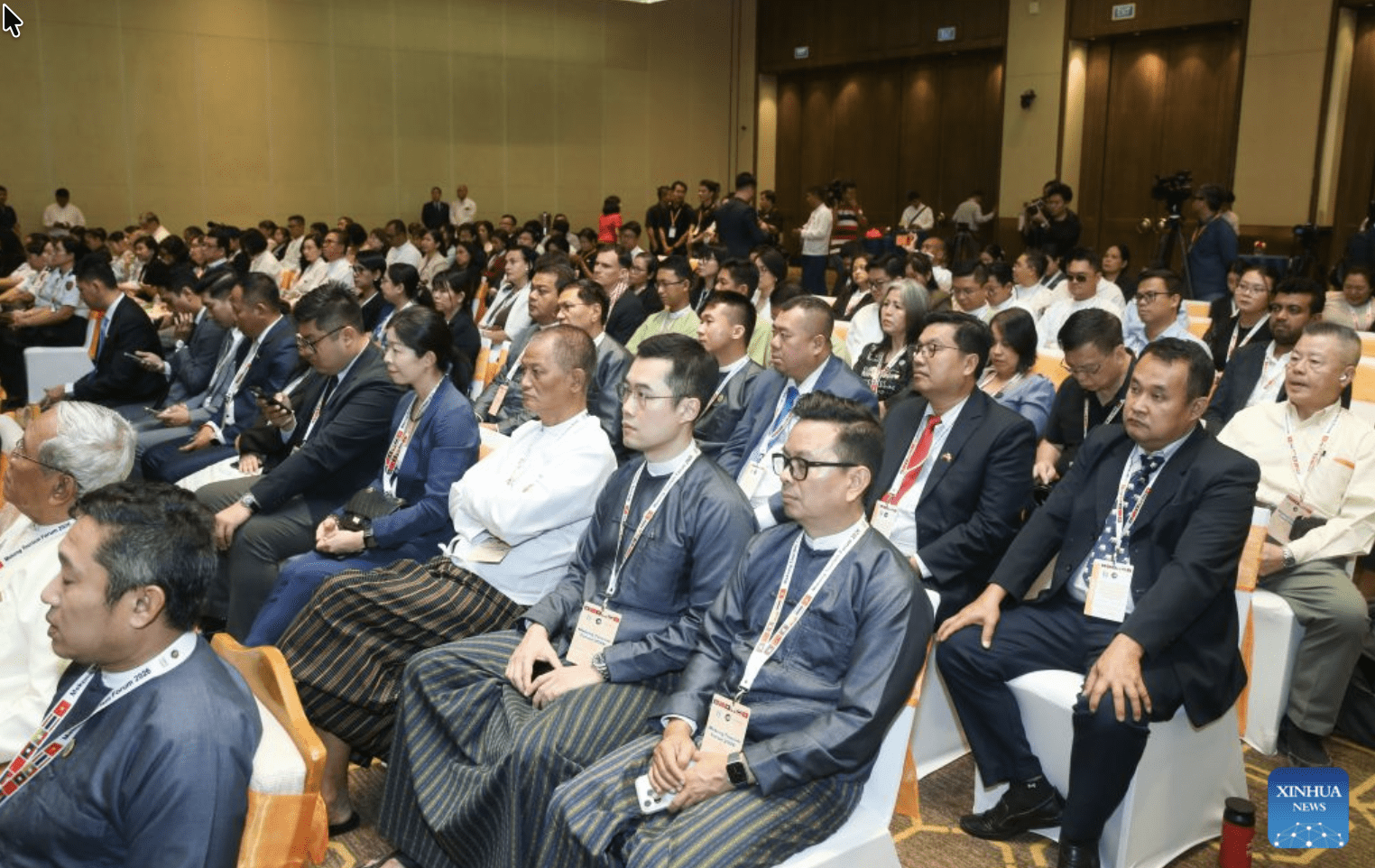
Held at the Pan Pacific Hotel from 16 to 18 June, the forum explored how tourism can contribute to community well-being, cultural preservation, environmental stewardship, economic opportunity, and stronger regional partnerships.
Bringing the Mekong region together
The forum opened with remarks from Union Minister of Hotels and Tourism of Myanmar, Maung Myint and Huot Hak, Minister of Tourism of Cambodia, who highlighted the importance of tourism cooperation and sustainable development across the Greater Mekong Subregion.
Welcoming delegates on behalf of MTCO, Executive Director Suvimol “Dee” Thanasarakij emphasised the importance of collaboration among governments, tourism businesses, development agencies, educational institutions, and local communities in shaping a more resilient and inclusive future for tourism.
Throughout the forum, Suvimol leadership helped foster meaningful dialogue among stakeholders from across the region while reinforcing MTCO’s ongoing role in supporting tourism cooperation and knowledge sharing within the Greater Mekong Subregion.
Behind the scenes, the successful delivery of the forum was supported by MTCO Operations Manager Sasithorn Chantarklum (“Aey”), whose professionalism, attention to detail, and tireless dedication helped ensure a seamless experience for delegates, speakers, exhibitors, and partners throughout the event.
Exploring the future of purpose-driven travel
The forum’s keynote address was delivered by Masaru Takayama, Chairperson of the Global Ecotourism Network and Advisor to the Asian Ecotourism Network.
Takayama encouraged delegates to consider tourism through the interconnected pillars of Conservation, Community, Culture, and Commerce, highlighting the importance of balancing economic development with environmental protection and community well-being.
Chattan Kunjara Na Ayudhya, Head of Country Representative Thailand for AirAsia MOVE, explored evolving traveller expectations and the growing demand for authentic, meaningful, and purpose-driven travel experiences.
Drawing from both professional and personal experience, Chattan shared a memorable story from a visit to Yangon in which a ticket seller at Shwedagon Pagoda greeted him with the simple words, “Welcome, brother.” The story resonated strongly with delegates and illustrated the power of genuine hospitality and human connection in creating memorable travel experiences.
Community-based tourism expert Wanvipa Phanumat shared practical lessons from tourism initiatives rooted in local communities. At the same time, Eddy Krismeidi Soemawilaga, President of the ASEAN Tourism Association, discussed the importance of connectivity, aviation, and regional cooperation in supporting tourism growth and development throughout the Mekong region.
Putting people at the centre of tourism
A key highlight of the forum was the panel discussion “People at the Centre of Tourism,” moderated by Graham Harper, Director of Clickable Impact.
The discussion explored inclusion, accessibility, workforce development, leadership, women’s participation, community empowerment, and equitable tourism development.
Panellists included:
- Thiri Aung, CEO and Founder, Women Transforming Myanmar;
- Phan Thanh Ha, Project Manager, Association of Southeast Asian Social Enterprises for Training in Hospitality and Catering (ASSET-H&C);
- Sokny Onn, CEO, Epic Arts and Accessibility Advisory Committee Member, Yale University;
- Koko Tang, Founder, Colourful Earth and Head of Global Impact Measurement, World Sustainable Hospitality Alliance.
Drawing on her experience leading a network of more than 5,000 women entrepreneurs, Thiri Aung highlighted the importance of access, voice, and opportunity for women within the tourism sector.
“Invest in women, when women thrive, communities thrive,” she said.
Phan Thanh Ha emphasised the importance of education, training, and workforce development in creating opportunities and supporting the growth of inclusive tourism.
Sokny Onn contributed an accessibility perspective, highlighting the need to ensure tourism opportunities and experiences are accessible to people of all abilities.
Koko Tang discussed the interconnections among biodiversity, culture, local livelihoods, and tourism, encouraging destinations to move beyond traditional economic measures of success.
“Tourism should not only promote places; it should help steward them as living landscapes,” she noted.
Together, the panel demonstrated that people-centred tourism requires meaningful participation, inclusive decision-making, capacity building, and long-term commitment to community well-being.
Celebrating living culture and creative expression
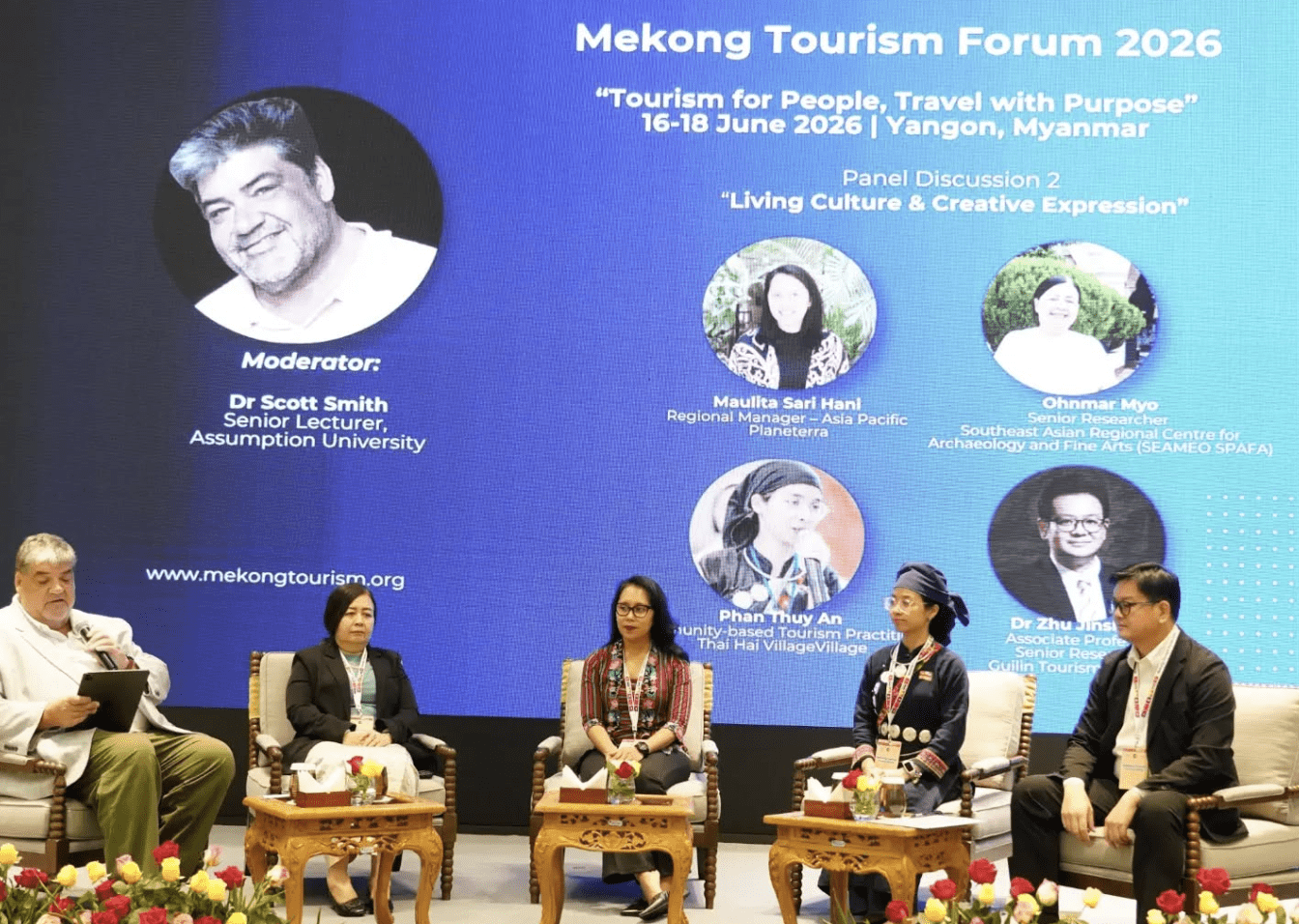
The forum’s second panel discussion, “Living Culture & Creative Expression,” examined how tourism can support the preservation, interpretation, and celebration of living culture.
Moderated by Dr Scott Smith, Senior Lecturer, Assumption University (and author of this report), the panel featured:
Zhu Jinsheng (“Jason”), Guilin Tourism University;
Thuy An Phan, Thai Hai Village, Vietnam;
Maulita Sari Hani, Planeterra;
Ohnmar Myo, SEAMEO SPAFA.
The discussion explored how communities can remain at the centre of cultural tourism while ensuring traditions, heritage, creativity, and local identity continue to thrive.
Ohnmar Myo highlighted the importance of community knowledge and heritage stewardship, while Maulita Sari Hani shared lessons from community tourism initiatives that create long-term social, environmental, and economic benefits.
Representing Thai Hai Village, recognised by UN Tourism as one of the world’s Best Tourism Villages, Thuy An Phan spoke passionately about the role of love, community, and connection in sustaining culture and creating meaningful tourism experiences.
“With love, we can do anything. Love creates our village. Love for nature can create meaningful tourism,” she said.
Zhu Jinsheng reinforced the importance of people-oriented tourism and the role of communities, educators, entrepreneurs, and residents in shaping authentic visitor experiences.
Showcasing the culture and creativity of the Mekong Region
Beyond the conference sessions, delegates explored the region’s cultural richness through the GMS Gastronomy Tourism Exhibition and the Art for Tourism exhibition.
The gastronomy exhibition showcased culinary traditions, local products, food entrepreneurs, and cultural experiences from across the Greater Mekong Subregion. Through food, delegates experienced the stories, traditions, and identities that continue to shape the region’s tourism offerings.
The Art for Tourism exhibition, curated by Jaffee Yee and featuring works by Myanmar artists Arkar Myo, Sai Pyae Sone Aye, and Aung Htet Lwin, presented artistic interpretations of iconic destinations including Shwedagon Pagoda, Bagan, Inle Lake, and Mandalay Palace.
Together, the exhibitions demonstrated how food, art, culture, and creativity can enrich visitor experiences while supporting local communities and preserving cultural heritage.
Experiencing Myanmar beyond the conference
The forum also included a technical tour to Bago, located approximately 80 kilometres northeast of Yangon.
As the former capital of the Hanthawaddy Kingdom, Bago offered delegates an opportunity to explore Myanmar’s rich cultural heritage while examining how tourism can contribute to heritage preservation and community development.
The visit connected many of the forum’s discussions with real-world examples of cultural tourism in practice.
Throughout the week, delegates also experienced Yangon’s hospitality and the professionalism of the Pan Pacific Yangon.
Under the leadership of General Manager Hasitha Manthriratne, the hotel team played a key role in creating a welcoming environment for participants. Special recognition was also given to Mr Kaung Min Khant, whose exceptional guest service and attention to detail left a lasting impression on many delegates.
Looking ahead to MTF 2027
The forum concluded with a symbolic handover ceremony held at Pan Pacific Yangon.
Representing the Ministry of Hotels and Tourism of Myanmar, Khaing Mee Mee Htun, Deputy Director General of the Directorate of Hotels and Tourism, formally presented the Mekong Tourism Forum flag to Witchanee Vuthipongse, Expert on Tourist Attraction Development and Acting Director of the Division of Tourism Professional Development, representing Thailand’s Ministry of Tourism and Sports.
The handover officially marked the transition from Myanmar, host of MTF 2026, to Thailand, which will welcome delegates to Chiang Rai for the Mekong Tourism Forum 2027.
As participants departed Yangon, they carried with them new partnerships, fresh ideas, and a renewed commitment to advancing tourism that benefits people, communities, culture, and the environment.
The discussions, experiences, and relationships built throughout the Mekong Tourism Forum 2026 reinforced a shared vision for the future of tourism across the Greater Mekong Subregion, one that places people at the heart of travel and purpose at the centre of tourism development.
(Source: Dr Scott Smith, Senior Lecturer, Assumption University, Bangkok)