

BANGKOK, 5 January 2026: As 2026 begins, travel is becoming more personal than ever, and two trends stand out in the headlines.
After more than three decades in hospitality and extensive travel across Asia, I recognise holidays are no longer just about escape. Travel today reflects how people live, what they value, and who they want by their side as they explore the world in search of memorable experiences.
The first emerging trend is the growing popularity of travelling with pets, which is now widely regarded as a form of family travel rather than as animal transport. The second is the rapid rise of fandom travel, particularly driven by music and pop culture, with K-pop at the forefront.
Travelling with pets, from niche to normal

During my many visits to hotels in Thailand, I have observed a steady increase in the number of guests travelling with pets. This is especially evident in resort destinations, where space, greenery, and relaxed environments make travelling with animals both practical and enjoyable.
It is essential to understand that this shift is driven by emotion rather than convenience. Many travellers now plan holidays around their pets’ needs. For them, leaving a dog or cat behind no longer feels right. Travel is about shared experiences, and pets are integral to that story.
A strong example of this thoughtful approach is Hyatt Regency Hua Hin. On several visits, I have seen the resort embrace pet-friendly travel in a way that feels natural and well-managed. Designated pet-friendly rooms are equipped with practical amenities, including pet beds, bowls, and towels, and offer easy access to outdoor areas. The beachfront setting is ideal for morning walks, and clear guidelines help ensure comfort and harmony for all guests.
What I find most encouraging is that this is not about merely allowing pets. It is about genuinely welcoming them. Hotels that do this well benefit from longer stays, repeat visits, and strong guest loyalty. Many pet owners are also willing to pay more for accommodation that reduces travel stress and allows their pets to enjoy the holiday.
Fandom travel and the power of pop culture
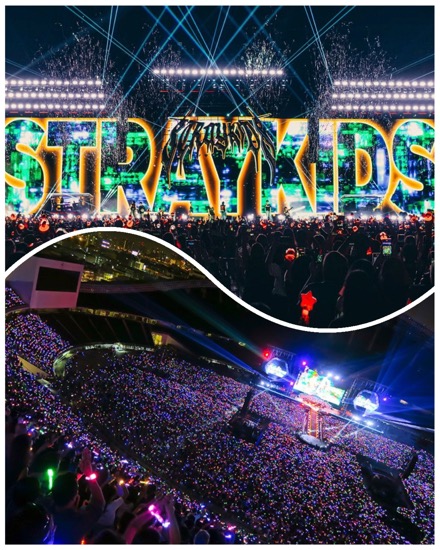
Alongside pet-inclusive travel, I have also seen the rapid rise of fandom-driven journeys. Younger travellers in particular are planning trips around concerts, festivals, and pop culture events rather than traditional sightseeing.
K-pop has become one of the most powerful drivers of this movement. Fans are travelling specifically to attend concerts, participate in fan events, and experience destinations associated with their favourite artists. These trips are often spontaneous and emotionally charged, with visitors extending their stays to explore the city around the main event. Bangkok, in particular, has firmly positioned itself as a regional hub for large-scale concerts and fan gatherings.

From a tourism perspective, fandom travel is highly valuable. It encourages off-peak travel, generates intense social media exposure, and creates emotional bonds with destinations. Travel becomes a form of self-expression rather than simply a break from routine.
Looking ahead
2026 will see a growing shift towards slower, more intentional travel. Short wellness breaks, rail journeys, and nature-led escapes will continue to gain appeal as travellers actively seek balance rather than speed. I also observe a rising interest in multi-generational travel, in which families stay together for extended periods, blending work, rest, and reconnection. AI-assisted planning will become more intuitive and less visible, quietly helping travellers personalise journeys without overwhelming them. At the same time, sustainability will move beyond marketing language and become an expectation rather than a choice. Guests will increasingly look for hotels and destinations that demonstrate responsible practices in simple, practical ways rather than grand promises. The future of travel lies in experiences that feel calmer, more human, and genuinely aligned with how people want to live.
Emotional Future Trends That Matter
What links travelling with pets, fandom travel, and emerging lifestyle-led journeys is emotion. People want holidays that reflect who they are and what they care about. Technology may make planning easier, but emotion ultimately drives decision-making.
As we step into 2026, the most successful destinations and hotels will be those that listen closely to modern travellers and design experiences around real lives and real passions. Travel today is no longer separate from everyday life. It is an extension of it.
About the author
Andrew J Wood is a British-born travel writer, hospitality consultant, and former hotelier who has lived and worked in Asia for more than three decades. Based in Thailand since 1991, he has held senior leadership roles with international hotel groups. He is a former Director of Skål International, Past President of Skål International Asia, Skål International Thailand, and a two-time Past President of Skål International Bangkok. Andrew writes regularly for global travel and hospitality publications, focusing on tourism trends, sustainable development, and the evolving relationship between travel, culture, and community across the Asia-Pacific region.
(Source and photo credits: AJW)