SINGAPORE, 3 August 2026: Princess Cruises’ 2028 Alaska season will feature 185 departures across 14 itineraries aboard eight ships, including the Star Princess — from glacier-rich voyages and wildlife-filled ports to cruisetours and Princess Wilderness Lodge stays near some of the state’s most celebrated national parks.
Princess Cruises has been sailing to Alaska since 1969, giving the brand nearly six decades of experience creating cruise and land vacations.
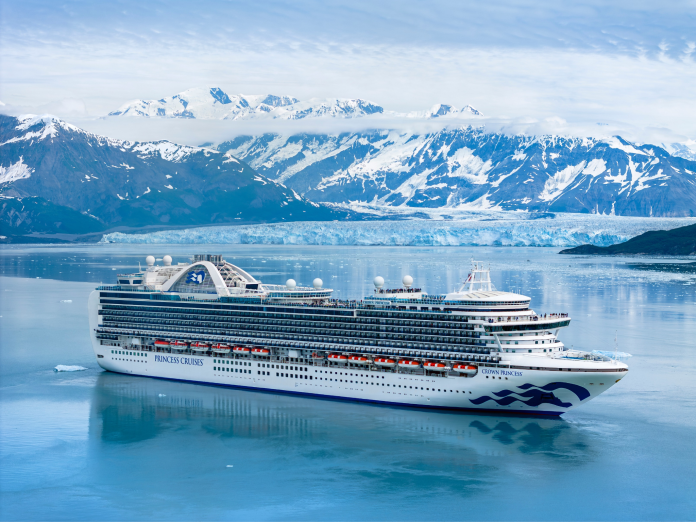
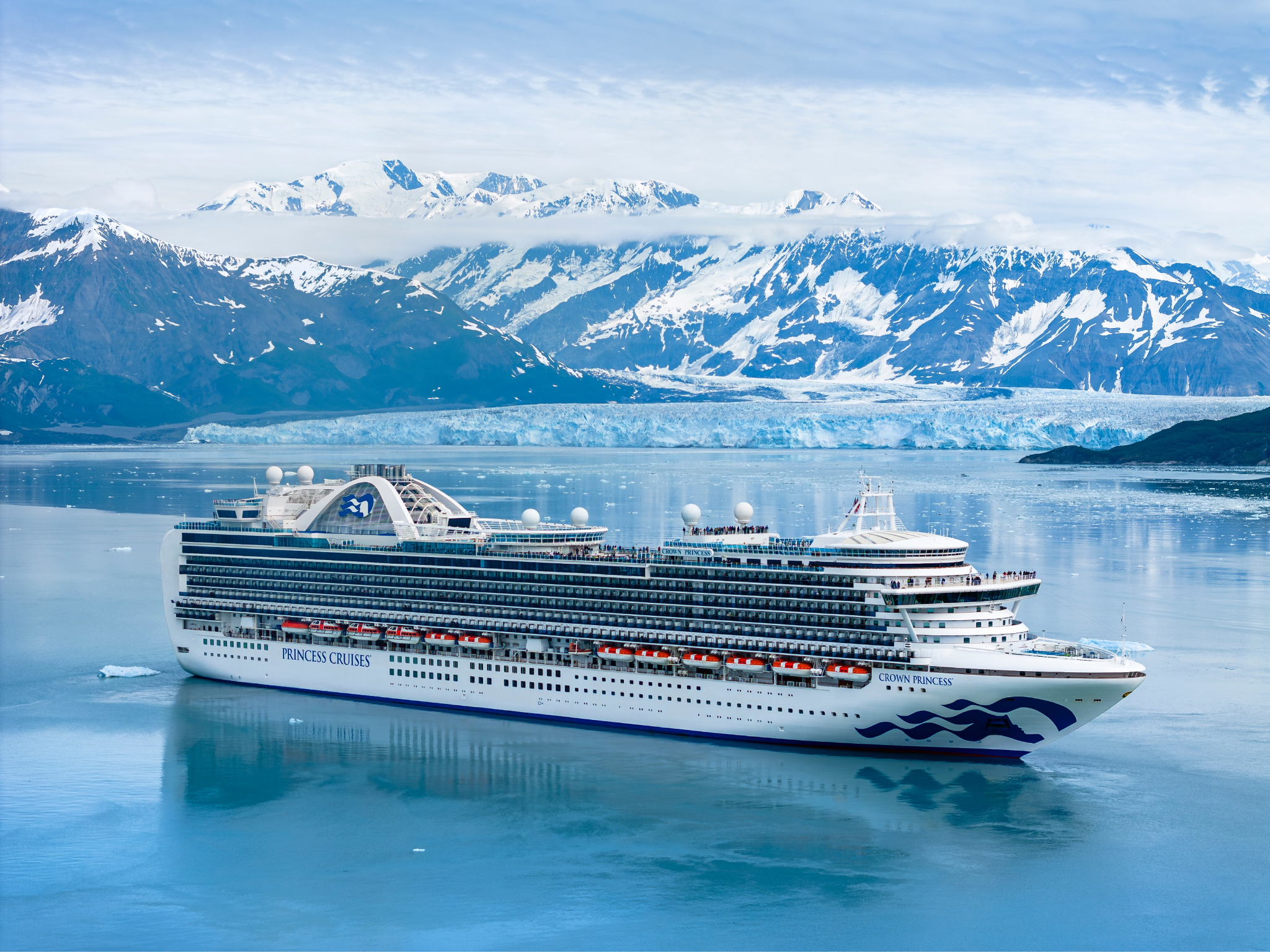
Photo credit: Princess Cruises. Crown Princess is one of eight ships sailing Alaska.
The 2028 Alaska season features eight ships, including the new Star Princess as well as Discovery Princess, Emerald Princess, Royal Princess, Coral Princess, Crown Princess, Island Princess, and Ruby Princess.
Departures from Seattle, Vancouver, British Columbia, Anchorage (Whittier), San Francisco and Los Angeles. Visits to 16 destinations, including Juneau, Ketchikan and Skagway. Scenic cruising through four of Alaska’s most spectacular glacier regions: Glacier Bay National Park, Hubbard Glacier, College Fjord, and Endicott Arm & Dawes Glacier.
86 visits to Glacier Bay National Park, a UNESCO World Heritage site
Princess’ celebrated Voyage of the Glaciers itineraries remain the hallmark of the Alaska season, sailing between Anchorage (Whittier) and Vancouver, British Columbia. These one-way voyages showcase some of Alaska’s most spectacular scenery, including visits to iconic ports such as Juneau, Ketchikan and Skagway, with many itineraries featuring two glacier-viewing experiences and opportunities to combine the cruise with an immersive land-based cruisetour.
Roundtrip Inside Passage – Convenience from Desirable Homeports
Guests can also choose from a wide variety of roundtrip Inside Passage voyages departing from Seattle, Vancouver, British Columbia, San Francisco and Los Angeles, offering a convenient way to experience Alaska’s glaciers, wildlife and picturesque coastal communities. Ideal for first-time Alaska travellers, roundtrip Inside Passage voyages offer a convenient, approachable way to experience the region’s glaciers, wildlife and coastal communities from desirable West Coast homeports.
For guests who want to go beyond the coastline, Princess cruisetours combine the ease of a cruise with multiple nights on land, offering a seamless way to experience Alaska’s interior, national parks and Princess Wilderness Lodges in one vacation.
BANGKOK, 3 August 2026: Microsoft’s outstanding second quarter results have restored investor confidence in artificial intelligence while delivering encouraging news for the global travel and tourism industry, where AI is becoming an increasingly important driver of innovation and growth.
The technology giant’s latest earnings provided investors with the proof many had been seeking that massive investment in AI infrastructure is producing measurable commercial returns rather than simply increasing costs.
Artificial intelligence – the next major step in travel and tourism’s evolution.
The company reported stronger-than-expected growth in its Azure platform, demonstrating that demand for AI services continues to accelerate and translate into higher revenues.
Azure is Microsoft’s cloud computing platform, similar to Amazon Web Services (AWS) from Amazon and Google Cloud from Google.
Think of Azure as a vast global network of data centres that provides computing power, storage and artificial intelligence services over the internet.
For AI, this is especially important because it:
Hosts AI models such as OpenAI’s ChatGPT for businesses.
Provides the computing power needed to train and run AI systems.
Enables companies to build their own AI applications without needing to own expensive supercomputers.
Stores and processes enormous amounts of data.
The company also reaffirmed its commitment to substantial AI capital expenditure, while customer demand still exceeds available computing capacity, indicating that the industry’s expansion is far from complete.
Investors responded enthusiastically. Microsoft shares rose about 15 to 16 per cent following the announcement, adding almost US$450 billion in market value in a single trading session, the largest one-day increase ever recorded by a public company.
The results helped answer one of the market’s biggest questions following the recent semiconductor correction: would the world’s largest cloud providers begin cutting AI investment?
The answer was a clear no.
This demonstrated that AI is already driving significant growth and confirmed that companies intend to continue investing aggressively to meet rising demand.
Travel and Tourism’s relationship with AI.
Amazon added further support by reporting strong performance in Amazon Web Services while increasing planned AI investment to approximately US$220 billion for 2026. Although Meta’s results this week highlighted pressure on free cash flow and margins from heavy AI spending, it also maintained its long-term commitment to AI development.
Together, these announcements helped trigger a strong recovery in semiconductor shares, including South Korean leaders SK hynix and Samsung Electronics, both major suppliers of advanced high-bandwidth memory chips that power AI systems.
Why this matters for travel and tourism
Having worked in hotels and tourism for more than four decades, I have witnessed countless technological advances, from the arrival of computerised reservations to the internet, online booking platforms and mobile travel. Artificial intelligence represents the next major step in that evolution.
From my own experience, I have seen AI move rapidly from being an interesting concept to becoming a practical tool used every day across the travel and hospitality industry.
Hotels are increasingly using AI to respond more quickly to guest requests, improve customer communications and assist staff in delivering more personalised service. Airlines are applying AI to optimise schedules, predict maintenance needs, and improve operational efficiency, while destinations and travel companies are embracing intelligent systems to enhance customer engagement and simplify planning.
Perhaps most encouraging has been the enthusiasm shown by a new generation of hospitality professionals. Since the industry’s rebuilding following the Covid-19 pandemic, I have observed many younger colleagues naturally embracing AI in their daily work. Whether preparing reports, analysing data, improving communication, or responding more efficiently to guests, they use these tools not to replace personal service but to enhance it.
I have also seen AI increasingly supporting hotels, restaurants and airport front-line customer contacts. From information services and concierge assistance to handling requests and responding more quickly to service demands, AI is helping hospitality professionals spend less time on routine tasks and more time focusing on customers and guests.
In my view, this can only be positive.
The hospitality industry has always been about people. AI will never replace genuine warmth, empathy or personal attention. Instead, I believe it enables staff to spend more time doing what they do best: looking after customers.
Microsoft’s latest results therefore represent far more than another impressive technology earnings report. They reinforce confidence that investment in the digital infrastructure supporting AI will continue, giving travel and tourism businesses access to increasingly powerful tools that can improve service, productivity and the overall guest experience.
For an industry built on creating memorable experiences, that is welcome news indeed.
About the Author Andrew J Wood is a Bangkok-based travel writer, media executive and former hotel general manager with more than four decades of experience across Asia’s hospitality and tourism industries. A former Director of Skål International, Past President of Skål Asia and Past President of Skål International Thailand and Bangkok, he is currently Vice President of Skål International Bangkok. A respected commentator on travel, aviation, hospitality and business trends, he has received Skål International’s Order of Merit and Membre d’Honneur in recognition of his contribution to global tourism. His articles are widely published in leading regional and international media.
SONGKHLA, Thailand: 3 August 2026: The Tourism Authority of Thailand (TAT), Thailand Gastronomy Network and HUG — Hatyai University Gastronomy Lab will invite international audiences into a live culinary exchange on 5 August, using curry pastes, local stories and shared Asian ingredients to spotlight Songkhla as an emerging gastronomy destination.
The inaugural World Kitchen of Spices: Thailand × Indonesia will stream live from Songkhla, connecting chefs, educators, tourism professionals, students, entrepreneurs and food lovers in Thailand, Indonesia, Hong Kong and beyond. Participants can cook along or join in a Watch & Learn format.
World Kitchen of Spices links Thailand, Indonesia and Hong Kong on 5 August as The Bold Flavour shares Southern Thailand’s culinary heritage with global audiences.
The Hong Kong Polytechnic University will join the World Kitchen Club livestream as a programme partner, represented by Chef Samantha Tam, Instructor at its School of Hotel and Tourism Management.
A live platform for Thai culture and destination storytelling
The livestream will also mark the official launch of The Bold Flavour | Tam Rot Songkhla, a destination campaign jointly driven by TAT, the Thailand Gastronomy Network and HUG. The campaign invites travellers to experience Songkhla through its ingredients, communities, culinary traditions and creative food culture while giving local hosts a stronger platform to reach international audiences.
Led by Asst. Prof Dr Jutamas “Jan” Wisansing, Founder and President of the Thailand Gastronomy Network and Strategic Lead of HUG, the programme will compare Southern Thai curry paste with Indonesia’s rempah and sambal traditions. Rather than following a recipe-first cooking-show format, it will explore how place, trade, migration, belief and family memory shape the meaning of food.
“Thailand and Indonesia share centuries of culinary exchange through spices, trade and culture,” said Indonesia Gastronomy Network President Vita Datau. “The World Kitchen of Spices opens a new platform for cultural diplomacy, learning and collaboration that celebrates our shared heritage while respecting our unique identities.”
Turning food heritage into visitor value
The initiative builds on Songkhla’s THB 50.66 billion visitor economy in 2025, generated by 6,968,599 visitor trips, according to preliminary data from the Ministry of Tourism and Sports. In the first half of 2026, the province recorded THB27.51 billion from 3,841,886 visitor trips. International visitors represented 52.5% of trips and generated THB 15.09 billion.
At the heart of The Bold Flavour is a network of 47 Founding Gastronomy Experience Designers, including chefs, farmers, artisans, producers, community enterprises, cafés, local businesses and cultural hosts. Their prototypes span lagoon and coastal food journeys, halal gastronomy, heritage cafés, traditional recipes, artisan products, community dining and local beverage culture.
HUG will shortlist and refine 10 to 15 Signature Gastronomy Experiences with clearer propositions, pricing and tools that connect local hosts with buyers. The aim is to increase value per trip and retain more visitor spending among local producers, farmers, chefs, craftspeople and communities.
“HUG is more than a laboratory; it is a living platform where research meets communities, creativity meets culture, and local knowledge becomes meaningful visitor experiences,” Dr Wisansing said. “Through Kitchen Club, The Bold Flavour and our network of gastronomy experience designers, we aim to position Songkhla as a living classroom and international meeting place for gastronomy innovation, where local flavours inspire global conversations.”
Regional partners extend the story
The Indonesia Gastronomy Network is the initiative’s strategic partner. The Hong Kong Polytechnic University joins as a program partner, while the World Tourism Association for Culture and Heritage and the Responsible Tourism Development Academy are supporting partners.
Krungthai Card Public Company Limited (KTC) is the campaign’s privilege partner, helping turn campaign interest into travel planning and local spending through participating Songkhla restaurants. View KTC Songkhla dining privileges.
Recorded content will support future educational resources, recipes, ingredient guides and cross-cultural learning. Future World Kitchen editions may explore fermentation, rice cultures, coffee and tea, honey and terroir, halal kitchens, coastal ingredients and wellness traditions.
Event details
Programme: Kitchen Club by TGN presents Let’s Cook The Place – #SongkhlaEdition Featuring The World Kitchen of Spices: Thailand × Indonesia
Date: 5 August 2026
Time: 1330–1445 Thailand time (UTC+7)
Format: Live interactive experience via Zoom
Broadcast hub: HUG – Hatyai University Gastronomy Lab, Songkhla
Participation: Choose Cook Along or Watch & Learn
Registered participants will receive a World Kitchen e-booklet, exclusive recipes, an ingredient guide and live Zoom access.
SINGAPORE, 3 August 2026: Viking will launch Chinese-language cruises in Northern Europe next year, betting on the growing demand in China for slower-paced and more immersive overseas holidays.
Two ocean itineraries will begin operating in April 2027, making them the first Northern European voyages designed specifically for Chinese-speaking guests. This comes as international cruise operators seek to tap a boom in China’s outbound travel market, particularly among affluent consumers looking beyond conventional group tours.
Photo credit: Viking.
“More than 100,000 Chinese guests have travelled with Viking, making China an important source market for our global fleet,” Viking China managing director Brendan Tansey told China Daily. He added that the company is confident in China’s premium travel market.
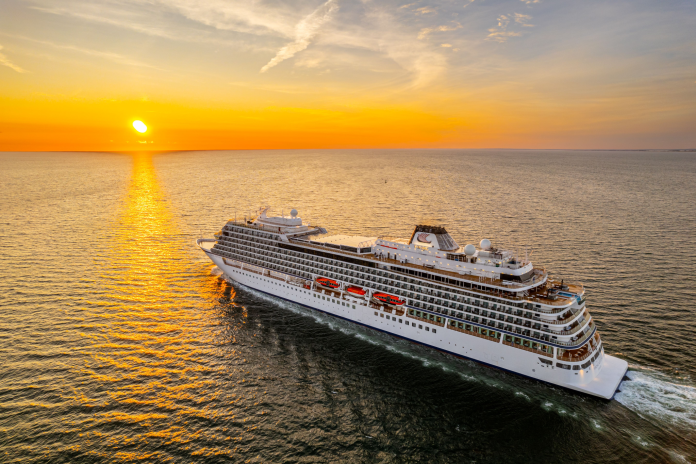
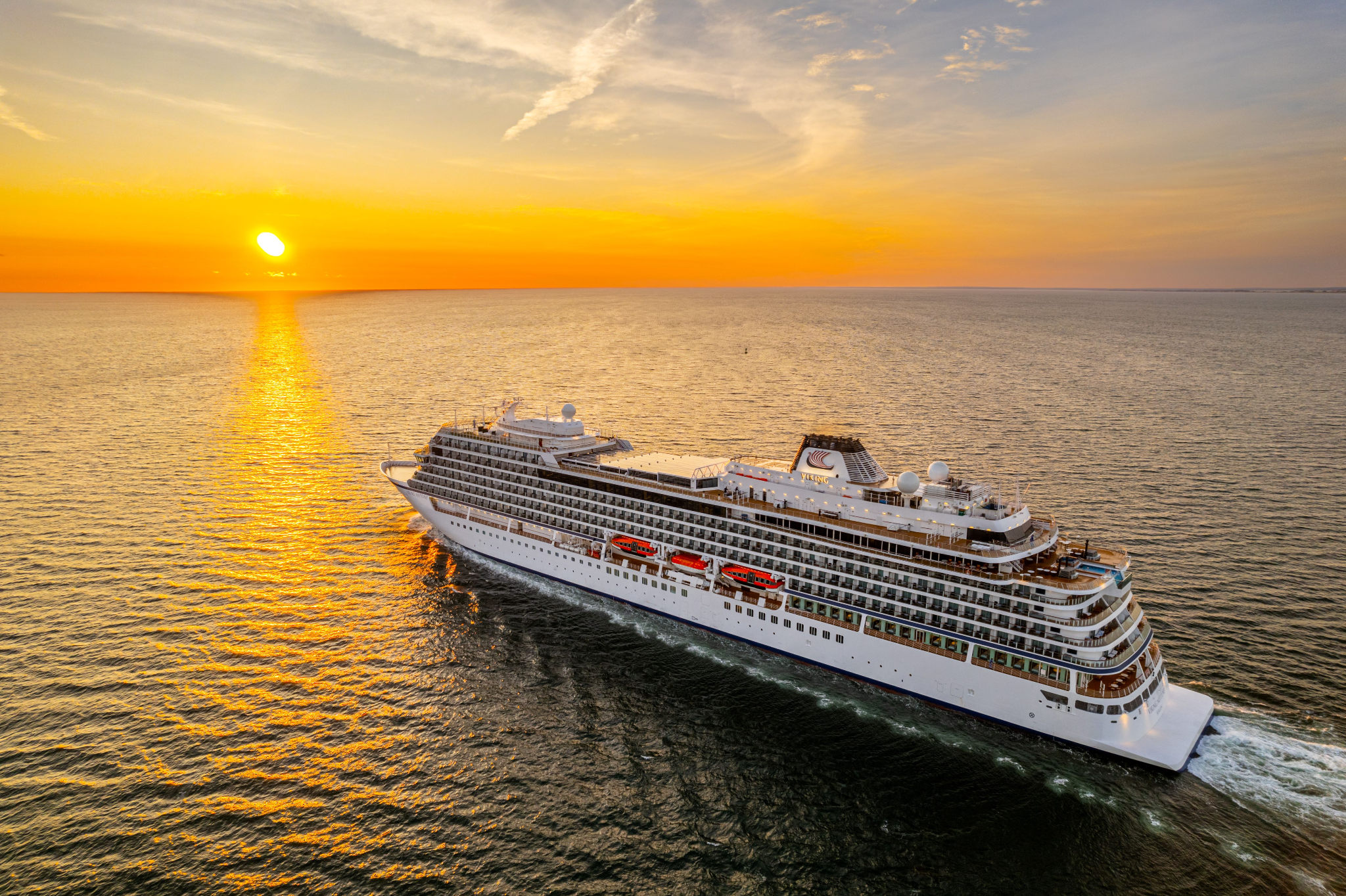
Its 930-guest ocean vessel, Viking Yidun, provides Chinese-language signage, entertainment systems, hotel services, and shore assistance, as well as Chinese electrical outlets, kettles, and a mix of Chinese and Western food.
Mediterranean season
The expansion follows the company’s launch of Chinese-language Mediterranean cruises on Viking Yidun, which will be sailing her first Mediterranean season from August this year until March 2027. The ship will offer eight- to 22-day regional sailings covering Western and Eastern Mediterranean ports, spanning nine countries including Italy, Spain, Greece, Turkey, France, Monaco, Croatia, Montenegro, and Slovenia.
The ship is currently sailing her first 60-day transcontinental voyage, which started in Shanghai in early June and will arrive in Barcelona in early August in time to start her maiden Mediterranean season.
Viking Yidun will continue to operate Chinese-language Mediterranean voyages during the winter of 2027 and will offer more than 10 combined ocean voyages, including a 60-day journey from Athens to Stockholm that covers 18 countries and 40 cities.
New itineraries for Northern Europe
The new routes comprise a 15-day voyage from Oslo to Stockholm, covering three Nordic capitals, Norwegian fjords, Berlin and destinations along historic Hanseatic trade routes, and a 14-day voyage from Lisbon to Oslo along Europe’s Atlantic coast.
Viking China will also introduce land-tour extensions in Oslo, Stockholm and Reykjavik.
14-Day repositioning cruise from Lisbon to Oslo: The itinerary departs on 9 April 2027 and includes visits to nine cities, including Porto (overnight), A Coruña and Bilbao in Spain; Pauillac and Bordeaux (overnight) in France; Le Havre in France; Zeebrugge in Belgium; and Kristiansand in Norway, before arriving in Oslo (overnight).
15-Day Viking Nordic Discovery: Oslo to Stockholm. Sailing dates — 22 April, 17 June, 15 July and 12 August.
Stockholm to Oslo sailing dates — 6 May, 3 June, 29 July and 26 August Seven Countries | 12 Destinations | 12 Shore Excursions and Experiences.
Guests will spend the night on board in Oslo before it sails to the Norwegian ports of Kristiansand, Bergen, Eidfjord, and Stavanger, then arrives in Copenhagen for another overnight before sailing the following morning to Warnemünde (Berlin). After which, the ship will visit Rønne, Bornholm, Denmark; Gdansk, Poland; Klaipeda, Lithuania; and Riga, Latvia, before arriving in Stockholm for another overnight stay.
15-Day Viking Nordic Discovery: There will be two Extended Journeys on 20 May and 1 July, each with an additional stop in Gothenburg, bringing the total to 13 destinations.
Oslo to Stockholm — Sailing date: 20 May Stockholm to Oslo — Sailing date: 1 July Seven Countries | 13 Destinations | 12 Included Shore Excursions and Experiences.
Begins in Oslo and travels through Norway, Denmark, Germany, Poland, Lithuania, Latvia, and Sweden. Explore the Nordic capitals of Copenhagen and Stockholm, and visit Gothenburg, Sweden’s second-largest city and the birthplace of Volvo.
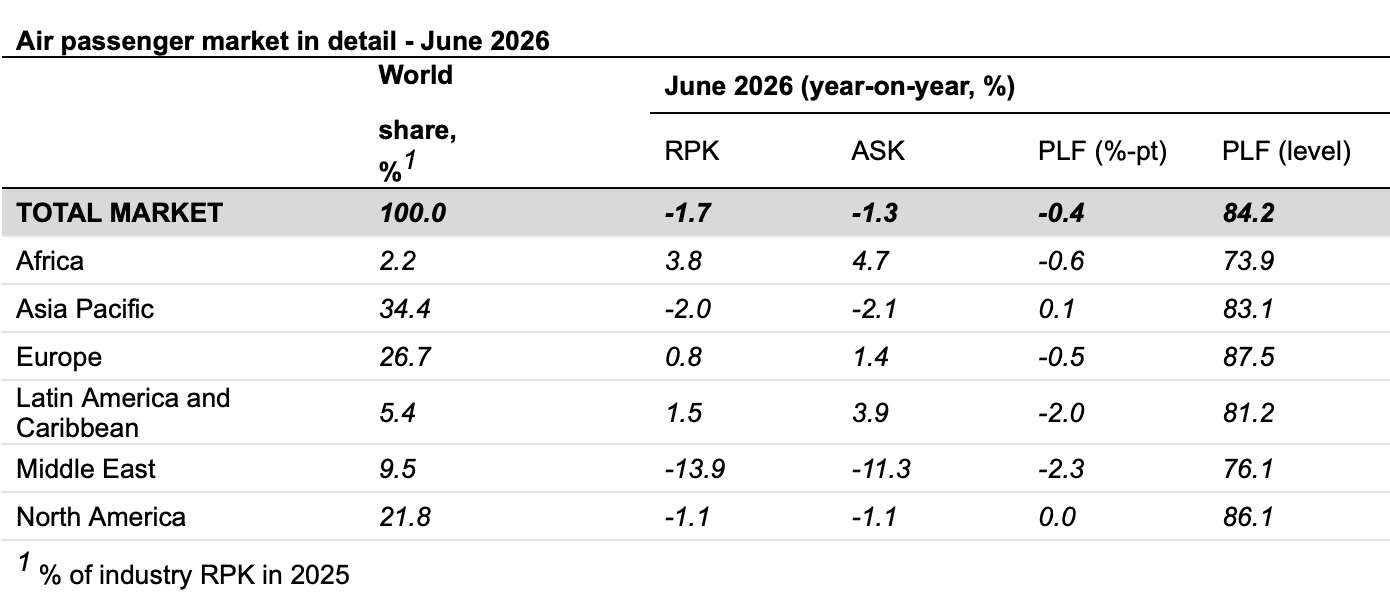
SINGAPORE, 3 August 2026: The International Air Transport Association (IATA) released data for June 2026 indicating that total global passenger demand, measured in revenue passenger kilometres (RPK), declined by 1.7% compared to June 2025.
Total capacity, measured in available seat kilometres (ASK), decreased 1.3% year-on-year. The load factor was 84.2% (-0.4 ppt compared to June 2025).
International demand fell 0.9% compared to June 2025. Excluding the Middle East, demand grew by 1.1%. Capacity was down 0.6% year-on-year, and the load factor was 84.2% (-0.2 ppt compared to June 2025).
“Global demand for air travel was down 1.7% in June compared to 2025. This is largely due to domestic market declines in China, the US and Japan, and weak but improving international demand for Middle East carriers. While performance in the Middle East improved, renewed tensions will not help the region’s recovery, and the knock-on impact of rising fuel prices will continue to burden travellers with higher airfares.
People continue to travel, which is an important contributor to global economic growth. There is no doubt, however, that stabilising the situation in the Middle East and normalising oil supplies would improve prospects for airlines, economies and societies the world over,” said IATA’s Director General Willie Walsh.
Regional Breakdown — International Passenger Markets
International RPK fell 0.9%, with capacity falling 0.6%. Excluding the Middle East, international traffic was up 1.1%.
Asia-Pacific airlines achieved a 0.4% year-on-year increase indemand. Capacity decreased 1.1% year-on-year, and the load factor was 84.0% (+1.3 ppt compared to June 2025). Slower growth was a result of some carriers cutting back on short-haul routes due to higher fuel prices (capacity on international routes within Asia was down 4.8%).
European carriers saw a 1.5% year-on-year increase in demand. Capacity increased 2.0% year-on-year, and the load factor was 87.1% (-0.5 ppt compared to June 2025). Growth on the Europe-Asia corridor was 11.0%, the fastest growth among all major international route corridors.
North American carriers saw a 1.0% year-on-year decrease in demand. Capacity decreased 0.7% year-on-year, and the load factor was 86.9% (-0.3 ppt compared to June 2025).
Middle Eastern carriers saw a 14% year-on-year decrease in demand. Capacity fell 11% year-on-year, and the load factor was 76.3% (-2.6 ppt compared to June 2025). The impacts of the Iran war continue to cause a highly negative year-on-year traffic comparison, but the rate of decline halved month-to-month since April. This reflects both the gradual normalisation of airline operations across the region and the lower comparison base, as traffic in June 2025 was impacted by the military strikes that month.
Latin American airlines achieved a 3.5% year-on-year increase in demand. Capacity climbed 6.3% year-on-year. The load factor was 81.6% (-2.2 ppt compared to June 2025).
African airlines saw a 6.7% year-on-year increase in demand. Capacity was up 7.0% year-on-year. The load factor was 74.2% (-0.3 ppt compared to June 2025).
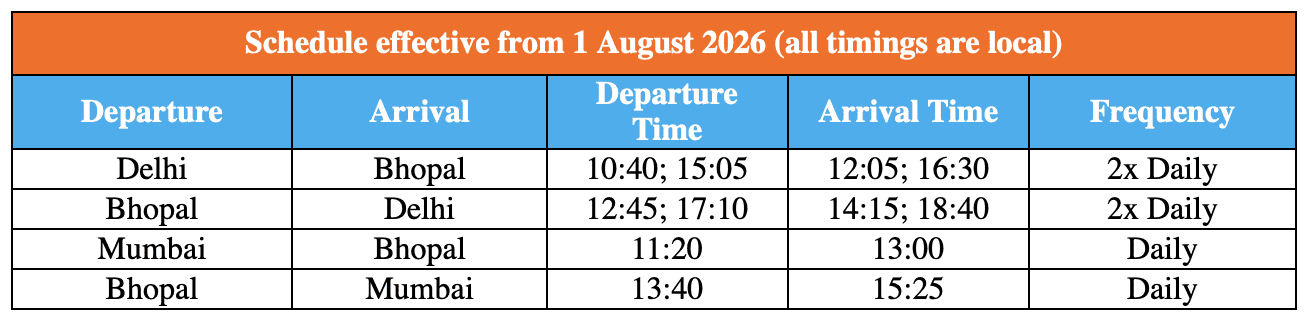
NEW DELHI, 3 August 2026: Air India Express commenced operations on Saturday from Raja Bhoj Airport, Bhopal, with the launch of two daily flights to Delhi and a daily flight to Mumbai, strengthening connectivity from Madhya Pradesh’s capital.
The inaugural flight to Delhi departed Raja Bhoj Airport at 1245 and arrived at Indira Gandhi International Airport at 1415. The first flight to Mumbai departed Bhopal at 1340 and landed at Chhatrapati Shivaji Maharaj International Airport at 1525.
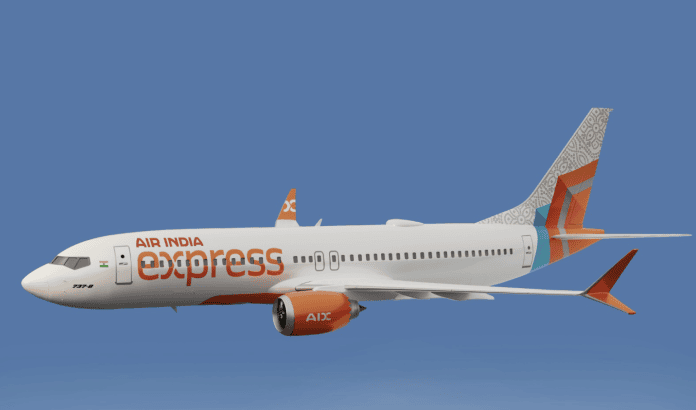
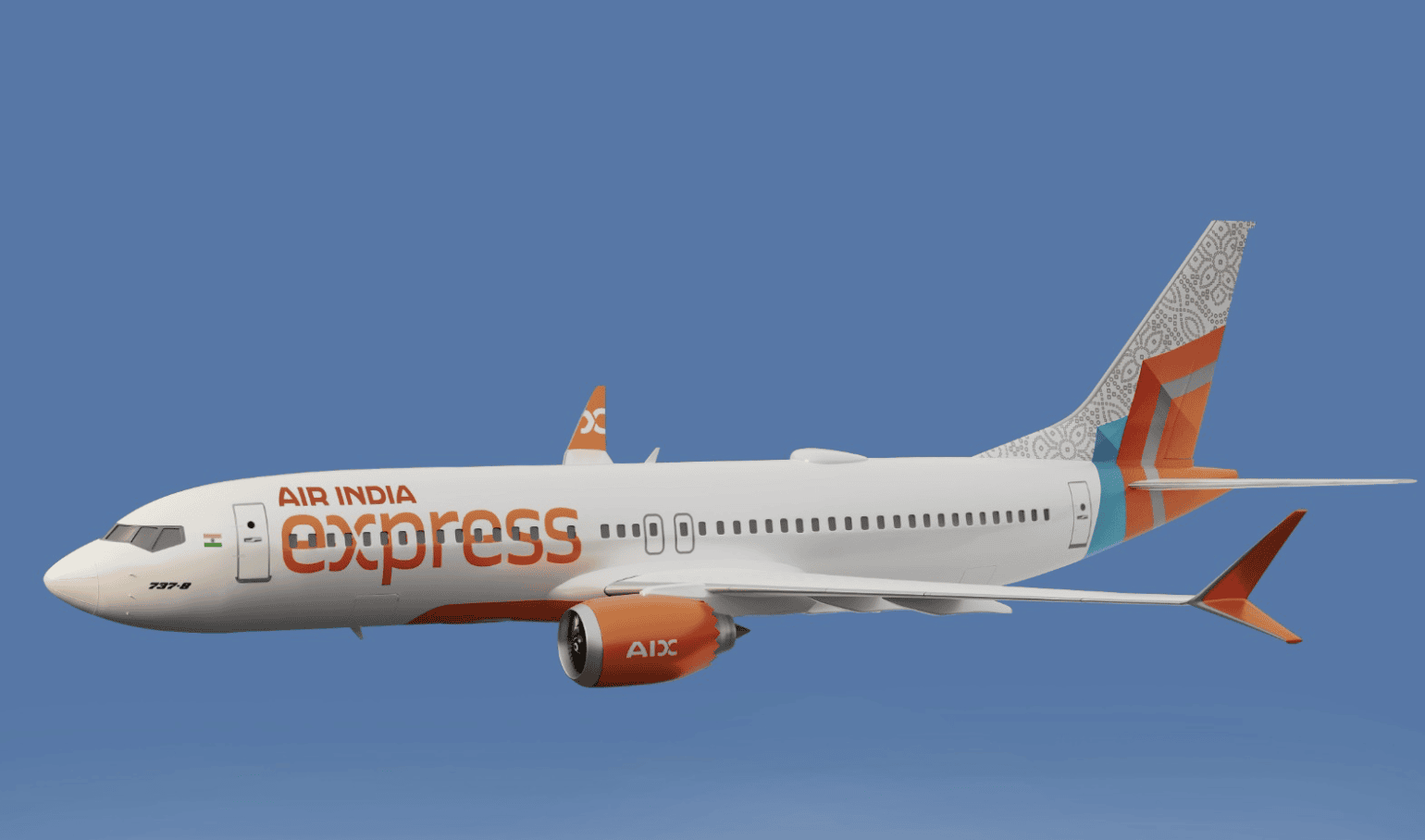
Photo credit: Air India Express.
Bookings for these flights are open on airindiaexpress.com, the Air India Express mobile app, and other major booking channels.
Air India Express recently strengthened Madhya Pradesh’s international connectivity by launching direct flights between Indore and Abu Dhabi. With the commencement of services from Bhopal, the airline now operates around 55 weekly flights across Bhopal, Gwalior, and Indore.
Beyond enhancing connectivity to support tourism, trade, and economic growth, Air India Express continues to celebrate India’s rich cultural heritage through its Tales of India initiative. Madhya Pradesh is proudly represented on the airline’s Boeing 737-8 aircraft, VT-BXQ and VT-BXY, featuring tail art inspired by the state’s iconic Bagh hand-block printing tradition and Chanderi handwoven textile, respectively.
HANOI, 3 August 2027: LOT Polish Airlines has commenced ticket sales for direct flights from Warsaw to Hanoi with the three-weekly service due to operate from 31 March 2027.
In a press statement last week, the airline said the Warsaw-Hanoi route would operate year-round, with three flights per week, adding a fourth frequency at the start of the winter timetable in October 2027.
Photo credit: LOT Polish. Ha Long Bay.
Hanoi will become the fifth city in the airline’s Asian long-haul flight network, complementing the existing connections with Tokyo, Seoul, New Delhi, and Bangkok (starting October 2026).
Asia has long attracted travellers with its cultural richness and some of the world’s most interesting tourist destinations. The growing interest in travelling to Asia is reflected by the consistent expansion of LOT Polish Airlines’ route network, with the latest addition, Hanoi, served year-round with three flights per week.
Departures from Warsaw’s Chopin Airport will take place on Mondays, Wednesdays, and Fridays, while return flights from Hanoi will take to the skies on Tuesdays, Thursdays, and Saturdays.
Flights from Warsaw to Hanoi will last approximately 10 hours and 25 minutes, and the return journey will take 11 hours and 20 minutes, operated by a Boeing 787-8 Dreamliner with a three-cabin configuration of 252 seats — business 18, premium economy 21, and economy 213.
Vietnam is one of the most dynamic markets in Asia, and its importance to Polish business and tourism is steadily growing. It is a country of exceptional cultural and natural richness, captivating with its authenticity, exquisite cuisine, and diverse landscapes – from the vibrant city of Hanoi to the picturesque Ha Long Bay.
“The launch of the Hanoi route reflects our ambition further to strengthen LOT Polish Airlines’ presence in Asia and continue developing our Warsaw hub as a gateway between Central and Eastern Europe and some of the world’s most promising destinations,” said
LOT Polish Airlines Board Member, Chief Commercial Officer, Robert Ludera.
Flight schedule
LO061 departs Warsaw (WAW) at 1505 and arrives in Hanoi (HAN) at 0635 plus a day. Flights depart Monday, Wednesday and Friday. LO062 departs Hanoi (HAN) at 0825 and arrives in Warsaw (WAW) at 1440. Flights depart Tuesday, Thursday and Saturday.
Tickets and fares for this new route are now on sale directly through LOT Polish Airlines’ official website (lot.com). Round-trip fares start at USD1322 (Trip.com).
However, because the route has just been announced for a 31 March 2027 launch, some third-party aggregators and general metasearch tools (like Google Flights) may need more time to reflect live pricing and the flight schedules across all external booking platforms.
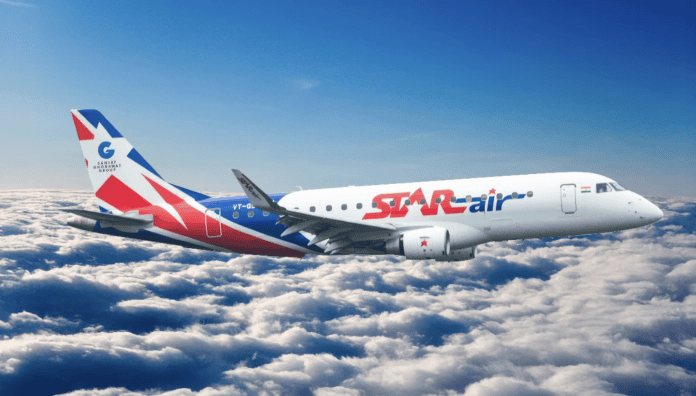
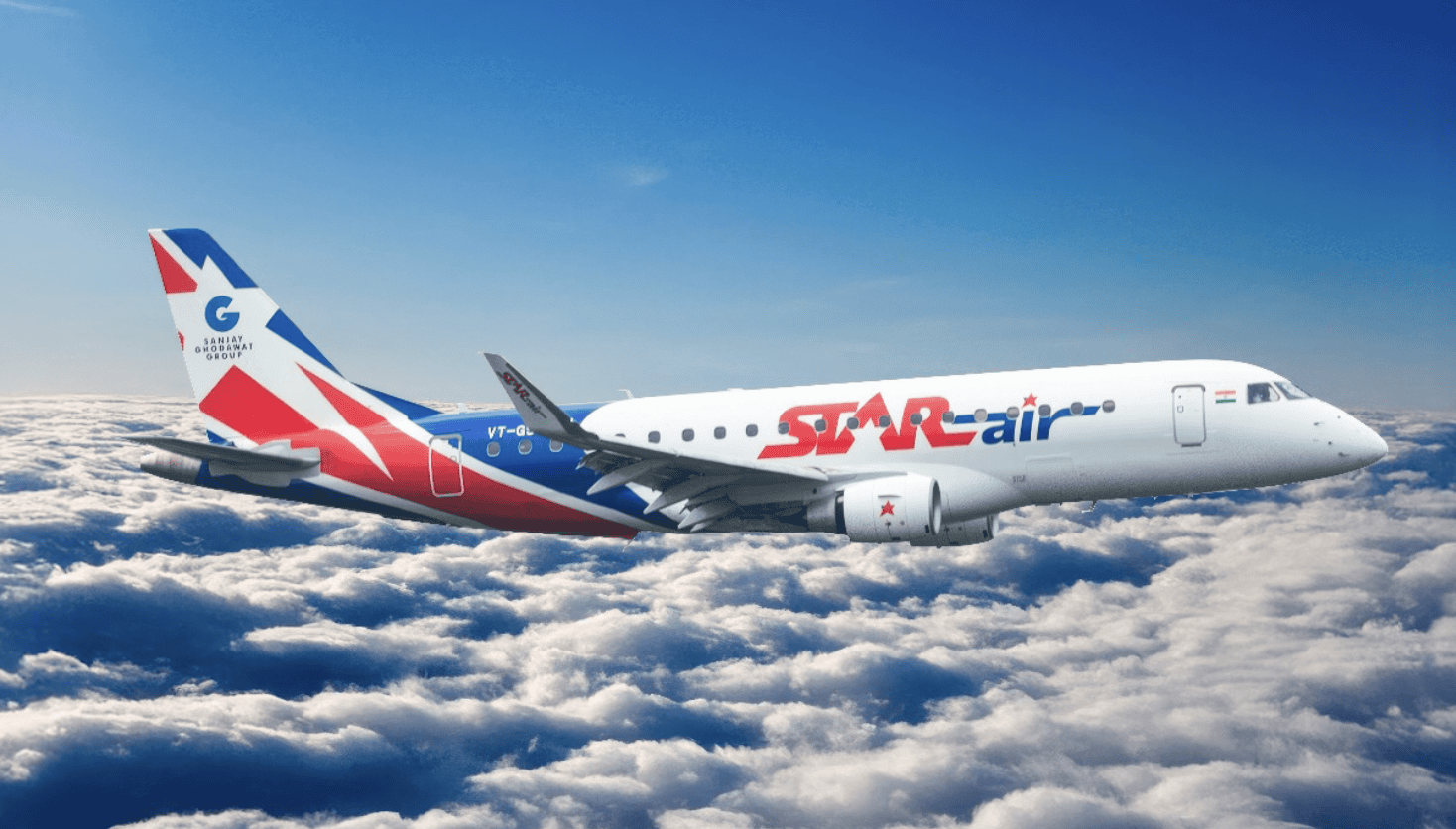
BENGALURU, India, 31 July 2026: Star Air, India’s regional airline and the aviation arm of the Sanjay Ghodawat Group, resumes scheduled services connecting Solapur (SSE), Maharashtra, with Mumbai.
Serving as the gateway to the revered pilgrimage destinations of Akkalkot, Pandharpur and Tuljapur, Solapur plays a vital role in the region’s tourism and cultural landscape. Operations resume on 1 August 2026, with limited-time special fares starting from INR 2,799.
Photo credit: Star Air.
Solapur, a key commercial and industrial centre in southern Maharashtra, is recognised for its strong textile industry, manufacturing sector and rich cultural heritage. The reintroduction of Star Air’s scheduled services between Solapur (SSE) and Mumbai (BOM) will restore convenient, reliable air connectivity between the two cities, offering passengers a significantly faster, more time-efficient alternative to road and rail travel.
With a flight time of just over one hour, the resumed service will substantially reduce travel time, providing greater convenience for business travellers, professionals, students and leisure travellers alike, while supporting regional economic development.
Flight Schedule
Commenting on the reintroduction of services, Star Air Chief Commercial & Marketing Officer, Shilpa Bhatia said: “We are pleased to resume our services to Solapur. As an important market for Star Air, we are pleased to once again serve the region with a dependable and convenient travel option. We believe the reinstated service will support the region’s growing travel needs while contributing to business, tourism and economic development.”
Bookings are open through Star Air’s website, travel agents and all major booking platforms.
KUALA LUMPUR, 31 July 2026: The Association of Asia Pacific Airlines (AAPA) released a statement this week welcoming the European Commission’s decision to maintain its ‘stop the clock’ on applying the EU ETS to the full length of international flights, while voicing additional support for sustainable aviation fuels proposals.
However, AAPA shares concerns voiced by the International Civil Aviation Organisation (ICAO), which noted earlier that a unilateral expansion of the EU ETS for aviation would be inconsistent with the objective of the Carbon Offsetting and Reduction Scheme for International Aviation (CORSIA), the only global market-based measure applying to CO2 emissions from international aviation, and risks duplicative measures.
CORSIA was approved by ICAO Member States in 2016. AAPA believes that a unilateral, regional extension of the EU ETS risks setting a precedent for fragmented, extraterritorial climate measures that could undermine this multilateral framework over time.
AAPA’s statement read: “We encourage the European Parliament, Council and Commission, as this proposal is negotiated in the months ahead, to reaffirm their support for CORSIA and the integrity of the global, consensus-based approach it represents.
“We will continue to monitor this proposal as it moves through the EU legislative process and engage constructively with European institutions and ICAO on behalf of our member airlines.”
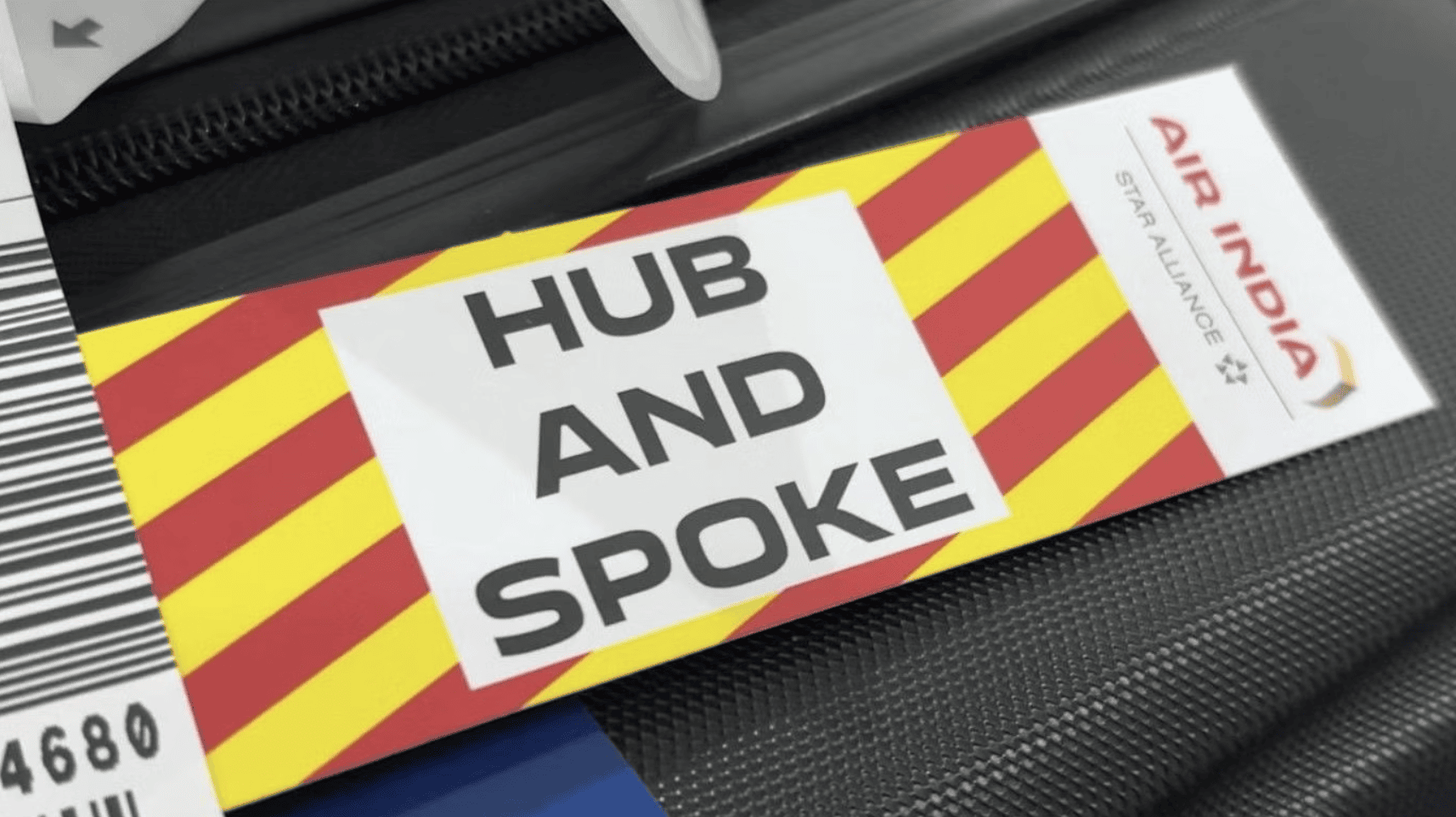
NEW DELHI, 31 July 2026: Air India introduced ‘Easy Connect’ services from Amritsar on 28 July, expanding its hub-and-spoke model and bringing seamless global connectivity closer to travellers across Punjab.
As part of the Easy Connect programme, international travellers from Amritsar can complete their check-in for their final destinations, clear immigration formalities at Amritsar airport, and enjoy seamless transfers through Delhi without rechecking baggage or changing terminals.
Photo credit: Air India.
This enables travellers to fly via Delhi as international transit passengers, eliminating the need for repeated processes and significantly reducing travel complexity and unfamiliarity often associated with connecting through foreign airports, including foreign language barriers.
Flight schedule
Air India has designated two daily flights from Amritsar to Delhi as ‘Easy Connect’ services:
AI1113: Departs Amritsar at 0910 and arrives in Delhi at 1040 AI1115: Departs Amritsar at 2200 and arrives in Delhi at 2320
Together, these flights provide seamless onward connectivity to 27 international destinations within four hours of arrival in Delhi, including destinations in the U.S., Canada, the United Kingdom, Europe, Australia, West Asia, and Southeast Asia.
From Punjabto the world
The morning Easy Connect service from Amritsar (Flight AI1113) is timed to facilitate convenient onward connections to key European destinations including London Heathrow, Birmingham, Paris, Milan, Copenhagen, Vienna, Amsterdam, Zurich, Frankfurt, and Rome, as well as select destinations in Southeast Asia and West Asia.
The late evening service (Flight AI1115) offers connectivity to destinations in the USA, Canada, Australia, such as New York (JFK), Newark (New Jersey), San Francisco, Chicago, Toronto, Vancouver, Melbourne, Sydney, and select destinations in Southeast Asia and West Asia such as Singapore, Phuket, Bali, Dubai, among others.
Air India is leading a phased nationwide rollout that will progressively connect more domestic “spoke” cities in addition to Amritsar and Varanasi to the airline’s primary hubs in Delhi, Mumbai, and Bengaluru, unlocking seamless, end-to-end international travel for millions of Indians. In the coming weeks, Air India will begin Easy Connect services from Ahmedabad, Goa, Kochi, and several other Indian cities.
The Easy Connect initiative forms part of a broader effort to channel more international traffic through Indian airports rather than overseas transit hubs. Nearly 25 million passengers travel long-haul to and from India annually, of which close to 20 million are connecting travellers – and around 85% (approximately 17 million) of whom currently transit through overseas hubs rather than Indian airports.