SINGAPORE, 17 April 2026: Mandai Rainforest Resort by Banyan Tree has appointed Marlene Fang as Area Director of Sales & Marketing for Singapore, Bali and the Maldives, reinforcing its commercial leadership within the region’s increasingly competitive hospitality landscape.
With over 40 years of experience in hospitality management, including more than three decades in senior sales leadership roles across Singapore and China, Fang brings a strong track record of driving revenue performance, elevating market positioning, and developing high-performing teams.
Mandai Rainforest Resort by Banyan Tree Director of Sales & Marketing Marlene Fang.
Her experience spans globally recognised brands, including Shangri-La Group, Marriott International and Far East Hospitality Group.
She oversees sales and marketing functions across Singapore, Bali, and the Maldives, with a focus on strengthening cross-market synergies, sharpening the commercial strategy, and building high-performing teams. A key priority will be to advance the resort’s positioning in the MICE and high-value leisure segments, while deepening engagement with regional and international demand drivers.
“As Singapore’s only rainforest resort, we are uniquely positioned at the intersection of nature and hospitality. Marlene’s appointment strengthens our ability to translate this distinct positioning into sustained commercial success. Her deep regional expertise and strategic clarity will be instrumental in driving growth across key markets, while fostering a culture of mentorship and excellence within the organisation,” shares Mandai Rainforest Resort by Banyan Tree Hotel Manager, Shereen Chow.
MUMBAI, 17 April 2026: Recognising Guwahati’s emergence as the gateway to Northeast India for business and outbound travel, Thomas Cook (India) Limited, India’s leading omnichannel foreign exchange services company, has inaugurated its new franchise outlet in the city.
The launch aligns with the company’s strategic focus on high-growth regional markets and the increasing demand for foreign exchange services across Assam and the wider Northeast.
With this addition, Thomas Cook India expands its network to three locations in Assam, including its presence at the Lokpriya Gopinath Bordoloi International Airport (LGBIA).
(LGBIA: Lokpriya Gopinath Bordoloi International Airport (IATA: GAU, ICAO: VEGT), or Guwahati Airport, is an international airport serving the largest city of Assam and the state capital, Guwahati and Dispur, in India.)
The product-service portfolio, available at the sales outlet, includes:
Prepaid Travel Cards in partnership with Mastercard and Visa;
Holidays: Borderless Travel — prepaid multi-currency card with 12 global currencies;
Business Travel: FX Enterprise card – India’s first Eco-Friendly Forex prepaid card
Overseas Education: Study Buddy card
Thomas Cook One Currency Card: India’s first prepaid card with zero cross-currency conversion fees
Overseas Education Forex for the strong student segment: transfer of university/tuition fees, living expenses, discounted air fares, excess baggage, insurance and foreign exchange products like the Study Buddy Card
Currency: 26 global destination currencies
Overseas Remittances: Thomas Cook Forex’s Send Money Abroad covering over 120 countries
Guwahati has witnessed a steady rise in foreign exchange demand, supported by increasing outbound leisure travel, a growing student segment, and strong business activity. The anticipated boost from direct international connectivity, following the launch of the new terminal at LGBIA, further strengthens Guwahati’s potential as a key forex market.
“Guwahati is a high-potential and fast-evolving forex market, serving as the gateway to Northeast India with increasing outbound leisure and student travel, rising passport penetration and growing digital adoption,” said Thomas Cook (India) Limited Chief Business Officer – Foreign Exchange Deepesh Varma. “The launch of our new outlet reflects our confidence in the city’s growth trajectory and the strong demand we are seeing across walk-ins, digital enquiries and assisted channels.”
SINGAPORE, 17 April 2026: From AI agents booking our trips to cities limiting access, a new 2026 Executive Brief by Phocuswright and ITB Berlin reveals how trust, data, and inequality could redefine global travel over the next two decades.
Who will control travel in 2046: AI companies, governments, or the travellers themselves? What will determine value in an AI-driven industry? And will travel remain accessible to all, or become a privilege?
These questions were at the heart of the inaugural Leadership Exchange, hosted last month by Phocuswright, a leading global travel research and events company, and ITB Berlin.
The year is 2046: AI companies control global data flows, travellers rely on intelligent agents to plan and book journeys, and some destinations restrict access to combat overtourism. This is not science fiction, but one of several plausible futures envisioned by senior travel leaders during the closed-door Leadership Exchange.
The Leadership Exchange at ITB Berlin 2026, held under the Chatham House Rule, convened industry leaders in a strategic think tank format to tackle four key questions: Who owns trust?
Where does value sit in an AI-native industry? Is travel a right or a privilege? And will the sector consolidate or fragment? Its goal: to move beyond trend narratives and provide actionable insight for businesses, governments and stakeholders navigating a period of profound transformation.
A clear narrative emerged across all discussions: artificial intelligence will dramatically reduce friction in travel, but in doing so, it will fundamentally redistribute power.
“The travel industry is entering a structural shift unlike anything we’ve seen since the early days of digitalisation,” said Messe Berlin CEO Dr Mario Tobias. “With the Leadership Exchange, we created a space where decision-makers don’t just discuss the future but actively shape it. The choices we make now around trust, data and value creation will define the industry for decades to come.”
In a world mediated by AI, trust is no longer anchored to a single player. Instead, it becomes fragmented and more valuable than ever. Built through countless micro-interactions and human signals such as user-generated content, trust must be actively designed into every step of the customer journey.
At the same time, multiple AI-driven booking channels risk blurring accountability, increasing the likelihood of “catastrophic” trust failures in the near term.
“Trust is not an algorithm. There’s no single recipe, and in the future, not only companies, but also consumers will be assessed on whether they can be trusted,” said Sunweb Group CEO Mieke De Schepper.
AI shifts value, and challenges brands
As AI agents take over search and discovery, personalisation emerges as the industry’s greatest opportunity. Travel experiences will be tailored in real time, based on deep data insights and individual preferences.
However, this shift comes with a cost: traditional intermediaries may lose relevance, and even strong brands could see their influence erode as the “source of truth” becomes the key differentiator.
“By 2029, discovery as we know it today will almost disappear. The real value will sit with personal agents that act on our behalf,” said T2Impact principal Timothy O’Neil-Dunne.
Access to travel grows, and divides
While technology could make travel more seamless and inclusive, structural tensions remain. Easier mobility may foster more open and connected societies, but also intensify overtourism and strain infrastructure.
At the same time, economic inequality, geopolitics, and regulation will increasingly determine who can travel, turning mobility into a privilege for some rather than a universal right.
“To control immigration and overtourism, travel is becoming more of a privilege. Countries will either visa their way out of tourism or price people out,” said Protect Group global strategy lead Stephen Joyce.
Fragmentation vs consolidation: an open question
AI has the potential to empower smaller players through hyper-personalisation, enabling niche providers to reach highly targeted audiences. At the same time, control over data could lead to powerful monopolies.
Despite differing perspectives, participants agreed that the next three years will be decisive: choices made now on data ownership, trust frameworks and technological integration will shape the industry’s trajectory for decades to come. As one participant put it, the future of travel is not to be predicted, but actively shaped.
Additional information is available at www.itb.com and from the ITB News & Insights & Social Media.
BANGKOK, 17 April 2026: The collapse of high-stakes peace talks in Pakistan has sent a chill through global markets, and what happens next is no longer just a geopolitical question. It is a tourism question.
Recent negotiations in Islamabad, aimed at stabilising tensions linked to the Iran conflict, were always fragile. Analysts warned from the outset that Pakistan lacked the leverage to guarantee outcomes, with external forces capable of derailing progress at any moment.
Global uncertainty reshapes travel patterns, with conflict, rising costs and shifting demand influencing where and how people travel, while destinations like Thailand position themselves as safe and stable alternatives: (Representative image)
According to Reuters reporting published in April 2026, the mediation effort was described as “fraught with risk” given the complexity of regional alliances and the volatility of the situation.
Coverage by The New York Times reinforces this view, noting that diplomatic efforts in the region are increasingly vulnerable to rapid shifts in military and political positioning, leaving negotiations exposed to sudden breakdown.
Now that those talks have faltered, the world enters a new phase of uncertainty. For tourism, an industry built on confidence, predictability and perception of safety, that matters enormously.
What the experts are saying
Several respected voices with strong track records in geopolitical forecasting and regional security have been consistent in their warnings.
Muhammad Faisal, the South Asia security analyst, noted that Pakistan had “invested significant political capital” in mediation, and failure risks undermining broader regional stability.
Elizabeth Threlkeld, Senior Fellow at the Stimson Centre in Washington, warned that the negotiations were taking place in a “high-risk environment”, where developments beyond Pakistan’s control could easily derail progress.
Kamran Bokhari, a geopolitical analyst specialising in Middle East and South Asian affairs, emphasised that continued tensions risk “exacerbating instability across already fragile regions”.
Coverage by the Guardian (London) further highlights how major global powers are shaping outcomes, with ceasefire efforts increasingly influenced by wider strategic competition.
The consensus among experienced analysts is clear. This is not an isolated diplomatic setback. It is a potential trigger point. And tourism is always one of the first sectors to feel the impact.
Global tourism: Confidence under pressure
The immediate global effect is psychological. Tourism reacts less to reality than perception. Even a limited regional conflict can reshape traveller behaviour worldwide.
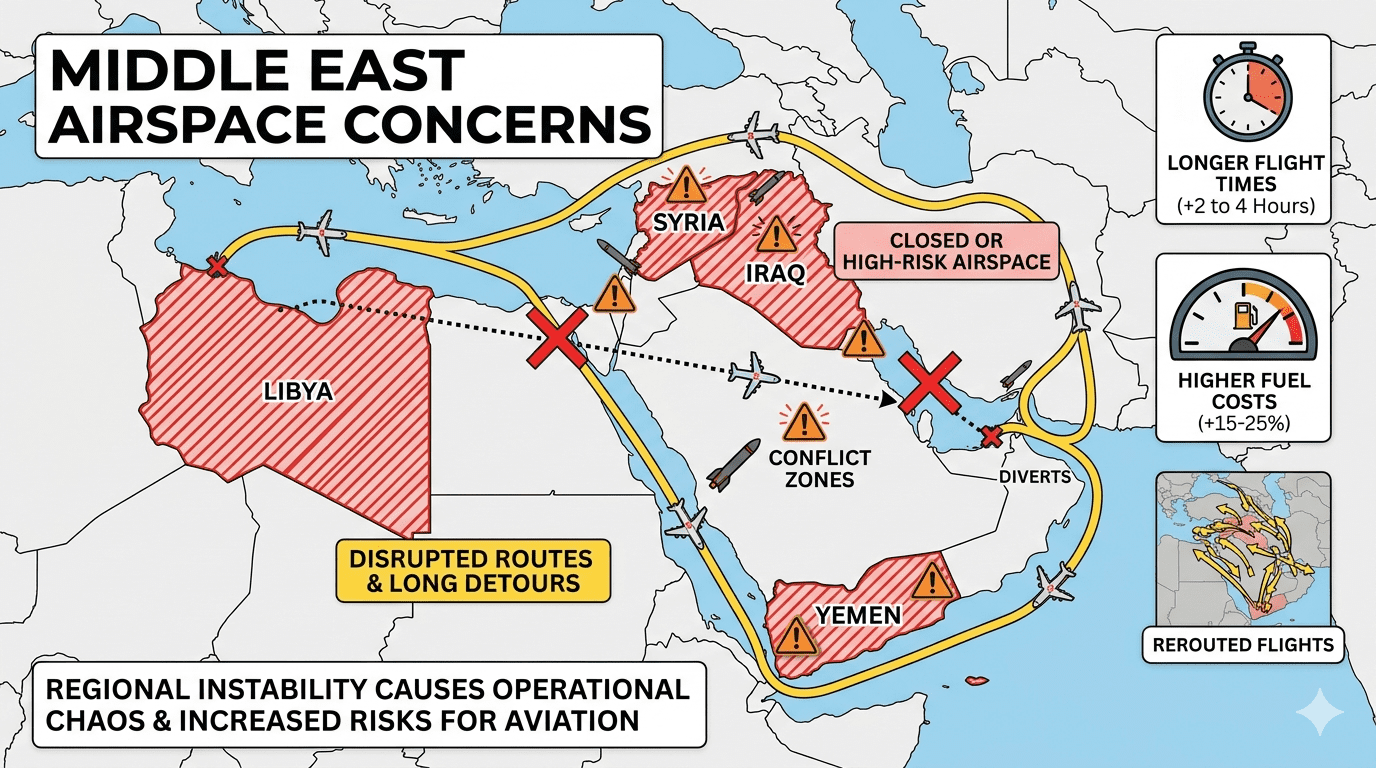
Airspace concerns across the Middle East raise the risk of longer flight times, higher fuel costs and disrupted routes. Energy markets are already under pressure, and rising oil prices feed directly into airline costs and ticket pricing.
Reuters video analysis released in April 2026 reported that tourism-related businesses in parts of Asia were already experiencing reduced activity linked to the broader conflict environment.
In previous crises, long-haul travel demand typically softens first, followed by a shift towards shorter, safer and more familiar destinations.
Regional impact: Asia watches closely
Asia sits at the intersection of opportunity and risk. On one hand, instability in the Middle East can divert travellers towards Asia, particularly Southeast Asia. On the other hand, rising fuel costs and economic uncertainty tend to reduce overall travel demand.
International reporting, including from The New York Times, suggests that global travel patterns are becoming increasingly sensitive to geopolitical flashpoints, with travellers reacting to perceived risk faster than ever.
If tensions escalate, regional travel patterns could shift rapidly. Airlines may reroute flights, insurance costs may rise, and tour operators could adjust programmes almost overnight.
The key variable is duration. Short disruptions are manageable. Prolonged uncertainty is far more damaging.
Thailand: Resilient but exposed
Thailand remains one of the world’s most resilient tourism destinations, but it is not immune.
The country’s strength lies in diversification. Strong domestic travel, regional visitors and repeat international guests provide a buffer against external shocks.
Officials at the Tourism Authority of Thailand emphasise that traveller confidence is driven not only by stability but also by perceived safety, geographic distance from conflict zones and the country’s long-standing reputation as a welcoming, peace-oriented society. Thailand’s cultural identity, rooted in Buddhist values, continues to reinforce its image as a calm and hospitable destination amid global uncertainty. However, vulnerabilities remain.
Higher oil prices increase airfares, which can reduce long-haul arrivals from Europe and North America. Economic pressure in key source markets may also affect discretionary travel spending.
At the same time, Thailand could benefit from displacement effects. Travellers avoiding perceived risk zones often redirect to stable destinations, and Thailand fits that profile well.
The question is not whether Thailand will be affected, but by how much? Let me explore this question with you.
Three scenarios: Red, yellow, green
To understand what comes next, it is useful to frame three possible outcomes.
🟥 Red scenario: Escalation
Peace efforts collapse completely, and conflict intensifies across the region.
Oil prices spike sharply. Airspace closures disrupt major global routes. Insurance premiums surge.
Tourism impact: Long-haul travel declines significantly. Airline capacity is reduced or rerouted. Global bookings soften. Thailand may see short-term gains from diverted traffic, but overall demand weakens.
🟨 Yellow scenario: Prolonged uncertainty
No full escalation, but no resolution. Tensions remain elevated. Markets stay volatile.
Tourism impact: Travellers delay decisions rather than cancel outright. Demand shifts towards regional travel and shorter trips. Price sensitivity increases. Thailand benefits moderately from being perceived as a safe destination.
🟩 Green scenario: Return to diplomacy
Diplomatic channels reopen, and a workable framework emerges.
Confidence gradually returns.
Tourism impact: Pent-up demand returns quickly. Airline routes stabilise. Travel rebounds strongly. Thailand benefits from both recovery and its positioning as a stable hub.
Where does this leave tourism?
Tourism reflects the mood of the world. The failure of peace talks in Pakistan is not just a diplomatic story. It is a signal that uncertainty is rising, that confidence is fragile, and that global tourism once again stands at a crossroads.
For Thailand, the challenge is familiar. Stay stable, stay visible, and stay ready. Because in times of uncertainty, travellers do not stop travelling. They simply choose more carefully where they go.
References (print)
Reuters, April 2026. Pakistan’s high-stakes Iran peace bid is described as fraught with risk amid regional tensions.
Reuters Video Analysis, April 2026. Impact of Middle East tensions on tourism businesses in Asia.
The New York Times, New York, April 2026. Analysis of geopolitical instability and its effect on diplomatic negotiations and global confidence.
The Guardian, London, April 2026. Coverage of Pakistan-mediated ceasefire efforts and the role of global powers in shaping regional outcomes.
Economic Times, April 2026. Expert commentary on geopolitical risks involving Pakistan, Iran and regional stability.
Stimson Centre, Washington, DC. Commentary by Elizabeth Threlkeld on the South Asia security environment.
Tourism Authority of Thailand. Policy positioning on traveller confidence, destination safety and Thailand’s role as a stable tourism hub.
Geopolitical analysis by Kamran Bokhari on regional risks in the Middle East and South Asia.
About the author
Andrew J Wood is a British-born travel writer and former hotelier who has lived in Thailand since 1991. During his career, he has held senior roles with several leading hotel groups, including Thistle Hotels, Shangri-La Hotels and Resorts and Minor Hotels, as well as the Landmark Lancaster Hotel Group and the Royal Garden Resort Group, now Anantara, part of Minor Hotels. He served as Vice President before moving into General Manager roles with the Royal Cliff Hotels Group in Pattaya and the Chaophya Park Hotel, Bangkok and Resorts.
A long-standing member of Skål International, he has served as a Director and held the presidency at most levels of the organisation. He is a former President of Skål Asia, the National President of Skål Thailand, and has twice served as President of Skål International Bangkok.
He writes widely on tourism and hospitality trends across Asia and is a regular guest lecturer at universities in the region.
SINGAPORE, 17 April 2026: Air Astana celebrated the launch of a new direct service from Almaty to Shanghai, China, with a press conference held last week at the Peace Hotel in Shanghai.
The launch of this new service to Shanghai, China’s largest and most commercially dynamic city, is a major step forward in Air Astana’s ongoing network expansion across the country.
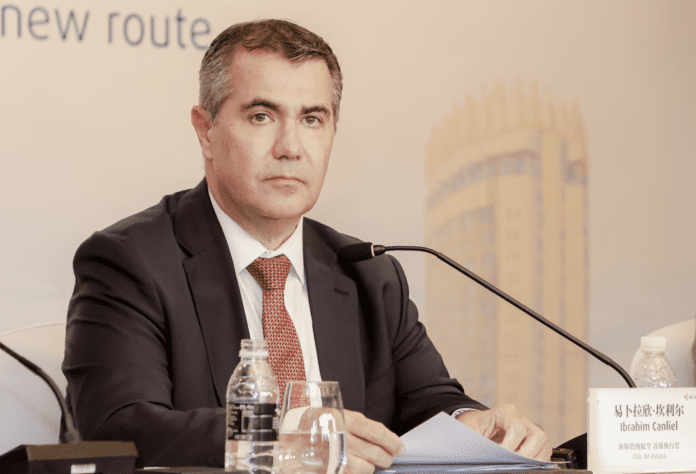
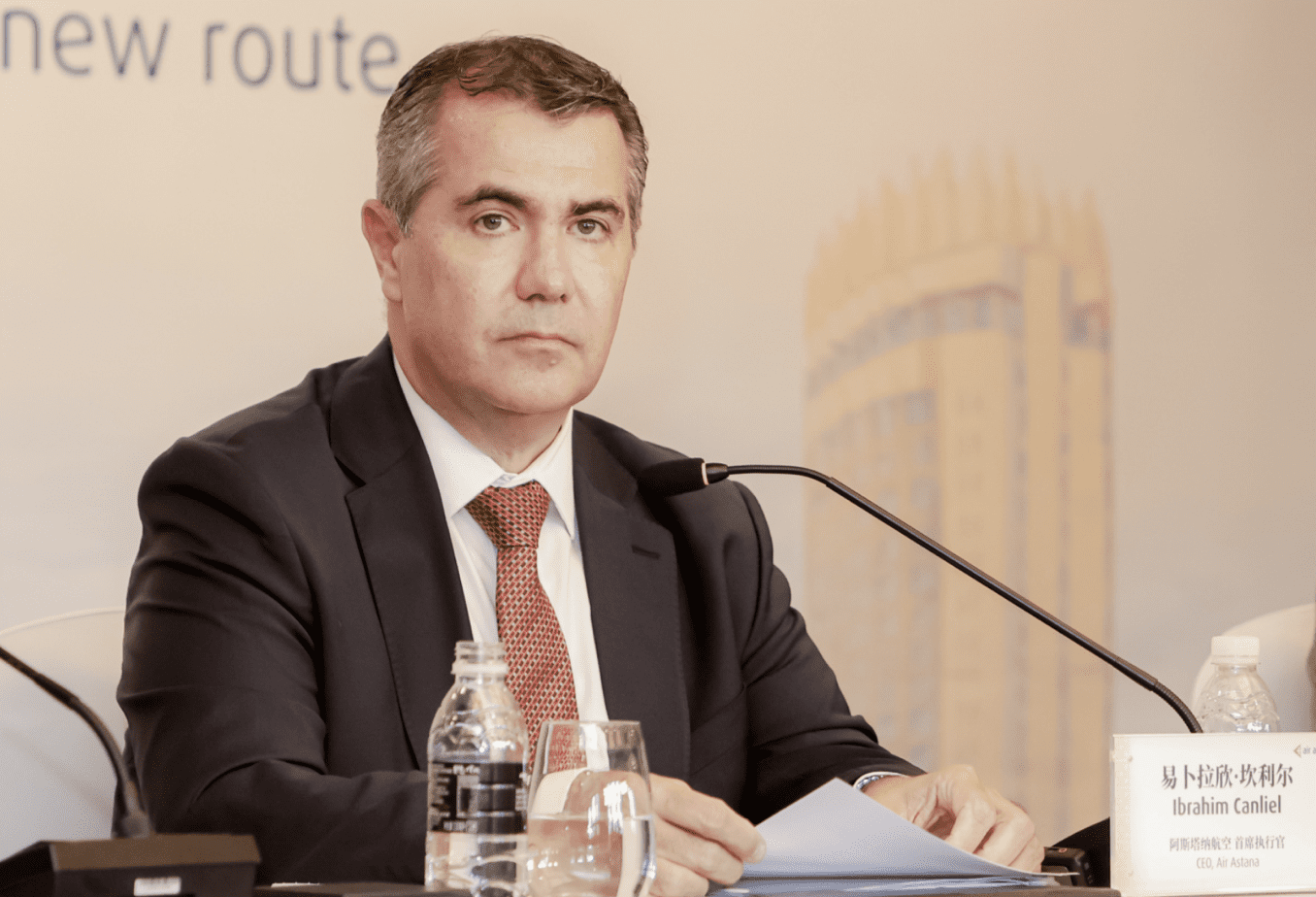
Air Astana Group Chief Executive Officer Ibrahim Canliel.
The new Almaty to Shanghai route, introduced at the end of March, operates three times weekly and complements Air Astana’s existing network of services to Beijing, Guangzhou, Sanya, Ürümqi and Yining.
The addition of Shanghai strengthens the airline’s long-term commitment to developing connectivity between Kazakhstan and China, which began with its first flight between Almaty and Beijing in December 2002.
With Shanghai now part of the network, the Air Astana Group offers up to 32 weekly services between Kazakhstan and six Chinese cities, providing passengers with increased travel options and supporting both point-to-point and transit flows across Central Asia, the Caucasus, Europe and Asia.
In 2025, the airline group carried more than 250,000 passengers between Kazakhstan and China, a 96% increase over 2024.
Commenting at the event, Air Astana Group Chief Executive Officer Ibrahim Canliel said: “The launch of our Shanghai service is an important milestone in the development of our network and reflects the growing strength of ties between Kazakhstan and China. We see strong and accelerating demand across both business and leisure segments, supported by visa-free travel. Shanghai is a key global city, and this route, our sixth destination in China, will further enhance connectivity not only between our two countries, but also for passengers travelling onwards across our network.”
About Air Astana Group Air Astana Group is the largest airline group in Central Asia and the Caucasus regions by revenue and fleet size. The group operates a fleet of 63 aircraft, split between Air Astana, its full-service airline, which began operations in 2002, and FlyArystan, its low-cost airline established in 2019.
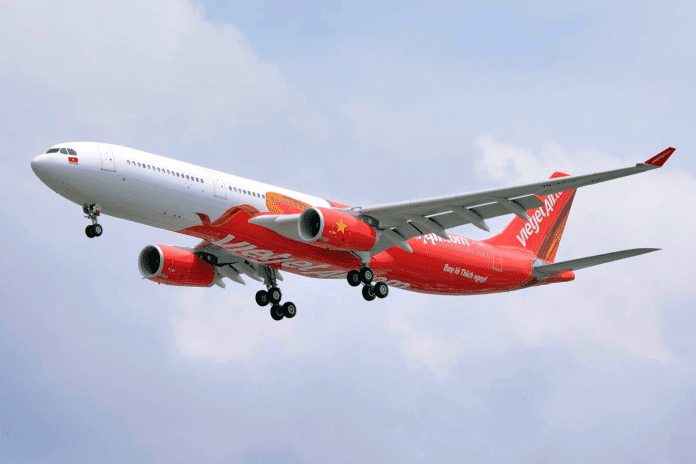
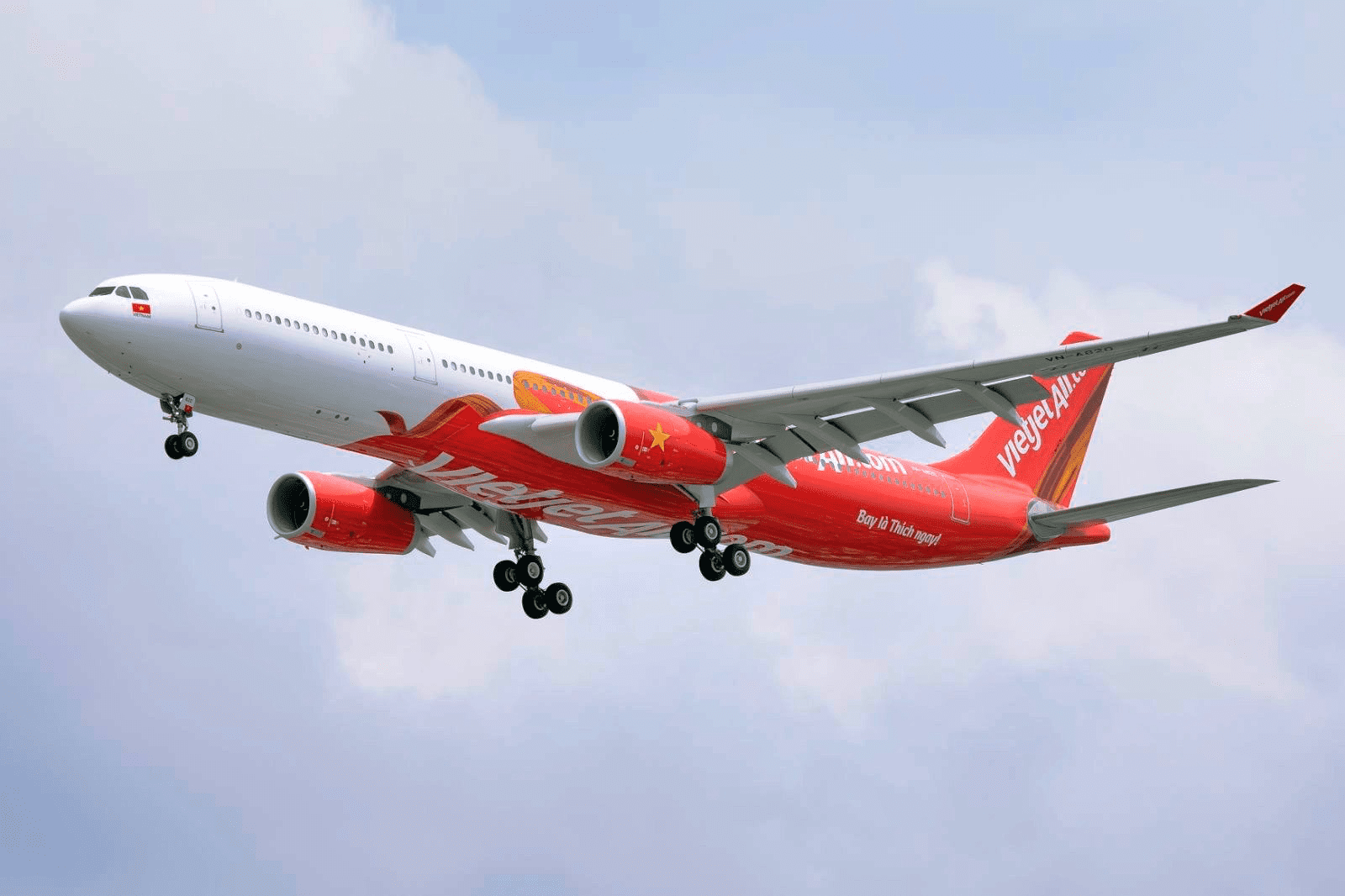
SINGAPORE, 17 April 2026: Ahead of Vietnam’s upcoming peak holiday period, Vietjet is offering travellers up to 20% off fares (excluding taxes and fees) on deluxe, SkyBoss and business class tickets across its regional flight network.
The promotional discount is open for purchases until 1259 on 1 May 2026 (GMT+8), for bookings made via Vietjet’s website or mobile app using the promo code VJ20. A total of 11 million promo seats are available for travel until 31 August 2026.
Photo credit: Vietjet.
For travellers in Singapore, the promotion presents an opportunity to plan their next getaway to Vietnam. With Vietjet’s direct services from Singapore to Ho Chi Minh City, Hanoi, Da Nang and Phu Quoc, travellers can choose city breaks to beach holiday destinations or longer multi-stop journeys.
New flight to Nha Trang
Further enhancing these travel options, Vietjet will launch its new Singapore–Nha Trang route on 1 June 2026, giving Singapore residents access to one of Vietnam’s most popular seaside destinations.
To meet increased travel demand during the holiday peak, Vietjet plans to operate nearly 3,800 domestic flights across Vietnam between 25 April and 5 May 2026. Additional frequencies will be added on high-demand routes linking major cities and tourism destinations, including Hanoi, Ho Chi Minh City, Da Nang, Nha Trang, Hue, Quang Binh, Quy Nhon, and Phu Quoc, giving passengers greater flexibility and more convenient travel options.
Passengers who book via Vietjet’s official website or mobile app will also receive one entry into the airline’s “Fly Vietjet, strike gold” lucky draw programme, which offers the chance to win prizes including one tael of 999.9 gold. Additional prizes include gold and silver, as well as a range of e-vouchers for future travel.
More on the holiday peak season
From 25 April to 5 May, 2026, Vietnam features two public holidays, resulting in high travel demand as many offices close, although the period is not a single, continuous nationwide holiday.
Hung Kings’ Commemoration Day
Dates: Saturday, 25 April to Monday, 27 April.
The holiday honours the founders of Vietnam. In 2026, the main day (26 April) falls on a Sunday, so a compensatory day is given on Monday, 27 April, creating a three-day break.
Reunification Day and Labour Day
Dates: Thursday, 30 April to Sunday, 3 May.
30 April: Reunification Day (Liberation of South Vietnam). 1 May: International Labour Day.
Duration: Because these holidays fall on a Thursday and Friday, they combine with the weekend to create a four-day break for many workers.
As of April 2026, the Ministry of Home Affairs confirmed there is no policy to swap working days to create a single continuous nine-day break (meaning 28 and 29 April are working days), but many people take annual leave days to bridge the gap.
Impact on travel and services
Offices and banks: Government offices and banks will be closed during these holidays (25 to 27 April and 30 April to 3 May. Travel: This is a peak travel period for domestic Vietnamese travellers. Expect high demand for hotels and transport. Visa Processing: Immigration departments will be closed, which can cause delays in visa processing.
(Source: Viethjet with additional information on holidays — VietnamNet)
DENPASAR, Bali, 16 April 2026: Asian Trails recently hosted a group of French travel agents on an immersive journey through Bali, showcasing the island’s rich heritage and cultural attractions.
Organised in collaboration with Vietnam Airlines and Dusit International’s luxury villa brand, Elite Havens, the trip strengthened key partnerships while revealing the destination’s depth and diversity of experiences.
Photo credit: Asian Trails. French travel agents on an immersive journey through Bali.
Led by Asian Trails’ Director of Sales for the French and Benelux markets, Pankaj Patpatia, the journey showcased the island’s natural beauty and rich heritage, including the UNESCO-listed rice terraces of Jatiluwih, travelling in vintage Volkswagen Kübelwagens for a nostalgic touch, before enjoying a scenic lunch in a tranquil bamboo forest.
A full day in a traditional village allowed participants to connect more closely with local life, gaining insight into daily routines and time-honoured practices such as rice cultivation and coconut oil production — experiences that can be seamlessly integrated into bespoke client journeys.
The programme concluded with a catamaran cruise to Lembongan Island, where crystal-clear waters and a laid-back coastal atmosphere provided the perfect finale.
This trip not only strengthened product knowledge and partner collaboration but also equipped agents with authentic, experience-led insights, enabling them to inspire clients with culturally rich journeys to Bali, the Island of the Gods.
For advice about planning a similar journey in Indonesia, contact Asian Trails Indonesia. Indonesia · Asian Trails.
BANGKOK, 16 April 2026: A striking shift is unfolding in global aviation. While conflict in the Middle East has forced many airlines to scale back operations, Chinese carriers are moving in the opposite direction, massively adding thousands of seats on routes between China and Europe.
At first glance, the move appears counterintuitive. In reality, it reflects a calculated response to a rapidly changing geopolitical and commercial landscape.
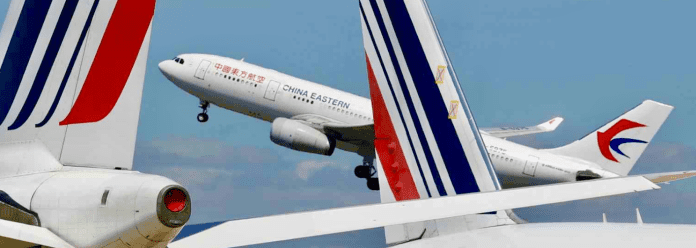
China Eastern aircraft depart against a backdrop of Air France tails, symbolising China’s growing role in Europe-bound traffic.
The Iran war has disrupted one of the world’s most important aviation corridors linking Asia and Europe. Airspace closures and heightened safety concerns have forced airlines to reroute flights or suspend services altogether.
Gulf hubs such as Dubai, Doha and Abu Dhabi, long dominant as transit points between continents, have seen significant operational disruption. This has created a sudden and substantial capacity gap. Chinese airlines have been quick to seize the opportunity.
A key advantage lies in geography and access. Unlike many Western carriers, Chinese airlines continue to operate over Russian airspace. This allows them to maintain shorter, more direct routes to Europe, avoiding the costly detours that other airlines must take. In an industry where fuel is the single largest operating cost, this routing advantage is decisive. Shorter flight times translate into lower fuel burn, improved aircraft utilisation and more competitive pricing.
Fuel prices have become a critical factor. The conflict has driven a sharp rise in global jet fuel costs, placing intense pressure on airline margins. Many carriers have responded by cutting less profitable routes and reducing frequency. Chinese airlines, however, have adopted a different strategy. Rather than retreat, they are focusing on efficiency. Measures include reducing onboard weight, optimising flight planning and concentrating capacity on routes where demand remains strong. Europe fits that profile.
At the same time, passenger behaviour is shifting. Travellers who would normally connect through the Middle East are increasingly avoiding the region due to uncertainty. This has accelerated the emergence of alternative hubs. Beijing and Shanghai are now seeing growing volumes of transit passengers linking Europe with Asia. Chinese airlines are effectively repositioning their home airports as viable alternatives to traditional Gulf hubs.
There is also a structural element within China itself. The domestic aviation market has become highly competitive, with excess capacity and pressure on yields. Expanding internationally offers a way to redeploy aircraft more profitably. With constrained capacity from other carriers, Europe presents an attractive opportunity. By increasing frequencies and opening additional routes, Chinese airlines are not only capturing displaced demand but also strengthening their long-term presence in key European markets.
In this context, the headline that Chinese airlines are “shrugging off” the Iran war requires careful interpretation. They are not immune to rising costs or operational risks. Rather, they are better positioned than many of their competitors to navigate the disruption. Access to northern flight paths, fewer geopolitical restrictions on airspace and a willingness to move quickly have combined to create a relative advantage.
The implications extend beyond short-term capacity shifts. Aviation has always been closely tied to geopolitics, and periods of disruption often accelerate structural change. What is emerging now is a subtle but important rebalancing of global air traffic flows. Chinese carriers are strengthening their role as connectors between Europe and Asia amid strain on traditional routes.
For the wider tourism industry, this shift carries both opportunities and risks. Greater connectivity between China and Europe may support inbound and outbound travel flows over time. However, destinations that rely heavily on Middle Eastern transit hubs may face reduced accessibility in the near term. For Southeast Asia, including Thailand, the impact will depend on how effectively regional airlines and airports adapt to the new routing dynamics.
What is clear is that the aviation map is being redrawn in real time. In a period marked by uncertainty and volatility, Chinese airlines have chosen to expand rather than contract. It is a strategic decision that may well outlast the current crisis, reshaping competitive positions in global aviation long after the conflict subsides.
Andrew J Wood is a British-born travel writer and former hotelier who has lived in Thailand since 1991. With over four decades of international hospitality experience, he has held senior leadership roles with leading hotel groups including Thistle Hotels, Shangri-La Hotels and Resorts, Minor Hotels, Chaophya Park Hotel & Resorts and the Royal Cliff Hotels Group.
A long-standing member of Skål International, he has served as a Director on the global Skål International board. He is a former President of Skål Asia and National President of Skål Thailand, and has twice served as Club President of Skål International Bangkok. In recognition of his contribution to global tourism, he has received Skål’s Order of Merit and the President’s Award, and in 2019 was honoured with the organisation’s highest distinction, Membre d’Honneur.
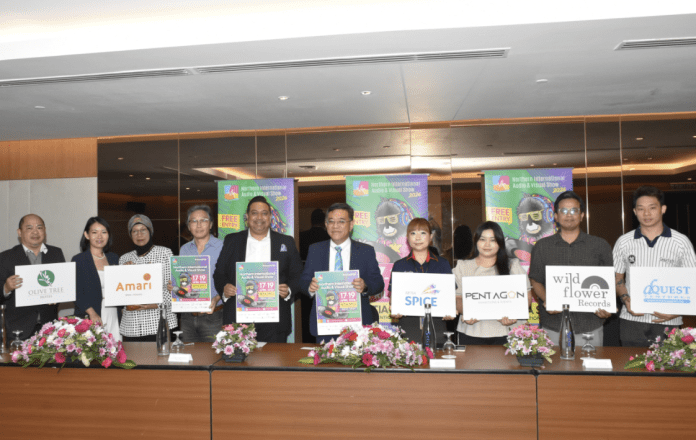
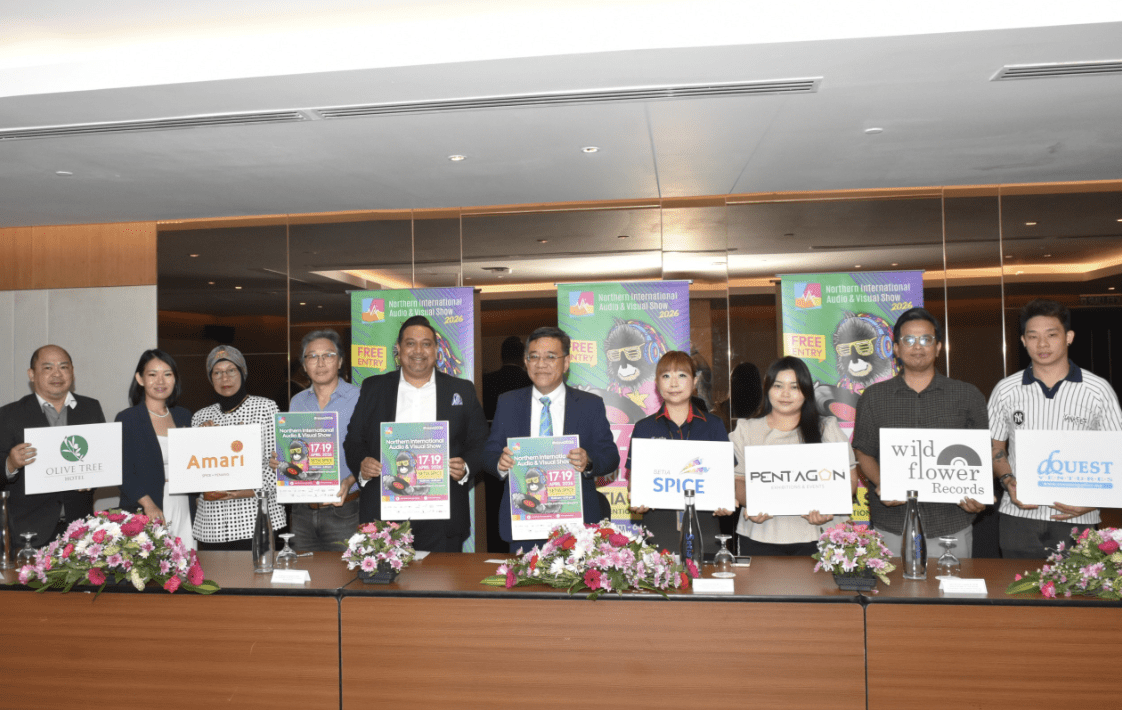
PENANG, 16 April 2026: The 4th Northern International Audio & Visual Show (NIAVS) 2026 is set to take centre stage from 17 to 19 April 2026 at the Setia SPICE Convention Centre, Penang, marking a significant milestone in the show’s evolution into a widely recognised platform for high-fidelity audio and visual innovation.
Building on its steady growth over the past editions, NIAVS 2026 returns with a broader international presence, bringing together more than 30 exhibitors from Malaysia, Singapore, Canada, and Taiwan. This year’s showcase will feature an impressive line-up of globally recognised brands from Canada, the US, Japan, Taiwan, China, Denmark, the UK, Hong Kong, Sweden, Italy, the Netherlands, and Singapore.
Organised by Gryphon Production and supported by the Penang Convention & Exhibition Bureau, NIAVS has evolved beyond a regional exhibition into a growing international meeting point for industry players, brands, and enthusiasts.
(Source: Northern International Audio & Visual Show)
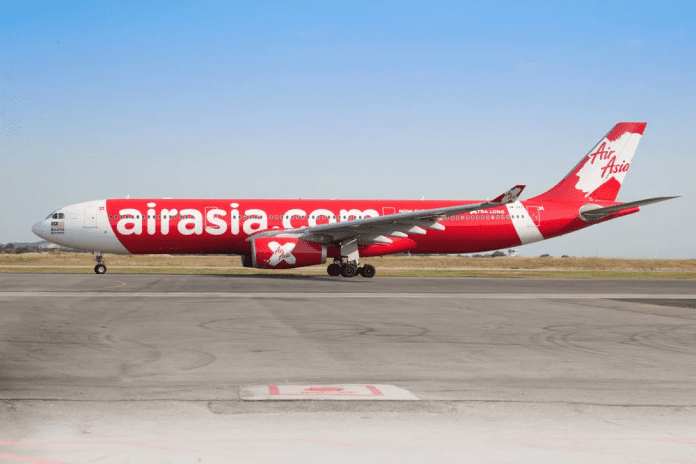
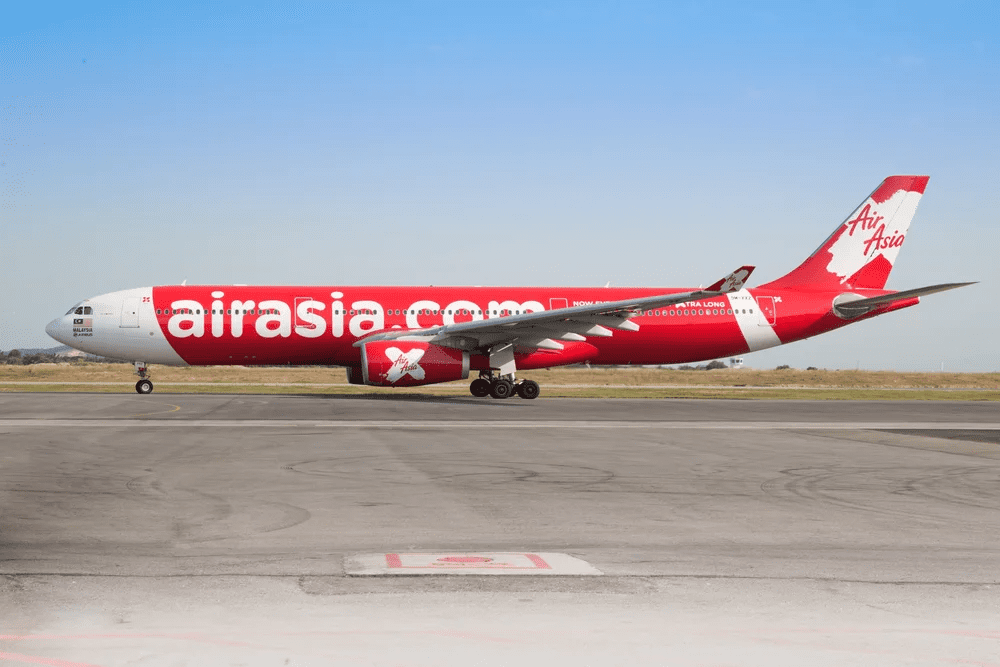
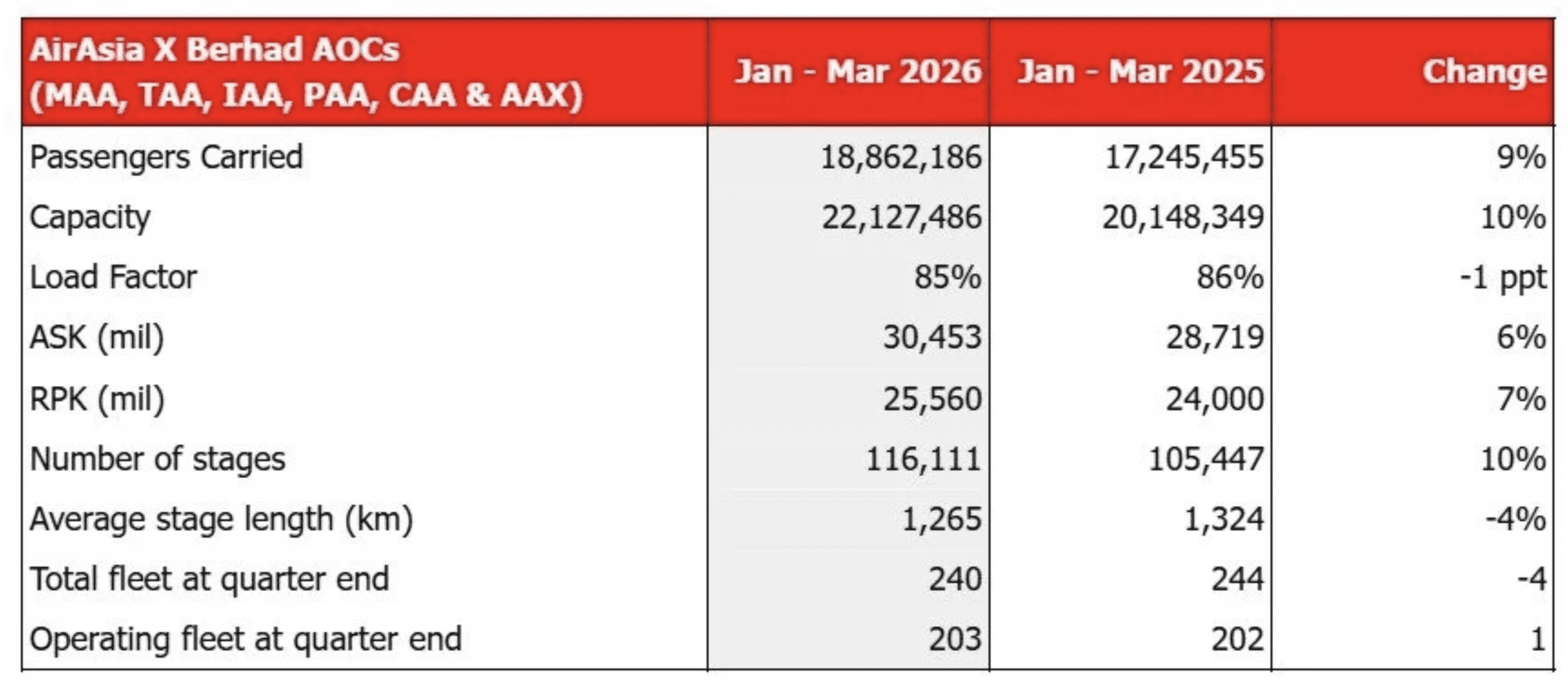
KUALA LUMPUR, 16 April 2026: AirAsia X Berhad has announced its preliminary operating statistics for the first quarter of 2026, carrying approximately 18.9 million passengers during the quarter, up by 9% year-on-year.
It represents the inaugural consolidated report for the airline group following the successful acquisition of the AirAsia aviation assets, bringing together all AirAsia-branded airlines under a single listed entity.
Photo credit: AirAsia X.
The performance indicates sustained demand across the network, with passenger growth aligned with a 10% YoY increase in capacity to 22.1 million seats. The Consolidated Air Operating Certificates (AOCs) have now recovered capacity to 98% of pre-pandemic levels, with a robust load factor of 85%.
(The AOCs comprise AirAsia Malaysia, AirAsia Thailand, AirAsia Indonesia, AirAsia Philippines, AirAsia Cambodia, and AirAsia X Malaysia).
A key driver of the performance was the surge in domestic demand, which saw double-digit YoY growth in both passengers carried and capacity across Malaysia, Thailand, Indonesia and the Philippines. On the international front, the group’s focus on North Asia maintained solid momentum.
Major routes to China from both Malaysia and Thailand performed well, with load factors for these sectors recorded at 85% for the quarter. The group continues to leverage its dominant position in the China-ASEAN travel corridor, capturing consistent demand across key primary and secondary cities.
The group showed remarkable operational agility in March 2026, the first month after heightened geopolitical tensions and rising jet fuel prices.
In March alone, the Consolidated AOCs carried 6.3 million passengers, a 19% YoY increase which surpassed the 15% YoY increase in capacity. Notably, the load factor for March increased by two percentage points YoY to 84%. While the group had strategically adjusted fares and fuel surcharges to manage escalating fuel costs, AirAsia remained the preferred choice for guests prioritising affordable and reliable connectivity during this peak period. Furthermore, by positioning its network as a critical alternative for redirected global traffic flows between Europe and Asia, the group captured a surge in demand on its Central Asia corridors, benefitting from a strong “fly-thru” effect across the broader Asean network.
The group’s associate, AirAsia X Thailand, carried 599,198 passengers during the quarter, representing a 20% YoY increase. The associate recorded a solid load factor of 84%, reflecting a 1 percentage point improvement YoY.
This performance highlights the successful optimisation of the long-haul network following its strategic hub relocation to Don Mueang International Airport in late 2024.
Market demand remained sound across key destinations, supported by the expansion of its operating fleet and increased frequencies to North Asia and India.
The Consolidated AOCs increased the operating fleet by 1 YoY to 203 aircraft, and closed the quarter with a fleet of 240 aircraft. TAAX’s fleet size stood at 11.
AirAsia X, Group CEO Bo Lingam said: “This first quarter of 2026 validates the strength of our consolidated model. Our RPK growth of 7% surpassed ASK growth of 6%, clearly demonstrating the success of our network optimisation, ensuring capacity is deployed where demand is strongest. In response to external fuel price pressures, we moved decisively in March to manage our margins by adjusting fares and fuel surcharges.
Crucially, we have seen no significant signs of demand disruption. Our March load factor actually increased YoY, as our guests prioritised the value and connectivity we provide during the Raya and Lebaran peak. Looking ahead, this momentum has carried into April, with forward bookings remaining firm across our core network. Our priority is to maximise the productivity of our active fleet while keeping our integrated network lean and adaptable. By prioritising high-yield corridors and maintaining disciplined cost management, we are prepared to navigate the uncertainties of the months ahead with resilience and agility.”
First Quarter 2026 Preliminary Operating Statistics