

SINGAPORE, 26 May 2026: Demand for luxury hotels in the Asia Pacific has grown dramatically, with investors increasingly viewing the asset class as both resilient and enduringly appealing to travellers regionally and globally.
According to JLL, the volume of luxury hotel transactions in the Asia-Pacific region rose significantly by 77% between 2017 and 2025, reaching approximately USD 2.1 billion in 2025.
Significantly, 2025 volumes represent one of the highest annual investment deployments into luxury hotels since pre-COVID times, where transactions reached over USD2.4 billion in 2019.
Following the pandemic, luxury hotel transactions rebounded strongly, particularly in 2023, returning to levels comparable with 2019. In 2025, luxury hotel transactions accounted for almost 20% of all hotel deals, more than double the 8% share recorded in 2017 and surpassing even the 16% achieved during the pre-pandemic high, reinforcing investor confidence in the long-term value and performance characteristics of luxury hospitality assets.
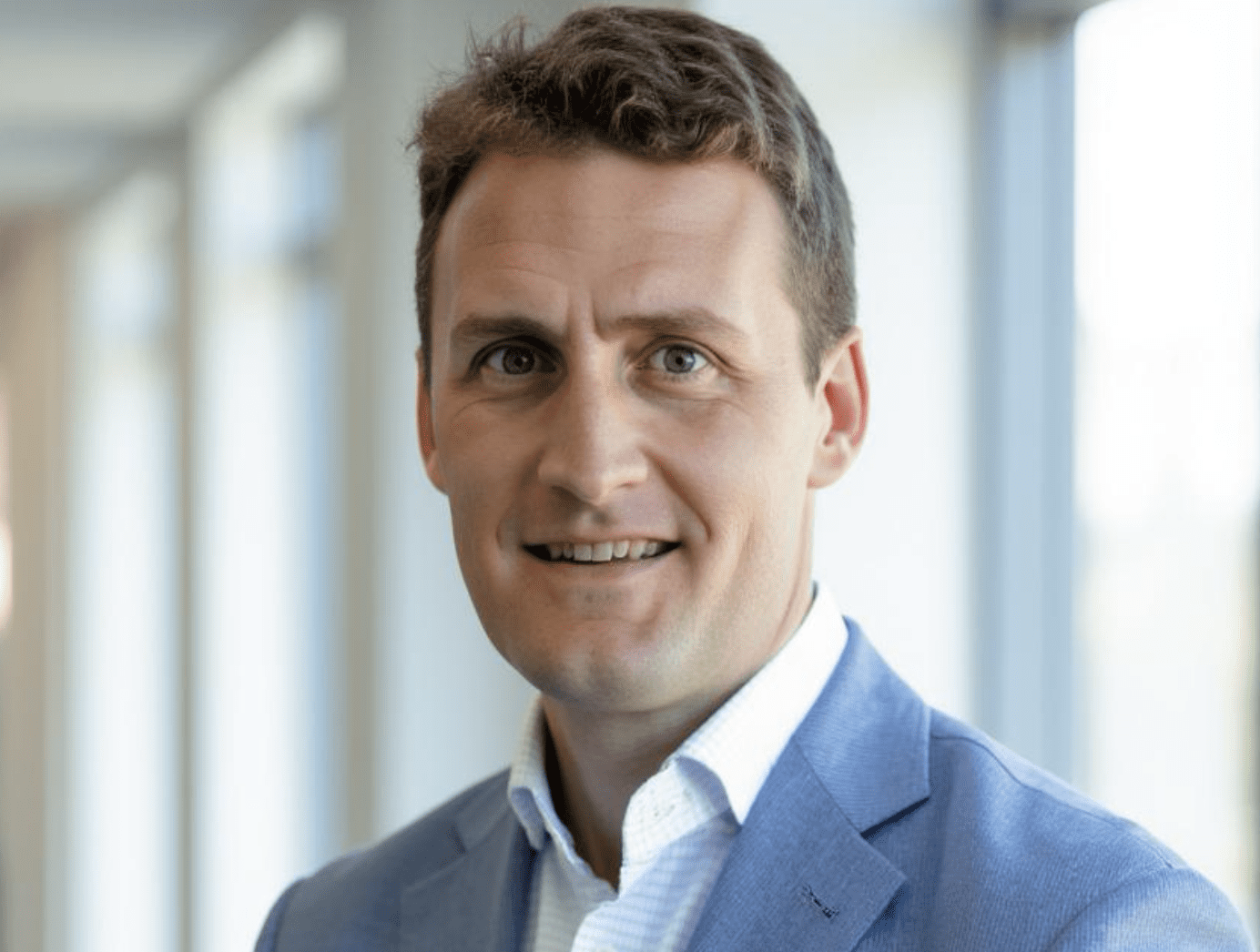
“The luxury hotel segment in Asia Pacific is experiencing a defining moment measured by both its remarkable resilience throughout the pandemic cycle and beyond, and increasingly via a convergence of wealth accumulation and evolving consumer. As a result, we’re seeing sustained appetite from an increasingly diverse investor base, including private wealth and cross-border capital, all seeking exposure to assets that combine prestige, capital preservation, and long-term growth fundamentals,” says JLL Hotels & Hospitality Group Head of Advisory and Asset Management, Asia Pacific, Xander Nijnens.
A fundamental shift is underway in how luxury hotels capture market share. While these properties have always commanded premium rates, the occupancy gap between luxury and mainstream hotels is now narrowing, signalling that luxury hotels are year-round performers with strong, sustainable demand.
This performance evolution is attracting both capital and development activity. Luxury hotel supply has grown at a steady 4% annually over the past decade, maintaining approximately 8% of the total market, with moderate growth expected through 2030. This disciplined expansion has avoided the oversupply traps that historically challenged the sector, creating favourable supply-demand dynamics for investors.
Global and regional operators are launching differentiated concepts to capture specific guest preferences, from wellness-focused retreats to culturally immersive experiences. In particular, the ultra-luxury segment has become increasingly fragmented and brand-driven. For investors, this brand proliferation offers opportunities to position assets within distinct market niches and capture premiums through strategic partnerships.
“The luxury hospitality landscape has fundamentally evolved. We’re seeing properties adapt to changing guest preferences while maintaining the premium positioning that makes them attractive investment assets. The combination of strong rate power, strategic repositioning, and heightened demand from affluent travellers positions the segment favourably for continued growth. We also see moderating supply growth in the coming years, providing owners with more pricing power,” says Marina Bracciani, Vice President, Hotels Research Lead, Asia Pacific.
Despite significantly higher operating costs — almost double those of the overall hotel market in the region — due to elevated staff ratios, premium F&B offerings, and personalised services, luxury hotels achieve gross operating profit margins comparable to the overall market. The ability to command substantial rate premiums while maintaining competitive margins demonstrates the segment’s pricing power and operational sophistication.
However, performance varies considerably across markets, with luxury hotels in Tokyo, Hong Kong, and Seoul emerging as clear winners. The ultra-luxury segment has demonstrated even more pronounced outperformance than the broader luxury category.
(Source: JLL)