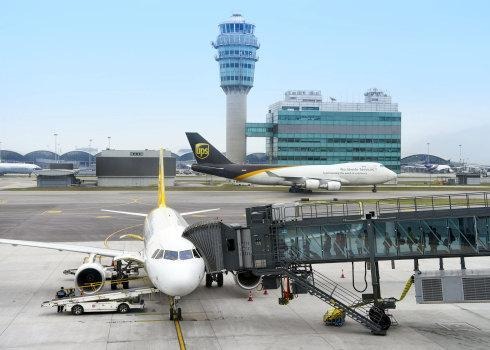
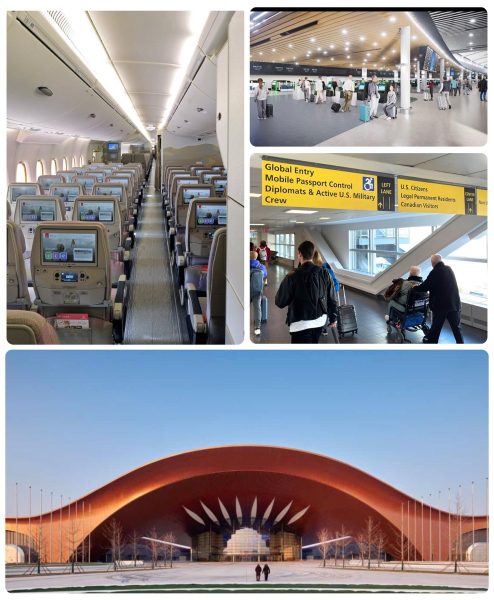
HONG KONG, 20 January 2026: Hong Kong International Airport (HKIA) handled 61 million passenger trips in 2025, up 15% year-over-year.
The performance was achieved on the back of a strong Christmas peak season, during which passenger trips exceeded 200,000 per day for eight days in December.
Photo credit: HKIA.
The full-year traffic volume of 61 million passenger trips represented 15% year-over-year growth. Flight movements rose by 8.7% compared to 2024, reaching 394,730 during the year, while yearly cargo throughput saw a 2.7% growth to 5.07 million tonnes.
In December 2025, the airport handled 5.8 million passengers, a 13.5% growth compared to the same period last year, while flight movements rose 7.1% year on year to 35,920. Visitor and transfer/transit passenger segments recorded double-digit growth during the month, with traffic to and from the Chinese Mainland, Southeast Asia, and North America seeing the largest increases.
In December, cargo volume grew 3.6% year on year to 462,000 tonnes. Exports and transhipments both increased during the month, with transshipments recording 18% growth. Cargo traffic to and from Southeast Asia, Europe and the Chinese Mainland grew the most among key trading regions.
Airport Authority Hong Kong Chief Executive Officer Vivian Cheung said: “The strong traffic performance in 2025 marks a new milestone, securing our position as the leading international aviation hub in Asia. During the year, we also further strengthened connectivity by introducing 30 new destinations across the globe, including Abu Dhabi, Brussels and Dallas, while increasing flight frequencies on major routes. Our collective efforts have been widely recognised with some 80 prestigious awards received last year on different aspects of our operation and service — a testament to the dedication and excellence of the airport community.”
In 2025, HKIA commissioned two key facilities to strengthen its intermodal passenger transfer service from across the Greater Bay Area (GBA). In September, the Coach Hall of Terminal 2 (T2) was unveiled as the first phase of commissioning the expanded T2. The Coach Hall further enhances cross-boundary land-based transport for GBA transfer passengers. In November, the launch of the “Park & Fly” service delivers a seamless experience for GBA passengers who prefer to drive to HKIA for transfer to international destinations.
KUALA LUMPUR, 20 January 2026: Malaysia Aviation Group (MAG) will increase connectivity by operating more than 2,400 flights during the upcoming Chinese New Year travel period, adding 198 additional services operated by Malaysia Airlines and Firefly during the peak festive season.
The festive schedule will operate across the Chinese New Year travel window from 11 to 23 February 2026, reflecting MAG’s proactive response to heightened seasonal demand, supported by strengthened capacity planning and dependable domestic connectivity.
Photo credit: MAG.
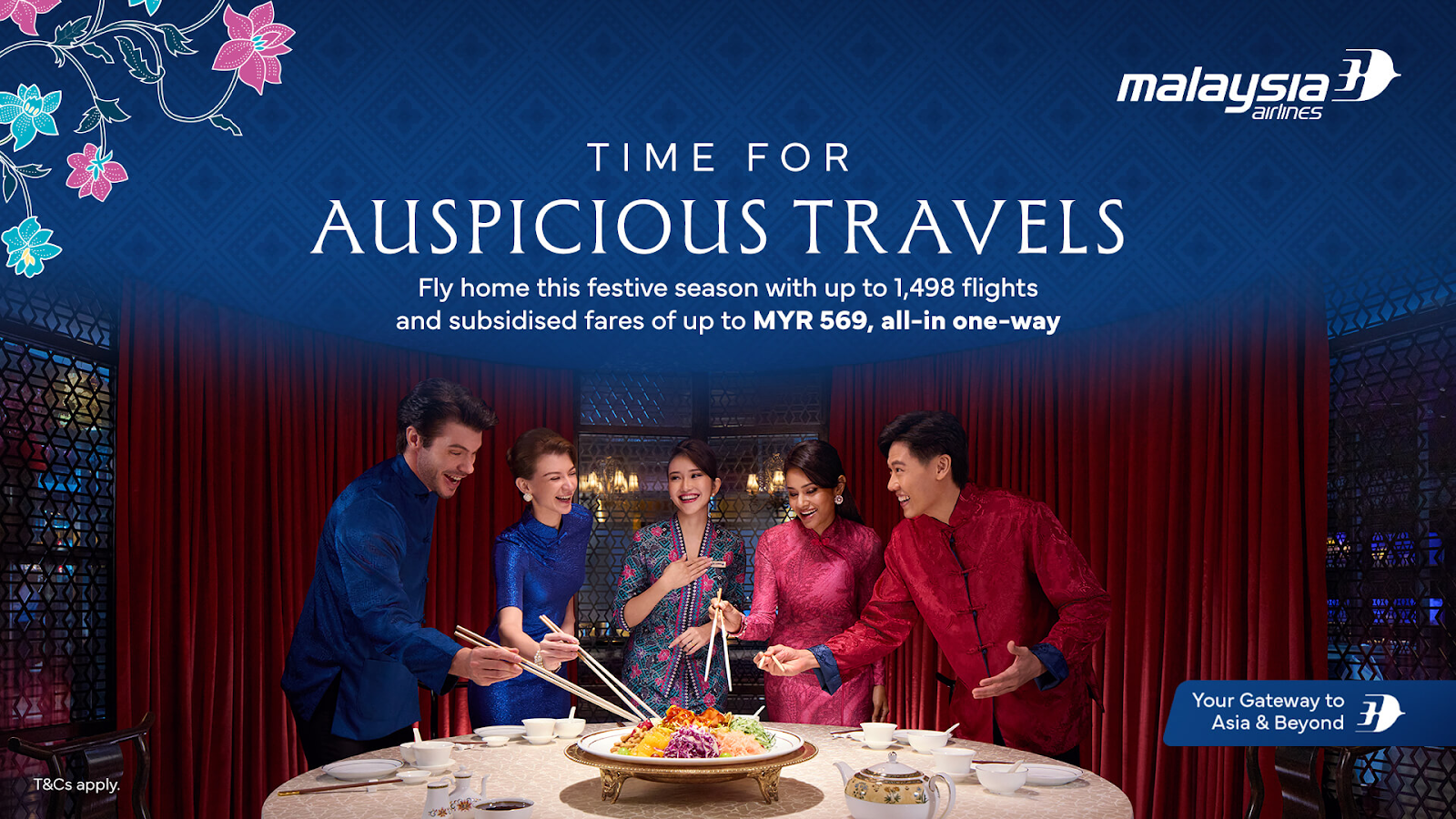
During this period, Malaysia Airlines will operate up to 1,498 flights, with an additional 130 services to support heightened festive travel demand. Meanwhile, sister airline Firefly will operate up to 962 flights between 13 and 23 February 2026, with up to 68 additional services, further strengthening connectivity during the festive travel peak.
The expanded operations will support key domestic homecoming routes between Peninsular Malaysia and East Malaysia, including Kota Kinabalu, Tawau, and Sandakan. Together, Malaysia Airlines and Firefly will operate an expanded domestic network throughout the festive season, reinforcing MAG’s role as a trusted connector for Malaysians during one of the busiest travel periods of the year.
Malaysia Airlines and Firefly will also offer all-in-one-way subsidised fares from Kuala Lumpur to selected East Malaysia destinations during the Chinese New Year peak period from 13 to 16 February 2026.
Malaysia Airlines will offer subsidised fares of up to MYR569 all-in one-way from Kuala Lumpur to destinations including Kota Kinabalu, Tawau, Sandakan, Labuan, Kuching, Miri, Sibu, and Bintulu. Meanwhile, Firefly will offer subsidised fares of up to MYR548 all-in one-way from Kuala Lumpur to selected destinations in East Malaysia, including Kota Kinabalu, Tawau, Kuching, and Sibu.
These subsidised fares complement the expanded festive flight schedule, helping to ease travel costs while ensuring broader access to increased capacity and reliable connectivity during the peak Chinese New Year travel period.
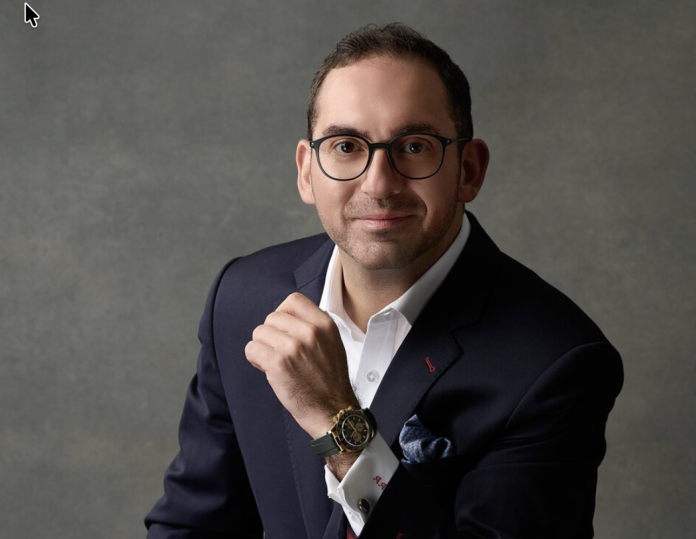
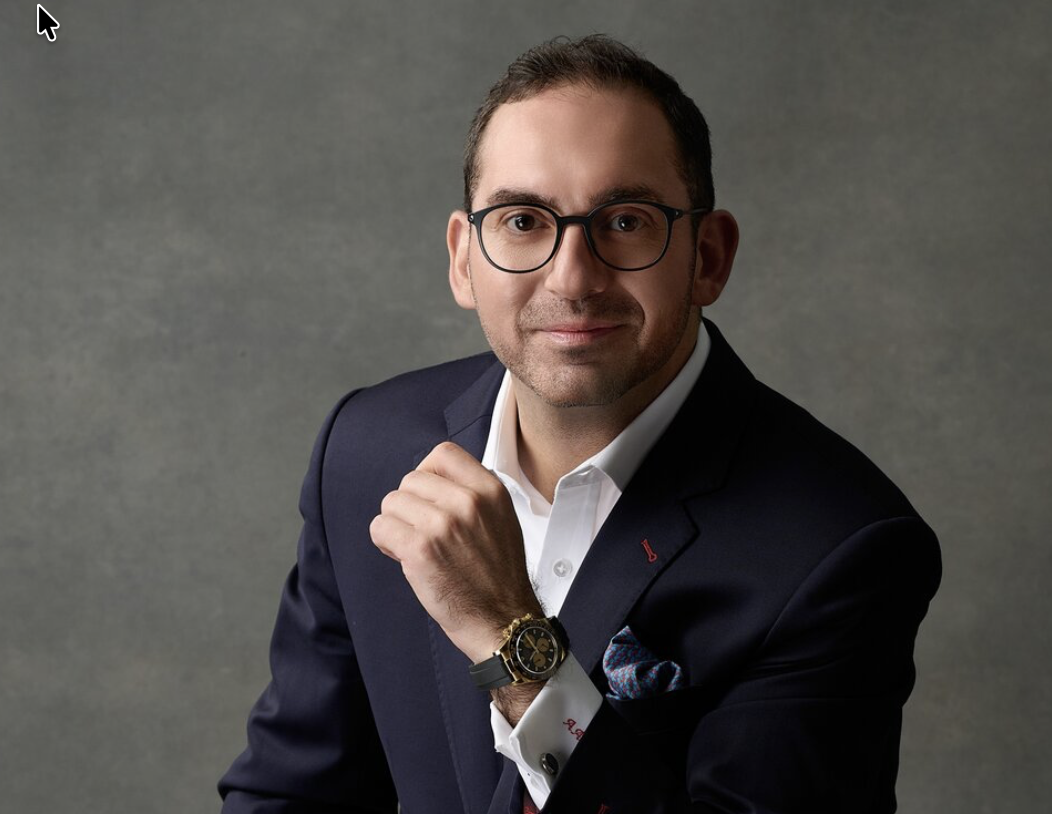
BANGKOK, 19 January 2026: Minor Hotels assigns Amir Golbarg to the role of Chief Operating Officer – Middle East & Africa, effective January 2026.
Golberg joined Minor Hotels in 2012 as Director of Operations & Hotel Openings in Bangkok, later serving in several international roles before becoming Hotel Manager at Souq Waqif Hotel Doha. Returning to the group in 2019 as Vice President Operations – Middle East & Africa, he drove operational excellence and strategic growth across the region’s diverse portfolio. His remit expanded in 2021 to include Southern Africa, Mauritius, and Seychelles.
Photo credit: Minor Hotels. Amir Golbarg
Earlier in his career, Amir held senior roles with Al Rayyan and Katara Hospitality, contributing to landmark projects such as The Ritz-Carlton Doha and Raffles Singapore.
A Danish national, Amir began his hospitality career in 2007 with Burj Al Arab and Madinat Jumeirah in Dubai.
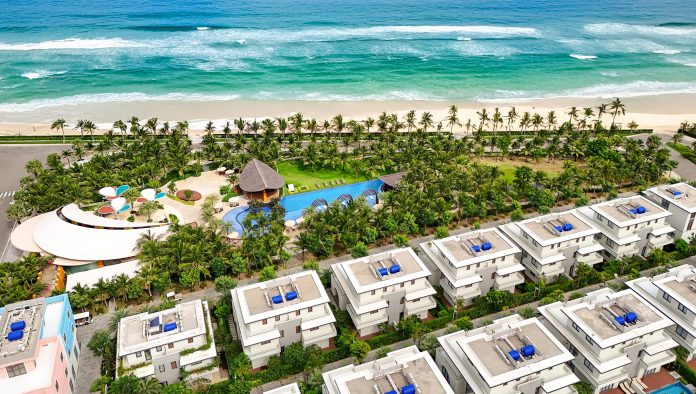
BANGKOK, 16 January 15, 2026: BWH Hotels, a leading global hospitality enterprise comprising WorldHotels, Best Western Hotels & Resorts and SureStay Hotels, is celebrating the debut of the BW Premier Collection in Vietnam and Southeast Asia with the launch of a stylish new beachfront resort in Phan Thiet, lapped by the turquoise sea on the country’s scenic southeast coast.
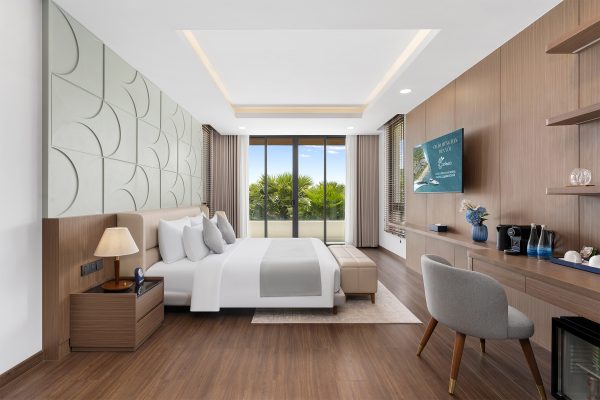
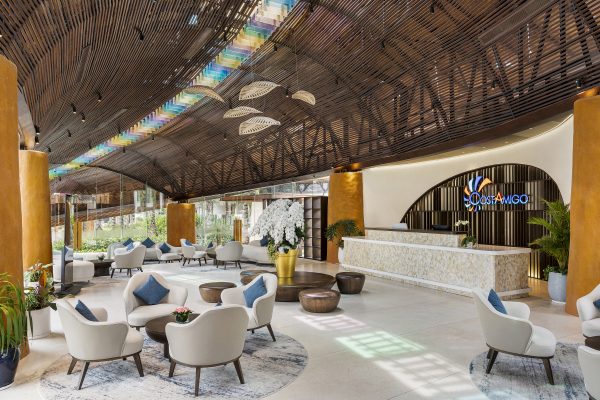
Costamigo Phan Thiet, BW Premier Collection is a brand-new resort that commands a prime position on a long stretch of golden sand in Vietnam’s Binh Thuan province, overlooking the ocean. With its neoclassical European architecture, contemporary interiors, exceptional amenities, and easy accessibility, this property, approximately 3.5 hours by car from Ho Chi Minh City, is set to become a popular option for domestic and international travellers alike.
Guests can stay in a selection of 150 stylish rooms and 34 stunning villas, offering tailored options for families, friends, and couples. The seafront resort also features an array of leisure facilities, including a restaurant, beach bar, an infinity pool with cabanas, sun loungers, a playground, a Mediterranean garden and an outdoor cinema. Visitors can spend days unwinding on the beach and by the pool, or head out to explore this captivating region, which features lush forests, dunes, fishing villages, temples, golf courses, coastal roads, and golden beaches.
Costamigo Phan Thiet, BW Premier Collection, will also be a key destination for meetings and events. A series of indoor and outdoor function spaces, including a large ballroom, will set the stage for productive team meetings, customised conferences and one-of-a-kind weddings.
BW Premier Collection properties offer more than just a hotel stay; they transport guests into a world of refined and sophisticated hospitality. Members of Best Western Rewards, the award-winning loyalty programme, can also enjoy exclusive benefits and points that never expire.
The hotel launch is timed to coincide with the opening of Long Thanh International Airport, a primary new gateway in Southern Vietnam that will eventually service up to 100 million passengers per year, as well as the new Phan Thiet Airport.
“Vietnam is one of Asia’s most dynamic and fast-growing markets, and the debut of BW Premier Collection represents a significant milestone in our development strategy, driven by the strength of our upscale brands. With its prime beachfront location, world-class facilities, and diverse accommodations designed for every occasion, Costamigo Phan Thiet, BW Premier Collection is poised to become a new landmark in this vibrant resort destination. As new airport infrastructure further enhances accessibility to the region, we look forward to welcoming travellers from around the world to experience this captivating corner of Vietnam,” said BWH Hotels Vice President – APAC, Olivier Berrivin.
With the opening of Costamigo Phan Thiet, BW Premier Collection, BWH Hotels now offers four of its premium brands in Vietnam: WorldHotels Elite, WorldHotels Distinctive, BW Premier Collection and Best Western Premier. This marks the seventh BWH Hotels property in Vietnam.
About BWH Hotels BWH Hotels is a leading global hospitality enterprise comprised of three hotel companies, including WorldHotels, Best Western Hotels & Resorts and SureStay Hotels. The global enterprise operates approximately 4,300 hotels in more than 100 countries and territories. With 18 brands across every chain scale segment, from economy to luxury, BWH Hotels suits the needs of developers and guests in every market.
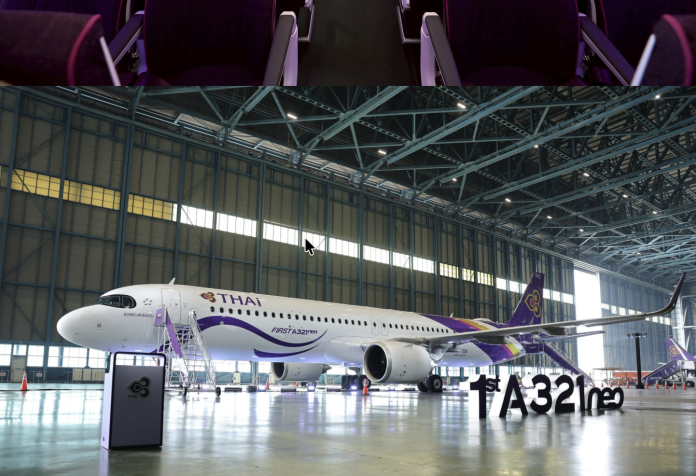
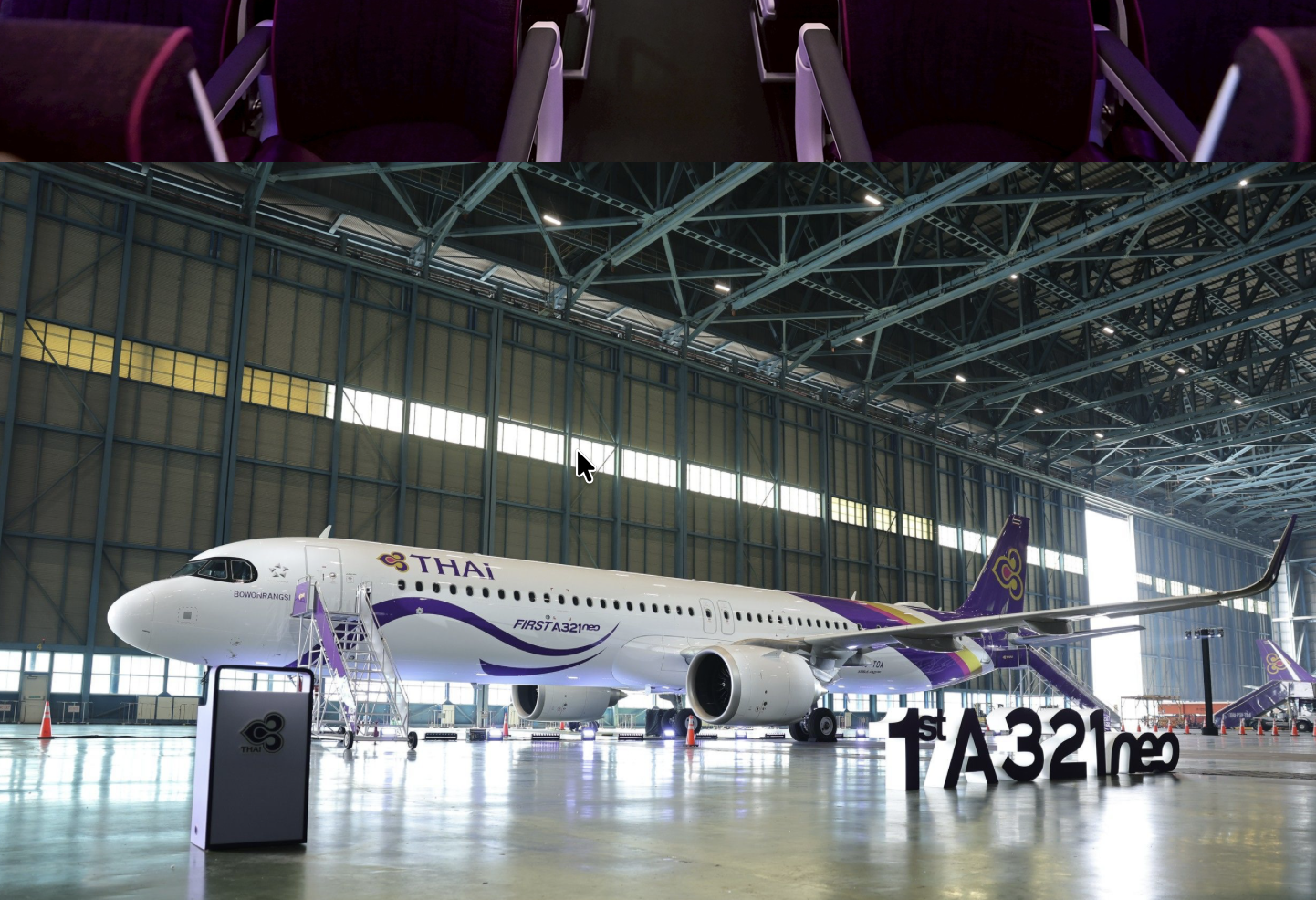
BANGKOK 19 January 2026: Thai Airways International celebrated the arrival of its first Airbus A321neo, which is part of THAI’s fleet modernisation plan to support operations on short and medium-haul routes.
The airline hosted the launch event at the THAI Technical Hangar at Suvarnabhumi Airport, led by the airline’s CEO, Chai Eamsiri, THAI’s management, and business partners.
Photo credit: THAI. First A321 arrives in Bangkok.
The Airbus A321neo features advanced aviation technologies, offering enhanced fuel efficiency, reduced carbon dioxide emissions, and lower noise levels compared with previous-generation aircraft.
The aircraft’s cabin offers 16 business-class seats and 159 economy-class seats in a 3-3 configuration. Its first Airbus A321neo will make its maiden commercial flight on 22 January, operating the following routes until 28 March 2026.
BANGKOK, 19 January 2026: The reported decision by the administration of US President Donald Trump to suspend or significantly tighten US immigrant visa processing for nationals from 75 countries, including Thailand, has triggered widespread concern across the global travel, tourism and meetings industries.
Although the policy has been described as temporary, the absence of a defined end date has fuelled uncertainty and raised more profound questions about trust, reliability and the future direction of international mobility.
For tourism, confidence is currency. For meetings, incentives, conferences and exhibitions (MICE), confidence is everything. Any signal that access to a significant global destination may be unpredictable, selective or politically contingent has ramifications far beyond the visa office.
The affected 75 countries span every inhabited continent, reinforcing concerns that the policy has global implications for tourism, labour mobility and international meetings, rather than being confined to a single region or risk profile.
Countries Targeted By Region
Africa: 25
Asia & Middle East: 23
Europe: 8
Caribbean: 8
Central & South America: 7
Oceania: 1
A policy felt far beyond immigration
The list of affected countries spans Africa, Asia, the Caribbean, Europe, the Middle East and Latin America. It includes major emerging tourism markets and long-standing US partners. While official reporting suggests the pause applies specifically to immigrant visas, not short-term visitor visas, that distinction is often lost in the public mind.
To travellers, businesses and conference organisers alike, the headline message is blunt. Entry into the United States feels more complex, more uncertain and more conditional.
In tourism, perception often outweighs technical detail. A traveller deciding where to holiday, or an association choosing where to host its world congress, rarely dissects visa categories line by line. What matters is whether the destination feels open, welcoming and predictable.
The MICE industry, where inclusion is non-negotiable
Nowhere is the impact more acute than in the MICE sector. Global congresses and exhibitions are built on inclusivity. They succeed because they bring together delegates from dozens, sometimes hundreds, of countries to exchange ideas, conduct business and build long-term professional relationships.
For international associations such as Skål International and the Pacific Asia Travel Association (PATA), the implications are strategic and immediate. A Skål World Congress or a PATA Annual Summit is, by definition, global. Members expect equal access regardless of nationality, income level or passport strength.
If a host destination cannot reasonably guarantee access for all members, the legitimacy of the event is compromised. Attendance drops. Representation narrows. Sponsorship becomes harder to justify. The very purpose of a global congress is undermined.
As a result, organisers are forced to ask difficult but pragmatic questions. Can a truly global meeting be hosted in a country where access is uneven or uncertain? Would alternative destinations offering clearer, more inclusive entry conditions better serve the membership?
Planning horizons and the cost of uncertainty
One of the least understood aspects of the meetings industry is its long planning horizon. Major congresses are typically awarded three to five years in advance. Host city contracts, venue bookings, airline partnerships and sponsorship agreements are locked in long before the first delegate submits a visa application.
In this context, a policy described as temporary but lacking a clear timeline becomes a material risk. Even if the pause were lifted within months, the uncertainty alone can derail bids, delay commitments and push organisers towards destinations perceived as safer choices.
Uncertainty functions as a barrier in its own right.
Tourism economics: the multiplier effect
Photo: International tourism is one of the United States’ largest service exports.
Overseas visitors spend heavily on flights, accommodation, food and beverage, retail, entertainment and domestic transport. Business travellers and conference delegates spend significantly more per day than leisure tourists, making MICE a particularly high-value segment.
Industry benchmarks for the United States suggest that a 1% decline in international visitor spending results in approximately USD1.8 billion in lost US travel export revenue. When indirect and induced effects are taken into account, including impacts on jobs, suppliers and tax receipts, the overall economic cost is significantly high. By extension, a 2% decline in international visitation linked to heightened uncertainty would imply annual losses of approximately USD 3.6 billion.
These figures are illustrative, not predictive. But they demonstrate how quickly policy signals can translate into economic consequences when confidence erodes.
What 9/11 actually taught us
Supporters of more rigid visa controls frequently cite terrorism and national security as justification. Security is a legitimate concern, and no responsible stakeholder disputes the need for robust border controls. However, history provides an important reality check.
The Statue of Liberty and the American flag, enduring symbols of welcome and freedom, and new beginnings, stand at the centre of a renewed global debate on visas, borders and mobility
The findings of the National Commission on Attacks Upon the United States concluded that the perpetrators of the 9/11 attacks entered the United States legally. Most arrived on temporary visitor visas, with some linked to student visas. They did not enter on immigrant visas.
The failure lay not in the existence of legal travel channels, but in shortcomings in intelligence sharing, monitoring, enforcement and inter-agency coordination. These lessons led to post-9/11 reforms focused on smarter screening, data integration and targeted risk assessment.
Against this backdrop, a broad pause on immigrant visas for 75 countries does not directly address the historical pathway used on 9/11. Critics, therefore, argue that such measures risk being punitive rather than preventive, offering political reassurance without materially improving security outcomes.
Temporary in theory, open-ended in practice
The policy has been framed as a pause pending review. Yet without a defined end date or transparent benchmarks for lifting the suspension, temporary quickly begins to feel open-ended.
For global mobility, this distinction is crucial. Airlines, tour operators and event organisers operate on long lead times. Investors and sponsors assess risk years ahead. A lack of clarity discourages commitment and encourages diversification away from uncertain markets. Once confidence is lost, it is not easily regained.
Implications for international associations
For organisations such as Skål International and PATA, the implications are both operational and philosophical. Event strategy must now incorporate visa policy risk alongside cost, sustainability and infrastructure.
Destinations that offer neutrality, openness and predictable access gain a competitive advantage. Cities in Europe, the Middle East and Asia-Pacific may increasingly position themselves as reliable hosts for global gatherings precisely because they minimise uncertainty for delegates.
This is not an anti-American stance. The United States remains a world-class destination with unmatched infrastructure, innovation and hospitality expertise. But in a competitive global marketplace, even marginal barriers can influence decision-making.
A more secure or a more fragmented world?
The fundamental question is whether such policies make the world safer and more inclusive, or whether they contribute to division and fragmentation.
Tourism and meetings are not merely economic activities. They are vehicles for soft power, diplomacy and mutual understanding. When people meet face to face, trust is built. When borders harden and rhetoric turns exclusionary, collaboration becomes harder. The risk is a gradual retreat from engagement, with long-term consequences that extend far beyond tourism balance sheets.
Conclusion
Security matters. Borders matter. But openness matters too. The lessons of the past two decades suggest that safety is best achieved through intelligence-led systems, cooperation, and targeted enforcement, rather than broad, nationality-based restrictions. Policies perceived as divisive may offer short-term political reassurance, but they carry long-term economic and reputational costs.
For global tourism and the MICE industry, the danger lies not only in lost revenue but in lost momentum for dialogue, partnership, and peace. The challenge for policymakers is to protect without isolating, and to reassure without closing doors. The future of global travel, and of truly global meetings, depends on striking that balance.
About the author Andrew J Wood is a British-born travel writer and tourism consultant who has lived in Thailand since 1991. A former Director of Skål International and past President of Skål International Asia, Skål Thailand and Skål Bangkok, he writes widely on global tourism trends, policy and the future of international travel, with particular expertise in the Asia-Pacific region and the international meetings industry.
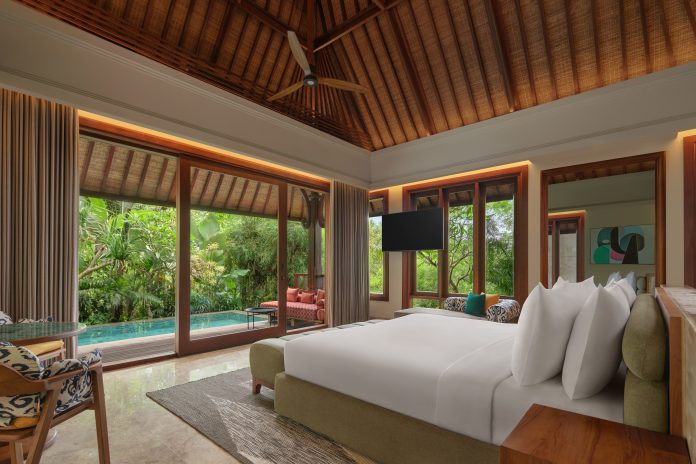
BALI, 19 January 2026: Tribute Portfolio, part of Marriott Bonvoy’s global portfolio, announces the opening of Hiliwatu, Bali Ubud, a Tribute Portfolio Resort.
Situated in the hillside village of Bresela, the resort spans 26,000 sqm of lush landscape and features 24 suite rooms, 12 one-bedroom villas, one three-bedroom villa, and one four-bedroom villa.
Hiliwatu invites guests to rediscover Bali from a fresh vantage point. A heliport offering 360-degree views of Ubud’s undulating landscape redefines arrival, while curated artworks from emerging Balinese artists infuse each space with storytelling. Hiliwatu has named Yudi Hendarsyah as its General Manager.
Commitment to Community
Hiliwatu fosters meaningful engagement with the local community. Guests can participate in curated cultural experiences, from traditional craft workshops to guided visits to partner villages, gaining insight into Balinese rituals and sustainable agriculture.
The resort also champions sustainable practices, integrating eco-conscious design, water and energy management, and locally sourced materials throughout the property. Dining experiences prioritise farm-to-table principles, support neighbouring farms, and preserve Ubud’s agricultural heritage. Hiliwatu’s wellness programs further emphasise the harmony between human wellbeing and environmental stewardship, ensuring that every stay nurtures the body and the planet.
Hiliwatu, Bali Ubud, a Tribute Portfolio Resort, participates in Marriott Bonvoy, Marriott International’s award-winning travel program. Members can earn and redeem points for stays, experiences, and more across Marriott Bonvoy’s portfolio of brands.
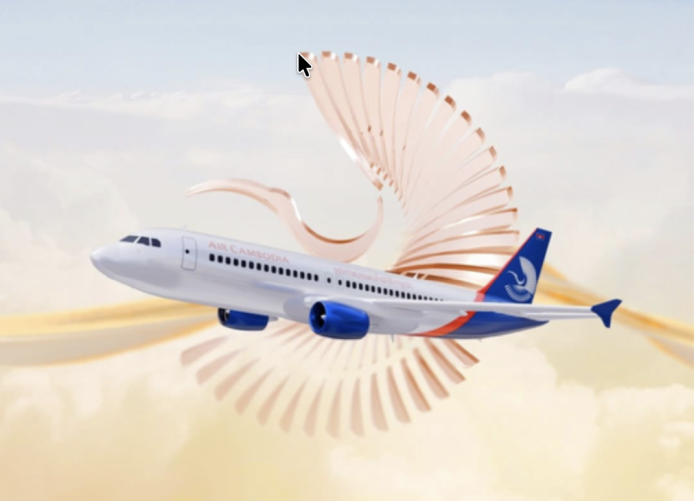
PHNOM PENH, 19 January 2026: Air Cambodia launched its new corporate identity last week, marking its first brand transformation since 2009, when the airline entered the Cambodian aviation segment as the national airline.
The new logo is rooted in Khmer culture, inspired by the Giant Ibis (known in Khmer as Tror Yorng), Cambodia’s national bird.
In a statement announcing the new aircraft livery on 15 January, the airline said the “brandmark features a bird’s beak pointing upward at a 45-degree angle, symbolising the airline’s upward trajectory. It combines 18 feathers with the sleek shape of aircraft engine fan blades, representing long-distance endurance and strong power.
“As we transition to this new identity, Air Cambodia is also expanding its fleet. We have recently added three ATR72-600 aircraft and confirmed the purchase of 20 Boeing 737 MAX 8 and 20 COMAC C909 aircraft. Following three consecutive years of profit since 2023, we are ready to soar higher than ever,” the statement concluded.
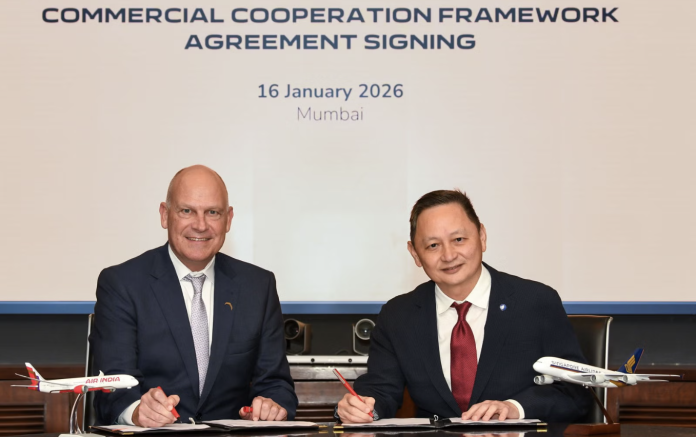
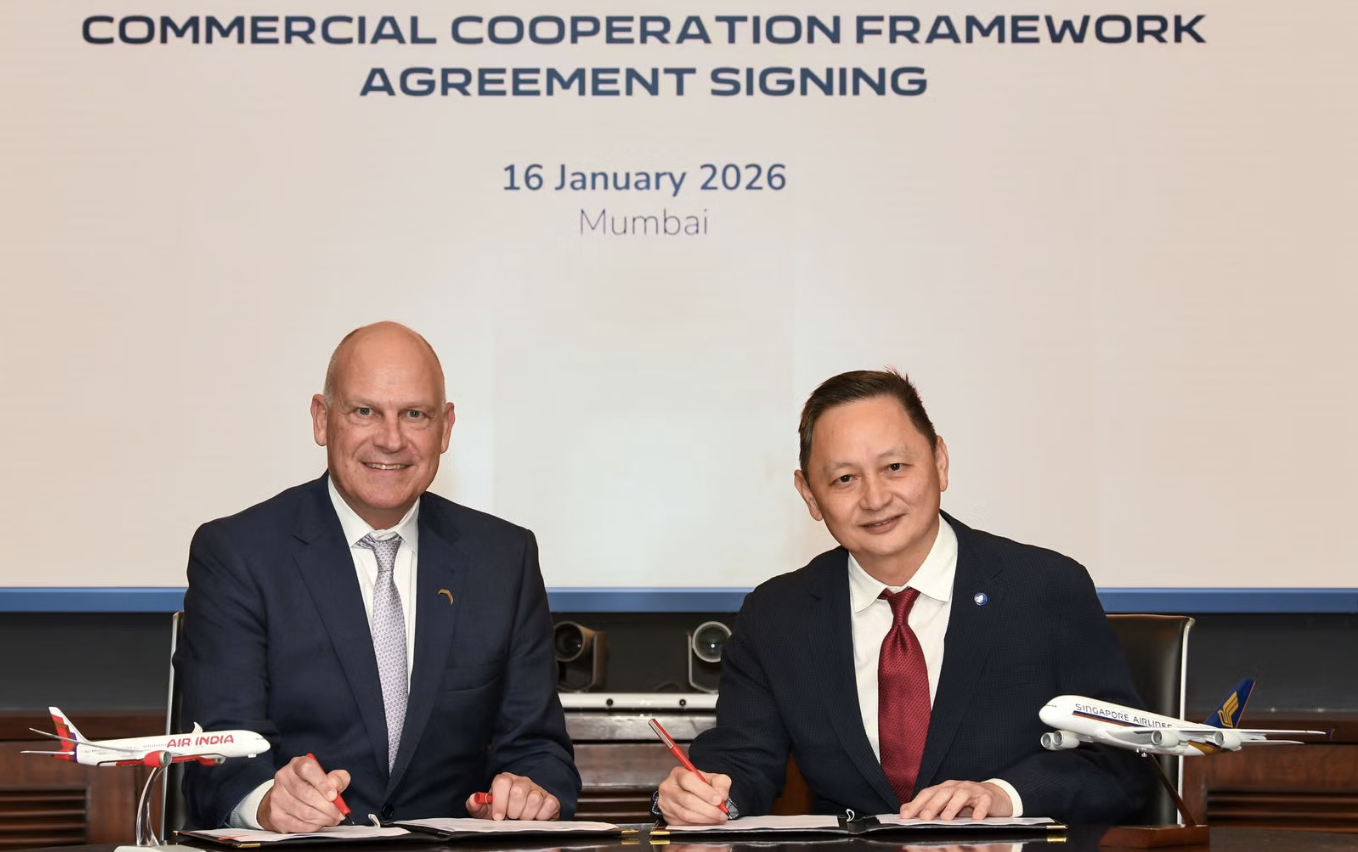
MUMBAI, 19 January 2026: Air India and Singapore Airlines have signed a commercial cooperation framework agreement, which will pave the way for the two airlines to deepen their long-standing partnership through definitive joint business agreements.
The agreement was signed in Mumbai on 16 January 2026 by Air India Chief Executive Officer and Managing Director Campbell Wilson, and SIA Chief Executive Officer, Goh Choon Phong.
Photo credit: Air India. Air India CEO and MD, Campbell Wilson, and SIA CEO, Goh Choon Phong, at the signing event.
Subject to regulatory approvals and the signing of definitive joint business agreements, the airlines aim to expand and enhance the product and service offerings, enabling seamless connections and more route options, and allowing customers to book flights across both airlines under a single unified journey.
This partnership also envisages closer coordination of flight schedules between Air India and SIA to improve customer convenience.
It could also expand to include greater cross-participation in the airlines’ corporate travel programmes to improve offerings to business travellers. The airlines will explore plans to progressively enhance privileges beyond the current Star Alliance benefits for members of Air India’s Maharaja Club and SIA’s KrisFlyer frequent flyer programmes.
Air India and SIA also plan to explore opportunities to broaden their cooperation in select markets beyond Singapore and India, subject to regulatory approvals. This would meet the growing demand for global connectivity, support traffic flow through both carriers’ hubs, and strengthen the air travel markets of both India and Singapore.
Today, the airlines codeshare on 61 destinations in 20 countries and territories. This follows the October 2024 expansion of their codeshare partnership, which added 51 international and domestic destinations across both networks.
Air India Chief Executive Officer and Managing Director, Campbell Wilson said: “Air India remains committed to expanding its global footprint, both by adding new aircraft to our own fleet and by forging stronger commercial partnerships, especially with our fellow Star Alliance member carriers. We are pleased to take our long-term relationship with Singapore Airlines to the next level through this new commercial cooperation understanding, which establishes a clear and structured platform for both airlines to explore and define future areas of closer collaboration.”
Singapore Airlines Chief Executive Officer Goh Choon Phong added: “It is a strategic, win-win collaboration that will strengthen connectivity between Singapore and India, support the growth of air travel and tourism in both countries, and deepen their long-standing business and people-to-people ties.”
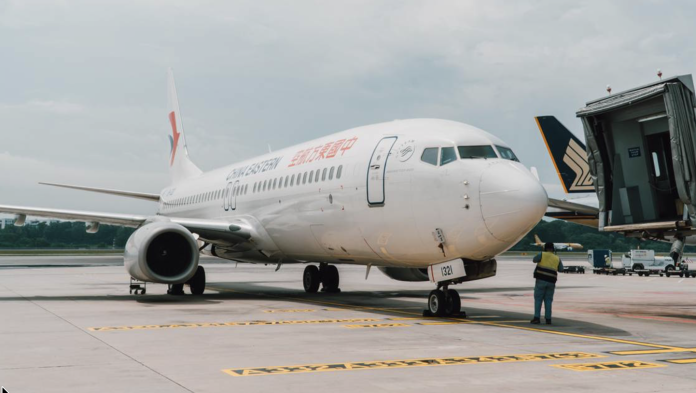
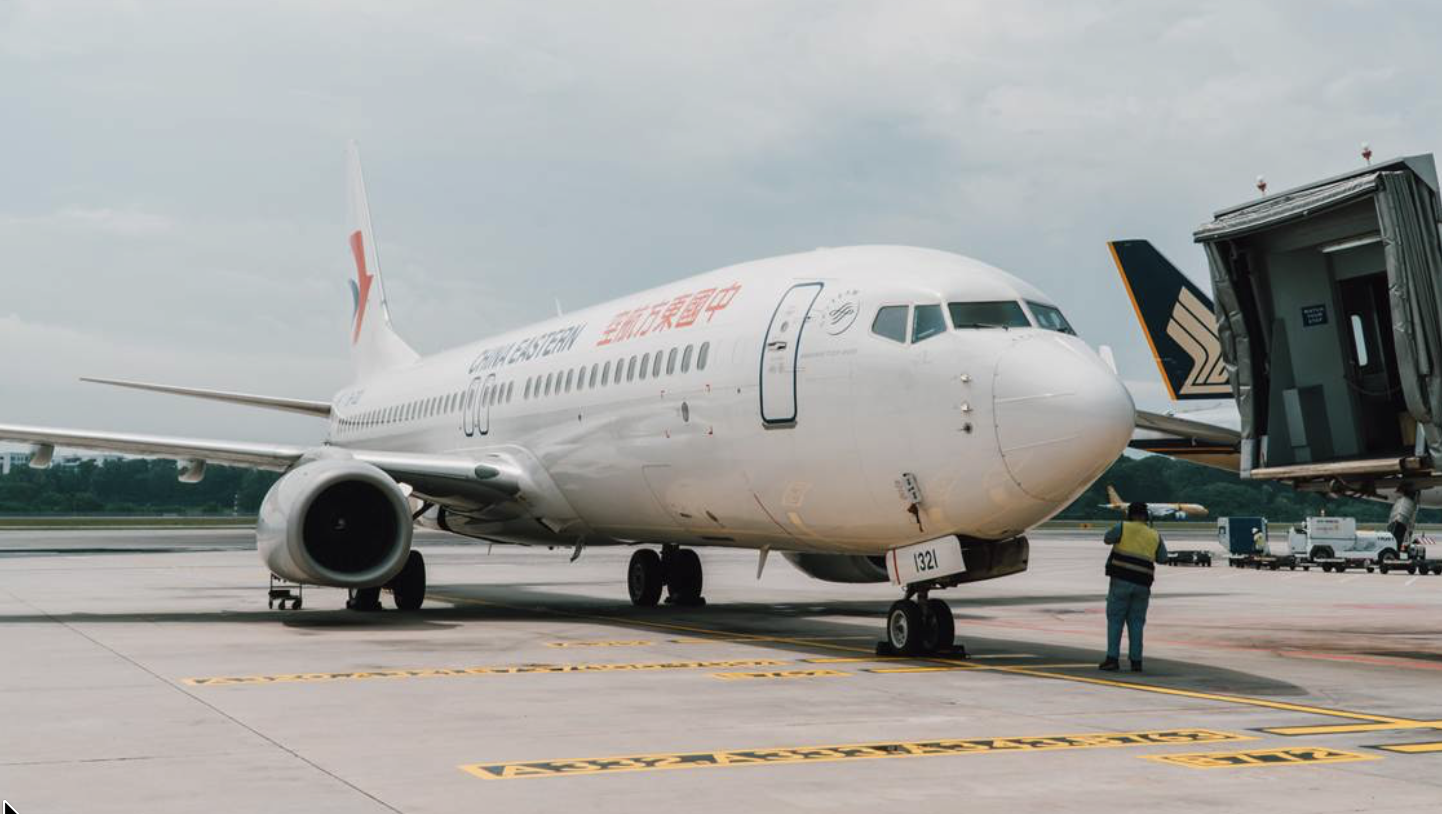
SINGAPORE, 19 January 2026: Preparing for an anticipated spike in travel demand during the Lunar New Year holiday season, six airlines serving Changi Airport will offer over 600 supplementary flights to around 15 Chinese cities. This is more than double the number of supplementary flights operated during the same period in 2025.
Between 1 February and 8 March 2026, travellers will have more choices for visiting a variety of destinations, ranging from popular cities such as Shanghai, Guangzhou, and Chongqing to secondary cities like Changsha, Ningbo, and Wenzhou.
Photo credit: Changi Airport Group.
Singapore is currently linked to 37 cities in China, and the country is one of the top holiday destinations for Singapore travellers. With mutual visa-free arrangements, the Lunar New Year season continues to see strong travel demand between the two countries. The additional flights will provide travellers from both countries with more holiday travel options.
Expanded connectivity to 15 Chinese cities
The additional flights are offered by six airlines: Air China, China Eastern Airlines, China Southern Airlines, Loong Air, Spring Airlines and Xiamen Airlines.
Among them, Air China, China Eastern and Xiamen Airlines will each operate more than 140 additional flights. Together, the flights will serve 15 cities across China — Changsha, Chengdu, Chongqing, Guangzhou, Hangzhou, Hefei, Nanchang, Nanjing, Ningbo, Shanghai, Wenzhou, Wuhan, Xi’an, Xiamen, Zhengzhou.
It will be the first time that airlines are operating supplementary flights during the peak holiday season to Nanchang, Ningbo, Wenzhou, Wuhan, and Zhengzhou.
Changi Airport Group Executive Vice President for Air Hub and Cargo Development Lim Ching Kiat said: “The doubling of flight capacity between China and Singapore this Lunar New Year reflects the strong travel demand we continue to see between China and Singapore, as well as the close partnerships we have built with our airline partners. The extended services, including to several cities receiving supplementary flights for the first time, will further strengthen Singapore’s position as a key gateway to China.”