

Wednesday, June 10, 2026
Home Blog Page 55

MATTA statement on flight disruptions

KUALA LUMPUR, 3 March 2026: The Malaysian Association of Tour and Travel Agents (MATTA), through its Vice President for Air Transportation, Fazil Khan, issued a statement on the ongoing disruptions to international flight operations arising from heightened geopolitical tensions in the Middle East.

“Heightened security concerns in the region have led airlines to implement flight suspensions, service rerouting, and schedule adjustments as precautionary measures to ensure passenger and crew safety.

“Several major aviation hubs and airspaces in the Middle East, including those in the Gulf and neighbouring regions, are currently operating under enhanced security measures. These developments have led to delays, cancellations, and temporary airspace restrictions affecting flights transiting through or operating to and from the region. The situation remains fluid and may change at short notice depending on security assessments by regional authorities and airlines.”

MATTA, in its press statement, advises travellers to closely monitor official updates issued by airlines, civil aviation authorities, and relevant government travel advisories.

MATTA clarified that the current disruptions are beyond the control of travel agents. Operational decisions relating to flight suspensions, rerouting, delays, cancellations, or schedule adjustments are made solely by airlines and aviation authorities based on security and safety considerations.

“Any changes to travel arrangements, including re-accommodation, refunds, or itinerary amendments, are strictly subject to the terms and conditions of the respective airlines and service providers.”

The association added that its “members will, as always, extend their fullest cooperation and professionalism in assisting clients to explore alternative arrangements where possible. However, such alternatives remain subject to the pre-determined commercial policies and operational decisions of airlines and hotel partners on the ground.”

(Source: Marketing, Brands and Communication, MATTA).

Thailand’s CAAT advisory on flight disruptions

Meanwhile, in neighbouring Thailand, the Civil Aviation Authority of Thailand (CAAT) issued an urgent advisory following the outbreak of hostilities in the Middle East on 28 February.

Several countries in the Middle East have closed or restricted their airspace to ensure the safety of civil aviation.

Israel has suspended all civil flight operations, while Iran has closed its national airspace. The United Arab Emirates, Qatar, and Kuwait have also implemented partial airspace closures. These measures are expected to affect major international routes between Europe, Asia, and the Asia-Pacific region.

Airlines are rerouting flights to avoid high-risk areas, which may result in delays or cancellations. Passengers travelling to Europe, the Middle East, or with regional connections are advised to check airline updates and confirm their flight status before departure.

CAAT reminds passengers departing from Thailand that Thai regulations protect in cases of delays or cancellations, though transit countries may not offer the same coverage. 

Suvarnabhumi Airport has mobilised personnel to assist passengers affected by flight disruptions resulting from tensions between Israel and Iran. 

On the night of 28 February 2026, airport authorities deployed staff to provide information and assistance for affected travellers. Eight airlines were affected, namely: EL AL Israel Airlines, Air Arabia, Emirates, Qatar Airways, Etihad Airways, Gulf Air, Arkia Israel Inland Airlines, and Kuwait Airways.

A total of 16 flights were initially cancelled, including 14 departures and two arrivals. As of 1 March 2026, World2Fly announced an additional cancellation, bringing the total number of affected flights to 32, comprising 16 departures and 16 arrivals.

Passengers planning to travel to the Middle East or nearby regions are advised to check their flight status regularly via airline websites, mobile applications, airport counters, or direct airline contact.

(Source: PRD Thailand)

Central Pattana partners with Ascott

BANGKOK, 3 March 2026: Central Pattana Plc, a real estate developer and operator of shopping centres, residential projects, hotels, and office buildings nationwide, has partnered with The Ascott Limited (Ascott), a leading global hospitality company and wholly owned subsidiary of CapitaLand Investment (CLI), to announce the development of Oakwood Central Hat Yai. 

This marks the debut of the Oakwood brand in Hat Yai, reflecting strong hospitality demand in one of Southern Thailand’s key economic hubs and reinforcing the city’s elevation of hospitality and serviced-living standards.

Photo credit: Oakwood Central Hat Yai.

Located in the heart of Hat Yai, the hotel will be directly connected to Central Hat Yai, the city’s premier lifestyle landmark. Just a 20-minute commute from Hat Yai International Airport, the property will cater to both leisure and urban living needs. Oakwood Central Hat Yai is scheduled to open in the fourth quarter of 2026.

Bringing the Oakwood brand to Hat Yai

Oakwood Central Hat Yai will feature 182 rooms and suites, from well-appointed deluxe rooms to spacious suites, with select room categories featuring fully equipped kitchens. The property will also offer an all-day dining restaurant, rooftop bar, rooftop swimming pool, banquet and meeting rooms for business events, fitness centre, kids’ club, and self-service laundry facilities.

Central Pattana Plc Head of Hotel Business Phoom Chirathivat said: “Hat Yai is a city with strong year-round demand from both business and leisure travellers. Introducing the Oakwood brand — leveraging a versatile flex-hybrid model to meet diverse travel needs — into a project that is directly connected to Central Hat Yai shopping centre enables us to create a fully integrated experience in one destination, seamlessly combining stay, work, meetings, and lifestyle. This collaboration with Ascott will set a new benchmark for hospitality in Hat Yai and support the city’s long-term, quality-driven growth.”

The launch of Oakwood Central Hat Yai will mark the arrival of the city’s first internationally branded hotel. At the same time, it also stands as a significant milestone in Central Pattana’s mixed-use development strategy — creating sustainable value for the city, its people, and the broader economy. The property will unveil a new elevated lifestyle experience in the heart of Hat Yai when it opens in Q4 2026.

Oakwood Central Hat Yai is located at Kanjanavanich Road, Hat Yai Subdistrict, Hat Yai District, Songkhla 90110. 

For more information about Oakwood Central Hat Yai, visit Oakwood Central Hat Yai

(Source: Your Stories — Central Pattana)

Global tensions and the tourism economy

BANGKOK, 3 March 2026: The rapid escalation of conflict in the Gulf region is once again reminding the world how closely geopolitics, markets, and tourism are intertwined. As military action involving the United States and Israel against Iran reverberates across the Middle East, reports of retaliatory strikes and heightened security alerts have created understandable concern well beyond the immediate region.

While the human and humanitarian implications must always come first, there are also clear economic consequences that merit careful examination, particularly for travel, tourism, and investor confidence across Asia and Thailand.

Distant conflict, measured market reaction, and resilient travel demand.

Tourism is among the most sentiment-driven sectors of the global economy. It reacts quickly to headlines, uncertainty, and perceived risk, often before any measurable impact on infrastructure or safety occurs. Even when destinations are geographically distant from conflict zones, traveller psychology can shift abruptly, especially among long-haul markets.

This is not the first time the world has faced a Gulf conflict involving the US, and it is certainly not the first such episode witnessed from Thailand. I have lived through multiple periods of regional and global tension while based here, including the first Gulf War in the early 1990s. At that time, there was widespread concern that long-haul travel would collapse and that Thailand’s tourism industry would suffer lasting damage. In reality, the impact proved far more limited and short-lived than feared. While there was an initial pause in bookings and heightened anxiety driven by headlines, Thailand was quickly seen as distant, stable, and safe. Tourism demand returned faster than expected, regional travel remained resilient, and the country ultimately emerged with its reputation intact. The lesson from that period is clear: global conflicts can unsettle sentiment, but when Thailand is not directly involved, the net effect has historically been temporary rather than structural.

In the short term, the most likely tourism impact is hesitation rather than cancellation. Travellers may delay booking decisions, shorten planning horizons, or favour destinations perceived as stable and predictable. Asia, and Thailand in particular, have historically benefited from being viewed as safe, neutral, and far removed from Middle Eastern conflict. That perception remains broadly intact, but global instability can still dampen overall travel confidence.

A massive naval armada underscores the scale of the crisis.

Air travel is one of the first sectors to feel pressure. Rising oil prices, airspace disruptions, and increased insurance and security costs place upward pressure on fares. For price-sensitive markets, even modest fare increases can influence destination choice. Southeast Asia could see some marginal softening in demand from Europe and North America if flight costs rise or routing becomes more complex.

That said, Thailand’s tourism fundamentals remain comparatively strong. The country benefits from a diversified set of source markets, strong intra-Asia travel, and a reputation for value, hospitality, and resilience. Historically, Thailand has shown an ability to recover quickly from external shocks, particularly when those shocks are not directly regional in nature.

Within Asia, short-haul travel is likely to remain robust. Regional travellers tend to be more pragmatic and less reactive to distant geopolitical events, particularly when there is no direct threat to their travel routes or destinations. This may help cushion any softness from long-haul markets.

Turning to financial markets, periods of geopolitical escalation typically trigger short-term volatility rather than immediate structural decline. Equity markets often react swiftly to uncertainty, with initial sell-offs followed by partial recoveries as investors reassess fundamentals.

The technology-heavy Nasdaq is usually the most sensitive to risk-off sentiment. In times of global tension, investors tend to rotate away from higher-growth, higher-valuation stocks toward more defensive assets. This can lead to sharper short-term declines, even if the underlying companies are not directly exposed to the conflict.

The Dow Jones Industrial Average, with its greater weighting toward established industrial and consumer companies, often proves more resilient. Defensive sectors, including healthcare, consumer staples, and energy, can provide relative stability during turbulent periods.

The S&P 500 typically sits between the two, reflecting the broader US economy. While headline risk can drive short-term swings, longer-term performance usually depends on interest rates, inflation expectations, and corporate earnings rather than geopolitics alone.

For Asia-Pacific markets, reactions are often less intense. Energy-importing economies may feel pressure from rising fuel costs, while exporters of commodities or energy-related services may benefit. Investor focus tends to shift toward currencies, supply chains, and central bank responses rather than equities alone.

For Thailand, the primary economic exposure is indirect. Higher energy prices can influence inflation and operating costs, including transport and hospitality. However, domestic demand, regional tourism, and government stimulus measures play a far larger role in shaping near-term economic outcomes.

In times like these, perspective is essential. Markets dislike uncertainty, but they also adapt quickly once information becomes clearer. Tourism demand pauses, recalibrates, and often returns faster than expected when destinations remain safe and accessible.

For tourism leaders, investors, and policymakers, the priority should be calm communication, fact-based reassurance, and operational readiness rather than reactive decision-making. History shows that resilience, not panic, is the defining factor in navigating periods of global tension.

While the situation in the Gulf remains fluid, Asia and Thailand are not on the front line of this conflict. With prudent management, clear messaging, and continued focus on traveller confidence, the region’s tourism and economic outlook remains fundamentally intact.

About the Author
Andrew J Wood is a respected travel and hospitality professional with more than four decades of international experience across Asia, Europe, and the Middle East. Based in Thailand, he is a regular industry commentator on tourism trends, hotel performance, and regional economic dynamics. Andrew has worked extensively with international hotel groups, tourism organisations, and media, and is widely recognised for his balanced, on-the-ground insight into Asia’s travel and hospitality sector.

China Eastern adds three new destinations

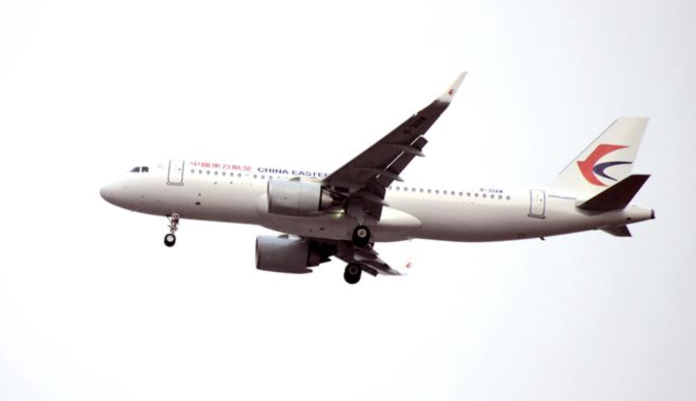
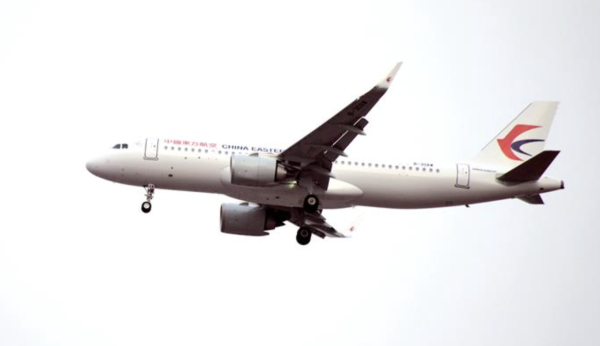
SINGAPORE, 3 March 2026: China Eastern Airlines has confirmed a major expansion during its summer 2026 timetable by introducing three international routes connecting China to Central Asia, Europe, and Australia.

Photo credit: China Eastern Airlines.

Shanghai (PVG) to Tashkent (TAS), Uzbekistan

This route is an expansion into Central Asia that supports China’s “Belt and Road” initiative.

Start Date: 30 March 2026.

Frequency: Four weekly flights (Mondays, Tuesdays, Thursdays, and Saturdays).

Aircraft: A330-200.

Details: Flights depart Shanghai Pudong at 1340 and return from Tashkent on the same day. This follows the airline’s launch of service to Xi’an–Tashkent in 2025. 

Flight schedule

MU6037 departs Shanghai (PVG) at 1340 and arrives in Tashkent (TAS) at 1840.
MU6038 departs Tashkent (TAS) at 2020 and arrives in Shanghai (PVG) at 0615 plus a day.

Xi’an (XIY) to Vienna (VIE), Austria

China Eastern is positioning Xi’an as a major international hub with this new link to Europe.

Start Date: 20 April 2026.

Frequency: three weekly (Mondays, Thursdays, and Saturdays).

Aircraft: A330-200.

Significance: This is a direct service aimed at capturing the growing demand for travel between Western China and Central Europe.

Flight schedule

MU5063 departs Xi’an (XIY) at 0130 and arrives in Vienna (VIE) at 0610.
MU5064 departs Vienna (VIE) at 1330 and arrives in Xi’an (XIY) at 0550 plus a day.

Shanghai (PVG) to Adelaide (ADL), Australia

This is a seasonal service marking the return of a direct link to South Australia.

Operations timeline: 20 June 2026 to 2 August 2026.

Frequency: Three weekly.

Outbound: Mondays, Thursdays, and Saturdays.

Return: Tuesdays, Fridays, and Sundays.

Aircraft: A350-900.

Details: This route targets the peak winter travel season in Australia and summer holidays in China.

Flight schedule

MU781 departs Shanghai (PVG) at 1940 and arrives in Adelaide (ADL) at 0730, plus a day. (Mon, Thu, Sat)
MU782 departs Adelaide (ADL) at 0930 and arrives in  Shanghai (PVG) at 1830. (Tue, Fri, Sun).

China Eastern: More network adjustments

Sydney rejig: Starting 29 March 2026, the airline is switching its Wuhan (WUH)–Sydney (SYD) routing to a Beijing Daxing (PKX)-(WUH)–Sydney (SYD) service.  

Manila terminal shift: Also effective 29 March  2026, the airline will move its operations at Manila’s Ninoy Aquino International Airport from Terminal 1 to Terminal 3.

India resumption: The airline recently upgraded its Shanghai–New Delhi service to a daily direct service.

Takeaways 

Tashkent Expansion: By adding Shanghai to its existing Xi’an–Tashkent service, China Eastern will become a major player for travel to Uzbekistan.

Vienna Connectivity: The 0130 departure from Xi’an gets travellers to Europe early in the morning, ready for a full first day of sightseeing or business meetings.

Adelaide Return: This is good news for South Australia’s hospitality and tour content suppliers, as it’s the first direct link to mainland China since 2020.

(Source: China Eastern Airlines with additional reporting)

Amadeus adds SkyLink to its portfolio

SINGAPORE, 3 March 2026: Amadeus has acquired  SkyLink, a New York-based technology company that has built a proprietary AI architecture designed to integrate seamlessly into chat platforms.

This enables travellers to book and service flights and hotels conversationally in a matter of seconds. At the same time, businesses can benefit from meaningful cost savings and productivity gains as their employees unlock time for higher-value work. 

Photo credit: Amadeus. Amadeus President and CEO Luis Maroto.

With adoption accelerating and tens of thousands of bookings already completed, SkyLink is demonstrating how cleverly designed AI can raise the standard for speed, simplicity, and user satisfaction.

Amadeus is progressively enabling its products with AI-powered conversational layers that help customers’ employees more easily access insights and make fuller use of existing capabilities. 

Operating across more than 190 markets and processing billions of search requests and millions of travel transactions daily, Amadeus’ scale enables AI to be applied reliably and at volume, supporting more relevant and efficient traveller interactions.

One immediate, tangible benefit is SkyLink’s complementary technology that supports the evolving needs of the Travel Management Company (TMC) sector. This will enhance and extend Amadeus’ solution capabilities for corporate travel, particularly by expanding its strong customer base in North America.

“Combining our AI-native technology with Amadeus’ scale and industry reach will allow us to deploy our technology faster and bring powerful new capabilities that benefit travellers and companies across the travel industry. It’s a pivotal time to deliver concrete AI solutions and, now with Amadeus, we can accelerate the next phase of travel innovation,” said  SkyLink.CEO & Co-Founder, Atyab Bhatti.

Amadeus President and CEO Luis Maroto added: “Amadeus is the embedded and neutral execution layer for travel; built on three pillars: our global scale, the power of our integrated and deeply connected business logic, and our status as a trusted system of record in the industry since 1987. These pillars enable us to apply AI-driven capabilities consistently across airlines, airports, hotels, travel sellers and the wider travel ecosystem.”

(Source: Amadeus)

Ao Nang Krabi tops Booking.com searches

BANGKOK, 3 March 2026: Booking.com identified Thailand’s most popular destinations among Chinese Travelers during the recent Lunar New Year 2026, based on the booking site’s searches.

Ao Nang Beach in Krabi, southern Thailand, topped the searches, increasing by over 400% for travel searches linked to China’s Golden Week, which ran from 15 to 23 February.

Photo credit: Chareena Hill Beach Resort. Ao Nang Krabi.

Tourism data from China’s National Immigration Administration (NIA) showed that the holiday season generated 17.796 million cross-border trips, with the average daily number of trips rising 10.1% year-on-year to 1.977 million.

Top search destinations in Thailand among Chinese travellers for the Lunar New Year 2026 (Year-on-Year increase in search volume).

  • Ao Nang Beach, Krabi: 407.59%
  • Ko Samed, Rayong: 319.41%
  • Ko Lipe, Satun: 274.42%
  • Hua Hin, Prachuap Khiri Khan: 262.23%
  • Chiang Mai: 234.73%
  • Kata Beach, Phuket: 232.66%
  • Karon Beach, Phuket: 88.03%
  • Patong Beach, Phuket: 110.53%
  • Bangkok: 75.19%
  • Phuket Town: 71.23%

(Source: Booking.com)

Tokyo Marathon spreads revenue beyond the race

TOKYO, 3 March 2026: The Tokyo Marathon 2025 generated an estimated USD100 million (JPY155 billion) in incremental consumer spending over three days, according to new analysis from the Mastercard Economics Institute (MEI).

Merchants within a 10-kilometre radius of the finish line recorded spending approximately 7% higher than a typical non-marathon weekend, highlighting the event’s measurable short-term economic impact.

“Major sporting events are measurable economic catalysts,” said Mastercard Chief Economist, Asia Pacific, David Mann. “The Tokyo Marathon demonstrates how domestic demand and international travel combine to drive broad-based spending gains. For economies across the Asia Pacific prioritising tourism-led growth, understanding how events influence consumer movement and cross-border travel patterns is increasingly important for policy and investment decisions.”

While hotels and restaurants benefited, gains extended broadly across retail and services. Spending rose 47% in family apparel, 30% in cosmetics, 18% in drug stores, and 14% in women’s clothing, reflecting elevated discretionary and event-driven purchases across categories.

District-level data shows how the uplift spread across Tokyo’s commercial hubs.

Chiyoda: Hotel spending by Japanese visitors increased 72%.

Minato: Bar revenues rose 57%.

Ginza: Theatre and museum spending increased 37%, with retail and dining up around 10%.

Shibuya: Children’s apparel sales rose 28%, alongside strong dining and souvenir activity.

Taito: Leisure spending increased 27%, while department store sales rose 23%.

Domestic consumers accounted for more than 83% of incremental spending, underscoring how large-scale events can activate local demand and support neighbourhood economies.

International visitors also contributed, particularly in premium retail and hospitality. Travellers from the US, UK, Germany, Italy, and Australia represented a significant share of cross-border spending. 

Notably, 73% of participants from the US and UK visited other Japanese cities within a week, extending economic activity beyond Tokyo.

The findings are based on MEI’s analysis estimating the marathon’s economic impact by comparing actual spending during the event period with a modelled baseline of expected spending absent the event. The approach uses aggregated and anonymised historical Mastercard transaction data to isolate the marathon’s incremental effect.

The Mastercard Economics Institute provides insights into global and local economic trends using advanced analytics and Mastercard’s proprietary data, supporting businesses, governments, and policymakers with timely analysis. Mastercard is a sponsor of the Tokyo Marathon.

(Source: Mastercard Economics Institute)

TG revenue eases past pre-COVID milestone

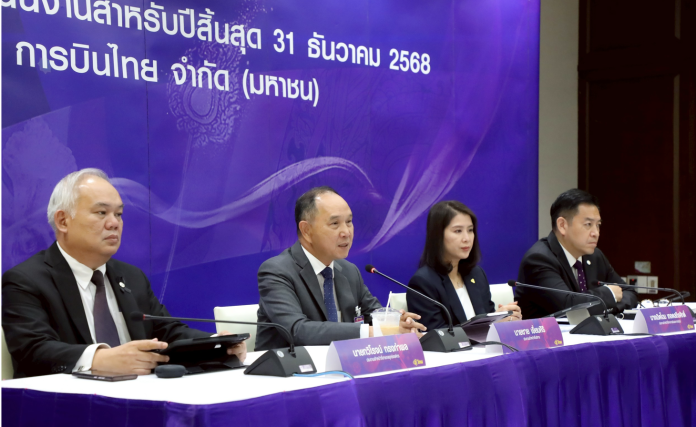
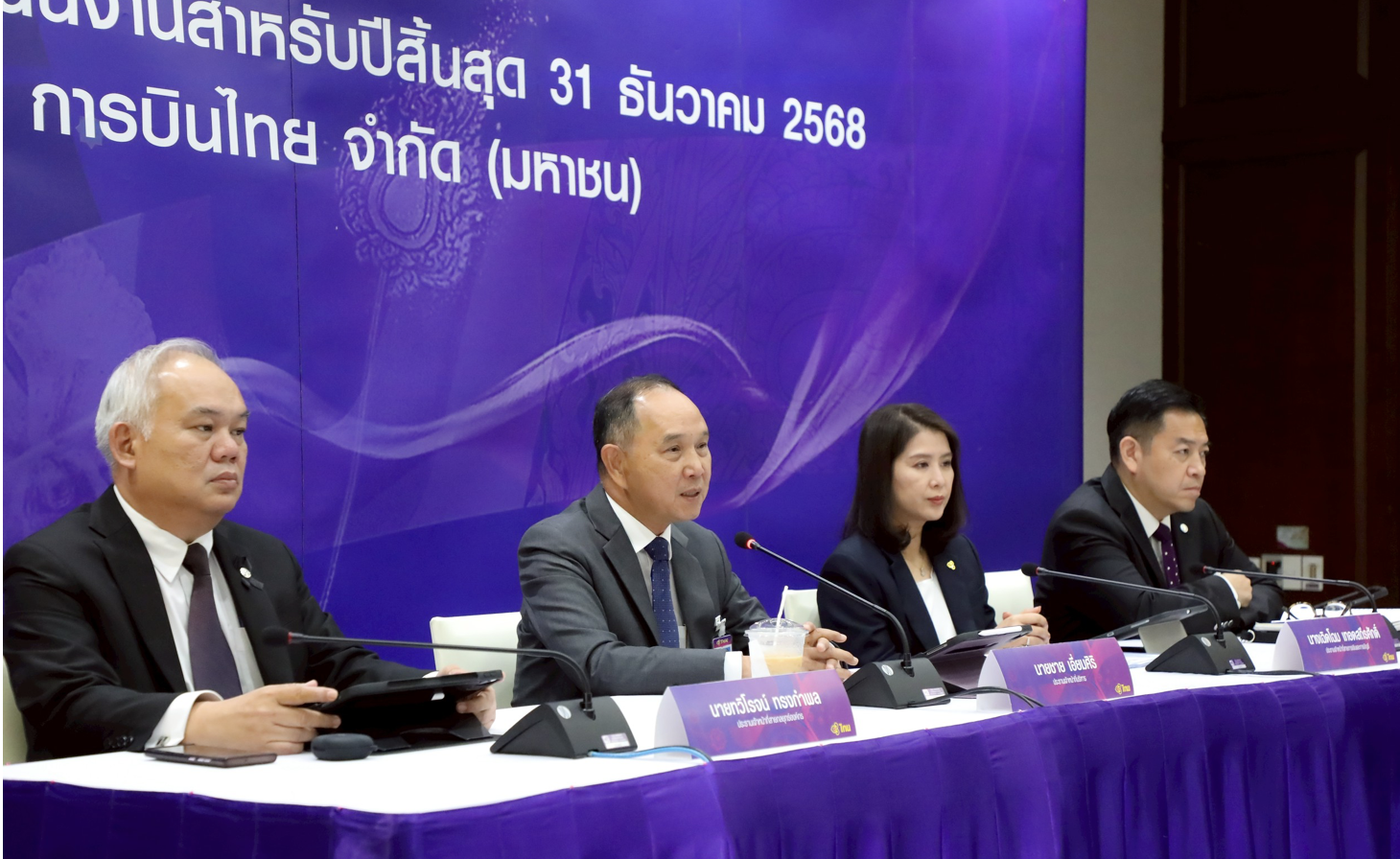
BANGKOK, 3 March 2026: Thai Airways International’s total revenues for the fiscal year ending 31 December 2025 accounted for 103.4% of the 2019 pre-COVID pandemic financial performance.

When compared with total revenue excluding one-time items of THB 190,277 million, it represented a 1.2% increase over the 2024 performance, Thai Airways International Public Company Limited (THAI) reported last week.

Photo credit: Thai Airways International. TG overhauls COVID-2019 milestone with a marginal increase in total revenue.

The growth was mainly driven by passenger revenue, which expanded by 0.5%.

In 2025, expenses excluding one-time items totalled THB149,438 million, increasing 2% from 2024 in line with higher production and traffic volumes, including increased flights and passengers. This was despite lower jet fuel expenses following a decline in the average fuel price. As a result, THAI and its subsidiaries recorded EBIT (excluding one-off items) of THB40,839 million, a decrease of THB676 million from the previous year, while EBITDA amounted to THB53,880 million.

THAI and its subsidiaries recorded net one-time items as income totalling THB782 million. These were mainly attributable to gains on the termination of aircraft lease agreements, gains on foreign exchange rates-net, impairment losses on assets, losses on the measurement of derivatives, revisions to the estimate of expiring miles, and losses on impairment in accordance with TFRS 9. In addition, finance costs recognised under TFRS 9 amounted to THB13,154 million. Consequently, THAI and its subsidiaries reported a net profit of THB30,940 million, equivalent to earnings per share of THB1.09, compared with a loss per share of THB6.26 in 2024.

As of 31 December 2025, compared with as of 31 December 2024, THAI and its subsidiaries reported total assets of THB304,059 million, an increase of 3.9%. Total liabilities amounted to THB228,147 million, down 7.6%, while shareholders’ equity totalled THB75,912 million, up THB30,323 million. Supported by improved operating performance and profitability, THAI held cash and cash equivalents, including bills of exchange with the right to be redeemed and fixed deposits with a maturity period of more than three months and not over 1 year, totalling THB123,560 million, an increase of THB8,571 million.

THAI and its subsidiaries recorded an 8.3% increase in Revenue Passenger Kilometres (RPK) compared with the previous year. The average cabin factor was 79.2%, up from 78.8% in 2024. Total passengers carried reached 16.46 million, representing an increase of 2% from the previous year. Cargo production, measured in Available Dead Tonne Kilometres (ADTK), increased by 9.7% from the previous year, while Revenue Freight Tonne Kilometres (RFTK) rose by 8.3%, with an average freight load factor of 51.3%.

Currently, THAI operates 80 aircraft, comprising 59 wide-body aircraft and 21 narrow-body aircraft, including one Airbus A321neo aircraft equipped with next-generation engines that enhance sustainability by reducing carbon dioxide emissions and supporting the use of Sustainable Aviation Fuel (SAF).

For the Summer 2026 schedule (April to October), THAI will operate flights to 62 destinations worldwide, including

the resumption of the Bangkok–Amsterdam route, starting from July 2026. THAI also plans to increase flights to destinations in China and India to accommodate growing passenger demand and support future business growth.

(Source: Thai Airways International)

Qantas sets up seasonal Las Vegas flights

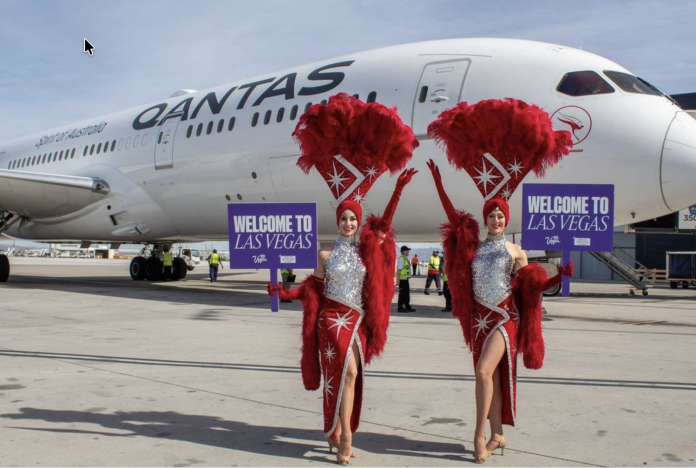
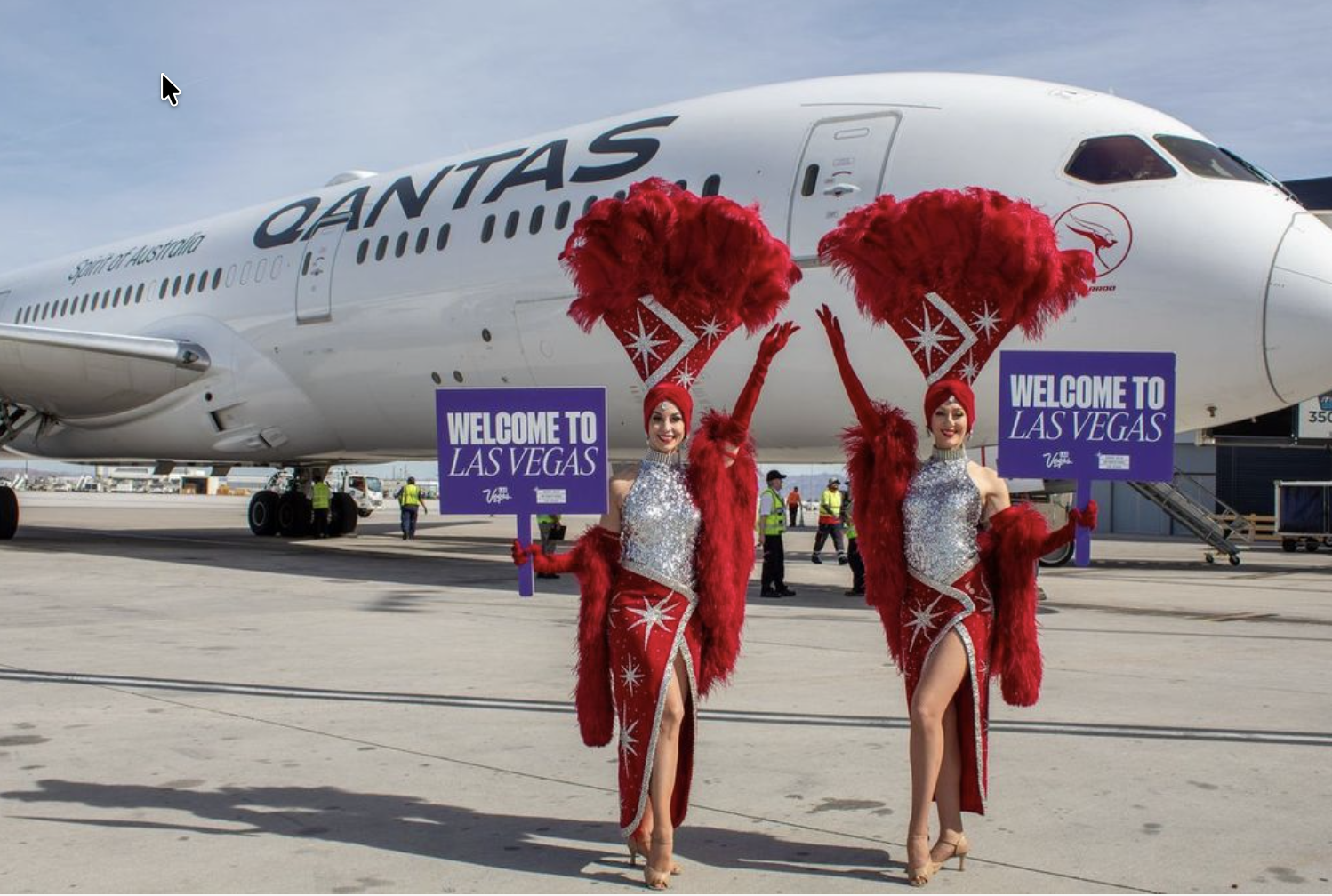
SINGAPORE, 3 March 2026: Taking off on 29 December 2026, a new seasonal Sydney–Las Vegas direct service will run until 12 March 2027, saving customers up to five hours of travel time by eliminating the need for connections through another US city.

This becomes the 101st destination on the Qantas network and the airline’s eighth city across North and South America, joining Los Angeles, San Francisco, Honolulu, Dallas, New York, Vancouver and Santiago.

Photo credit: Qantas.

Open for booking since 26 February, the service will operate during some of the city’s biggest global events and expos including the Consumer Electronics Show (CES), the world’s largest and most influential tech show, and as Vegas plays host to the National Rugby League’s (NRL) annual season kick off Las Vegas Festival, which has quickly become a flagship event for Australian and international sports fans. 

For the past two years, the airline has operated charter flights in partnership with NRL from Australia’s East Coast to Las Vegas to get Aussie fans to rugby games. Flights took off this week and, for the third year in a row, are fully booked.

Qantas International CEO Cam Wallace said strong customer demand for international travel is driving the airline’s expansion of seasonal services to destinations like Las Vegas.

“Australians’ appetite for international travel continues to be incredibly strong. Rome and Sapporo have shown us there’s real demand for seasonal services to destinations people want to visit at certain times of year, and we’re continuing to expand those direct connections around the world,” Wallace said

“Our historic fleet renewal is giving us the flexibility to deploy aircraft where we see demand, opening up route possibilities that simply weren’t there before. Las Vegas becomes our 101st destination and is a great example of how we’re using that capability. This growth also creates real opportunities for our people, particularly our pilots and cabin crew, as we expand where we fly,” said Wallace.

Key information

Sydney (SYD) to Las Vegas (LAS) will operate as QF55, with the inaugural flight scheduled for 29 December 2026 and continuing until 12 March 2027*.

A Boeing 787 Dreamliner aircraft will serve the route with three weekly flights on Tuesday, Thursday and Sunday.

QF55 is scheduled to depart Sydney at 2100 and arrive in Las Vegas at 1555 (flight time is 13 hours and 55 minutes)

Economy return fares start from AUD1,099.

*Subject to government and regulatory approval.

(Source: Qantas)

Middle East crisis shuts aviation hubs

SINGAPORE, 2 March 2026: Following the outbreak of hostilities between Iran, Israel, and the US on 28 February 2026, air travel across the Middle East has been severely disrupted. 

As of 1 March 2026, several countries have closed their airspace, either entirely or partially, leading to the indefinite suspension of operations at some of the world’s busiest aviation hubs.

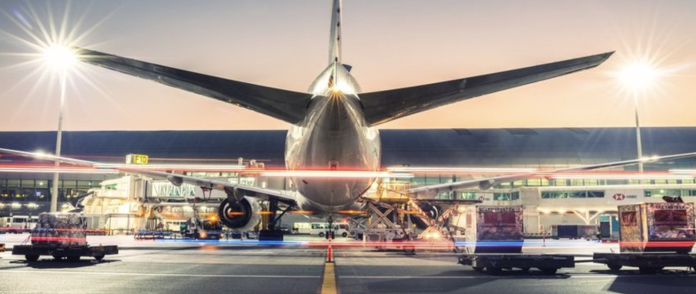
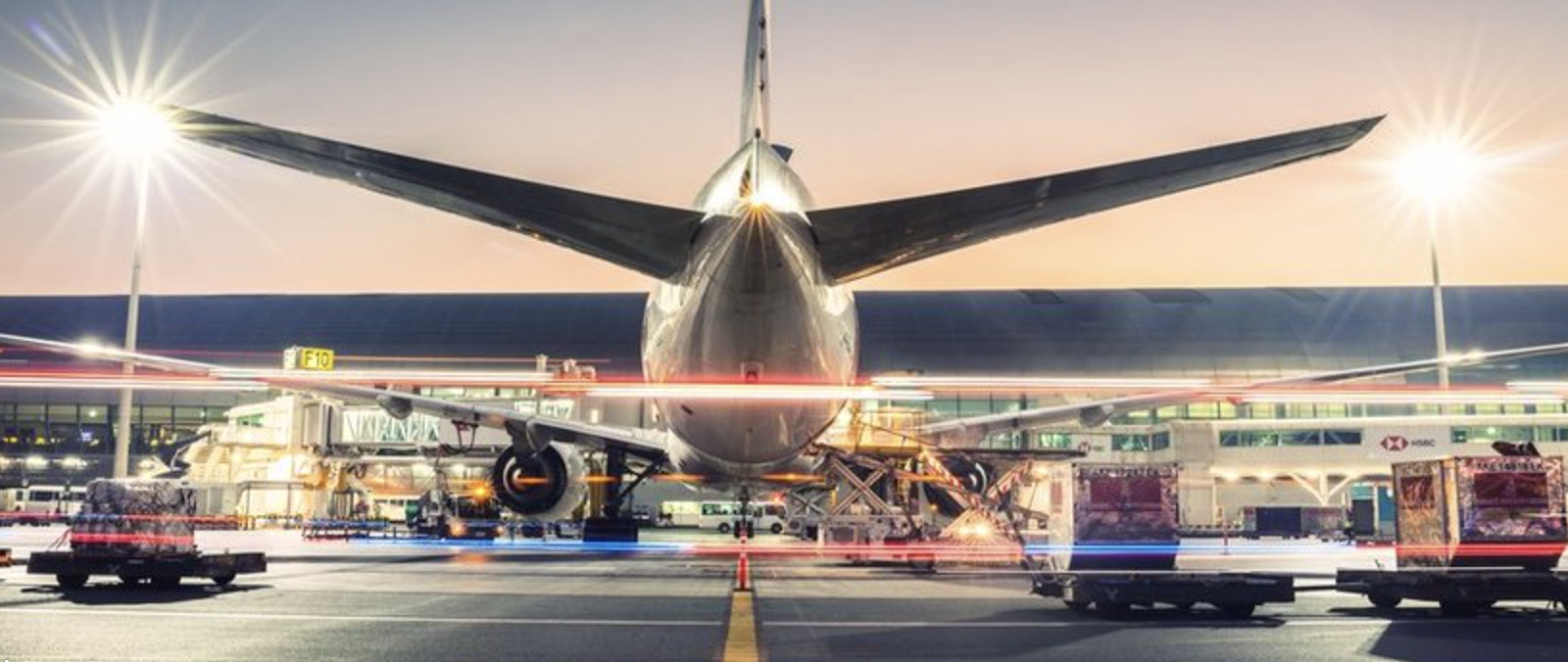
Photo credit: Dubai Airports. DXB, the world’s busiest airport.

Major Airport & Airspace Closures

Israel: All airports, including Ben Gurion International (TLV), are closed to commercial traffic. The Transportation Ministry has indicated closures will last until at least Tuesday, 3 March.

United Arab Emirates (UAE): Dubai International (DXB) and Al Maktoum International (DWC): Operations have been halted indefinitely. Dubai Airports reported over 700 flight cancellations after the UAE partially closed its airspace as a precaution.

Abu Dhabi International (AUH): Etihad Airways has suspended all departures and arrivals.

Qatar: Hamad International Airport (DOH) operations are suspended following the total closure of Qatari airspace.

Iran: All domestic and international airports are closed to civilian traffic as the country remains on high military alert.

Iraq & Kuwait: Both countries have closed their airspaces entirely, effectively shutting down Baghdad International (BGW) and Kuwait International (KWI).

Oman: Muscat International Airport (MCT) has been temporarily closed, though Omani airspace (Muscat FIR) remains open for overflights.

Syria: Airspace is largely closed, particularly along major transit routes near Damascus.

Airline status summary

Most major regional and international carriers have grounded flights to the region until early to mid-March.

AirlineAffected DestinationsCurrent Status
EmiratesAll Dubai operationsSuspended indefinitely
EtihadAll Abu Dhabi operationsSuspended (Reviewing after March 1, 1400)
Qatar AirwaysAll Doha operationsSuspended until further notice
Lufthansa / SwissTel Aviv, Beirut, Amman, Erbil, TehranSuspended until March 7
British AirwaysTel Aviv, Bahrain, AmmanSuspended until March 3
Wizz Air / airBalticTel Aviv, Dubai, Abu DhabiSuspended until March 7

(Source: Airlines and Civil Aviation Authorities).

Impact in Southeast Asia

The escalation in the Middle East has sent shockwaves through Southeast Asian aviation. Because the Middle East serves as the primary “bridge” for flights between Europe and Southeast Asia, the closure of Iranian and Gulf airspaces has triggered immediate cancellations and massive logistical shifts for regional carriers.

Major airline disruptions

As of 1 March 2026, here is how Southeast Asian airlines and routes are being impacted.

Singapore Airlines and Scoot: SIA has suspended all flights to the Middle East. At least six flights have been cancelled so far, including SQ494/495 (Singapore–Dubai) and Scoot flights TR596/597 (Singapore–Jeddah).

Malaysia Airlines: The carrier took immediate action as the strikes began, recalling aircraft mid-flight.

MH160 (Kuala Lumpur–Doha): Forced to turn back and return to KLIA.

MH156 (Kuala Lumpur–Jeddah): Diverted to Chennai, India, before returning to Malaysia.

Thai Airways: The airline reported minimal impact on its European schedule because it does not currently use Iranian or Israeli airspace. However, it has adjusted paths to avoid the Pakistan-Afghanistan border as an extra precaution, adding roughly 20 minutes to some European flights. It continues to fly to Jeddah, Saudi Arabia, but there is a high probability of delays, rerouting, or short-notice cancellation. Thai Airways often has to fly through or near the now-closed airspaces to reach the Kingdom.

Most Asian carriers have issued travel advisories, warning of flight delays to London, Paris, and Frankfurt as they navigate the closed “Middle East corridor.”

Route rerouting 

With the “Silk Road” of the skies (the path over Iran and Iraq) closed, airlines are being forced into two primary alternatives:

Northern route: Flying over Central Asia and Turkey. This adds significant time and fuel costs.

Southern route: Flying over the South Asian peninsula and across the Southern Arabian Sea/Africa.

Passengers on flights between Southeast Asia (Singapore, Bangkok, Manila, Kuala Lumpur) and Europe should expect 90 minutes to three hours of additional flight time due to these detours.

Impact on transit passengers

The biggest “hidden” impact for Southeast Asian travellers is the total shutdown of Dubai (DXB), Doha (DOH), and Abu Dhabi (AUH).

Thousands of travellers who use these hubs for connecting flights to Europe or the US are currently stranded in Southeast Asian gateways (like Changi or KLIA) because their connecting carriers (Emirates, Qatar, Etihad) have grounded operations.

Airlines are struggling to find alternative seats on non-Middle Eastern carriers (For example, Turkish Airlines, Thai Airways, or direct flights), leading to a massive spike in last-minute ticket prices.

Flight status summary

Region/CarrierStatusTypical Delay
Flights to Middle EastMostly CancelledN/A
Flights to Europe (via ME)Rerouted+1.5 to 3 hours
Flights to North AmericaMinimal ImpactOn time (Pacific routes)

(Source: Airlines, Civil Aviation Authorities, FlightRadar24 and news services — Reuters and AP)