SINGAPORE, 18 September 2026: Rhätische Bahn or Rhaetian Railway (RhB), a leading railway operator in eastern Switzerland, introduces the Bernina Express Pullman Class, a new travel class on the renowned Bernina Express scenic railway.
Inspired by the elegance of 1930s railway carriages, Pullman Class combines the charm of rail travel from a bygone era with personal service and a carefully curated culinary experience.
Photo credit: Bernina Express. Pullman Class brings rail travel’s golden age to life through a historic-style carriage inspired by the 1930s.
The Bernina Express is one of Switzerland’s most renowned scenic railway journeys, travelling from Chur or St Moritz in Graubünden (Grisons) to Tirano in northern Italy. The route crosses a variety of landscapes, from the Alps and glacial scenery to the Mediterranean-influenced landscapes of the south.
A section of the route forms part of the UNESCO World Heritage site ‘Rhaetian Railway in the Albula/Bernina Landscapes’, recognised for its outstanding railway engineering and the harmonious integration of the railway into its natural surroundings.
Pullman Class brings the atmosphere of rail travel’s golden age to life through a historic-style carriage inspired by the 1930s. Its Art Deco interiors feature fine teak wood, panoramic bay windows and comfortable armchairs, complemented by personal service and a carefully curated culinary offering. With a maximum of 32 passengers per journey, the experience offers a more intimate atmosphere throughout.
On the journey from St Moritz to Tirano, passengers are welcomed with champagne and canapés before visiting La Gatta vineyard in the Valtellina region. Set within a former Dominican monastery dating back to the 16th century, the vineyard is surrounded by 13 hectares of natural landscapes and vineyards. Guests are guided through the estate, discovering its history and winemaking heritage, before enjoying a three-course local lunch accompanied by a selection of wines.
On the return journey from Tirano to St Moritz, guests are served coffee and petits fours. At the same time, Pullman Class passengers also have exclusive access to the Open Scenic Carriage, offering a closer connection with the surrounding landscape and the opportunity to take in the scenery along the route.
The Bernina Express Pullman Class is ideal for summer and autumn journeys. This year, it is available for travel until 25 October 2026, with a local lunch at La Gatta vineyard included with every booking, whether one-way or return.
Looking ahead, Pullman Class will be available for travel from 24 April to 3 October 2027, with bookings opening up to 365 days in advance. Together, heritage, gastronomy and Alpine scenery make Pullman Class a distinctive way to experience Switzerland by rail.
KUALA LUMPUR, 22 September 2026: AirAsia Group Berhad (formerly known as AirAsia X Berhad) reaffirms in a press statement its “focused and prudent approach in navigating the current operating environment, as airlines globally continue to face geopolitical uncertainty.”
While these challenges are industry-wide and not unique to AirAsia, the group’s resilient low-cost model, combined with strategic fare optimisations and ancillary revenue growth, positions it to absorb these industry-wide pressures as it remains focused on long-term growth.
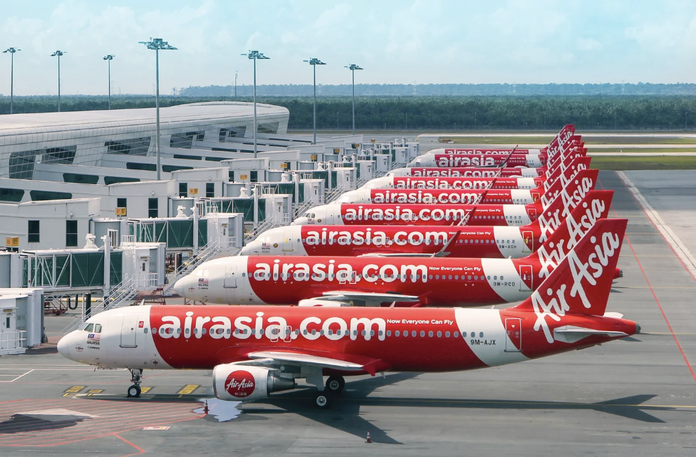
Photo credit: AirAsia Group.
AirAsia Group CEO Bo Lingam said: “We have been through many crises before in our 25-year journey, with Covid-19 being by far the most challenging. What is different today is that people can still fly and travel continues. Given the current environment, we are taking a disciplined approach to managing the business – adjusting capacity, controlling costs, having active discussions with key stakeholders and strengthening our resilience. While there has been much speculation in the media, much of it inaccurate, there is no question about our commitment to business continuity and continuing to serve our guests.”
In the second quarter, AirAsia recovered around 70% of fuel price increases through dynamic fares and lower non-fuel operating costs. The group also tactically reduced capacity by 20 to 25% in the third quarter, traditionally a weaker travel period in the region, and is now preparing to ramp capacity back towards pre-war levels in the fourth quarter, aligning with the region’s peak year-end travel season.
AirAsia is also optimising its fleet and moving towards a more efficient aircraft mix. As part of its long-term fleet optimisation programme, the group has returned 25 older, less fuel-efficient aircraft on favourable commercial terms, reducing its fixed lease burden, while accelerating the transition towards more efficient narrowbody aircraft.
With the group’s short- and long-haul operations now consolidated under one group, the airline has greater flexibility to optimise aircraft and capacity across its network, with a stronger focus on route profitability and sustainable returns.
On its capital and financing requirements, the group has maintained full transparency, disclosing all material developments through official exchange filings and public announcements in accordance with regulatory standards.
The group’s planned fundraising exercises primarily target debt restructuring, refinancing, and balance sheet consolidation to optimise its long-term capital structure, rather than solely funding operational shortfalls. The group continues to actively manage its capital position and evaluate strategic options to ensure operational and financial resilience. Official updates will be announced as and when definitive terms are finalised. In the interim, stakeholders and the market are advised to rely solely on formal disclosures and refrain from unverified speculation.
“AirAsia has always been an airline that adapts, adjusts and finds a way forward, and we have a demonstrable track record of doing so. We remain fully focused on maintaining business continuity and preserving operational stability through active, ongoing engagements with our key partners. By staying disciplined and working collaboratively across the ecosystem, we are strengthening our resilience and preparing for the opportunities ahead. The strength of our network is evident in Kuala Lumpur International Airport (KUL) ’s recent recognition as the world’s fourth most connected international megahub and the leading low-cost megahub, a position it has held since 2023, with AirAsia as the dominant carrier behind this connectivity.”
“In summary, we are managing industry-wide headwinds from a position of strength, executing a clear and strategic plan for sustainable and profitable growth. We are encouraged by the outlook for the peak fourth quarter and remain confident in AirAsia’s long-term potential. Our focus is on the fundamentals of our business, and we will not be distracted by unsubstantiated speculation from anonymous sources,” the group’s CEO concluded.
SINGAPORE, 22 September 2026: Thai travellers are increasingly embracing extended overseas stays, according to accommodation search data from digital travel platform Agoda.
For stays of 30 nights or longer, Da Nang, Bali, Tokyo, Kuala Lumpur, Ho Chi Minh City, and Seoul ranked among the most-searched overseas destinations.
The findings highlight how flexible working arrangements are reshaping travel habits, giving Thailand residents greater freedom to choose when and where they work. As a result, travellers no longer view travel as an escape from work. Instead, they integrate work into the lifestyles they want, fueling longer stays and the rise of “bleisure” travel.
These destinations are increasingly attracting month-long stays thanks to their combination of affordability, quality infrastructure, and appealing lifestyle offerings. For Thais considering longer stays abroad, affordability, lifestyle, and reliable infrastructure seem as important as traditional sightseeing attractions. Based on Agoda accommodation searches for stays of 30 nights or longer, Da Nang leads travel interest, reflecting its appeal as a destination that combines low living costs, modern amenities, and easy access to both beaches and city life. Bali remains a perennial favourite among digital nomads, thanks to its established co-working ecosystem and wellness-driven lifestyle. At the same time, Tokyo continues to attract strong interest for its world-class infrastructure and seamless connectivity. Kuala Lumpur is also gaining momentum, offering value for money alongside modern urban conveniences. Ho Chi Minh City and Seoul complete the top six, highlighting growing interest in destinations that balance affordability, culture, and quality of life.
Agoda Country Director, Thailand and Indochina Akaporn Rodkong commented on the trend: “The line between work and travel is becoming increasingly blurred as flexible working arrangements give people more freedom over when and where they work. Our data shows Thai travellers searching for longer stays in overseas cities that offer a compelling mix of lifestyle, affordability, and infrastructure.”
SINGAPORE, 21 September 2026: British Airways is expanding its network with two new destinations in Tanzania: Kilimanjaro and Zanzibar.
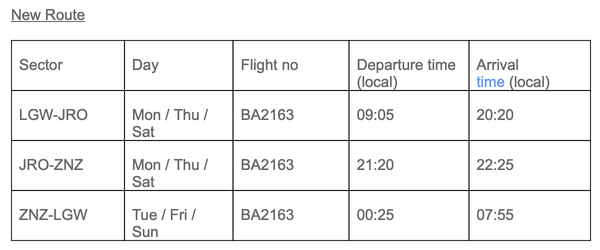
Launching in May 2027, flights will operate three times a week from London Gatwick, landing in Kilimanjaro before continuing to Zanzibar. The new routes commence on 29 May and will run through the summer season until 31 October. Fares start from UKP849 return, including taxes and fees.
Photo credit: British Airways. Kilimanjaro Airport is the gateway to Tanzania’s renowned Northern Safari Circuit, one of Africa’s most famed wildlife routes.
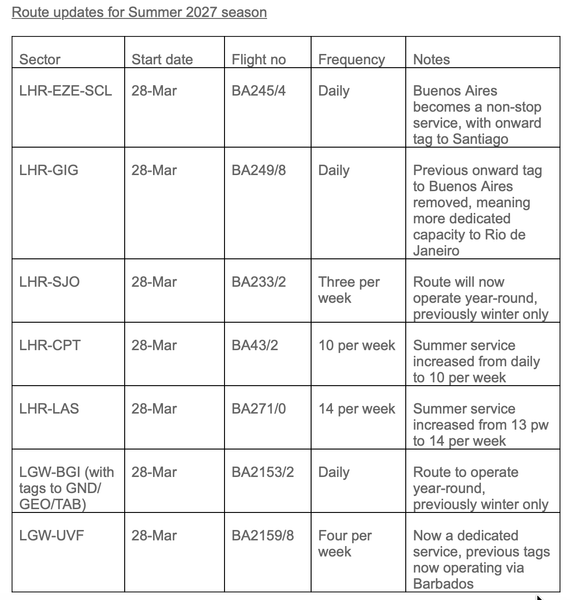
In addition to these two new destinations in Tanzania, British Airways has announced a 25% increase in capacity to Latin America with the introduction of direct flights to Buenos Aires, Argentina and onward service to Santiago, Chile. Seats will increase on the route to Rio de Janeiro, Brazil, and flights to San José, Costa Rica will become year-round.
Customers will also benefit from additional flights on popular routes to Cape Town, South Africa and Las Vegas, US. This enhanced summer schedule takes off in March 2027.
Kilimanjaro, Tanzania
Kilimanjaro Airport is the gateway to Tanzania’s renowned Northern Safari Circuit, one of Africa’s most famed wildlife routes. It includes the Serengeti Wildlife Park, where visitors can witness one of the world’s greatest natural sights, the Great Migration; UNESCO World Heritage Ngorongoro Crater, home to the Big Five; Tarangire National Park, best known for its huge elephant herds; and Lake Manyara National Park.
Nestled in the shadow of the iconic Mount Kilimanjaro, this is also the gateway for travellers embarking on climbs of Africa’s highest peak, a natural wonder spanning five distinct climate zones, from lush rainforest and alpine desert to its snow-capped summit.
Zanzibar, Tanzania
Zanzibar is famous for its white sandy beaches, exquisite marine life and rich history and cultural heritage. Visitors can explore the UNESCO-listed streets of Stone Town, discover the islands’ famous spice plantations, dive or snorkel among colourful coral reefs, and unwind in beachfront resorts overlooking the warm waters of the Indian Ocean. With its relaxed pace of life, the ‘Spice Island’ offers the ideal setting to recharge and reset.
British Airways’ Chief Planning and Strategy Officer Neil Chernoff said: “Alongside these new routes, we are strengthening our wider long-haul network, adding capacity to several popular destinations across Africa, the Americas and the Caribbean. By increasing frequencies and extending seasonal services, giving customers more choice and flexibility, while deepening London’s connectivity to key destinations around the world.”
Summer 2027 changes
Buenos Aires, Argentina will move to a daily direct service, with an onward tag to Santiago, Chile. Customers will benefit from the only non-stop flights between London and Buenos Aires, plus the convenience of daily services to Santiago, providing more choice and flexibility across South America.
Seat capacity to Rio de Janeiro, Brazil, will increase as the daily service moves to a dedicated route, without onward tags.
London Heathrow to San José, Costa Rica, becomes a year-round service, at three per week.
London Heathrow to Cape Town, South Africa, increases its summer frequency from seven to 10 flights per week.
London Heathrow to Las Vegas increases from 13 to 14 flights per week.
London Gatwick to Barbados, which launches this October, will continue for the summer 2027 season, including onward tags to Grenada, Guyana and Tobago. London Gatwick to St Lucia continues to operate as a direct service, four times a week for summer 2027.
British Airways has also recently announced two new long-haul destinations which are launching soon. London Gatwick to Colombo, Sri Lanka, will commence on 23 October, and flights from London Heathrow to Melbourne via Kuala Lumpur will begin on 9 January.
Flights will operate on a triangle routing and be flown by a B777 aircraft, offering a choice of three cabins – Club World (business class), World Traveller Plus (premium economy) and World Traveller (economy).
BANGKOK, 21 September 2026: Almost one in every two new passenger aircraft required worldwide over the next 20 years is expected to come to Asia-Pacific.
That is perhaps the most striking conclusion from the latest Airbus Global Market Forecast for 2026–2045.
Asia takes flight — half the world’s new aircraft are coming to the Asia-Pacific region.
To understand the enormity, look at the global numbers. The world’s passenger aircraft fleet is forecast to grow from around 23,310 aircraft at the end of 2025 to 45,550 by 2045, almost doubling in just two decades.
Airbus estimates it will need to deliver 42,060 new aircraft during that period. Around 33,920 will be single-aisle aircraft and 8,140 widebodies.
Nearly 20,000 will replace older aircraft, but another 22,240 will be required to accommodate growth.
Asia-Pacific is expected to account for an extraordinary 45% of new passenger aircraft demand.
Passenger traffic in the region is forecast to grow by 5.1% annually, considerably faster than the global average. That means more aircraft, more passengers and potentially hundreds of new connections.
For Southeast Asia, the implications are enormous.
Thailand, Vietnam, Indonesia, Malaysia and the Philippines sit in one of aviation’s great growth corridors. Longer-range single-aisle aircraft also make direct services between secondary cities increasingly practical.
For Thailand, could Chiang Mai, Phuket, Krabi and other regional gateways capture substantially more direct international traffic rather than funnelling passengers through Bangkok?
But is there an elephant in the room, or in this instance, the departure lounge? What happens to emissions if Asian air travel expands on anything approaching this scale?
The eco-friendly A350-1000
Fleet renewal will help. New-generation aircraft are considerably more fuel-efficient than many of the aircraft they replace. But another important part of the equation is Sustainable Aviation Fuel, or SAF.
Unlike conventional jet fuel made entirely from fossil crude oil, SAF can be produced from sources including waste oils, agricultural and forestry residues and, increasingly, synthetic fuels made using renewable energy.
Aircraft still produce carbon dioxide when SAF is burned, but the potential benefit comes from its life-cycle carbon footprint. Carbon absorbed or recycled in producing the fuel can substantially reduce net greenhouse-gas emissions compared with conventional fossil jet fuel.
SAF can also be blended with existing jet fuel and used in today’s aircraft and airport fuel systems, making it a practical near-term option. At the same time, hydrogen and other new propulsion technologies remain much further off.
The challenge is producing enough of it, at an affordable price, to make a meaningful difference as Asian aviation expands.
Asia therefore faces two races.
The first is commercial: airlines, airports and destinations competing for aircraft, routes and passengers.
The second is environmental: cleaner aircraft, fuels and operations racing against rapidly increasing demand.
Thailand needs to think about both.
Can Suvarnabhumi and Don Mueang accommodate another generation of growth? Can regional airports capture more international services? Can Thailand expand aviation training, maintenance and aerospace industries? And can cleaner aviation infrastructure grow alongside passenger numbers?
Asia-Pacific taking 45 per cent of future global aircraft demand represents an extraordinary shift in aviation’s centre of gravity.
The aircraft are coming.
The much bigger question is whether Asia will be ready for them.
About the author Andrew J Wood is a Bangkok-based travel writer and former hotel executive with almost five decades of experience in hospitality and tourism. He chairs the Tourism Committee of the Joint Foreign Chambers of Commerce in Thailand (JFCCT) for 2026–2028 and is a long-standing member of Skål International.
PHUKET 18 September 2026: I first visited the Phuket Four Points by Sheraton in 2021, when I inspected the property as a possible venue for a future conference.
I remember being impressed then, so I was delighted to be invited back recently to update myself on the hotel and its facilities.
Phuket’s impressive Four Points by Sheraton Phuket Patong Beach Resort
The timing of that first visit is worth remembering. Four Points by Sheraton Phuket Patong Beach Resort officially opened on 1 October 2020 (the first Four Points in Thailand) in the midst of the COVID-19 pandemic, so when I first inspected the property in 2021, it was still a very new resort. Opening a 600-room beachfront hotel during one of the most difficult periods the global travel industry has ever faced was no small undertaking, making its subsequent development and success all the more noteworthy.
Having recently attended a conference in Phuket’s Laguna area, I took the opportunity to extend my stay on the island and spend four days and three nights at Four Points.
What struck me immediately was how little this 600-room resort feels like a 600-room hotel.
The property is predominantly low-rise, with water and tropical landscaping playing an important role in its design. There is an almost lagoon-like quality as you walk through the resort, with pools, narrow waterways and water features appearing throughout the grounds.
For me, one of the most enjoyable areas is The Deck Beach Club. Its infinity-style pool and beachfront setting create a lively atmosphere, helped along by music and a DJ, while attentive staff circulate with menus and drinks. Plenty of sunbeds and shaded areas meant I never felt overwhelmed, despite its popularity.
Families are also particularly well catered for. The Little Sea Gypsies Kids’ Club was supervised every time I passed it on the way to my room and, judging by the number of young guests using it, clearly fulfils its purpose very successfully.
The accommodation itself deserves mentioning. There are eight room types, and I found the contemporary design comfortable and practical rather than unnecessarily elaborate. High ceilings and large floor-to-ceiling windows give the rooms a sense of space, while some categories have balconies, ocean views, or terraces providing direct access to the pool.
I was particularly interested to discover the Superior Triple Rooms, an increasingly useful option for families and groups of friends travelling together.
Superior triple rooms
They overlook the resort pool and accommodate up to three guests with a sofa bed, with configurations including either a king bed or two double beds.
It is a simple idea, but in my opinion an important one. Too often three people travelling together are forced either to book two rooms or compromise on comfort. Here, the third guest can be accommodated properly while everyone remains together.
There are also pool-access rooms for those who want to step directly from their private terrace into the water, while families wanting considerably more space can choose a two-bedroom Family Suite, complete with a separate children’s room and specially designed facilities for younger guests.
For those interested in meetings and conferences, however, this resort has another side altogether.
The conference facilities were one of the principal reasons for my original visit in 2021, and they are even more impressive today. The Akara Grand Ballroom now features an enormous 9m by 5m LED wall, opening up considerable possibilities for conference organisers and event planners. The ballroom accommodates up to 500 guests and is complemented by a junior ballroom and numerous meeting and breakout rooms.
With two levels of meeting facilities, escalator access, generous reception and pre-function areas and extensive indoor and outdoor event space, I found myself once again thinking that this is a serious conference hotel disguised rather cleverly as a beach resort.
Food and beverage was another highlight of my stay.
I particularly enjoyed Sears & Co. Bar and Grill, where guests can dine indoors in air-conditioned comfort or outside overlooking Patong Beach. The resort runs numerous dining promotions, including grilled meats, seafood and seasonal buffet offerings, adding welcome variety for guests staying several nights.
Breakfast at Chao Leh Kitchen deserves a special mention. In my opinion, it is one of the most extensive hotel breakfast buffets I have encountered in recent years.
Rather than one seemingly endless buffet line, the food is divided among different kitchen areas, offering Asian, Indian and Western favourites alongside traditional breakfast dishes. The selection seems endless, and during my stay it was extremely well patronised. Despite that, service remained efficient, friendly and remarkably well organised.
Location is another major advantage.
The hotel sits directly opposite Patong Beach. Cross the road, and you are on one of Phuket’s best-known stretches of golden sand, extending for approximately three kilometres.
I took an early morning exercise walk along the beachfront and found it one of the most fascinating walks I have enjoyed recently. (I walk a lot). Patong is already coming alive at 0630. Vendors prepare for the day, people exercise, restaurants and stalls open, and massage areas and beach businesses gradually spring into action.
Later, of course, the beach becomes considerably livelier. There is parasailing, jet skiing, and other water sports, along with volleyball, food vendors, restaurants, and the almost continuous energy Patong is famous for.
And that, for me, is part of the attraction. You can enjoy the facilities and relative calm of a large resort. Yet the moment you step outside, you are very much in Phuket, with Patong Beach and its extraordinary mixture of people, food, entertainment, and activity immediately in front of you.
For anyone considering a stay, it is also worth checking the hotel’s website before booking, as seasonal packages and special offers are regularly available. Marriott Bonvoy members should also check the benefits and rates available to them, which can add further value to a Phuket stay.
Four Points by Sheraton Phuket Patong Beach Resort manages an interesting balancing act. It is large without feeling enormous, lively without being overwhelming, and equally capable of accommodating a couple, three friends sharing a room, a family holiday, a beachfront escape, a wedding, or a substantial international conference.
Five years after my first inspection, I found a resort that has matured considerably.
Sometimes returning to a hotel tells you much more than visiting it for the first time. In this case, I came away more impressed than I had been in 2021.
About the Author Andrew J Wood is a British-born travel writer and former hotelier who has lived in Thailand since 1991. A graduate of Napier University, Edinburgh, he has more than four decades of experience in international hospitality and tourism. He chairs the JFCCT Tourism Committee for 2026–2028 and has held senior leadership roles with Skål International in Thailand and Asia.
SINGAPORE, 18 September 2026: Ethiopian Airlines, the largest network operating carrier in Africa, plans to expand its presence in Mozambique with a thrice-weekly passenger service to Nacala starting from 27 October 2026.
Nacala will join the vast Ethiopian network as the airline’s third destination in Mozambique after Maputo and Beira.
Photo credit: Ethiopian.
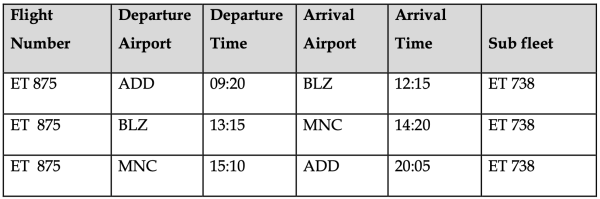
Ethiopian will deploy the Boeing B737-8 aircraft for the service, operating the flights on Tuesdays, Thursdays, and Saturdays per the schedule below.
Commenting on the new service, Ethiopian Airlines Group CEO Mesfin Tasew said: “As a pan-African airline, expanding our presence in Mozambique with a third destination is truly a proud moment for us. The commencement of this flight will further strengthen the relationship between the people of Mozambique and Ethiopia and bridge connectivity gaps across Africa and bring every corner of our continent closer to the World.”
Nacala is a vital centre for trade and tourism, and Ethiopian Airlines’ new service will strengthen the city’s economic, commercial, and diplomatic connectivity.
With the largest network in Africa, serving more than 65 destinations across the continent, Ethiopian Airlines continues to play a pivotal role in promoting trade, tourism, and economic integration among African nations, while enhancing connectivity and facilitating business and cultural exchange.
HONG KONG 18 September 2026: Hong Kong International Airport (HKIA) continued to record steady growth in August 2026, handling 5.86 million passengers and 34,995 flight movements, representing year-on-year increases of 3.5% and 0.5%, respectively.
Passenger volume exceeded 210,000 on 1 August, marking the highest daily passenger traffic during the summer travel peak this year, excluding days affected by flight rescheduling due to adverse weather. Transfer/ transit passengers continued to drive overall passenger growth in August, recording a double-digit increase. Growth was mainly led by traffic with the Chinese Mainland and South Korea, while the decline in the Middle East moderated further.
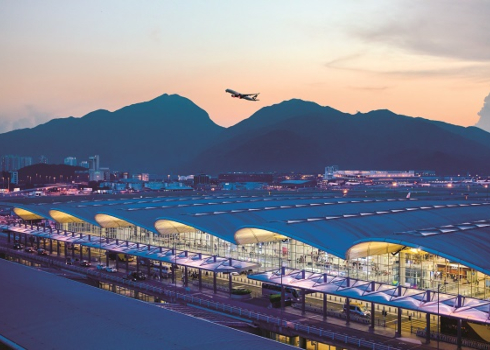
Photo credit: HKIA. Terminal 1.
In the first eight months of the year, passenger volume grew by 10.1% year on year to 44.3 million, while flight movements increased by 3.5% year on year to 269,900. On a 12-month rolling basis, passenger volume rose by 11.4% year on year to 65 million, while flight movements increased by 4.5% to 403,850.
Cargo volume declined by 1.2% year on year to 422,000 tonnes in August 2026. Exports declined by 8.8% year on year, partially offset by 18.2% growth in transshipments and 3.6% growth in imports. Among key trading regions, Southeast Asia and the Chinese Mainland remained resilient, helping to cushion softer traffic with Europe and the Middle East amid evolving regional trade dynamics.
From January to August this year, cargo traffic recorded year-on-year growth of 17% in the Chinese Mainland, 14% in Southeast Asia and 8% in Europe, offsetting declines in North America and the Middle East. Total cargo throughput over the eight months increased by 2.6% year on year to 3.34 million tonnes. On a 12-month rolling basis, total cargo traffic reached over 5.15 million tonnes, up 2.7% year on year.
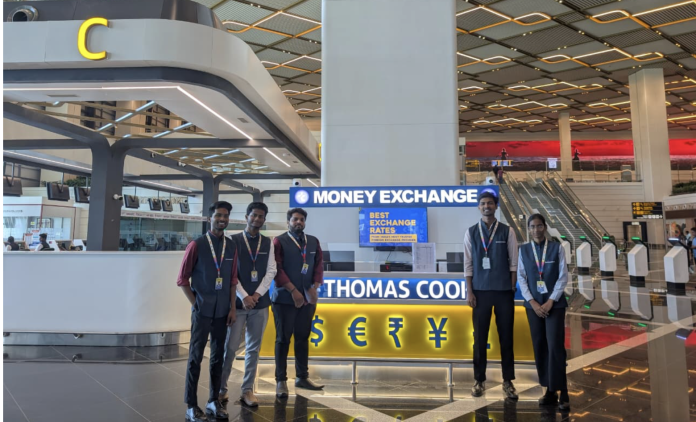
MUMBAI, 18 September 2026: Thomas Cook (India) Limited has expanded its airport foreign exchange network by opening forex counters at Alluri Sitarama Raju International Airport, Bhogapuram.
The move strengthens its presence in the Visakhapatnam market and the wider Andhra Pradesh region, offering travellers convenient access to a range of foreign exchange services and currencies.
Photo credit: Thomas Cook (India). Expanding its airport footprint in line with India’s outbound travel and forex demand.
According to Thomas Cook India’s India Forex Report 2026, Tier 2 cities account for 41% of overall forex demand, while Tier 3 cities contribute a further 12%. Together, these markets account for over half (53%) of overall forex demand, highlighting the next phase of forex growth in the Indian travel market.
Visakhapatnam represents an important market within this broader shift. With the opening of Alluri Sitarama Raju International Airport, the region is gaining a new aviation gateway and is expected to handle over 28 lakh domestic and international passengers annually. The airport currently has international connectivity to destinations including the UAE and Singapore, with the potential addition of further Southeast Asian routes expected to support international passenger growth.
The expansion in Visakhapatnam is part of Thomas Cook India’s broader strategy of strengthening its airport forex presence across key aviation gateways. In Delhi, the company recently reopened its forex counters at Terminals 1 & 2 in June & July 2026. At Kempegowda International Airport, Bengaluru, the company opened multiple forex counters at both terminals earlier this year.
Thomas Cook India’s airport counter transaction data also provides insight into the diverse purposes driving outbound travel. Leisure and holiday travel is the largest segment, followed by employment-related travel. Reconversion transactions, where NRIs or foreign nationals convert their unspent Indian currency back into foreign currency and student travel also contribute to the overall transaction mix. This highlights the diverse forex needs the company meets across its airport network.
The expanding airport footprint is aligned with the changing geography of India’s outbound travel and forex demand. As international travel gains momentum across Tier 2 and Tier 3 markets, Thomas Cook India is focused on extending its physical and digital forex services across key travel corridors and high-potential markets.
Thomas Cook (India) Limited Chief Business Officer — Foreign Exchange Deepesh Varma commented: “The opening of our new forex counters at Alluri Sitarama Raju International Airport is an important step in strengthening our presence in Visakhapatnam and the wider Andhra Pradesh market.
“Our India Forex Report 2026 highlights the significant contribution of Tier 2 and Tier 3 markets, which together account for over half of overall forex demand. This reinforces our view that the next phase of growth will increasingly come from India’s emerging travel markets. As Visakhapatnam develops into an important international aviation gateway, we see a strong opportunity to bring our forex services closer to customers in the region. Alongside the reopening of our airport forex counters in Delhi and the opening of new counters in Bengaluru, we will continue to evaluate strategic opportunities that enable us to build a stronger presence across India’s evolving travel and forex landscape.”
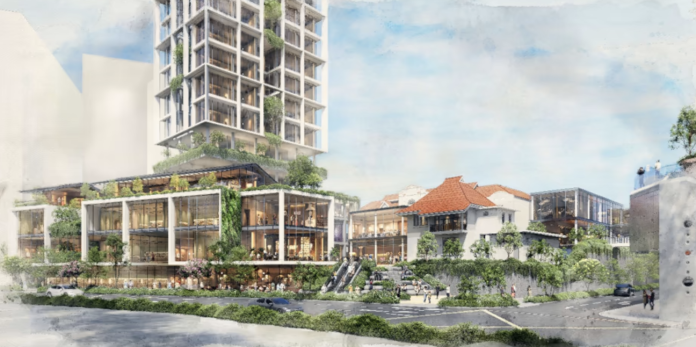
SINGAPORE, 18 September 2026: The Singapore Tourism Board (STB) launched a Concept and Price Revenue tender on Wednesday for the redevelopment of 37 Emerald Hill.
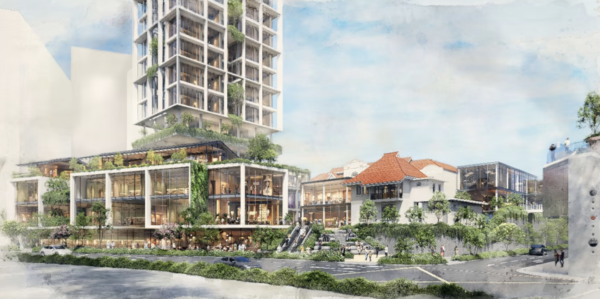
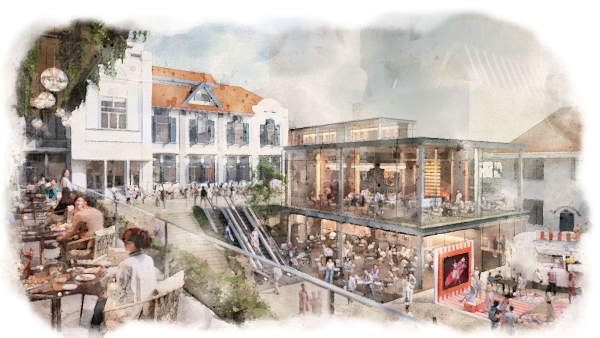
Located at the former Singapore Chinese Girls’ School grounds, this landmark project is a key part of the Orchard Road Rejuvenation Plan. The tender invites proposals to transform the historic site into a mixed-use development that celebrates its rich heritage whilst creating a distinctive new lifestyle node for both locals and visitors.
Located at the intersection of Somerset and the Emerald Hill Conservation Area, this 1.04-hectare site offers prime accessibility from Orchard Road’s main shopping belt.
STB is seeking innovative proposals that celebrate the site’s rich heritage through sensitively developed spaces, a new-to-market hotel concept and first-of-its-kind lifestyle experiences. The development aims to create compelling experiences that will attract visitors and encourage longer stays as well as repeat visits to the precinct. It should also incorporate accessible public spaces with year-round programming to ensure consistent footfall and community engagement.
Upon completion, 37 Emerald Hill will serve as a distinctive addition to Singapore’s tourism landscape and further enhance Orchard Road’s appeal as a premium lifestyle destination. The development will also benefit locals by introducing a refreshing lifestyle node that expands recreational and leisure options within the heart of the city.
“We envision 37 Emerald Hill becoming a distinctive landmark that strengthens Orchard Road’s position as an iconic lifestyle destination, supporting our ambition for quality tourism growth towards 2040,” said STB Director Land & Concept Development Ashlynn Loo. “Situated at the heart of Orchard Road, we are confident this mixed-use development will become a new destination draw that enhances the precinct’s appeal and complements the vibrancy and character of its surroundings.”
The tender is open to local and international bidders and will run for six months, with proposal submissions due by 16 March 2027.