

BANGKOK, 2 February 2023: The narrative has changed. From what I have seen over many years, people no longer come to Thailand simply because it is affordable.
Today, people come because Thailand offers depth of experience, consistency, and a genuine sense of welcome that is difficult to replicate elsewhere.
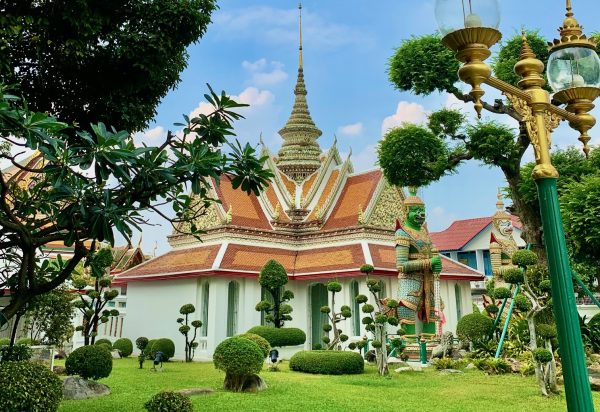
Thailand works well for first-time visitors, but it works even better for those who return again and again. That balance is one of its greatest strengths.
Thailand is easy to enjoy
One of the most common comments I hear from visitors is how quickly they feel comfortable.
• International airports are modern and well-connected
• Transport is affordable and easy to understand
• Hotels and attractions are professionally run
• English is widely spoken in tourism areas
• Visitors settle in quickly and feel at ease
This ease reduces friction and anxiety. When people relax early in a trip, they enjoy more, explore more, and are far more likely to return. Thailand’s strength today lies in experiences rather than landmarks.
Experiences, not just destinations
Visitors are drawn to:
• Food, from street stalls to fine dining
• Wellness, including spas, retreats, yoga and traditional therapies
• Culture, temples, festivals and everyday local life
• Nature, beaches, islands, mountains and national parks
• Learning experiences such as cooking, crafts and meditation
These experiences create emotional connections. They are what people remember long after the journey ends.
One country, many journeys
Thailand’s variety remains one of its most powerful advantages.
In a single visit, travellers can:
• Spend time in a modern global city
• Relax on beaches or islands
• Explore historic towns and temples
• Visit rural communities and lesser-known destinations
• Combine luxury with simplicity
This flexibility makes Thailand suitable for short breaks, extended stays, and repeat visits over the long term.

First-time visitors feel reassured
For many travellers, Thailand feels like a natural introduction to Asia.
• Tourism standards are high and predictable
• Food and accommodation meet global expectations
• Visitors feel supported rather than overwhelmed
• Thailand has decades of experience welcoming international guests
This reassurance builds confidence and encourages visitors to explore more deeply.
Repeat visitors are highly valued
Empirical evidence consistently indicates that repeat visitors represent Thailand’s most valuable segment of travellers and therefore warrant targeted nurturing and engagement strategies. Established tourism economics reinforces the principle that retaining existing visitors is significantly more cost-effective than acquiring new ones. Moreover, studies of destination loyalty demonstrate that repeat visitors typically exhibit longer stays and higher per-capita expenditure, thereby yielding disproportionate economic benefits for the destination.
Repeat visitors tend to:
• Spend more per visit and stay around longer
• Travel beyond the main gateways
• Build relationships with hotels and local businesses
• Recommend Thailand to friends, family and colleagues
Destinations and hotels understand this value and often go out of their way to welcome returning guests.
Service that feels personal
Thai hospitality stands out because it feels human.
• Returning guests are recognised
• Preferences are remembered
• Service feels warm rather than mechanical
• Visitors feel welcomed, not processed
This emotional connection remains one of Thailand’s most substantial competitive advantages.
Value today means quality
Thailand still offers good value, but value today is about what visitors receive, not how little they pay.
Visitors consistently recognise:
• High standards of accommodation
• Excellent food across all price points
• Genuine, thoughtful service
• Experiences that feel generous
This is why Thailand continues to compete vigorously, even as global travel costs rise.
Thailand by Region: 2026 Outlook — Demand Anchors, Festivals, Promotions & MICE
Bangkok and Central Thailand
Bangkok continues to anchor Thailand’s tourism and business ecosystem in 2026, blending global connectivity, signature festivals and major cultural programming with a robust MICE calendar.
• Songkran in April remains a cornerstone demand driver, combining traditional celebrations with modern music events such as the S20 Songkran Music Festival, which brings EDM stages and branded parties into the heart of the city’s festival calendar.
• The city’s MICE agenda continues to attract global institutional and industry gatherings, reinforcing longer stays and higher-value segments. These include major conferences and exhibitions at key venues such as IMPACT and QSNCC, sustaining demand outside traditional tourism peaks.
• Bangkok’s live music calendar for 2026 includes major stadium and arena shows from international artists — for example, SEVENTEEN touring in March, and ONE OK ROCK performing at IMPACT Arena in February — which help extend shoulder-season demand and attract younger inbound segments.
Southern Thailand
Southern beach and island destinations are leveraging a diverse calendar of experiencesto deepen lengths of stay and appeal to repeat visitors:
• Songkran festivities in Phuket, Krabi and Koh Samui remain key season openers for international and regional tourists, blending cultural festivities with beach culture and music programming.
• Regional festivals — including annual arts and lifestyle events — support the transition toward higher-value travel, combined with wellness, culinary and eco-experiential promotions led by local partners and TAT marketing campaigns.
• While the South hosts more targeted incentives and corporate travel weeks throughout the year, its strategic emphasis in 2026 is on premium leisure positioning and dispersal beyond major hubs.
Northern Thailand
The North’s calendar is shaped by cultural and creative experiences that align with slower-paced, high-engagement travel:
• Pii Mai Muang (Northern Songkran) in Chiang Mai remains one of the region’s strongest experiential draws, distinct from central celebrations and rich in heritage interpretation.
• Complementary cultural and arts festivals continue throughout the year, reinforcing the region’s appeal as a heritage-led and wellness-oriented destination within broader TAT regional promotions.
Eastern Thailand
Eastern Thailand is increasingly a hybrid leisure–business gateway — supporting unusual synergies between festival culture and business demand:
• The region is set to host one of the most significant global music events in Thailand’s history: Tomorrowland Thailand 2026, scheduled for 11–13 December in Wisdom Valley, Chonburi (Pattaya). This will be the first full-scale Asian edition of the iconic electronic music festival, with multiple stages and an expected strong international audience.
• Pattaya and neighbouring areas also sustain Songkran celebrations and lifestyle festivals that extend domestic and regional tourism beyond the traditional peak.
• In parallel, the Eastern Economic Corridor (EEC) supports a steady series of business exhibitions, trade delegations and incentive travel that strengthen year-round demand and cross-border corporate visitation.
Additional Calendar Highlights That Cut Across Regions (2026)
• Miss Grand Thailand 2026 (March) provides an elevated cultural spectacle with broad media reach, supporting destination branding and regional travel before Songkran peaks.
• Live music and cultural showcases throughout the year — from multi-genre festivals to smaller club and venue tours — contribute to an expanded entertainment ecosystemthat supports longer stays and diversified demand.
Outlook for 2026
It’s my firm belief that Thailand’s future is not about chasing volume. It is about protecting quality, nurturing repeat visitors and using strengths intelligently.
Thailand continues to attract visitors because it offers confidence, warmth and variety. That combination remains highly relevant as global travel patterns evolve.
About the author
Andrew J Wood is a British-born travel writer, tourism consultant and former hotelier who has lived in Thailand for more than three decades. A former Director of Skål International and past president of Skål International Asia, Thailand and Bangkok, he writes regularly on tourism trends, destination strategy and high-value travel across the Asia-Pacific region.