NEW YORK, 6 August 2026: Qatar Airways has reconnected Doha and Philadelphia with the launch of a daily non-stop flight between Hamad International Airport (DOH) and Philadelphia International Airport (PHL).
Qatar resumed service to Philadelphia on 1 August 2026, its 14th destination in North America. Flights on the route use an Airbus A350-900 aircraft, equipped with Qsuite and Starlink Wi-Fi.
Photo credit: Qatar Airways.
Flight schedule
Doha (DOH) to Philadelphia (PHL) — QR727: Departure 0730; Arrival 1430.
Philadelphia (PHL) to Doha (DOH) — QR728: Departure 2130; Arrival 1700.
KUCHING, Sarawak, 5 August 2026: Sarawak must continue to strengthen collaboration among government, industry, and strategic partners to fully realise the opportunities presented by the destination’s growing business events sector, particularly as it prepares to host larger business events and expand its event and hospitality infrastructure.
This was emphasised by The Honourable Dato Sri Abdul Karim Rahman Hamzah, Minister for Tourism, Creative Industry and Performing Arts Sarawak, during a courtesy visit by Business Events Sarawak (BESarawak) led by its Chairman, Datu Hii Chang Kee, Deputy State Secretary (Operations), together with BESarawak’s Board of Directors and Chief Executive Officer Jason Tan Chin Foo.
Datu Hii Chang Kee, BESarawak’s Chairman, leads the courtesy visit to Dato Sri Abdul Karim.
During the meeting, BESarawak briefed the Minister on the industry’s latest progress, upcoming international events and strategic initiatives to strengthen Sarawak’s position as the legacy capital of business events in Malaysia and Borneo.
“The strong growth of Sarawak’s business events industry reflects what can be achieved through collaboration,” said The Honourable Dato Sri Abdul Karim. “As we prepare for larger international events and expanded infrastructure, our priority is to strengthen partnerships across the business events ecosystem while continuing to enhance Sarawak’s tourism and hospitality capabilities so every event delivers exceptional delegate experiences and greater value for our economy and communities.”
Meanwhile, BESarawak Chairman Datu Hii Chang Kee said BESarawak’s success is driven by strong collaboration between the business events industry and key stakeholders, including ministries, government agencies, associations, and private-sector partners, to strengthen Sarawak’s business events ecosystem.
“Sarawak is welcoming more regional and international business events every year, and that reflects the strong support and collaboration across the business events ecosystem,” said Datu Hii. “As we prepare for BCCK2 and major events such as the International Water Association (IWA) World Water Congress & Exhibition 2028, we must continue working together to ensure these opportunities bring lasting benefits to Sarawak. We are grateful to the Sarawak Government, as well as our tourism, hospitality and industry partners, for their continued commitment to growing the sector.”
BESarawak Chief Executive Officer Jason Tan Chin Foo said collaboration has become increasingly important as Sarawak prepares for a new phase of industry growth.
“Beyond attracting events, BESarawak will continue connecting organisers with government, industry and academia so that every conference creates meaningful economic, social and intellectual outcomes. We will also continue supporting the industry through capacity-building initiatives, strategic partnerships and innovative programmes that strengthen local capabilities and ensure every business event contributes to Sarawak’s long-term development.”
The courtesy visit reaffirmed the shared commitment between the Sarawak Government and BESarawak to strengthen collaboration across the business events ecosystem, ensuring Sarawak continues building a resilient, future-ready industry that supports the destination’s development aspirations under the Post COVID-19 Development Strategy 2030.
BANGKOK, 5 August 2026: The PATA Executive Board has opened the recruitment process for the position of Chief Executive Officer for the next contractual term, starting in October.
The position was advertised through the association’s newsletters, trade channels, and social media platforms following an announcement by the Association’s Chair, Henry Oh.
Photo credit: PATA
Applications will be accepted until Thursday, 20 August 2026, at 1700 Indochina Time (GMT+5).
Details of the position, eligibility requirements, and the application process are available on the PATA Careers page at www.pata.org/careers.
To support the recruitment process, the Executive Board has appointed a Selection Committee to review, evaluate, and shortlist applicants. The committee will submit its recommendations to the Executive Board for consideration. The recruitment process is expected to be completed by October 2026.
The current PATA CEO, Noor Ahmad Hamid, will complete his three-year contract on 30 September 2026 and has opted not to seek a three-year renewal.
Before taking the PATA CEO post, he served as MYCEB’s chief operating officer (Malaysia Convention and Exhibition Bureau) from June 2021 to May 2023.
PATA is celebrating its 75th anniversary this year.
BANGKOK, 5 August 2026: The Pacific Asia Travel Association, in collaboration with the Research Centre for Digital Transformation of Tourism (RCDTT) at the School of Hotel and Tourism Management of The Hong Kong Polytechnic University (PolyU), has released the PATA Asia Pacific Visitor Forecasts 2026-2028: Mid-Year Update.
The research highlights the destinations and source markets expected to drive the next phase of tourism growth across the region.
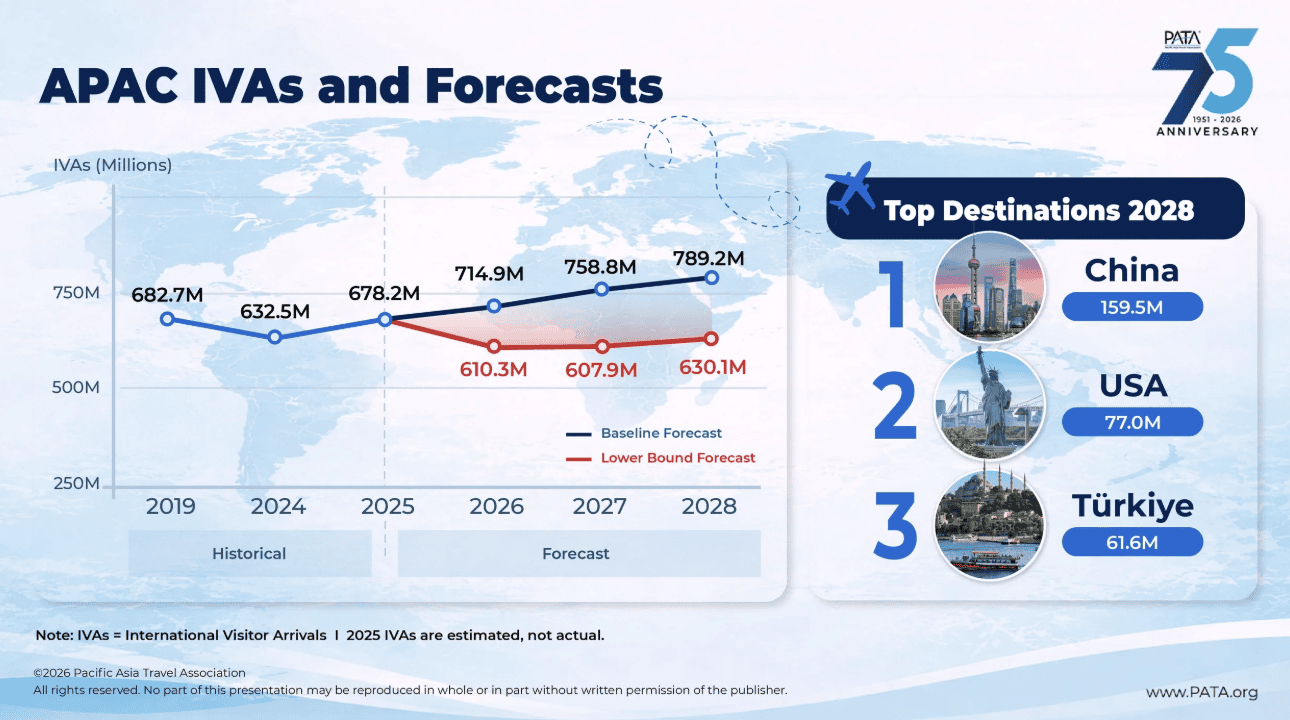
The updated outlook projects that international visitor arrivals (IVAs) across 39 Asia Pacific destinations will reach 714.9 million in 2026, increasing to 758.8 million in 2027 and 789.2 million by 2028. By the end of the forecast period, visitor arrivals are expected to reach 115.6% of 2019 levels, confirming that the region has moved beyond recovery and entered a new phase of tourism expansion.
“Change is no longer an occasional disruption; it is the new constant,” said PATA CEO Noor Ahmad Hamid. “The destinations and organisations that thrive will be those that can adapt quickly, innovate continuously, and respond with agility to an increasingly complex and fast-changing world.”
“The latest forecasts demonstrate the remarkable resilience of Asia Pacific tourism. While the region continues to grow and recover, success will increasingly depend on destinations’ ability to navigate geopolitical uncertainty, evolving traveller behaviour, connectivity challenges, and rising operational costs. This is precisely why timely, data-driven insights have become essential for strategic decision-making.”
One of the report’s key findings is the growing divergence in destination performance across Asia Pacific. While the region as a whole is expanding, some destinations are significantly outperforming others in terms of growth and recovery.
Highlights: APAC destination recovery and growth
Among the region’s 10 largest destinations, Vietnam is forecast to record the strongest growth between 2025 and 2027, with IVAs increasing by 31.2% to reach 27.8 million. This is followed by Macao, China (+19.4%), Japan (+15.8%), Hong Kong SAR (+13.9%), Türkiye (+12.7%), and Malaysia (+11.6%), reflecting strong demand, enhanced connectivity, and continued investment in tourism development.
By contrast, some of the region’s largest destinations are entering a more mature phase of growth. China, while remaining Asia Pacific’s largest destination with 157.8 million arrivals projected in 2027, is expected to grow by just 2.2% over 2025 levels. Thailand and the USA are likewise forecast to record more modest gains of 5.2% and 9.0% respectively, highlighting increasing competition across the region.
Looking further ahead, Mongolia is forecast to achieve the highest recovery rate by 2028, reaching 177.8% of its 2019 arrival levels. Japan, the Maldives, Vietnam, and Sri Lanka are also projected to outperform their pre-pandemic benchmarks significantly.
On the other hand, Thailand is expected to return to its pre-pandemic level only by 2028. The USA, Chinese Taipei, the Philippines, Myanmar, and several Pacific Island destinations, however, are projected to remain in recovery mode through to the end of the forecast period.
Of the 39 destinations included in the report, about 27 are projected to exceed pre-pandemic arrival volumes in 2027, rising to 30 in 2028.
Notable outbound market sources
The forecasts also provide important guidance for destination marketing organisations, airlines, airports, and tourism investors. China is projected to remain the Asia Pacific region’s largest outbound source market in 2027, generating nearly 127 million visitor arrivals across the region, followed by the USA with 65.2 million. Both markets are expected to grow by approximately 18% compared to 2025.
Korea (ROK), Canada, and Mexico are also forecast to generate substantial outbound traveller volumes, although growth rates are expected to vary across these markets.
Challenges and opportunities on the horizon
Despite the positive outlook, the report identifies several risks that could influence tourism performance over the coming years. Escalating geopolitical tensions and energy market volatility have increased concerns regarding fuel prices, aviation costs, and air connectivity. Continued inflationary pressures and higher living costs in several source markets may also affect discretionary travel spending, particularly among middle-income households and long-haul travellers.
At the same time, expanding airline networks, airport developments, improved visa facilitation measures, and strengthening intra-regional travel demand are expected to support continued growth across many destinations.
The PATA Asia Pacific Visitor Forecasts 2026-2028: Mid-Year Update provides annual and quarterly forecasts for 39 destinations across Asia Pacific, alongside analysis of major source markets, destination performance trends, and the macroeconomic and geopolitical factors shaping the future of tourism.
SINGAPORE, 5 August 2026: FCM Travel has announced its new AI-powered conversational booking feature, which will allow travellers to describe what they need and receive options tailored to their profile or past trips, dramatically cutting the time it takes to secure a booking.
The feature forms part of continued enhancements to FCM Booking, FCM’s proprietary booking platform, and its ongoing global expansion — giving customers an easier, more intelligent booking experience.
Conversational booking is made possible by FCM’s existing intelligence layer, Sam. By synthesising intelligence at every traveller interaction, Sam builds a richer profile in real time. Every recommendation will include its reasoning, showing why it fits policy, matches a traveller’s usual routing, reflects their loyalty programme, or aligns with how their team travels. That visibility will help travellers book with confidence, without second-guessing.
“Conversational booking only works if travellers trust what they’re being shown, and that trust comes from context, not just convenience”, said FCM Travel Global Head of Product, Jessica Dunderdale. “That’s the experience we’re building toward – every recommendation explains itself so that travellers can act on it with confidence, and travel managers see adoption follow as a result.”
That same booking experience also travels with the user. Available first in Microsoft Teams and Slack, Model Context Protocol (MCP) technology will extend booking capabilities to the AI tools travellers use every day, including ChatGPT, Claude, and Gemini, without opening a separate app. For travel buyers, that means higher in-programme booking rates and better data capture, without asking travellers to change behaviour.
The intelligence that shapes conversational booking also feeds into FCM’s reporting and proactive analytics, surfacing spend, compliance, and disruption risk as they emerge rather than after the fact. This sharpens the role of the travel manager — allowing them to translate what the technology surfaces into decisions that fit their business.
MANILA, 5 August 2026: Khiri Travel has opened its second office in the Philippines, in Manila’s Escolta Street heritage district.
The new Khiri Manila office becomes the DMC’s 20th in Southeast Asia.
The Khiri Travel Manila team at the 28 July office opening ceremony. Reverend Father Jesus Malit, SSS, led the blessing.
The move follows the opening of Khiri’s first office in the Philippines, in Cebu, in September 2024. The new Manila office is located in the 1928 art-deco-inspired Perez-Samanillo Building, now called the First United Building.
A blessing ceremony for the new office was held on 28 July and was attended by Khiri Travel Manila staff, led by their General Manager, Nadi Win. Khiri Travel CEO and Founder Willem Niemeijer and parent company YAANA Ventures’ Chief Financial Officer, Mark Remijan, also attended.
Nadi said Khiri’s new Manila office would facilitate tourism growth particularly in the Manila and Luzon regions of the country.
“There are major improvements at Manila international airport where most of Khiri’s guests enter and leave the destination,” she said. “With our stronger presence in the capital, we will be able to support our partners and travellers better, strengthen coordination with hotels, guides and transport providers.”
According to the Philippine Statistics Authority, tourism generated USD 38.1 billion for the Philippine economy in 2024. Tourism accounted for 8.1% of GDP in 2025. The country attracted 5.94 million foreign tourist arrivals last year, down from the peak of 8.26 million in 2019.
Khiri Travel Vice President — Commercial, Richard Ludwig, said: “Opening our Manila office demonstrates our commitment to becoming the best DMC in the Philippines. By investing in our local team and presence, we can give our partners the confidence and support they need to grow their business here.”
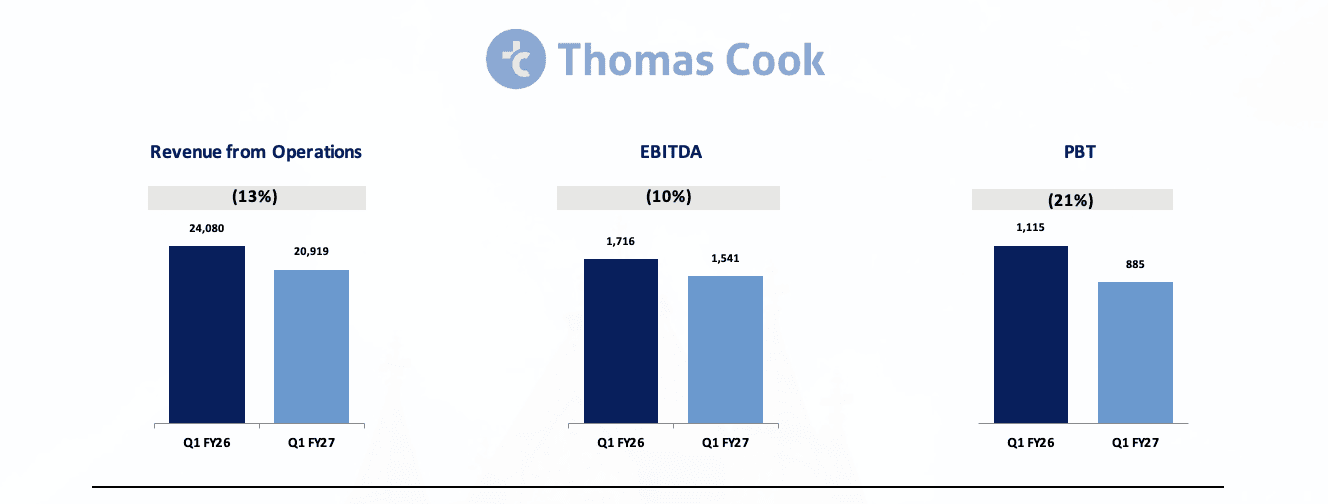
MUMBAI, 5 August 2026: Thomas Cook India Limited Group delivered a resilient performance for Q1 FY27* with Financial Services & Leisure Hospitality registering growth, while Travel Services held steady despite strong headwinds.
Consolidated results were subdued largely due to the impact of the West Asia conflict on the group’s GCC-based subsidiaries.
Thomas Cook (India) Limited Managing Director & CEO, Mahesh Iyer.
Financial Services
Revenue from Operations increased by 6% y-o-y for Q1 FY27; retail turnover grew by 8% y-o-y.
EBIT grew by 8% y-o-y, with EBIT margins at 45.3%.
Revenue from Operations grew by 19% y-o-y in Q1 FY27
EBIT grew by 28% for Q1 FY27 & maintained with EBIT margins at 32.4% for Q1 FY27
Travel Services
Revenue from Operations from Thomas Cook, SOTC and TCI remained steady in Q1 FY27.
Consolidated Total Income for Q1 FY27 stood at INR21,530 million, down by 12%.
Consolidated PBT for Q1 FY27 stood at INR885 million, down by 21%.
Excluding the GCC-based subsidiaries (DEI & Desert Adventures), the group’s Consolidated results recorded an 8% increase in EBIT for Q1 FY27.
The group navigated the difficult period with a combination of timely repricing to manage input cost escalations, partner renegotiations, and prudent cost discipline.
The group continues to maintain a strong financial position, with cash and short-term investments at INR26,488 million as of 30 June 2026, up from INR26,162 million as of 31 March 2026.
Commenting on the results, Thomas Cook (India) Limited Managing Director & CEO, Mahesh Iyer said: “A highly volatile operating environment characterised the first quarter of FY27. The impact was particularly severe on our GCC-based subsidiaries — Digital Imaging (DEI) & Desert Adventures, which continue to be affected by the ongoing conflict in the region.
The group delivered a resilient performance for Q1 FY27 despite the challenging environment, with both Financial Services & Leisure Hospitality registering growth. At the same time, Thomas Cook, SOTC and TCI held steady despite strong headwinds in Travel Services.
The group’s global operations remain strong, as reflected in our 8% EBIT growth, excluding the GCC-based subsidiaries affected by the conflict.
While the operating environment remains dynamic, we are cautiously optimistic about the outlook for the remainder of the year. Our focus remains on prudent financial management, driving operational excellence through technology and innovation, and strengthening our customer focus to deliver sustainable growth and create long-term value for all our stakeholders.”
Destination Management Services (DMS) Network
India DMS: Revenue from operations grew by 0.2% for Q1 FY27 despite cancellations due to the Israel-Iran War.
Overseas Destination Management Services
Revenue declined by 33% y-o-y in Q1 FY27, primarily due to the continued impact of geopolitical disruptions in the Middle East, which significantly affected Desert Adventures. Performance was further impacted by softer US inbound tourism, which affected Allied T Pro. In contrast, stable performance at Asian Trails and continued growth across the Private Safaris businesses in East and Southern Africa provided a partial offset.
Asia Pacific – Asian Trails: Revenue remained broadly stable, supported by strong growth in the China operations and improved contributions from Cambodia, Malaysia and Singapore, despite continued geopolitical uncertainties affecting certain regional markets.
USA – Allied T Pro: Performance was impacted by continued softness in US inbound tourism amid weaker overseas visitor arrivals and geopolitical uncertainties, as well as the absence of large one-off MICE events in the current period.
Middle East – Desert Adventures: The quarter’s results were materially impacted by geopolitical developments in the Middle East, exerting sustained pressure on travel demand. The business maintained a strong focus on cost optimisation while preserving operational readiness to support the anticipated recovery in demand.
Private Safaris
Southern Africa: Revenue grew by 17% y-o-y, supported by resilient inbound travel demand and improved margins through strategic upselling initiatives and supplier negotiations, despite elevated airfares and airline capacity constraints.
East Africa: Revenue grew by 4% y-o-y, supported by sustained demand from key source markets, including the USA, Europe and India, while improved margins contributed to overall performance.
*Thomas Cook India follows the Indian April–March fiscal cycle:Fiscal Year 2027 (FY27): 1 April 2026 – 31 March 2027.
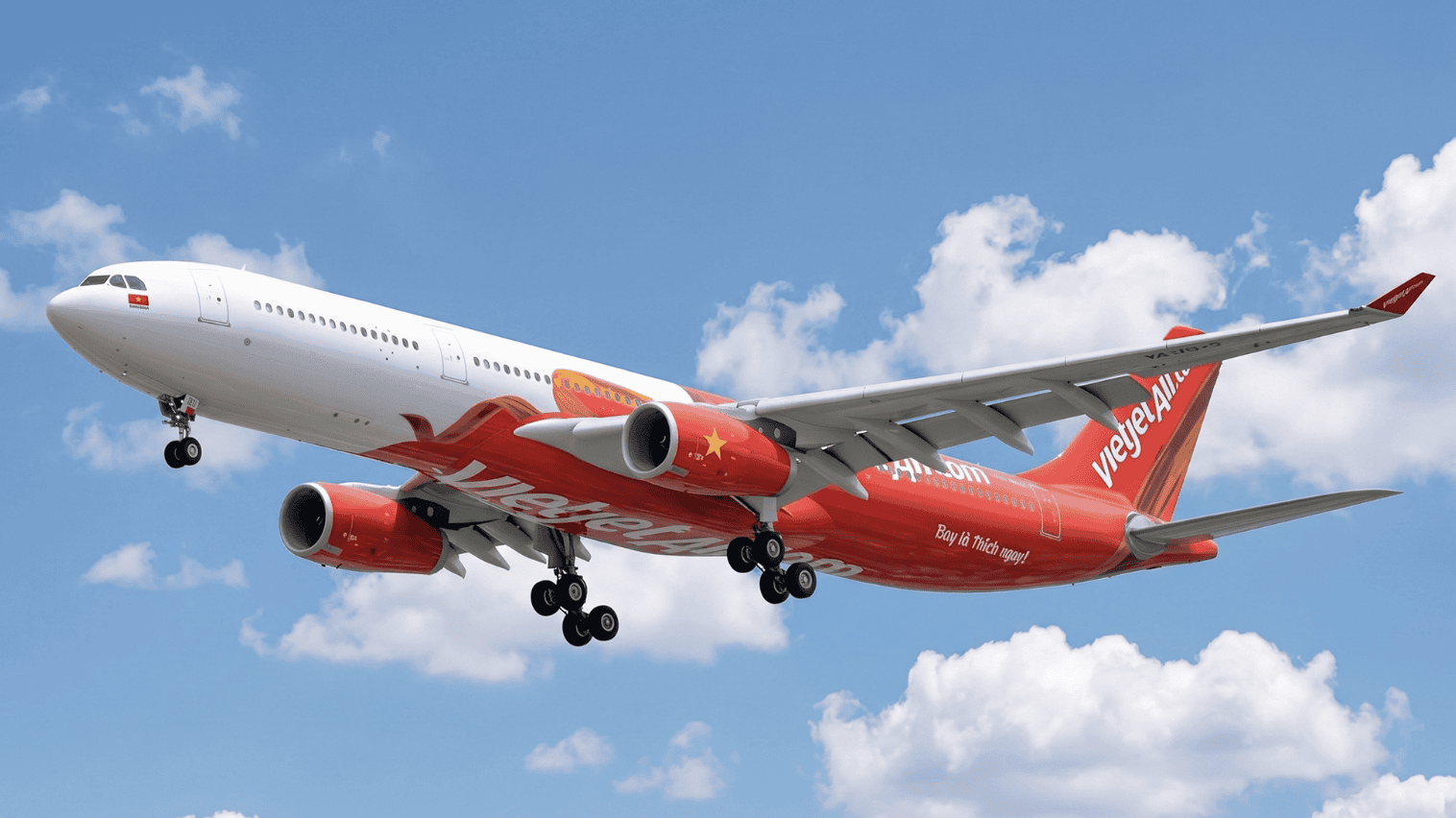
SINGAPORE, 5 August 2026: Vietjet Aviation has reported strong financial and operating results for the second quarter and first half of 2026, supported by resilient travel demand and continued international expansion.
The airline is also investing in more than 600 next-generation aircraft, one of the largest order books in the Asia-Pacific region. Vietjet is also developing an integrated aviation ecosystem spanning passenger transport, ground handling, air freight, training, engineering, financial services and technology.
Photo credit: Vietjet.
In the second quarter of 2026, Vietjet recorded separate revenue of VND25.542 trillion (SGD1.25 billion) and consolidated revenue of VND30.499 trillion (SGD1.49 billion), representing year-on-year increases of 44% and 71%, respectively. Separate and consolidated after-tax profit stood at VND204 billion ( SGD10 million) and VND349 billion (SGD17 million), respectively.
For the first six months of 2026, Vietjet recorded separate revenue of VND45.030 trillion (SGD2.20 billion) and consolidated revenue of VND51.536 trillion (SGD2.52 billion), representing year-on-year increases of 26% and 44%, respectively. The results fulfilled 58.5% and 59.4% of the respective full-year targets.
Separate and consolidated after-tax profit for H1 2026 reached VND1.126 trillion (SGD55 million) and VND1.372 trillion (SGD67 million), respectively, achieving 55.9% and 64.5% of the respective full-year targets.
As of 30 June 2026, Vietjet’s total assets stood at VND149.093 trillion (SGD7.28 billion). Its net debt-to-equity ratio was maintained at 2.37 times, while the liquidity ratio was 1.36 times, remaining within safe operating levels for the aviation industry.
Strong international expansion
Vietjet operated nearly 33,000 flights and carried more than 6.2 million passengers in Q2/2026. For the first six months, the airline operated 72,000 flights and transported more than 13.4 million passengers, while total cargo volume reached nearly 41,000 tonnes.
The airline currently operates 213 routes, comprising 46 Vietnam domestic and 167 international services. From Singapore, Vietjet operates direct flights to Ho Chi Minh City, Hanoi, Da Nang and Phu Quoc, with a new Nha Trang–Singapore service scheduled to commence on 11 December 2026.
During the first half of the year, Vietjet announced new international routes connecting Vietnam with China, Sri Lanka, Kazakhstan and the Czech Republic, further expanding its presence across Asia and Europe.
The expanding network is strengthening trade, investment and tourism links between Vietnam and international markets while supporting Vietjet’s long-term global growth strategy.
Vietjet Thailand accelerated its network expansion and improved operational efficiency with its modern Boeing 737-8 fleet, while Vietjet Qazaqstan delivered positive network performance, supporting connectivity and economic development in Central Asia.
Investment in a major next-generation aircraft order
Vietjet continues to invest in an order book of more than 600 Airbus and Boeing aircraft, one of the largest in the Asia-Pacific region, to support its international expansion and global network development towards 2030.
Earlier this year, Vietjet finalised agreements with Pratt & Whitney for GTF engines to power 44 Airbus A320neo-family aircraft and arranged financing for 12 Boeing 737-8 aircraft.
At the Singapore Airshow 2026, Vietjet and its partners announced the launch of the Asia-Pacific Aviation Financial Centre, an initiative designed to attract leading financial institutions and aviation companies to Vietnam and support the country’s ambition to become a regional aviation hub.
Vietjet is also integrating artificial intelligence into its operations and management through partnerships with international solution providers, including OpenAirlines and Satair, to optimise fuel consumption, improve efficiency and reduce emissions.
Building aviation talent for long-term growth
Vietjet partnered with Aviation Australia and F Air flight school while continuing its role as an IATA-certified training partner. In the first half of 2026, Vietjet Aviation Academy conducted 9,662 courses for more than 99,000 trainee enrollments, including pilots, cabin crew, engineers, flight dispatchers and other aviation professionals.
According to Brand Finance, Vietjet’s brand value reached USD906 million (SGD1.17 billion) as of May 2026, reflecting its growing international position.
During the first half of 2026, Vietjet was recognised as among the World’s Safest Airlines by AirlineRatings. It was also named one of the “Best Companies to Work for in Asia”, listed among Vietnam’s Top 50 Listed Companies, and recognised by Cirium as the most emissions-efficient airline for intra-Southeast Asia operations.
Vietjet’s H1 2026 performance reinforces its transformation from a new-generation airline into an integrated aviation group with an extensive international network, an order book of more than 600 aircraft and an ecosystem spanning passenger and freight transport, ground handling, training, MRO, aviation finance and technology. This foundation supports revenue diversification, operational efficiency, sustainable growth and shareholder value while contributing to Vietnam’s development as a regional and global aviation hub.
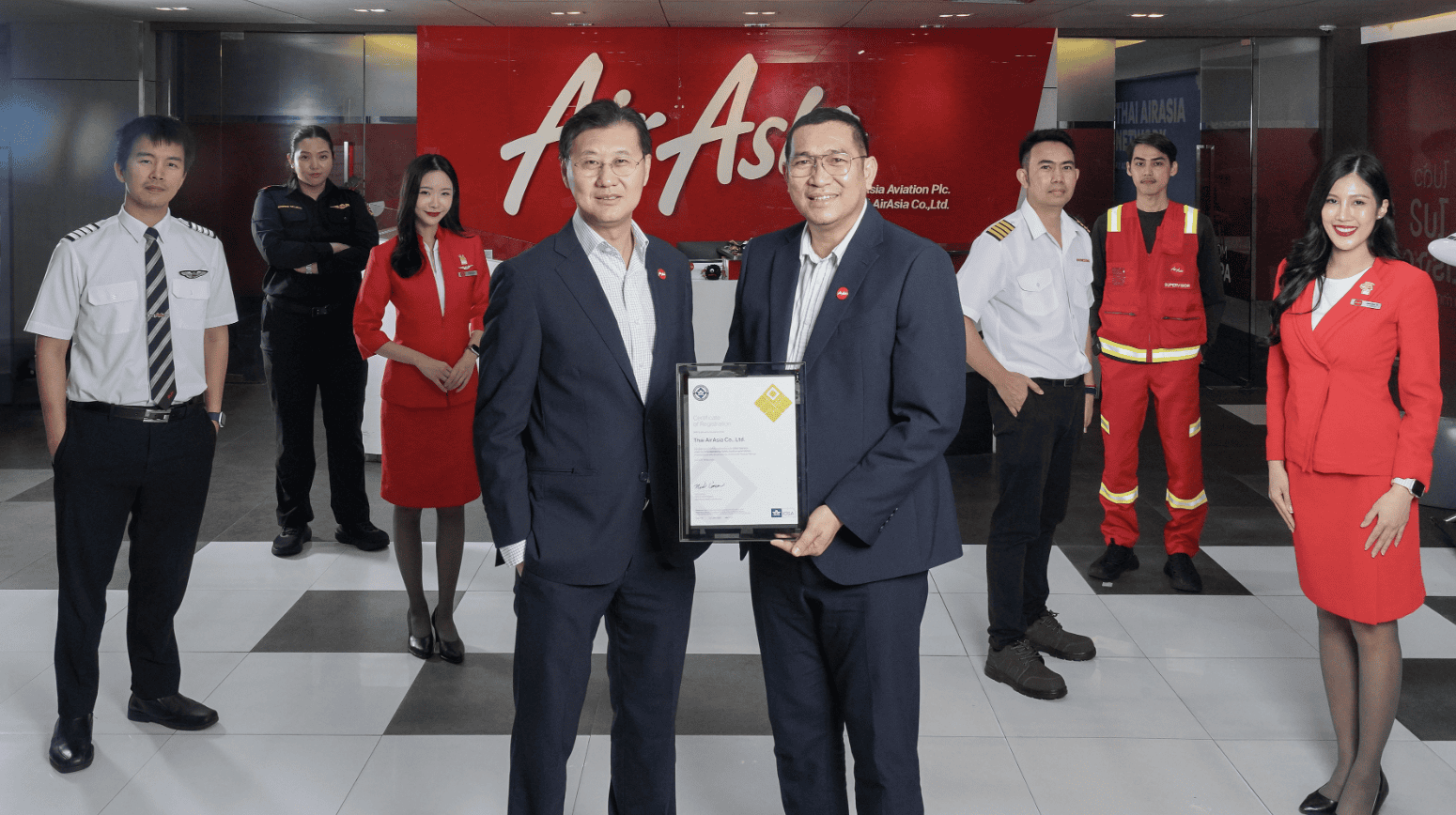
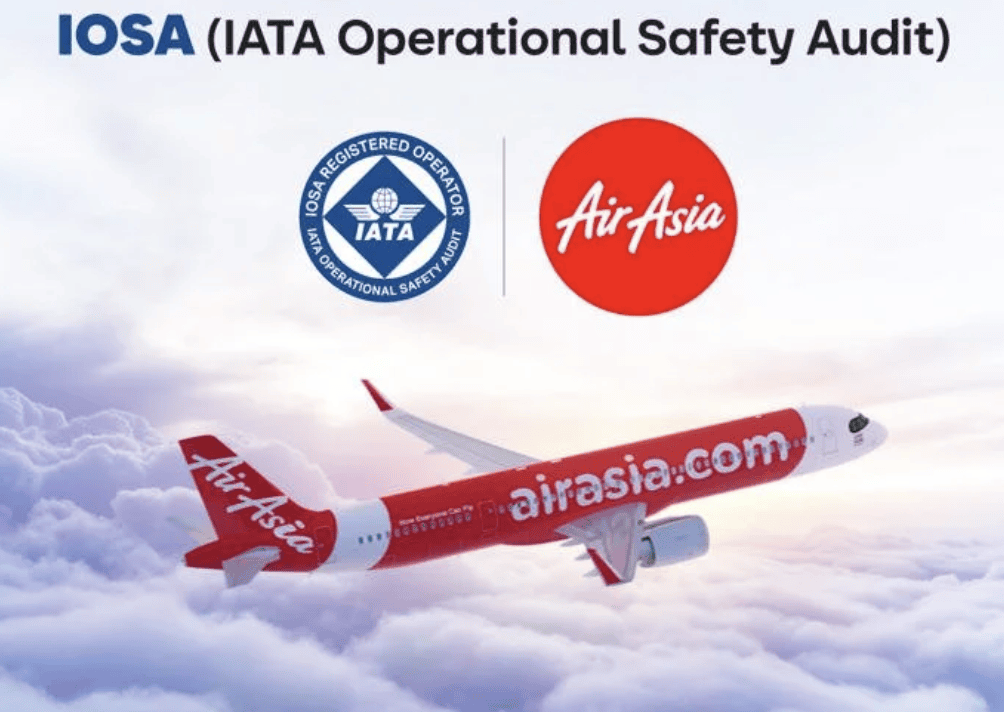
BANGKOK, 5 August 2026: Thai AirAsia (FD) officially became an IOSA-registered operator on 11 June 2026, raising its safety standards to new heights.
Awarded by the International Air Transport Association (IATA) under the prestigious IATA Operational Safety Audit (IOSA) programme, this milestone cements the airline’s commitment to globally recognised safety management benchmarks.
The successful registration follows a rigorous audit process that covers all aspects of operations, reflecting the world-class safety protocols the airline has consistently upheld.
Photo credit: Thai AirAsia.
Asia Aviation Public Company Limited (AAV) and Thai AirAsia Chief Executive Officer Phairat Pornpathananangoon stated: “Achieving the IOSA registration is a testament to the sheer dedication and collaborative spirit of all our team members across every department, who strictly adhere to and build upon our robust operational standards. It reinforces that safety is never just an obligation—it is our core corporate culture and the absolute highest priority in every single flight and procedure.
“Passing this globally benchmarked audit ensures our guests can fly with complete peace of mind. This achievement perfectly complements our other world-class service accolades, including being named Skytrax’s World’s Best Low-Cost Airline for 16 consecutive years and our consistently top-ranked on-time performance. We will continue to drive forward to deliver the best and safest journeys for everyone.”
The IOSA auditing process is uncompromisingly strict and conducted by independent audit organisations. As IATA transitions toward a risk-based audit system in line with its latest standards, the comprehensive assessment evaluated Thai AirAsia across eight core operational domains. These include Corporate Organisation and Management Systems (ORG), Flight Operations (FLT), Operational Control and Flight Dispatch (DSP), Aircraft Engineering and Maintenance (MNT), Cabin Operations (CAB), Ground Handling Operations (GRH), Cargo Operations (CGO), and Security Management (SEC).
Thai AirAsia has successfully passed the initial audit conducted by officially registered independent auditors. Guests and partners can verify Thai AirAsia’s official registration status directly via the IATA online registry at ic.iata.org/registry/iosa, or find more details at www.iata.org.
About IOSA The IOSA certificate is widely recognised as the ultimate global benchmark for Air Operator Certificate (AOC) holders, designed to assess an airline’s operational management and safety control systems. Established by IATA in 2003, it has stood as the definitive global standard for over two decades. IATA does not solely determine the strict criteria used in these audits; they are collaboratively developed with the world’s leading aviation regulatory bodies, including the European Union Aviation Safety Agency (EASA) and the U.S. Federal Aviation Administration (FAA). This ensures that the audit guidelines align perfectly with international best practices used to regulate airlines in regions with the world’s most stringent safety requirements.
BANGKOK, 4 August 2026: As Asian Trails accelerates its digital transformation, Group Chief Technology Officer (CTO) Sushil Mankar has spent his first year leading the modernisation of the company’s technology infrastructure and practices.
An Indian national, Sushil joined Asian Trails in 2025 with a wealth of international experience and more than a decade at Thomas Cook India, where he rose through senior management to become Senior Vice President, IT Applications.
Photo credit: Asian Trails. “With a dedicated tech team, we are in the position to bring everyone together and ensure we are working consistently across the group, says Sushil Mankar (centre, front row).
During that time, he worked closely with Asian Trails, gaining first-hand knowledge of the company’s culture, values and people. This experience provided an ideal foundation for his appointment as Group CTO in 2025.
For a DMC operating across 10 countries, each with unique challenges, Sushil believes one of Asian Trails’ greatest strengths is its technology team working behind the scenes to keep everyone connected.
He said: “Each destination has its own way of doing business. With a dedicated tech team, we are in the position to bring everyone together and ensure we are working consistently across the group.”
By working closely with colleagues throughout the region, the tech team helps simplify processes and ensure every office has access to the same tools and support, thereby improving efficiency and enabling Asian Trails to focus on what it does best — creating exceptional travel experiences.
An important focus during his first year has been strengthening the existing cybersecurity systems and policies. As data has become one of the world’s most valuable assets, more systems and services have moved online, exposing organisations to growing risks from cybercrime, fraud and attempts to steal sensitive information.
He said: “We are developing our existing security policies across the group. Previously, security measures were in place in different pockets across our units, but we are now moving towards a more centralised approach.
“This means our security governance, protective software and policies designed to safeguard our systems will all be managed at a group level, ensuring a consistent approach across Asian Trails.
“A stronger cybersecurity culture is essential to protecting not only company systems but also the trust that clients and partners place in Asian Trails every day.”
Technology alone is not enough. Sushil highlighted that employee awareness is equally critical, with regular training sessions held to help staff recognise potential threats such as phishing and online fraud.
While sustainability is embedded in Asian Trails’ DNA, with a directive to promote more sustainable products and services, Sushil said his immediate focus, and that of the technology team, is on strengthening the company’s digital foundations, creating the platform for technology to support broader environmental initiatives in the future.
He said: “As the company continues its digital transformation, initiatives such as reducing paper-based processes, expanding digital workflows and improving operational efficiency have the potential to complement the company’s wider sustainability strategy.
“For now, however, the emphasis is on building a strong technological foundation that will enable future advances in both business performance and responsible operations.”
Artificial Intelligence (AI) may be one of the travel industry’s biggest talking points, but for Asian Trails it is already a practical business tool. Under Sushil’s leadership, the company has embarked on a significant AI programme, investing in several pilot projects designed to improve operational efficiency and enhance the service it delivers to clients and partners. This is a work in progress.
The focus is on real-world applications that reduce repetitive manual tasks, shorten response times and enable teams to manage increasing volumes of enquiries, bookings and administrative processes more effectively.
He said that AI will not replace the personalised service for which Asian Trails is renowned. Instead, the company is adopting a ‘human in the loop’ approach, ensuring that every AI-generated recommendation or action is reviewed and overseen by experienced staff.
Photo credit: Asian Trails.
Looking ahead, Sushil sees AI as a tool that will empower employees rather than replace them. By handling routine, time-consuming tasks, AI will free teams to focus on what they do best – building relationships, creating exceptional travel experiences and providing the expert local knowledge that has long been the hallmark of Asian Trails.
He is already focusing on the company’s next stage of digital transformation. Among the initiatives on the horizon are the development of a dedicated mobile application and the digitisation of the extensive portfolio of brochures and travel products.
For more information on Asian Trails, visit: Asian Trails.