

Tuesday, May 19, 2026
Home Blog Page 5

Singapore’s resilient tourism faces challenges

SINGAPORE, 12 May 2026: In 2025, Singapore achieved a record of SGD32.8 billion in tourism receipts and welcomed 16.9 million visitors, the Singapore Tourism Board Chief Executive Melissa Ow reported during last week’s Tourism Industry Conference 2026. 

“Last year, I spoke about Tourism 2040, STB’s roadmap for the next chapter of quality tourism growth for Singapore,” she told a packed house of tourism leaders attending the annual gathering. “It sets out how we will respond to rising global competition, shifting demographics, and emerging opportunities, to reach our goal of SGD47 to SGD50 billion in tourism receipts by 2040. I am pleased to share that we are making good progress towards this long-term ambition.”

STB Chief Executive Melissa Ow speaking at the Tourism Industry Conference on 8 May.

STB CEO: Speech standouts 

Changi Airport welcomed an all-time high of nearly 70 million passenger movements, while Singapore welcomed 375 ship calls and over 2 million passengers in passenger throughput.

The completion of the Marina Bay Cruise Centre Singapore expansion further reinforces Singapore’s status as Asia’s leading cruise hub.

The Formula 1 Singapore Airlines Singapore Grand Prix 2025 attracted the second-highest crowd since its first race, with over 300,000 attendees across three days.

Singapore’s  MICE industry continues to demonstrate robust growth.

In 2025, MICE tourism receipts grew by more than 35% from 2024, reaching SGD2.3 billion.

This year, STB projects SGD31 to SGD32.5 billion in tourism receipts and 17 to 18 million in international visitor arrivals, while recognising that the ongoing tensions in the Middle East pose unprecedented challenges to the tourism industry.

“Our tourism businesses are under strain from the crisis, and global uncertainty will persist. While visitor arrivals held up in the first quarter with a 3% year- on-year growth, we expect muted demand in the months ahead,” the STB CEO cautioned. 

In the year ahead, STB will intensify efforts to strengthen sector performance and resilience through the three pillars of Tourism 2040:

  • Cultivating future Demand to seize high-growth opportunities;
  • Creating an attractive Destination, as we push ahead with new initiatives to strengthen tourism products and experiences;
  • Advance the development of a future-ready tourism sector.

She noted: “The SGD740 million tranche of the Tourism Development Fund will enable industry partners to pursue opportunities under these three pillars.”

Cultivating future demand

Singapore remains a vital air hub, maintaining strong connectivity to key visitor markets, including China, Indonesia, Australia, Malaysia, India, and beyond.

“Market diversification is a priority. We are establishing new flight connections to Palembang and Belitung in Indonesia; West Sydney, Newcastle and Sunshine Coast in Australia; and Dalian in China.” Ow noted

In 2026, Singapore’s hotel landscape welcomes new additions and transformations.

TUI Hotels & Resorts will debut in Singapore with Asia’s first The Mora property. Other new hotel openings include Asia’s largest Mövenpick hotel; Varel  Singapore, a Tribute Portfolio Hotel; and the newly rejuvenated Frasers House, a Luxury Collection Hotel, Singapore. 

(Source: Singapore Tourism Board)
SQ boosts flights to Europe

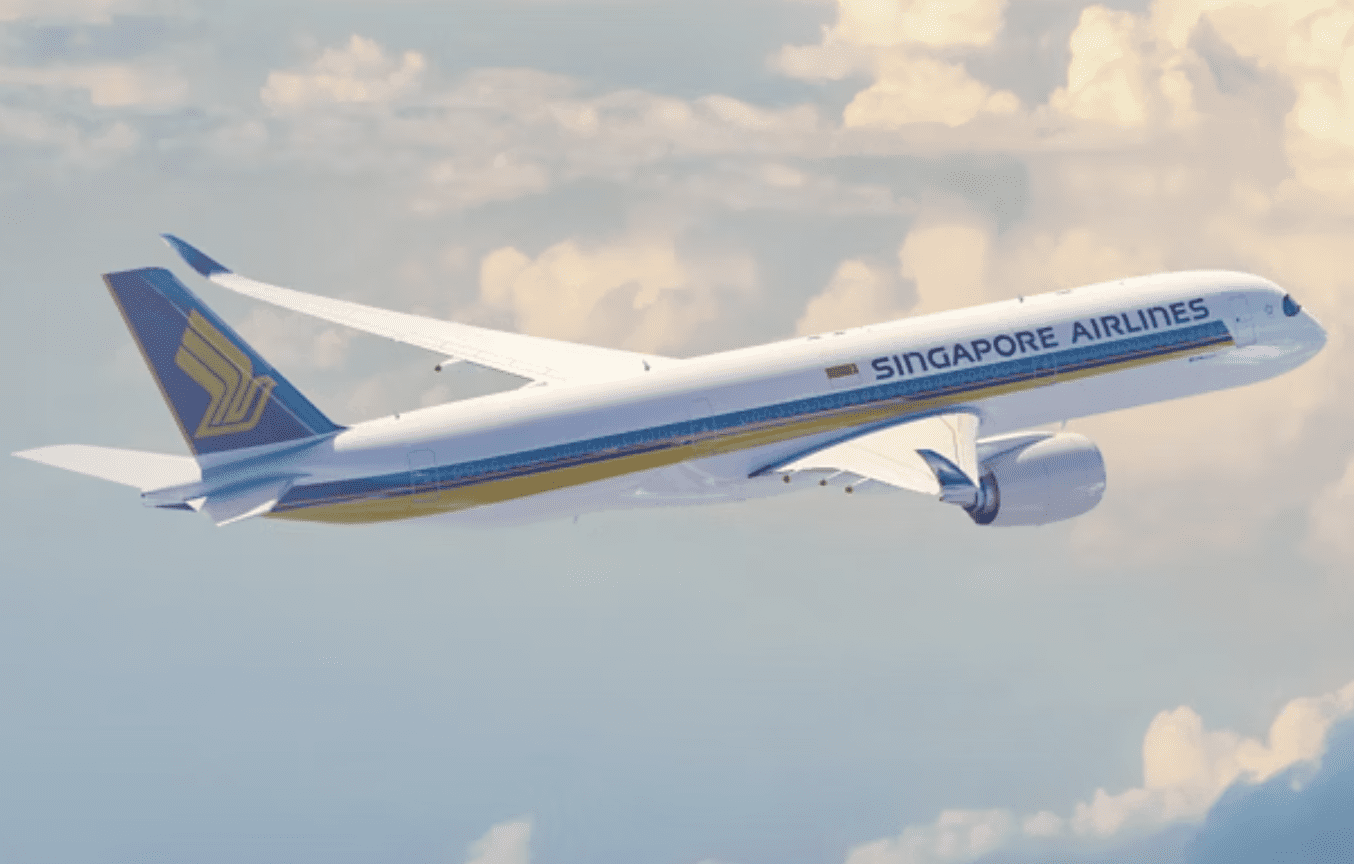
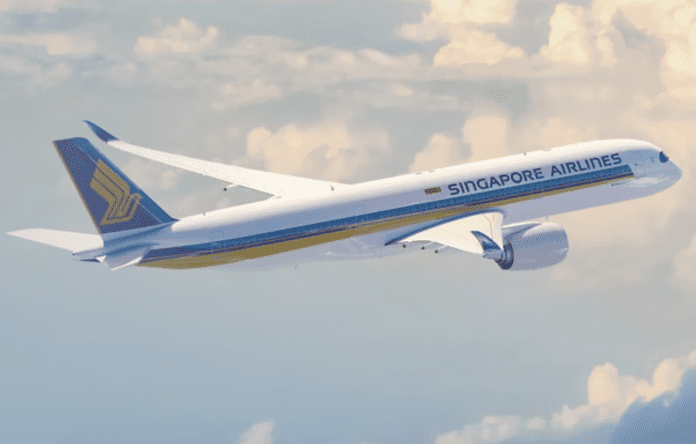
SINGAPORE, 12 May 2026: Singapore Airlines will increase flights between Singapore and Manchester, Milan, Munich, and London Gatwick in the coming months to meet the strong demand on these routes, and enhance connectivity options at its Singapore hub.

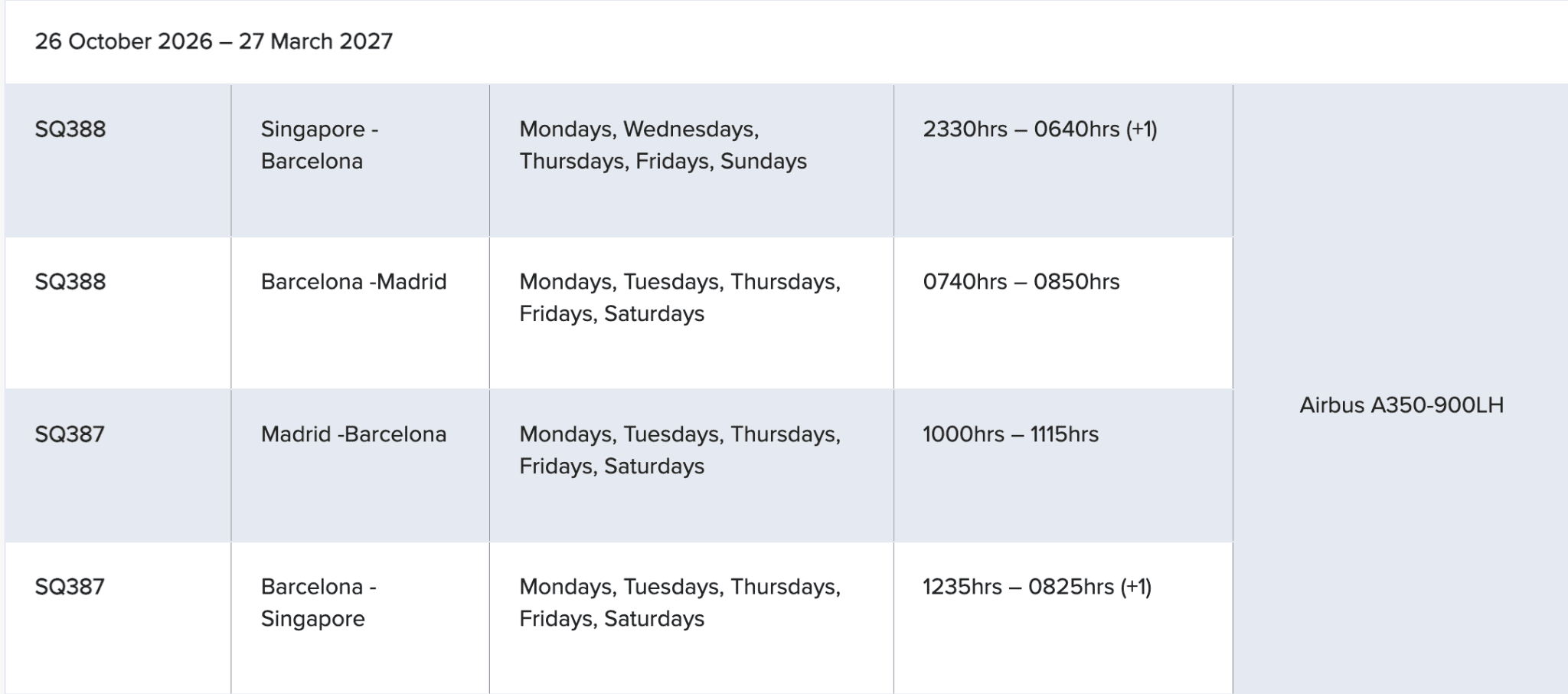
The airline will also launch five-times-weekly services to Madrid via Barcelona on 26 October 2026, subject to regulatory approvals.

It will restructure its current twice-weekly Singapore-Barcelona services, SQ388 and SQ387, to operate on the route, making Madrid SIA’s 15th destination in Europe and its second in Spain. 

Photo credit: Singapore Airlines.

Singapore Airlines, Senior Vice President Marketing Planning Dai Haoyu said: “Europe is an important market for Singapore Airlines, and these adjustments reflect our commitment to it. We are seeing strong demand for travel to Europe, and increasing frequencies to key destinations such as Manchester, Milan, Munich, and London Gatwick in response. Madrid is also an increasingly popular tourist destination and a financial and business hub. These new services will give our customers more choice and greater value when planning their travel.”

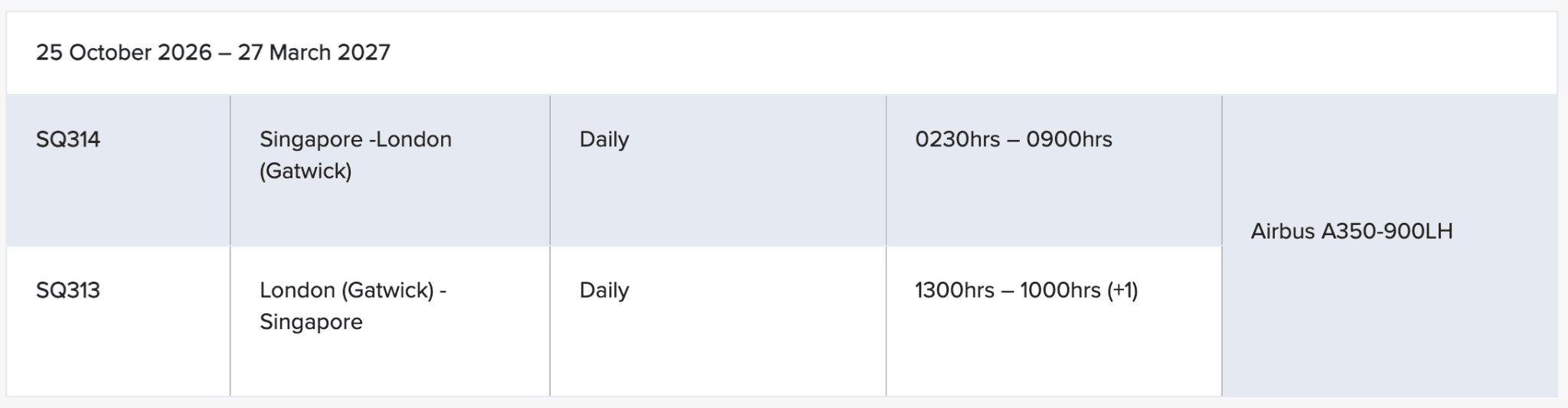
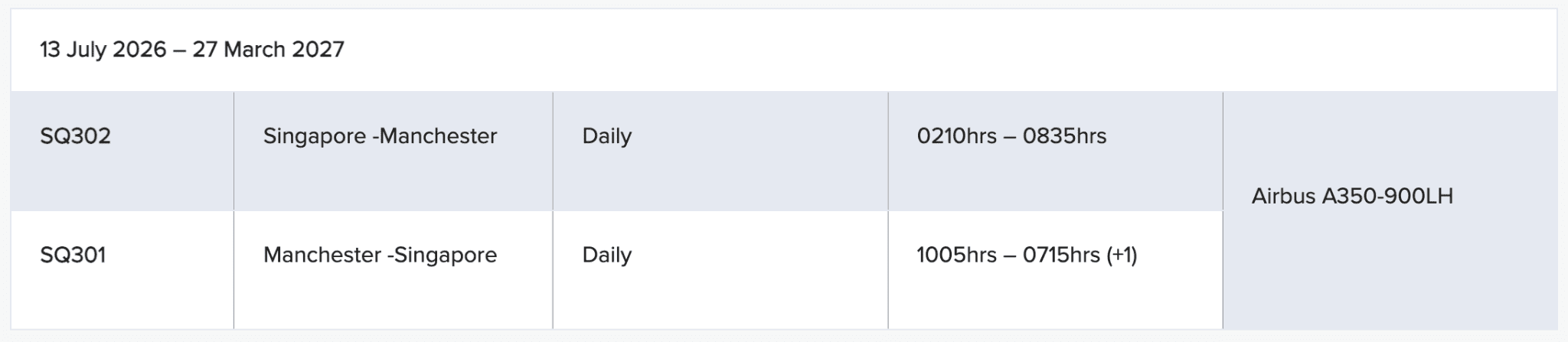
From 13 July 2026, SIA’s Singapore-Manchester services, SQ302 and SQ301, will increase from five-times weekly to daily. SIA’s current three-times-weekly Singapore-London Gatwick services, SQ314 and SQ313, will increase to daily from 25 October 2026. This will give SIA two daily services to the airport and six flights a day to London, including the four daily services to London Heathrow. 

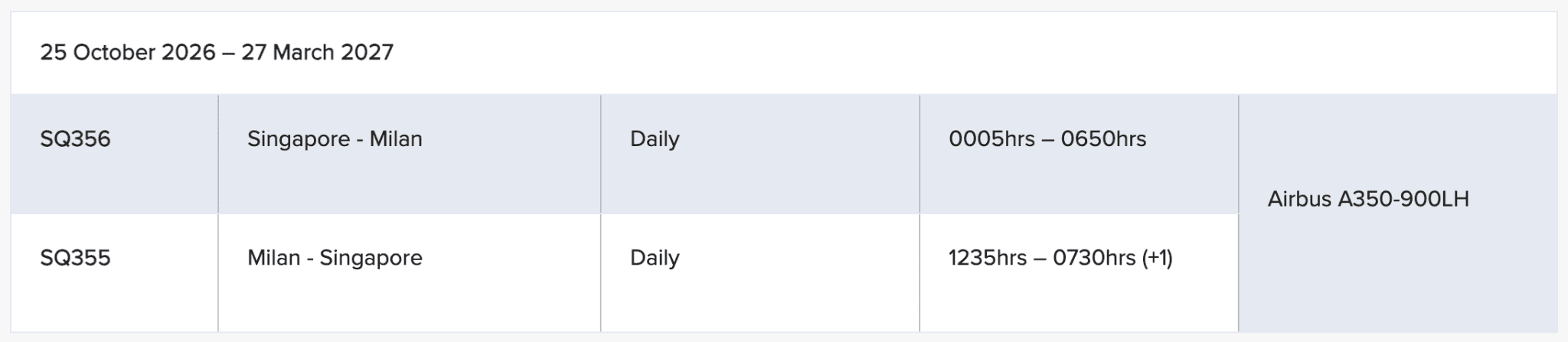
The airline’s Singapore-Milan services, SQ356 and SQ355, will increase from four-times weekly to daily from 25 October 2026. The three-times-weekly Singapore-Milan-Barcelona services, SQ378 and SQ377, will be cancelled from 27 October 2026, following the launch of the new Singapore-Barcelona-Madrid service. 

SIA will launch a new three-times weekly Singapore-Munich service, SQ340 and SQ339, from 26 October 2026, bringing its total to 10 weekly services to the German city.

The inaugural flight to Madrid, SQ388, is scheduled to depart Singapore at 2330 (local time) on 26 October 2026, arrive in Barcelona at 0640 (local time) on 27 October 2026, depart Barcelona at 0740 (local time), and arrive in Madrid at 0850 (local time) the same day. 

The return flight, SQ387, is scheduled to depart Madrid at 1000 (local time) on 27 October 2026, arrive in Barcelona at 1115 (local time), depart Barcelona at 1235 (local time) the same day, and arrive in Singapore at 0825 (local time) the next day. 

SIA will operate its Airbus A350-900 long-haul variant with 253 seats (42 in Business Class, 24 in Premium Economy Class, and 187 in Economy Class) on the Singapore-Barcelona-Madrid route. 

Spain’s capital is known for its vibrant culture, world-class museums, and landmarks like the Royal Palace of Madrid. It is also a business and financial hub for both the region and South America.

Tickets for the new Madrid service will go on sale from June 2026 via SIA’s distribution channels, while tickets for the additional services to Manchester, Milan, Munich, and London Gatwick will be released progressively. 

BARCELONA AND MADRID, SPAIN

SIA will restructure its current twice-weekly Singapore-Barcelona services into five-times-weekly Singapore-Barcelona-Madrid services.

LONDON GATWICK, UK

SIA will step up its second London Gatwick tranche to a daily operation during the Northern Winter 2026 operating season. This will complement SIA’s existing daily services, SQ312 and SQ309, to London Gatwick, and SIA’s four daily services to London Heathrow, bringing

SIA’s total London services to up to six times daily.

MANCHESTER, UK

SIA will increase its Singapore-Manchester services from five times weekly to daily.

MILAN, ITALY

SIA will increase its Singapore-Milan services from four times weekly to daily.

MUNICH, GERMANY 
SIA will launch a new three-times weekly service between Singapore and Munich. This will complement SIA’s existing services, SQ328 and SQ327, to Munich, bringing the total to 10 weekly services.

Dusit executive wins leadership award 

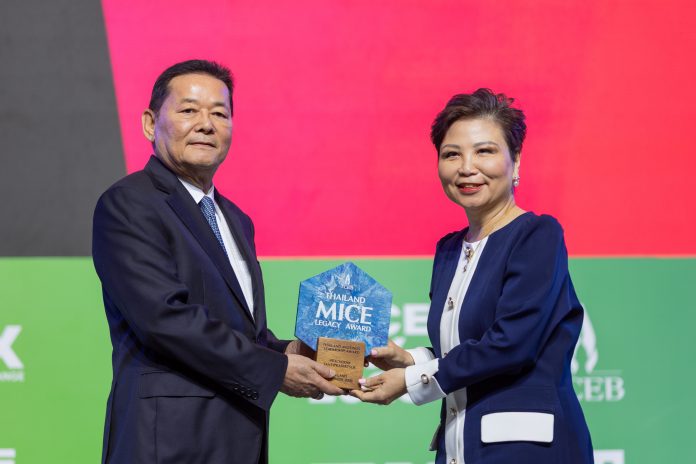
BANGKOK, 11 May 2026: Prachoom Tantiprasertsuk, Vice President – Operations (Central & Southern Thailand) and Government & Business Relations at Dusit International, and President of the Thailand Incentive and Convention Association (TICA), has received the prestigious Thailand Meetings Leadership Award at the inaugural Thailand MICE Legacy Awards 2026, organised by the Thailand Convention and Exhibition Bureau (TCEB).

Presented during MICE Day 2026 at the Queen Sirikit National Convention Centre in Bangkok on 29 April 2026, the award recognises individuals who have played a significant role in advancing Thailand’s meetings sector and strengthening the country’s position as a leading international MICE destination.

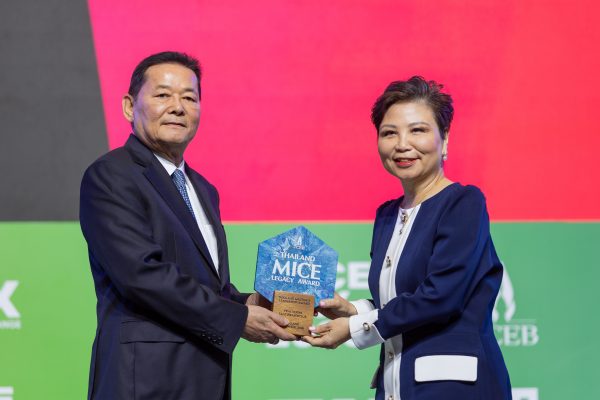
Photo Caption – Prachoom Tantiprasertsuk (right) received the Thailand Meetings Leadership Award from Mr Napintorn Srisunpang, Minister Attached to the Prime Minister’s Office (left), who presided over the Thailand MICE Legacy Awards 2026 ceremony.

Prachoom was recognised for her contribution to Thailand’s MICE sector over more than three decades, including her long-standing role in supporting industry collaboration, strengthening Thailand’s international profile, and helping drive the development of TICA, where she has been involved since its early years and currently serves as President for the 2025–2026 term.

Drawing on extensive experience in the international hospitality industry, she has played an active role in supporting the growth of Thailand’s meetings sector and the continued evolution of TICA as a leading professional organisation within the country’s business events landscape.

While the recognition honours individual achievement, it also reflects the increasingly important role that hospitality leaders play in advancing Thailand’s tourism and business events ecosystem through collaboration, mentorship, and long-term industry engagement.

“This recognition is deeply meaningful because it reflects the collective efforts of so many people who have helped shape Thailand’s MICE sector over many years,” said Ms Tantiprasertsuk. “I’ve been fortunate to work alongside dedicated colleagues and partners across hospitality, tourism, government, and business events, all of whom share the same goal of strengthening Thailand’s position on the global stage. This commitment is also closely aligned with Dusit’s long-standing vision and values.”

Commenting on the recognition, Dusit International Group CEO and Acting Chairman of the Board of Directors Chanin Donavanik (a long-time supporter of Thailand’s tourism and hospitality industry through leadership and industry engagement) said: “Thailand’s tourism and MICE sectors have always progressed through strong collaboration between passionate individuals across both the public and private sectors. Leaders who contribute beyond their own organisations play an important role in strengthening the industry for the future, and we believe supporting that kind of contribution remains essential to the long-term development of Thailand’s hospitality ecosystem.”

Established by TCEB, the Thailand MICE Legacy Awards honour leaders, pioneers, and industry figures whose dedication and vision have helped shape Thailand’s MICE industry over several decades, recognising contributions across meetings, exhibitions, conventions, and the broader development of the country’s MICE industry.

(Source: Your Stories — Dusit International)

STB floats AI Playbook and Tcube Centre

SINGAPORE, 11 May 2026: The Singapore Tourism Board (STB) has launched two key initiatives – the AI Playbook for Tourism and the Tcube Centre of Excellence – to drive new data and technological capabilities in tourism. 

These initiatives will guide the industry in accelerating AI and data integration, enhancing productivity and visitor experience, and positioning Singapore to lead in the next era of travel.

AI Playbook for Tourism

One of STB’s priorities in tech transformation is to accelerate GenAI adoption to help the sector increase productivity, expand global visibility, and reduce operating costs.

The AI Playbook for Tourism includes a roadmap that defines four key phases for tourism businesses to get started on their AI journey:

• Nascent stage: Businesses start with easy-to-adopt AI technologies, like GenAI, which is built into existing tools.

• Optimised stage: Businesses use GenAI or Agentic AI to streamline backend processes.

• Connected stage: AI technologies are integrated to coordinate services in various industries, from hospitality and attractions, so that multiple AI agents across different businesses interact with each other.

• Transformational stage: AI agents can plan, execute, and optimise end-to-end operations without human initiation.

Through the AI Playbook for Tourism, businesses can also access a list of support measures to accelerate adoption, spanning capability development and workforce training programmes, innovation programmes, and grants to de-risk digital investment.

Additionally, in the second half of 2026, STB will continue building industry capabilities through curated workshops with leading industry partners to cover topics such as prompt engineering and generative engine optimisation.

Tcube Centre of Excellence (CoE)

Tcube has been refreshed as the Tcube Centre of Excellence (CoE). In this one-stop resource hub, tourism businesses can access practical tools, data resources, and industry knowledge to drive digital transformation. The CoE is designed to help tourism companies improve productivity and deliver better visitor experiences through technology and data.

Since its launch in 2021, Tcube’s “Learn-Test-Build” framework has helped tourism businesses identify gaps in their digital transformation capabilities and gain insight from tourism use cases (“Learn”), experiment with promising new startup and scaleup technology (“Test”), and tap into data and industry-wide shared content to guide their business decisions (“Build”).

Tcube has engaged hundreds of tourism companies through its initiatives:

• 426 companies for knowledge-sharing initiatives (i.e.Tcube events and workshops)

• 247 companies for data programmes

• 146 companies for tech and data pilots

• 550 companies on The Singapore Tourism Analytics Network (Stan)

Tcube has also seen successful use case adoptions:

• Mount Faber Leisure Group piloted an AI platform and Extended Reality (XR) simulation to enhance cable car troubleshooting by optimising training cycles and accelerating fault diagnosis, with the potential to save more than 200 overtime person-hours annually. For technicians and engineers, this means reducing the time spent on manual diagnostics and enabling faster troubleshooting resolution.

• Conrad Centennial Singapore leveraged local tech startup Inside. The software’s AI-powered smart scheduling tool provides predictive forecasting of labour demand and creates a unified management hub for all workers. This led to over 90% in time savings.

Tcube is evolving its approach from a “Learn-Test-Build” to a new “Learn-Test-Scale” user journey. The emphasis is now on helping businesses adopt and scale technologies that have already been proven to work. This means tourism companies can move faster by

implementing tried-and-tested solutions, such as electronic check-in systems for hotels or travel management platforms for travel agents.

Tcube CoE will also support the industry in leveraging data to unlock new growth opportunities.

The upcoming refresh of the Singapore Tourism Analytics Network (Stan) will give Singapore tourism companies access to refreshed dashboards and new insight reports, along with:

• Data partnerships with industry stakeholders and other government agencies, to foster a cohesive data ecosystem that enables richer insights, promotes industry-wide alignment, and strengthens the collective impact of marketing and product development efforts.

• Data pilots to tackle business problem statements alongside industry stakeholders. These pilots derive actionable insights that can sharpen marketing strategies and guide the development of tourism products.

• Data products to improve data accessibility, through user-friendly dashboards with integrated GenAI capabilities.

For more information on the destination and tourism: www.stb.gov.sg  or www.visitsingapore.com 

(Source: Singapore Tourism Board)
Amadeus reports strong Q1 performance

SINGAPORE, 11 May 2026: Amadeus opened 2026 with solid growth and profitability, following the strong momentum evident in Q4 2025. 

In March, the situation in the Middle East moderated growth, which slowed our performance for the quarter.

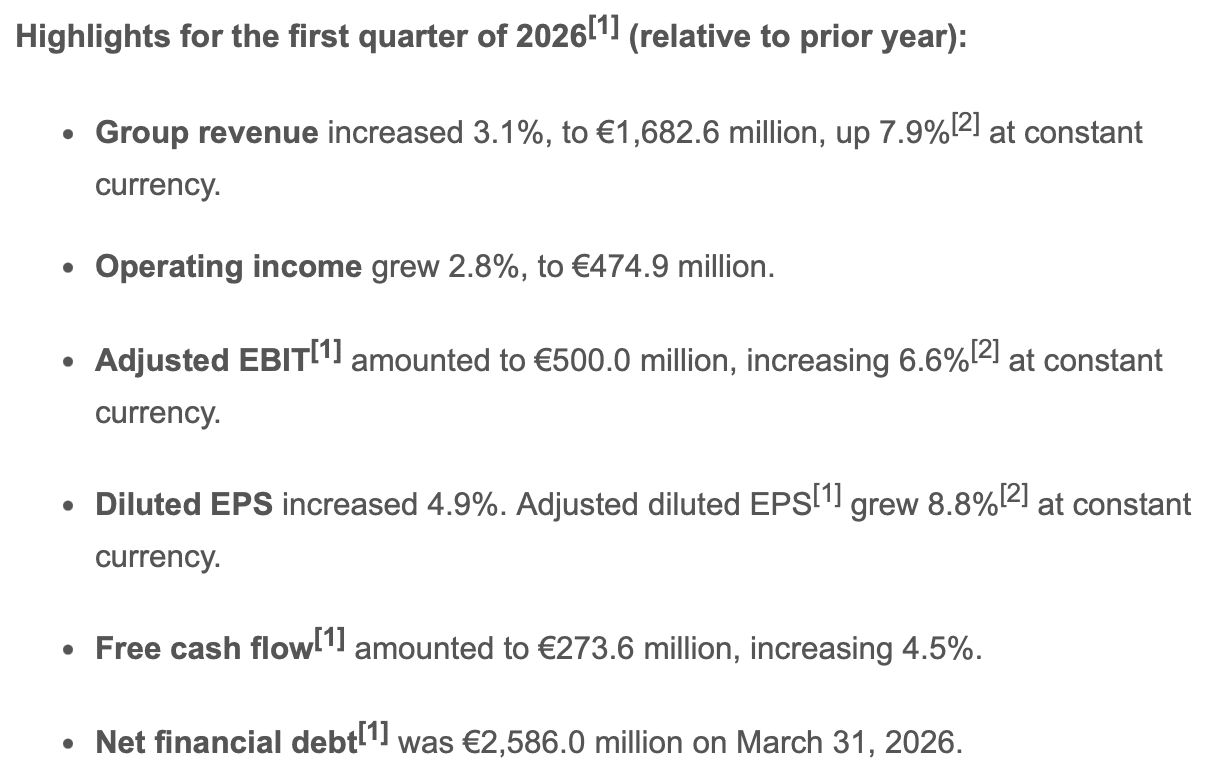
In Q1 2026, group revenue grew by 3.1%, or 7.9% at constant currency, and adjusted EBIT[1] increased by 6.6% at constant currency. 

Photo credit: Amadeus.

Additionally, adjusted diluted EPS[1] expanded by 8.8% at constant currency. In Q1 2026, the group generated free cash flow[1] of EUR273.6 million, up 4.5% from Q1 2025. Free cash flow generation resulted in net financial debt of EUR2,586.0 million at 31 March 2026 (equal to 1.0 times last-twelve-month EBITDA). The group will continue to execute its EUR500 million share repurchase programme announced in late February 2026.

Amadeus, President & CEO, Luis Maroto, commented: “Amadeus reported solid revenue and profit growth in the first quarter. While volumes moderated in March, following the geopolitical situation in the Middle East, we continue to demonstrate strong commercial momentum. We are closely monitoring the uncertain macro context, with the range of potential impacts making it difficult to predict in the short term. We expect to deliver within our 2026 guidance, and we will update the market if this changes.

“We are positive about the future and firmly focused on long‑term growth. We continue to expand our reach across the travel ecosystem, increase the number of customers adopting our solutions, broaden the range of solutions our customers use, expand our AI capabilities, and demonstrate the strength of our portfolio.

“At the same time, we continue to invest in the future by pursuing the planned acquisition of leading biometrics and identity services provider IDEMIA Public Security (IPS). This deal fits naturally into Amadeus’ strategy and will improve the traveller experience by reducing friction and enabling more integrated travel journeys. It will also reinforce our commitment to investing in transformative technology such as biometrics as part of our platform strategy, supporting our broader ambition to become an orchestrator of an AI-enabled travel ecosystem.”

Business evolution

The group’s Air IT Solutions segment delivered 7.5% revenue growth in Q1 2026, or 12.0% at constant currency. Air IT Solutions’ revenue growth in the first quarter resulted from a 3.1% increase in passengers boarded and an 8.6% increase in revenue per passenger boarded (at constant currency). Revenue per passenger boarded grew in Q4 2025, supported by positive pricing and revenue dynamics, primarily due to customers buying more solutions from the group and incremental revenue from the Amadeus Nevio offering. Amadeus continued to see airline professional services grow rapidly. Revenue growth driven by rebooking activity related to the Middle East geopolitical situation demonstrated resilience.

In Q1 2026, Hospitality and Other Solutions revenue increased by 3.2% (9.8% at constant currency). This revenue growth in the quarter was driven by new customer implementations and higher transactions across our Hospitality and Payments businesses, relative to the prior year.

Air distribution

In air distribution, revenue grew 0.1% in Q1 2026, or by 4.6% at constant currency. The growth in air distribution was driven by a very strong start to the year, with both volumes and average revenue per booking rising. However, booking growth was affected by the geopolitical situation in the Middle East in March, leading to a spike in cancellations. This effect on volumes muted commercial success across regions, while commercial success remained strong throughout the quarter. Revenue per booking continued to grow healthily, expanding 4.8% at constant currency, in line with the prior quarter and FY 2025, driven by positive pricing dynamics.

For more information about the group’s operating and financial performance during the first quarter of 2026, please visit https://amadeus.com/en/investors

[1] See APM definitions and reconciliations to IFRS figures in section 5.2 of the Q1 2026 Management Review.

[2]Change versus prior year at constant currency. See additional information on foreign exchange effects and constant currency calculations in section 3 of the Q1 2026 Management Review.

(Source: Amadeus)

Indian travel group signs MoU with Vinpearl

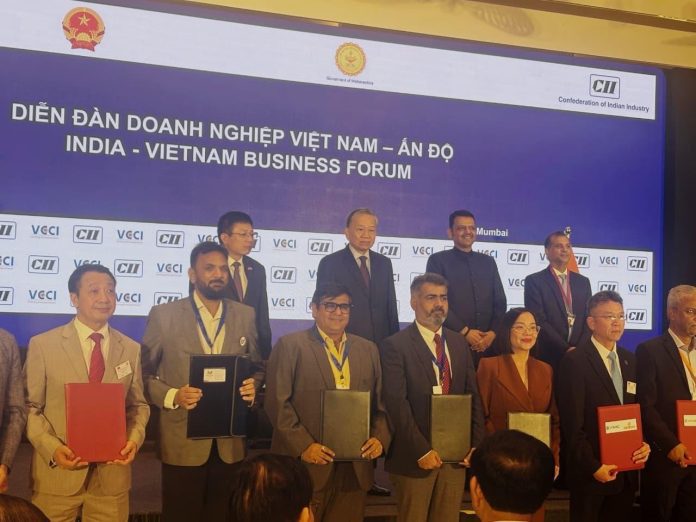
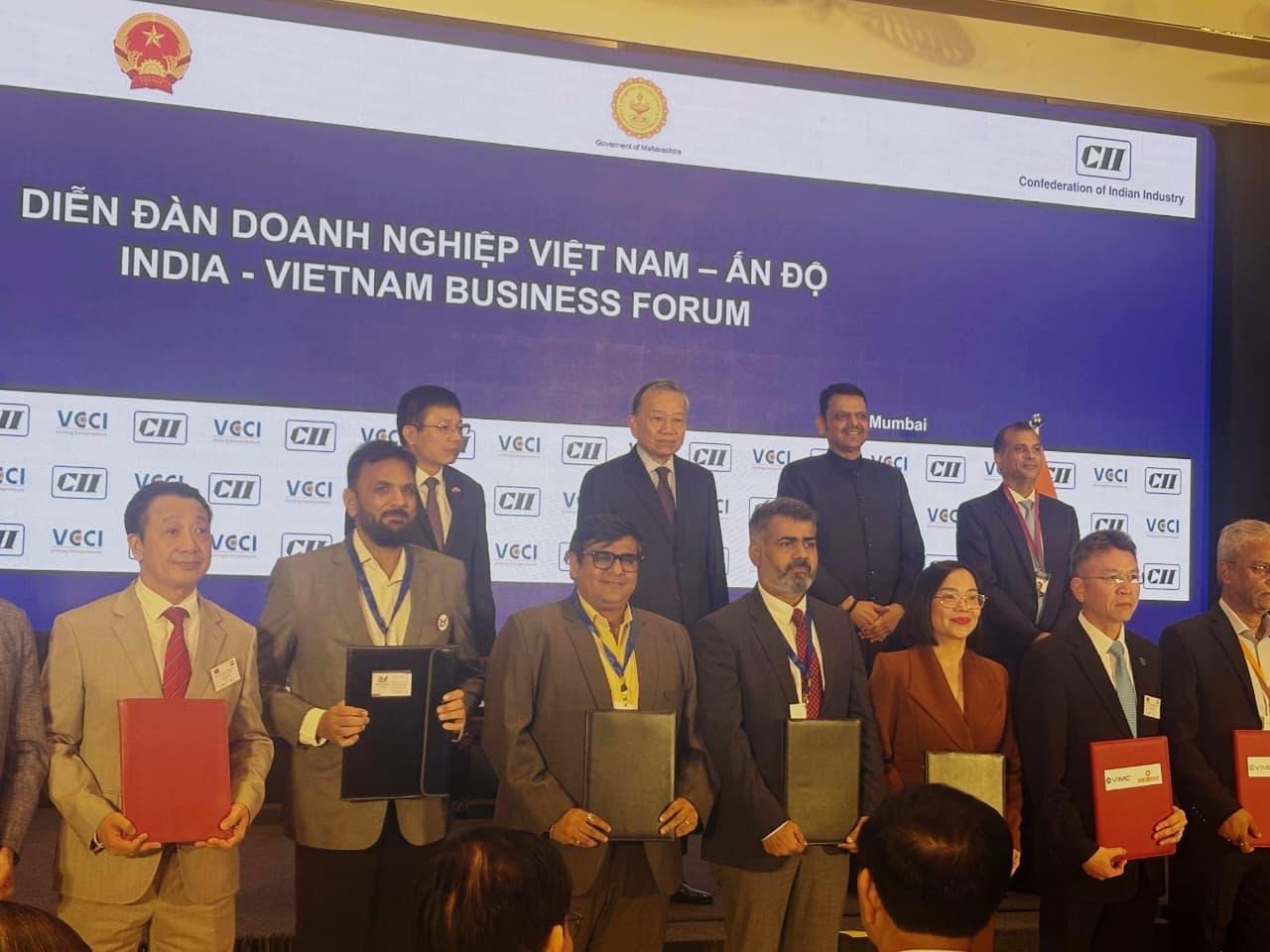
MUMBAI, 11 May 2026: Thomas Cook (India) Limited and its group company SOTC Travel have signed a long-term MoU with Vinpearl, Vietnam’s leading hospitality, tourism, and entertainment brand. 

The collaboration brings together Thomas Cook India and SOTC’s market leadership and travel expertise with Vinpearl’s expansive destination portfolio, further strengthening Vietnam’s appeal among Indian travellers. 

MoU signing session — Thomas Cook India, SOTC Travel and Vinpearl.

The MoU was signed by Thomas Cook (India) Limited and SOTC Travel President & Group Head – Marketing, Service Quality, Value Added Services & Innovation, Abraham Alapatt and Vinpearl CEO Ngo Thi Huong.

As part of the agreement, the companies will position Vinpearl as a preferred Vietnam partner, backed by exclusive inventory and priority availability. Beyond enhancing travel experiences, the collaboration marks Vinpearl’s first investment initiative in India’s travel and tourism sector and lays the foundation for a comprehensive tourism ecosystem for the Indian market. 

Thomas Cook India and SOTC Travel will drive market development, customer access and curated travel experiences for Indian travellers. 

Vinpearl’s portfolio spans resorts, entertainment, golf and large-scale event infrastructure across destinations such as Phu Quoc, Nha Trang and Hoi An, catering to both leisure and MICE segments.

Thomas Cook (India) Limited and SOTC Travel President & Group Head – Marketing, Service Quality, Value Added Services & Innovation Abraham Alapatt said: “Vietnam has emerged as one of the most exciting growth markets for Indian travellers, and our partnership with Vinpearl reflects our strategic intent to strengthen our leadership in the destination. As leaders in India’s travel and tourism sector, we see a significant opportunity to combine our omnichannel reach, strong consumer base, and market expertise with Vinpearl’s world-class hospitality and entertainment ecosystem. Together, we look forward to creating unique and seamless experiences for Indian leisure and MICE travellers, while building a long-term collaboration focused on unlocking the immense potential of the Indian market for Vietnam.”

Vinpearl CEO Ngo Thi Huong said: “India is a key market in Vinpearl’s international expansion strategy. Through partnerships with leading players – Thomas Cook India and SOTC Travel, we are not only expanding market access but also proactively developing tailored offerings for different customer segments. Vinpearl aims to strengthen its presence in the Indian market while contributing to positioning Vietnam as a compelling and differentiated destination on the global tourism map.”

(Source: Thomas Cook India)

Agoda: Indian travellers turn to AI for trip planning

SINGAPORE, 11 May 2026: Indian travellers are increasingly turning to artificial intelligence (AI) to take the guesswork out of travel planning, not just for inspiration but across the journey from destination discovery to dining. 

According to Agoda’s 2026 Travel Outlook Report, while one in three (33%) state they already use AI for travel planning, almost twice as many (68%) say they are likely to use it for their next trip.

For a market that has always been quick to embrace technology, this indicates a growing appetite for AI across all stages of travel planning.

Data from the report suggests that what Indian travellers want from AI goes beyond a simple search. When asked how they would use it, respondents pointed to recommendations for local attractions and activities (38%), personalised itinerary creation (37%), and destination suggestions (29%). Interest also extends to dining recommendations (23%) and budget management (22%). These findings point to a traveller who expects AI to be present in every stage of the trip-planning process, not as a shortcut but as a smarter way to plan.

Sentiment towards AI-generated recommendations is broadly receptive, with nearly nine in 10 respondents (88%) saying they either trust or feel neutral about such recommendations, including over half (53%) who express clear trust. This aligns with findings from Agoda’s 2025 Travel Trends survey, in which nine in 10 Indian travellers reported using travel apps when booking trips, pointing to an established comfort with technology in travel planning. For Indian travellers, embracing AI in travel planning is less a behavioural shift and more a natural progression, especially for a generation that has been planning and booking travel on screens for over a decade.

Agoda has previously explored this through its 2025 AI-powered Vacation Planner campaign, which invited Indian travellers to answer a set of questions about their preferences, generating customised itineraries and destination visuals, and delivering personalised recommendations from Bollywood celebrity Ayushmann Khurrana. The campaign was a real-world expression of the tailored, intuitive planning experience that travellers increasingly seek, and one that the 2026 survey findings reflect.

Agoda Country Director Indian Subcontinent & Indian Ocean Islands, Gaurav Malik, said: “Indian travellers are showing a clear appetite for AI across every stage of trip planning, from discovering destinations to deciding what to eat and even budgeting. This is no longer an emerging trend but is fast becoming the baseline for how a well-planned trip comes together. At Agoda, we continue to offer a range of technology and innovations that make the entire trip planning experience more accessible, convenient, and personalised for every traveller.”

As AI becomes a more natural part of how people research and plan their travel, India stands out as a market where AI adoption in travel is not just growing but gaining clear intent and direction.

Through its platform, Agoda offers access to more than 6 million holiday properties worldwide, over 130,000 flight routes, and more than 300,000 travel activities, all bookable through a single platform. Running until 21 May, Agoda’s 21st Birthday Sale will offer up to 60% off on hotel bookings, with a special flash sale of up to 70% on 19 May and exclusive deals on flights and activities. Agoda VIP members will receive early access to deals from 3 May to 6 May. Travellers can explore options and make bookings through www.agoda.com and the Agoda mobile app.

(Source: Agoda)

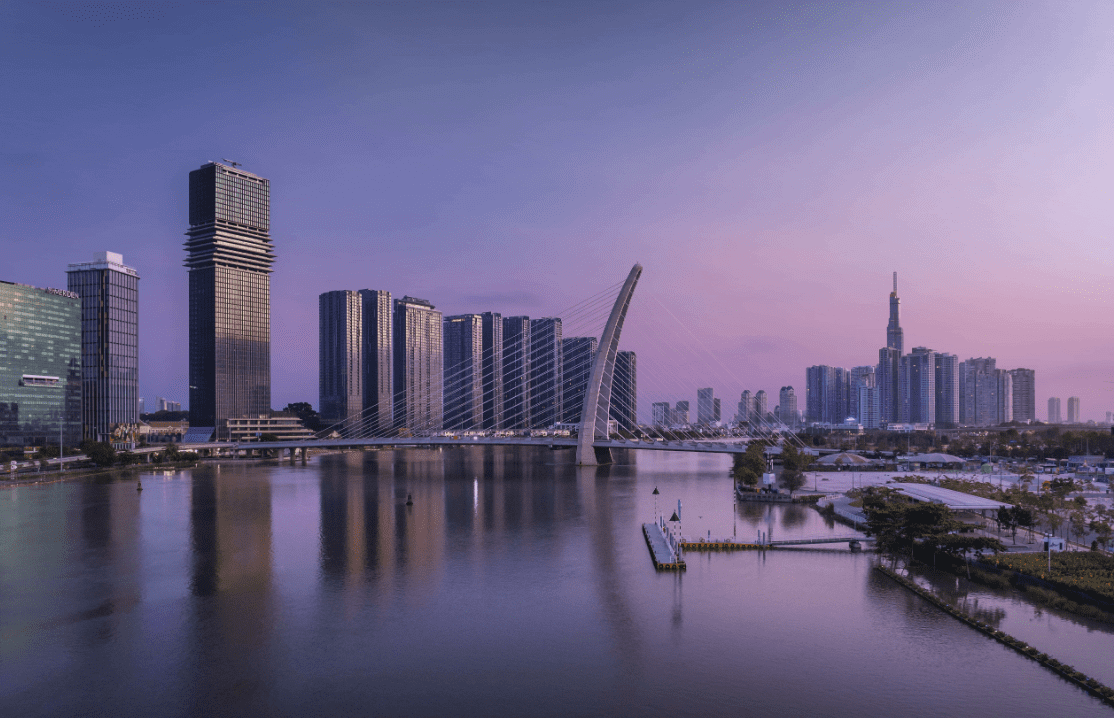
Masterise Group unveils landmark project in HCMC

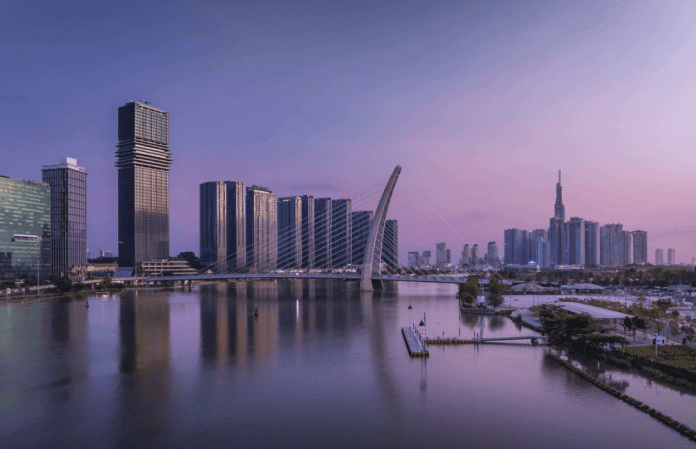
HO CHI MINH CITY, 11 May 2026: Vietnam’s Masterise Group prepares to unveil Masterise Towers. This landmark integrated urban destination will bring the Ritz-Carlton hotel brand to Ho Chi Minh City and Vietnam.

As one of Vietnam’s pioneering developers in branded real estate, Masterise Homes, a member of Masterise Group, is set to introduce The Ritz-Carlton Residences, Saigon, the first Ritz-Carlton-branded residences in HCMC, alongside The Ritz-Carlton, Saigon, marking the luxury brand’s hotel debut in Vietnam, as well as premium office and retail space.

Ho Chi Minh City’s evolving skyline reflects Vietnam’s rising global profile, as Masterise Group prepares to unveil Masterise Towers, a landmark integrated urban destination set to introduce The Ritz-Carlton hotel brand to Vietnam.

This milestone follows a signed agreement between Masterise Group and Marriott International Inc, further strengthening their strategic partnership, shared vision and long-term commitment to excellence in Vietnam. It brings the Ritz-Carlton brand to one of Vietnam’s most dynamic metropolises. Masterise Homes’ international-branded real estate portfolio includes landmark developments such as Grand Marina Saigon, Marriott- and JW Marriott-branded residences, and The Ritz-Carlton Residences, Hanoi at The Grand.

The official launch of its latest project will take place on 13 May 2026.

Situated opposite Ben Thanh Market in Ben Thanh Ward, the city’s former District 1, Masterise Towers is envisioned as a vertical destination in central Ho Chi Minh City. The project will combine residences, hospitality, workspace, and curated retail in a single address designed for residents, travellers, business leaders, and the city’s growing audience for high-end cultural, culinary, and wellness experiences.

(Source: Masterise Group)

Scoot orders more Airbus A320s

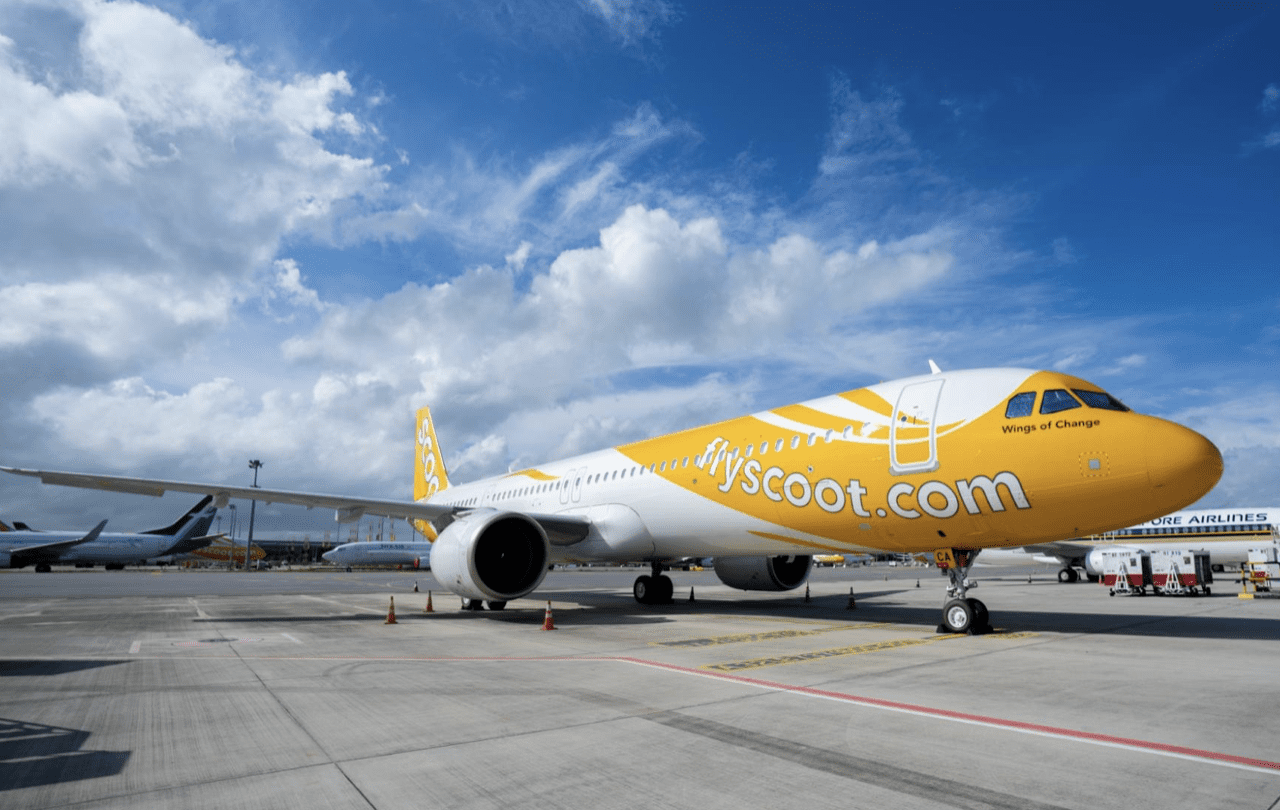
BANGKOK, 11 May 2026: Scoot, the low-cost subsidiary of Singapore Airlines (SQ), confirms a firm order for five Airbus A320neo family aircraft. 

The airline also exercised options for an additional six aircraft from its 2014 order with Airbus. The new aircraft will be delivered progressively starting in 2028.

Photo credit: Scoot.

With these 11 additional aircraft, which will be powered by the Pratt & Whitney PW1100G-JM (GTF) engines, Scoot’s total A320neo family orderbook will increase to 20 aircraft.

The new aircraft will feature 186 seats on the A320neo and 236 on the A321neo, all in a single-class configuration. For more information, please see Annex A.

The additional A320neo family aircraft will expand Scoot’s capacity and route deployment flexibility across a five- to six-hour radius, enabling the airline to launch new services and optimise feed into the wider SIA Group network. These capabilities will enhance the depth and breadth of Singapore’s air connectivity between Southeast Asia, North Asia and beyond, reinforcing its standing as a premier global air hub. This growth also reflects confidence in the long-term outlook for air travel, particularly within the Asia-Pacific region.

Since FY2022/2023, the airline has bolstered the SIA Group’s connectivity with 25 new destinations, including emerging non-metro cities such as Chiang Rai in Thailand and Phu Quoc in Vietnam, as well as long-haul destination Vienna in Austria. Of these new destinations, 16 are operated exclusively by Scoot out of Singapore.

By June 2026, Scoot will serve 85 destinations, accounting for about half of the destinations that Singapore currently connects to via Changi Airport. Of these destinations, 37 are operated exclusively by the airline, underscoring Scoot’s role in opening new direct city links and stimulating traffic flows that might otherwise remain underserved.

Scoot Chief Executive Officer, Leslie Thng, said: “We expect travel demand to continue growing, particularly in the Asia-Pacific region, in the coming years. The range and capacity of the A320neo family aircraft will enable Scoot to expand and deepen the SIA Group’s network connectivity, providing the SIA Group with new growth opportunities and offering customers more seamless travel options.”

“Scoot’s mix of Embraer E190-E2 regional jets, Airbus A320 family narrowbody aircraft, and Boeing 787 family widebody aircraft allows us to operate an extensive network of flights. This covers short, medium and long-haul routes, which complement the broader SIA network and further enhance Singapore’s position as a leading global aviation hub,” added Thng.

Scoot currently operates a fleet of 63 aircraft, comprising 24 widebody Boeing 787 Dreamliners (including the -8 and -9 variants), 30 A320 family aircraft (six A320ceos, 12 A320neos, and 12 A321neos), and nine Embraer E190-E2 aircraft. As part of its fleet renewal programme and to maintain a more fuel-efficient fleet, Scoot plans to phase out its six A320ceo aircraft by 2028.

Since 2024, Scoot has added Embraer E190-E2 regional jets to its fleet, which are among the quietest and most fuel-efficient aircraft in their class. In FY2025/2026, the airline replaced eight A320ceos with new-generation A320neos and A321neos. 

(Source: Scoot)

Thailand makes a play for digital nomads

BANGKOK, 11 May 2026: Thailand is strengthening its position as one of Asia’s leading destinations for remote workers, freelancers and long-stay international visitors through the Destination Thailand Visa (DTV), a flexible five-year multiple-entry visa programme aimed at the rapidly growing global digital nomad market.

The visa initiative forms part of Thailand’s wider strategy to stimulate long-term tourism, attract foreign talent and increase year-round visitor spending across the kingdom.

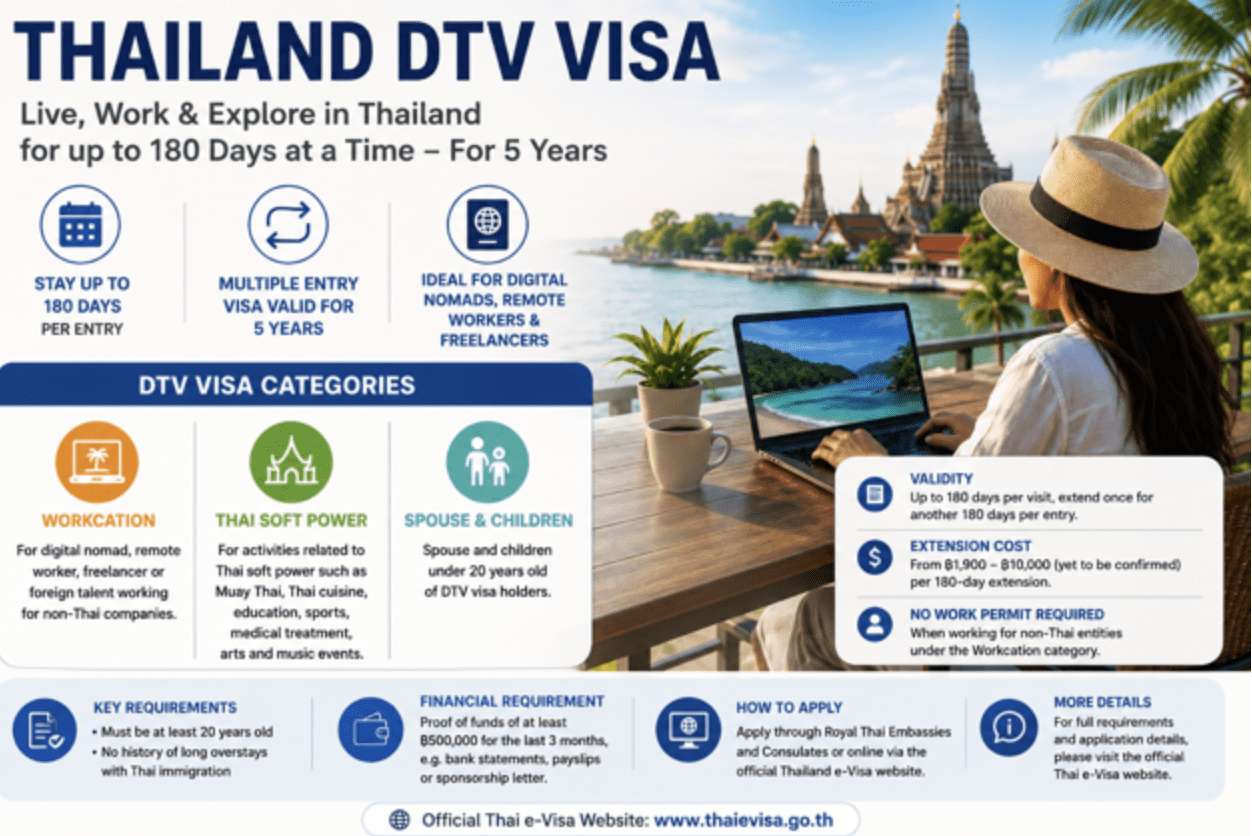
Representative image: Thailand’s five-year Digital Nomads Visa for eligible foreign nationals.

Officials and tourism analysts believe the programme could significantly strengthen Thailand’s competitiveness against rival long-stay destinations in Asia and Europe as countries worldwide compete aggressively for highly mobile professionals seeking flexible lifestyles and improved work-life balance.

The Destination Thailand Visa allows eligible foreign nationals to stay in Thailand for up to 180 days per visit, with the option to extend once per entry for an additional 180 days. The visa remains valid for five years, offering exceptional flexibility for remote workers, entrepreneurs and lifestyle travellers seeking extended stays in Southeast Asia.

Thailand has already become one of the world’s most popular destinations for digital nomads, thanks to its tropical climate, affordable cost of living, an internationally respected healthcare system, modern infrastructure, reliable internet connectivity, and a vibrant tourism and hospitality sector.

Popular destinations among long-stay visitors include Bangkok, Chiang Mai, Phuket, Pattaya, Samui Island and several emerging secondary cities offering strong lifestyle appeal and growing co-working communities.

Tourism analysts say the DTV programme reflects a broader shift in global travel trends, with an increasing number of professionals combining work, lifestyle and travel experiences rather than taking traditional short holidays. For Thailand, the economic implications are significant, with long-stay remote workers typically spending more per visit than short-term tourists, while supporting accommodation providers, restaurants, transport operators, domestic airlines, retail businesses, and local service industries over longer periods.

The DTV programme includes several categories, most notably the “Workcation” category aimed at digital nomads.

Applicants under this category are required to provide detailed supporting documentation, including proof of current location, financial evidence showing at least THB 500,000 maintained over the previous three months, proof of salary slips or monthly income for the previous six months, foreign employment contracts or employment certificates authenticated by the embassy of the country where the employer is based, and authenticated company registration documents. Applicants are also expected to provide a professional portfolio demonstrating their remote work or freelance status.

Importantly, no Thai work permit is required under the Workcation category, provided applicants work exclusively for overseas companies or clients. Those seeking employment with Thai companies must apply separately under Thailand’s existing work permit and employment visa regulations.

Thailand’s DTV programme also supports what officials describe as “Thai soft power activities”, broadening the visa’s appeal beyond traditional remote workers.

Eligible activities include Muay Thai training, Thai culinary programmes, education and seminars, sports training, medical treatment and participation in arts and music-related events. Applicants in these categories must provide letters of acceptance or appointment from recognised institutions, organisers, hospitals or medical centres.

The programme additionally extends to spouses and dependent children under 20 years old of DTV holders, making the visa increasingly attractive for international families seeking medium-term residence in Thailand.

Family applicants must provide relationship documentation, including marriage certificates, birth certificates or adoption certificates, together with proof of prolonged residence in Thailand and supporting financial evidence linked to the principal DTV holder. Additional requirements apply for minors travelling alone, including notarised parental consent documentation.

General eligibility requirements specify that self-supporting applicants must be at least 20 years old and should not have a history of serious immigration overstays in Thailand.

Applying for the DTV can be a detailed process, so please prepare carefully before submitting your documentation. As visa fees are generally non-refundable, many applicants are choosing to work with professional visa agencies familiar with the process and documentation requirements.

Applications may also be submitted directly through Royal Thai Embassies and Consulates or via the official Thai government electronic visa platform. Visa fees may vary by embassy or consulate, ranging from approximately THB8,533 to THB38,397.

The DTV also allows holders to request a change of visa type while remaining in Thailand, although such a change automatically terminates the DTV status.

Thailand’s strong hospitality sector, extensive domestic flight network, modern transport infrastructure and globally recognised healthcare services continue to make the kingdom highly competitive in the international long-stay tourism market.

For official information and application details, visit:

Thailand e-Visa Official Website

About the Author
Andrew J Wood is a Bangkok-based travel writer and well-respected tourism expert. A former hotelier, he has lived in Thailand since 1991. A past President of Skål Asia and long-time tourism industry leader, he writes widely on hospitality, travel and tourism trends across Asia.