Wednesday, October 28, 2026
Home Blog Page 36

Malaysia promotes health travel in Indonesia

YOGYAKARTA, 27 August 2026: Malaysia Healthcare Travel Council (MHTC) once again strengthened Malaysia’s presence in Indonesia through MHX Yogyakarta 2026, held from 20 to 23 August 2026 at the Grand Atrium, Pakuwon Mall Jogja. 

The four-day event follows a record year for the Indonesian market, which generated MYR2.2 billion in healthcare travel revenue in 2025, a 24% year-on-year increase. The four-day healthcare consumer event underscores Malaysia Healthcare’s commitment to bringing trusted, high-quality healthcare services closer to Indonesian communities while expanding its footprint in one of Indonesia’s fastest-growing regional centres. 

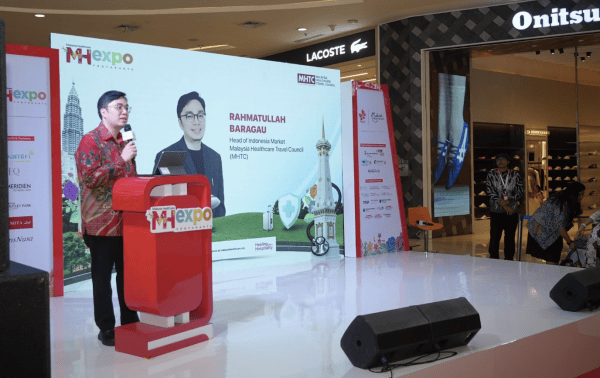
MHTC’s Head of Indonesia Market, Rahmatullah Baragau.

Held under the Malaysia Year of Medical Tourism (MYMT) 2026 campaign themed Healing Meets Hospitality, MHX Yogyakarta 2026 reinforces Malaysia’s position as the preferred destination for medical tourism by combining world-class medical expertise with compassionate patient care and seamless healthcare experiences.

Yogyakarta has emerged as a strategic market for Malaysia Healthcare, supported by a well-educated population, increasing demand for advanced speciality care, and convenient direct connectivity to Kuala Lumpur. These factors present strong opportunities to strengthen healthcare collaboration between Malaysia and Indonesia further and to provide greater access to specialised treatment options for Indonesian patients.

Speaking at the event,  MHTC’s Head of Indonesia Market Rahmatullah Baragau said: “Indonesia has always been Malaysia Healthcare’s closest and most valued market, and Yogyakarta represents an exciting opportunity as healthcare awareness and demand for specialised treatments continue to grow. Through MHX Yogyakarta 2026, we aim to strengthen public confidence in Malaysia Healthcare while bringing our trusted healthcare ecosystem closer to local communities.”

More than 15 member hospitals participated, showcasing Malaysia’s strengths across various medical disciplines including cardiology, oncology, orthopaedics, fertility, health screening, gastroenterology, and other specialised services.

Participating hospitals:

1. Island Hospital Penang

2. Institut Jantung Negara

3. Mahkota Medical Centre

4. Subang Jaya Medical Centre

5. Alpha IVF & Women’s Specialists

6. Ampang Puteri Specialist Hospital

7. GenPrime Everlink Fertility Centre

8. Hospital Picaso

9. Damansara Specialist Hospital 2

10. KPJ Klang Specialist Hospital

11. MSU Medical Centre

12. Optimax Eye Specialist Centre

13. Pantai Hospital Kuala Lumpur

14. Pantai Hospital Penang

15. Penang Adventist Hospital

16. Sunway Medical Centre Damansara

17. Sunway Medical Centre Penang

18. Sunway Medical Centre Sunway City Kuala Lumpur

19. Thomson Hospital Kota Damansara 

Indonesia continues to be Malaysia Healthcare’s largest source market. Healthcare traveller arrivals from Indonesia reached 968,000 in 2025, a 16% increase from the previous year, reflecting sustained confidence among Indonesian patients in Malaysia’s healthcare offerings. 

MHX Yogyakarta 2026 forms part of MHTC’s broader strategy to strengthen long-term partnerships with communities, healthcare stakeholders, and local organisations across Indonesia, while supporting MYMT 2026’s goals to position Malaysia as the world’s preferred medical tourism destination.

(Source: Bernama)

Tourism 2027: What’s actually in store?

BANGKOK, 27 August 2026: Thailand has unveiled its tourism strategy for 2027 under the ambitious banner of “The Year of Transformation”.

Those of us who have worked in Thai tourism for many years have heard plenty of strategies, slogans and campaigns. So rather than repeating the official language, a simpler question to ask is: “What will actually be different for the visitor?”

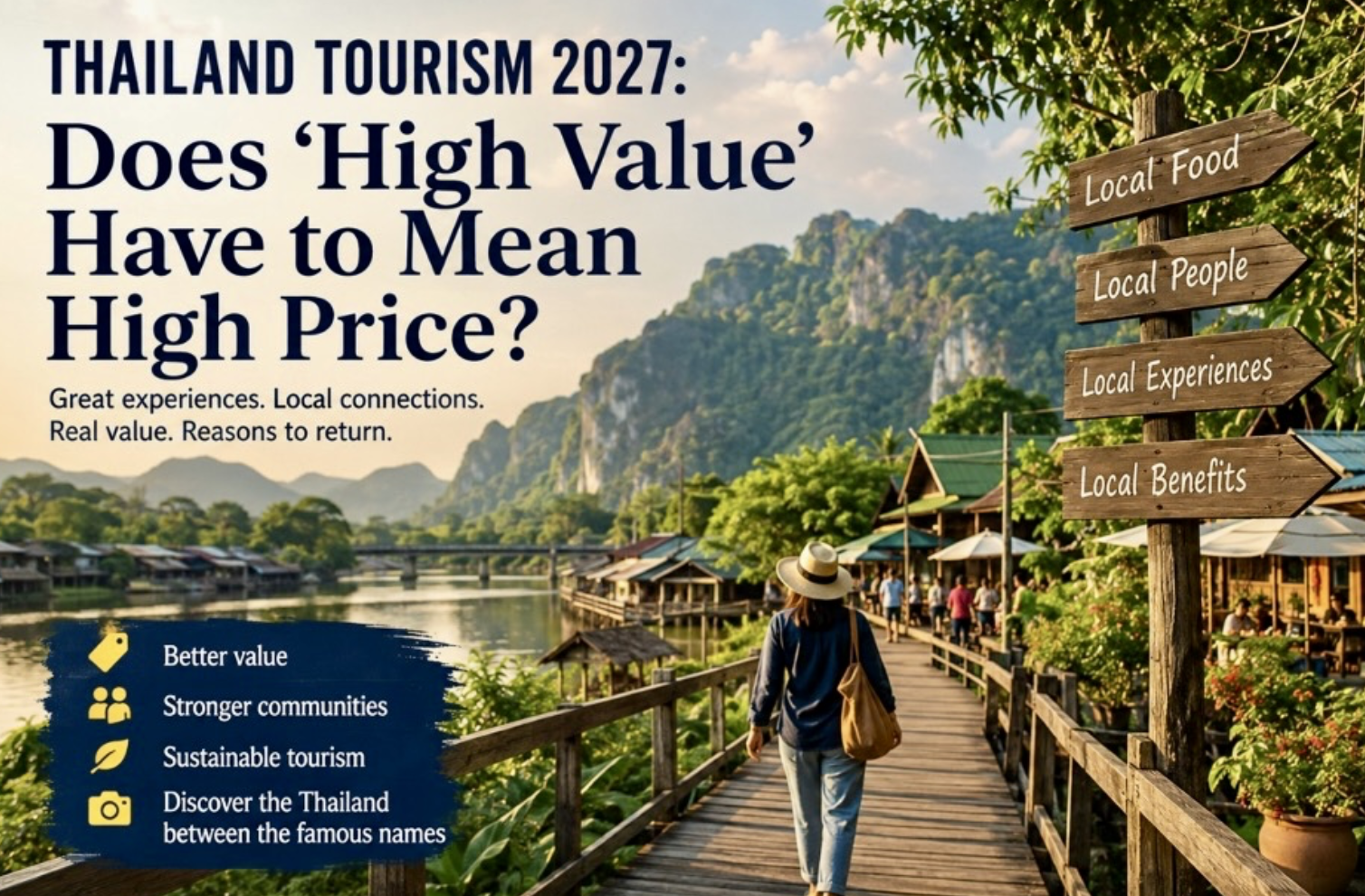
TAT wants tourism revenue to grow by at least 5% and aims for a 60:40 distribution between major and emerging destinations. It also talks repeatedly about attracting “high-value” travellers.

I understand the reasoning. Hotels naturally want higher room rates and greater revenue. Destinations want visitors who spend more. But there is another side to this equation: High-value tourism does not necessarily mean high-priced tourism. 

Going local

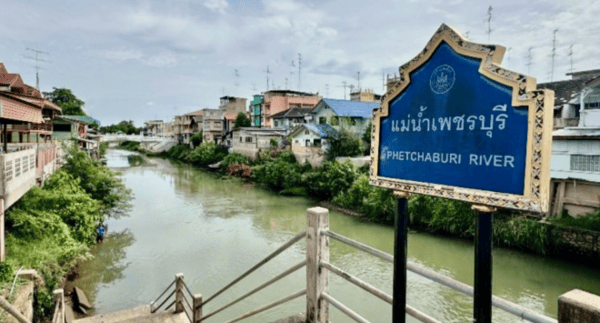
Only a few days ago, I took a short road trip with friends through Phetchaburi province, visiting Kaeng Krachan and Phetchaburi town. Along the way, we stayed in local homestays, explored markets and attractions, enjoyed fantastic local food and, most importantly, met some wonderful local people.

What struck me was not luxury in the conventional sense. It was the richness and authenticity of the experience.

Money was spent locally, and visitors interacted directly with communities. Importantly, it represented excellent value for money.

For repeat visitors to Thailand, this matters enormously. Experienced travellers are not necessarily searching for a more expensive hotel or holiday. Often they are searching for something new to discover.

A local market, family-run restaurant, homestay or village festival can provide exactly that.

Perhaps we should therefore redefine “high value”:

LOCAL EXPERIENCE↓

AUTHENTIC CONNECTION↓

LOCAL SPENDING↓

MEMORABLE VISIT↓

REASON TO RETURN

That, to me, is high-value tourism too.

A visitor can spend THB100 on a memorable local meal and THB10,000 on a hotel room during the same journey. Both contribute to Thailand’s tourism economy.

The appeal of no-fly tourism

Another opportunity we sometimes overlook is that you don’t necessarily need to fly anywhere to have a great holiday.

International airfares can represent a substantial part of a holiday budget. For Thai travellers, expatriates and long-stay residents who call Thailand home, domestic travel offers an attractive alternative.

The airlines may not thank me for saying it, but no-fly tourism is actually rather appealing.

Remove an expensive international airfare, and suddenly there is more money for accommodation, restaurants, local guides, markets and attractions. Much of that spending remains within Thailand and local communities.

A rewarding break does not always require an airport or immigration queue. Sometimes it simply means getting into a car or boarding a train.

Many repeat visitors already know Bangkok, Phuket, Pattaya, Chiang Mai and Samui. The opportunity now is to discover the Thailand between the famous names.

Exploring lesser-known places by car or train. Phetchaburi town on the southern rail line from Bangkok.

Less jargon, more delivery

TAT talks about reshaping markets, new growth engines and meaningful destinations. Travellers ask much simpler questions:

Why should I go? What will I experience? Is it worth the money? Will I feel welcome?

My sister has an even simpler test for judging a good holiday. She asks just one question:

“Would you go back?”

If the answer is an immediate yes, the destination has probably got most things right. If the answer is “maybe” or “I’m not sure”, that return visit may never happen.

I think that is as good a measure of tourism success as any.

After more than three decades working and writing in Thailand’s hospitality and tourism industry, I have come to believe that attracting someone once is only part of the job. Giving them a reason to return is much more valuable.

Perhaps Thailand’s greatest opportunity in 2027 is therefore not simply persuading every tourist to spend more. It is creating experiences that make them say:

“Yes, I would go back.”

And sometimes the experiences that bring us back are not the most expensive ones. They are simply the ones we remember.

About the author
Andrew J Wood is a Bangkok-based travel writer and former hotelier with more than three decades of experience in Thailand’s tourism and hospitality industry. A graduate of Napier University, Edinburgh, he has held senior hotel positions in Thailand and internationally. 
A long-standing member of Skål International, he is a former Director of Skål International, Past President of Skål International Asia, Thailand and Bangkok. Currently, he serves as Vice President of Skål International Bangkok. He writes regularly on tourism, hospitality, aviation and travel trends across Thailand and Asia.

SalamAir sets up Salalah’s first airline base

MUSCAT, 27 August 2026: SalamAir, Oman’s low-cost carrier, has announced the establishment of Salalah’s first-ever airline base, marking a strategic milestone in the airline’s growth and significantly strengthening direct international connectivity from the Governorate of Dhofar. 

The Salalah-based operation will initially serve three direct international destinations: Jeddah, Saudi Arabia; Chattogram, Bangladesh; and Calicut, India. Bookings opened on 27 August 2026, with flights scheduled to commence from the end of October as part of SalamAir’s Winter 2026 schedule. 

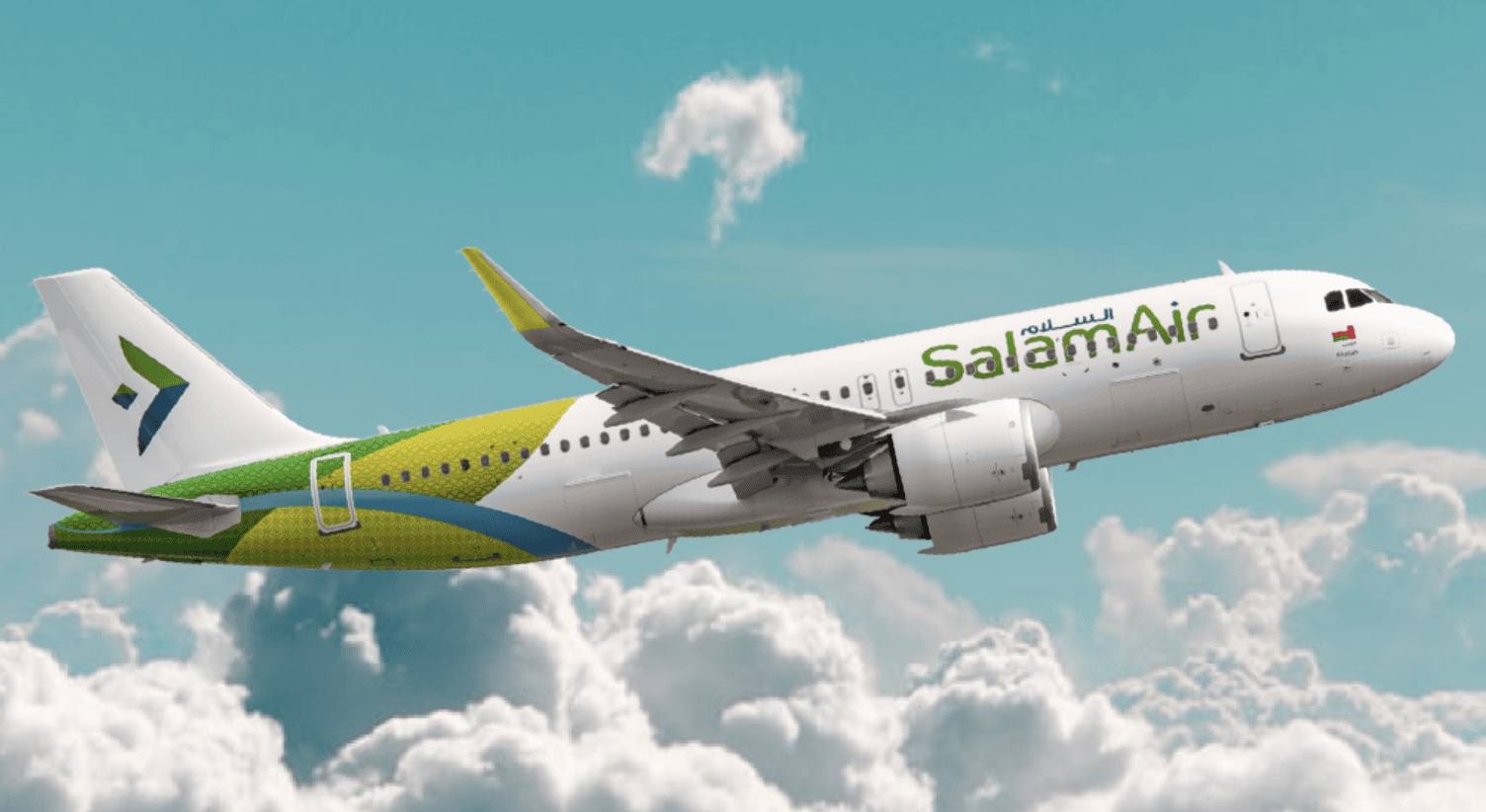
Photo credit: SalamAir.

The establishment of the base builds on SalamAir’s strong support for travel to and from Salalah during the 2026 Khareef season and its contribution to the season’s success. In response to increased demand, the airline expanded capacity on the Muscat–Salalah route, operating up to 15 daily flights during the peak period and adding thousands of additional seats. SalamAir also supported affordable domestic travel through special fares for Omani nationals, with one-way fares starting from OMR 9.99, providing greater accessibility and travel options between Muscat and Salalah. These efforts supported the growing flow of visitors to Dhofar and reinforced SalamAir’s role in the tourism and travel ecosystem during one of the Sultanate’s most important tourism seasons. 

Building on this momentum, the new base will extend SalamAir’s contribution beyond the Khareef season, supporting the year-round travel needs of residents and expatriate communities in Dhofar while providing more convenient direct access to key regional and international destinations. 

SalamAir’s Airbus A320neo and A321neo fleet will support the operation. The airline currently operates 18 aircraft, providing the capacity and operational flexibility to respond to growing demand across its markets. 

During the winter season, SalamAir will also operate charter services connecting Salalah with Astana and Almaty in Kazakhstan, supporting inbound tourism from Central Asia and helping broaden Salalah’s appeal beyond its traditional peak season. 

The Salalah base forms part of SalamAir’s wider growth strategy to expand its network from key airports across the Sultanate, serve underserved markets and stimulate new travel demand. The initiative further supports the development of Oman’s aviation and tourism sectors while strengthening Dhofar’s links with international markets. 

Tickets for the new scheduled routes will be available through SalamAir’s website, mobile application and authorised travel partners.

(Source: SalamAir)

Thomas Cook India launches Fall and Winter journeys

MUMBAI, 27 August 2026: Fall and Winter are emerging as a strong new travel window for Indian travellers, with growing interest in journeys beyond the traditional summer holiday season and an increasing shift toward a more year-round travel calendar. 

Following the impact of geopolitical uncertainty on summer travel plans to Europe, renewed interest is now emerging in experiential journeys to these destinations. 

Responding to this shift, Thomas Cook (India) Limited and its Group Company, SOTC Travel, have curated a portfolio of Fall and Winter holidays across key international destinations, bringing together seasonal highlights, distinctive experiences and varied travel styles for the Indian traveller.

The Northern Lights continue to remain one of the season’s most compelling draws, with Finland, Norway, Sweden and Iceland offering ways to experience the Arctic. Beyond Aurora viewing, travellers can explore snow-covered landscapes through husky/reindeer sledging, snowmobile excursions and snowshoeing. Travellers are also choosing unique accommodations such as the famous glass-ceilinged igloo houses, snow-hotels, log cabins and Arctic tree houses.

Europe takes on a distinctive character in winter as its cities and towns transition into the festive season. France, Germany, Austria, Switzerland, the UK and the Czech Republic offer Christmas markets, illuminated streets, seasonal gastronomy and cultural celebrations. For travellers looking beyond the festivities, the Alps offer scenic rail journeys, mountain stays, winter sports, and panoramic landscapes. At the same time, distinctive alpine accommodation and local culinary experiences add another layer to the journey. Across Scandinavia, winter cruises and whale-watching experiences offer another immersive way to experience the season, combining dramatic fjords, Arctic landscapes and wildlife encounters.

North America adds another dimension to Fall and Winter travel, combining dramatic landscapes, outdoor adventure and vibrant festive experiences. Canada’s Rockies offer snow-covered mountain scenery alongside skiing, snowshoeing, ice skating, wildlife encounters, gondola rides and scenic winter trails. At the same time, the USA brings together New York’s iconic holiday season with experiences ranging from festive light-ups and seasonal markets to mountain escapes, winter sports, scenic road trips and nature-led adventures.

For travellers who would rather leave the cold behind, Australia and New Zealand offer a completely different seasonal proposition, with spectacular New Year celebrations adding to the appeal. Australia brings together vibrant city celebrations, spectacular coastlines, wildlife encounters and outdoor adventures, while New Zealand offers mountains, lakes, fjords and nature-led experiences. Together, the destinations provide a compelling option for travellers seeking sunshine, adventure, the outdoors and memorable New Year experiences during the months September to January.

Across these destinations, Fall and Winter travel is evolving beyond sightseeing towards more immersive, season-led experiences. From Arctic adventures and festive Europe to North American winter landscapes and sun-filled celebrations in the Southern Hemisphere, Thomas Cook India and SOTC Travel are bringing together journeys that combine destination, season and experience.

Thomas Cook (India) Limited President & Country Head – Holidays, MICE, Visa, Rajeev Kale said: “Travel is increasingly being defined by the experience a destination can offer at a particular time of year. Fall and winter open up some of the world’s most compelling travel moments, from the Aurora across Arctic skies and snow-covered Alpine landscapes to Europe’s festive traditions and the outdoors of the Southern Hemisphere. At Thomas Cook India, we offer these diverse seasonal experiences to Indian travellers and bring deep expertise in curating journeys that go beyond conventional itineraries. We are seeing a clear shift towards holidays that are richer, more immersive and built around meaningful experiences, with travellers willing to explore beyond conventional winter destinations. This is reshaping the opportunity for the industry, as seasonal travel evolves from a destination choice into a more experience-led way of discovering the world.”

SOTC Travel Limited President and Country Head – Holidays and Corporate Tours, SD Nandakumar said: “The winter holiday is evolving from a standard itinerary into a carefully curated experience. Travellers are increasingly combining the core destination with experiences that add depth to the journey — whether that is a Northern Lights escape, a scenic rail journey, a unique stay, local gastronomy, wellness or a snow-filled adventure. What is particularly encouraging is the diversity of this demand: couples are seeking immersive, romantic escapes; families are combining festive celebrations with adventure; and younger travellers and groups are actively seeking experiences and destinations beyond the conventional winter circuit. This allows us to create more distinctive, experience-rich journeys that reflect how Indians want to travel today.”

(Source: Thomas Cook India)

Air India and Druk Air boost interline accord

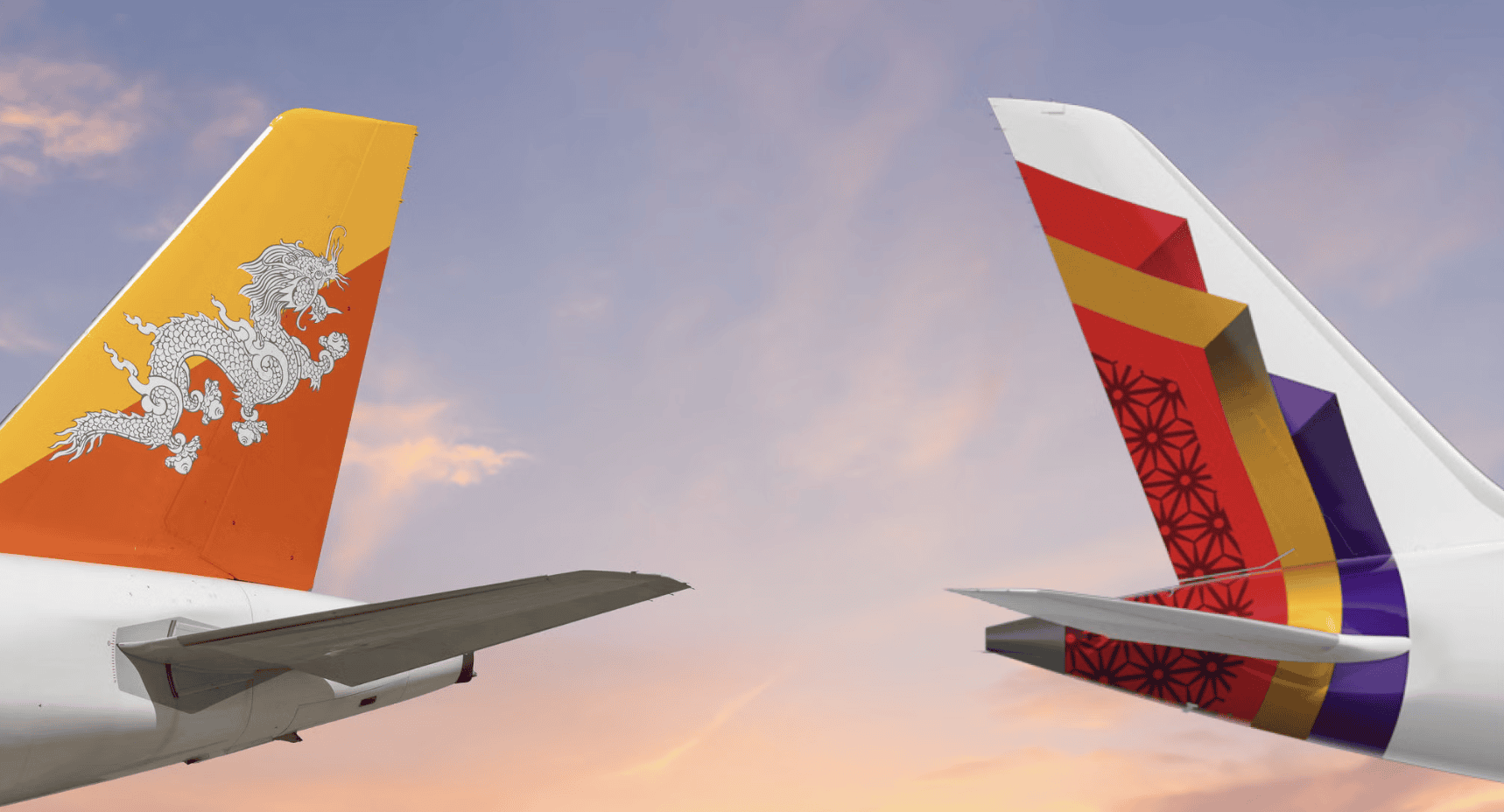
MUMBAI, 27 August 2026: Air India and Drukair, Royal Bhutan Airlines, have announced a new interline partnership to enhance seamless travel convenience and strengthen network connectivity between India, Bhutan and beyond.

The partnership enables passengers to benefit from a single-ticket itinerary combining Air India and Drukair flights, ensuring a seamless end-to-end travel experience. It offers coordinated baggage and passenger transfer through to the final destination, delivering a seamless travel experience via Air India’s hub at Delhi – Indira Gandhi International Airport.

Photo credit: Air India.

Passengers will also benefit from competitive interline fares, providing enhanced flexibility, improved connectivity, and greater overall value.

The partnership enables Air India guests to travel seamlessly to Paro via Delhi from across Air India’s expanding international network. It also provides convenient onward connections within Bhutan, from Paro to Bumthang, Gelephu, and Yonphula.

With this partnership, Air India offers seamless connectivity to nearly all countries in the SAARC region through its own or partner network.

Reciprocally, Drukair passengers gain direct access via Delhi, Guwahati, and Kolkata to Air India’s extensive domestic network, including Bengaluru, Mumbai, and Kochi, as well as a wide range of major international destinations such as Paris Charles de Gaulle, Colombo, Newark, Frankfurt, New York (JFK), London (Heathrow), Melbourne, San Francisco, Sydney, Toronto Pearson, and Vancouver.

Air India Chief Commercial Officer, Nipun Aggarwal said: “Our partnership with Drukair reinforces our commitment to strengthening connectivity across the SAARC region, which we consider our extended home market. Bhutan is a valued part of this region, and we are happy to enable easy access to Bhutan for our guests and look forward to welcoming Drukair’s passengers onto Air India’s extensive domestic and global network.

Drukair Chief Executive Officer Tandi Wangchuk said: “This partnership marks a significant milestone for Drukair as we continue to strengthen our global connectivity and enhance the travel experience for our passengers. Through this interline partnership with Air India, our customers will benefit from seamless journeys, expanded access to key international markets, and improved connectivity across India and beyond.”

(Source: Air India)

Pearl Global Business Awards 2026

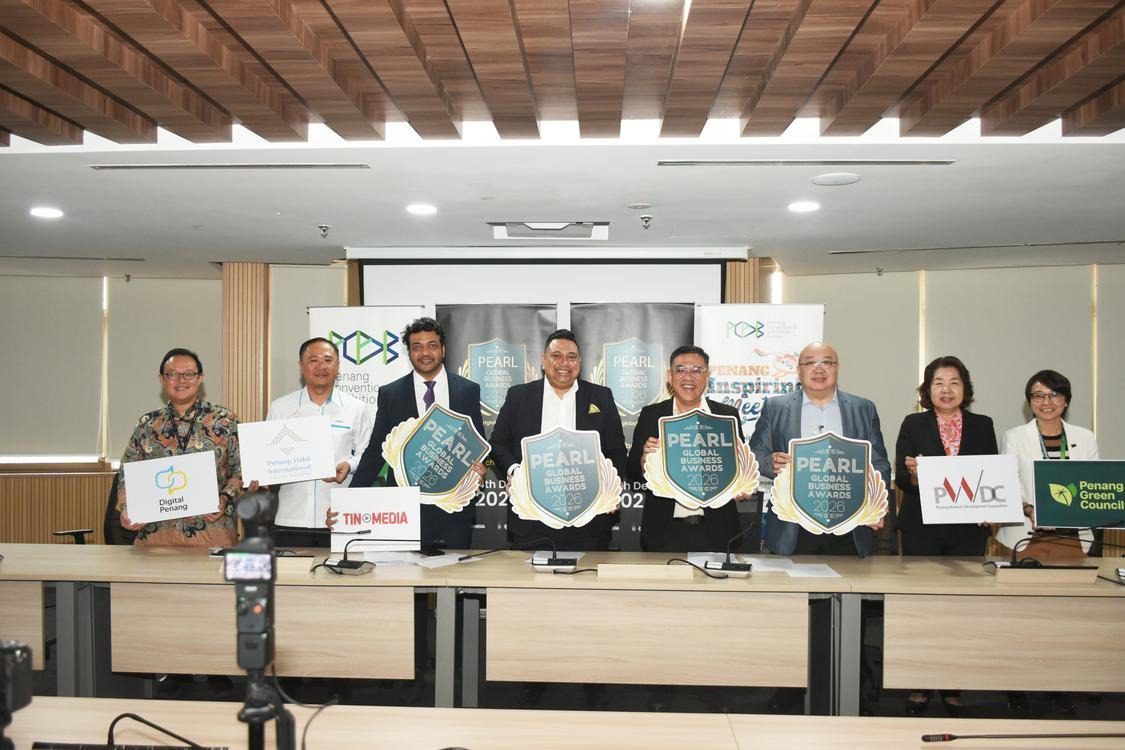
PENANG, 27 August 2026: The Penang Convention & Exhibition Bureau (PCEB) is set to launch the inaugural Pearl Global Business Awards 2026, a prestigious, state-endorsed platform celebrating excellence, leadership and meaningful contributions across the key industries shaping Penang’s economic growth and global reputation.

The Pearl Global Business Awards 2026 is an official recognition initiative by the Penang State Government, conceptualised by the Penang Convention & Exhibition Bureau (PCEB) and professionally executed by TIN Media.

Photo credit: PCEB. Launching the inaugural Pearl Global Business Awards 2026.

The inaugural awards will take place on 14 December 2026, with the venue to be announced later.

The awards recognise influential leaders, organisations and changemakers whose contributions demonstrate impact, innovation, sustainability, inclusivity and leadership, while reflecting Penang’s ambition and transformation as a competitive regional and international business destination.

The 2026 edition holds particular significance as it recognises the growth and transformation of Penang’s key industries over the past decade. It seeks to honour the businesses, institutions, and individuals whose vision, resilience, and contributions have helped strengthen Penang’s economy, enhance its global competitiveness, and shape the state’s continued progress.

The Pearl Global Business Awards will serve as a biennial platform to recognise excellence across Penang’s strategic development sectors, while promoting innovation, inclusivity, sustainability and global competitiveness, and positioning Penang as a regional and international hub of leadership and business influence.

65 award titles across 12 strategic sectors

The inaugural Pearl Global Business Awards 2026 will feature 65 award titles across 12 strategic sectors:

1. Investment & Trade

2. Halal & Ethical Industries

3. Sustainability & Green Innovation

4. Technology & Innovation

5. Women Empowerment & Gender Equality

6. Youth Leadership & Development

7. Digital Economy & Smart Solutions

8. Infrastructure & Urban Development

9. Social Impact & Community Harmony

10. Leadership & Lifetime Excellence

11. Hospitality, Tourism & Business Events

12. Media, Communications & Public Visibility

Among the awards are:

Hotel of the Year: 

Tourism Hero Award:

Best Business Event Organiser;

Media Excellence Award;

Destination Storytelling Excellence Award.

The Pearl Global Business Awards 2026 aim to establish a legacy that can grow with Penang, recognising those who have contributed to the state’s journey while inspiring the next generation of leaders to take Penang forward.

(Source: Penang Convention & Exhibition Bureau).

MATTA Fair: RHB Bank smooths travel purchases

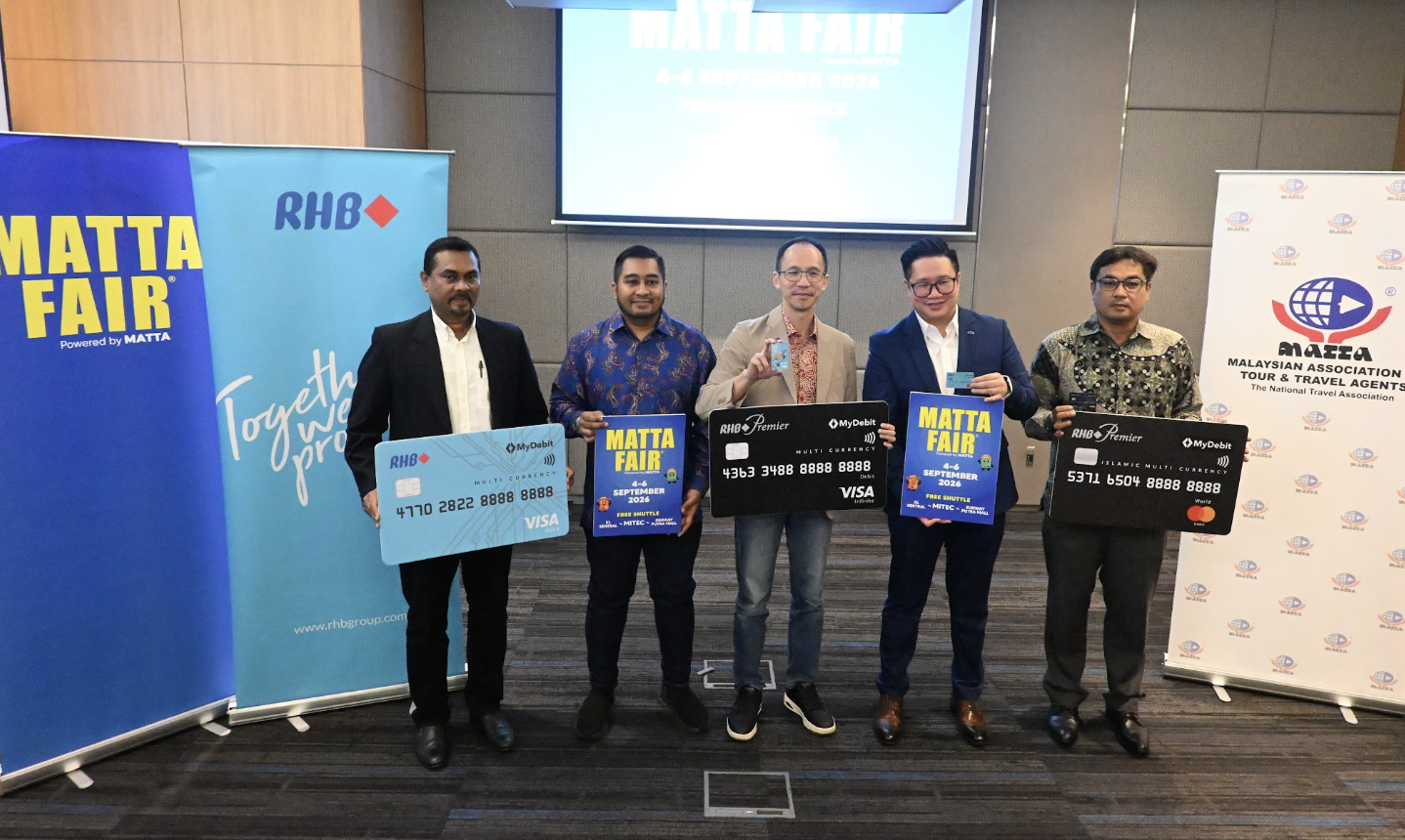
KUALA LUMPUR, 26 August 2026: The Malaysian Association of Tour and Travel Agents (MATTA), together with RHB Bank, is strengthening its partnership through the upcoming National MATTA Fair, from 4 to 6 September 2026, at the Malaysia International Trade and Exhibition Centre (MITEC) Kuala Lumpur.

The 59th edition of the MATTA Fair is set to occupy the three floor levels, with the Domestic Hall on Level 1 and the International Hall on Levels 2 and 3, spanning a total exhibition space of 40,820 square metres across 10 halls.

The fair will feature 2,054 booths from 306 organisations, providing a variety of must-visit destinations

By bringing together Malaysia’s largest consumer travel fair and one of the country’s leading integrated financial services groups, the collaboration aims to give visitors a trusted, rewarding travel-planning experience through exclusive promotions, flexible payment solutions, and value-added travel benefits.

RHB Bank Berhad Managing Director of Group Community Banking  Jeffrey Ng Eow Oo said: “RHB remains committed to supporting the growth of the travel and hospitality sector by giving customers greater convenience, flexibility and value throughout their travel experience. Our RHB Multi Currency Debit Card/-i makes overseas spending simpler, with access to 34 currencies on a single card. Customers can spend directly from their selected foreign currency balance without conversion fees, while earning Reward Points on eligible overseas transactions.”

At the MATTA Fair, customers who make purchases using their RHB Cards/-i can enjoy savings of up to MYR1,500 with participating travel partners, including Corporate Information Travel, Golden Destinations and MITRA Tours & Travel. Visitors will also stand a chance to purchase RM1 air tickets, win Insta360 cameras and flight tickets.

“RHB also offers flexible instalment plans, some with 0% interest rates, allowing customers to spread larger purchases into manageable monthly payments. Through these offerings, we aim to give Malaysians greater travel flexibility and value as they plan, pay for and enjoy their travels,” he added.

Visitors can visit RHB Bank’s booths at the Domestic Hall on Level 1 and International Halls on Level 2 to learn more about its travel-focused banking solutions and cardholder privileges available throughout the fair.

Beyond that, visitors can also explore an extensive range of domestic and international travel experiences from 176 tour and travel agencies, engage directly with 16 National Tourism Organisations (NTOs), 13 State Tourism Organisations (STOs), 59 hotels and resorts, 9 theme parks and 32 travel-related service providers.

“Travel is something many travellers look forward to, and MATTA Fair is where those travel aspirations come to life. RHB Bank has been a valued partner of MATTA, and their continued support helps strengthen our role as a trusted platform for travellers, creating a more rewarding experience and greater opportunities for visitors, members and exhibitors,” said MATTA President Nigel Wong.

To ensure a smooth visitor experience, MATTA Fair offers free admission and is open from 1000 to 2100 from Friday to Sunday. Visitors are encouraged to take advantage of the complimentary shuttle services from KL Sentral and Sunway Putra Mall to MITEC.

For those driving, parking is available at the South Entrance basement in MITEC, the MITI basement, MATRADE open parking, KL Courts complex open parking, and Hyatt Regency basement parking.

For the latest updates, visit mattafair.org.my or follow us on Instagram, TikTok, and Facebook @mattafair.official, and X @matta_fair.

(Source: MATTA)

Surfing with the seasons in Langkawi

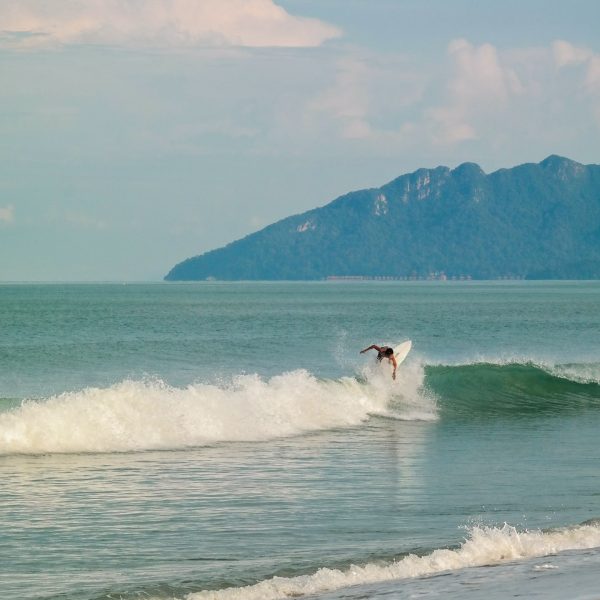
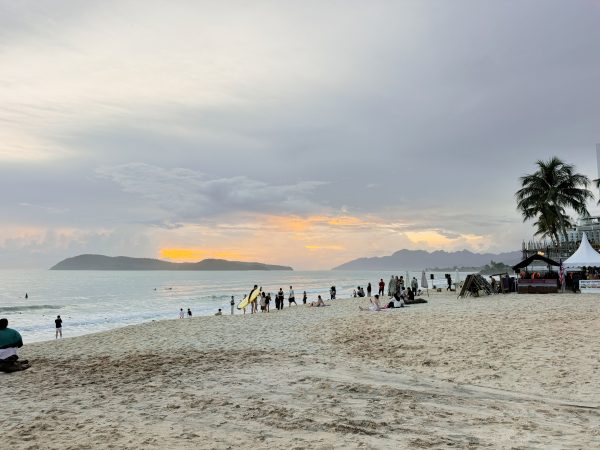
LANGKAWI, 26 August 2026: At Pantai Tengah, a surf morning can begin before anyone gets in the water. Coffee is poured. 

Breakfast comes out of takeaway boxes. Surf apps are checked, the wind is watched, and eyes turn towards the horizon. Boards sit ready on the sand while the small group gathered on the beach waits to see what the sea has decided.

Some mornings bring waves. Some don’t. Nobody seems particularly bothered. For Langkawi’s growing surfing community, the waiting is part of it.

When the wind changes

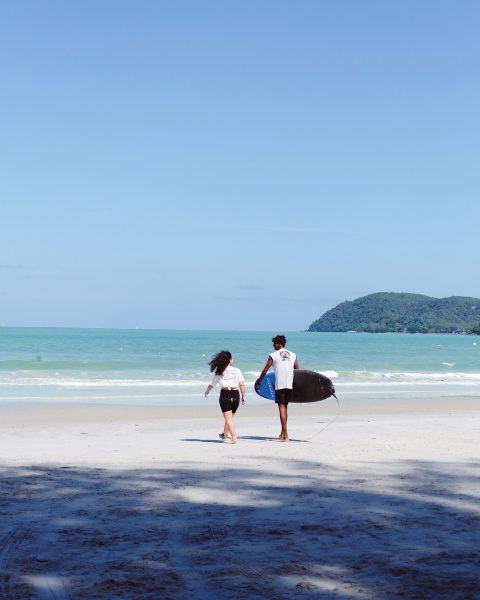
Langkawi’s seasons shape life on the island, and surfing is no different. When the monsoon winds shift and conditions begin to change, surfboards come out, and messages start circulating about the latest swell.

Weather forecasts help to pin the season from April to November during the southwest monsoon, with the most promising wave conditions occurring from July through September.

Small groups make their way to the west coast, particularly around Pantai Tengah, hoping the forecasts are right. Visitors who have surfed here before return, while locals keep a close eye on the conditions. There are no guarantees. A promising forecast can produce nothing, while an ordinary morning can turn into a memorable session.

That unpredictability has helped shape the character of surfing here. The focus isn’t on chasing the biggest wave. It’s on being there when the conditions come together.

Learning to wait

Ask Jay what surfing has taught him and his answer comes quickly: patience. He first got into surfing in Bali before continuing in Cherating, on Malaysia’s east coast. What started as curiosity eventually became a different way of looking at the ocean.

You can’t control the wind or make the waves arrive. You can prepare, watch the conditions and wait.

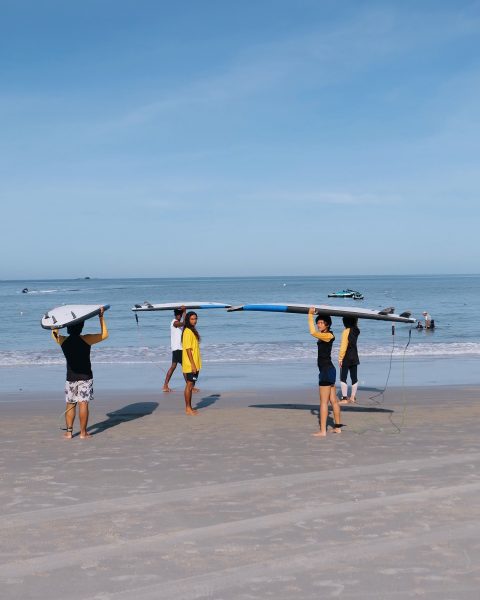
Today, Jay passes that lesson on through his surf school. For beginners, the goal may be to stand on a board for the first time. But the experience is also about learning to move with the water rather than trying to fight it. The first successful ride is often the moment everything clicks.

The surf shop where everyone meets

For Han, the day moves between the water and his surf shop, where conversations about tides and forecasts easily turn into conversations about everything else.

His café has become a natural meeting point for the surfing community. Surfers stop by for coffee, travellers swap stories and beginners celebrate their first successful ride.

A Japanese photographer has also spent time with Han and his group, documenting the everyday side of the community — the sessions, the people and the moments between them.

The social side of surfing doesn’t stop when the boards are put away. In many ways, that is when the community comes together.

A community built one save at a time

Langkawi’s surf community has grown gradually, through people introducing friends to the water, visitors returning for another season and surfers sharing what they know.

A request for a lesson can lead to another. A first session can turn into a regular habit. Someone who arrived as a visitor might come back with a friend the following year.

Today, locals surf alongside visitors and experienced surfers encourage beginners as they learn. Children are starting their first lessons, while more seasoned riders still celebrate the small improvements that come with every session.

There is little interest in hierarchy. Whether you’ve been surfing for years or are still figuring out how to stand on the board, everyone starts in the same place: waiting for the next wave.

Let the island set the pace

Surfing requires you to pay attention to what is happening around you. In Langkawi, that means learning to read the wind, the rain, the tide and the changing conditions.

Experience helps, but nature still has the final say. Sometimes the forecast promises perfect conditions and delivers nothing. Sometimes a regular morning produces a few rides worth remembering. Over time, surfers learn when to paddle out, when to wait and when to simply call it a day.

Waves that bring people together

Spend time around Langkawi’s surfing community, and the appeal becomes clear when you watch a beginner catch their first wave.

Someone cheers. A pop-up gets applauded. The surfer comes back to shore smiling, ready to try again. Those small moments are what keep people coming back. By sunset, boards are rinsed and put away. Someone checks tomorrow’s forecast.

Nobody knows yet whether there will be waves in the morning.

They’ll probably meet anyway. Surfing in Langkawi isn’t defined by the size of the swell. It’s found in the people who keep showing up, watching the horizon and waiting for the next wave.

For more information on Langkawi, visit: Naturally Langkawi. 

(Source: Your Stories — LADA)

Europe captures top summer travel spend

SINGAPORE, 26 August 2026: As millions of travellers head for their summer holidays, Europe has reinforced its position as the world’s leading leisure travel destination, capturing one-third of all global leisure travel spending in 2025, according to new 2026 EIR data from the World Travel & Tourism Council (WTTC), sponsored by Chase Travel, Lead Research Partner.

The latest figures show that global leisure travel spending reached USD6.15 trillion in 2025, up 3.5% year-on-year and accounting for 80.5% of total global travel expenditure. Of this, Europe attracted USD2 trillion, equivalent to USD1 in every USD3 spent worldwide on leisure travel, highlighting the region’s enduring appeal as travellers embark on this year’s summer holidays.

Photo credit: WTTC.

Southern European destinations remain at the heart of this success. France, Spain, Italy and Türkiye remain among the most sought-after summer destinations globally, benefiting from strong international demand, diverse source markets, world-class tourism offerings and robust connectivity.

As Europe experiences another busy summer season, the region’s tourism performance reflects not only strong seasonal demand but also its longer-term competitiveness. Leisure spending growth remained resilient across key destinations in 2025, with France expanding by 3.6%, Spain by 2.6% and Italy by 2.2%.

Looking ahead, Europe’s growth momentum is expected to continue beyond the summer months and into 2026, when the region is forecast to expand by 3.7%, outpacing the global average of 3.1%.

Italy is projected to lead this next phase of growth with a 4.7% increase in leisure spending, followed by Spain (+4.3%), Türkiye (+4.1%) and France (+2.6%), reinforcing Southern Europe’s position as a powerhouse of global tourism demand.

This sustained growth is also being supported by evolving global travel patterns, with Southern European destinations increasingly benefiting from demand redirected from other regions, further strengthening their competitive positioning.

WTTC President & CEO, Gloria Guevara, said: “With summer travel at its peak, Europe continues to set the pace for global leisure tourism, capturing one-third of all spending worldwide and demonstrating the strength, diversity and resilience of its tourism sector.

Southern Europe remains the engine of this growth. Destinations such as Spain, Italy, France and Türkiye continue to attract strong international demand thanks to their unique visitor experiences, excellent connectivity and competitive tourism offerings.

With millions of travellers currently holidaying across the continent, destinations must continue investing in infrastructure, connectivity and sustainable tourism management to support future growth and maintain their global competitiveness. The outlook for 2026 shows Europe is well positioned to continue leading global Travel & Tourism.”

WTTC’s Economic Impact Research is produced in partnership with Oxford Economics and is among the world’s most authoritative datasets on the economic contribution of Travel & Tourism. 

Forecasts for 2026 are based on current economic and geopolitical conditions at the time of publication and include assumptions related to inflation, energy prices, consumer demand, and regional geopolitical developments. As the global situation evolves, projections may change.

(Source: WTTC)

Smart Travel Asia releases annual poll results

HONG KONG, 26 August 2026: The results of the 2026 Best in Travel Poll for SmartTravelAsia.com readers (June to late August) will appear in the September edition of the  23-year-old magazine for international frequent travellers to and within Asia. 

Polled annually since 2005, SmartTravelAsia this year monitors travellers demanding security and service, while Dubai drops out of the top spots as Bangkok, Macau, Tokyo, Vietnam, and Bali climb; Malaysia, Singapore, and Hong Kong gain from rerouted traffic. Here is a peek preview of the rankings and honours in 2026.

Waldorf Astoria Dubai,  Qatar Airways fly the desert flag

UAE destinations, airlines and hotels, which had held significant positions in previous years, disappeared from the top 10 lists — this, with two major exceptions: Qatar Airways (first for Business Class) and Waldorf Astoria Dubai Palm Jumeirah (Top 10 for Luxury) — as several major brands subsisted on weekend staycation traffic, or closed.

SIA, Cathay Pacific, Malaysia Airlines soar

Singapore Airlines easily held on to the first spot as Best Airline Overall Worldwide — first for Cabin Service, followed closely in second place by Cathay Pacific. This poll marked a strong return for Malaysia Airlines (third for Cabin Service and sixth overall). Singapore’s Scoot flew away with the Best Budget Airline in Asia, nudging ahead of long-dominant AirAsia (second) with HK Express third. Boutique carrier Bangkok Airways posted an emphatic sixth place for cabin service, ahead of Thai Airways in eighth.

The search for emotional takeaways — and Service

International travellers looked for safe options with an eye on quality service. The need for an emotional takeaway and human connection was evident in the Best Hotel Service List (the hallmark of quality), which was packed to the rafters — almost every high-ranking property was listed here, and this category received the most votes. Travel uncertainties, combined with higher costs, also created pressure to find value beds without sacrificing service. 

Brand recognition is clearly at the heart of it. This year’s top Hotel for Service was the fairly new all-villa Raffles Sentosa Singapore that led a feisty pack just ahead of Mandarin Oriental Bangkok, The Peninsula Manila, and MGM Macau (in joint second place), and Aman Nai Lert Bangkok, The Ritz-Carlton Kyoto and Kimpton Maa-Lai Bangkok (tied in third).

Top-ranked city-airport combo, boosted local hotels

Bangkok ranked as the top Holiday Destination while its airport was in eighth place. Tokyo ranked second (with its two airports in the top 10), and Bali and Kyoto shared third place. Singapore continued to make a strong showing in the top spot for Business & Meetings with its Changi Airport unopposed at No 1 among the World’s Best Airports. A strong destination-airport combination proved a boon for hotels in several cities.

Hong Kong made a huge comeback after several years in the doldrums. Cathay Pacific Airways ranked second Overall Worldwide (after SIA) and for Cabin Service, while the city placed third for Meetings and fourth for Leisure. 

Hong Kong International Airport ranked second worldwide, and the Peninsula Hong Kong (awaiting a huge multimillion-dollar redo) was placed first for Luxury with Regent Hong Kong in third and Upper House fourth. 

Revamping Mandarin Oriental Hong Kong and the busy Four Seasons secured a joint second place for Business and Meetings. The tiny neighbouring enclave of Macau (with a struggling airport) placed a strong fifth spot among Top Holiday Destinations in Asia as well as for Meetings, some of this fuelled by Hong Kong’s success. This helped float a few boats — MGM MACAU No 3 for Luxury and MGM COTAI No 3 for Meetings;  The Londoner (No 3 for Families), Artyzen Grand Lapa (No 7 Families), Parisian, Wynn, and Grand Lisboa Palace Resort.

Malaysia rocketed up the ranks with KLIA ranking the No 3 Best Airport Worldwide (and five KL hotels in the Top 10) just ahead of Incheon Seoul and Haneda Tokyo

Vietnam made an impressive showing with a range of hotels and destinations in the Top 10 — Mia Saigon was rated the No 1 Boutique Hotel in Asia with Alma Resort Cam Ranh and Park Hyatt Saigon both placing Top 5 in other categories.

Top brands and hotel groups with highest recognition

TOP BRANDS AT A GLANCE 2026: Singapore Airlines (Best Airline Worldwide, and for Cabin Service); Qatar Airways (Best Business Class Worldwide); Scoot (Best Budget Airline Asia); Singapore Changi Airport (Best Airport Worldwide); Bangkok (Best Holiday Destination); Singapore (Best City for Meetings); The Peninsula Hong Kong (Best Luxury Hotel, Asia); Mia Saigon (Best Boutique Hotel, Asia); Andaz Bali (Best Lifestyle Hotel, Asia); Four Seasons Hotel Bangkok at Chao Phraya River (Best Business & Meetings Hotel); Banyan Tree Samui (Best Spa Hotel); AYANA Resort Bali (Best Wedding Hotel); Centara Grand Mirage Beach Resort Pattaya (Best Family Hotel, two years in a row), Raffles Sentosa Singapore (Best Hotel for Service); and the reimagined Anantara Siam Hotel Bangkok (Best New Hotel, after a USD50 million facelift).

TOP HOTEL GROUPS: A few brands dominated the rankings this year. These included Hyatt (with the hugely popular Park Hyatt brand at the fore and Andaz making an impact); InterContinental (rolling out Kimpton, Regent, Holiday Inn, Vignette Collection, and InterCon); Mandarin Oriental (with a clutch of old, new, and the remodelled); Capella (which featured several properties in the Luxury and Boutique Lists); Rosewood; and Shangri-La. Others with a notable number of placements included Aman Resorts; luxe MGM with two wins in Macau; Thailand’s homegrown Centara; and India’s Oberoi and Taj.

JAUNTY INDEPENDENTS: It was equally a celebration of jaunty independents that caught traveller attention — and not for the lowest prices — from Amorita and The Funny Lion in the Philippines to Soori (Penang and Bali), Samode Palace and The Khyber Himalayan Resort & Spa (India), to Eastern & Oriental Penang, the stately riverfront Mia Saigon, and rambunctious bamboo-inspired Bambu Indah (Bali). Our Top 10 Boutique Hotels List is packed with exciting brands that hold out much promise, from old standout Dwarika’s Kathmandu to Dolkhar Ladakh and Bhutan Spirit Sanctuary.

Reader trips, interests, and engagement

TRIPS GO REGIONAL: Readers on average took 12 air trips (same as in 2025) but with a greater share of these on domestic, short-haul, and regional routes as Mid-East blockages pushed up Southeast Asian travel. And voters’ household income averaged USD156,000 per annum.

TRAVELLER INTERESTS: Key interests were broadly similar to 2025 and demonstrated a strong demand for authentic local engagement — dining and nightlife led the field (76%), followed by culture, heritage and history (68%); shopping (67%); spas and wellness (67%); adventure and nature (60%). Next in line were child-friendly resorts (60%); conferences and meetings (45%); resort weddings (35%); golf (28%); casinos (26%); cruises (22%); and diving (16%).

PURCHASES over the year include camera gear and phones (76%); luxury fashion (65%); cars (56%); city or holiday property (55%); duty-free alcohol (52%); and medical tourism (33%).

About Smart Travel Asia
Smart Travel Asia launched in February 2003 as the region’s first fully online publication. Many readers from the former print magazines migrated to its online presence. Over 60% visit the magazine directly via bookmarks, referrals, monthly e-newsletters, and social media, as well as through diverse searches via Mojeek, Brave Search, Bing, DuckDuckGo, Baidu, Yandex, Naver, Kagi, SwissCows, ChatGPT, and newer AI platforms.

For more information: Smart Travel Asia.

(Source: Smart Travel Asia)