

Monday, May 25, 2026
Home Blog Page 22

Air Astana expands China flights

SINGAPORE, 17 April 2026: Air Astana celebrated the launch of a new direct service from Almaty to Shanghai, China, with a press conference held last week at the Peace Hotel in Shanghai. 

The launch of this new service to Shanghai, China’s largest and most commercially dynamic city, is a major step forward in Air Astana’s ongoing network expansion across the country.

Air Astana Group Chief Executive Officer Ibrahim Canliel.

The new Almaty to Shanghai route, introduced at the end of March, operates three times weekly and complements Air Astana’s existing network of services to Beijing, Guangzhou, Sanya, Ürümqi and Yining. 

The addition of Shanghai strengthens the airline’s long-term commitment to developing connectivity between Kazakhstan and China, which began with its first flight between Almaty and Beijing in December 2002.

With Shanghai now part of the network, the Air Astana Group offers up to 32 weekly services between Kazakhstan and six Chinese cities, providing passengers with increased travel options and supporting both point-to-point and transit flows across Central Asia, the Caucasus, Europe and Asia. 

In 2025, the airline group carried more than 250,000 passengers between Kazakhstan and China, a 96% increase over 2024.

Commenting at the event,  Air Astana Group Chief Executive Officer Ibrahim Canliel said: “The launch of our Shanghai service is an important milestone in the development of our network and reflects the growing strength of ties between Kazakhstan and China. We see strong and accelerating demand across both business and leisure segments, supported by visa-free travel. Shanghai is a key global city, and this route, our sixth destination in China, will further enhance connectivity not only between our two countries, but also for passengers travelling onwards across our network.”

About Air Astana Group
Air Astana Group is the largest airline group in Central Asia and the Caucasus regions by revenue and fleet size. The group operates a fleet of 63 aircraft, split between Air Astana, its full-service airline, which began operations in 2002, and FlyArystan, its low-cost airline established in 2019. 

(Source: Air Astana)
Vietjet posts holiday peak season deals

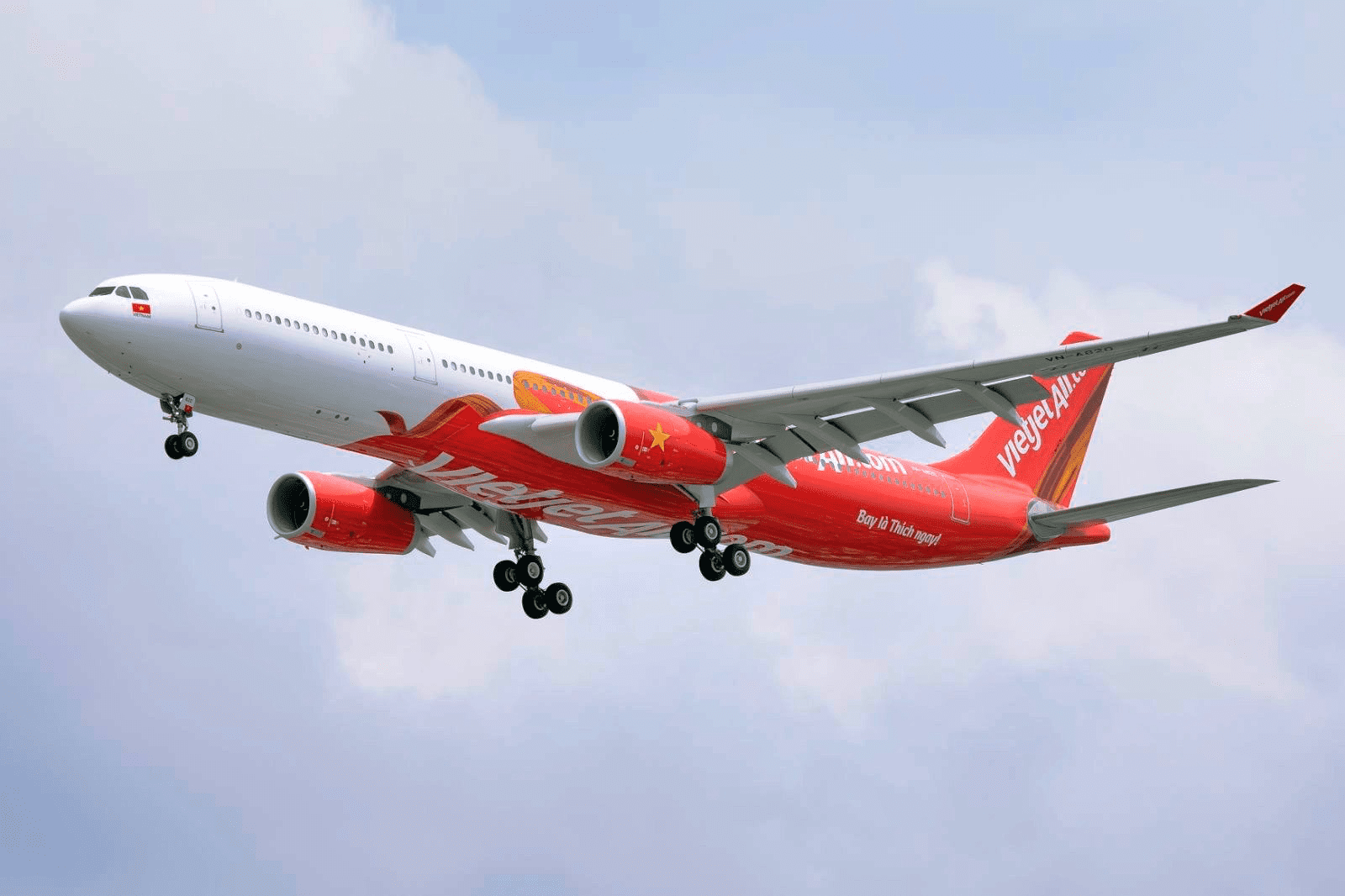
SINGAPORE, 17 April 2026: Ahead of Vietnam’s upcoming peak holiday period, Vietjet is offering travellers up to 20% off fares (excluding taxes and fees) on deluxe, SkyBoss and business class tickets across its regional flight network.  

The promotional discount is open for purchases until 1259 on 1 May 2026 (GMT+8), for bookings made via Vietjet’s website or mobile app using the promo code VJ20. A total of 11 million promo seats are available for travel until 31 August 2026. 

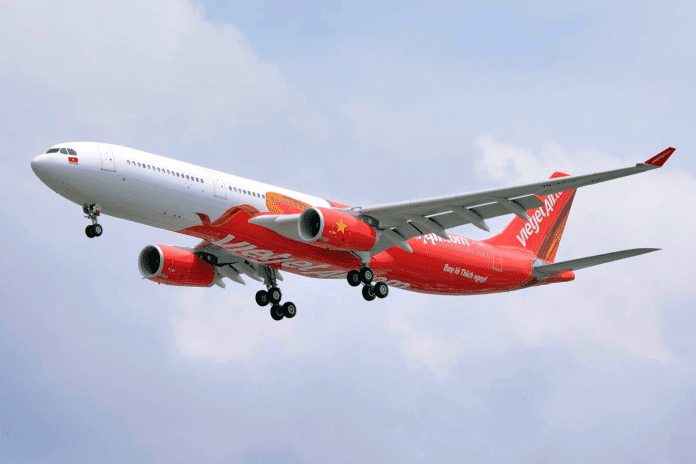
Photo credit: Vietjet.

For travellers in Singapore, the promotion presents an opportunity to plan their next getaway to Vietnam. With Vietjet’s direct services from Singapore to Ho Chi Minh City, Hanoi, Da Nang and Phu Quoc, travellers can choose city breaks to beach holiday destinations or longer multi-stop journeys. 

New flight to Nha Trang

Further enhancing these travel options, Vietjet will launch its new Singapore–Nha Trang route on 1 June 2026, giving Singapore residents access to one of Vietnam’s most popular seaside destinations.

To meet increased travel demand during the holiday peak, Vietjet plans to operate nearly 3,800 domestic flights across Vietnam between 25 April and 5 May 2026. Additional frequencies will be added on high-demand routes linking major cities and tourism destinations, including Hanoi, Ho Chi Minh City, Da Nang, Nha Trang, Hue, Quang Binh, Quy Nhon, and Phu Quoc, giving passengers greater flexibility and more convenient travel options.

Passengers who book via Vietjet’s official website or mobile app will also receive one entry into the airline’s “Fly Vietjet, strike gold” lucky draw programme, which offers the chance to win prizes including one tael of 999.9 gold. Additional prizes include gold and silver, as well as a range of e-vouchers for future travel.

More on the holiday peak season

From 25 April to 5 May, 2026, Vietnam features two public holidays, resulting in high travel demand as many offices close, although the period is not a single, continuous nationwide holiday. 

Hung Kings’ Commemoration Day 

Dates: Saturday, 25 April to Monday, 27 April.

The holiday honours the founders of Vietnam. In 2026, the main day (26 April) falls on a Sunday, so a compensatory day is given on Monday, 27 April, creating a three-day break. 

Reunification Day and Labour Day 

Dates: Thursday, 30 April to Sunday, 3 May.

30 April: Reunification Day (Liberation of South Vietnam).
1 May: International Labour Day.

Duration: Because these holidays fall on a Thursday and Friday, they combine with the weekend to create a four-day break for many workers. 

As of April 2026, the Ministry of Home Affairs confirmed there is no policy to swap working days to create a single continuous nine-day break (meaning 28 and 29 April are working days), but many people take annual leave days to bridge the gap. 

Impact on travel and services

Offices and banks: Government offices and banks will be closed during these holidays (25 to 27 April and 30 April to 3 May.
Travel: This is a peak travel period for domestic Vietnamese travellers. Expect high demand for hotels and transport.
Visa Processing: Immigration departments will be closed, which can cause delays in visa processing.

(Source: Viethjet with additional information on holidays —  VietnamNet)

Uncover the spirit of Bali with Asian Trails

DENPASAR, Bali, 16 April 2026: Asian Trails recently hosted a group of French travel agents on an immersive journey through Bali, showcasing the island’s rich heritage and cultural attractions.

Organised in collaboration with Vietnam Airlines and Dusit International’s luxury villa brand, Elite Havens, the trip strengthened key partnerships while revealing the destination’s depth and diversity of experiences.

Photo credit: Asian Trails. French travel agents on an immersive journey through Bali.

Led by Asian Trails’ Director of Sales for the French and Benelux markets, Pankaj Patpatia, the journey showcased the island’s natural beauty and rich heritage, including the UNESCO-listed rice terraces of Jatiluwih, travelling in vintage Volkswagen Kübelwagens for a nostalgic touch, before enjoying a scenic lunch in a tranquil bamboo forest.

A full day in a traditional village allowed participants to connect more closely with local life, gaining insight into daily routines and time-honoured practices such as rice cultivation and coconut oil production — experiences that can be seamlessly integrated into bespoke client journeys.

The programme concluded with a catamaran cruise to Lembongan Island, where crystal-clear waters and a laid-back coastal atmosphere provided the perfect finale.

This trip not only strengthened product knowledge and partner collaboration but also equipped agents with authentic, experience-led insights, enabling them to inspire clients with culturally rich journeys to Bali, the Island of the Gods.

For advice about planning a similar journey in Indonesia, contact Asian Trails Indonesia. Indonesia · Asian Trails

(Your Stories — Asian Trails News).

China’s airlines skip Middle East chaos

BANGKOK, 16 April 2026: A striking shift is unfolding in global aviation. While conflict in the Middle East has forced many airlines to scale back operations, Chinese carriers are moving in the opposite direction, massively adding thousands of seats on routes between China and Europe. 

At first glance, the move appears counterintuitive. In reality, it reflects a calculated response to a rapidly changing geopolitical and commercial landscape.

China Eastern aircraft depart against a backdrop of Air France tails, symbolising China’s growing role in Europe-bound traffic.

The Iran war has disrupted one of the world’s most important aviation corridors linking Asia and Europe. Airspace closures and heightened safety concerns have forced airlines to reroute flights or suspend services altogether.

Gulf hubs such as Dubai, Doha and Abu Dhabi, long dominant as transit points between continents, have seen significant operational disruption. This has created a sudden and substantial capacity gap. Chinese airlines have been quick to seize the opportunity.

A key advantage lies in geography and access. Unlike many Western carriers, Chinese airlines continue to operate over Russian airspace. This allows them to maintain shorter, more direct routes to Europe, avoiding the costly detours that other airlines must take. In an industry where fuel is the single largest operating cost, this routing advantage is decisive. Shorter flight times translate into lower fuel burn, improved aircraft utilisation and more competitive pricing.

Fuel prices have become a critical factor. The conflict has driven a sharp rise in global jet fuel costs, placing intense pressure on airline margins. Many carriers have responded by cutting less profitable routes and reducing frequency. Chinese airlines, however, have adopted a different strategy. Rather than retreat, they are focusing on efficiency. Measures include reducing onboard weight, optimising flight planning and concentrating capacity on routes where demand remains strong. Europe fits that profile.

At the same time, passenger behaviour is shifting. Travellers who would normally connect through the Middle East are increasingly avoiding the region due to uncertainty. This has accelerated the emergence of alternative hubs. Beijing and Shanghai are now seeing growing volumes of transit passengers linking Europe with Asia. Chinese airlines are effectively repositioning their home airports as viable alternatives to traditional Gulf hubs.

There is also a structural element within China itself. The domestic aviation market has become highly competitive, with excess capacity and pressure on yields. Expanding internationally offers a way to redeploy aircraft more profitably. With constrained capacity from other carriers, Europe presents an attractive opportunity. By increasing frequencies and opening additional routes, Chinese airlines are not only capturing displaced demand but also strengthening their long-term presence in key European markets.

In this context, the headline that Chinese airlines are “shrugging off” the Iran war requires careful interpretation. They are not immune to rising costs or operational risks. Rather, they are better positioned than many of their competitors to navigate the disruption. Access to northern flight paths, fewer geopolitical restrictions on airspace and a willingness to move quickly have combined to create a relative advantage.

The implications extend beyond short-term capacity shifts. Aviation has always been closely tied to geopolitics, and periods of disruption often accelerate structural change. What is emerging now is a subtle but important rebalancing of global air traffic flows. Chinese carriers are strengthening their role as connectors between Europe and Asia amid strain on traditional routes.

For the wider tourism industry, this shift carries both opportunities and risks. Greater connectivity between China and Europe may support inbound and outbound travel flows over time. However, destinations that rely heavily on Middle Eastern transit hubs may face reduced accessibility in the near term. For Southeast Asia, including Thailand, the impact will depend on how effectively regional airlines and airports adapt to the new routing dynamics.

What is clear is that the aviation map is being redrawn in real time. In a period marked by uncertainty and volatility, Chinese airlines have chosen to expand rather than contract. It is a strategic decision that may well outlast the current crisis, reshaping competitive positions in global aviation long after the conflict subsides.

Andrew J Wood is a British-born travel writer and former hotelier who has lived in Thailand since 1991. With over four decades of international hospitality experience, he has held senior leadership roles with leading hotel groups including Thistle Hotels, Shangri-La Hotels and Resorts, Minor Hotels, Chaophya Park Hotel & Resorts and the Royal Cliff Hotels Group.

A long-standing member of Skål International, he has served as a Director on the global Skål International board. He is a former President of Skål Asia and National President of Skål Thailand, and has twice served as Club President of Skål International Bangkok. In recognition of his contribution to global tourism, he has received Skål’s Order of Merit and the President’s Award, and in 2019 was honoured with the organisation’s highest distinction, Membre d’Honneur.

Audio & Visual fans gather in Penang

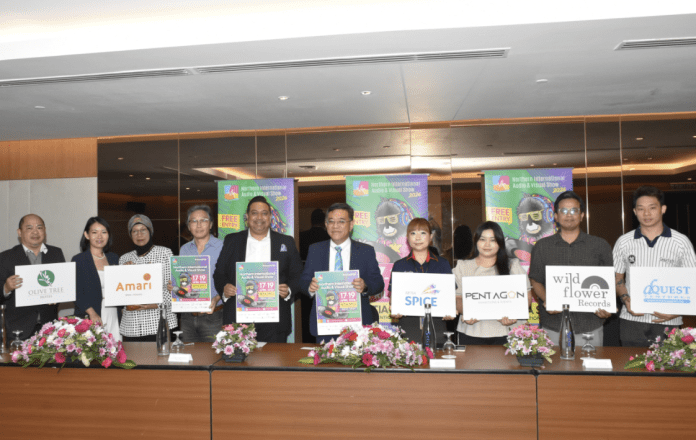
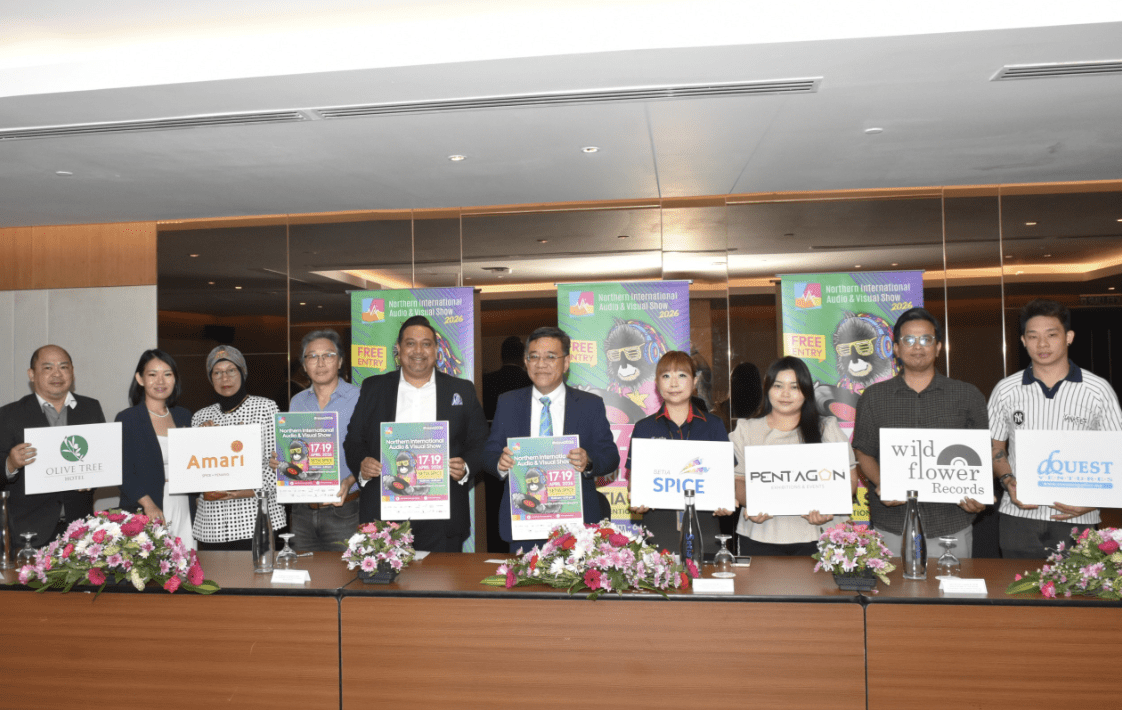
PENANG, 16 April 2026: The 4th Northern International Audio & Visual Show (NIAVS) 2026 is set to take centre stage from 17 to 19 April 2026 at the Setia SPICE Convention Centre, Penang, marking a significant milestone in the show’s evolution into a widely recognised platform for high-fidelity audio and visual innovation.

Building on its steady growth over the past editions, NIAVS 2026 returns with a broader international presence, bringing together more than 30 exhibitors from Malaysia, Singapore, Canada, and Taiwan. This year’s showcase will feature an impressive line-up of globally recognised brands from Canada, the US, Japan, Taiwan, China, Denmark, the UK, Hong Kong, Sweden, Italy, the Netherlands, and Singapore.

Organised by Gryphon Production and supported by the Penang Convention & Exhibition Bureau, NIAVS has evolved beyond a regional exhibition into a growing international meeting point for industry players, brands, and enthusiasts. 

(Source: Northern International Audio & Visual Show)

AirAsia X declares Q1 2026 passenger gains

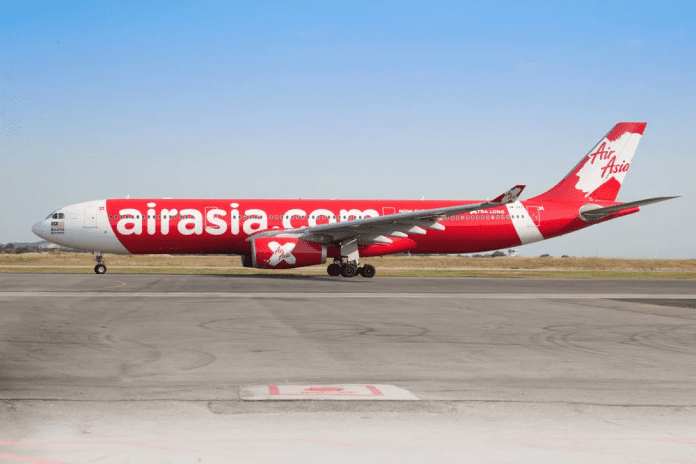
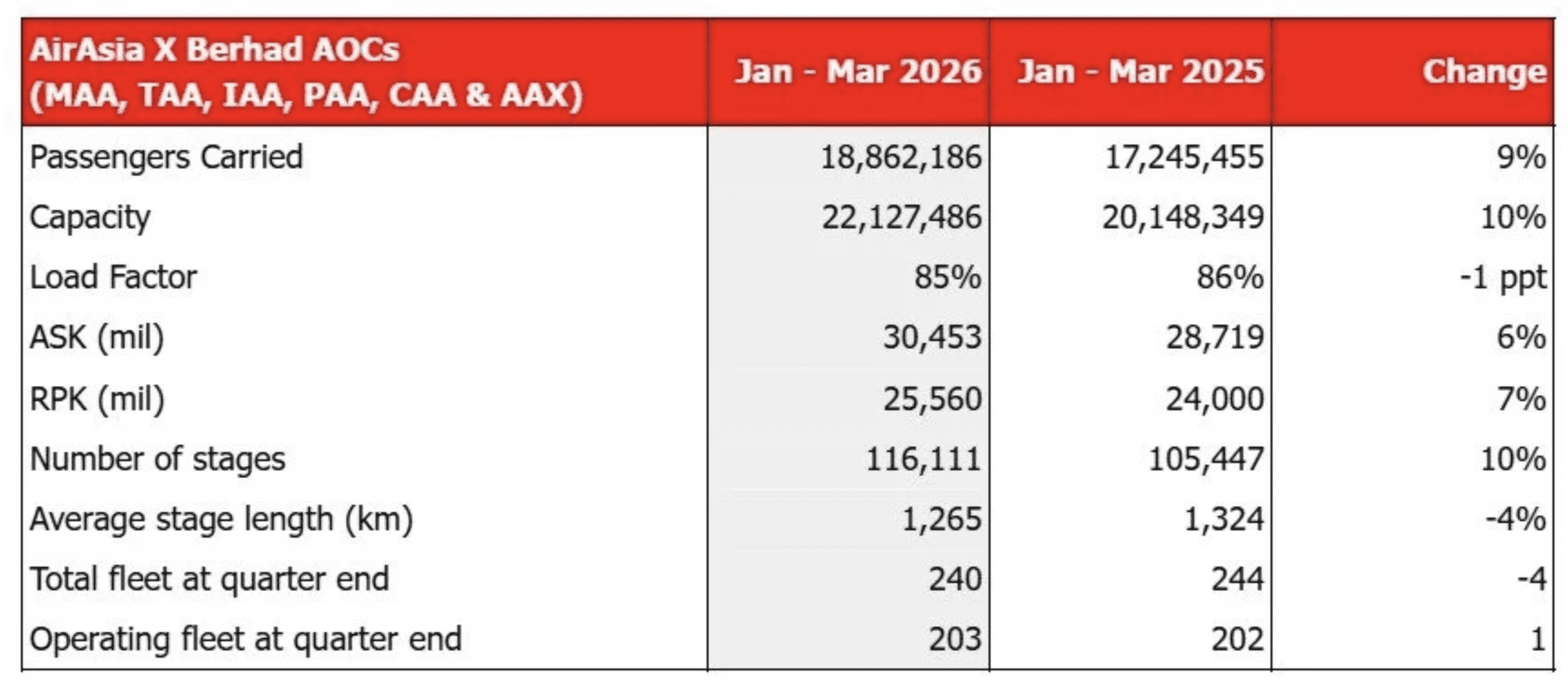
KUALA LUMPUR, 16 April 2026: AirAsia X Berhad has announced its preliminary operating statistics for the first quarter of 2026, carrying approximately 18.9 million passengers during the quarter, up by 9% year-on-year.

It represents the inaugural consolidated report for the airline group following the successful acquisition of the AirAsia aviation assets, bringing together all AirAsia-branded airlines under a single listed entity.

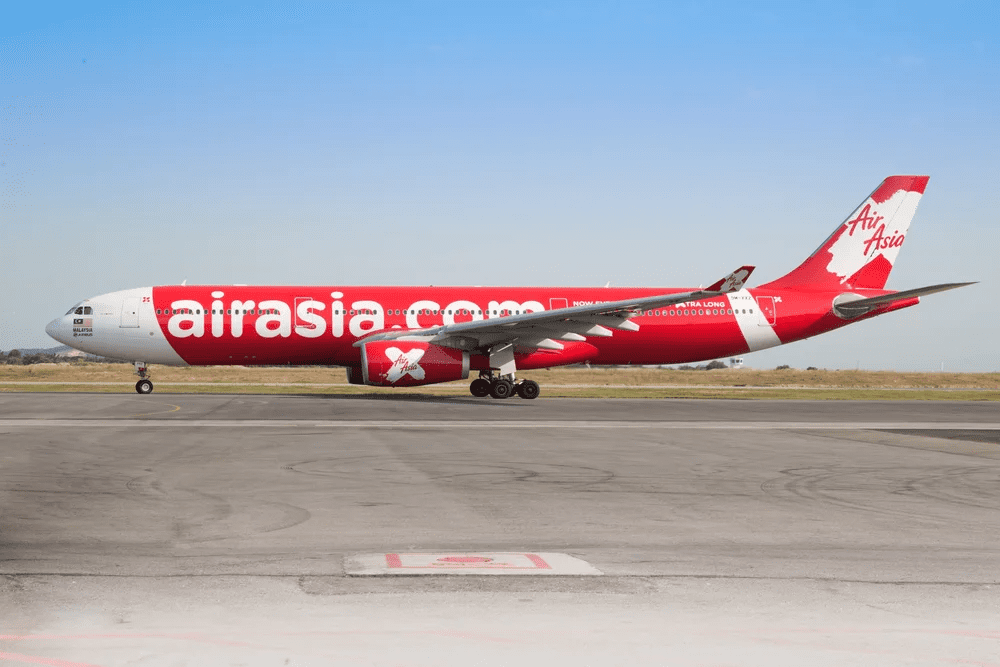
Photo credit: AirAsia X.

The performance indicates sustained demand across the network, with passenger growth aligned with a 10% YoY increase in capacity to 22.1 million seats. The Consolidated Air Operating Certificates (AOCs) have now recovered capacity to 98% of pre-pandemic levels, with a robust load factor of 85%. 

(The AOCs comprise AirAsia Malaysia, AirAsia Thailand, AirAsia Indonesia, AirAsia Philippines, AirAsia Cambodia, and AirAsia X Malaysia).

A key driver of the performance was the surge in domestic demand, which saw double-digit YoY growth in both passengers carried and capacity across Malaysia, Thailand, Indonesia and the Philippines. On the international front, the group’s focus on North Asia maintained solid momentum. 

Major routes to China from both Malaysia and Thailand performed well, with load factors for these sectors recorded at 85% for the quarter. The group continues to leverage its dominant position in the China-ASEAN travel corridor, capturing consistent demand across key primary and secondary cities. 

The group showed remarkable operational agility in March 2026, the first month after heightened geopolitical tensions and rising jet fuel prices. 

In March alone, the Consolidated AOCs carried 6.3 million passengers, a 19% YoY increase which surpassed the 15% YoY increase in capacity. Notably, the load factor for March increased by two percentage points YoY to 84%. While the group had strategically adjusted fares and fuel surcharges to manage escalating fuel costs, AirAsia remained the preferred choice for guests prioritising affordable and reliable connectivity during this peak period. Furthermore, by positioning its network as a critical alternative for redirected global traffic flows between Europe and Asia, the group captured a surge in demand on its Central Asia corridors, benefitting from a strong “fly-thru” effect across the broader Asean network. 

The group’s associate, AirAsia X Thailand, carried 599,198 passengers during the quarter, representing a 20% YoY increase. The associate recorded a solid load factor of 84%, reflecting a 1 percentage point improvement YoY.

This performance highlights the successful optimisation of the long-haul network following its strategic hub relocation to Don Mueang International Airport in late 2024.

Market demand remained sound across key destinations, supported by the expansion of its operating fleet and increased frequencies to North Asia and India.

The Consolidated AOCs increased the operating fleet by 1 YoY to 203 aircraft, and closed the quarter with a fleet of 240 aircraft. TAAX’s fleet size stood at 11. 

AirAsia X, Group CEO Bo Lingam said: “This first quarter of 2026 validates the strength of our consolidated model. Our RPK growth of 7% surpassed ASK growth of 6%, clearly demonstrating the success of our network optimisation, ensuring capacity is deployed where demand is strongest. In response to external fuel price pressures, we moved decisively in March to manage our margins by adjusting fares and fuel surcharges.

Crucially, we have seen no significant signs of demand disruption. Our March load factor actually increased YoY, as our guests prioritised the value and connectivity we provide during the Raya and Lebaran peak. Looking ahead, this momentum has carried into April, with forward bookings remaining firm across our core network. Our priority is to maximise the productivity of our active fleet while keeping our integrated network lean and adaptable. By prioritising high-yield corridors and maintaining disciplined cost management, we are prepared to navigate the uncertainties of the months ahead with resilience and agility.”

First Quarter 2026 Preliminary Operating Statistics

(Source: AirAsia X).

Batik Air expands China and Australia services

KUALA LUMPUR, 16 April  2026: Batik Air is strengthening its international network by introducing new direct services to two key global markets: China and Australia.

The Kuala Lumpur–Shanghai service commences on 23 June 2026, with daily departures and a flight time of five hours and 40 minutes. 

Photo credit: Batik Air.

It marks a significant milestone in Batik Air’s network expansion into China, complementing its existing services to Changsha, Chengdu, Guangzhou, Kunming, Xiamen, and Zhengzhou. A Boeing 737 MAX 8 with 180 seats will serve the new route to Shanghai, further reinforcing connectivity between Kuala Lumpur and one of the Asia-Pacific region’s key economic and tourism centres.

Flight schedule

OD680 departs Kuala Lumpur (KUL) at 1700 and arrives in Shanghai (PVG) at 2255 (daily).
OD681 departs Shanghai (PVG) at 2325 and arrives in Kuala Lumpur (KUL) at 0515 (daily).

Shanghai is a global metropolis where heritage meets innovation, defined by the historic The Bund and the futuristic skyline of Pudong, alongside vibrant districts like the Former French Concession and Nanjing Road that highlight the city’s cultural depth and dynamic lifestyle. As a leading hub for commerce, culture, and leisure, Shanghai continues to attract both business and leisure travellers with its distinctive blend of tradition and modernity. All-in-one-way fares start from MYR399 for economy class and MYR1,679 for business class.

In parallel with its expansion into China, Batik Air will introduce a direct Kuala Lumpur–Sydney service commencing 1 July 2026, operated by Airbus A330 aircraft configured with business and economy cabins. The airline currently serves Australia through Brisbane, Melbourne, Perth, and Sydney via Denpasar, as well as 14 weekly direct flights between Kuala Lumpur and Perth. The new non-stop Sydney service will operate daily with a flight time of eight hours and 5 minutes.

Photo credit: Batik Air.

Flight schedule

OD171 departs Kuala Lumpur (KUL) at 2340 and arrives in Sydney (SYD) at 0945.
OD172 departs Sydney (SYD) at 1115 and arrives in Kuala Lumpur (KUL) at 1830.

Previously, the flight to Sydney made a transit stop in Bali, Denpasar (DPS). 

Sydney, Australia’s largest city and a leading international gateway, combines natural attractions with urban appeal. Iconic landmarks such as the Sydney Opera House and Sydney Harbour Bridge, along with destinations like Darling Harbour and Bondi Beach, contribute to its global recognition. As a key commercial and financial centre and primary entry point into Australia, Sydney plays a vital role in regional and long-haul travel networks. All-in-one-way fares starting from MYR749 for economy class and MYR4,069 for business class

The new routes to Shanghai and Sydney come amid continued momentum in Malaysia’s travel sector, with both China and Australia remaining key contributors to inbound and outbound traffic. In 2025, Malaysia recorded approximately 4.7 million visitors from China and over half a million visitors from Australia (source: Malaysia Tourism Statistics). 

Improved connectivity and ongoing travel facilitation, including visa-free access for Malaysian travellers to China for short stays, continue to support increased mobility and accessibility between the two countries. Australia similarly maintains strong bilateral travel flows, driven by tourism, business, and Visiting Friends and Relatives (VFR) segments.

Batik Air Chief Executive Officer Datuk Chandran Rama Muthy said the introduction of both routes reflects the airline’s continued commitment to building a resilient, demand-driven network while maintaining a measured outlook amid an evolving global environment.

“Batik Air continues to align its network with sustained market demand, and the addition of Shanghai and Sydney strengthens two of our most important international corridors,” he said. “These routes support tourism and business travel while enhancing overall connectivity between Malaysia and key global markets.”

(Source: Batik Air)

Sabah bookings surge at MATTA Fair

KOTA KINABALU, 16 April 2026: Sabah recorded a strong sales performance at the recent MATTA Fair Kuala Lumpur, generating MYR5,098,153.74 turnover at the three-day consumer travel fair.

Sales gained momentum throughout the fair, with Sabah-based sellers recording MYR812,156.32 on the opening day, 3 April, rising to MYR1,425,231.32 on the second day, and peaking at MYR2,860,766.10 on the final day of the show.

Photo credit: Sabah Tourism Board. Holiday bookings surge at Sabah’s MATTA Fair pavilion and booths.

Minister of Tourism, Culture and Environment Datuk Jafry Ariffin described the strong sales performance as encouraging and said Sabah’s continued participation in major travel fairs will help drive bookings and visitor arrivals to the state.

Compared with the MYR4.5 million recorded at the April 2025 MATTA Fair last year, with 43 agents participating, Jafry said this year’s performance demonstrates the resilience of Sabah’s domestic tourism market even as the industry prepares to navigate evolving travel trends and incoming challenges.

At the April edition of the MATTA Fair, 37 Sabah-based tour and travel agencies were present at 100 booths, offering a wide range of travel packages showcasing the state’s diverse tourism offerings, including culture, adventure, and nature.

STB also introduced and reinforced Explore Sabah destination branding while highlighting the Kaamatan Festival as a key cultural attraction, inviting visitors to experience the month-long harvest celebration across the state in May.

(Source: Sabah Tourism Board)

Mandarin Oriental lands in Chiang Rai

CHIANG RAI, 16 April 2026: Tatvani, an exclusive retreat in Chiang Rai, North Thailand, has been selected to join the Mandarin Oriental Exceptional Homes collection, a portfolio of the world’s most remarkable private villas and estates.

The partnership brings Tatvani into the global network of private vacation homes represented by Mandarin Oriental, among the world’s most esteemed luxury hospitality brands.

Photo credit: Tatvani.

Formerly operating under the Pa Sak Tong flag, the project was officially rebranded Tatvani at a public launch on 1 May 2025. Now, almost a year later, the project officially joins Mandarin Oriental’s Exceptional Homes portfolio. Pa Sak Tong remains the name for the primary signature villa, while the entire 29-acre property is marketed and managed as Tatvani.

Set in 29 acres of landscaped grounds in the hills surrounding Chiang Rai in northern Thailand, Tatvani is booked exclusively by one group at a time, ensuring complete privacy and highly personalised experiences.

The estate comprises six private villas with nine guest rooms that accommodate up to 18 adults (plus children under 12), supported by a team of more than 30 staff, including chefs, therapists, hosts, and drivers.

Guests at Tatvani enjoy an all-inclusive experience that combines luxury hospitality with cultural immersion. Facilities include a 30-metre heated outdoor swimming pool, Tatvani Spa, gym, private walking trails, rice-field pavilions, wild-swimming koi ponds, and immersions ranging from local trekking and culinary programmes to exploring the Golden Triangle and visiting the estate’s elephant sanctuary.

“We are delighted to expand our curated collection of Mandarin Oriental Exceptional Homes in Thailand, welcoming Tatvani, an extraordinary retreat in Chiang Rai,” said Mandarin Oriental Exceptional Homes Head Philip Leighton. “Their unwavering commitment to precision and an intuitive approach to the guest experience resonates strongly with our core principles, further reinforcing the exceptional standards synonymous with Mandarin Oriental.”

The Mandarin Oriental Exceptional Homes collection represents private vacation homes that reflect the culture and character of their destinations while offering the comfort, privacy, and service of the legendary hospitality brand. The portfolio consists of 38 Exceptional Homes across 14 desirable destinations.

(Source: Mandarin Oriental)

EU border system fully operational

SINGAPORE, 16 April 2026: The EU’s new border management system has been fully operational since 10 April at all external border crossing points of the EU, except for Cyprus and Ireland. 

The Entry/Exit System is an automated IT system for registering non-EU nationals travelling for short stays —  up to 90 days in a 180-day period. It replaces the old way of manually stamping passports.

Photo credit: EU Directorate-General of Communications.

Under the new system, when a non-EU national arrives at a border crossing point in the Schengen Area for the first time, the following information is registered in the system:

  • Passport details;
  • biometric data;
  • entry and exit records.

For each subsequent entry and exit, only a quick verification will be needed, making the process faster.

The EU media statement claimed the new system modernises border controls in the EU by:

  • Speeding up border checks, so travellers spend less time waiting
  • helping border control staff work more efficiently;
  • improving security by giving border and law enforcement authorities access to important traveller information;
  • helping prevent irregular migration.

The new digital border system has been progressively rolled out across the EU since October 2025 and was declared fully operational as of 10 April 2026 across 29 European countries.

It replaces physical passport stamps with biometric registration (facial images and fingerprints) for non-EU nationals. While the system is designed to modernise travel, its full rollout has brought both significant benefits and immediate logistical hurdles.

Pros: Smart border benefits

  • Enhanced security: The system makes it much harder to use forged documents or stolen identities. During the phased rollout, it has already identified hundreds of individuals posing security risks and thousands of people attempting entry with fraudulent papers.
  • Elimination of passport stamps: No more running out of passport pages because of ink stamps. Everything is recorded digitally, which is much cleaner and more reliable.
  • Precise overstay tracking: The EES automatically calculates the 90/180-day rule. This removes the guesswork for travellers and ensures the rules are applied consistently across all Schengen borders.
  • Long-term efficiency: Once your biometric data is in the system (valid for three years), subsequent entries are expected to be faster through automated kiosks, potentially reducing the need for lengthy interviews with border officers.
  • Self-service options: Many airports have introduced kiosks and mobile apps (such as the “Travel to Europe” app) that allow you to pre-register your data, theoretically streamlining the arrival process.

Cons: The teething problems

  • Initial border delays: Since 10 April, several major hubs have reported significant queues — some reaching up to three hours. The first-time registration, which requires capturing fingerprints and a photo, takes considerably longer than a simple stamp.
  • Technical integration issues: The system’s launch was delayed several times due to IT challenges. Even now, some carriers and border points have called for “emergency flexibility” to handle technical glitches and high passenger volumes.
  • Inconsistency between countries: While the system is “fully operational,” the use of support tools such as the mobile app varies. For example, some countries allow pre-registration via app, while others still require everything to be done at a physical kiosk or booth.
  • Strict enforcement: Because the digital record is flawless, there is no “margin for error” on overstays. Travellers who might have previously escaped notice for staying 91 days will now be flagged automatically, which can lead to immediate entry refusals or future bans.
  • Privacy concerns: The collection and storage of biometric data for three years remains a point of contention for privacy advocates, though the EU maintains the data is handled under strict security protocols.
FeatureProsCons
Data EntryFast digital scanning (eventually).Slow first-time biometric enrollment.
SecurityStops identity fraud and “lost” records.Major concerns regarding data privacy.
ComplianceAccurate 90-day stay calculation.Zero leniency for minor stay errors.
InfrastructureModern self-service kiosks.High risk of long queues at peak times.

(Source: EU Directorate-General for Communication plus additional reporting)