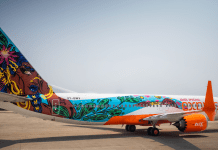


MANILA, 12 February 2026: Following a Manila Slot Coordination Committee advisory issued in 2025, Philippine Airlines has announced that all PAL turboprop flights currently operating to and from Manila will be discontinued, effective 29 March 2026.
All turboprop flights currently departing from MNL will relocate to other airports, such as Clark International Airport, to reduce runway congestion at Manila’s main airport (NAIA).
The Manila Slot Coordination Committee (MSCC) mandated the move, forcing all airlines to transfer regional turboprop flights to Clark International Airport.
Passengers with existing bookings for these flights will be rerouted to PAL’s alternative hubs in Cebu, Clark, and Iloilo, ensuring continued connectivity to affected destinations while maintaining full compliance with updated regulatory requirements.
Passengers will be rerouted as follows:
Manila–Busuanga (Coron)–Manila → Clark–Busuanga (Coron)–Clark
Manila–Siargao–Manila → Clark–Siargao–Clark
Manila–Antique–Manila → Manila–Iloilo–Manila
Manila–Catarman–Manila → Cebu–Catarman–Cebu
With the mandated transition of turboprop services out of NAIA, PAL will introduce additional domestic jet flights beginning March 2026, expanding capacity on high-demand routes and providing passengers with more travel options.
Expanded weekly services:
Manila–Cebu: up to 76 flights weekly
Manila–Dumaguete: up to 21 flights weekly
Manila–Iloilo: up to 42 flights weekly
Manila–Roxas: up to 14 flights weekly
Manila–Tacloban: up to 28 flights weekly
(Source: PAL travel advisory).
NAIA hits record 4.96 million passengers in January
Ninoy Aquino International Airport (NAIA) recorded its highest monthly passenger traffic on record in January 2026, extending the momentum from its strongest year to date, the corporation reported last week.
New NAIA Infra Corp (NNIC), the private operator of NAIA, said 4.96 million passengers passed through the airport during the month, exceeding the 4.86 million recorded in December 2025 and making January the busiest month in the airport’s history.
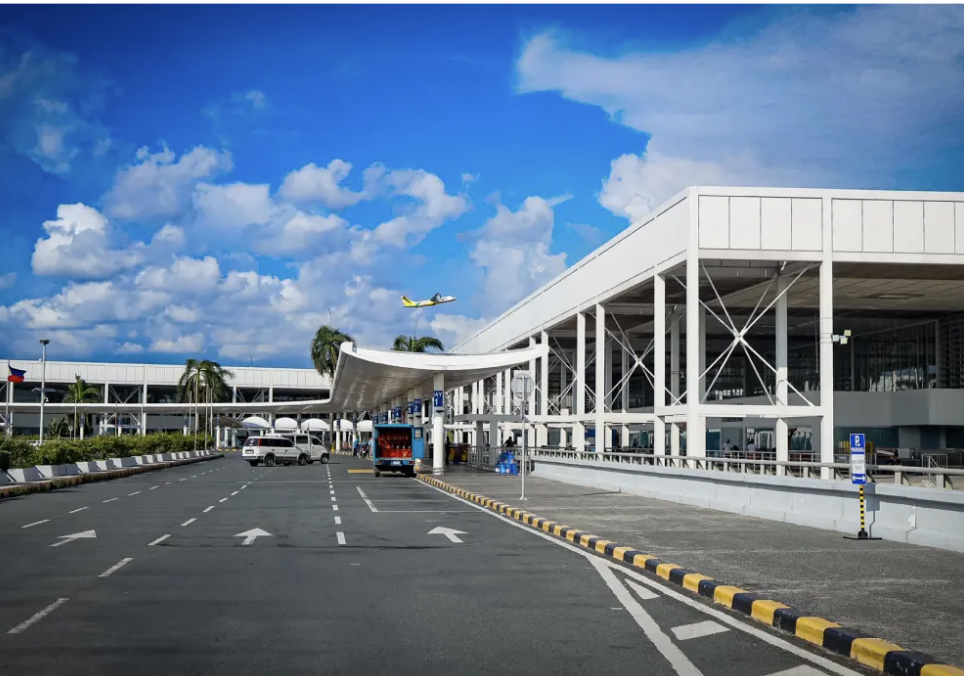
Passenger traffic was strong during the holiday travel period from December 20 to January 4, when NAIA served nearly 2.6 million passengers across all terminals. Travel peaked on 4 January, with 180,089 passengers passing through the airport—the highest single-day passenger volume recorded to date.
International travel continued to drive growth, with 2.42 million international passengers recorded in January, up 8.16% from a year earlier and the highest monthly international volume in NAIA’s history. Domestic passenger traffic reached 2.54 million, an increase of 3.16% year-on-year.
NAIA serves as the Philippines’ primary aviation hub, handling domestic and international operations. Under the public-private partnership, NNIC is responsible for the airport’s operations, maintenance, and modernisation, while ownership remains with the government.
(Source: NAIA)