PERTH, Australia, 7 May 2026: Radisson Hotel Group announces the signing of Radisson Perth, an upscale hotel set within the landmark Sydney Charles Quarter (SCQ) precinct in West Perth, marking the debut of the Radisson brand in Western Australia.
The property should open later this year and will represent a significant milestone in the group’s continued expansion across Australia.
Radisson Perth pool rendering.
Developed by APPL Group and operated by Mandala Hotels & Resorts, Radisson Perth will form a key part of SCQ, a major mixed-use development designed as a connected village that brings together residential, commercial, and lifestyle elements in one integrated destination.
The hotel will feature 120 rooms and studios, complemented by a rooftop bar and restaurant, meeting spaces, a swimming pool, and a strong focus on guest engagement through art and curated experiences.
Its location in West Perth offers strong connectivity to the CBD, key commercial hubs, and major transport links, supporting balanced corporate and leisure demand year-round.
Perth continues to strengthen its position as a key gateway to Western Australia, supported by a diverse economy, strong corporate base, and growing tourism appeal. Ongoing infrastructure investment and urban renewal projects, including developments across West Perth and the CBD, are expected to drive sustained demand for well-positioned hotel assets.
About Radisson Hotel Group Radisson Hotel Group is a rapidly expanding international hotel group operating in EMEA and APAC, with more than 1,600 hotels in operation and under development across more than 100 countries.
DELHI, 7 May 2026: IndiGo resumed flights from its gateway airports in India to Doha, Qatar, effective from this week.
Flights to the Middle East were temporarily suspended in March due to airspace closures resulting from geopolitical developments in the region.
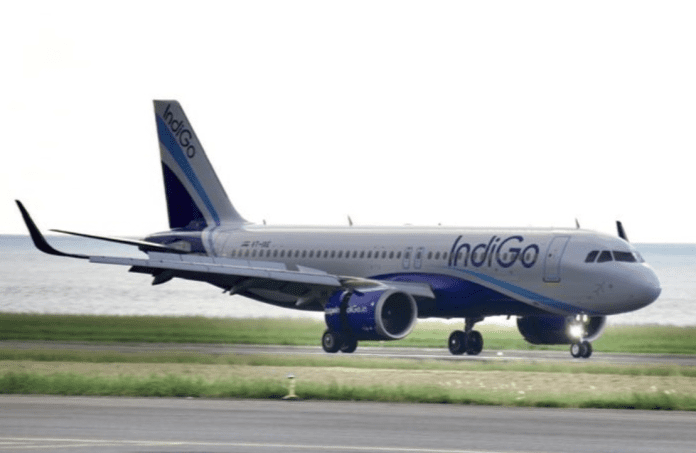
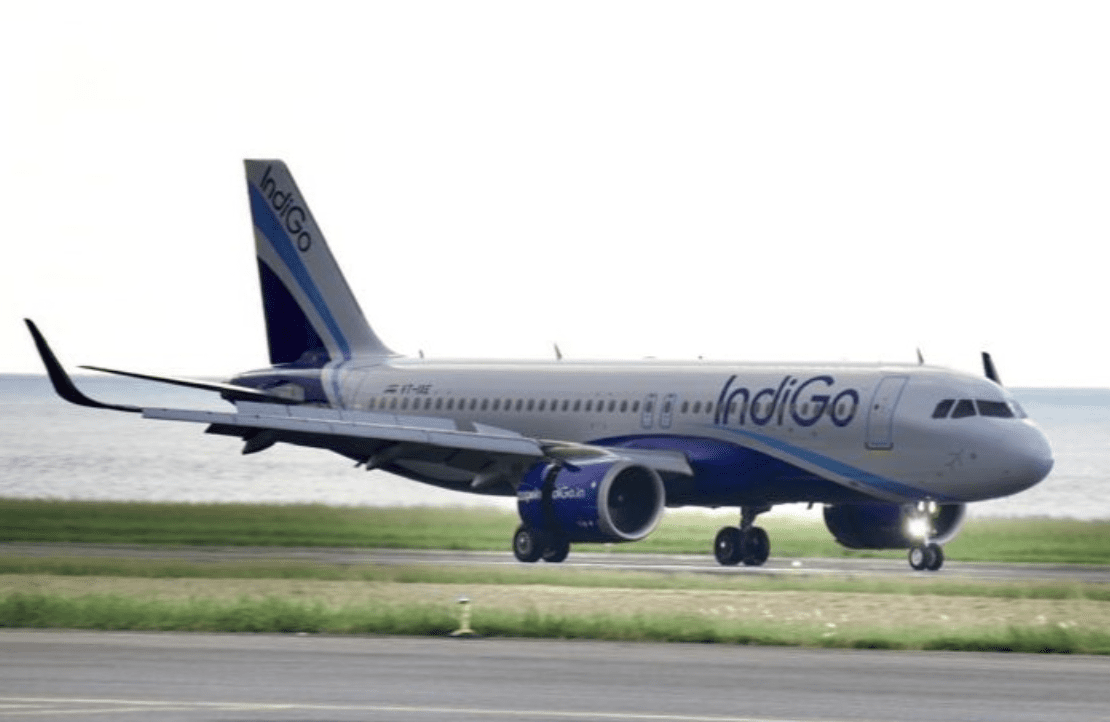
Photo credit: IndiGo.
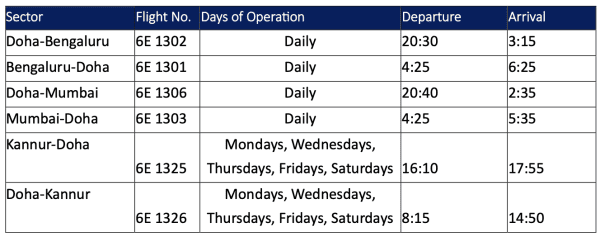
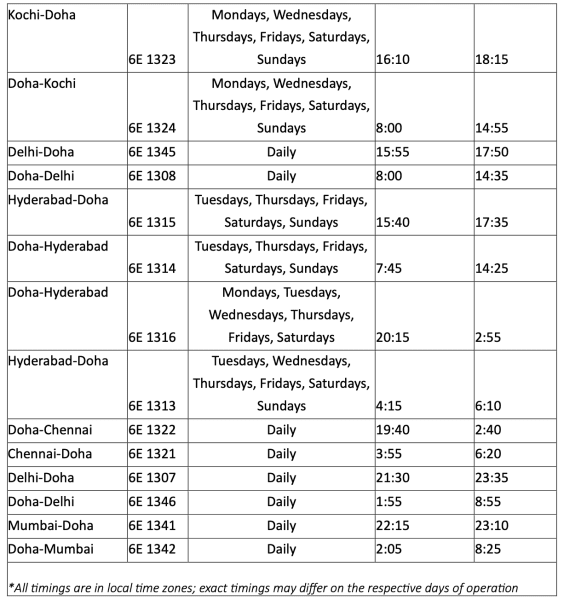
In line with prevailing airspace conditions and guidance from relevant authorities, IndiGo reinstated its schedule of over 60 weekly flights to Doha from seven Indian cities — Bengaluru, Chennai, Delhi, Hyderabad, Kannur, Kochi, and Mumbai.
The resumption of services reinforces IndiGo’s commitment to offering reliable and seamless connectivity to key destinations, while prioritising the safety and security of its customers, crew, and aircraft.
As a key transit point, Doha plays a vital role in connecting India to important international markets, and IndiGo’s restored operations will offer affordable, convenient travel options for customers flying to the city. On the other hand, customers travelling from Qatar will also be able to connect to multiple cities in India and beyond, on the airline’s extensive network.
Schedule of Flights to and from Doha, effective 1 May 2026
SINGAPORE, 7 May 2026: Visa, a leader in digital payments, announced this week the expansion of its global, experience-led travel programme, Visa Destinations, into the Asia Pacific, launching in Thailand as the first market, with Singapore set to follow soon.
Through partnerships with carefully selected hospitality, dining, entertainment, and transport partners, Visa Destinations unlocks exclusive access, premium privileges, and locally distinctive experiences that bring cardholders closer to the character and rhythm of each destination.
Photo credit: Visa
In Thailand, this means deeper immersion into the flavours, creativity, and experiences that define the vibrant tropical nation – supported by the local businesses behind them.
Currently live in Paris, London, and Dubai, Visa Destinations continues to expand globally, with Thailand joining the platform ahead of further launches, including New York, San Francisco, Miami, Mexico City, Toronto, Italy, and Singapore in the coming months.
Travel remains one of the largest spending categories across Asia Pacific, with VisaNet data showing nearly USD180 billion in travel spend – more than 17% of total Visa card spending in the region [1]. While demand remains resilient, travel patterns are evolving – as higher fuel costs and airspace disruptions accelerate a shift towards shorter-haul, intra-regional travel, with spending concentrating in key, dynamic, well-connected hubs such as Bangkok, Singapore, and Tokyo.
Travellers are becoming more selective, prioritising confidence, flexibility, and transparency, choosing experiences that feel meaningful and adjusting how and where they travel rather than cancelling trips altogether. Destinations that combine strong connectivity with a rich mix of diverse experiences are capturing that growing share of demand – positioning Thailand as a natural starting point for Visa Destinations in Asia Pacific.
Through Visa Destinations, travellers can expect a variety of benefits from the programme, including:
Curated experiences across hospitality, dining, wellness, shopping, entertainment, and transport, discoverable through a dedicated digital platform
Location‑based cultural experiences such as the Songwat Experience in Bangkok, which spotlights a historic district known for heritage architecture, local food culture, and a growing creative community, all the while supporting local merchants through greater access to digital payments
Partnerships with leading local and regional merchants, delivering exclusive benefits and access
Seamless digital discovery and booking, designed to make planning and booking effortless
Enhanced access for premium cardholders, with Visa Infinite and Visa Signature cardholders enjoying additional privileges and tailored travel benefits
“Across Asia Pacific, travel is becoming more experiential, with travellers looking to make each trip count,” said Visa Asia Pacific Head of Products and Solutions TR Ramachandran. “We’re seeing more travellers spend more time in destinations closer to home, choosing experiences that are deeper and more authentic, reflecting their personal passion points, beliefs, and values. Thailand reflects this shift and is a natural starting point for Visa Destinations in this region. Through Visa Destinations, we’re connecting cardholders to experiences shaped by each destination.”
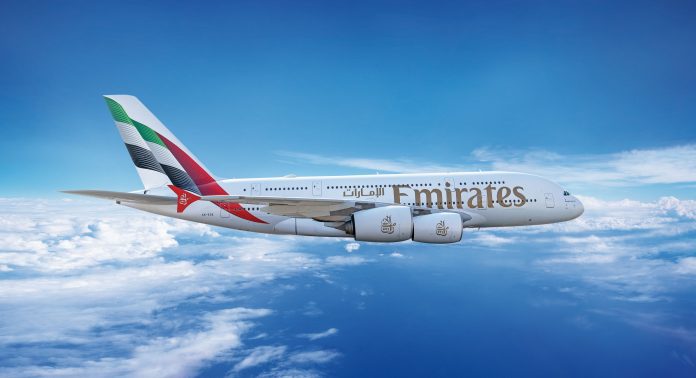
DUBAI, UAE, 6 May 2026: Emirates is marking a near-full return to operations, with 96% of its global network now restored, following a period of disruption.
In recent weeks, the airline has progressively resumed services across the Americas, Europe, Africa, West Asia, the Middle East/GCC, the Far East, and Australasia.
As of Monday, 4 May, the airline operates to 137 destinations across 72 countries, with over 1,300 weekly frequencies, representing 75% of pre-disruption capacity. The airline is offering more flights, more seats and more options each day while reaffirming Dubai’s position as a vital hub through which global travel moves.
Even as it operated with a reduced schedule, Emirates carried 4.7 million passengers* during the disruption, a testament to the enduring demand for travel and the trust that travellers continued to place in the airline to get them where they needed to go.
Wherever Emirates customers choose to fly, they can expect a best-in-class onboard and on-ground experience, defined by exceptional comfort, genuine hospitality, and a level of service that has set the standard for long-haul travel.
Onboard, customers enjoy a unique culinary experience, with regionally inspired, multi-course menus developed by a team of award-winning chefs and complemented by a wide selection of premium beverages. Emirates’ award-winning ice inflight entertainment system offers more than 6,500 channels of the best global content in almost 40 languages, including movies, TV shows, music, podcasts, games, audiobooks and more, ensuring there is no such thing as a long flight.
And for those who need to stay connected, high-speed Wi-Fi keeps customers reachable at 40,000 feet. Emirates now has Starlink connectivity live on 28 aircraft, delivering ultra-fast, reliable internet in the air.
Enjoy flexible travel and rewards
Emirates is giving customers more reasons to travel with confidence with flexible rebooking, Dubai Connect stopover experiences and enhanced Skywards benefits:
Flexible bookings: Customers booked from 2 April enjoy added flexibility, with one free date change included across all cabin classes. Customers who have booked with Emirates can also hold a fare for 24 hours free of charge.
Dubai Connect: For customers with extended transit times in Dubai from six to 26 hours, Emirates’ Dubai Connect programme turns a long layover into a comfortable stopover, courtesy of the airline. Eligible customers will enjoy complimentary hotel accommodation at a four or five-star property, airport transfers, meals, and, where required, a UAE entry visa. Available to passengers in all cabin classes with qualifying connection times, Dubai Connect can be booked up to 12 hours in advance via Manage Your Booking on emirates.com. Terms and conditions apply.
Skywards: From 1 May to 31 August 2026, Emirates Skywards members can enjoy accelerated access to the programme’s premium tiers through reduced tier requirements and Bonus Tier Miles on Emirates and flydubai flights.
*Between 1 March and 30 April
For more information about the airline or to book a flight, visit www.emirates.com.
SINGAPORE, 6 May 2026: The Americas was the only world region to show a decrease in hotel pipeline activity at the close of Q1 2026, according to CoStar’s March 2026 pipeline data.
The UK led Europe in total rooms in construction (26,458), closely followed by Germany (23,748).
Asia Pacific
In construction: 492,970 rooms (-7.7%)
Final Planning: 74,487 rooms (+70.2%)
Planning: 415,172 rooms (+6.5%)
Total under contract: 982,629 (+1.6%)
Among countries in the region, China (278,283) led in construction activity, followed by Vietnam (43,858) and India (43,290).
Middle East & Africa
In construction: 107,653 rooms (+4.5%)
Final Planning: 29,290 rooms (+3.8%)
Planning: 94,998 rooms (-2.9%)
Total under contract: 231,941 (+1.3%)
Most of the region’s pipeline activity is focused on the Middle East. Saudi Arabia (51,513) and the United Arab Emirates (16,072) have the most rooms under construction.
Americas
In construction: 193,145 rooms (-2.1%)
Final Planning: 282,246 rooms (-7.9%)
Planning: 402,723 rooms (-5.0%)
Total under contract: 878,114 (-5.3%)
The US (333,467) has the most rooms under construction in the region. After the US, Mexico (15,267), Canada (9,589) and the Dominican Republic (6,190) show the highest number of rooms in construction.
CoStar is a leading provider of online real estate marketplaces, information and analytics in the property markets.
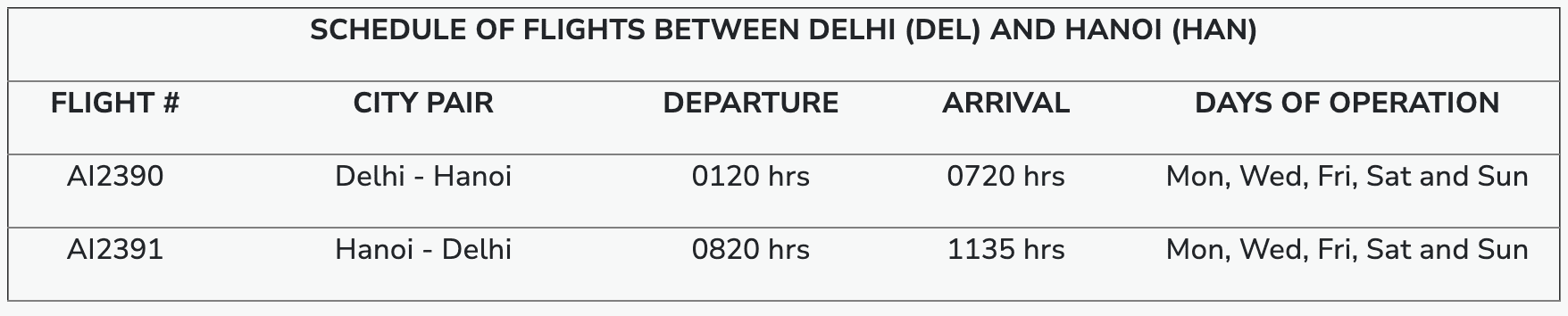
DELHI, 6 May 2026: Air India has launched five weekly direct flights to Hanoi from its hub in Delhi, touching down at the Vietnamese capital city for the first time on 1 May.
Hanoi is Air India’s second gateway destination in Vietnam after Ho Chi Minh City and the airline’s eighth destination in Southeast Asia.
Photo credit: Air IndiaFlight AI2390 was welcomed by dignitaries from the Indian Embassy in Vietnam, airport officials, and Air India staff.
Air India deploys a 165-seat A320neo aircraft on the Delhi-Hanoi route, featuring a three-class cabin configuration comprising business class, premium economy and economy. Flight time is four hours and 10 minutes. Flights depart Delhi on Monday, Wednesday, Friday, Saturday and Sunday.
The new service also connects with flights departing Delhi to cities in the UK and Europe.
Air India, Chief Commercial Officer, Nipun Aggarwal commented: “Vietnam has rapidly evolved into a high-potential market for Indian travellers, supported by strong leisure demand, growing business exchanges and rising interest in multi-city holidays. With Hanoi joining our network alongside Ho Chi Minh City, we are creating more choice, greater convenience and stronger connectivity between the two countries as well as enabling traffic between Europe and Vietnam.”
Bookings are available through travel agents worldwide and on Air India’s website and mobile app.
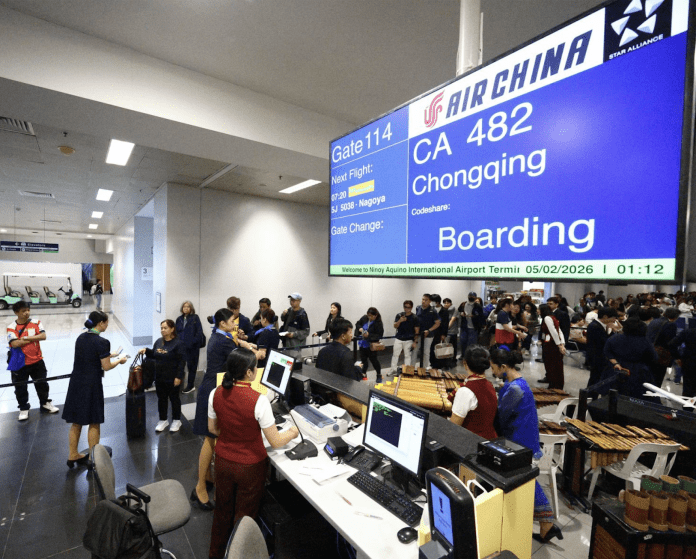
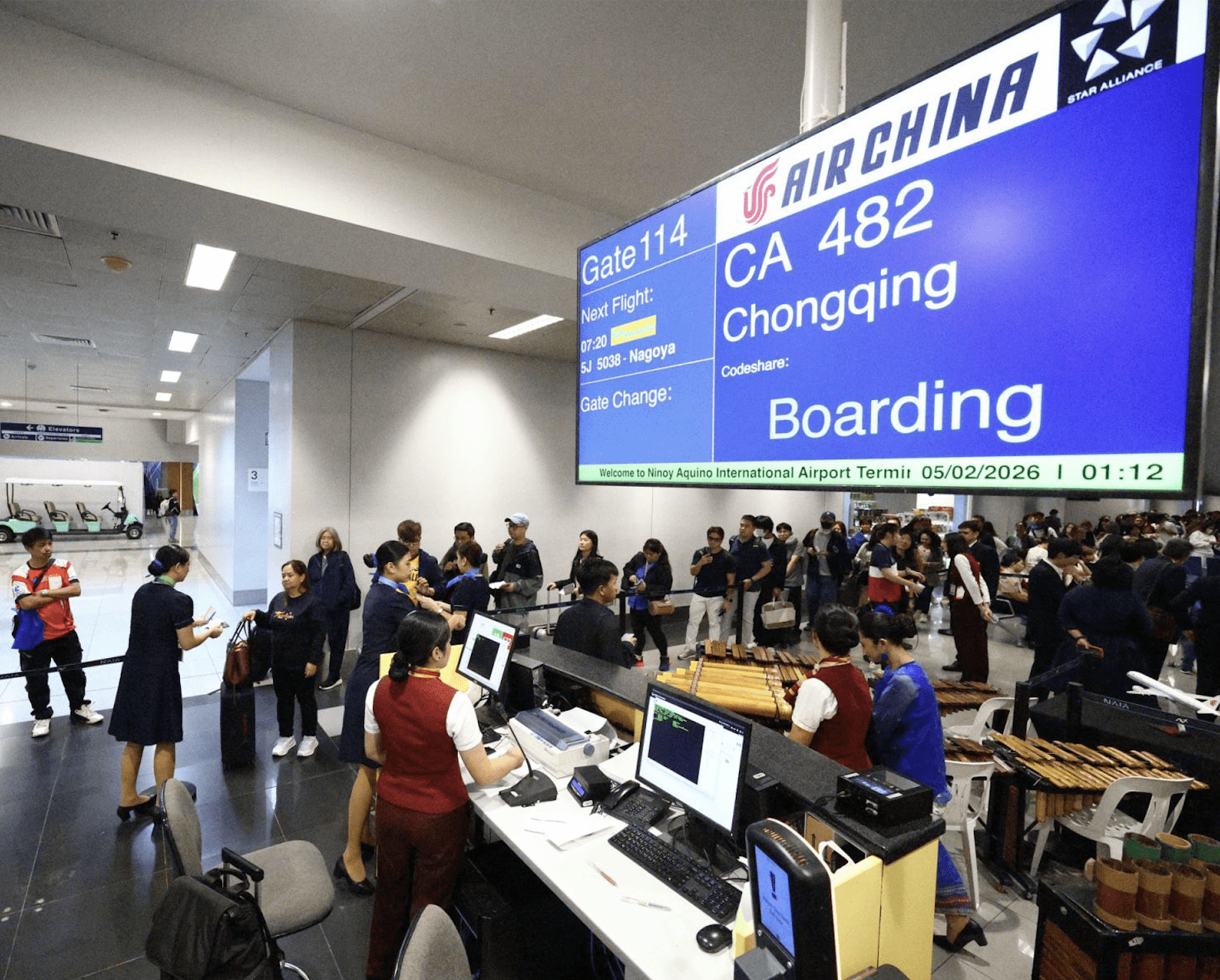
MANILA, 6 May 2026: The Department of Tourism Philippines (DOT) welcomes Air China’s inaugural service from Chongqing to Manila (CKG-MNL) on Saturday, 2 May, marking a crucial step towards recovering the Philippines’ previously robust Chinese tourist arrivals.
This follows the recently restored visa-free policy for Chinese tourists entering the country via Manila and Cebu, DOT reported on its Facebook page. The new Air-China route makes travel more convenient for prospective tourists from one of China’s major metropolitan areas and outbound travel markets.
Photo credit: Department of Tourism Philippines.
The aircraft from Chongqing landed in Manila at 0050, carrying 155 passengers, and was greeted by DOT through its National Capital Region (NCR) Office and Routes Development Unit.
Flights depart Chongqing four times weekly on Monday, Wednesday, Friday and Saturday using Boeing 737-800 aircraft with 167 seats. Flight time is four hours.
Meanwhile, the outbound MNL-CKG flight departed from the Philippines at 0150 local time, carrying 145 passengers.
The return flights depart Manila on Tuesday, Thursday, Saturday and Sunday.
Air China already flies direct routes between Chengdu and Beijing and Manila. As of the first quarter of 2026, the airline had operated 131 direct flights to the Philippines, with approximately 34,000 seat capacity.
China is one of the Philippines’ top tourist markets, with 150,708 visitors recorded in the e-travel system as of 30 April 2026.
Flight schedule
CA481 departs Chongqing (CKG) at 2050 and arrives in Manila (MNL) at 0050. CA482 departs Manila (MNL) at 0150 and arrives in Chongqing (CKG) at 0540.
(Source: Department of Tourism Philippines, plus online timetables)
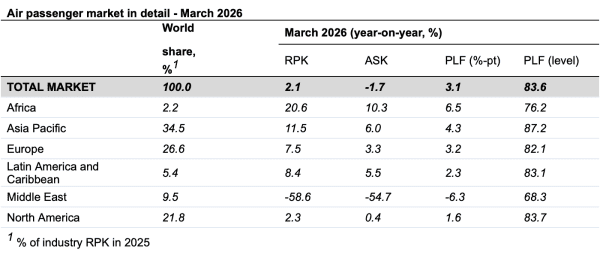
SINGAPORE, 6 May 2026: Travel demand, measured in revenue passenger kilometres (RPK), gained 2.1% in March 2026 compared with March 2025, according to the International Air Transport Association’s latest data.
IATA reported that capacity, measured in available seat kilometres (ASK), decreased 1.7% year-on-year. The load factor was 83.6% (+3.1 ppt compared to March 2025).
International demand fell 0.6% compared to March 2025. Capacity was down -6.2% year-on-year, and the load factor was 84.1% (+4.7 ppt compared to March 2025).
The overall decline in international traffic was driven by a -60.8% drop in the Middle East.
Meanwhile, domestic demand increased 6.5% compared to March 2025. Capacity increased 5.6% year-on-year. The load factor was 83.0% (+0.7 ppt compared to March 2025).
“Demand for air travel continued to grow in March despite disruptions in the Middle East. The nearly 61% decline in international traffic by carriers in the Middle East did, however, restrain global growth to 2.1%. Outside of the Middle East, demand grew by 8%,” said IATA’s Director General Willie Walsh.
“Everybody’s watching what’s happening with jet fuel—both supply and pricing. On the supply side, over the next few months, we could see shortages in parts of the world that rely heavily on Gulf supplies, especially in Asia and Europe. And the extraordinarily high cost of jet fuel is increasingly being reflected in ticket prices. While this has not impacted March traffic or forward bookings to date, it remains to be seen at what point high prices could start to shift passenger behaviour. So far, the summer is shaping up to be a normally busy time for travel. That’s positive news, but airline resilience is being tested and stabilising the supply and price of fuel is crucial. In the meantime, it’s important for regulators to be prepared to grant airlines some flexibility on slots, considering the extraordinary circumstances of airspace capacity restrictions and potential fuel rationing,” said Walsh.
Regional Breakdown – International Passenger Markets
International RPK fell -0.6%, the first decline since March 2021. This fall was due to a major decrease in traffic in the Middle East. In contrast, other international markets grew by 9%, and the passenger load factor rose in all regions except the Middle East.
Asia-Pacific airlines achieved an 11.5% year-on-year increase in demand. Capacity increased 1.5% year-on-year, and the load factor was 91.2% (+8.1 ppt compared to March 2025). Traffic in the region was boosted by the tail end of the Lunar New Year travel period, as well as by international routes (except those to the Middle East), which saw double-digit expansion.
European carriers saw a 7.7% year-on-year increase in demand. Capacity increased 3.2% year-on-year, and the load factor was 81.4% (+3.4 ppt compared to March 2025). Traffic between Europe and Asia surged 29.3% as direct services replaced traffic transiting through the Middle East.
North American carriers saw a 3.7% year-on-year increase in demand. Capacity increased 0.9% year-on-year, and the load factor was 85.5% (+2.3 ppt compared to March 2025). Transatlantic travel grew 3.3%, and the growth rate between Asia and North America more than doubled compared to February.
Middle Eastern carriers saw a 60.8% year-on-year decrease in demand. Capacity decreased 56.9% year-on-year, and the load factor was 67.8% (-6.6 ppt compared to March 2025). These figures are a direct result of the US-Israel-Iran war, which closed much of the airspace in the region.
Latin American airlines achieved a 12.1% year-on-year increase in demand. Capacity climbed 8.4% year-on-year. The load factor was 83.8% (+2.7 ppt compared to March 2025).
African airlines saw a 19.2% year-on-year increase in demand. Capacity was up 4.2% year-on-year. The load factor was 77.7% (+9.8 ppt compared to March 2025).
SYDNEY, 6 May 2026: The tremendous work of travel advisors supporting clients every day, from holidays to business trips, from creating memories to working miracles to navigate disruptions, is front and centre this Global Travel Advisors Day, Wednesday, 6 May.
ATIA showcases the work of accredited travel agents and tour operators across mainstream and social media, and those on ATIA’s Media Roster have been quick to share case studies and their love of their roles.
ATIA is running a full social media activation today and throughout the week, with member callouts on LinkedIn, Facebook, and Instagram. ATIA-accredited members have a kit in their inbox right now to bring the campaign into their shopfront and client communications.
Members can amplify their profile on the day by downloading the ATIA-branded tile suite, printing the in-store poster, and using the client email template, all of which are in the kit distributed this week.
ATIA CEO Dean Long commented: “On Global Travel Advisors Day, we want everyone to help celebrate our members and the tremendous work and commitment they bring in supporting every client. This year, the stories are again extraordinary with clients protected, thousands saved, and disasters turned into highlights. ATIA is running the national campaign so our members can focus on what they do best: taking care of their clients.”
About ATIA (www.atia.travel) The Australian Travel Industry Association (ATIA) is the peak body representing Australia’s AUD69 billion travel industry. ATIA represents the majority of Australian travel agents, corporate agents, tour operators, wholesalers and ITOs.
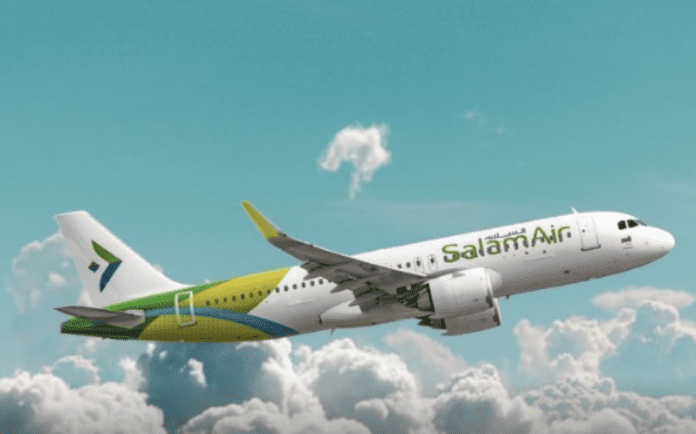
MUSCAT, 6 May 2026: SalamAir, Oman’s low-cost carrier, has opened sales for its newest route to Kigali in Rwanda, from its Muscat home base, a move that will expand the airline’s presence across the African market.
Flights will commence on 21 July 2026, subject to regulatory approvals, with the airline operating two weekly flights between Muscat and Kigali on Tuesday and Thursday.
Photo credit: SalamAir.
One-way Lite fares on the route start from OMR69.99, reinforcing SalamAir’s commitment to low fares and accessible travel.
The addition of Kigali marks another milestone in SalamAir’s strategic expansion, building on its continued growth across Africa and aligning with its vision of connecting underserved and high-potential markets. The route is expected to support increasing commercial exchange between Oman and East Africa, facilitating business travel, trade opportunities, and stronger economic links between the two markets.
Commenting on the announcement, SalamAir Chief Commercial Officer Steven Allen said: “Kigali is a natural addition to our growing African network, offering strong fundamentals across business and leisure travel. Rwanda has seen consistent growth in tourism and business travel in recent years. Kigali itself is a vibrant, modern gateway — known for its culture, markets, and historical landmarks — and it opens the door to some of Africa’s most compelling natural and eco‑tourism attractions. As part of our wider network strategy, we remain focused on linking Oman with high‑growth markets through affordable, reliable, and direct connectivity.”
Flight schedule
OV371 departs Muscat (MCT) at 0900 and arrives in Kigali (KGL) at 1235. (Tuesday and Thursday). OV371 departs Kigali (KGL) at 1420 and arrives in Muscat (MCT) at 2215. ( Tuesday and Thursday).
The airline deploys an A321neo with 217 seats on the route. Flight time is five hours and 55 minutes.
Oman and Rwanda share longstanding diplomatic ties spanning nearly three decades, underpinned by a steadily evolving trade relationship. Kigali, known for its remarkable cleanliness, safety, and progressive urban planning, has positioned itself as one of Africa’s most forward-looking capitals, serving as a hub for high-level conferences, innovation, and investment, supported by its world-class venues such as the Kigali Convention Centre.