

Monday, September 14, 2026
Home Blog Page 54

Lisa campaign gains momentum

BANGKOKI, 16 June 2026: The Tourism Authority of Thailand’s Amazing Thailand: Feel All The Feelings’ campaign — anchored by BLACKPINK’s Lisa Lalisa Manoban as Thailand’s global tourism ambassador — is doing more than generating buzz. It’s moving travellers. 

Traveloka’s latest platform data shows a direct correlation between the campaign featured destinations and growing search and booking interest, validating TAT’s strategy and reflecting a broader shift in how pop culture is reshaping travel decisions.

Udon Thani emerges as one of the campaign’s most notable breakout destinations: Home to the Red Lotus Sea.

TAT estimates the initiative could attract at least 5 to 10 million additional international visitors and generate between THB250 and 500 billion in tourism revenue — contributing to Thailand’s overall tourism revenue target of THB3 trillion in 2026.Traveloka’s data suggests that momentum is already building on the ground.

Thailand’s overall travel demand is strengthening

Traveloka platform data for 2026 shows domestic travel in Thailand growing 25%, while inbound travel demand has risen 10% — signalling sustained and broad-based interest in Thailand as a destination. The campaign is landing at a moment when traveller intent is already high, amplifying existing momentum rather than building from scratch.

Inbound demand is being driven primarily by regional Asian markets. Top booking nationalities on Traveloka include Indonesia, Vietnam, Malaysia, Singapore, and Japan, followed by the Philippines, China, Australia, Korea, and Taiwan. This diverse inbound mix reflects Thailand’s wide regional appeal and the global reach of the Lisa-led campaign.

Udon Thani, Chiang Mai, Bangkok, and Rayong emerge as global bucket list destinations. Traveloka data indicates that accommodation booking demand from SEA travellers to Thailand has grown by more than 30% compared to last year, and thecampaign’ss featured destinations are capturing a meaningful share of that momentum. 

Search and booking interest across TAT’s spotlighted locations points to a direct link between the campaign’s storytelling and real traveller intent.

Udon Thani is emerging as one of the campaign’s most notable breakout destinations. Home to the Red Lotus Sea — a lake blanketed with blooming pink lotus flowers during the cooler months — the destination is attracting growing international interest, particularly for boat photography experiences.

In Northern Thailand, Chiang Mai is also gaining traction among international travellers seeking immersive, slower-paced, and nature-rich experiences. Traveloka data shows increasing search interest in cultural landmarks such as Wat Chedi Luang, reflecting a broader shift toward experiential travel.

Meanwhile, Bangkok continues to anchor Thailand’s global appeal, with iconic landmarks like Wat Arun remaining among the most consistently searched cultural attractions on Traveloka.

Beyond major hubs, Thailand’s coastal charm is drawing attention to quieter destinations such as Koh Thalu in Rayong, appealing to travellers seeking serene beach escapes.

Traveloka Country Manager Thipaporn Daungmak said: “The data tells a clear story — when compelling storytelling meets the right platform, inspiration becomes action. We’re seeing travellers move beyond Thailand’s traditional hotspots and actively seek out destinations they’ve discovered through the campaign. Traveloka’s role is to make that journey from discovery to booking as seamless as possible.”

About Traveloka 
Traveloka is Southeast Asia’s leading all-in-one travel platform connecting millions globally with trusted, world-class experiences. Founded in 2012, Traveloka has operations in Australia, Indonesia, Japan, Malaysia, the Philippines, Singapore, Thailand, and Vietnam. With over 140 million app downloads and more than 40 million monthly active users, Traveloka stands as one of the most popular travel apps in the region. 
Fuson and HMJ raise hospitality benchmark

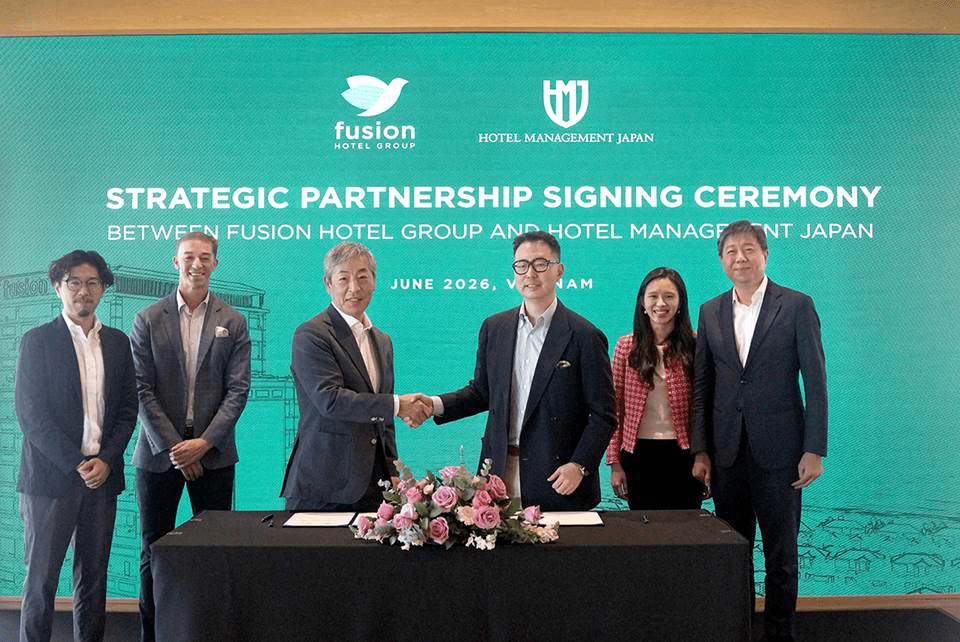
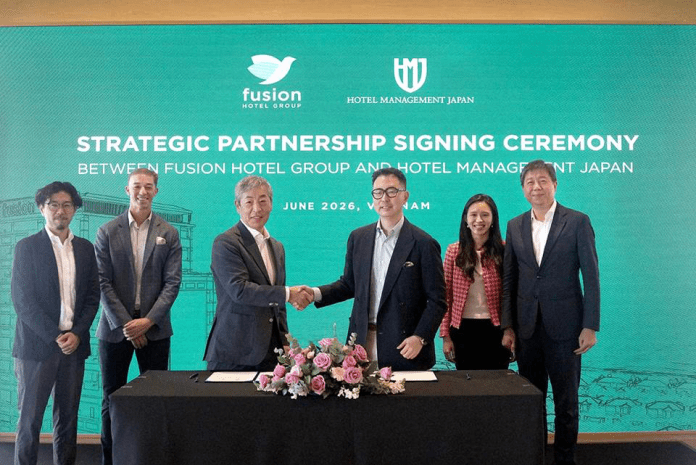
HO CHI MINH CITY, Vietnam, 16 June 2026: Fusion Hotel Group and Hotel Management Japan have entered into a partnership to shape the next chapter of hospitality excellence in Asia. 

By bringing together Fusion’s wellness‑driven approach and strong presence in Vietnam and Southeast Asia with HMJ’s proven operational expertise in Japan, the collaboration lays the groundwork for greater scale, stronger brand impact, and accelerated regional growth.

(From left to right: Shinya Shimabukuro, David Roberts, Junichi Araki, Christopher Hur, Tanya Chiaranussati, Suchad Chiaranussati.

The partnership will focus on three core areas: Sales and Marketing, Brand and Design, and Human Resources. By aligning resources and expertise, both groups aim to expand market reach, elevate guest experience, and strengthen operational consistency across their combined portfolio. 

Key initiatives include sharing customer insights, harmonising sales and marketing systems, integrating Fusion’s signature wellness‑driven brand elements into selected HMJ properties, and developing cross‑border training programs for employees in Vietnam, Thailand, and Japan.

HMJ Chief Operating Officer of Hotel Management Japan, Junichi Araki, commented: “We are delighted to partner with Fusion Hotel Group. As a leading operator in Japan, HMJ sees tremendous potential in combining our operational strengths with Fusion’s growing influence in Vietnam and Southeast Asia. This collaboration enhances our collective scale and positions both organisations to pursue new opportunities across the region.”

Fusion Hotel Group Chief Executive Officer Christopher Hur added: “Japan is one of the most important markets in our regional vision, and HMJ has long been a benchmark for operational excellence in the country. By pairing HMJ’s scale and expertise with Fusion’s strong presence in Vietnam and Southeast Asia, we are creating a more robust regional platform with greater reach and capability. This partnership marks an important step in our long‑term strategy to expand our footprint and elevate hospitality standards across Asia.”

(Source: Fuson Hotel Group)

Bangkok Airways: Four ways to restore

BANGKOK, 16 June 2026: Bangkok Airways has activated its “Low Carbon Skies” campaign to reduce environmental impact while creating shared value for communities, society, and stakeholders through its Environmental, Social, and Governance (ESG) framework.

From Samui Island to Trat, and from in-house organic gardens to low-carbon skies, Bangkok Airways brings this concept to life through its “Four Ways to Restore. One Change for Nature” initiative, which combines five key projects that demonstrate a tangible sustainability ecosystem. 

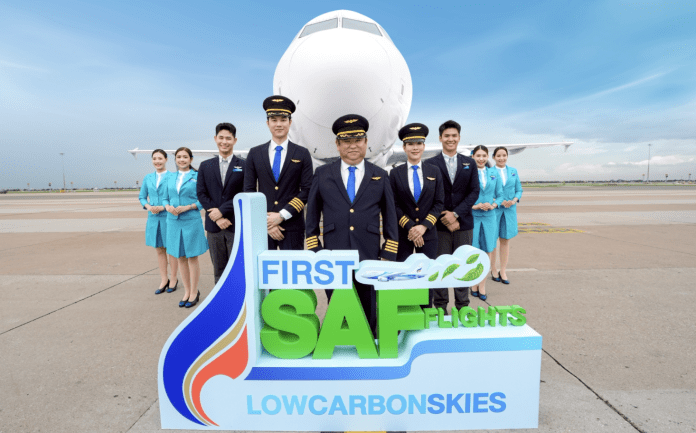
Photo credit: Bangkok Airways.

These initiatives integrate aviation, airports, communities, society, and the environment to drive balanced and long-term growth.

“Four Ways to Restore” – Restoring ecosystems and creating shared value with communities

Nature plays a vital role in absorbing and storing carbon dioxide. Ecosystem restoration and conservation are therefore essential in addressing climate change, while also enhancing quality of life and strengthening local communities.

Planting Coconut Trees: Revitalising Samui Island

Coconut trees are a symbol of Samui Island and an integral part of local livelihoods. To preserve both environmental and cultural sustainability, Bangkok Airways has continued the “Love Earth, Save Earth: Love Samui, Save the Coconut Tree” project for the eighth consecutive year.

The airline monitors the growth of planted coconut trees, which are expected to sequester more than 8,216 kg CO₂e when fully grown. Beyond environmental benefits, the project also supports the local economy and helps preserve the island’s identity as a world-class destination.

Planting Seagrass: Restoring marine balance

Marine ecosystems play a crucial role in carbon sequestration, particularly seagrass, which is recognised as a highly efficient Blue Carbon ecosystem.

Through its employee volunteer group, “Blue Volunteers,” Bangkok Airways has partnered with the Marine and Coastal Resources Research Centre of the Gulf of Thailand to plant over 13,000 seagrass seedlings across more than 10 rai of coastal area.

This initiative helps restore coastal ecosystems, create nursery grounds for marine life, enhance biodiversity, and increase the natural capacity for carbon absorption, reflecting the airline’s commitment to “passing on care to the sea” for sustainable community value.

Planting Mangrove Forests: Restoring coastal abundance

Mangrove forests are vital ecosystems that provide coastal protection, serve as breeding grounds for marine species, and act as significant carbon sinks.

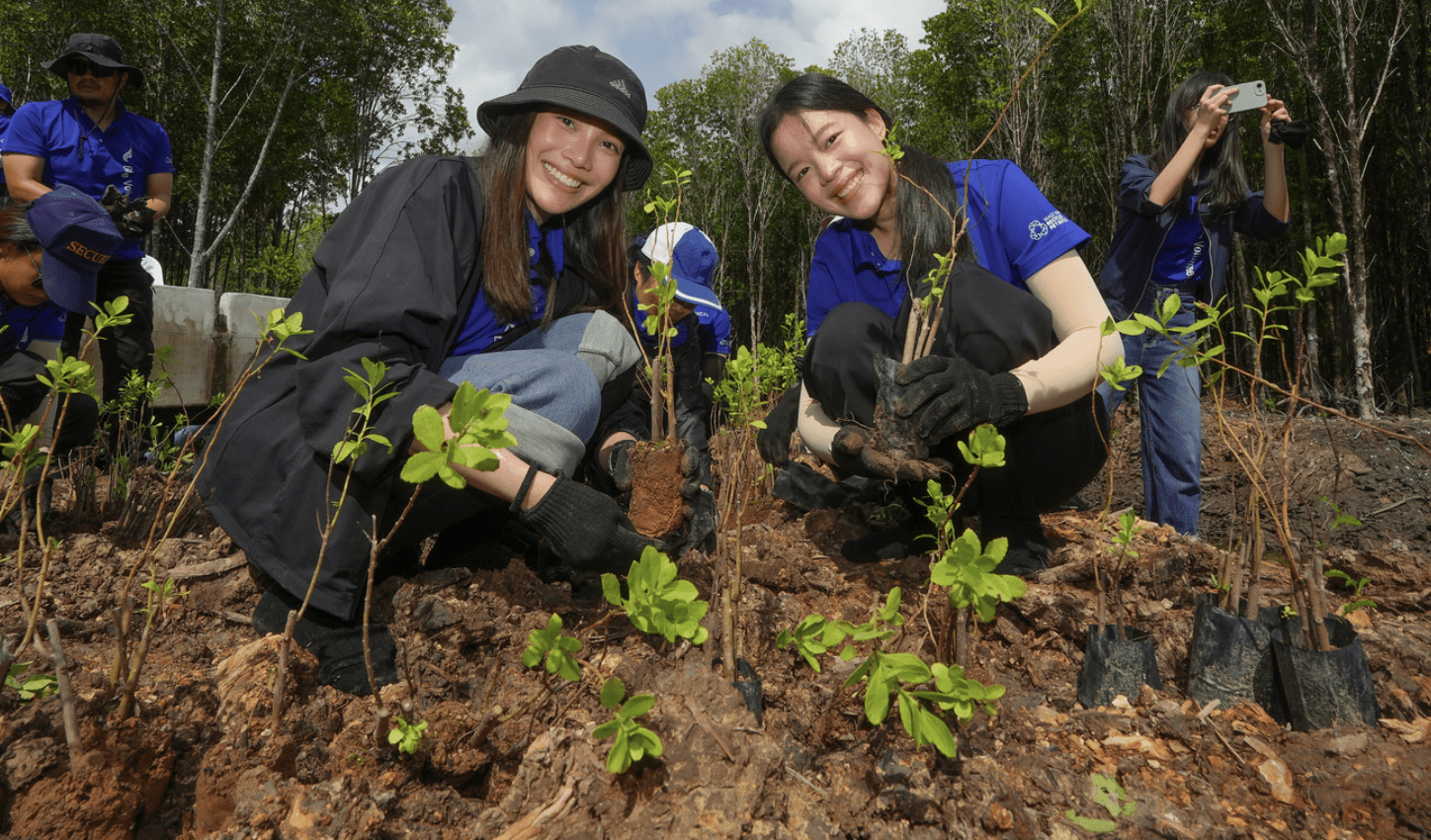
Bangkok Airways has continued its mangrove reforestation project in Trat Province for the sixth consecutive year by planting mangrove trees, reinforcing coastal seedlings, dispersing local seeds, and releasing marine animals back into the wild.

These efforts contribute to ecosystem restoration, biodiversity enhancement, and long-term balance of natural resources, while fostering community and employee participation in environmental conservation.

Photo credit: Bangkok Airways.

Planting Organic Gardens: Turning food waste into value

Sustainability begins within the organisation. Bangkok Airways has launched the “GROW Together Farm” initiative, transforming food waste from its headquarters and passenger lounges into organic fertiliser through waste management systems.

Employees actively cultivate a variety of vegetables, including basil, holy basil, kale, coriander, Chinese cabbage, and morning glory. This reflects the principles of the circular economy, maximising resource utilisation, reducing landfill waste, and fostering a culture of sustainability through employee engagement at all levels.

Transitioning to Sustainable Aviation Fuel (SAF)

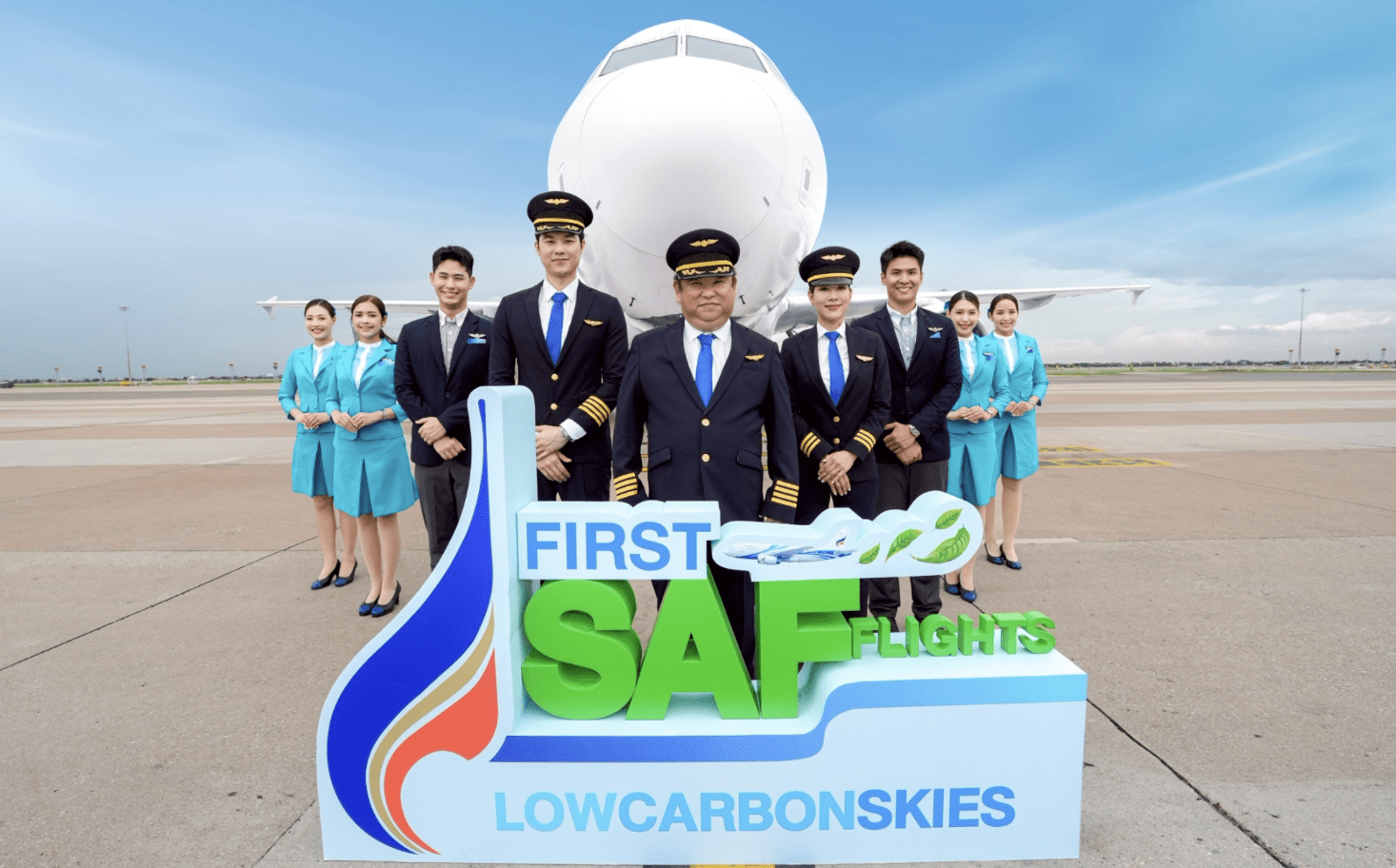
In addition to ecosystem restoration, reducing greenhouse gas emissions from flight operations is a key mission. Bangkok Airways has therefore advanced its transition to Sustainable Aviation Fuel (SAF) for commercial flights, a process that officially began in July 2025.

SAF is produced from renewable feedstocks and recycled waste such as used cooking oil and agricultural residues. Currently, the airline uses a 1% SAF blend with 99% Jet A-1 fuel.

This initiative helps reduce carbon dioxide emissions by approximately 128 kilograms per flight, marking a significant step toward a low-carbon aviation industry and aligning with the global aviation sector’s goal of achieving carbon neutrality.

(Source: Bangkok Airways)

How UNESCO Geopark status shapes Langkawi

LANGKAWI, 15 June 2026: When Langkawi was recognised as Southeast Asia’s first UNESCO Global Geopark in 2007, it marked a defining moment for the island. 

Beyond international recognition, it represented a long-term commitment towards protecting natural heritage, empowering communities, and building a more sustainable future through tourism.

Today, Langkawi’s UNESCO Global Geopark status continues to shape the island through five interconnected pillars: Geoconservation, Geoeducation, Geotourism, Sustainable Development, and Community Participation. 

Together, these pillars not only guide conservation and tourism efforts on the island, but also continue to influence how Langkawi positions itself to the world.

As Langkawi celebrates another milestone in its UNESCO Global Geopark journey, the anniversary serves as a reminder that the recognition has never simply been about status but about building a destination where nature, people, culture and tourism can thrive together.

Geoconservation: Protecting Langkawi’s Natural Heritage 

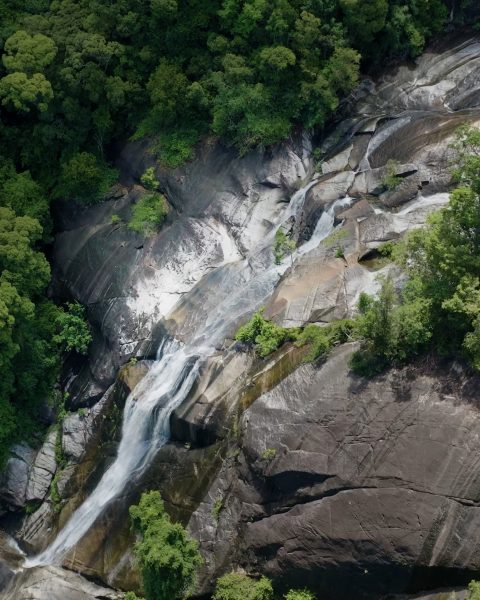
Langkawi’s geological landscapes tell stories that stretch back over 500 million years. Ancient rock formations, limestone karsts, caves, mangrove ecosystems, and unique biodiversity are among the reasons the island earned UNESCO recognition in the first place.

Since becoming a UNESCO Global Geopark, conservation efforts across Langkawi have continued to evolve with a stronger emphasis on protecting these natural assets for future generations. Key areas such as Kilim Karst Geoforest, Machinchang Cambrian Geoforest, and Dayang Bunting Marble Geoforest remain important conservation zones where environmental protection and tourism coexist in a careful balance.

Mangrove conservation within Kilim Karst Geoforest, for example, plays an important role in protecting wildlife habitats, marine ecosystems, and natural coastal resilience.

Meanwhile, Machinchang Cambrian Geoforest preserves some of the oldest geological formations in Southeast Asia, making it not only environmentally significant but globally valuable from a geological perspective.

Today, geoconservation remains one of the strongest foundations of Langkawi’s tourism identity — reinforcing the idea that preserving nature is essential to preserving the island itself.

Geoeducation: Turning Langkawi Into A Living Classroom

Education has become another key pillar of the Langkawi UNESCO Global Geopark story. Over the years, Langkawi has evolved into a living classroom for students, researchers, local communities, tourism operators, and visitors from around the world. Geological heritage is no longer viewed purely through a scientific lens, but as something people can experience through storytelling, guided tours, interactive learning, and nature-based exploration. Initiatives such as the Geopark Discovery Centre and “Geopark to School” programmes have helped raise awareness of geology, biodiversity, conservation, and environmental responsibility. 

Guided mangrove tours within the Kilim Karst Geoforest often incorporate educational storytelling about the ecosystem, wildlife, and the landscape’s geological history.

This emphasis on geoeducation has encouraged a more meaningful tourism experience, leaving visitors with a deeper appreciation for the island’s ecological and cultural significance.

Geotourism: Experiencing Langkawi Through Nature And Heritage

As a UNESCO Global Geopark, Langkawi’s tourism approach goes beyond sightseeing alone. Geotourism focuses on experiences that connect visitors more meaningfully with the island’s landscapes, heritage, culture, and local communities.

Today, many of Langkawi’s tourism experiences are closely tied to its geopark identity — from mangrove kayaking and cave explorations to geological site visits, eco-cruises, island-hopping experiences, and guided nature trails.

Rather than positioning nature simply as a backdrop, geotourism encourages visitors to understand better the stories, ecosystems, and heritage behind the places they explore.

This approach has also helped strengthen Langkawi’s destination positioning internationally, particularly among travellers seeking more sustainable, educational, and nature-connected travel experiences.

Sustainable Development: Building A Tourism Future That Lasts

The UNESCO Global Geopark recognition has helped encourage tourism models that support local livelihoods, preserve environmental integrity, and create long-term economic opportunities without compromising the island’s natural and cultural assets.

One example can be seen in Pulau Tuba, where community-based tourism initiatives have helped spotlight local culture, traditional lifestyles, and low-impact tourism experiences.

Homestays, fishing village experiences, local craft-making, and community-led tourism activities demonstrate how tourism can directly benefit local communities while preserving the island’s identity and environment.

At the same time, eco-tourism initiatives across Langkawi continue to promote more responsible ways to experience the island through lower-impact, conservation-conscious activities.

As global tourism continues to evolve, Langkawi’s geopark philosophy positions sustainability not as a trend but as a long-term commitment.

Community Participation: The People Behind The Geopark

At the heart of Langkawi UNESCO Global Geopark is its people. Community participation remains one of the most important elements behind the geopark’s continued success.

From local guides and fishermen to tourism operators, schools, small businesses, and village communities, many stakeholders play an active role in preserving and sharing Langkawi’s natural and cultural heritage.

Communities such as those in Pulau Tuba have increasingly become part of the geopark experience itself — helping visitors connect not only with landscapes, but also with the traditions, livelihoods, and stories that shape life on the island.

Looking Ahead

As Langkawi celebrates its UNESCO Global Geopark anniversary, the recognition continues to serve as both an achievement and an ongoing responsibility.

The anniversary also arrives ahead of the upcoming symposium in September, where Langkawi is expected to welcome delegates, researchers, policymakers, and geopark representatives from around the world. The event will further reinforce Langkawi’s position as a globally recognised geopark destination and an important voice in conversations surrounding conservation, education, sustainability, and responsible tourism.

More importantly, it reflects how the geopark journey continues to evolve — not only through policy and tourism development, but through the shared efforts of communities, conservationists, educators and industry players working together to protect what makes Langkawi unique.

Ultimately, Langkawi’s UNESCO Global Geopark status represents a continuing commitment to ensuring that nature, heritage, tourism and community can grow hand in hand for generations to come.

For more information, visit: Naturally Langkawi

(Source: Your Stories: Langkawi)

AI Masterclass unfolds in Sarawak

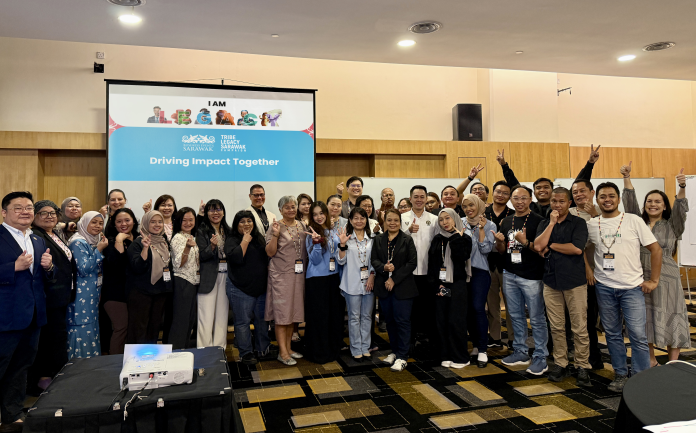
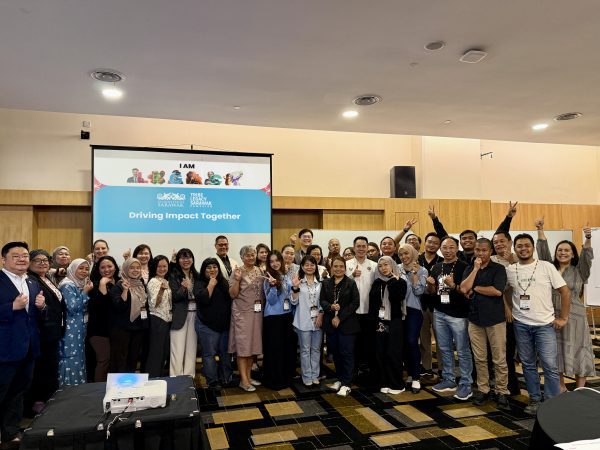
KUCHING, 15 June 2026: As AI continues to reshape newsrooms around the world, 35 media practitioners from across Sarawak are building the skills needed to harness the technology through the “AI Masterclass: Strategic Usage, Productivity & Efficiency”, a training initiative by Business Events Sarawak’s (BESarawak) in collaboration with the Kuching Division Journalists Association (KDJA) and Commonwealth Journalists Association (CJA) Sarawak Branch.

The masterclass equips practitioners with the knowledge and tools to use AI responsibly and effectively, strengthening the quality, accuracy, and impact of business events journalism.

Through this collaboration, BESarawak, KDJA, and CJA are promoting continuous professional development to support a future-ready media industry and enhance journalists’ ability to report on issues that matter to Sarawak’s development, including the impact of business events.

“The masterclass reflects our commitment to our core value of driving impact together. Continuous learning and knowledge-sharing are essential in building a stronger media ecosystem that supports the growth of the business events industry,” said BESarawak’s Acting Chief Executive Officer, Jason Tan Chin Foo.

“Equipping media practitioners with emerging technologies is important to ensure stories about business events continue to create meaningful outcomes for communities. It also helps stakeholders better understand the role business events play in advancing Sarawak’s economic growth, knowledge development and long-term aspirations.”

KDJA President Ronnie Teo said journalists should embrace AI as a tool that supports, rather than replaces, professional judgement.

“We need the media community to move beyond ‘churnalism’ and leverage AI to support deeper research, stronger storytelling and more meaningful journalism. AI literacy will help journalists uncover important issues, tell compelling stories, and serve the public interest more effectively,” said Teo.

“We are pleased to collaborate with BESarawak and CJA in providing opportunities for Sarawak’s media practitioners to upskill and stay relevant in a rapidly evolving industry.”

Meanwhile, CJA Sarawak Branch President Nancy Nais said the masterclass was designed to help journalists use AI strategically in their daily work.

“Beyond the technology itself, this masterclass is about investing in the future of our media community. As the industry evolves, journalists need the confidence and skills to use AI effectively while upholding the principles of accuracy, credibility and public trust,” she said.

“By building AI literacy, we are helping media practitioners remain relevant, competitive and better equipped to deliver quality journalism that serves communities across Sarawak.”

With the media playing a vital role in Sarawak’s business events ecosystem, this masterclass forms part of BESarawak’s ongoing efforts to strengthen collaboration and enhance journalistic capacity among industry stakeholders. It also supports Sarawak’s aspiration to become a knowledge-driven destination that embraces innovation and delivers long-term impact through business events.

For more information, visit: Business Events Sarawak

(Source: Your Stories — BESarawak)

Save a life not a bag

SINGAPORE 15 June 2026: The International Air Transport Association (IATA) today announced the launch of “Save a Life, Not a Bag”, a passenger safety campaign urging travellers not to take cabin baggage during an aircraft evacuation.

Supported by aviation safety regulators, including the European Union Aviation Safety Agency (EASA)  and the Federal Aviation Administration (FAA), the campaign reinforces what passengers must do when instructed to evacuate for their safety and the safety of all on board: follow crew instructions, leave all baggage behind, and move quickly to the nearest usable exit.

Photo credit: IATA .https://youtu.be/RmVbaK04gRc.

“Taking bags during an evacuation is not a minor issue—every second matters. Even taking one bag can affect the safe evacuation of everyone onboard. Crew instructions are clear and simple: leave everything behind and move quickly. “Save a Life, Not a Bag” is a message that passengers need to understand and act upon,” said Willie Walsh, IATA’s Director General.

The campaign responds to the growing number of cases in which travellers have stopped to collect their baggage or take photos during aircraft evacuations. Evidence of this is seen in many videos posted online. 

“Rapid evacuation in an emergency saves lives. Aircraft are certified to stringent evacuation standards, and crews are extensively trained for emergencies to ensure every passenger has the best possible chance of survival in an acute situation. For this to work in a real emergency, all passengers must play their part too. And it is very simple: follow the crew’s instructions, leave all baggage behind, and move quickly to the nearest usable exit. Not only will this save your life, but you will have done your very best to allow everyone to get out of danger,” said EASA Executive Director Florian Guillermet. 

Valuable seconds can be lost when retrieving baggage from overhead bins. Carrying bags can cause people to fall or damage the slides that all passengers need to use. Most concerningly, some passengers have been seen attempting to evacuate while carrying both infants and bags or other personal items, compromising safety at a critical moment.

“We are seeing an increasing number of passengers not following flight crew instructions during emergencies. In those moments, compliance is critical. Passengers must act quickly, follow instructions without hesitation, and leave all belongings behind. Safety is a shared responsibility, and informed, attentive passengers help ensure a faster, safer evacuation for everyone on board,” said FAA Administrator Bryan Bedford.

Passenger research helps quantify the need for action

As part of the campaign development, IATA commissioned a survey of recent air travellers in four representative markets (the US, UK, UAE, and Singapore), supported by input from behavioural experts.  

The research found some critical gaps:

  • While 80% of those surveyed said they knew what to do during an emergency evacuation, only 61% correctly answered that they should leave all personal items and exit the aircraft. 
  • 33% said that they had seen reports of people taking their baggage during an evacuation. Of these, 22% indicated that they are likely to do the same. 
  • Many passengers overestimate the time needed for an evacuation. Only 18% know that aircraft evacuation procedures are designed around a 90-second safety benchmark, whereas 38% indicate it could be three minutes or more.
  • One in ten passengers admitted they might still take their baggage during an evacuation or follow others who do, even when instructed not to.
  • 60% say they would be less likely to take baggage if essential small items were already secured on their person.

“The majority of passengers know what to do in an accident. There is, however, a significant knowledge gap among some travellers that could result in disaster. Even just a passenger or two taking a few extra seconds to gather personal items can endanger lives. That’s why it’s essential to build good habits for all travellers, like paying attention to safety demonstrations each time and keeping essential items, such as a passport, money, and medication, on your person. It’s also important that passengers understand the consequences of not listening to the crew. Save a life, not a Bag is meant to be a blunt reminder of what is at stake for everyone in the rare event of an evacuation,” said  IATA’s Senior Vice President Operations, Safety, and Security. Nick Careen,

Taking baggage creates risks for everyone on board

Taking baggage during an evacuation can slow movement through the cabin, block aisles and exits, prevent passengers from using their hands, and injure others. Bags can also puncture evacuation slides, obscure exit path lighting, become caught on seats or fixtures, and create hazards for crew and rescue personnel outside the aircraft.

The risk is not limited to the person carrying the bag. A single passenger stopping to retrieve luggage can delay others, disrupt crew commands, and affect the use of exits and slides.

Prepare before take-off and landing

The campaign video was developed with input from human behavioural specialists to help ensure the message is clear, memorable, and effective with passengers. It deliberately uses surreal imagery and exaggerated scenarios to leave a lasting impression on viewers.

The campaign encourages passengers to think ahead by keeping essential items such as a passport, money, and medication secure on their person before take-off and landing. The campaign’s core messages for passengers are:

  • Pay attention to the crew
  • Leave all baggage behind
  • Do not film or photograph
  • Keep moving
  • Exit quickly

(Source: IATA)

Japanese travellers head for the FIFA World Cup

SINGAPORE, 15 June 2026: Agoda has released the latest search data on Japanese travellers’ interest in destinations associated with the FIFA World Cup taking place across North America, with viewing events, fan zones, and football festivals scheduled.

According to Agoda’s data, accommodation searches by Japanese travellers for major North American cities and football-related destinations have increased year-on-year, with Mexico City recording a 240% increase in travel interest during the event period. Other related destinations also saw strong double- to triple-digit growth.

The data is based on accommodation searches made by Japanese travellers between 20 January and 20 April 2026, for check-in dates between 10 June and 19 July 2026, covering the period of the global football event.

Most popular football destinations 

Ahead of the 2026 global football event period, the following cities recorded the strongest growth in interest among Japanese travellers:

Mexico City, Mexico – up 240% year-on-year

Philadelphia, United States – up 99% year-on-year

New York, United States – up 56% year-on-year

Hamburg, Germany – up 43% year-on-year

Madrid, Spain – up 24% year-on-year

Interest grows in Mexico City, New York and Philadelphia

Mexico City, Philadelphia and New York are drawing increasing attention as key destinations associated with the global football event in summer 2026.

Among them, Mexico City recorded the highest growth, with accommodation searches up 240% year-on-year. The city’s rich cultural appeal and wide range of accommodation options may be contributing to this increased interest.

During the event period, cities are also expected to host football festivals, public viewing events, and fan experiences, offering travellers the chance to enjoy the tournament atmosphere beyond the stadium.

European football cities also gain attention 

The ranking also includes Hamburg and Madrid, despite neither being host cities for the event. This suggests that Japanese travellers are looking beyond major North American destinations and considering trips centred on Europe’s fan culture, communities and football-related events.

Known for their passionate football cultures and energetic match-day atmospheres, both cities are attracting interest from travellers who want to experience the excitement of the event alongside local fans.

These findings suggest that Japanese travellers are increasingly seeking not only to enjoy the sporting event itself but also broader overseas experiences centred on football, culture and local connections.

Agoda International Japan, Senior Country Director, Tadashi Ikai, shared: “Japanese travellers are showing strong interest in destinations connected to the global football event taking place in summer 2026, and this trend is clearly reflected in Agoda’s latest search data. What stands out is that interest is not limited to major North American cities. Japanese travellers are also looking at European cities with strong football cultures and passionate fan communities, showing that they plan to enjoy the event in different ways. For many travellers, this global football event is becoming more than just an opportunity to watch matches. It is also a chance to experience local culture, connect with people and enjoy a memorable overseas trip. Agoda will continue to support Japanese travellers looking to enjoy this global event by offering a wide range of accommodation options and travel products.”

(Source: Agoda)

Airbus and Lufthansa celebrate 50 years

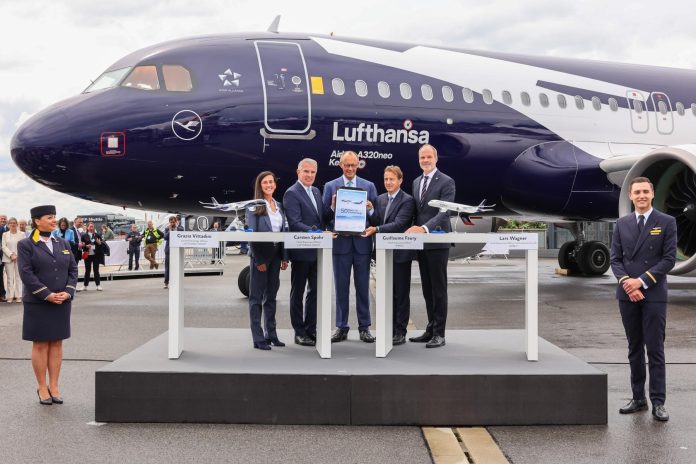
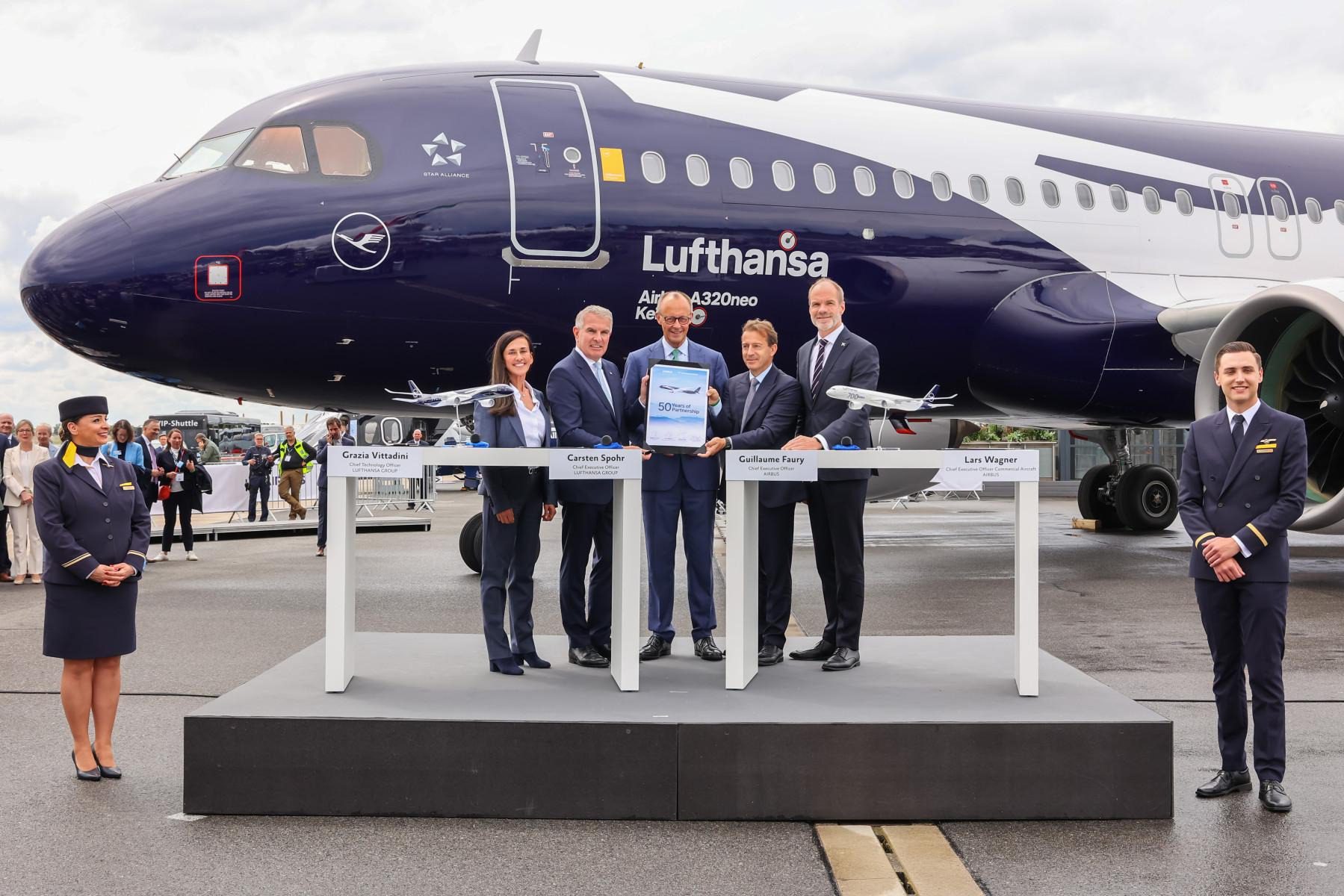
BERLIN, 15 June 2026: Airbus and Lufthansa Group, at the opening of ILA Berlin Air Show, agreed on a series of further cooperative efforts and officially celebrated the 50th anniversary of their partnership, which started with the delivery of the first A300 to Lufthansa in 1976.

“Today, we are working together towards the delivery of the 700th aircraft for the Lufthansa Group, which is scheduled for later this year. This major milestone is just one example of how Airbus and Lufthansa jointly worked on making aviation one of the key industries for Germany”, said  Airbus CEO Commercial Aircraft Lars Wagner.

Lufthansa Group CEO Carsten Spohr and Lufthansa Group CTO Grazia Vittadini signing the agreement with Airbus CEO Guillaume Faury and Commercial Aircraft CEO Lars Wagner in the presence of Chancellor Friedrich Merz at the opening of ILA Berlin Air Show.

“As the world’s leading aviation groups, Airbus and the Lufthansa Group share a long-standing, trusting, and very special partnership. Over the past half-century, we have not only taken delivery of more aircraft from Toulouse and Hamburg than any other airline in the world, but have also supported the development of numerous aircraft models as launch customers. We intend to build on this foundation together to advance aircraft technology further and expand Europe’s leading role in the aviation sector”, says Lufthansa Group CEO Carsten Spohr.

The Lufthansa Group has been operating all Airbus aircraft families, including the A220, A300, A320, A330/A340, A350 and A380. For several aircraft, Lufthansa was the launch operator, continuously driving innovation forward in commercial aviation. Lufthansa has recently finalised a firm order for 10 additional A350-900 aircraft to complement its existing fleet of 43 of the type. In total, Lufthansa has now ordered 75 A350s — including the soon-to-be-delivered A350-1000.

The agreement, signed in the presence of Federal Chancellor Friedrich Merz at ILA, covered several areas. Lufthansa signed a component services agreement covering its entire Airbus A220 fleet, ensuring efficient operation of the smallest member of the Airbus aircraft family across the Lufthansa Group’s airlines.

Airbus and Lufthansa also reaffirmed their commitment to the future of sustainable aviation. Both companies also presented a SharkSkin aircraft coating for the A330 to reduce fuel consumption further.

(Source: Lufthansa Group)

Legend of the Seas is ready to sail

SINGAPORE, 15 June 2026: Royal Caribbean has officially welcomed Legend of the Seas, the newest Icon Class vacation, to its fleet ahead of its highly anticipated European debut on 4 July.

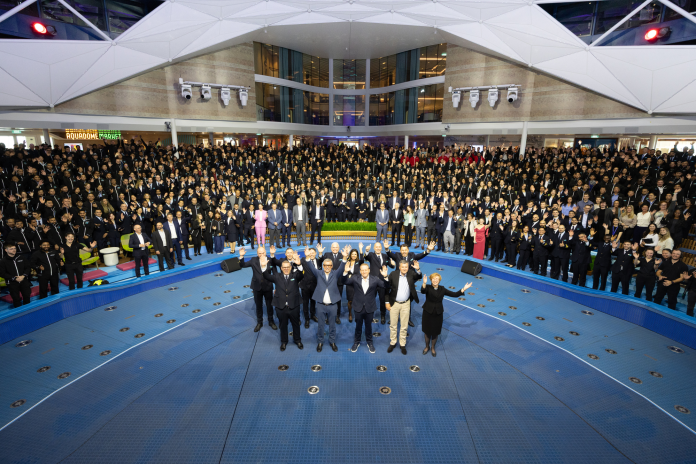
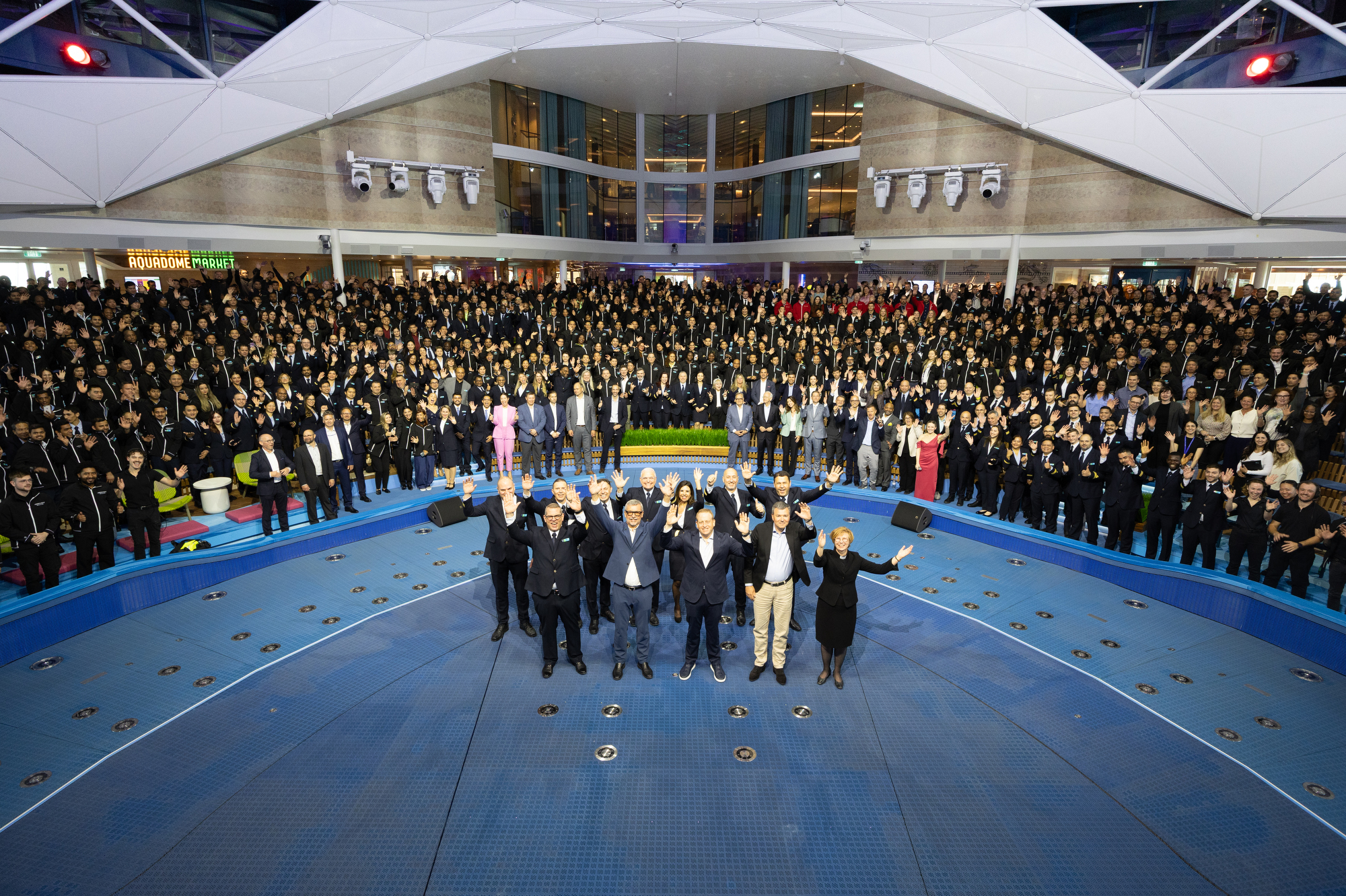
After nearly two years of construction in Turku, Finland, more than 1,200 crew members and partners came together for a legendary delivery ceremony led by Royal Caribbean Group Chairman and CEO Jason Liberty, Royal Caribbean President and CEO Michael Bayley, and Meyer Turku CEO Casimir Lindholm. 

Delivery celebrations on board the Legend of the Seas.

During the celebration, the team recognised the hard work of thousands of engineers, designers, architects and crew members who brought Legend to life, and marked the transfer of ownership from Royal Caribbean to Meyer Turku.

Legend will kick off the summer in Europe with seven-night Western Mediterranean adventures from Barcelona, Spain and Rome (Civitavecchia), Italy. before heading to Fort Lauderdale, Florida, in November, offering a mix of six-night Western Caribbean and eight-night Southern Caribbean vacations, with each itinerary visiting Royal Caribbean’s top-rated destination, Perfect Day CocoCay.

Legend features record-breaking experiences, including the most dining venues at sea with 28 options; all-new nightlife, edge-of-your-seat entertainment across stage, air, water and ice.

(Source Royal Caribbean)

ITB Asia sets the stage with new experience zones

SINGAPORE, 15 June 2026: Asia’s largest B2B travel trade show returns to Singapore from 21 to 23 October 2026, introducing new experience zones, alongside curated guided tours designed to create targeted business opportunities. 

Co-located with MICE Show Asia and Travel Tech Asia, the event continues to unite key stakeholders from across the global travel and tourism industry. Key exhibitors include Resorts World Sentosa, Tourism Fiji, Turespaña, and Visit Maldives.

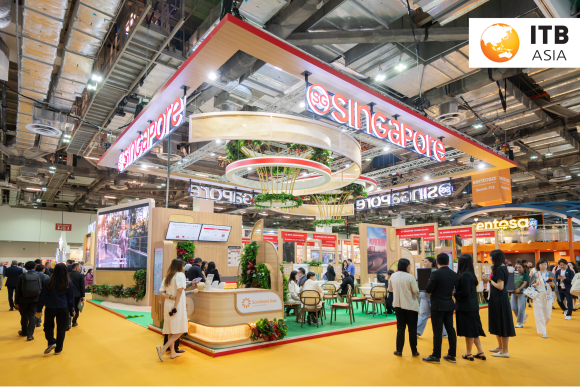
Photo credit: ITB Asia. The Singapore booth at ITB Asia.

ITB Asia 2026 will return to the Sands Expo & Convention Centre in Singapore from 21 to 23 October 2026, co-located with MICE Show Asia and Travel Tech Asia. Over three days, the event is expected to welcome more than 18,000 participants, 1,500+ quality buyers, over 1,000 exhibitors and more than 160 speakers from across the global travel and tourism industry.

Under the theme “Experiences in Motion: Human-Centred Design in Travel & Tourism”, the 2026 edition will reflect the industry’s ongoing shift towards experience-led travel, greater personalisation and the increasing integration of technology across the traveller journey.

“The travel industry is undergoing a profound transformation driven by evolving traveller expectations and rapid technological advancement. With our 2026 theme, ITB Asia places human-centred design at the core of industry dialogue,” said Messe Berlin Asia Pacific Executive Director Darren Seah. “In its 19th edition, ITB Asia continues to serve as the industry’s leading platform in the Asia-Pacific region, enabling meaningful connections, collaboration and real business outcomes.”

Resorts World Sentosa has been confirmed as the Official Integrated Resort Partner for ITB Asia 2026. As one of Singapore’s leading integrated resorts, its participation underscores the event’s position as a key platform connecting global travel and tourism stakeholders across the Asia-Pacific region.

In response to evolving traveller demand and emerging industry trends, ITB Asia 2026 will introduce new experience zones dedicated to Gastronomy Tourism, Wellness Tourism and Adventure Tourism, designed to deliver focused visibility and create targeted business opportunities for exhibitors active in high-growth travel segments. 

The new Experience Pavilion, powered by Tripadvisor, will highlight the growing importance of experiential travel and provide a dedicated platform for exhibitors to inspire, engage, and connect.

Curated guided tours debut at ITB Asia

For the first time, ITB Asia will launch curated guided tours designed to connect buyers with targeted exhibitors across key sectors. The tours aim to facilitate structured exhibitor discovery and create more focused networking opportunities across the exhibition floor, enabling buyers to maximise their time onsite and engage directly with exhibitors aligned to their business objectives.

Trade visitors can register for ITB Asia 2026 via the ITB Asia Visitor Registration and benefit from Early Bird rates available until 11 September 2026.

(Source: ITB Asia)