

LANGKAWI, 15 June 2026: When Langkawi was recognised as Southeast Asia’s first UNESCO Global Geopark in 2007, it marked a defining moment for the island.
Beyond international recognition, it represented a long-term commitment towards protecting natural heritage, empowering communities, and building a more sustainable future through tourism.
Today, Langkawi’s UNESCO Global Geopark status continues to shape the island through five interconnected pillars: Geoconservation, Geoeducation, Geotourism, Sustainable Development, and Community Participation.
Together, these pillars not only guide conservation and tourism efforts on the island, but also continue to influence how Langkawi positions itself to the world.
As Langkawi celebrates another milestone in its UNESCO Global Geopark journey, the anniversary serves as a reminder that the recognition has never simply been about status but about building a destination where nature, people, culture and tourism can thrive together.
Geoconservation: Protecting Langkawi’s Natural Heritage
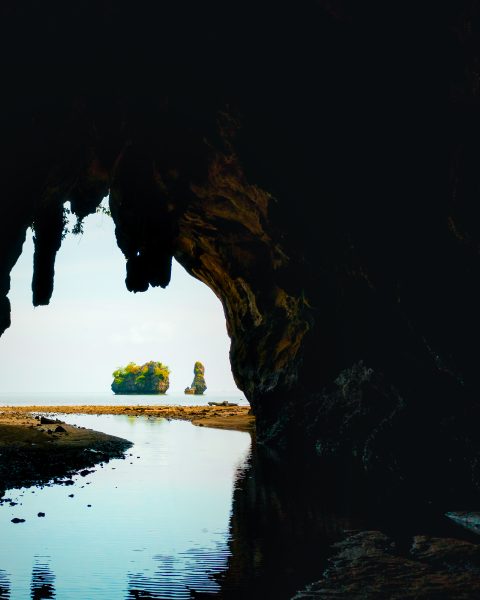
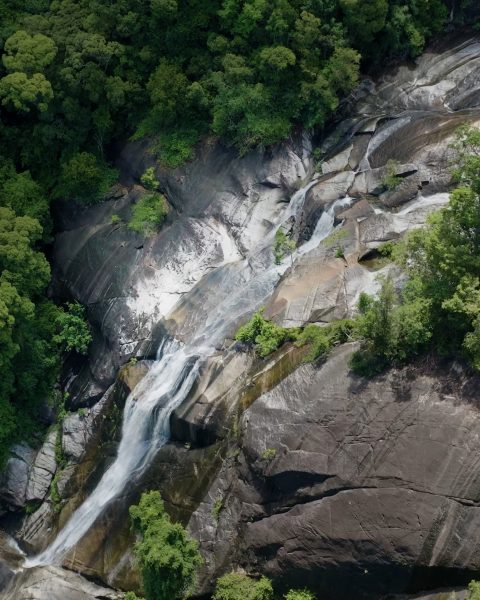
Langkawi’s geological landscapes tell stories that stretch back over 500 million years. Ancient rock formations, limestone karsts, caves, mangrove ecosystems, and unique biodiversity are among the reasons the island earned UNESCO recognition in the first place.
Since becoming a UNESCO Global Geopark, conservation efforts across Langkawi have continued to evolve with a stronger emphasis on protecting these natural assets for future generations. Key areas such as Kilim Karst Geoforest, Machinchang Cambrian Geoforest, and Dayang Bunting Marble Geoforest remain important conservation zones where environmental protection and tourism coexist in a careful balance.
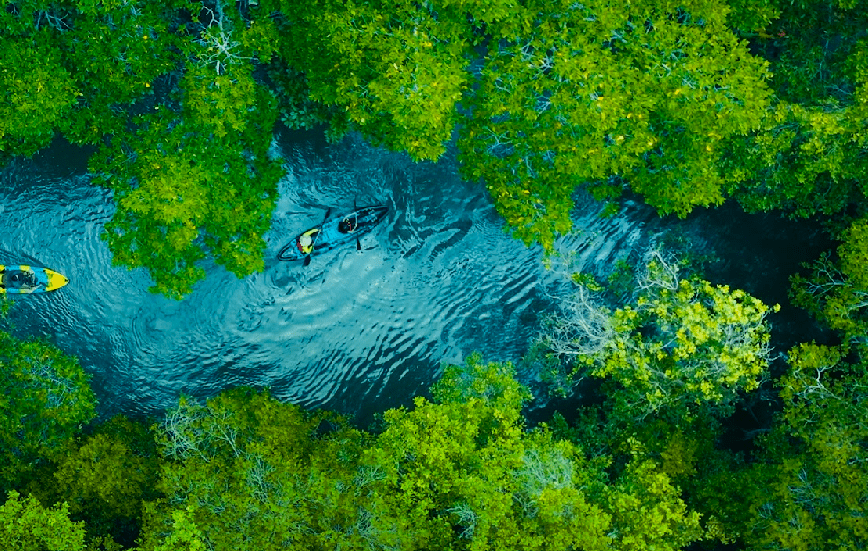
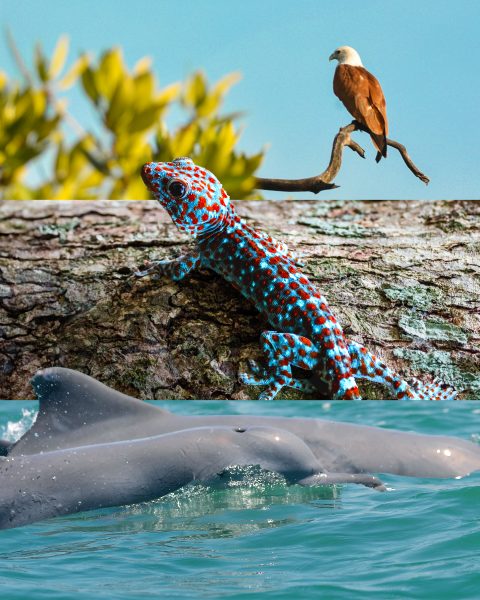
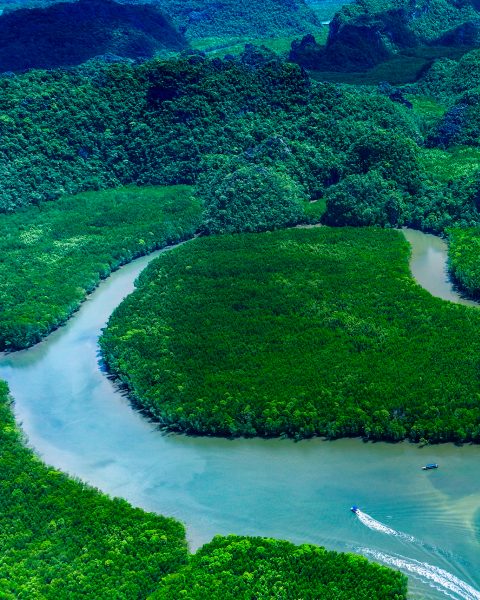
Mangrove conservation within Kilim Karst Geoforest, for example, plays an important role in protecting wildlife habitats, marine ecosystems, and natural coastal resilience.
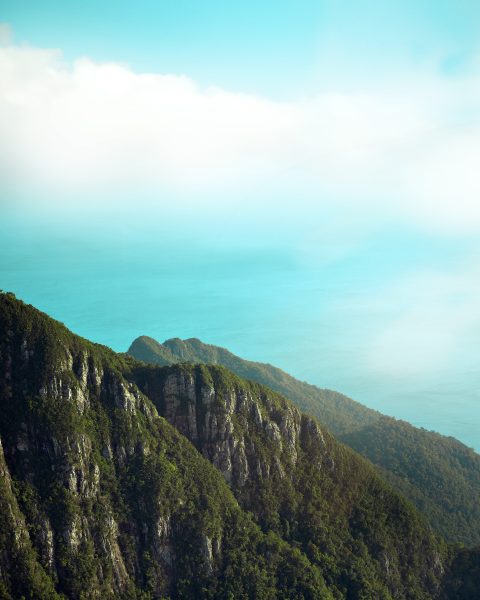
Meanwhile, Machinchang Cambrian Geoforest preserves some of the oldest geological formations in Southeast Asia, making it not only environmentally significant but globally valuable from a geological perspective.
Today, geoconservation remains one of the strongest foundations of Langkawi’s tourism identity — reinforcing the idea that preserving nature is essential to preserving the island itself.
Geoeducation: Turning Langkawi Into A Living Classroom
Education has become another key pillar of the Langkawi UNESCO Global Geopark story. Over the years, Langkawi has evolved into a living classroom for students, researchers, local communities, tourism operators, and visitors from around the world. Geological heritage is no longer viewed purely through a scientific lens, but as something people can experience through storytelling, guided tours, interactive learning, and nature-based exploration. Initiatives such as the Geopark Discovery Centre and “Geopark to School” programmes have helped raise awareness of geology, biodiversity, conservation, and environmental responsibility.
Guided mangrove tours within the Kilim Karst Geoforest often incorporate educational storytelling about the ecosystem, wildlife, and the landscape’s geological history.
This emphasis on geoeducation has encouraged a more meaningful tourism experience, leaving visitors with a deeper appreciation for the island’s ecological and cultural significance.
Geotourism: Experiencing Langkawi Through Nature And Heritage
As a UNESCO Global Geopark, Langkawi’s tourism approach goes beyond sightseeing alone. Geotourism focuses on experiences that connect visitors more meaningfully with the island’s landscapes, heritage, culture, and local communities.
Today, many of Langkawi’s tourism experiences are closely tied to its geopark identity — from mangrove kayaking and cave explorations to geological site visits, eco-cruises, island-hopping experiences, and guided nature trails.
Rather than positioning nature simply as a backdrop, geotourism encourages visitors to understand better the stories, ecosystems, and heritage behind the places they explore.
This approach has also helped strengthen Langkawi’s destination positioning internationally, particularly among travellers seeking more sustainable, educational, and nature-connected travel experiences.
Sustainable Development: Building A Tourism Future That Lasts
The UNESCO Global Geopark recognition has helped encourage tourism models that support local livelihoods, preserve environmental integrity, and create long-term economic opportunities without compromising the island’s natural and cultural assets.
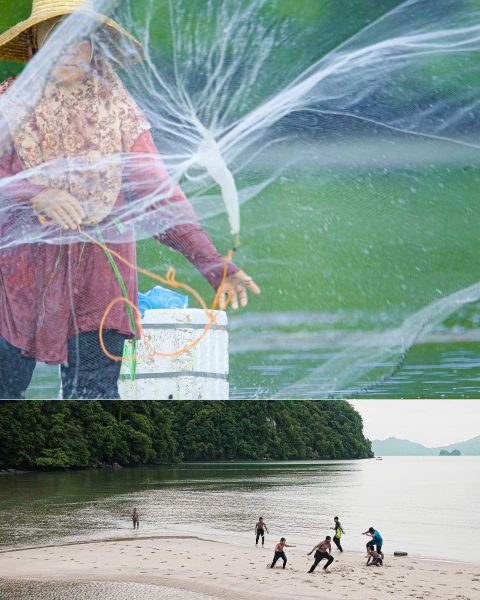
One example can be seen in Pulau Tuba, where community-based tourism initiatives have helped spotlight local culture, traditional lifestyles, and low-impact tourism experiences.
Homestays, fishing village experiences, local craft-making, and community-led tourism activities demonstrate how tourism can directly benefit local communities while preserving the island’s identity and environment.
At the same time, eco-tourism initiatives across Langkawi continue to promote more responsible ways to experience the island through lower-impact, conservation-conscious activities.
As global tourism continues to evolve, Langkawi’s geopark philosophy positions sustainability not as a trend but as a long-term commitment.
Community Participation: The People Behind The Geopark
At the heart of Langkawi UNESCO Global Geopark is its people. Community participation remains one of the most important elements behind the geopark’s continued success.
From local guides and fishermen to tourism operators, schools, small businesses, and village communities, many stakeholders play an active role in preserving and sharing Langkawi’s natural and cultural heritage.
Communities such as those in Pulau Tuba have increasingly become part of the geopark experience itself — helping visitors connect not only with landscapes, but also with the traditions, livelihoods, and stories that shape life on the island.
Looking Ahead
As Langkawi celebrates its UNESCO Global Geopark anniversary, the recognition continues to serve as both an achievement and an ongoing responsibility.
The anniversary also arrives ahead of the upcoming symposium in September, where Langkawi is expected to welcome delegates, researchers, policymakers, and geopark representatives from around the world. The event will further reinforce Langkawi’s position as a globally recognised geopark destination and an important voice in conversations surrounding conservation, education, sustainability, and responsible tourism.
More importantly, it reflects how the geopark journey continues to evolve — not only through policy and tourism development, but through the shared efforts of communities, conservationists, educators and industry players working together to protect what makes Langkawi unique.
Ultimately, Langkawi’s UNESCO Global Geopark status represents a continuing commitment to ensuring that nature, heritage, tourism and community can grow hand in hand for generations to come.
For more information, visit: Naturally Langkawi.
(Source: Your Stories: Langkawi)