

BANGKOK 19 March 2026: The debate surrounding Donald Trump, his rhetoric, his style, even his age, continues to dominate headlines. Yet beneath the noise lies a far more consequential story.
A profound shift in how global power is exercised, alliances are managed, and conflicts unfold.
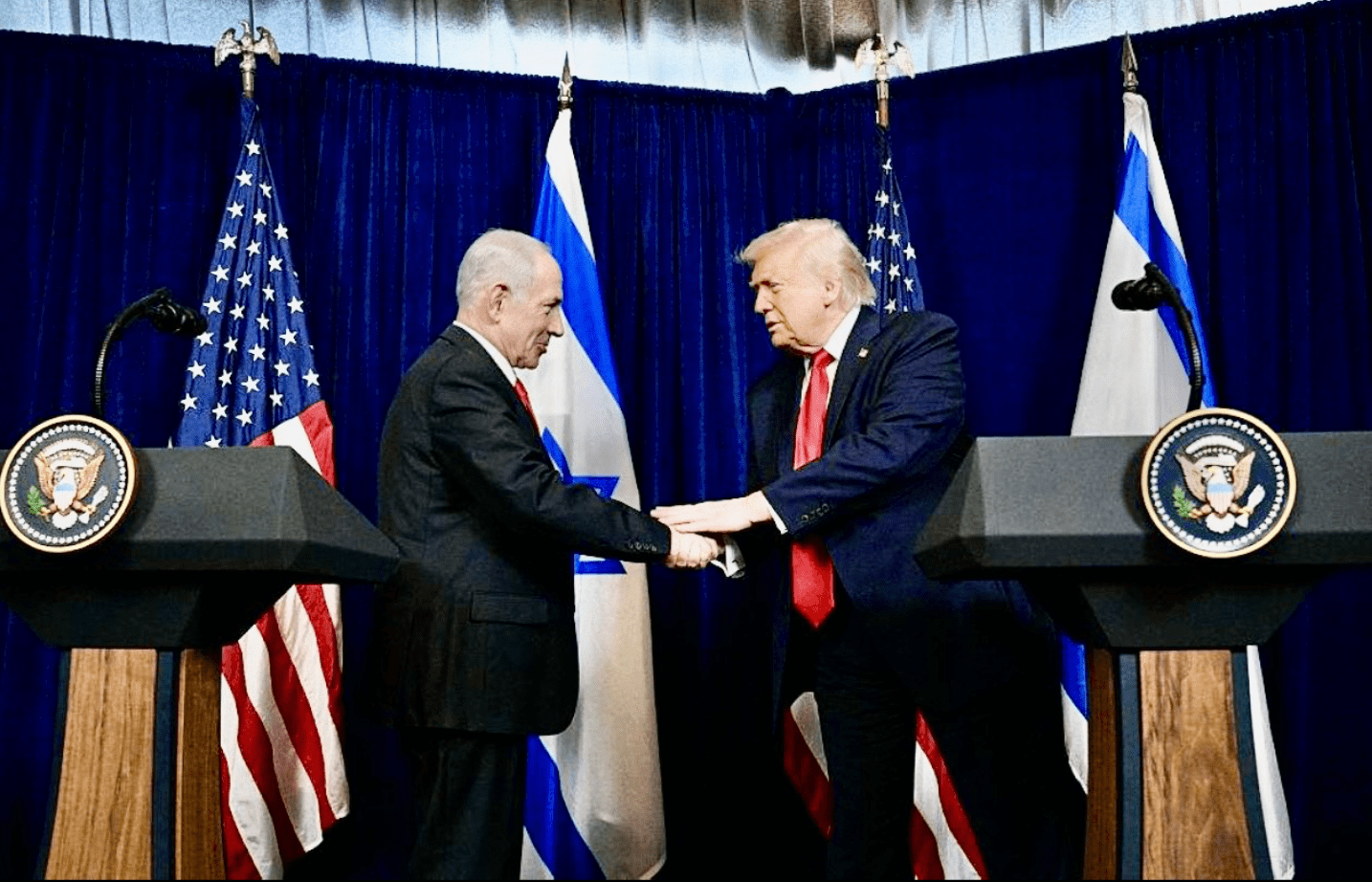
The real story is not personality. It is structure.
This is no longer a world defined by stable rules and predictable diplomacy. It is becoming one shaped by speed, disruption and hard national interest.
Under Trump, the US has accelerated a move away from traditional multilateralism towards a more transactional model of leadership. Allies are no longer automatically consulted, and decisions, particularly in times of crisis, are taken quickly and often unilaterally.
The current conflict involving Iran and Israel illustrates this shift with unusual clarity. Military action has been decisive and immediate, but it has also exposed widening differences within the Western alliance itself.
Nowhere is this more evident than in Europe
French President Emmanuel Macron has made clear that France will not be drawn automatically into the conflict. His position reflects a broader European instinct. Support stability, avoid escalation, and retain diplomatic flexibility. What appears online as rebellion is, in reality, recalibration. Europe is not breaking with America, but quietly redefining its distance from it.
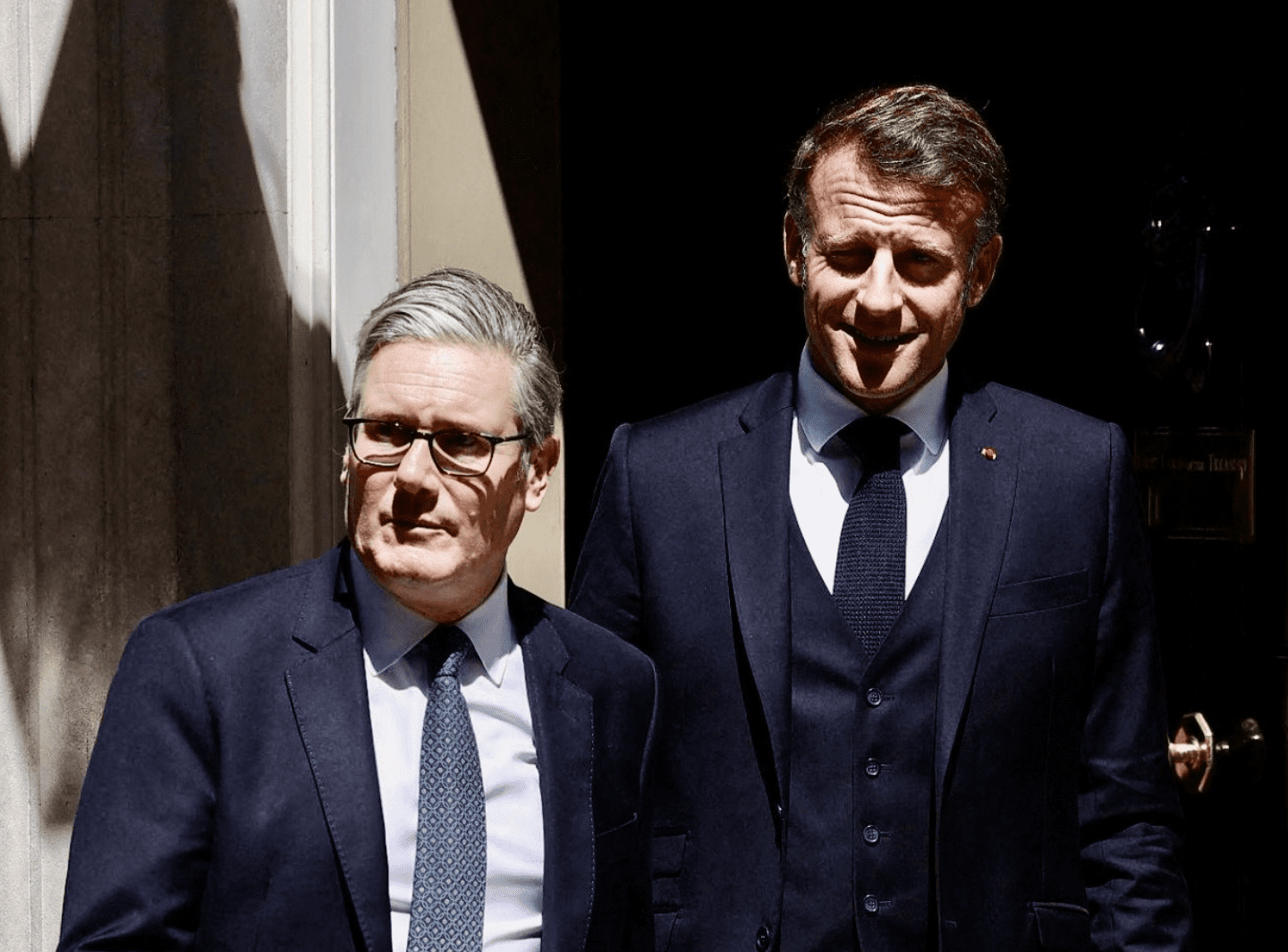
The UK, under Keir Starmer, has taken a more traditional path. Britain remains closely aligned with the US and supportive of Israel’s security position. Yet there is caution. The UK has avoided leading offensive action, instead focusing on defence, intelligence cooperation and calls for restraint. Britain stands where it often has, shoulder to shoulder with Washington, but quietly mindful of the cost when America moves too far, too fast.
Between these positions sits an increasingly important group — the middle powers.
Canada, under Mark Carney, offers perhaps the clearest example of this emerging influence.
Ottawa has supported Western security concerns while firmly declining to engage in direct military involvement. At the same time, it has emphasised diplomacy, de-escalation and the need to restore a functioning international order.
This is middle power diplomacy at its most effective. Measured, credible and independent. Countries such as Canada, alongside others in Europe and Asia, are seeking not to dominate events but to stabilise them. Their influence lies not in force, but in legitimacy and balance.
This is no longer a world defined by superpower control, but by superpower disruption, where middle powers may not decide wars, but increasingly shape how they end.
Yet their limitations are equally clear. They can shape outcomes, but rarely determine them.
The war itself reflects a deeper strategic paradox.
Israel has achieved significant tactical success. Its operations have degraded Iranian capabilities and removed key figures within its adversary’s leadership structure. From a military standpoint, these are substantial gains.
But wars are not decided by tactics alone.
Despite heavy losses, Iran has demonstrated resilience. It continues to exert pressure through missile and drone activity, and its ability to disrupt global energy flows, particularly through the Strait of Hormuz, has reminded the world of its strategic reach. This is not the behaviour of a state on the verge of capitulation.
Indeed, Iran’s position appears to be one of endurance. It is absorbing damage while maintaining enough capability to impose costs on its adversaries. Domestically, the conflict may even strengthen resolve, as external pressure often consolidates internal control in such systems.
This creates a complex reality. Israel may be winning militarily, but Iran is not losing strategically.
The debate around Trump’s health may dominate headlines, but it is his disruption of the global order, not his cognition, that will define his historical legacy.
If this is the new global reality, its consequences will be felt far beyond the battlefield, nowhere more so than in Asia’s travel and tourism economies.
About the author
Andrew J Wood is a Bangkok-based travel writer and former hotel executive specialising in Asian tourism.