

Tuesday, December 16, 2025
Home Blog Page 57

AirAsia X releases 2Q2025 financial results

KUALA LUMPUR, 2 September 2025: AirAsia X has reported its unaudited financial results for the second quarter ended 30 June 2025 (2Q2025). 

The company recorded a turnover of MYR660.8 million in 2Q2025, marginally lower year-on-year as capacity rose by 6% YoY to 1.12 million seats in a softer fare environment due to the low season. 

Passenger traffic grew 6% YoY to 935,105 passengers, maintaining a sound passenger load factor of 83%, unchanged YoY despite the increased capacity.

During 2Q2025, the average base fare declined to MYR405, impacted by historical seasonality and cautious travel sentiments following the concerns about earthquakes in Japan. In managing seasonality, the company had also augmented its load-active, yield-passive strategy, leveraging the advantageous fuel price environment. Ancillary revenue bolstered the company’s performance with revenue per passenger up by 4% YoY to MYR257 and total ancillary revenue rising by 10% YoY, driven by higher passenger volumes and enhanced product offerings, particularly in the duty-free and merchandise segments. 

Net profit rose sharply to MYR35.22 million against last year’s MYR4.82 million, boosted by favourable net foreign exchange gains. In 2Q2025, the company’s net operating profit improved 26% YoY to MYR1.38 million, supported by lower fuel prices. The company’s cost per available-seat-kilometres (ASK) (CASK) reduced by 13% YoY to 12.05 sen. At the same time, CASK ex-fuel stood at 6.38 sen, up by 9% YoY, reflecting operational ramp-up and higher maintenance expenses over the last 12 months.

In terms of capacity and network, the company’s ASK grew by 10% YoY to 4,851 million as AirAsia X continued to observe a strong PLF of beyond 85% from its East Asian routes in Japan, China and South Korea, driven by the peak spring travel season during the quarter. 

AirAsia X Thailand (TAAX), the company’s associate, posted a revenue of MYR372.82 million and an operating loss of MYR13.2 million in 2Q2025. Passenger traffic during the quarter declined by 12% YoY to 318,257 passengers as seat capacity reduced by 5% YoY to 407,360 seats. TAAX’s PLF stood at 78% this quarter as performance was pressured by softened travel demand to Thailand overall following the earthquake incident in Bangkok and related security concerns. 

The average fare remained firm at MYR690 during the quarter under review, and TAAX posted a net profit of MYR10.58 million, buoyed by net foreign exchange gains.

As of 30 June 2025, AirAsia X’s total fleet stood at 19 A330 aircraft, and of these, 18 aircraft were activated and operational. TAAX maintained a fleet of nine A330s after returning one aircraft to lessor during the quarter.

AirAsia X CEO Benyamin Ismail commented: “AirAsia X delivered resilient performance this quarter with a sound PLF of 83%, in line with capacity growth despite the seasonally softer second quarter. The Group’s operations remained profitable, even as one aircraft is pending reactivation and fares are softer, as the market tries to boost demand by taking advantage of the lower fuel price environment in 2Q2025.

“The final aircraft reactivation, initially planned for June 2025, has been deferred to the second half of the year due to the well-documented global MRO backlogs and spare parts shortages. While we are eager to return the aircraft to service, the safety of our guests and crew is of paramount importance, and the Group remains committed to returning the aircraft to service without compromise. 

“In terms of network, the Group advanced its momentum, led by the long-awaited recovery in China, with routes recording PLF scaling 90%. During the quarter under review, the Group introduced additional flights to Australia to capitalise on winter demand, alongside the launch of services to Karachi, Pakistan. Following the success of Almaty, Kazakhstan, we continue our expansion into Central Asia with the launch in Tashkent, Uzbekistan, set for October this year.

“Looking ahead, we have also announced the launch of the much-anticipated flights to Istanbul, Türkiye in 4Q2025, marking our return to the western region after more than a decade. This milestone serves to strengthen the Group’s Fly-Thru connectivity across the wider AirAsia network, which already contributes approximately 20% of our passenger traffic and links over 140 destinations in ASEAN and beyond.

“For this quarter, ancillary revenue continued to drive the Group’s margins as we enhanced product personalisation and improved value bundling; the team is consistently reviewing our ancillary strategy to ensure maximised uptake. Combined with disciplined management of cost and operational efficiencies, we are confident that these efforts position us well for the busier quarter of the year. With recent favourable jet fuel prices and a stronger Malaysian Ringgit, the company prepares to tap into the further tailwinds for sustainable growth in the year ahead.”

Vietjet reports strong growth in H12025

SINGAPORE, 2 September 2025: Vietjet Aviation Joint Stock Company has released its audited financial report for the first half of 2025, reporting strong growth and reinforcing its position as a rising global carrier. 

Vietjet now operates four direct services linking Singapore with Hanoi, Ho Chi Minh City, Phu Quoc and Da Nang and is boosting its services to Da Nang and Phu Quoc with 49 round-trip flights weekly between Singapore and Vietnam by the end of this year. The airline’s performance reflects Vietnam’s emergence as a key aviation hub in Asia and globally, as it expands its international network with a new direct route to Manila, Philippines.

Photo credit: Vietjet.

Robust financial growth

In the first six months of 2025, Vietjet achieved air transport revenue of VND35.601 trillion (SGD1.73 billion), with a pre-tax profit of nearly VND1.6 trillion (SGD77.80 million), marking a 37% year-on-year increase. Consolidated revenue was VND35.837 trillion (SGD1.74 billion), with a pre-tax profit surpassing VND1.651 trillion (SGD80.26 million), reflecting a staggering 65% YoY growth.

During this period, Vietjet operated 79,000 flights, transporting 14.4 million passengers and contributing over VND4.528 trillion (SGD219.83 million) in taxes and fees. The company’s financial indicators remain strong, with excellent liquidity and consolidated assets exceeding VND112 trillion (SGD5.44 billion).

Fleet expansion and strategic investments

Vietjet continued its fleet expansion by ordering 20 A330neo aircraft from Airbus, bringing its total A330neo order to 40 and making it the airline with the largest A330neo order in the world.

At the 2025 Paris Air Show, Vietjet secured a historic order for 100 A321neo aircraft, along with 50 purchase options — the largest deal in the industry — positioning Vietjet among the top 10 airlines globally in terms of aircraft orders.

Additionally, Vietjet and Rolls-Royce have signed an agreement for 40 Trent 7000 engines to power 20 wide-body Airbus A330neo aircraft, bringing the total number of Trent 7000 engines ordered by the airline to 80.

Vietjet has broken ground on its Aircraft Maintenance Technical Centre at the under-construction Long Thanh International Airport, featuring Hangars III and IV, which are capable of servicing 10 aircraft simultaneously. Additionally, self-service ground operations have been rolled out at major airports to optimise operations and enhance the passenger experience.

International flights

Vietjet will launch a new direct service linking Ho Chi Minh City with Manila, beginning 22 November 2025, with five weekly round-trip flights. This route marks the airline’s first direct connection between Vietnam and the Philippines. Together with increases in flights between Vietnam and Singapore, this connectivity will support seamless travel, trade, and cultural exchange in Southeast Asia.

Nok Air is still flying domestic routes

BANGKOK, 2 September 2025: Local media reports last week quoted the Civil Aviation Authority of Thailand (CAAT) saying it has suspended Nok Air’s international flights and banned the airline from expanding its route network, citing a alleged failure to meet safety standards.

Nok Air hasn’t operated any international flights since the winter season 2024-2025. Still, it filed an advance scheduled timetable earlier this year that showed the airline intended to resume daily flights to four destinations: Nanning, Nanjing, and Zhengzhou in China, and Hyderabad in India, starting on 27 October 2025, for the duration of the winter timetable, October 2025 to March 2026. 

That plan has been scuttled by the CAAT ruling on 28 August 2025, which identified deficiencies in Nok Air’s operations. The ruling alleged a high rate of incidents, including in-flight engine shutdowns, hard landings, and runway excursions, that occurred between 2023 and 2025. 

Local media (The Nation and Bangkok Post) suggested the CAAT had identified a significant number of resignations from pilots, flight instructors, and inspectors, which could raise concerns about the airline’s safety culture and the risk of having a less experienced workforce.

The CAAT move comes just before a scheduled audit of Thailand’s aviation safety system by the International Civil Aviation Organisation (ICAO). CAAT’s actions are seen as a way to ensure full compliance with international standards.

Nok Air’s CEO has stated that Nok Air had already voluntarily ceased international flights in June 2025 due to the low season. The CAAT suspension affects Nok Air’s planned resumption of international routes this October to China and India. These two geo-markets could shore up Nok Air’s earnings in the current fiscal year.

Media reports noted that CAAT has given Nok Air just one week to address the safety deficiencies. The government agency has stated that the suspension of planned international flights will remain in place until the airline demonstrates that it has implemented the necessary safety audits.

Information regarding the Civil Aviation Authority of Thailand (CAAT) suspending Nok Air’s international flights has been widely reported by multiple news outlets in Thailand and internationally.

While these reports cite statements from CAAT officials, such as Director-General Air Chief Marshal Manat Chavanaprayoon, and reference an official letter sent to Nok Air, a direct, official announcement or press release about the suspension from the CAAT website itself is not readily available through a public search.

Nok Air, in a statement posted on its Facebook page, acknowledged documents from the Civil Aviation Office of Thailand (KPO) regarding flight operational requirements had been filed with Nok Air. Still, it wished to “reassure all passengers that it is operating all domestic routes… For international routes, plans will be announced again once the documents are completed.”

Emirates expands premium economy offer

Dubai, UAE, 1 September 2025: Emirates will introduce more of its next-generation Airbus A350S, as well as retrofitted Airbus A380s and Boeing 777s featuring premium economy, in four cities across the Middle East and West Asia.

The addition of the latest premium economy and business class seats on more scheduled services to/from Amman, Mumbai, Muscat and Bahrain means customers will have further opportunities to experience the airline’s highly acclaimed onboard products, and a more 

consistent experience when connecting through Dubai to destinations also served by the airline’s Airbus A350 and retrofitted Boeing 777 and A380 aircraft.

Emirates’ enhanced A380s, Boeing 777s and latest A350 aircraft will operate on the following schedules:

EK903/904 to and from Amman will operate with a four-class A380 with refreshed interiors, including premium economy, from 26 October 2025. 

The upcoming retrofitted aircraft upgrade means customers will experience the latest signature products on both daily services.

Mumbai will receive a retrofitted Boeing 777 on EK504/505 starting 26 October, and customers will have the opportunity to experience the latest cabins on 22 weekly flights.

Starting 30 October, Emirates will offer its signature A350 experience on all nine weekly flights to Muscat with the deployment of the Airbus A350 on its EK862/863 services on Thursdays and Saturdays.

Emirates will also introduce an additional retrofitted Boeing 777 to Bahrain on its EK833/834 services every Thursday from 4 December*. Once deployed, Bahrain will be exclusively served with aircraft kitted with signature cabins, including premium economy and refreshed business class.

These deployments boost the airline’s premium economy cabin offering on more than 635 weekly flights across its network. By winter, the airline will serve 68 cities with aircraft fitted with its premium economy product, and 36 of them all-exclusively with the highly acclaimed cabin. 

As demand for premium travel continues to grow, Emirates is strategically expanding its premium economy footprint. By the end of 2025, Emirates expects to offer over 2 million premium economy seats. Today, Emirates offers over 1.8 million premium economy seats across its network.

The airline’s retrofit programme, one of the largest in aviation history, is progressing rapidly, with aircraft being completed at an average rate of one every three weeks. To date, 67 aircraft have been refurbished, as part of a plan to retrofit 219 aircraft, including a combination of 110 A380s and 109 Boeing 777s. The airline is also currently operating 9 A350s to 15 destinations. Tickets can be booked on www.emirates.com, the Emirates App, Emirates Retail stores or via both online and offline travel agents.

Bhutan: Happiness, harmony, and gentle tourism

BANGKOK, 1 September 2025: Bhutan has always held a special place in my heart. Nestled high in the Himalayas between two giants, India and China, the tiny kingdom of fewer than 800,000 people stands apart from the modern world. 

For many travellers, Bhutan represents not just a destination, but a philosophy of life. It is a country where Gross National Happiness is prioritised over Gross Domestic Product, and where the pulse of life remains steady, unhurried, and deeply connected to the natural world.

Traditional prayer flags flutter in the wind.

From my home base in Bangkok, it is surprisingly straightforward to reach Bhutan. Direct flights from Drukair (Royal Bhutan Airlines) and Bhutan Airlines connect the Thai capital with Paro, Bhutan’s only international airport. The flight itself is spectacular; on a clear day, the views of the Himalayas are breathtaking, with glimpses of Everest, Kangchenjunga, and Bhutan’s own sacred peaks. Landing at Paro is legendary among pilots; surrounded by towering mountains, it is considered one of the most challenging airports in the world. For travellers, though, the thrill of arrival perfectly sets the tone for an unforgettable journey. 

A philosophy that shapes a nation

Bhutan is unique in measuring progress with Gross National Happiness (GNH), a philosophy introduced by the Fourth King, Jigme Singye Wangchuck. It rests on four pillars: sustainable development, environmental conservation, cultural preservation, and good governance. This holistic approach influences everything from how cities grow to how tourism is managed.

The capital, Thimphu, is the most charming example of this balance. It is one of the few capitals in the world without a traffic light; instead, white-gloved police officers direct traffic at its busiest junction. Dzongs, majestic fortress-monasteries, dominate skylines, while crimson-robed monks mingle with office workers in ghos and kiras, the national dress. The air feels cleaner, the pace calmer, and the sense of continuity stronger than almost anywhere else I have travelled.

Tourist arrivals: Small numbers, big vision

Bhutan remains one of the world’s most exclusive travel destinations. In 2024, the country welcomed just over 103,000 visitors, a fraction of the millions who crowd into neighbouring Himalayan nations. Of these arrivals, about 70% came from just five markets:

1. India (by far the most significant source)

2. United States

3. China

4. United Kingdom

5. Germany

These figures reveal both Bhutan’s reliance on regional tourism and its growing appeal among Western travellers seeking something more authentic and mindful.

Yet unlike other countries, Bhutan has no desire to chase record numbers: no mass tourism, no overtourism. Instead, Bhutan follows a “High Value, Low Volume” policy. This model, supported by a Sustainable Development Fee, deliberately limits visitor numbers, ensuring that tourism revenue supports both conservation and the well-being of the community. The daily fee was recently reduced to USD 100 through 2027 — making Bhutan more accessible while still preserving its exclusivity.

This careful strategy is designed to avoid the fate of many popular destinations, where uncontrolled growth has led to environmental degradation, cultural dilution, and community resentment. In Bhutan, tourism is not an industry to be maximised but a tool to preserve heritage, protect nature, and improve citizens’ quality of life.

A timeless landscape

To step into Bhutan is to step into a land where the modern world has arrived slowly and selectively. Television only appeared in 1999, and mobile phones in the early 2000s. That delay has helped preserve a sense of timelessness.

Prayer flags flutter on mountain ridges. Monasteries cling to cliff sides, none more iconic than Taktsang (Tiger’s Nest Monastery), perched dramatically 900 metres above the Paro Valley. It is a pilgrimage for Bhutanese and visitors alike, reached by a demanding hike that rewards with sweeping views and profound serenity.

Elsewhere, valleys like Phobjikha are sanctuaries for black-necked cranes, whose winter migration is celebrated with colourful festivals blending conservation with culture. The Bumthang region, with its ancient temples and apple orchards, offers a glimpse into Bhutan’s spiritual core. And across the country, dzongs such as Punakha and Trongsa stand as both administrative centres and living monasteries, symbols of Bhutan’s enduring harmony between the secular and the sacred.

The People, Their Warmth – and a Place to Stay

Bhutanese people may at first appear more reserved than their Thai neighbours, but their warmth quickly shines through. There is a deep sense of pride in their culture, and an openness to share it. National dress is worn not just for ceremonies but in everyday life, reinforcing identity in an era of globalisation.

The cuisine reflects the Bhutanese spirit—simple, hearty, and fiery. Ema datshi, a dish of chillies and cheese, is eaten daily, its heat offset by the comforting flavours of red rice and butter tea. Dining in Bhutan is as much about nourishment as it is about continuity, with recipes handed down through generations.

Archery:  Andrew Wood tries his hand at the national sport

When it comes to accommodations, one property stands out above all others to me: Zhiwa Ling Heritage in Paro. Set amid pine-clad hills and designed with painstaking authenticity, the hotel blends Bhutanese craftsmanship with quiet luxury. Built entirely by hand over five years, it features hand-carved woodwork, temple-like courtyards, and a seamless balance between modern comfort and Bhutanese tradition. For me, no visit to Bhutan would be complete without staying here; I’ll the sense of peace and place it offers is unmatched. Zhiwa Ling embodies what Bhutan itself represents: heritage, hospitality, and harmony.

Healthcare and humanity

Bhutan’s philosophy of care extends beyond tourism. Healthcare is free for citizens in this region, provided through a network of over 30 hospitals and hundreds of local clinics. At the heart of the system is the Jigme Dorji Wangchuck National Referral Hospital in Thimphu, which delivers advanced care for the nation. In a world where access to healthcare can be a privilege, Bhutan’s approach reflects its commitment to dignity, compassion, and equality for all.

Driver and guide in traditional attire (gho)

Why Bhutan Matters

In many ways, Bhutan feels like a country out of time. Modernity has touched its borders, yet the kingdom has chosen carefully what to let in. It is not a museum, Wi-Fi exists, young people study abroad, and new hotels open every year, but Bhutan resists the reckless rush of globalisation.

Its mountains may be rugged, but its path is deliberate. Tourism will grow, but not at the expense of culture or the natural environment. Visitors will arrive, but not in unmanageable swarms. This is Bhutan’s lesson to the world: development need not mean destruction, and happiness can indeed be a national goal.

For the traveller, Bhutan offers not just scenery but perspective. Its valleys and dzongs are magnificent, but its philosophy, living gently, living mindfully, is what lingers longest.

Practical travel tips

• Airlines: Drukair (Royal Bhutan Airlines) and Bhutan Airlines both operate flights into Paro International Airport, connecting with Bangkok, Delhi, Kathmandu, and Singapore among other hubs.

• Visa: All international visitors (except Indian nationals) must book travel through a licensed Bhutanese tour operator and pay the Sustainable Development Fee of USD100 per person per night (fee applicable until 2027).

• Best Seasons: March–May (spring blooms) and September–November (clear skies, festival season) are the most popular times. Winter (December–February) is cold, but it offers crisp skies and fewer visitors. In contrast, summer (June–August) brings monsoon rains and lush greenery.

• Stay: For authenticity and luxury in Paro, Zhiwa Ling Heritage is my personal favourite—a handcrafted hotel that feels like part of Bhutan’s cultural landscape. In Thimphu, its modern sister property, Zhiwa Ling Ascent, offers eco-friendly design and sweeping city views.

• Dress & Culture: Modest dress is appreciated, especially when visiting monasteries and dzongs. Respect local customs; photography inside temples is often restricted.

• Pace: Travel here is unhurried—distances may look short on a map, but winding mountain roads mean journeys take time. This is part of Bhutan’s charm: slowing down.

About the author
Andrew J. Wood is a Bangkok-based British travel writer, hotelier, and tourism commentator who has lived in Thailand since 1991. A former general manager of leading hotels and past president of Skål International (Bangkok, Thailand, and Asia), Andrew writes for various regional and global online travel publications. He is passionate about sustainable travel and frequently writes about destinations that strike a balance between tradition and tourism.

Sarawak to host PTM2026

KUCHING, 1 September 2025: Sarawak steps forward as a meeting point for tourism innovation when it hosts the Pacific Asia Travel Association (PATA) Travel Mart 2026 from 18–20 August at the Borneo Convention Centre Kuching (BCCK), marking a significant milestone in the state’s rise as the Gateway to Borneo and a hub for sustainable, inclusive tourism. 

The event will bring together high-level tourism stakeholders from across the globe. This hosting opportunity builds on Sarawak’s record-breaking tourism performance in 2024, when the state welcomed 4.83 million visitor arrivals, surpassing pre-pandemic levels. It is expected to continue its upward momentum in 2025. 

Kuching, Sarawak, has been officially announced as the host destination for the PATA Travel Mart (PTM) 2026, the premier travel trade show for the Asia-Pacific region.

Sarawak Tourism Board’s efforts have also been recognised internationally. In 2025, STB’s “Sarawak, Gateway to Borneo” campaign was named the PATA Gold Awards winner in the “Best Destination Marketing Campaign (Destination Management Organisation – Asia)” category. 

First rolled out through digital and targeted OOH media in 2023, the campaign was officially unveiled on the global stage at ITB Berlin 2024. It repositions Sarawak as a destination of depth and mystery, leveraging the state’s location as the launchpad into Borneo’s cultural and natural riches 

Aligned with STB’s pillars, the campaign also highlights Sarawak’s diverse facets — Culture, Adventure, Nature, Food, and Festivals — reaffirming the state’s positioning as the Gateway to Borneo. 

International travel industry professionals have responded with marked anticipation to the news of Sarawak hosting PATA Travel Mart 2026. This visual represents the widespread excitement from key global stakeholders eager to visit Sarawak in 2026.

The Borneo Convention Centre Kuching (BCCK), an architectural landmark and Sarawak’s flagship convention venue, will provide the setting for PTM 2026. Designed to meet the highest standards of international conventions, BCCK offers a capacity of over 4,000 delegates and facilities that cater to global gatherings while upholding Sarawak’s commitment to sustainability and green building standards. 

“Sarawak is more than a destination; it is the natural entry point to one of the world’s most biodiverse regions. Hosting PTM 2026 allows us to connect Borneo with the world while championing tourism that is meaningful, sustainable, and inclusive. More importantly, it is a statement of our readiness to lead global tourism conversations and to showcase Sarawak’s unique blend of culture, nature, and commerce to an international audience,” said Sarawak Tourism Board Chief Executive Officer Puan Sharzede Datu Haji Salleh Askor. 

Importantly, PTM 2026 will be a strong complement to Visit Malaysia Year 2026, amplifying Sarawak’s tourism growth strategies under the Post-COVID-19 Development Strategy 2030 (PCDS 2030) and Sarawak Tourism Master Plan 3.0. The event will serve as a high-impact platform for forging new partnerships, attracting investment, and showcasing Sarawak’s strengths in culture, adventure, nature, food, and festivals (CANFF) to audiences from across the region and beyond. 

Positioned on the island of Borneo, the third largest in the world, Sarawak serves as the natural entry point for travellers seeking both leisure adventures and business opportunities in the heart of Southeast Asia. The state’s three international gateways — Kuching, Sibu, and Miri — provide access for visitors from across ASEAN and beyond. A proven track record matches this strategic location in hosting large-scale, high-profile events. 

The Rainforest World Music Festival, which draws over 20,000 visitors annually and has been recognised by Songlines Magazine as one of the world’s Top 25 international festivals, stands alongside the Rainforest Youth Summit, a pioneering ASEAN platform for youth leadership in sustainability, as part of Sarawak’s regular calendar of events. 

Beyond these annual highlights, the state has also successfully hosted International Energy Week (IEW) in July 2025 and the International Congress and Convention Association (ICCA) Congress in 2016, reinforcing its capability to deliver world-class experiences that seamlessly blend culture, nature, and commerce. This combination aligns perfectly with PTM’s objectives. 

With PTM 2026, Sarawak will further demonstrate its capability to host international gatherings that reflect its cultural richness and commitment to sustainable tourism. It will also underline the state’s role as a welcoming meeting point for tourism professionals, fostering meaningful connections and collaborations in the heart of Borneo. 

For more information on Sarawak, visit: Sarawak Tourism Board.

Five APAC nations power hotel investment

SINGAPORE, 1 September 2025: Investment in Asia Pacific hotels reached USD4.7 billion in the first half of 2025, with investors focusing more selectively on the region’s more established hospitality markets, with 84% of total transaction volume occurring in just five key countries, according to JLL Hotels & Hospitality Group, Asia Pacific.

Japan continued to lead regional hotel investment with USD1.5 billion in transactions, followed by Greater China (USD744 million), Australia (USD664 million), Singapore (USD546 million), and South Korea (USD504 million). Collectively, the other markets across the region accounted for USD758 million, representing 16% of total hotel investment volume.

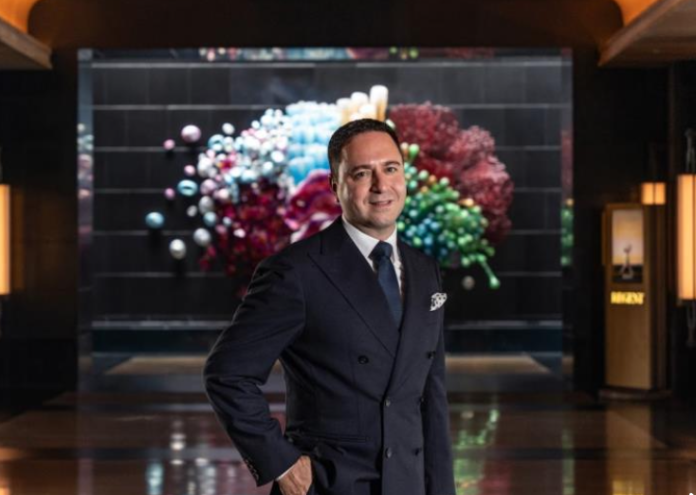
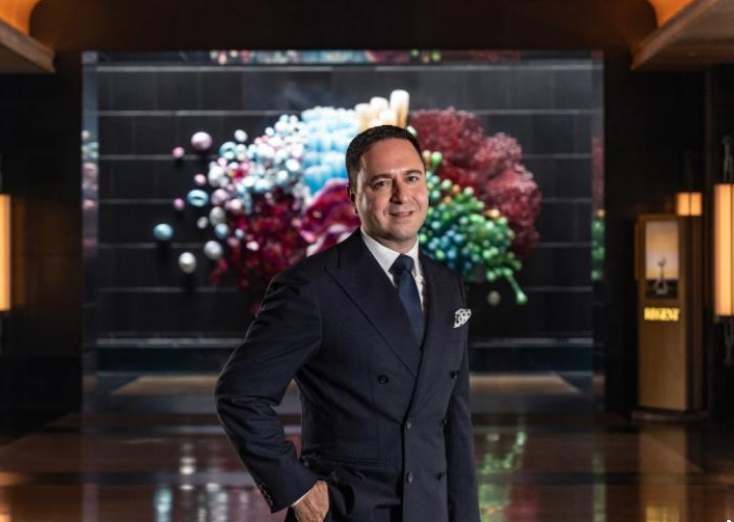
JLL Hotels & Hospitality Group, Asia Pacific, Nihat Ercan.

Capital deployed in the first half of 2025 represented a 23% decline compared to the same period in 2024, reflecting a more cautious investment environment amid ongoing global macroeconomic uncertainty. Investors have gravitated to safe-haven markets, while decision-making timelines have lengthened. At the same time, the bid-ask spread between seller expectations and buyer valuations has also widened, with sellers holding firm on price expectations and buyers applying greater scrutiny, leading to extended due diligence periods on both sides of transactions.

“Coming off a high base last year, the level of investment moderation is indicative of a more cautious investment market whereby a realignment of capital sources in the hotel investment landscape is occurring,” said JLL Hotels & Hospitality Group, Asia Pacific, Nihat Ercan.

“In our interactions, although institutional investors remain selective, private capital is moving decisively to secure prime hospitality assets that offer both defensive income characteristics and growth potential, which should ensure an uptick in activity in this year and into next.”

According to JLL analysis, private equity firms have increased their capital allocations to hospitality assets, with a 6% year-over-year rise in investment volumes. This shift represents strategic positioning to capitalise on market dislocations and potentially undervalued assets in key gateway markets.

Additionally, high-net-worth individuals (HNWIs) from within the region have emerged as increasingly active buyers in H1 2025, seeking portfolio diversification through hotel investments, with capital invested in hotels growing by 54% from the same period last year.

The outlook for theregion’ss hospitality industry remains positive in the long term, driven by solid fundamentals. International tourist arrivals across the Asia Pacific increased by 12% in Q1 2025 compared to the same period in 2024, driving supportive growth in revenue per available room (RevPAR) across the region. This performance improvement has bolstered investor confidence in this sector’s recovery trajectory.

Key gateway cities demonstrated varied performance. Tokyo recorded more than 80% occupancy with ADR above pre-pandemic levels, while Singapore maintained ADR in excess of 2019 figures but saw a stable YTD occupancy rate from last year. Sydney hotels maintained strong occupancy at just below 80%, while pushing ADR higher than pre-pandemic benchmarks.

Total hotel transaction volume across Asia Pacific is projected to reach USD12.8 billion for the full year 2025, representing about 5% increase from 2024. This forecast anticipates accelerated investment activity in the second half of the year, as the backlog of deals in due diligence is expected to settle, according to JLL.

Liquidity is expected to remain prevalent in the traditional markets of Japan, Australia, Greater China, Singapore, and South Korea. Markets such as Vietnam and Malaysia are also expected to benefit from the strong tourism momentum.

“The final six months of 2025 present compelling entry points for strategic investors looking to deploy active capital,” said Ercan.Encouragingly, we anticipate private equity funds, family offices, and regional operators with access to private capital to emerge as the most active buyers through year-end as they capitalise on assets requiring operational expertise to maximise value.”

SmartTravelAsia releases 2025 Best in Travel Poll

HONG KONG, 1 September 2025: Bangkok and destinations across Thailand continued to make a strong showing in the 2025 Best in Travel Poll for SmartTravelAsia released on Monday, 1 September, despite the absence of THAI Airways on the list of the Top 10 Airlines Overall Worldwide and for Business Class. 

Photo credit: SmartTravelAsia. Visit Smart Travel Asia

Bangkok ranked first as the top Holiday Destination (with Bali and Tokyo sharing the second spot). 

Singapore continued to make a strong showing, ranking first for Business & Meetings, with Singapore Airlines ranked No. 1 Overall Worldwide (up two places) and Cabin Service. 

Singapore Changi Airport continued its dominance at No.1 among the World’s Best Airports. 

Hong Kong made a massive comeback after several years in the doldrums. Cathay Pacific Airways ranked No.2 Overall Worldwide (after SQ) and for Cabin Service. The city ranked No. 4 for Meetings and No. 5 for Leisure. 

This year’s awards were dominated by hotels in Bangkok, Bali, Singapore, Vietnam and Tokyo, with Hong Kong making a strong showing.

TOP BRANDS 2025: Singapore Airlines (Best Airline Worldwide, and for Cabin Service); Qatar Airways (Best Business Class Worldwide); AirAsia (Best Budget Airline Asia); Singapore Changi Airport (Best Airport Worldwide); Bangkok (Best Holiday Destination); Singapore (Best City for Meetings); Amanpuri (Best Luxury Hotel Asia); Capella Hanoi (Best Boutique/Lifestyle Hotel, Asia); The Ritz-Carlton Bangkok (Best Business & Meetings Hotel); Buahan, a Banyan Tree Escape (Best Sustainable Hotel, Asia); Bulgari Resort Bali (Best Spa Hotel); The Oberoi Udaivilas (Best Wedding Hotel); Centara Grand Mirage Beach Resort Pattaya (Best Family Hotel), Peninsula Manila (Best Hotel for Service); Dusit Thani Bangkok (Best New Hotel).

As a group, Hyatt dominated the Smart Travel Asia lists with 13 positions, followed by Raffles and Ritz (six each), Aman Resorts and Banyan Tree (five each), and Capella, Mandarin Oriental, Peninsula and MGM (each with four rankings).

BRAND CONFUSION: One of the biggest takeaways from the 2025 SmartTravelAsia Best in Travel Poll was the growing confusion regarding brands. As many as 48% of readers in ongoing surveys and focus groups reported having a very poor understanding of travel brands today (38% were not really sure) following the mega-mergers and new line rollouts. This year’s votes saw a surge in interest from long-haul regions, including the USA, Australia, and the UK, as well as from regional hubs such as Singapore, India, China, Malaysia, and Thailand. As outbound travel increases again, this was where the search for brand clarity was most keen, judging from the queries received.

WARS, HERITAGE, FAMILY: The continued instability in the Middle East has impacted several prominent airlines, airports, and destinations in the region. Thailand lost some votes as the Cambodia border crisis brewed, but saw a late surge to recover. Japan, too, saw a brief dip in travel from Hong Kong in early July as manga comic Big Quake predictions spread, causing flight cancellations from Hong Kong; however, both Tokyo and Kyoto ultimately attracted the votes. 

Growing interest in culture and heritage has enabled some smaller destinations to maintain their Top 10 rankings despite intense competition. And the surge in demand for fun family hotels boosted a surprising new category of accommodation — casino hotels (with Marina Bay Sands, MGM COTAI, MGM MACAU, Wynn Macau, OKADA Manila and Hyatt City of Dreams Manila emerging on the Top 10 Lists).

GENERATIONAL SPLIT:  What travellers want in 2025 is service and experience — some of this is a response to over-automation. The ‘Best Hotel Service’ category was added in 2024. Interestingly, the highest awardees here are not always luxury properties. Some are older classics or unknowns. Younger travellers welcomed contactless innovation and design minimalism (their offbeat experimentation offering some delightful finds). Still, older baby boomers and Gen-Xers pushed back against any loss of ‘touch points’, favouring traditional spots with familiar faces.

TRIPS AND EARNINGS DIP: Readers on average took 12 air trips (down from 16) in the past year (with 12% taking 31-40 air trips and 3% over 50 trips). They earned an average USD152,000 per annum (household income; down from USD172,000 in 2024).

ENGAGEMENT RISES: Key interests were broadly similar to those in 2024, but were pursued more actively — dining and nightlife (74%); culture, heritage, and history (69%); shopping (69%); spas and wellness (68%); and adventure and nature (58%). These were followed by child-friendly resorts (58%); conferences and meetings (46%); resort weddings (36%); golf (24%); casinos (23%); cruises (21%); and diving (15%).

The 2025 Best in Travel Poll for SmartTravelAsia.com readers (June to late August) will be released on Monday, 1 September. See Results of the Smart Travel Asia Best in Travel Poll 2025

OVER 20 YEARS: SmartTravelAsia launched in February 2003 as the region’s first fully online publication. Many readers from its former print magazines migrated to the online publication. Over 60% visit the magazine directly via bookmarks, referrals, monthly e-newsletters, social media and newspaper and magazine reprints, as well as through diverse search engines including Bing, Duck Duck Go, Baidu, Yandex, Naver, Kagi, SwissCows, ChatGPT and new AI platforms.

STB suspends land transport firm

SINGAPORE, 1 September 2025: The Singapore Tourism Board announced last week that Mesa Travels (S) Pte Ltd (travel agent licence number 03659) has been suspended from conducting travel agent activities with effect from 28 August 2025, in accordance with the Travel Agents Act 1975.

The suspension is a result of the company’s late submission of its audited statement of accounts (AA) and Annual Business Profile Returns (ABPR), as well as the corresponding failure to pay the financial penalty in lieu of suspension or revocation that was imposed for the contraventions. 

Photo credit: TRUST

Under the Travel Agents Regulations 2017, a licensee is required to submit its AA and ABPR returns within six months after the close of its

financial year. The suspension will remain in effect until Mesa Travels pays the outstanding financial penalty, or until its licence expiry date of 6 November 2025. 

During the period of suspension, Mesa Travels will be required to fulfil its existing obligations to its customers but will not be allowed to accept new travel bookings.

An online search indicated that Mesa Travels (S) Pte Ltd primarily operates as a travel and transportation company in Singapore, providing private and group transportation services. 

Services, now suspended, included group and private charters using a fleet of maxi cabs, minibuses, and coaches. It specialised in family excursions, corporate events, wedding charters, airport transfers, cross-border trips to destinations in Malaysia and sightseeing tours of Singapore.

In its statement, STB said it “takes a serious view against errant travel agents and will not hesitate to take necessary actions to protect the reputation of Singapore’s travel industry. 
For the most up-to-date list of licensed travel agents in Singapore, visit the TravelRelated Users’ System (“TRUST”) website, TRUST.

Vietjet lifts Singapore – Vietnam flights

SINGAPORE, 1 September 2025: Vietjet is expanding its Vietnam services from Singapore with additional flights to both Phu Quoc and Da Nang, offering Singapore-based travellers more convenient options to explore Vietnam’s top destinations. 

Starting 23 December 2025, the Singapore–Phu Quoc service will increase from four weekly to daily flights, while the Singapore–Da Nang service will increase from daily to twice daily starting 21 November 2025. 

Photo credit: Vietjet.

This expansion brings the airline’s total number of weekly flights connecting Singapore and Vietnam’s Hanoi, Ho Chi Minh City, Da Nang, and Phu Quoc to 49 round-trip flights, offering greater flexibility and convenience for both leisure and business travellers during the busy year-end and New Year holiday season. (However, schedules show the Singapore- Ho Chi Minh flights will increase from twice daily to three daily during December to meet peak season holiday demand, which would increase the total flights between Singapore and Vietnam to 56 per week.)

Travellers from Singapore can now enjoy easier access to two of Vietnam’s most popular tourism destinations, including Phu Quoc, which Channel News Asia named as one of Southeast Asia’s must-visit destinations in 2025. Key attractions include its idyllic beaches, Bai Sao, Bai Truong, and Bai Khem, as well as the island’s national park, vibrant fishing villages, and world-class resorts.

Meanwhile, Da Nang offers long sandy beaches, a vibrant nightlife, and easy access to UNESCO World Heritage sites, including Hoi An Ancient Town, My Son Sanctuary, and the Imperial City of Hue. With attractions ranging from the iconic Golden Bridge at Ba Na Hills to its thriving culinary scene, Da Nang is an ideal destination for both leisure and business travellers.