

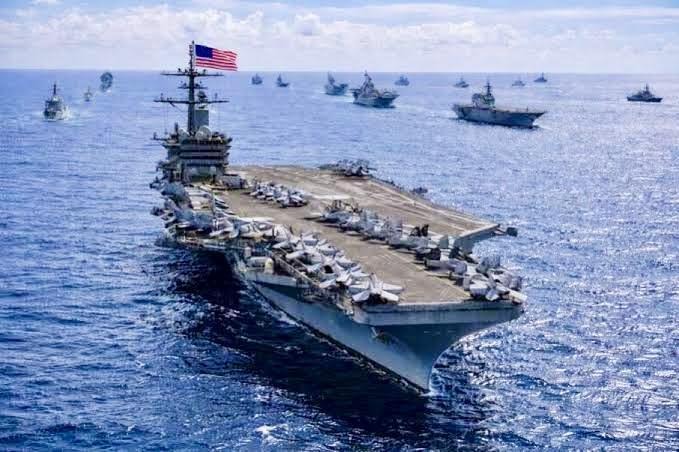
BANGKOK, 3 March 2026: The rapid escalation of conflict in the Gulf region is once again reminding the world how closely geopolitics, markets, and tourism are intertwined. As military action involving the United States and Israel against Iran reverberates across the Middle East, reports of retaliatory strikes and heightened security alerts have created understandable concern well beyond the immediate region.
While the human and humanitarian implications must always come first, there are also clear economic consequences that merit careful examination, particularly for travel, tourism, and investor confidence across Asia and Thailand.
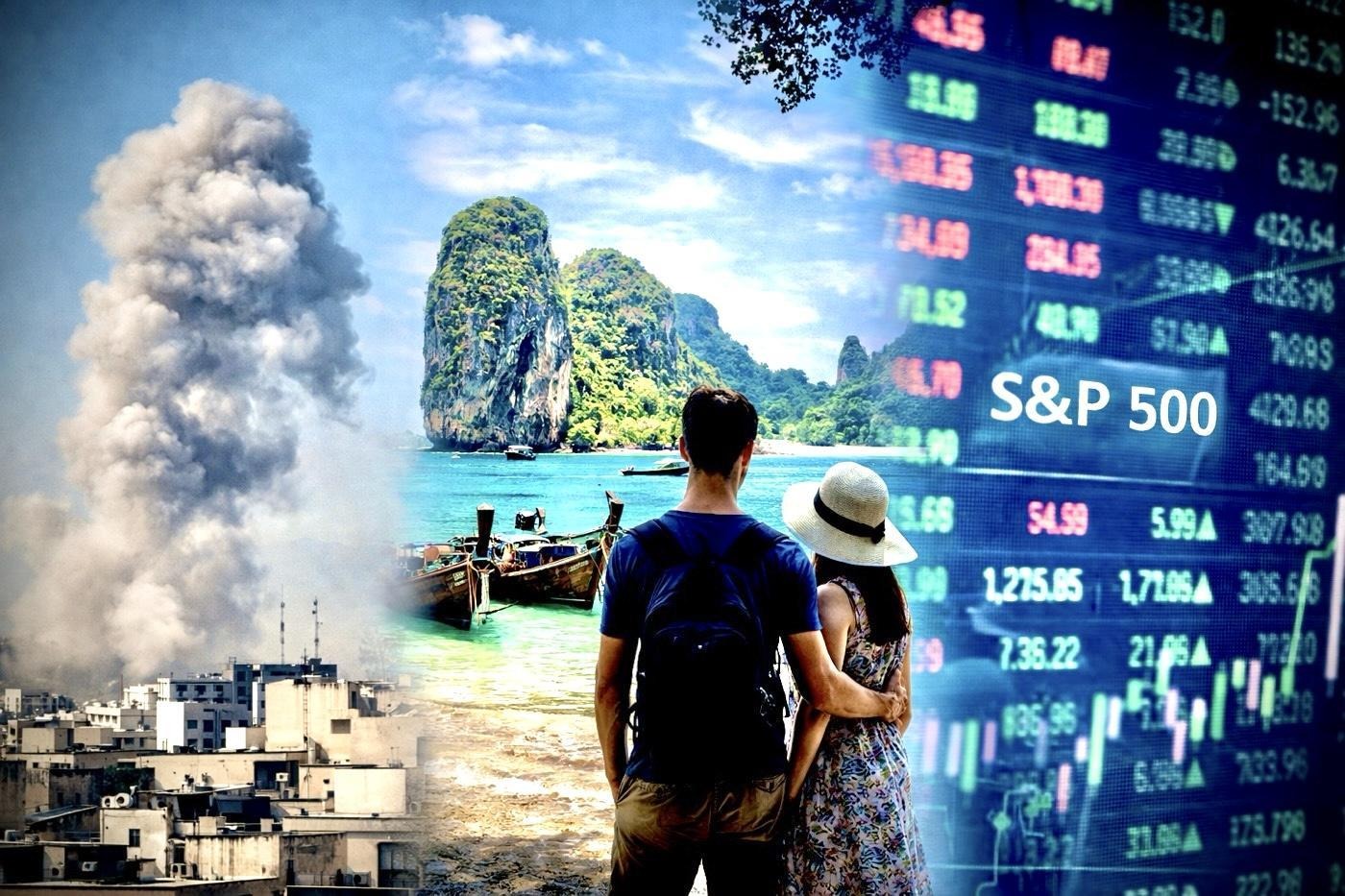
Tourism is among the most sentiment-driven sectors of the global economy. It reacts quickly to headlines, uncertainty, and perceived risk, often before any measurable impact on infrastructure or safety occurs. Even when destinations are geographically distant from conflict zones, traveller psychology can shift abruptly, especially among long-haul markets.
This is not the first time the world has faced a Gulf conflict involving the US, and it is certainly not the first such episode witnessed from Thailand. I have lived through multiple periods of regional and global tension while based here, including the first Gulf War in the early 1990s. At that time, there was widespread concern that long-haul travel would collapse and that Thailand’s tourism industry would suffer lasting damage. In reality, the impact proved far more limited and short-lived than feared. While there was an initial pause in bookings and heightened anxiety driven by headlines, Thailand was quickly seen as distant, stable, and safe. Tourism demand returned faster than expected, regional travel remained resilient, and the country ultimately emerged with its reputation intact. The lesson from that period is clear: global conflicts can unsettle sentiment, but when Thailand is not directly involved, the net effect has historically been temporary rather than structural.
In the short term, the most likely tourism impact is hesitation rather than cancellation. Travellers may delay booking decisions, shorten planning horizons, or favour destinations perceived as stable and predictable. Asia, and Thailand in particular, have historically benefited from being viewed as safe, neutral, and far removed from Middle Eastern conflict. That perception remains broadly intact, but global instability can still dampen overall travel confidence.
Air travel is one of the first sectors to feel pressure. Rising oil prices, airspace disruptions, and increased insurance and security costs place upward pressure on fares. For price-sensitive markets, even modest fare increases can influence destination choice. Southeast Asia could see some marginal softening in demand from Europe and North America if flight costs rise or routing becomes more complex.
That said, Thailand’s tourism fundamentals remain comparatively strong. The country benefits from a diversified set of source markets, strong intra-Asia travel, and a reputation for value, hospitality, and resilience. Historically, Thailand has shown an ability to recover quickly from external shocks, particularly when those shocks are not directly regional in nature.
Within Asia, short-haul travel is likely to remain robust. Regional travellers tend to be more pragmatic and less reactive to distant geopolitical events, particularly when there is no direct threat to their travel routes or destinations. This may help cushion any softness from long-haul markets.
Turning to financial markets, periods of geopolitical escalation typically trigger short-term volatility rather than immediate structural decline. Equity markets often react swiftly to uncertainty, with initial sell-offs followed by partial recoveries as investors reassess fundamentals.
The technology-heavy Nasdaq is usually the most sensitive to risk-off sentiment. In times of global tension, investors tend to rotate away from higher-growth, higher-valuation stocks toward more defensive assets. This can lead to sharper short-term declines, even if the underlying companies are not directly exposed to the conflict.
The Dow Jones Industrial Average, with its greater weighting toward established industrial and consumer companies, often proves more resilient. Defensive sectors, including healthcare, consumer staples, and energy, can provide relative stability during turbulent periods.
The S&P 500 typically sits between the two, reflecting the broader US economy. While headline risk can drive short-term swings, longer-term performance usually depends on interest rates, inflation expectations, and corporate earnings rather than geopolitics alone.
For Asia-Pacific markets, reactions are often less intense. Energy-importing economies may feel pressure from rising fuel costs, while exporters of commodities or energy-related services may benefit. Investor focus tends to shift toward currencies, supply chains, and central bank responses rather than equities alone.
For Thailand, the primary economic exposure is indirect. Higher energy prices can influence inflation and operating costs, including transport and hospitality. However, domestic demand, regional tourism, and government stimulus measures play a far larger role in shaping near-term economic outcomes.
In times like these, perspective is essential. Markets dislike uncertainty, but they also adapt quickly once information becomes clearer. Tourism demand pauses, recalibrates, and often returns faster than expected when destinations remain safe and accessible.
For tourism leaders, investors, and policymakers, the priority should be calm communication, fact-based reassurance, and operational readiness rather than reactive decision-making. History shows that resilience, not panic, is the defining factor in navigating periods of global tension.
While the situation in the Gulf remains fluid, Asia and Thailand are not on the front line of this conflict. With prudent management, clear messaging, and continued focus on traveller confidence, the region’s tourism and economic outlook remains fundamentally intact.
About the Author
Andrew J Wood is a respected travel and hospitality professional with more than four decades of international experience across Asia, Europe, and the Middle East. Based in Thailand, he is a regular industry commentator on tourism trends, hotel performance, and regional economic dynamics. Andrew has worked extensively with international hotel groups, tourism organisations, and media, and is widely recognised for his balanced, on-the-ground insight into Asia’s travel and hospitality sector.