

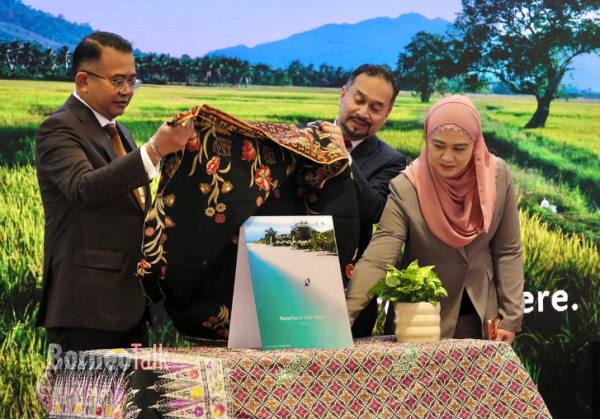
BERLIN, 6 March 2026: Langkawi is redefining how it presents itself to the world, unveiling a refreshed destination positioning at ITB Berlin 2026 that reflects the island’s evolving role within the global travel landscape.
An archipelago of 99 islands off Malaysia’s northwest coast, Langkawi has long been recognised for its natural beauty, biodiversity and geological heritage. Through this renewed destination narrative, the island is sharpening how it introduces these strengths to international audiences.
In 2025, Langkawi recorded 3.2 million visitor arrivals, generating RM8.3 billion in tourism-related revenue. That same year, the island welcomed 370,395 visitors from the UK and Europe, reaffirming the continued importance of long-haul markets within Langkawi’s tourism mix. Europe remains a core source market for the destination, supported by growing interest from emerging regions driven by demand for slower travel, longer stays and experience-rich itineraries.
A broader expression of the destination
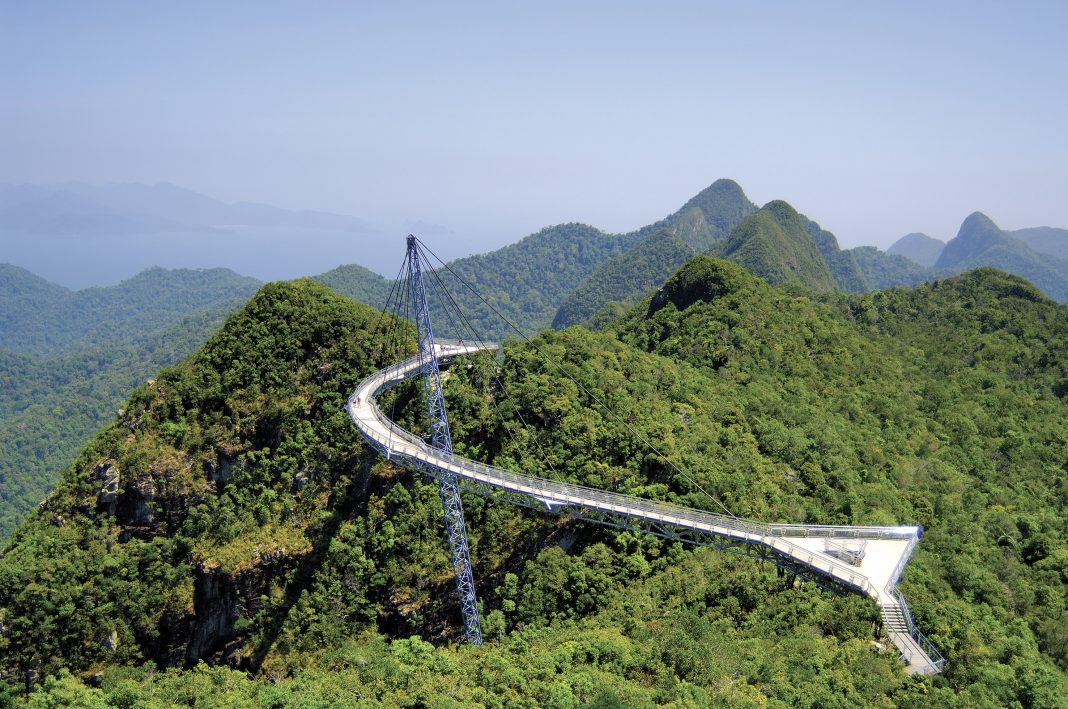
Langkawi’s refreshed brand positioning reflects the island’s ability to serve a wide range of travel needs within a single destination. From luxury and wellness experiences to long-stay travel, remote working lifestyles and independent exploration, Langkawi offers choice without sacrificing its natural character. Experiences unfold across varied landscapes. Rainforest paths traverse lowland areas and rise toward elevated terrain, while mangrove networks provide quiet routes for exploration by boat or kayak. Panoramic viewpoints at the Langkawi SkyCab and Sky Bridge offer sweeping views across the island and sea.
International recognition continues to evolve, with Langkawi ranked second among the Top Islands in Asia in the Condé Nast Traveller Readers’ Choice Awards 2025.
Langkawi’s destination story is closely tied to its natural systems and geological past. Surrounding waters support marine life shaped by mangroves and reefs, with dolphins frequently sighted along the coast. Recent years have also recorded increased turtle nesting and sightings of Bryde’s whales, reflecting the vitality of the island’s marine environment.
On land, Langkawi is home to more than 200 bird species, including the Oriental Pied Hornbill, Wreathed Hornbill and the rare Great Hornbill. Beneath this biodiversity lie some of Southeast Asia’s oldest rock formations, where ancient fossils reveal the island’s deep geological history.
Ongoing research by Malaysian scientists continues to uncover new species, reinforcing Langkawi’s status as a UNESCO Global Geopark.
Guided by the principles of conservation and low-impact development, tourism growth across the island is shaped by environmental stewardship, responsible resort design, and community-based initiatives — aligning with global travellers’ expectations for sustainability-led destinations.
At ITB Berlin, Langkawi engaged with international media, travel trade and industry partners to explore long-term collaborations that support meaningful storytelling, sustained visibility and responsible growth for the destination in the years ahead.
About Naturally Langkawi
Naturally, Langkawi is a story 550 million years in the making. It has a nature that is beautifully unique, wonderfully rare, and vastly accessible. It envelopes the 99 islands and the people who live there, creating a culture rich with stories as unique as the archipelago itself.
A land steeped with captivating legends, myths and folklore as interesting as the people who tell them.
It is a place full of diverse, incredible experiences where moments become memories, naturally.
For more information on Langkawi and its attractions, visit: Naturally Langkawi.
(Source: Your Stories — Naturally Langkawi).