


BANGKOK, 19 August, 2026: I have watched for more than thirty years, working in Asia, as loyalty programmes have evolved from simple points and complimentary upgrades into increasingly sophisticated digital platforms.
Yet, in my experience, many still concentrate too heavily on the transaction rather than the reason people travel.
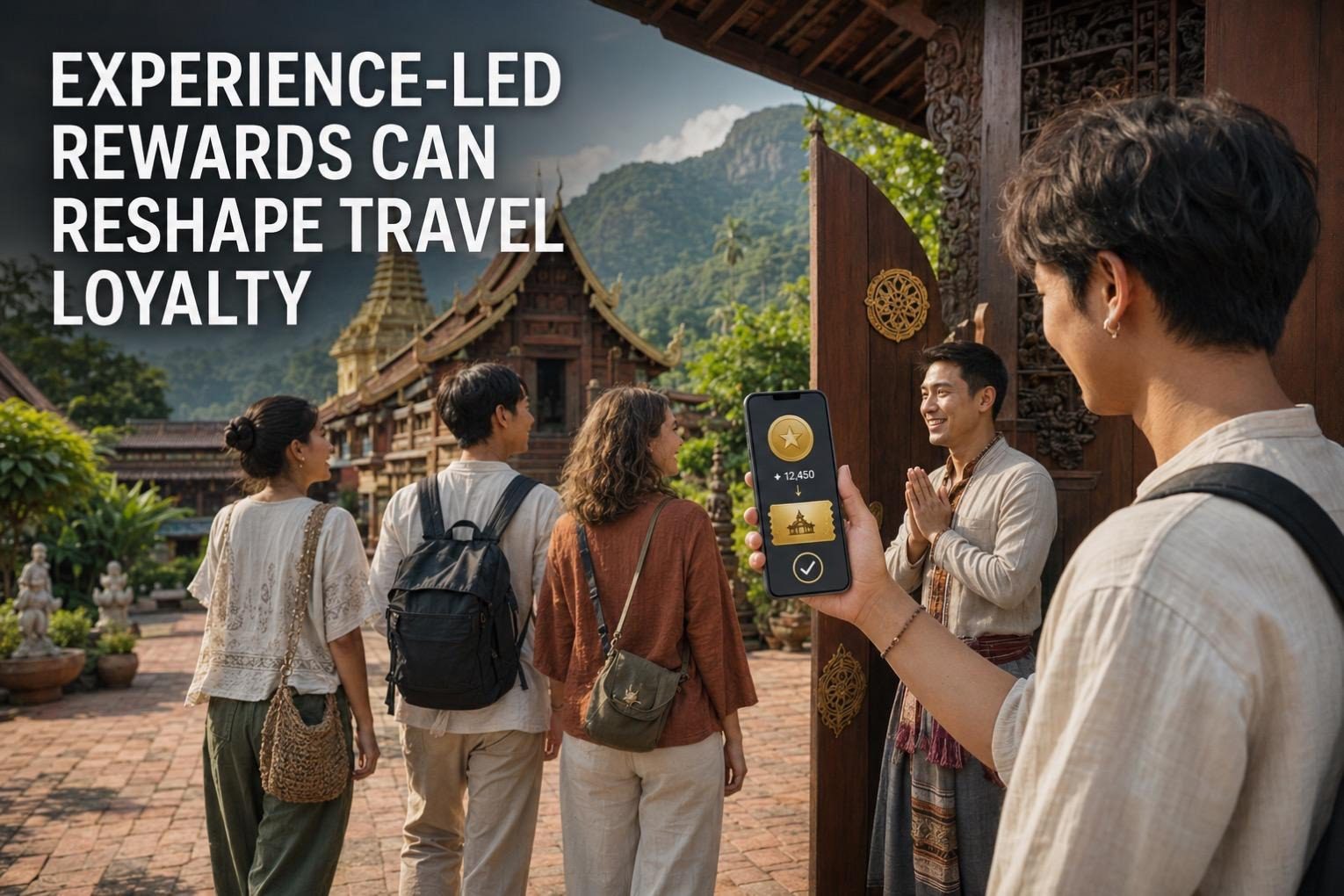
Travellers rarely remember how many points they earned from a journey. They remember the local meal, the heritage site, the unexpected landscape or the people they met along the way. This is particularly noticeable during the short road trips I regularly take with friends from Bangkok. We enjoy discovering destinations together, stopping at local restaurants and staying overnight in places we might otherwise have overlooked.
This growing preference for experiences is highlighted in Agoda’s 2026 Travel Outlook report. The research found that cultural exploration motivates 32% of Gen Z travellers, followed by outdoor activities at 30% and culinary experiences at 28%.

These findings closely reflect what I see in my own travels, even though my companions and I belong to a very different generation.
The desire to explore local culture, enjoy regional food and discover unfamiliar places is certainly not confined to younger travellers.
Loyalty programmes therefore have an opportunity to move beyond conventional points, discounts and room upgrades. Destination-specific activities, exclusive cultural encounters, local dining experiences and carefully designed travel packages could provide much more memorable and persuasive rewards.
Nearly three in four Gen Z travellers, or 73%, plan to take between one and six trips annually, while 86% prefer stays lasting from one to seven days. This pattern is also familiar to active seniors – retired or not.
My own group takes approximately six short road trips each year. We usually travel for three or four days in a 10-seat van with a driver, making several overnight stops at destinations located between two and eight hours from Bangkok. For us, useful loyalty benefits could include regional hotel packages, dining credits, heritage visits, wellness activities, private guides and transport arrangements.
Sustainability is also becoming more influential. Agoda reports that 23% of Gen Z travellers prefer off-peak travel to reduce their environmental impact. Active seniors are equally well placed to travel outside busy holiday periods because they generally have greater flexibility.
Airlines, hotels, banks and loyalty providers could encourage this behaviour through off-peak member fares, sustainable accommodation, responsible tourism experiences and rewards that disperse visitors beyond overcrowded destinations.

Gen Z are more prone to plan around experiences and expect a straightforward path from discovery to booking.
The opportunity, however, extends well beyond Gen Z. I firmly believe programmes that understand how people actually travel, and reward them with relevant experiences rather than points alone, can build stronger engagement and more lasting customer relationships across generations.

About the author
Andrew J Wood is a Bangkok-based British travel writer and former hotelier who has lived in Thailand since 1991. He writes extensively about tourism, hospitality and aviation across the Asia-Pacific region. He is a long-standing senior member of Skål International, a former Director and Past President of Asia, Thailand and Bangkok.