

BANGKOK, 5 October 2026: Drawing on that reporting, this article offers my observations and the questions it raised, particularly concerning travellers and international tourism. Several important details remain unverified, and the eventual investigative findings may differ from early accounts.
Having flown extensively as a traveller for more than 45 years, I found the reports about Flydubai flight FZ1073 deeply unsettling. My first reaction was relief that the aircraft landed safely. Then came the questions.
Captain Smit Machchhar, the Indian pilot reportedly stabbed aboard Wednesday’s Israel-bound flight, deserves recognition for his extraordinary heroic courage. According to published accounts, despite his injuries, he managed to open the cockpit door, enabling passengers and other crew members to intervene and restrain the alleged attacker. His actions helped avert what could have been a catastrophe.
Like frequent travellers, I have boarded aircraft countless times, confident in the professionalism of the people at the controls.
As a travel writer and former hotelier, I also think about passenger confidence and international tourism. At this stage, however, I feel it is much too early to judge any wider implications.
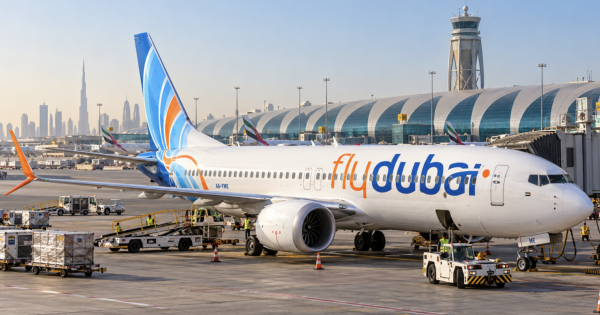
The Dubai-to-Tel Aviv service diverted to Tabuk, Saudi Arabia, following an alleged attack on the captain and a rapid descent. Accounts describe passengers and crew intervening before the aircraft landed safely.
Beyond that broad outline, considerable uncertainty remains. Much of the discussion centres on the accused co-pilot, yet relatively little verified information about his background has been made public. The reporting reviewed has not disclosed his complete employment history, training records, or recruitment checks.
Claims concerning radicalisation and extremist social-media activity are serious, but the underlying evidence has not been made fully available for independent examination. Accounts of religious observance do not establish violent intent.
In my mind, this distinction is essential. The seriousness of an allegation does not remove the need to verify it.
Questions about the co-pilot

The questions I find myself asking are straightforward. Was the alleged attack premeditated? Did the suspect act alone? Did the destination influence his actions? Were there earlier indications of a credible threat?
Planning and acting alone are separate issues. An individual could have prepared an attack without assistance. Equally, the available reporting does not establish that either preparation or outside involvement occurred.
I am also interested in what investigators establish about the alleged weapon, how it became available in the cockpit and whether any relevant security procedure was breached.
Until those answers emerge, I would be reluctant to attribute failure to an airport, airline or individual responsible for screening.
Checks and balances
Having spent so much of my professional and personal life travelling, I naturally wonder how aviation’s safeguards address a threat from someone already authorised to enter the cockpit.
Will the investigation prompt a closer look at the balance between initial recruitment checks and continuing security assessment? Could periodic reviews, verified references or confidential channels for reporting specific concerns provide additional protection?
These are questions arising from what I have read. I do not know whether any such measure would have prevented this incident, or whether existing arrangements were properly followed.
What I feel matters is that any eventual response is grounded in evidence. Nationality, religion and personal beliefs cannot substitute for evidence of threatening behaviour.
Tourism perspective
For tourists and travellers, the immediate concern is understandable: what happened, and what might it mean for their journey?
My own view is that there is currently too little verified information to assess any lasting effect on international tourism. The wider impact may prove limited, but that too remains to be seen.
This single incident does not, in itself, indicate a wider change in the safety of air travel. What interests me is how the investigation’s findings may influence passenger confidence, airline procedures and the decisions travellers make.
After more than 49 years of flying, I appreciate how deeply travellers depend on trust. For me, maintaining that trust means investigating thoroughly, communicating clearly, and letting the evidence guide our understanding.
About the Author

Andrew J Wood is a British-born travel writer, tourism commentator and former hotelier who has lived in Thailand since 1991. He is CEO of A&P Media and writes for travel and hospitality publications across Asia and internationally.
(Source: Research for this commentary included Juergen T Steinmetz’s article, “Who Was the Pilot on Flydubai Flight FZ1073?”, published by eTurboNews on 1 October 2026, Israel Travel News, and Saudi Arabia Travel News. Additional material included Reuters reporting dated 30 September and 1 October.)