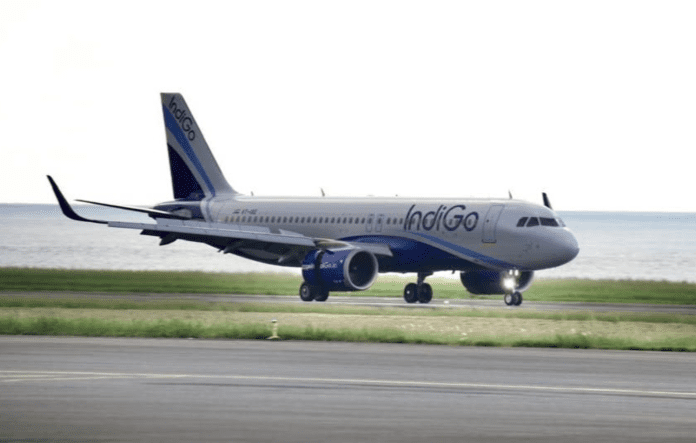
NEW DELHI, 23 June 2026: In view of a traditionally softer demand in the upcoming quarter and a challenging cost environment, IndiGo has introduced temporary adjustments to international destinations.
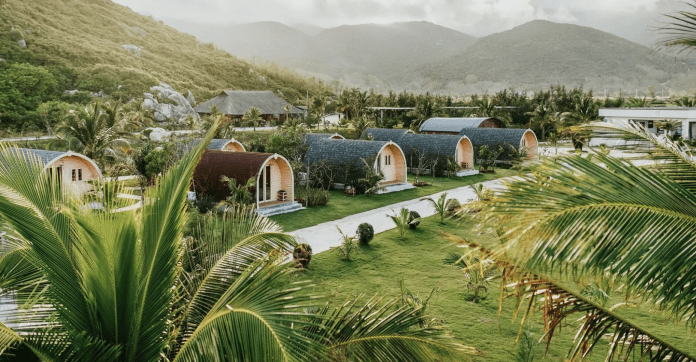
The temporary flight suspension includes Langkawi, Malaysia; Krabi, Thailand; Ho Chi Minh, Vietnam; Hong Kong and Shanghai, starting 1 July 2026; and Siem Reap, effective 3 July 2026, until 30 September 2026.
Photo credit: IndiGo.
IndiGo says it will resume bookings for all impacted services starting 1 October 2026, subject to the geopolitical situation in the Middle East becoming favourable.
The airline noted that it would be prepared to reinstate these services earlier than scheduled, given the appropriate lead time.
Notably, the airline has managed to retain the majority of its international operations — over 1,800 weekly flights — despite this realignment.
These measured changes are designed to align capacity with current market conditions and demand trends, while ensuring the airline maintains reliability and network integrity across its global destinations.
BANGKOK, 23 June 2026: Visa, a global leader in payments, unveils key findings from the 2026 Global Travel Intentions (GTI) study, the latest edition of its flagship global study that has captured global travel patterns and preferences for over 20 years.
The study was conducted among more than 47,000 respondents worldwide, including more than 17,000 in the Asia-Pacific markets.
This year’s edition reveals an important finding: Travellers in the region are responding to global shifts not by travelling less but with greater intentionality — focusing on familiarity, practicality, and flexibility.
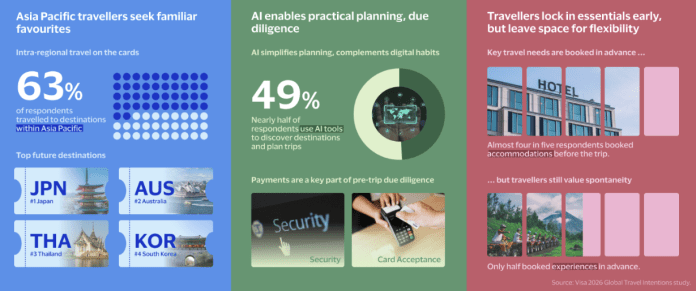
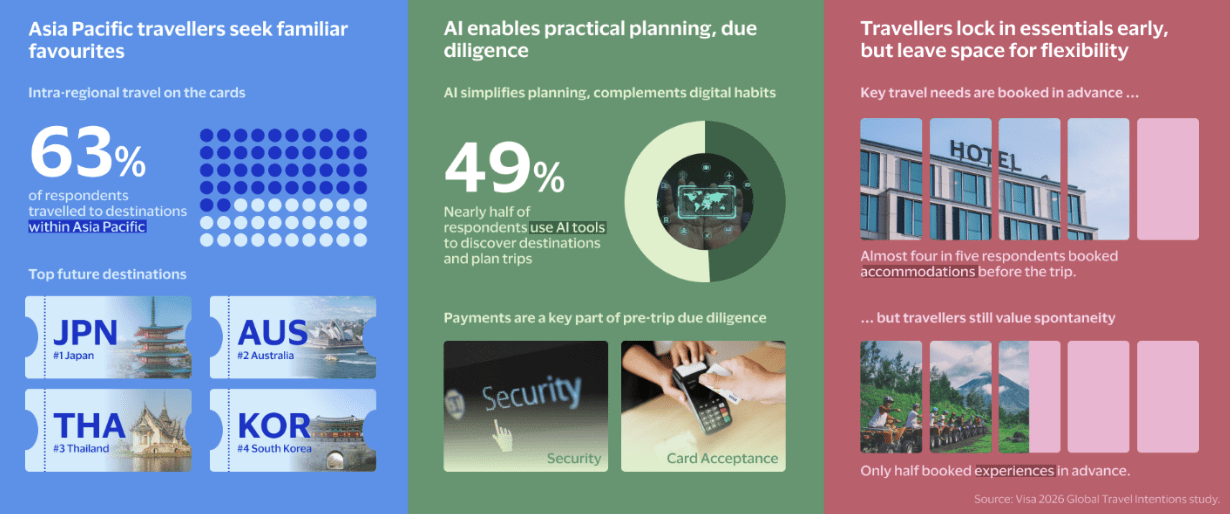
Photo credit: Visa.
Asia Pacific travellers seek familiar favourites
In a global environment shaped by rising costs and uncertainty, Asia Pacific travellers are reconfiguring their travel footprints — choosing to visit destinations closer to home that offer familiarity, ease of access, and confidence in planning.
According to the GTI study, 63% of respondents surveyed travelled to destinations within Asia-Pacific, dwarfing planned travel to Central Europe, the Middle East, and Africa (16%), Europe (13%), and North America (6%).
Top five destinations
Japan was the top destination for nearly one in five respondents (19%), followed by Australia (7%). Thailand, South Korea, and Hong Kong round out the top five at about 5% each.
When asked about planned travel destinations in the coming 12 months, more than one in four (28%) still cite Japan as a destination, followed by 16% for Australia, and 13% for Hong Kong and South Korea.
Photo credit: Visa.
While Asia Pacific travellers turn to familiar destinations, many are still planning trips to discover unique experiences and pursue their passions: 37% of Asia Pacific respondents plan their trips around unique local experiences, especially those related to food and culture — exceeding the global average of 29%.
One in four respondents said they would travel for major live entertainment and sporting events such as the FIFA World Cup 2026TM, Formula 1TM*, and K-Pop.
AI enables practical planning, due diligence
Travellers in the Asia Pacific are also becoming more methodical in planning their trips, at a time when conditions at their travel destinations are fluid. According to the GTI study, travellers in the Asia Pacific actively “sense-check” various aspects before their trips, from core needs like accommodations to blind spots like insurance, visa requirements, and monitoring local current events.
AI simplifies pre-trip preparations and complements travel websites and social media as key research channels. Nearly half (49%) of respondents use AI tools to discover destinations and ideas – making it the most frequent use case. Other top uses include: Gather and curate travel reviews and recommendations (41%); Discover local tours and experiences (35%).
Payments are an essential part of pre-trip due diligence. Payment security is top of mind for respondents (33%), followed by card acceptance (27%). These underscore that digital payments are a staple for Asia Pacific travellers, with 73% bringing cards or mobile wallets on their trips.
Travellers lock in essentials early
While travel planning has become more strategic and deliberate, travel experiences do not become rigid and predictable. Instead, travellers lock in essential bookings early and value spontaneity and are open to changing their plans once they arrive:
Almost four in five (79%) booked accommodations in advance of the trip;
But only half of respondents (51%) booked experiences in advance, suggesting that travellers keep their options open until they reach their travel destinations;
72% of dining decisions are made after reaching their destinations, while 65 percent of transport choices are made during this stage
Visa Asia Pacific, Chief Marketing Officer Danielle Jin said: “The latest Global Travel Intentions study affirms the importance of travel to Asia Pacific. Travel is not slowing — it is becoming more planned, purposeful, and intentional.
“As digital-first travellers seek familiar sights and plan more practically, what matters is how destinations, businesses, and issuers enable every traveller to explore the places they love in their own way, from using AI to help travellers pursue their passions, values, and aspirations to delivering secure and seamless payment experiences at every stage of their journeys.”
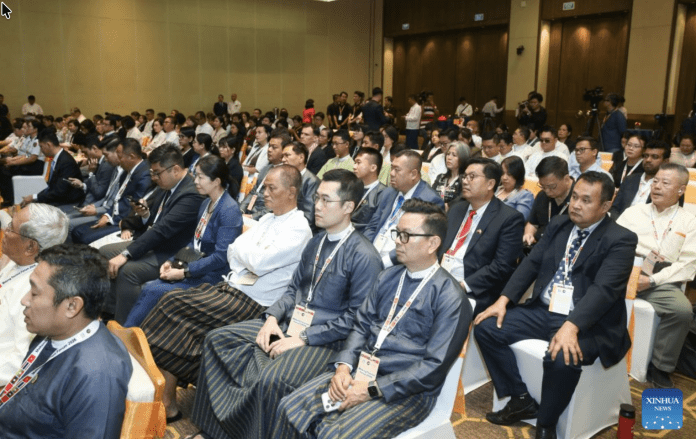
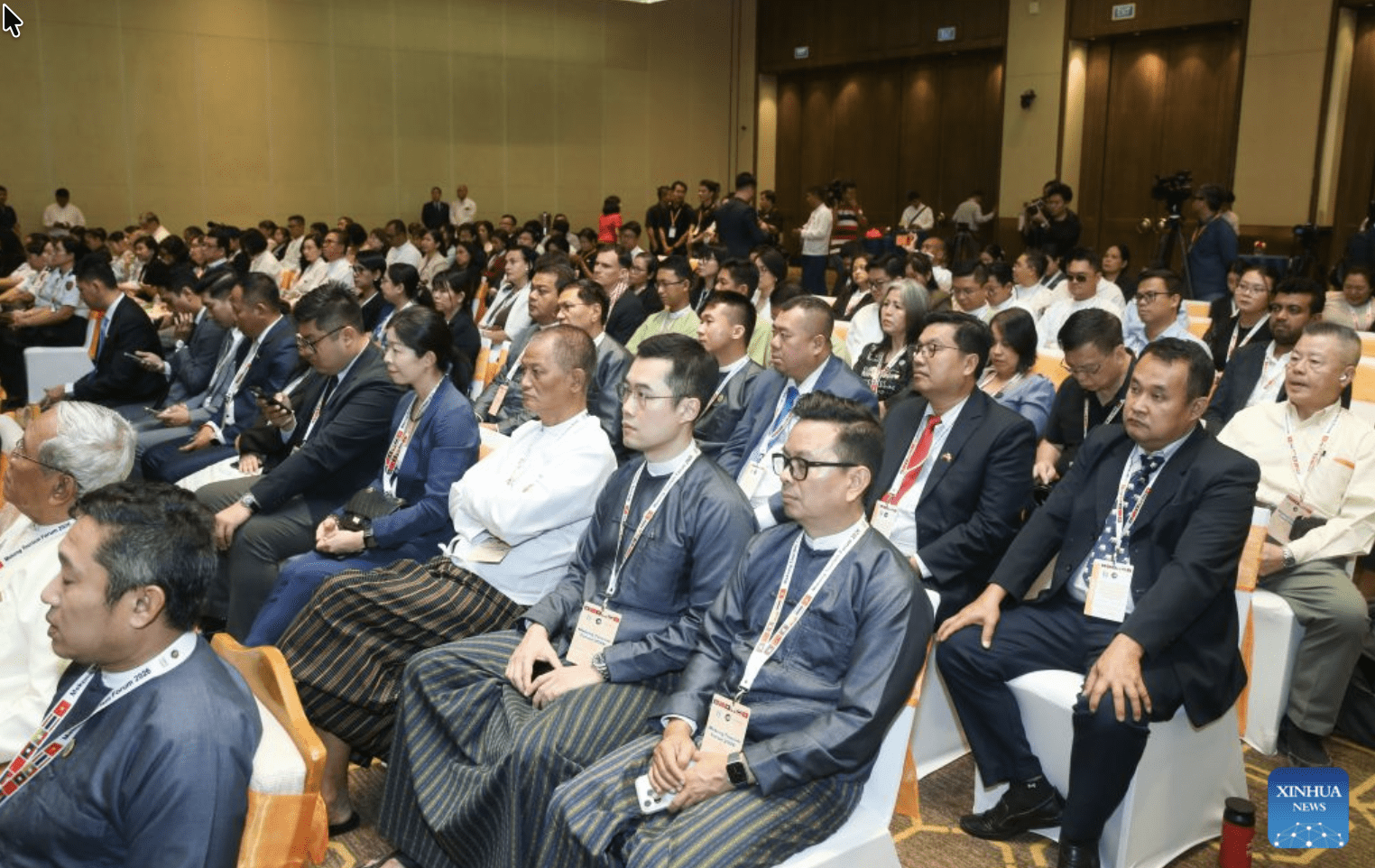
YANGON, 22 June 2026: Mekong Tourism Forum 2026 successfully brought together tourism leaders, policymakers, development organisations, academics, entrepreneurs, artists, and community representatives from across the Greater Mekong Subregion under the theme “Tourism for People, Travel with Purpose.”
Hosted by the Ministry of Hotels and Tourism of Myanmar, in collaboration with the Mekong Tourism Coordinating Office (MTCO), the forum provided a platform for dialogue, knowledge exchange, and regional cooperation to advance people-centred tourism throughout the region.
Tourism leaders, government officials, community advocates, academics, artists, and industry stakeholders gathered in Yangon to explore how tourism can create meaningful benefits for people, culture, communities, and future generations.
Held at the Pan Pacific Hotel from 16 to 18 June, the forum explored how tourism can contribute to community well-being, cultural preservation, environmental stewardship, economic opportunity, and stronger regional partnerships.
Bringing the Mekong region together
The forum opened with remarks from Union Minister of Hotels and Tourism of Myanmar, Maung Myint and Huot Hak, Minister of Tourism of Cambodia, who highlighted the importance of tourism cooperation and sustainable development across the Greater Mekong Subregion.
Welcoming delegates on behalf of MTCO, Executive Director Suvimol “Dee” Thanasarakij emphasised the importance of collaboration among governments, tourism businesses, development agencies, educational institutions, and local communities in shaping a more resilient and inclusive future for tourism.
Throughout the forum, Suvimol leadership helped foster meaningful dialogue among stakeholders from across the region while reinforcing MTCO’s ongoing role in supporting tourism cooperation and knowledge sharing within the Greater Mekong Subregion.
Behind the scenes, the successful delivery of the forum was supported by MTCO Operations Manager Sasithorn Chantarklum (“Aey”), whose professionalism, attention to detail, and tireless dedication helped ensure a seamless experience for delegates, speakers, exhibitors, and partners throughout the event.
Exploring the future of purpose-driven travel
The forum’s keynote address was delivered by Masaru Takayama, Chairperson of the Global Ecotourism Network and Advisor to the Asian Ecotourism Network.
Takayama encouraged delegates to consider tourism through the interconnected pillars of Conservation, Community, Culture, and Commerce, highlighting the importance of balancing economic development with environmental protection and community well-being.
Chattan Kunjara Na Ayudhya, Head of Country Representative Thailand for AirAsia MOVE, explored evolving traveller expectations and the growing demand for authentic, meaningful, and purpose-driven travel experiences.
Drawing from both professional and personal experience, Chattan shared a memorable story from a visit to Yangon in which a ticket seller at Shwedagon Pagoda greeted him with the simple words, “Welcome, brother.” The story resonated strongly with delegates and illustrated the power of genuine hospitality and human connection in creating memorable travel experiences.
Community-based tourism expert Wanvipa Phanumat shared practical lessons from tourism initiatives rooted in local communities. At the same time, Eddy Krismeidi Soemawilaga, President of the ASEAN Tourism Association, discussed the importance of connectivity, aviation, and regional cooperation in supporting tourism growth and development throughout the Mekong region.
Putting people at the centre of tourism
A key highlight of the forum was the panel discussion “People at the Centre of Tourism,” moderated by Graham Harper, Director of Clickable Impact.
The discussion explored inclusion, accessibility, workforce development, leadership, women’s participation, community empowerment, and equitable tourism development.
Panellists included:
Thiri Aung, CEO and Founder, Women Transforming Myanmar;
Phan Thanh Ha, Project Manager, Association of Southeast Asian Social Enterprises for Training in Hospitality and Catering (ASSET-H&C);
Sokny Onn, CEO, Epic Arts and Accessibility Advisory Committee Member, Yale University;
Koko Tang, Founder, Colourful Earth and Head of Global Impact Measurement, World Sustainable Hospitality Alliance.
Drawing on her experience leading a network of more than 5,000 women entrepreneurs, Thiri Aung highlighted the importance of access, voice, and opportunity for women within the tourism sector.
“Invest in women, when women thrive, communities thrive,” she said.
Phan Thanh Ha emphasised the importance of education, training, and workforce development in creating opportunities and supporting the growth of inclusive tourism.
Sokny Onn contributed an accessibility perspective, highlighting the need to ensure tourism opportunities and experiences are accessible to people of all abilities.
Koko Tang discussed the interconnections among biodiversity, culture, local livelihoods, and tourism, encouraging destinations to move beyond traditional economic measures of success.
“Tourism should not only promote places; it should help steward them as living landscapes,” she noted.
Together, the panel demonstrated that people-centred tourism requires meaningful participation, inclusive decision-making, capacity building, and long-term commitment to community well-being.
Celebrating living culture and creative expression
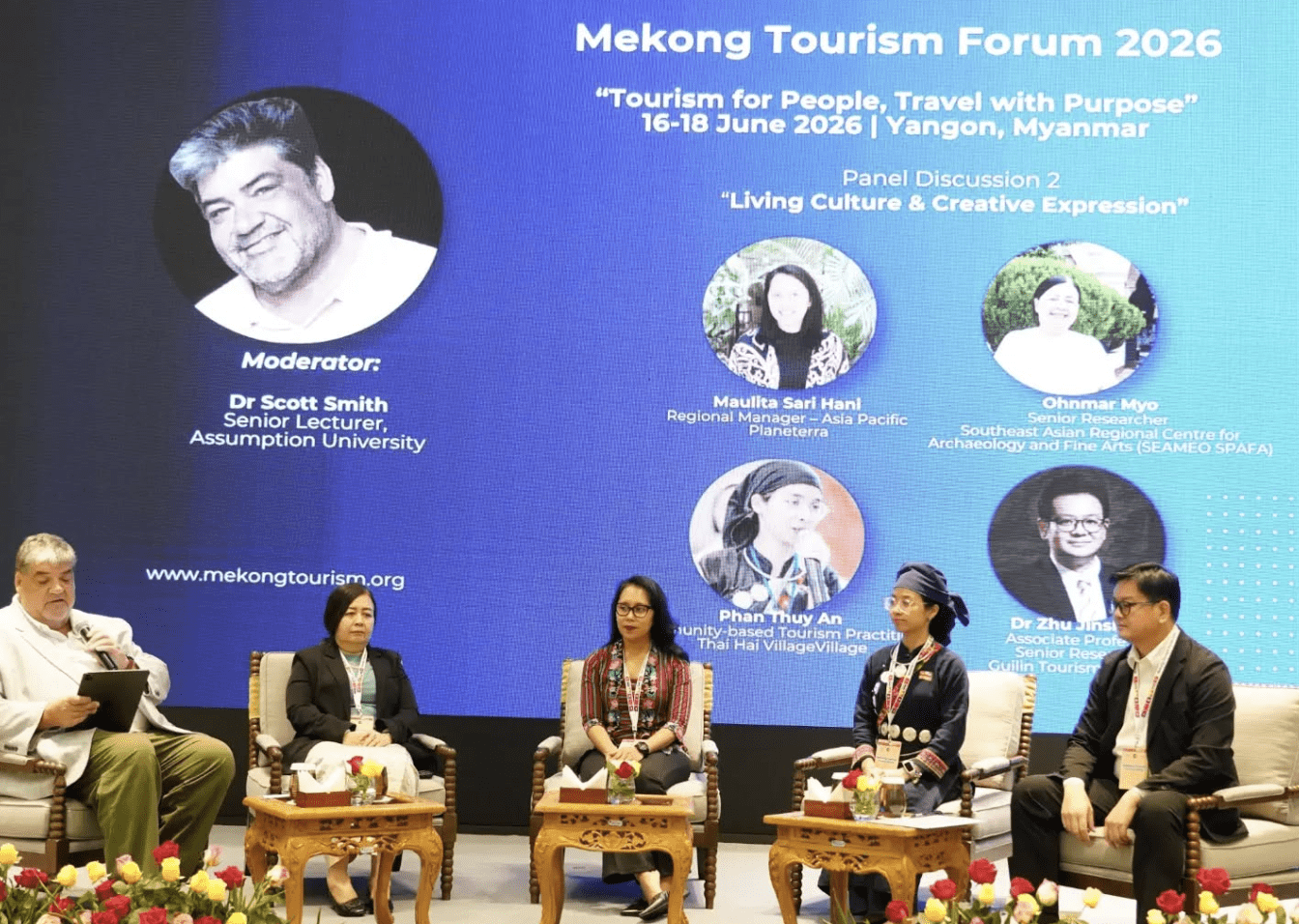
The forum’s second panel discussion, “Living Culture & Creative Expression,” examined how tourism can support the preservation, interpretation, and celebration of living culture.
Moderated by Dr Scott Smith, Senior Lecturer, Assumption University (and author of this report), the panel featured: Zhu Jinsheng (“Jason”), Guilin Tourism University; Thuy An Phan, Thai Hai Village, Vietnam; Maulita Sari Hani, Planeterra; Ohnmar Myo, SEAMEO SPAFA.
The discussion explored how communities can remain at the centre of cultural tourism while ensuring traditions, heritage, creativity, and local identity continue to thrive.
Ohnmar Myo highlighted the importance of community knowledge and heritage stewardship, while Maulita Sari Hani shared lessons from community tourism initiatives that create long-term social, environmental, and economic benefits.
Representing Thai Hai Village, recognised by UN Tourism as one of the world’s Best Tourism Villages, Thuy An Phan spoke passionately about the role of love, community, and connection in sustaining culture and creating meaningful tourism experiences.
“With love, we can do anything. Love creates our village. Love for nature can create meaningful tourism,” she said.
Zhu Jinsheng reinforced the importance of people-oriented tourism and the role of communities, educators, entrepreneurs, and residents in shaping authentic visitor experiences.
Showcasing the culture and creativity of the Mekong Region
Beyond the conference sessions, delegates explored the region’s cultural richness through the GMS Gastronomy Tourism Exhibition and the Art for Tourism exhibition.
The gastronomy exhibition showcased culinary traditions, local products, food entrepreneurs, and cultural experiences from across the Greater Mekong Subregion. Through food, delegates experienced the stories, traditions, and identities that continue to shape the region’s tourism offerings.
The Art for Tourism exhibition, curated by Jaffee Yee and featuring works by Myanmar artists Arkar Myo, Sai Pyae Sone Aye, and Aung Htet Lwin, presented artistic interpretations of iconic destinations including Shwedagon Pagoda, Bagan, Inle Lake, and Mandalay Palace.
Together, the exhibitions demonstrated how food, art, culture, and creativity can enrich visitor experiences while supporting local communities and preserving cultural heritage.
Experiencing Myanmar beyond the conference
The forum also included a technical tour to Bago, located approximately 80 kilometres northeast of Yangon.
As the former capital of the Hanthawaddy Kingdom, Bago offered delegates an opportunity to explore Myanmar’s rich cultural heritage while examining how tourism can contribute to heritage preservation and community development.
The visit connected many of the forum’s discussions with real-world examples of cultural tourism in practice.
Throughout the week, delegates also experienced Yangon’s hospitality and the professionalism of the Pan Pacific Yangon.
Under the leadership of General Manager Hasitha Manthriratne, the hotel team played a key role in creating a welcoming environment for participants. Special recognition was also given to Mr Kaung Min Khant, whose exceptional guest service and attention to detail left a lasting impression on many delegates.
Looking ahead to MTF 2027
The forum concluded with a symbolic handover ceremony held at Pan Pacific Yangon.
Representing the Ministry of Hotels and Tourism of Myanmar, Khaing Mee Mee Htun, Deputy Director General of the Directorate of Hotels and Tourism, formally presented the Mekong Tourism Forum flag to Witchanee Vuthipongse, Expert on Tourist Attraction Development and Acting Director of the Division of Tourism Professional Development, representing Thailand’s Ministry of Tourism and Sports.
The handover officially marked the transition from Myanmar, host of MTF 2026, to Thailand, which will welcome delegates to Chiang Rai for the Mekong Tourism Forum 2027.
As participants departed Yangon, they carried with them new partnerships, fresh ideas, and a renewed commitment to advancing tourism that benefits people, communities, culture, and the environment.
The discussions, experiences, and relationships built throughout the Mekong Tourism Forum 2026 reinforced a shared vision for the future of tourism across the Greater Mekong Subregion, one that places people at the heart of travel and purpose at the centre of tourism development.
(Source: Dr Scott Smith, Senior Lecturer, Assumption University, Bangkok)
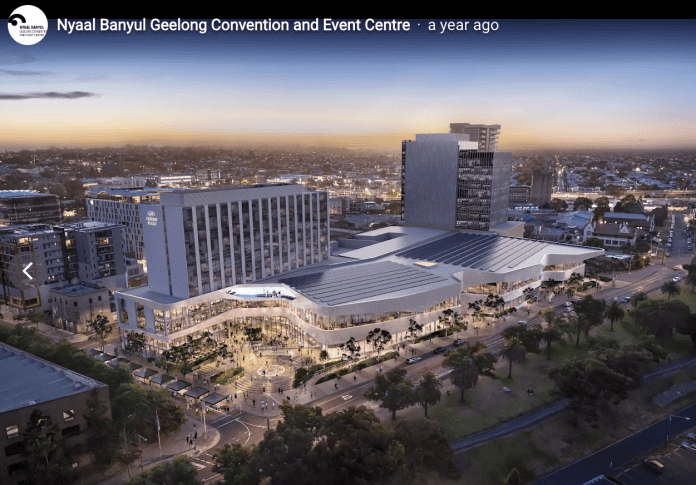
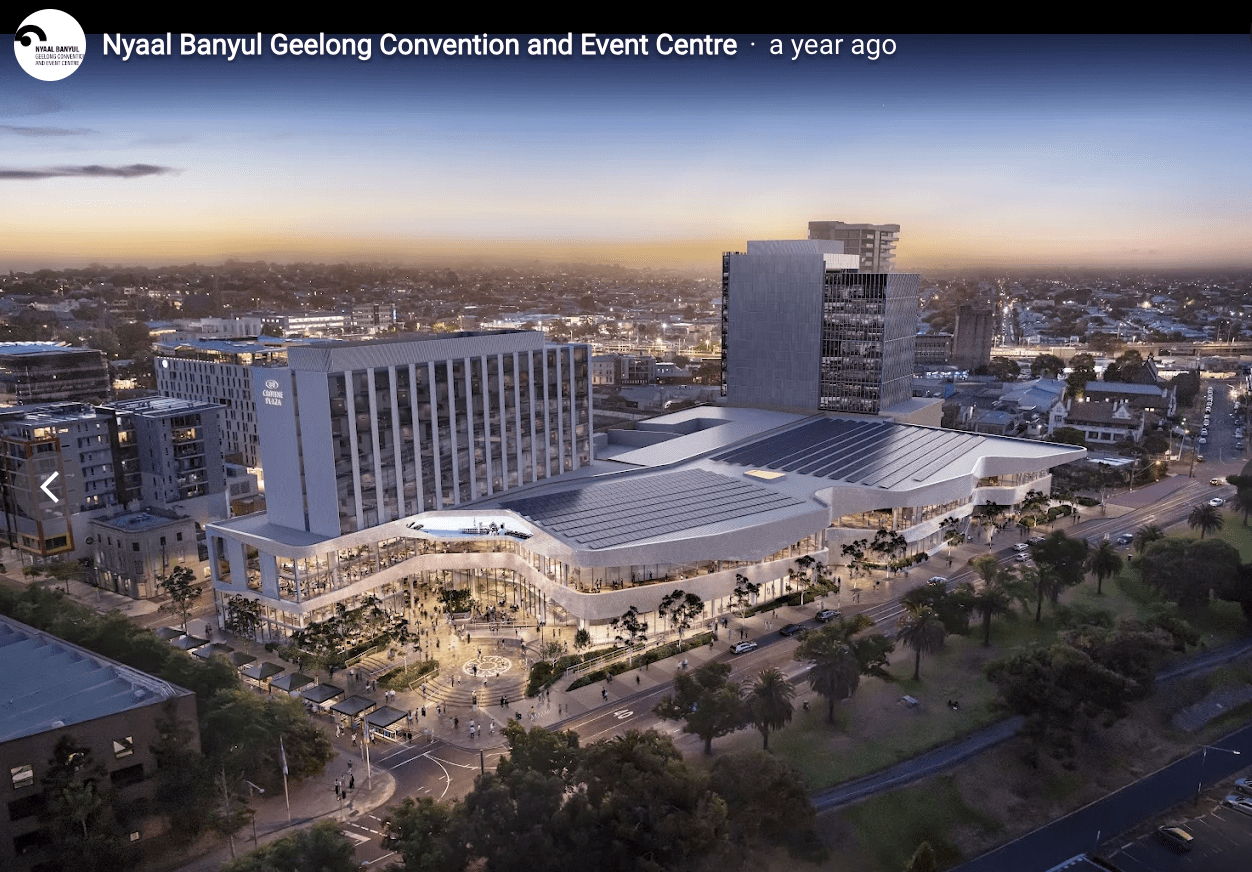
MELBOURNE, 22 June 2026: The Victorian Convention and Event Trust (VCET) officially opened the Nyaal Banyul Geelong Convention and Event Centre on Sunday, marking the beginning of a new chapter for business events in regional Victoria.
As operator of both Nyaal Banyul and the Melbourne Convention and Exhibition Centre (MCEC), VCET brings more than three decades of experience delivering world-class events to Geelong’s waterfront.
Photo credit: Nyaal Banyul Geelong Convention and Event Centre.
Nyaal Banyul opens with more than 80 events already secured and more than 250 proposed events expected to bring hundreds of thousands of visitors to Geelong in the coming years.
VCET Chief Executive Natalie O’Brien AM said the opening was a significant milestone for Victoria’s business events sector and a landmark moment for Geelong.
“For VCET, this is the beginning of our journey operating a regional venue in Victoria’s second largest city that is right-sized, distinctive, and embedded in its community,” O’Brien said.
“Drawing on our experience at MCEC, we’ve shaped not only the physical spaces but how this venue will operate – delivering events that will bring more people to Geelong and its surrounding regions, support local businesses and create lasting impact.”
Nyaal Banyul features a 1,000-seat theatre, exhibition spaces, meeting rooms, conference facilities, flexible event spaces, food and beverage offerings and a public outdoor plaza.
The venue has been designed in partnership with the Wadawurrung Traditional Owners Aboriginal Corporation, embedding cultural narratives throughout the architecture, public spaces and visitor experience.
“Nyaal Banyul reflects the cultural significance of this place and the stories connected to it, while also creating a contemporary venue that welcomes visitors from across Australia and beyond,” Ms O’Brien said.
Victoria’s standing as a global events destination will be strengthened by having both MCEC and Nyaal Banyul within its business events portfolio, which can host events of varying scales and types.
Upcoming events already demonstrate that diversity, from community-focused gatherings such as the Geelong Careers Expo to major gala events and national conferences. The venue will host its first major event, the Barwon Health Foundation Gala Ball, on 3 July.
Later in the year, Geelong will welcome key national industry events, including the Professional Conference Organisers Association conference in December, followed by the Australian Tourism Awards in February 2027.
“Nyaal Banyul will play a critical role in bringing new audiences to Geelong – delegates, organisers and industry leaders coming from all over Australia, many of whom will be visiting the region for the first time,” O’Brien said.
“The flow-on effects are significant- increased tourism, stronger local supply chains, and new opportunities for businesses across hospitality, services and the broader visitor economy, in Geelong and the surrounding areas in the Bellarine and Great Ocean Road.”
Nyaal Banyul is supporting local employment, with the majority of its workforce drawn from the Barwon South West region and more than 50 regional businesses engaged across catering, services and operations.
Nyaal Banyul General Manager Rick Aylett said the team was well prepared to host its first event, the Barwon Health Foundation Gala Ball, on 3 July.
“The Geelong community has backed Nyaal Banyul from day one, and now it’s our turn to deliver. “Our team is ready to get started, working alongside local partners to create exceptional experiences that not only showcase this venue but position Geelong as a global destination,” Aylett said.
(Source: Nyaal Banyul Geelong Convention and Event Centre)
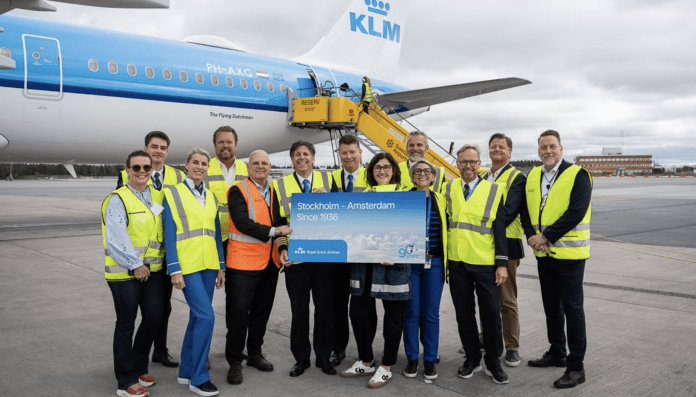
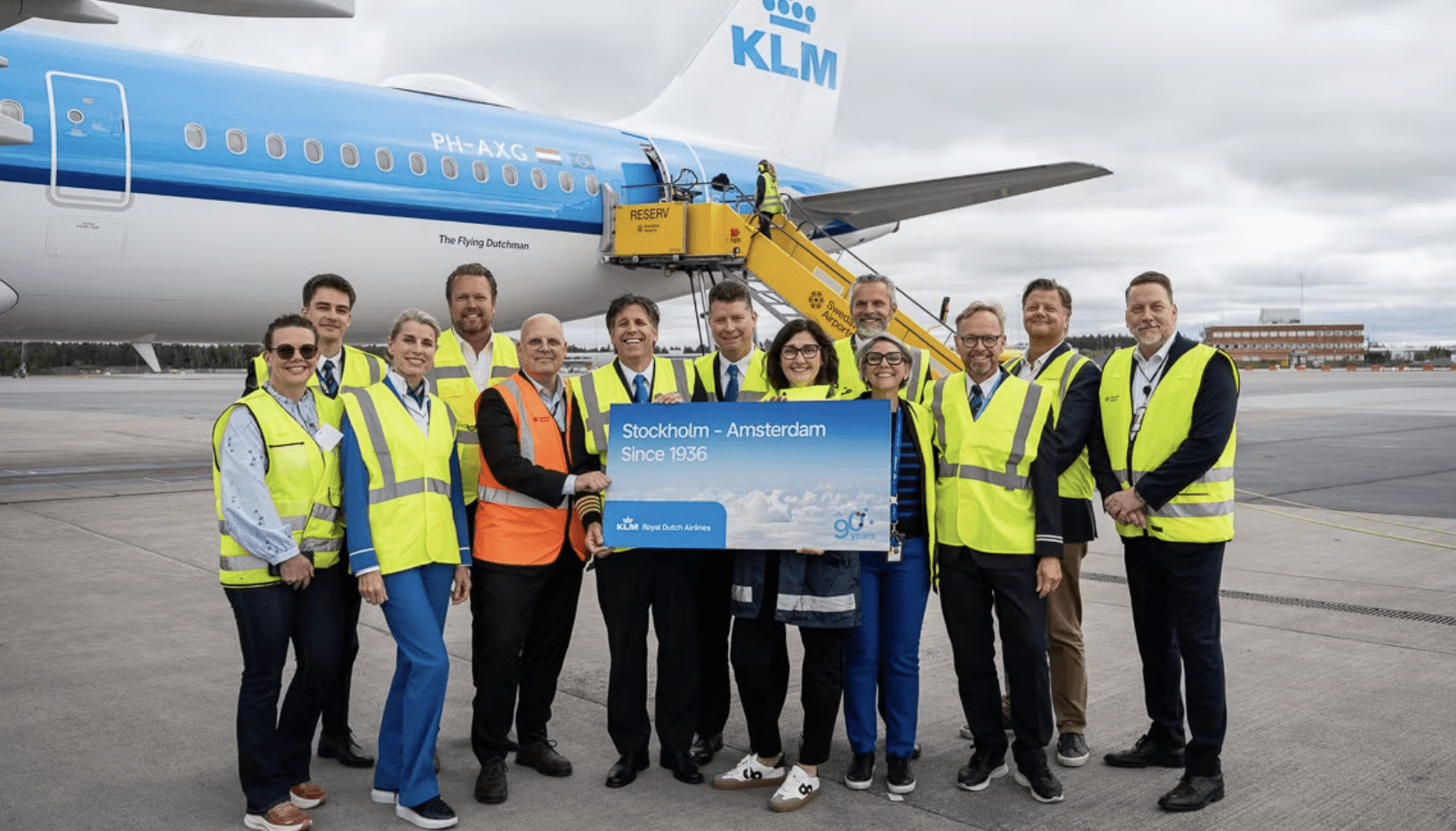
SINGAPORE, 22 June 2026: KLM Royal Dutch Airlines celebrates 90 years of air travel between Sweden and the Netherlands, marking a long-standing relationship that has helped Swedish travellers reach Amsterdam and destinations around the world for generations.
KLM offers direct flights from Stockholm, Gothenburg, and Linköping to Amsterdam Schiphol, and from there it is possible to fly on to more than 160 destinations worldwide.
KLM celebrates 90 years of flights to Stockholm together with Swedavia.
SINGAPORE, 22 June 2026: KLM’s history in Stockholm dates back to 1936, when the airline first served the city. Today, travellers can fly between Stockholm and Amsterdam in about two hours, compared to about five hours in 1936, and easily continue onward via KLM’s hub in Amsterdam.
“KLM’s relationship with Sweden is something we are very proud of,” said Air France-KLM North Europe General Manager Tom Verbugt. “A lot has changed in the last 90 years, but our purpose remains the same: to connect people, companies and cultures.”
The anniversary comes as Air France-KLM continues to strengthen its presence in the Nordic region. At Stockholm Arlanda, KLM has continued to invest in capacity and has offered an average of 40 flights per week over the past three years to meet demand from both business and leisure travellers. The partnership with SAS has further expanded the offering to over 100 flights per week from 16 airports around Sweden.
For 90 years, KLM has been an important partner in strengthening and maintaining the connections between Stockholm and Amsterdam, but also by extension, with the rest of the world, says Elizabeth Axtelius, Director Aviation Business at Swedavia. – Strong connections make it possible for people to meet, whether for business, tourism, or to visit family and friends. We are very happy that KLM has helped Swedes discover the world, but above all, that they have helped the world discover Sweden all these years.
KLM is introducing more new-generation aircraft on its departures from Stockholm Arlanda. This winter, two out of three KLM flights from Arlanda are expected to be operated by new-generation aircraft, which means lower fuel consumption compared to previous-generation aircraft of similar size.
“The renewal of the aircraft fleet is one of the most important ways for us to improve the efficiency of our operations,” says Tom Verbugt. “By deploying more new generation aircraft on routes like Stockholm–Amsterdam, we can offer customers a modern travel experience while reducing fuel consumption and emissions per passenger.”
Within the entire Air France-KLM Group, fleet renewal is a central part of the group’s transformation plan, with the ambition that these aircraft will constitute a clear majority of the fleet by 2030.
KLM Royal Dutch Airlines is part of the Air France-KLM group and a member of the global SkyTeam alliance.
KOTA KINABALU, 22 June 2026: The High Commission of India in Malaysia has expressed strong support for advancing discussions on direct air connectivity between India and Sabah, describing it as a potential “game changer” for tourism and economic cooperation.
Currently, there are no direct flights between Sabah and cities in India.
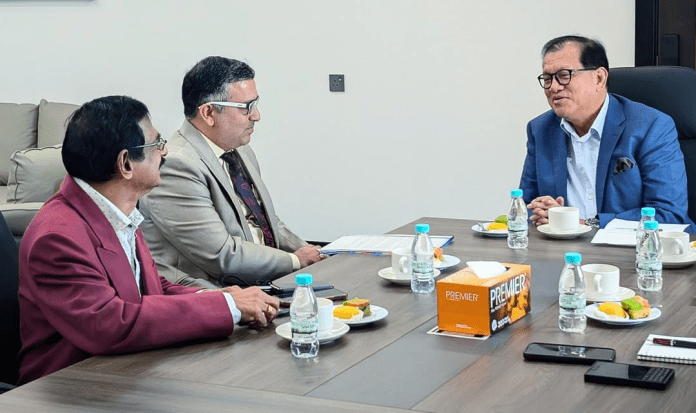
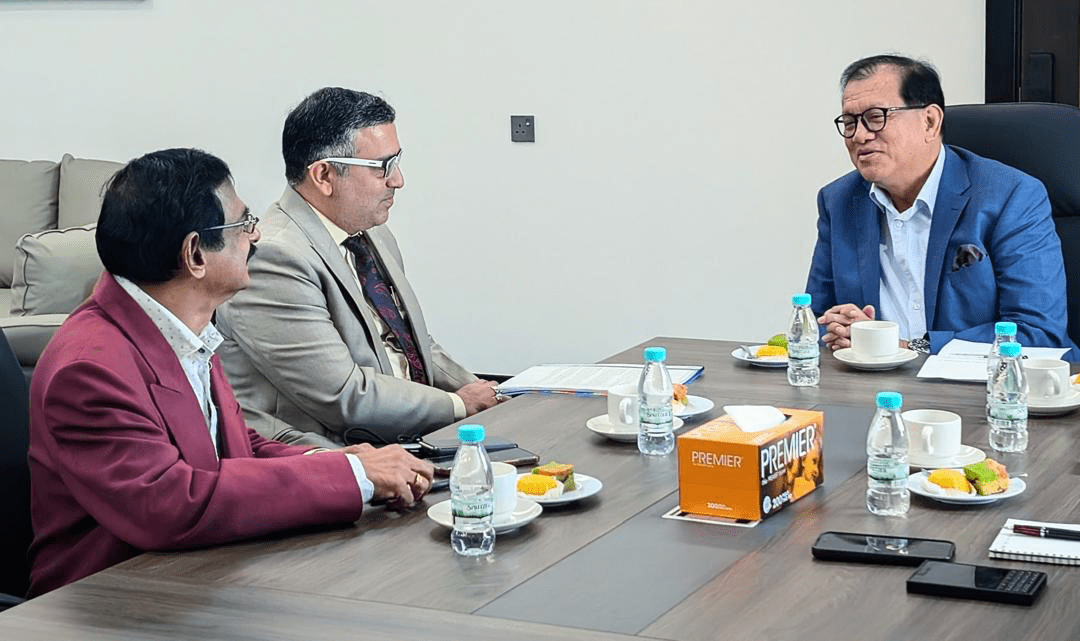
Photo credit: Sabah Tourism Board. Assistant Minister to the Chief Minister and Chairman of Sabah Tourism Board, Datuk Joniston Bangkuai, exchanging views with Acting High Commissioner of India to Malaysia Hitesh Rajpal (centre) on India’s key strategic focus areas and Sabah’s priorities in tourism and economic cooperation.
The matter was highlighted during a courtesy call on Thursday (18 June) by its Acting High Commissioner, Hitesh Rajpal, on Assistant Minister to the Chief Minister and Sabah Tourism Board (STB) Chairman, Datuk Joniston Bangkuai.
Hitesh said India sees strong potential in Sabah across the tourism, trade, and technology sectors, which continue to be prioritised by the Indian government in its international engagement strategy.
He noted that Malaysia’s visa-free entry facility for Indian passport holders has further strengthened travel demand and positioned Malaysia as an attractive destination for Indian visitors, particularly in conjunction with Visit Malaysia Year initiatives.
However, he stressed that connectivity remains a key constraint, adding that improved air links are essential to fully unlock Sabah’s share of the growing Indian outbound travel market.
“I commend and appreciate the efforts of Sabah Tourism Board for its proactive engagement with the Indian market, including tourism stakeholders and airlines such as IndiGo.
“In terms of civil aviation, perhaps we can push the negotiations further. If we can establish direct connectivity, it would be a game-changer. Anything from our side, we would be happy to collaborate on and pursue collectively,” he said.
Hitesh also highlighted opportunities for collaboration in the film industry, noting that incentives and smoother facilitation processes could encourage more Indian productions to choose Sabah as a filming destination.
In response, Joniston said Sabah continues to view India as an important growth market, supported by its large population and expanding outbound travel segment.
“We are actively pursuing stronger links with India, including the possibility of direct flights. Sabah will continue to work closely with relevant partners to strengthen our presence in the Indian market,” he said.
Joniston added that STB facilitates film productions in Sabah by assisting with coordination involving relevant authorities and providing ground support, such as logistics and transport when required.
Currently, Indian tourists travel to Sabah via connecting hubs such as Kuala Lumpur, Singapore and Brunei.
Sabah recorded 11,282 Indian visitor arrivals in 2025. Between January and April this year, 3,802 arrivals were recorded, reflecting a gradual upward trend.
Currently, no direct flights operate between Kota Kinabalu International Airport (BKI) and airports in India, according to flight timetable data for both countries. If you are planning a trip between Kota Kinabalu and India, the best option is a one-stop connection through Kuala Lumpur (KUL) to connect with AirAsia or Malaysia Airlines to major Indian cities such as New Delhi (DEL), Mumbai (BOM), Bengaluru (BLR), and Hyderabad (HYD).
Singapore is another option connecting with Scoot or Singapore Airlines to cities in India. But it turns a six-hour airline trip into an entire day when flying between cities in India and the Kota Kinabalu airport hub in Sabah.
BANGKOK, 22 June 2026: More than 250 members, partners and friends of the German-Thai business community gathered at the prestigious Sindhorn Kempinski Hotel Bangkok last week for a memorable evening celebrating the outstanding contributions of Dr Roland Wein, Executive Director of the German-Thai Chamber of Commerce (GTCC).
He has led the chamber since 2015, strengthening German-Thai business relations and expanding the chamber’s influence across Thailand.
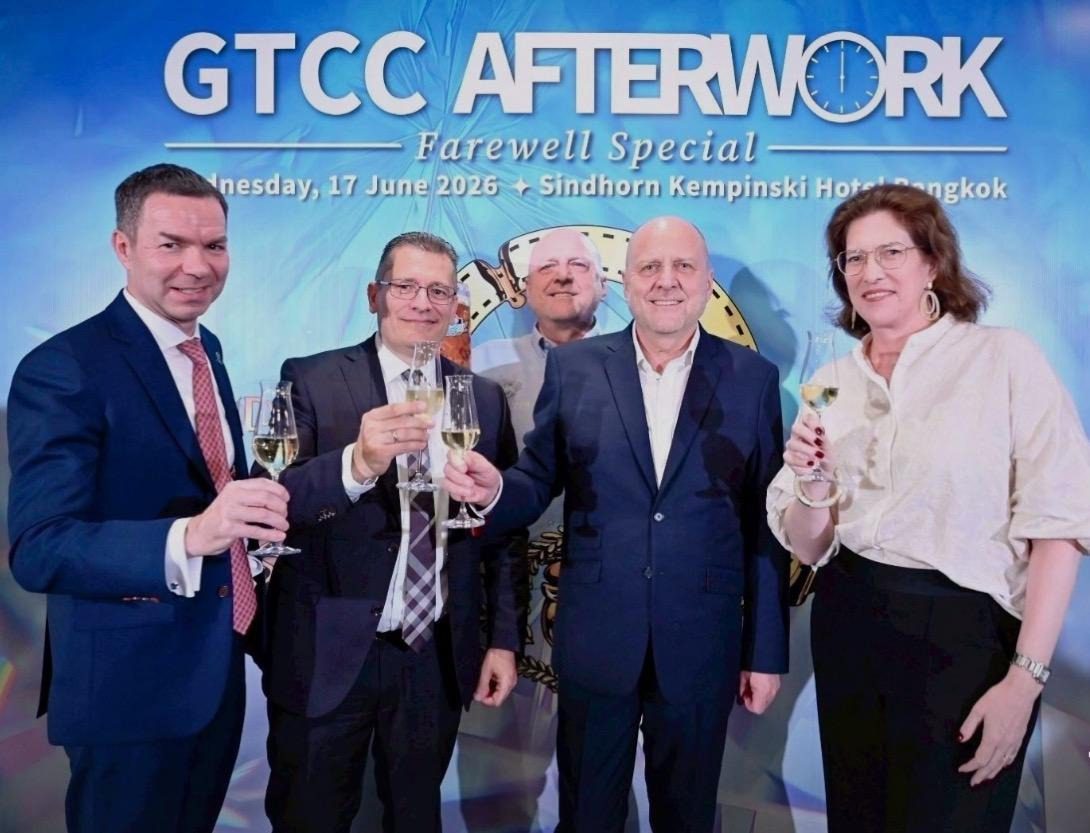
Photo L-R: Oliver Schnatz, President of the GTCC and Cluster General Manager of Sofitel Bangkok Sukhumvit; Benjamin Leipold, MD German Chambers Abroad (AHK); Dr Roland Wein, Executive Director of the GTCC; Ebba Scholl, Deputy Chief of Mission German Embassy Bangkok.
Hosted as a special GTCC Afterwork Farewell event on 17 June, the evening brought together business leaders, diplomats, government representatives, chamber members and long-standing friends to express their appreciation for Dr Wein’s dedication, professionalism and commitment over more than a decade of service.
The event was opened by Oliver Schnatz, President of the GTCC and Cluster General Manager of Sofitel Bangkok Sukhumvit, who delivered a heartfelt tribute recognising Dr Wein’s contribution to the chamber and his role in fostering stronger economic and commercial ties between Germany and Thailand.
Special remarks were delivered by Benjamin Leipold, Managing Director of German Chambers of Commerce Abroad (AHK) and DIHK DEinternational GmbH, and Ebba Scholl, Deputy Chief of Mission at the German Embassy in Bangkok. Both highlighted Dr Wein’s leadership, integrity and lasting impact on the German business community in Thailand and the wider ASEAN region.
The evening also highlighted the close relationship between the German-Thai Chamber of Commerce and Thailand’s tourism and hospitality industries. Many of the chamber’s most active members come from the travel, tourism and hotel sectors, including leading international and Thai brands such as Sofitel, Kempinski, Centara, Dusit and Anantara, as well as airlines, destination management companies, travel agencies and tourism service providers. The event’s host venue, Sindhorn Kempinski Hotel Bangkok, provided an elegant setting for the celebration. The strong attendance from the tourism community demonstrated the deep respect held for Dr Wein and the many relationships he has cultivated across Thailand’s business and travel sectors.
The GTCC Board of Directors includes many prominent figures from the German-Thai business community and plays an important role in shaping chamber policy and supporting its members. Throughout his tenure, Dr Wein worked closely with the board and management team to strengthen services, expand business opportunities and reinforce the chamber’s reputation as one of Thailand’s most respected foreign business organisations.
Among GTCC’s flagship events is its annual Oktoberfest, widely recognised as one of the largest German business and cultural celebrations in Thailand. Staged over two days in Bangkok, the event attracts thousands of visitors each year and has become a landmark occasion for the German-Thai community. Supported by many of Thailand’s leading hotels, hospitality companies and corporate partners, Oktoberfest exemplifies the chamber’s unique ability to combine business networking, cultural exchange and community engagement on a remarkable scale.
Representatives from governmental and non-governmental organisations, colleagues from DIHK and AHK offices, members of other chambers of commerce and business associations, and leaders from across Thailand’s corporate sector joined the farewell celebration. Throughout the evening, guests shared memories and reflected on Dr Wein’s achievements during more than ten years at the helm of the chamber.
Guests were also introduced to Matthias Hoffmann, who will assume the position of GTCC Executive Director on 1 August 2026, marking the beginning of a new chapter for the organisation while building on the strong foundation established under Dr Wein’s leadership.
About the author Andrew J Wood is a Bangkok-based media executive, travel writer and former hotel executive specialising in Asian tourism. British-born and originally from Yorkshire, England, he is a graduate of Napier University in Edinburgh and has lived in Thailand since 1991. His contributions to the tourism industry have been recognised through numerous honours, including the Skål International Order of Merit, the President’s Award and the distinction of Membre d’Honneur. Today, he writes extensively on travel, tourism, hospitality, aviation and business trends across Asia, providing commentary and analysis for industry publications and international audiences.
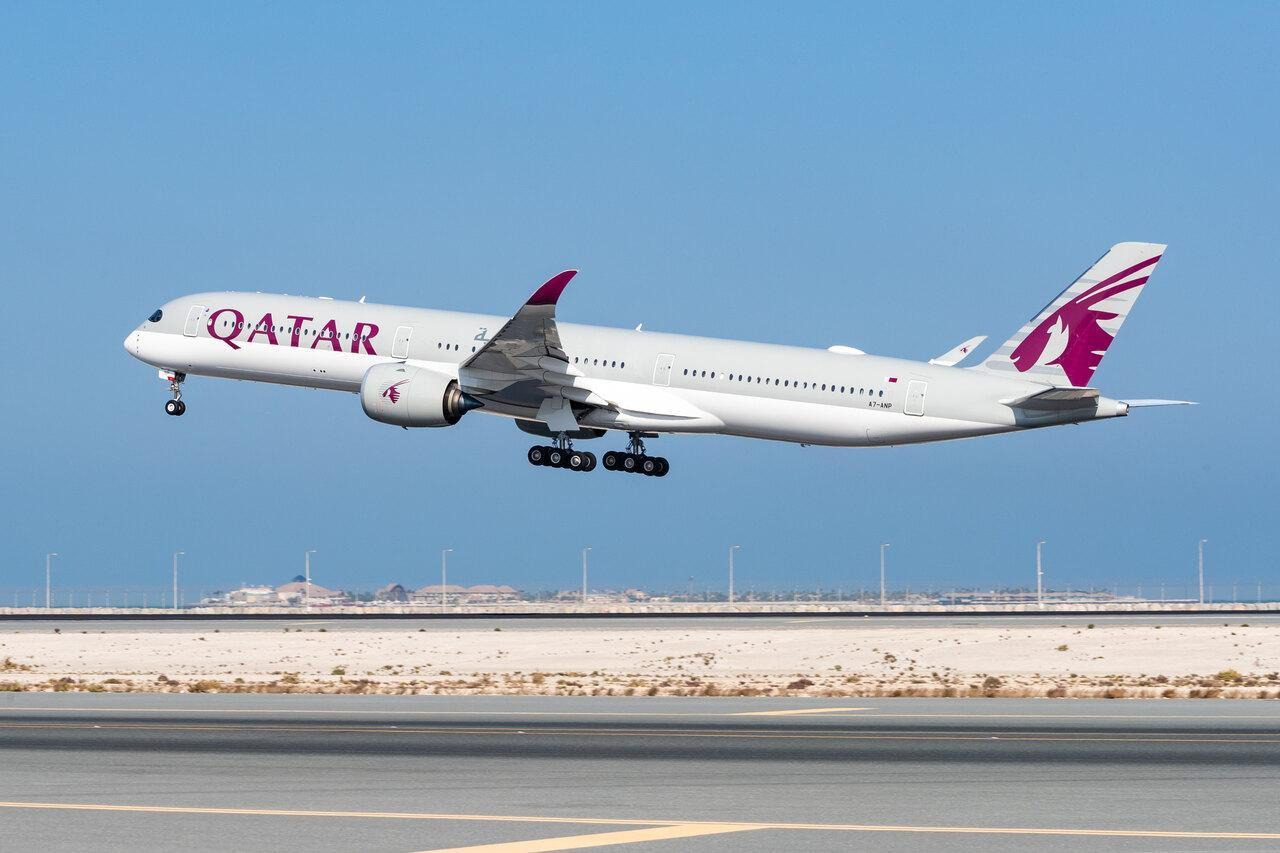
DOHA, 22 June 2025: Qatar Airways Group has restored its network to 85% of pre-crisis levels and created two new executive roles to sharpen its operations and deepen its focus on customers.
The milestone was reached with the launch of the airline’s summer 2026 schedule this week, which sees more than 140 daily departures from Doha to over 160 destinations worldwide. It delivers a target the group set itself earlier this year, at the height of the regional disruption that grounded much of its network, to rebuild to 85% by mid-June.
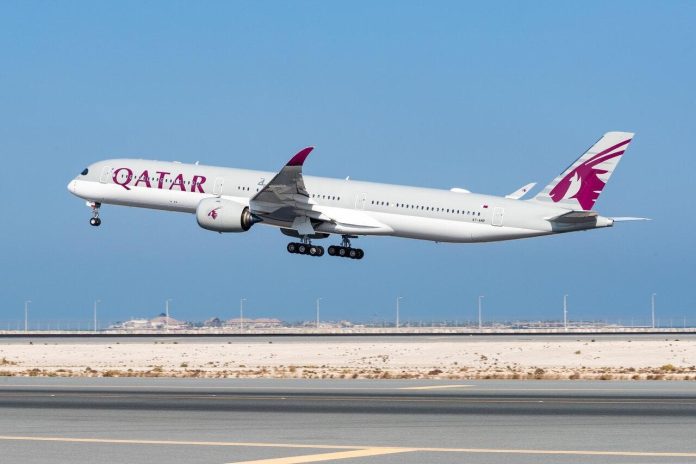
Photo credit: Qatar Airways.
The two new appointments support three priorities that will shape the group’s next phase of growth. The focus is on delivering a world-class passenger experience at every touchpoint, expanding the passenger and cargo network with a modern fleet and the next generation of Qsuite, and investing in its people, in their development, succession, and the skills the years ahead will demand.
Both roles report directly to the Group Chief Executive Officer, Hamad Al-Khater.
The Chief Operating Officer will bring the group’s operational functions under a single leader, with a focus on accountability, performance and the highest standards of safety. The role is taken up by Abdulla Ali, a Qatari national, who is being promoted from his current position as Senior Vice President of Ground Services.
Ali brings extensive experience across airline, airport and network operations, with a proven record of delivery and of leading high-performing teams.
The Chief Customer Officer brings the brand and customer touchpoints under a single coordinated focus throughout the customer journey. The role is taken up by Calum Laming, a dual Irish and British national, who most recently served as Chief Customer Officer at British Airways from 2022 until earlier this year, and has held senior customer-focused positions at major international airlines, including Etihad Airways and Air New Zealand.
Group Chief Executive Officer, Hamad Al-Khater, said: “These appointments are about what comes next. With Abdulla and Calum joining our leadership team, we will move faster, sharpen our focus on excellence, and put the customer at the heart of every decision we make. They are also about our people, expanding our ability to develop talent and support the growth of our incredible teams.”
Ali and Laming take up their new roles on 1 November 2026.
SINGAPORE, 22 June 2026: The World Travel & Tourism Council (WTTC) launched its new global framework, The Seven Principles for Attracting Tourism Investment, last week, setting out the key conditions destinations need to become investment-ready, attract private capital, strengthen competitiveness, and accelerate sustainable tourism growth.
Launched by WTTC President & CEO Gloria Guevara, the framework draws on the common characteristics of the world’s most successful tourism investment destinations. It provides a practical roadmap for governments seeking to create the conditions for long-term tourism growth.
Photo credit: WTTC.
The principles reflect WTTC’s vision of best practice for attracting long-term investment and are designed to help destinations unlock economic growth, job creation, infrastructure development, and sustainable tourism expansion.
The Seven Principles are:
Legal Certainty and Regulatory Stability – a transparent, predictable legal environment that gives investors confidence to commit for the long term.
One-Stop-Shop for Tourism Investment – a single, empowered point of contact that simplifies and accelerates the investment journey.
Tourism Strategy with Full Stakeholder Alignment – coordinated planning between government, industry, communities, and investors.
Competitive Fiscal and Investment Incentives – attractive tax and financing frameworks that improve project viability.
Strong Head of State Commitment – visible leadership that positions tourism as a national priority.
Comprehensive Destination Master Plans with a Visible Project Pipeline – long-term destination planning supported by clearly defined investment opportunities.
Sustained Demand Growth and Market Potential – strong tourism fundamentals supported by connectivity, demographics, market demand, and a skilled workforce.
Guevara said: “Around the world, the destinations attracting the greatest levels of tourism investment share a common set of characteristics: policy stability, long-term planning, strong leadership, and effective collaboration between government and the private sector.
“Our Seven Principles for Attracting Tourism Investment provide a practical framework for destinations looking to become investment-ready, strengthen competitiveness, and attract global capital.
Travel & Tourism has enormous potential to drive economic growth, create quality jobs, and support communities. By creating the right investment environment, destinations can unlock sustainable long-term development while enhancing their competitiveness in the global tourism market.”
WTTC’s Seven Principles for Attracting Tourism Investment have been developed to support governments and destination leaders in creating investment-ready environments that encourage sustainable private-sector investment across the Travel & Tourism sector.
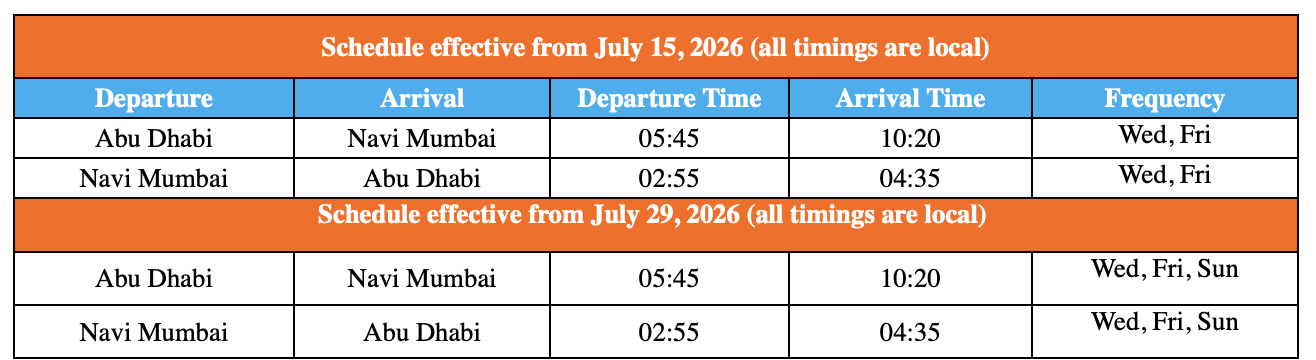
MUMBAI, 22 June 2026: Air India Express confirmed on Sunday the launch of direct flights between Navi Mumbai International Airport and Abu Dhabi, starting 15 July 2026, making it the first airline to operate international services from Maharashtra’s newest airport.
The new route provides travellers across the Mumbai Metropolitan Region with a second gateway to the UAE, enhancing accessibility, convenience, and travel choice.
Photo credit: Air India Express.
Flights will operate from 15 July 2026, with an initial frequency of two weekly services, scaling to three weekly flights from 29 July 2026.
Bookings for these flights are now open on the airline’s website, airindiaexpress.com, mobile app, and other major booking channels.
With the addition of this route, Air India Express will operate 30 weekly flights from Navi Mumbai, connecting the airport directly to Abu Dhabi, Bengaluru, and Delhi.
Air India Express’ presence in Maharashtra continues to grow steadily, with over 95 weekly flights from Mumbai, more than 100 from Pune, and 14 from Nagpur.
The airline operates one of the largest networks between India and West Asia, connecting multiple Indian cities with destinations across Bahrain, Kuwait, Oman, Qatar, Saudi Arabia and the UAE