


LANGKAWI, 8 October 2026: Some of Langkawi’s best meals aren’t where you expect them to be. Not inside polished restaurants overlooking infinity pools. Not beneath hanging pendant lights or curated playlists.
Often, they appear beside busy roads, under zinc rooftops, next to fishing villages, or tucked inside modest warungs with plastic chairs that never quite match. And somehow, those are usually the meals people remember most.
Food in Langkawi is less about presentation and more about place.
You taste the island in ways that feel deeply tied to its landscape — in seafood pulled from surrounding waters, in northern Malaysian flavours carrying traces of Thai influence just across the sea border. Meals here feel generous in the way island life often is.
Take Bronok Kerabu, for example.
Widely considered one of Langkawi’s most distinctive dishes, it is made using bronok — a sea cucumber species found along the island’s muddy shores. Mixed with herbs, onions, chilli, lime, and young mango, the dish is cool, briny, herbal, and slightly unexpected. Some compare it to sushi. Others simply grow up eating it.
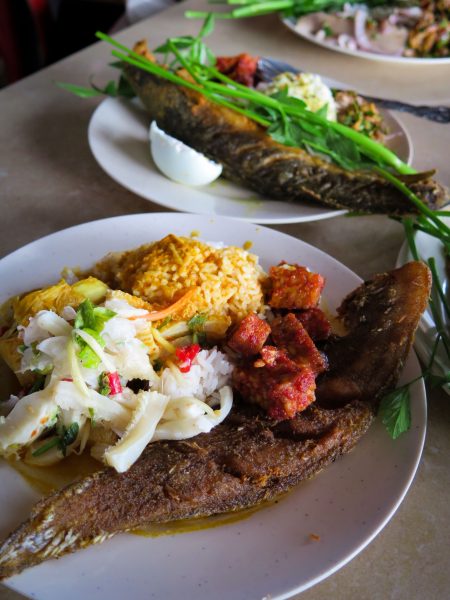
At places like Restoran Kak Yan Nasi Campur, meals unfold differently from resort dining. Plates of nasi campur begin modestly enough before slowly becoming overloaded with gulai, sambal, fried fish, vegetables, and whatever looked too good to leave behind. Locals know to arrive early, before the most popular dishes disappear by lunchtime.
Elsewhere on the island, seafood becomes ritual.
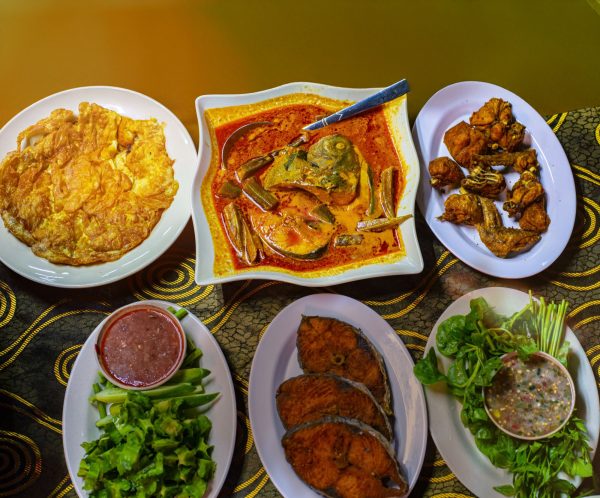
At many gulai panas spots, diners are first brought to trays of fresh fish resting on ice. You point to the one you want and the kitchen takes over from there, simmering it into rich curry gravy fragrant with spices and coconut. There is something refreshingly unceremonious about the process. No elaborate explanation. Just familiarity built through repetition.
At night, the island shifts again.
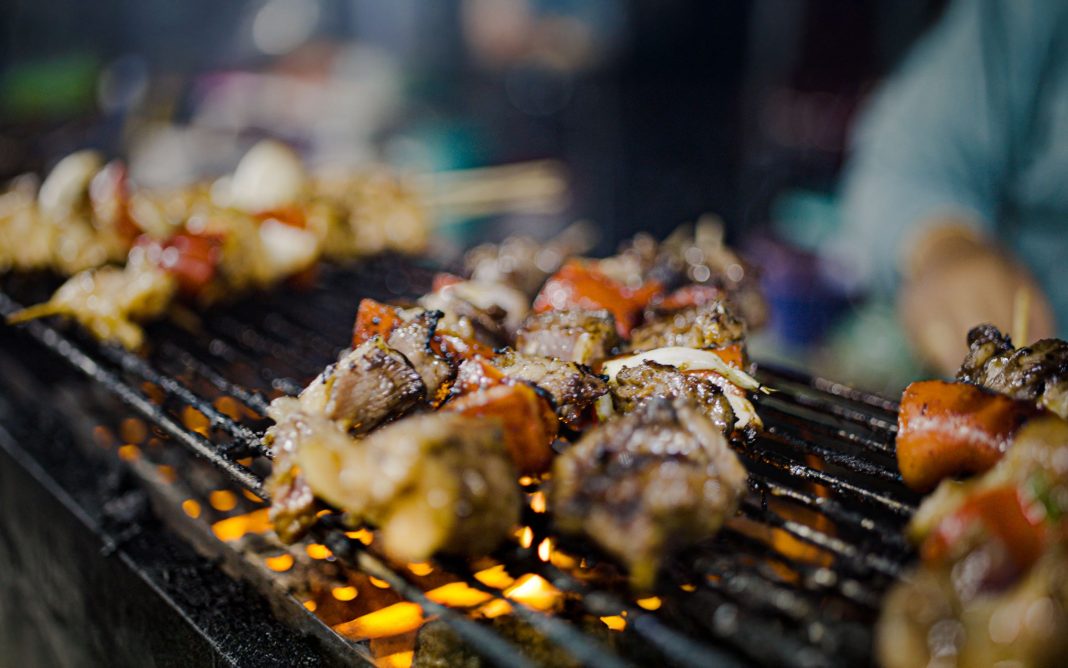
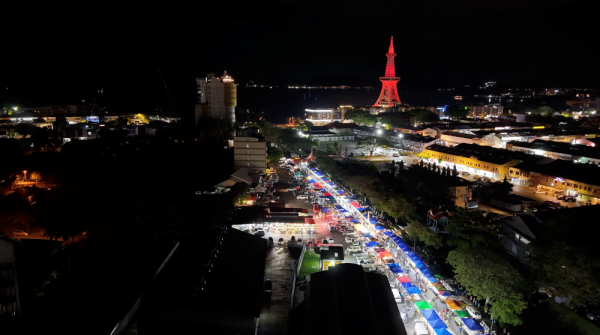
Pasar malam stalls glow beneath fluorescent lights while smoke from grills curls into the humid air. Orders are shouted between stalls. Plastic bags swing from handlebars.
Children weave between crowds carrying snacks still too hot to hold properly.
This is where keropok lekor tastes best — fresh from the fryer, crisp outside, soft within, dipped into sweet chilli sauce before cooling too quickly.
And then there are the quieter meals.
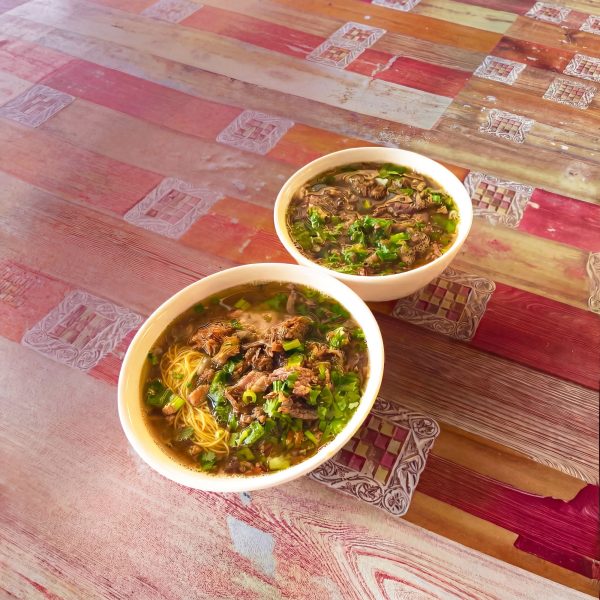
A bowl of bihun sup on a rainy afternoon. The sharpness of lime squeezed into slow-simmered broth. Roti canai eaten slowly over morning conversation and endless cups of tea. Fresh coconut water after hours spent under the island heat. These are not dramatic dining experiences and that is precisely the point.
Langkawi’s food culture does not constantly try to impress you. It simply invites you in.
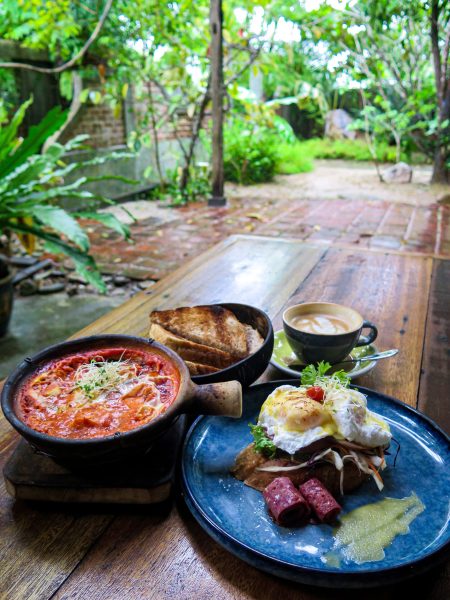
Even the island’s cafés seem to understand this rhythm. Places like Smiling Buffalo Cafe feel less concerned with trends and more interested in slow coffee, open spaces, long conversations, afternoons that drift naturally into evening.
And perhaps that is what makes eating in Langkawi feel different from other island destinations. The food rarely feels separated from everyday life here.
It exists beside roadside stalls opening before sunrise. Beside families gathering around shared dishes without ceremony or occasion. Steady, generous, and unforgettable.
(Source: Your Stories — Naturally Langkawi)