


SANYA, China, 25 November 2026: As coastal and island destinations face growing pressures from climate change, concentrated visitor flows and unmanaged development, a new report from the Pacific Asia Travel Association (PATA) highlights how destinations can pursue tourism growth while protecting the natural, cultural and community assets upon which their economies depend.
Titled Pathways to Sustainability — A Guide for Coastal Tourism Destinations, the report was launched last week at the 2026 Coastal Tourism Destination Exchange Event in Sanya, China.
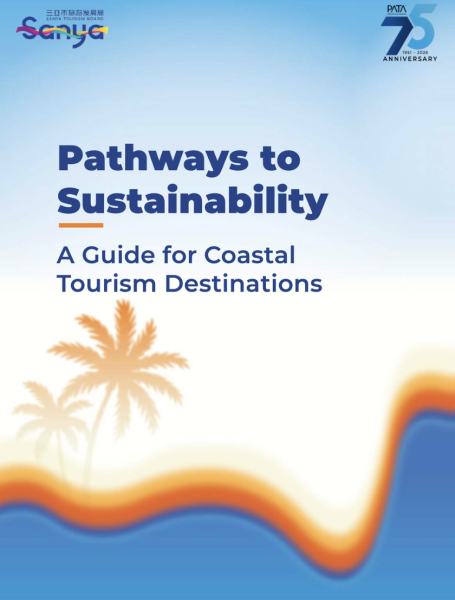
The publication brings together 15 case studies from coastal and island destinations across different regions, including eight from Sanya. Organised into four categories – natural, cultural, urban, and resort destinations – it examines how different places are addressing the challenges of sustainable tourism development, with practical examples and lessons that other destinations can consider in their own planning and management approaches.
“Tourism destinations are built upon natural ecosystems, cultural heritage and local communities, which are not simply attractions for visitors but the foundations upon which tourism economies depend,” said PATA CEO Noor Ahmad Hamid. “As tourism continues to expand, destinations must look beyond visitor numbers and consider how to create greater economic value while safeguarding the resources and communities that sustain the industry.”
“This report brings together practical experiences from destinations that are already addressing these challenges in different ways. We hope the findings will encourage greater knowledge-sharing and collaboration, while helping governments and industry stakeholders identify approaches that can be adapted to their own circumstances.”
The report explores four interconnected dimensions of destination development, each presenting distinct challenges and approaches.
Natural Destinations: Protecting Resources Through Better Management
Natural destinations demonstrate the importance of managing visitor flows, conserving ecosystems, and strengthening climate resilience. Case studies include the Cook Islands, Koh Mak in Thailand, and Wuzhizhou Island in Sanya. Their approaches range from destination stewardship plans and community-led environmental charters to coral reef restoration, visitor reservation systems and integrated land-use planning.
Cultural Destinations: Keeping Communities at the Centre
Cultural destinations highlight the importance of community ownership, cultural authenticity, and ensuring that tourism benefits reach the people who safeguard local heritage. The report features Sarawak’s longhouse tourism in Malaysia, Papua New Guinea, West Island (Xidao) Fishing Village, and Yazhou Ancient City in Sanya.
Urban Destinations: Creating Greater Value With Less Impact
Urban destinations face increasing pressure on land, water, energy, and public infrastructure. The case studies examine how destinations can improve resource efficiency and manage visitor demand without continually expanding their environmental footprint.
Resort Destinations: Embedding Sustainability Into Operations
Resort destinations demonstrate how sustainability can become an integral part of business operations, property design, and the guest experience. Featured cases include El Nido Resorts in the Philippines, the Maldives, Ascott Dadonghai Bay in Sanya, and Sunshine Yi Hotel in Sanya.
The report was prepared for the 2026 Coastal Tourism Destination Exchange Event, with contributions from Noeline Mateariki, Director of Sales & Marketing, Cook Islands Tourism Corporation; Designated Areas for Sustainable Tourism Administration (DASTA); Shin Hyun-chul, Head of the Glocal Tourism Team, Jeju Tourism Organisation; Aina Rashidah MD Noh, Manager – Editorial/Content, Sarawak Tourism Board; and Zaina Ahmed, Senior Executive, Visit Maldives Corporation.
For the full report, visit https://www.pata.org/research-q1v63g6n2dw/p/pathways-to-sustainability-a-guide-for-coastal-tourism-destinations
(Source: PATA)